
Ghumoopedia — Explore, Discover, Experience
Sign in
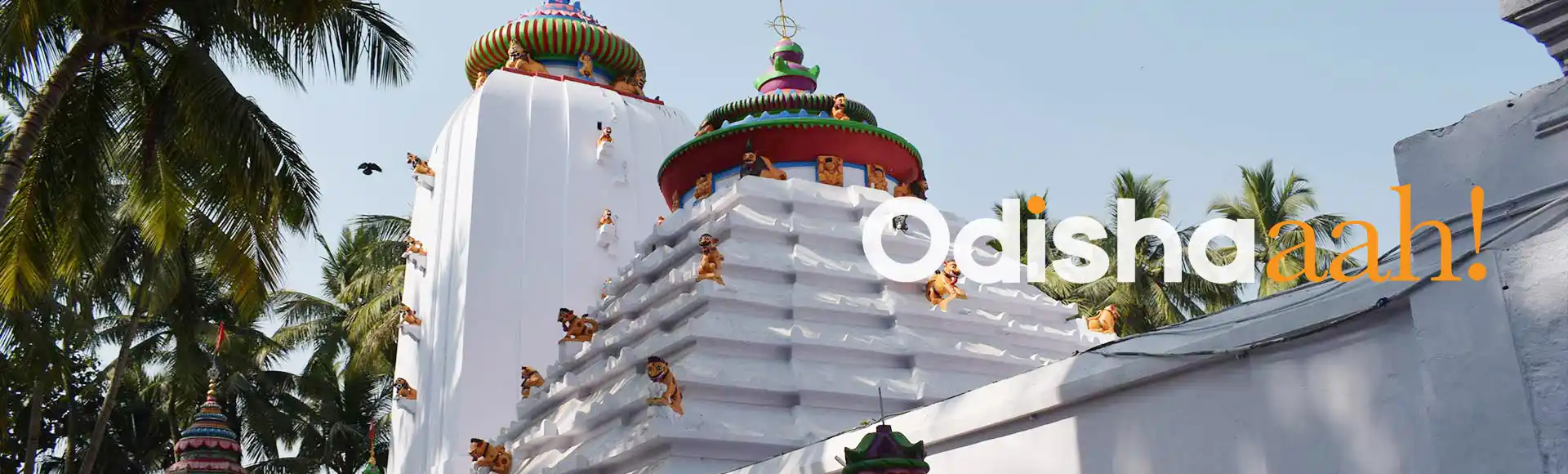
Biraja Temple, near Jajpur

City guide · Odisha

Jajpur

Jajpur is a historic temple town and the administrative headquarters of Jajpur district in northern Odisha. Its best-known landmark is Biraja Temple, an important Shakta shrine that draws pilgrims throughout the year.

Famous for

  • Biraja Temple
  • Ancient regional capital
  • Buddhist heritage sites
  • Baitarani river ghats
  • Kalinganagar industry
In the city
1
District
Jajpur

Why Jajpur matters

Jajpur is a historic temple town and the administrative headquarters of Jajpur district in northern Odisha. Its best-known landmark is Biraja Temple, an important Shakta shrine that draws pilgrims throughout the year. The town’s older religious landscape also includes the Baitarani river ghats and temples associated with the region’s long history as a centre of worship and pilgrimage.

Jajpur’s importance extends beyond its shrines. It was once a regional capital, and its wider district contains major Buddhist archaeological sites, including Ratnagiri, Udayagiri and Lalitgiri, which visitors can explore on excursions. Today the town serves as a centre for district administration, local trade and travel to these heritage places. The nearby Kalinganagar industrial area adds a modern economic dimension to the region, with large steel and metal-processing operations. For travellers, Jajpur offers a way to experience Odisha’s temple traditions and layered past, while also providing a base for exploring the Baitarani valley and the district’s religious and archaeological sites.

Famous for: crafts, trade & products

Jajpur is better known for its religious heritage and regional industry than for a single signature textile or handicraft. Biraja Temple and the town’s pilgrimage trade support shops selling puja materials, devotional objects and everyday goods. The central markets are useful for browsing local produce and provisions, though Jajpur is not widely identified with a distinct, nationally recognised saree tradition or a city-specific GI-tagged craft.

The wider district’s major commercial story is Kalinganagar, an industrial zone associated with steel, stainless steel and ferroalloy production. The district also has mineral resources, including chromite, that have contributed to industrial development. These activities are concentrated outside the old temple-centred town and are not conventional visitor shopping attractions. Travellers looking for Odisha textiles or specialist crafts may find a broader selection in larger regional centres. In Jajpur, the most distinctive visitor purchases are typically religious souvenirs and items from shops around the temple precinct; ordinary markets serve local residents and passing visitors.

History

Jajpur has held political and religious importance for many centuries. The town was once known as Biraja, after its prominent goddess shrine, and later names recorded for the settlement include Yajanagara and Jajnagar. Under the Somavamsi, or Kesari, rulers it became a regional capital; later, Cuttack took over that role. The Bhauma-Kara period is associated with Buddhist influence in the region, while nearby Ratnagiri, Udayagiri and Lalitgiri preserve evidence of a substantial Buddhist past. Later dynasties, including the Ganga and Gajapati rulers, shaped the area’s religious institutions and pilgrimage traditions.

Jajpur came under British rule as part of Odisha’s colonial-era political landscape, while its temples continued to draw worshippers. In modern times it developed as a district headquarters, with roads and rail connections serving the surrounding region. Industrial growth around Kalinganagar has added a major manufacturing presence to the district, alongside the town’s enduring administrative and religious roles.

Food, festivals & culture

Odia is the principal language of everyday life, with Hindi and English also used in public and commercial settings. The town’s cultural identity is strongly shaped by Biraja Temple and its Shakta traditions. Durga Puja and Navaratri, usually in autumn, bring particular devotional activity; Rath Yatra and other Hindu observances are also celebrated. Seasonal festivals such as Raja in early summer and Makar Sankranti in midwinter reflect wider Odia customs. The ghats along the Baitarani are important settings for worship and ritual bathing.

Meals follow familiar Odia patterns, with rice, dal, vegetable preparations, fish and seasonal dishes. Pakhala, rice served with water and accompaniments, is especially welcome in the hot months; sweets made with chhena are found in local shops, though they are not unique to Jajpur. Devotional singing and temple music form part of religious occasions, alongside the wider Odia traditions of classical music and dance. Visitors can experience the town’s living culture around the Biraja Temple precinct, local shrines and riverfront, while the Buddhist sites elsewhere in the district offer a different view of its religious past.

Visiting the city

The cooler months from November to February are generally the most comfortable for exploring Jajpur. Summer can be hot and humid, and the monsoon from July to October brings much of the region’s rain. The nearest major airport is Biju Patnaik International Airport in Bhubaneswar. The main railway station serving the town is Jajpur Keonjhar Road, from which onward road travel is needed.

Auto-rickshaws, local buses and hired cars are useful for getting around; a car is convenient for visiting sites spread across the district. Begin in the Biraja Temple precinct, then explore the Baitarani riverfront and Dasaswamedha Ghat. Ratnagiri, Udayagiri and Lalitgiri are worthwhile heritage excursions beyond the town. Check local conditions before setting out during heavy monsoon rain.

Attractions

Places to visit in Jajpur

Sights within about 12 km of each other, even when they fall in different districts.

Map

Jajpur on the map

  1. 1Biraja Temple

Odisha

Other cities to explore