
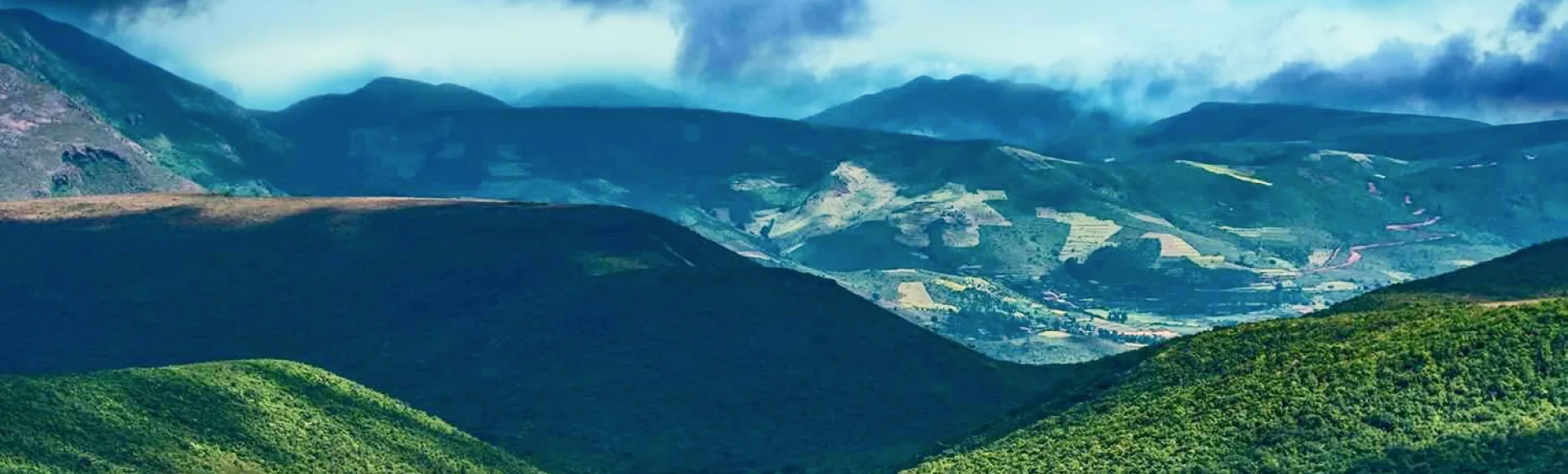
District · Odisha
Koraput
Koraput offers a way to explore the southern Eastern Ghats, with forested hills, high plateaus, river valleys and waterfalls shaping many journeys.
Koraput lies in southern Odisha, where the Eastern Ghats shape a landscape of forested hills, valleys, rivers and high plateaus. Its best-known natural sights include Deomali, Odisha’s highest peak, Duduma Waterfall and the Kolab reservoir. The area is also known for important places of worship, including Gupteswar Cave Temple and Sabara Srikshetra. Koraput’s character reflects the long presence and varied cultures of Adivasi communities, alongside the region’s links with the historic Jeypore estate. Towns such as Koraput and Jeypore serve as practical bases for exploring a district where rural life, local markets and dramatic scenery are central to the travel experience.
Koraput offers a way to explore the southern Eastern Ghats, with forested hills, high plateaus, river valleys and waterfalls shaping many journeys. Its best-known sights include Deomali, Odisha’s highest peak, Duduma Waterfall and the Kolab reservoir, alongside Gupteswar Cave Temple and Sabara Srikshetra. The district is also a longstanding home to diverse Adivasi communities, whose traditions and village markets are part of the region’s cultural life. Koraput and Jeypore make useful bases, while travel beyond them rewards visitors prepared for winding roads and a less urban pace than Odisha’s coastal centres.
The Koraput region has a long history of settlement by Adivasi communities, with distinct languages, customs and relationships to the surrounding forests and hills. Much of the area was historically associated with the Jeypore kingdom, also known as the Jeypore estate, whose rulers held authority over a broad tract of what is now southern Odisha. The region passed through the influence of changing powers in eastern and southern India before coming under British administration. In the colonial period, it was administered within the Madras Presidency; Koraput became a district when Odisha Province was formed in 1936. After Independence, it remained a large administrative district in Odisha. A major reorganisation in 1992 created separate districts from parts of the former Koraput district, including Malkangiri, Nabarangpur and Rayagada. The present district retains links to this layered past through its historic Jeypore connections and the continuing cultural presence of its Adivasi communities.
7 destination guides
Deomali Hills
Deomali Hills, in Koraput, is Odisha’s highest peak at about 1,672 metres. People visit for its Eastern Ghats scenery, rolling grasslands, misty valleys, winding roads and broad views.
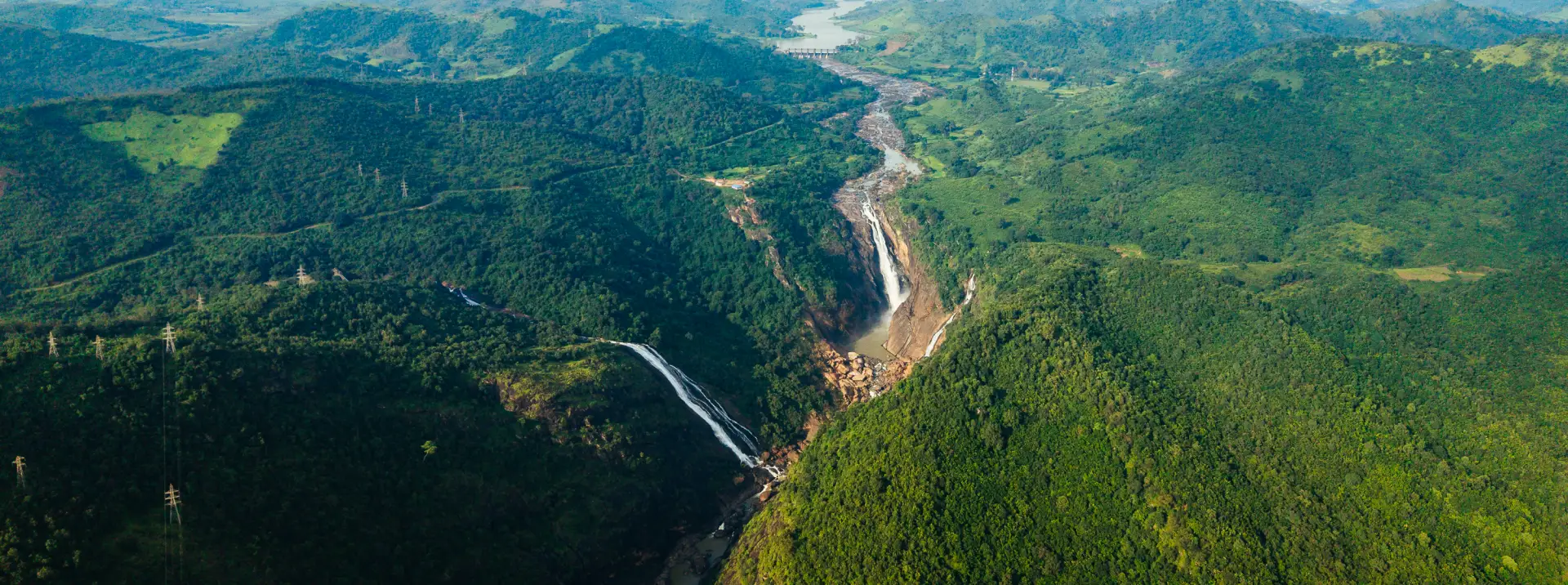
Duduma Waterfall
Duduma is a high waterfall on the Machkund River in Koraput district, near the Odisha–Andhra Pradesh boundary. Visitors come for its roughly 157-metre drop, wooded hills and viewpoints.
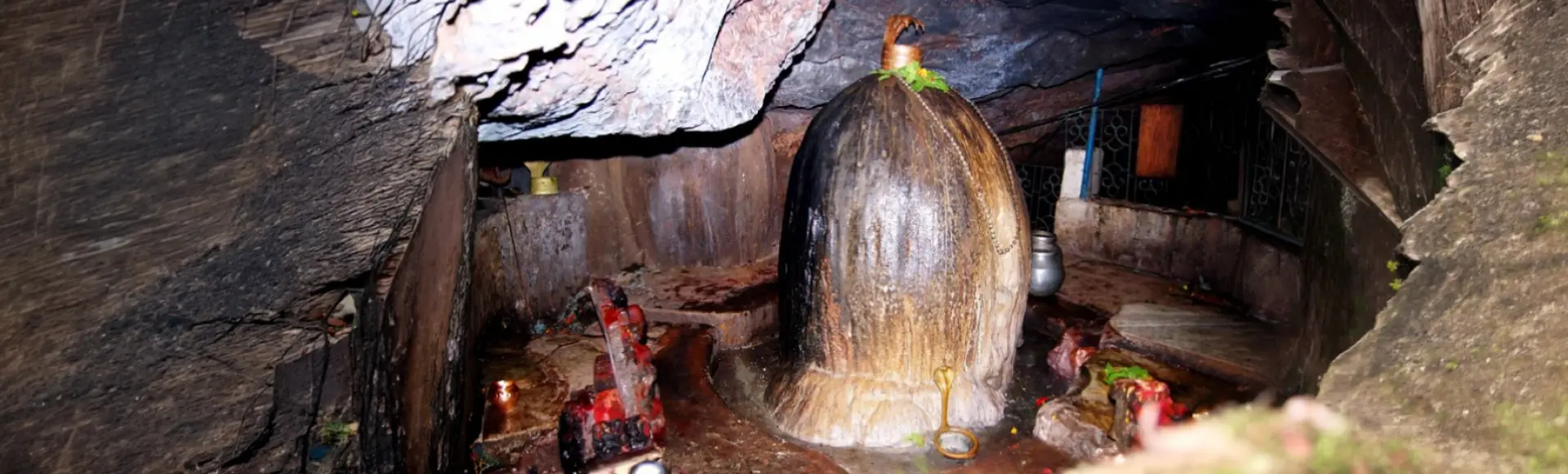
Gupteswar Cave Temple
Gupteswar Cave Temple in Kathakhunta, Koraput, Odisha, is a Shiva shrine in forest country beside the Kolab River. Pilgrims visit its cave lingam, particularly during Shravan and Shivaratri.
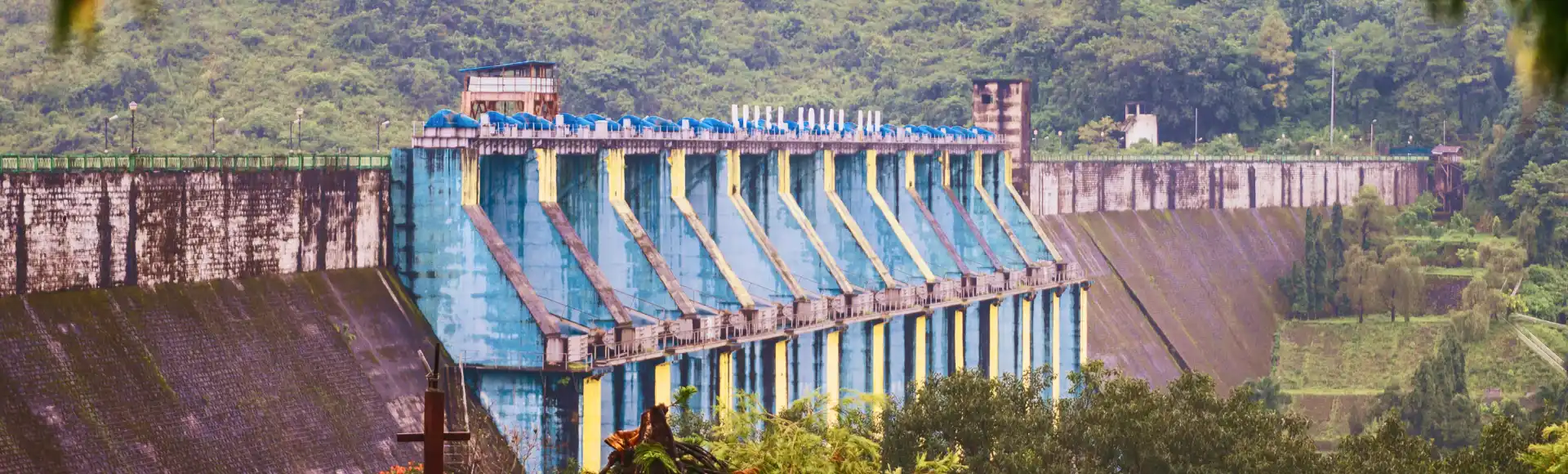
Kolab Dam
Spanning the Kolab River in Koraput district, Odisha, Kolab Dam is a significant hydroelectric installation. Visitors come for its reservoir setting, surrounding hills and woodland, and boating.

Kotpad
Kotpad, in Odisha’s Koraput district, is a town known for its sarees and handloom textiles. Visitors are drawn to its plant-dyed weaving tradition and its association with an award-winning film.
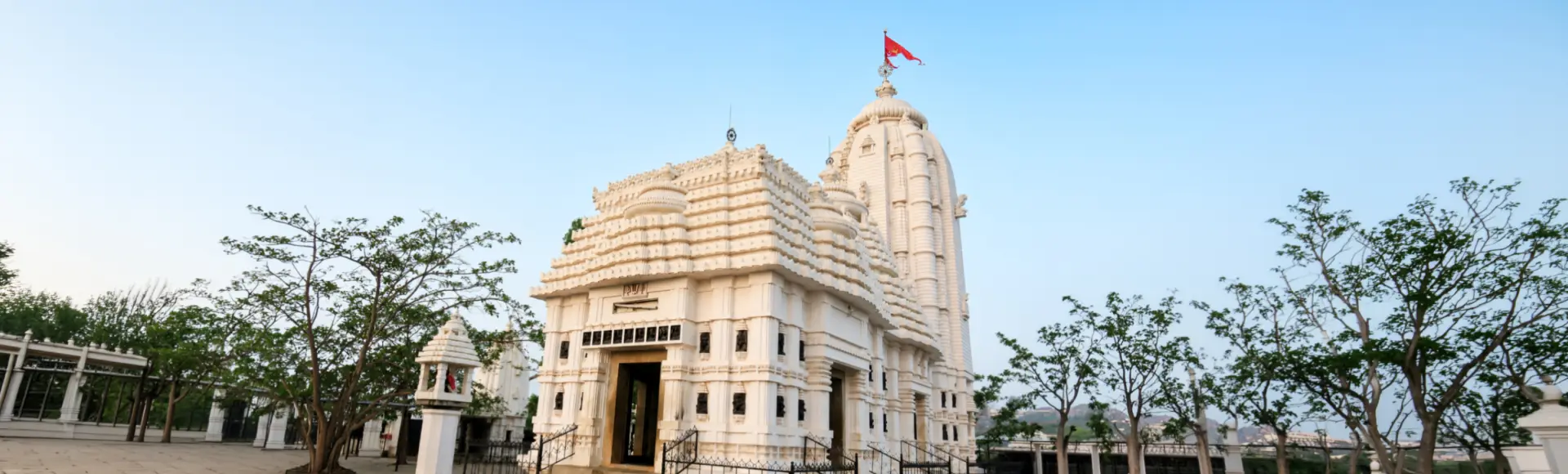
Sabara Srikshetra (Jagannath Temple, Koraput)
On a hill overlooking Koraput, Sabara Srikshetra is a modern Jagannath temple inaugurated in 1972. Visitors come to worship and learn about its association with the Sabara community.
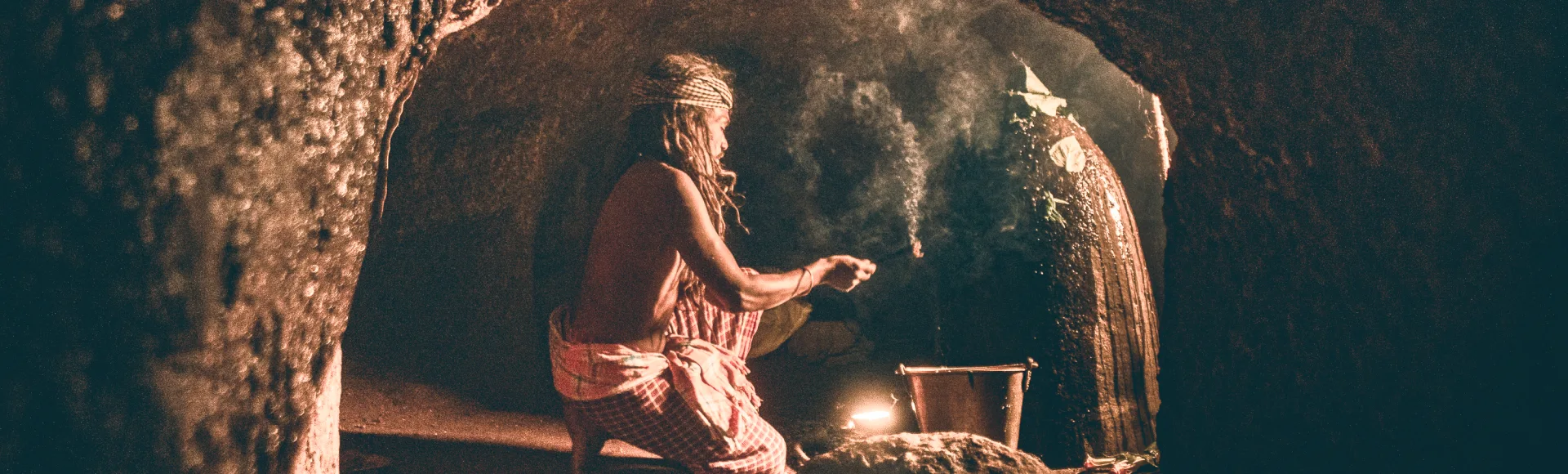
Sahasra Shivalinga Temple
Set on Koti Shivalinga Parvat in Kutunipadar, this Koraput shrine is known for its naturally formed Shiva lingas and cave sanctuaries, drawing pilgrims to a distinctive place of worship.
Rice is a staple across Koraput, and meals may include dal, seasonal vegetables and locally available greens. Millets, including ragi (mandia), are also part of the wider food culture of Odisha’s southern highlands; preparations vary between households and communities. Visitors may encounter pakhala, a wider Odia tradition of fermented or soaked rice, though it is not served everywhere. Koraput is associated with coffee cultivation and distinctive local produce, including rice varieties. In smaller settlements, menus can be limited, so ask what has been freshly prepared. Chhena poda is a well-known sweet from Odisha more broadly.
Kotpad handloom, associated with Kotpad in Koraput district, is among the region’s best-known textile traditions. The cotton cloth is traditionally coloured with natural dyes, including shades derived from the aal tree’s roots, and woven with distinctive patterns. The practice is recognised through a geographical indication for Kotpad handloom fabric. Weaving knowledge is maintained by local artisan communities, though designs, materials and availability can vary. Koraput and the wider southern Odisha region also have diverse Adivasi art and craft practices; visitors should ask about a maker’s community and the work’s provenance rather than assume all regional crafts share one tradition.
Parab, a regional tribal festival usually held in the cooler months, brings performances, crafts and cultural gatherings to the Koraput area. Its programme and scale can vary, but it may increase demand for rooms in Koraput and nearby towns. Rath Yatra is observed at Jagannath temples, including Sabara Srikshetra, generally in summer. Dussehra and Diwali are also celebrated, while village and community festivals often follow local agricultural and seasonal traditions. During larger events, book accommodation ahead where possible and confirm the current programme locally.
Elsewhere in Odisha
Koraput lies in the Eastern Ghats, where elevated plateaus, steep hills and forested valleys create a varied landscape. The Kolab and Machkund river systems shape the area, with reservoirs and waterfalls among its notable features. Deomali rises above the surrounding uplands, while roads to remote viewpoints and shrines often cross winding, hilly terrain. Forest and rural stretches separate many sights from the main towns, so journeys can take longer than the map suggests. The scenery is a central part of visiting, but it also makes a reliable vehicle and flexible plans useful.
Summer is generally hot, especially in lower and more exposed areas, while the higher plateaus can feel comparatively cooler. The monsoon brings heavy, sustained rain at times; roads may become slippery, streams rise and access to remote sights can be difficult. Winter is usually the most comfortable season for outdoor travel, with cooler mornings and evenings. October to February is often a good period to visit, though local conditions vary. Pack layers for hill areas, rain protection during the monsoon or shoulder months, sturdy footwear, sun protection and any personal medicines. Check local forecasts and road conditions before setting out.
Koraput Junction is the main railway station for the district, with Jeypore railway station another rail option for some itineraries. Jeypore Airport and Visakhapatnam Airport can be considered for air travel; available flights and onward connections vary. Road links connect Koraput with Jeypore, Semiliguda and other towns in southern Odisha, and buses operate on regional routes. For attractions beyond the main towns, local taxis or a hired vehicle can be more practical than relying on frequent public transport. Check road conditions before travelling to remote sites, and confirm current services locally.
Koraput and Jeypore are connected by regional roads, and routes also link them with Semiliguda and other towns. Buses serve some town-to-town journeys, while shared jeeps and autos may be available on local routes; service to smaller villages and remote sights can be limited or irregular. A taxi or hired vehicle is often the most practical way to combine places such as Deomali, Duduma Waterfall and Gupteswar Cave Temple. Roads in the hills can be narrow and winding, so allow ample time and confirm the return transport plan locally. Do not assume boats operate at reservoirs or rivers.
2 days: Sabara Srikshetra (Jagannath Temple, Koraput) → Kolab Dam → Deomali Hills; sleep in Koraput, then Jeypore. 3 days: Sabara Srikshetra (Jagannath Temple, Koraput) → Kolab Dam → Deomali Hills → Duduma Waterfall; sleep in Koraput, then Jeypore on both following nights. 4 days: Sabara Srikshetra (Jagannath Temple, Koraput) → Kolab Dam → Deomali Hills → Sahasra Shivalinga Temple → Duduma Waterfall → Gupteswar Cave Temple; sleep in Koraput, then Jeypore for the next three nights.
Koraput is a convenient base for Sabara Srikshetra, the Kolab area and journeys towards Deomali. Jeypore is useful for routes to Duduma Waterfall and Gupteswar Cave Temple, and has a broader choice of ordinary hotels and guest accommodation. Options elsewhere may be limited, so plan remote excursions as day trips from a town where you have confirmed a room. Depending on location, stays may include hotels, homestays, government lodges or dharamshalas. Availability and facilities vary; check access, meals and current operating arrangements before travelling.
Wear sturdy footwear at waterfalls, viewpoints and cave approaches, where rock and steps may be slippery or uneven. Keep a safe distance from wildlife and do not enter forest areas alone. Carry drinking water and avoid untreated stream water. Mobile coverage may be patchy outside towns, so share your route and do not rely on connectivity for navigation. Confirm access arrangements with local authorities before visiting remote sites; do not assume a permit is required, and verify officially if one is mentioned. Carry essential medicines.
- Alluri Sitharama Raju · Andhra Pradeshabout 75 km
- Bastar · Chhattisgarhabout 76 km
- Vizianagaram · Andhra Pradeshabout 118 km
- Dantewada · Chhattisgarhabout 131 km
- Rayagadaabout 144 km
- Visakhapatnam · Andhra Pradeshabout 145 km
- Srikakulam · Andhra Pradeshabout 160 km
- Kandhamalabout 199 km
Straight-line distance between the centres of each district's destinations; road distance is longer.
Q: How many days should I spend in Koraput? A: Two days can cover a few accessible highlights; allow three or four days for a more relaxed trip that includes remote sights. Q: When is the best time to visit? A: October to February is generally comfortable for outdoor travel. Monsoon journeys need more flexibility because of rain and road conditions. Q: Where is the best base? A: Koraput suits visits to town sights and the Kolab area; Jeypore is a practical base for several farther excursions. Q: How do I get to Koraput? A: Koraput Junction and Jeypore railway station serve rail itineraries. Jeypore and Visakhapatnam airports are possible air options; check current connections and arrange onward road transport. Q: Is Koraput suitable for families or elderly travellers? A: Yes, with planning.
This page draws on our 7 destination guides for Koraput and is updated as our team checks it.
Be the first to share photos, stories, advice or a helpful contact for Koraput.
Loading…