
District · Andhra Pradesh
Alluri Sitharama Raju
Alluri Sitharama Raju district is Andhra Pradesh’s Eastern Ghats hinterland, known for forested hills, tribal communities and hill settlements.
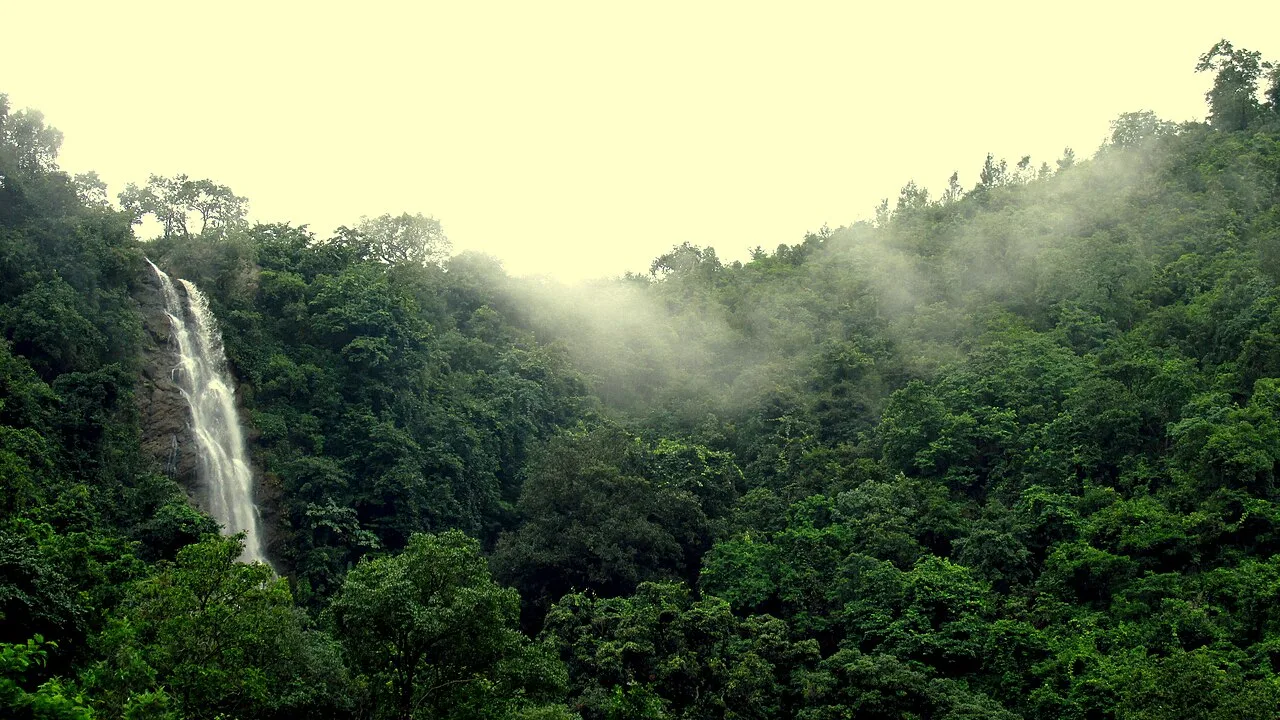
Alluri Sitharama Raju district occupies a rugged stretch of the Eastern Ghats in northern Andhra Pradesh. Its landscape includes forested hills, deep valleys, waterfalls and small settlements, with Araku Valley and Lambasingi among its best-known destinations. Borra Caves and Katiki Waterfalls add to the region’s natural appeal. Much of the district is hilly and rural, and its many tribal communities shape its distinctive cultural character. The district is named for Alluri Sitarama Raju, the freedom fighter associated with the Rampa rebellion against British rule in the 1920s. Today, visitors come for the mountain scenery and local culture, while travel between places can take time on winding roads.
Alluri Sitharama Raju district is Andhra Pradesh’s Eastern Ghats hinterland, known for forested hills, tribal communities and hill settlements. Its best-known visitor stops include Araku Valley, Borra Caves, Katiki Waterfalls and Lambasingi, each offering a different way to experience the uplands. Araku is a familiar base for exploring the region, while Lambasingi is associated with cool winter conditions. The district also has cultural significance as part of the country associated with freedom fighter Alluri Sitarama Raju. Visitors should allow for winding journeys between sights: this is a landscape to explore at a measured pace rather than a compact collection of attractions.
The hill country now within Alluri Sitharama Raju district has long been home to Indigenous and tribal communities, whose settlements and livelihoods are closely connected to the Eastern Ghats. Across different periods, the wider northern Andhra region came under the influence of Kalinga and Andhra polities, including the Eastern Chalukyas, Gajapatis and Vijayanagara rulers; authority in the uplands varied over time. Under British rule, much of the interior was administered as agency territory, and colonial policies and restrictions contributed to unrest. Alluri Sitarama Raju led the Rampa rebellion of 1922–24 against British rule in the agency areas, becoming a lasting figure in the region’s history. After independence, the area formed part of Visakhapatnam district in Andhra Pradesh. On 4 April 2022, the state reorganised its districts and established Alluri Sitharama Raju district, named for the freedom fighter, with Paderu as its headquarters.
4 destination guides
Araku Valley
Araku Valley is a hill station in Andhra Pradesh’s Alluri Sitharama Raju district, 111 km from Visakhapatnam. Visitors come to experience it as a hill-station destination.
Borra Caves
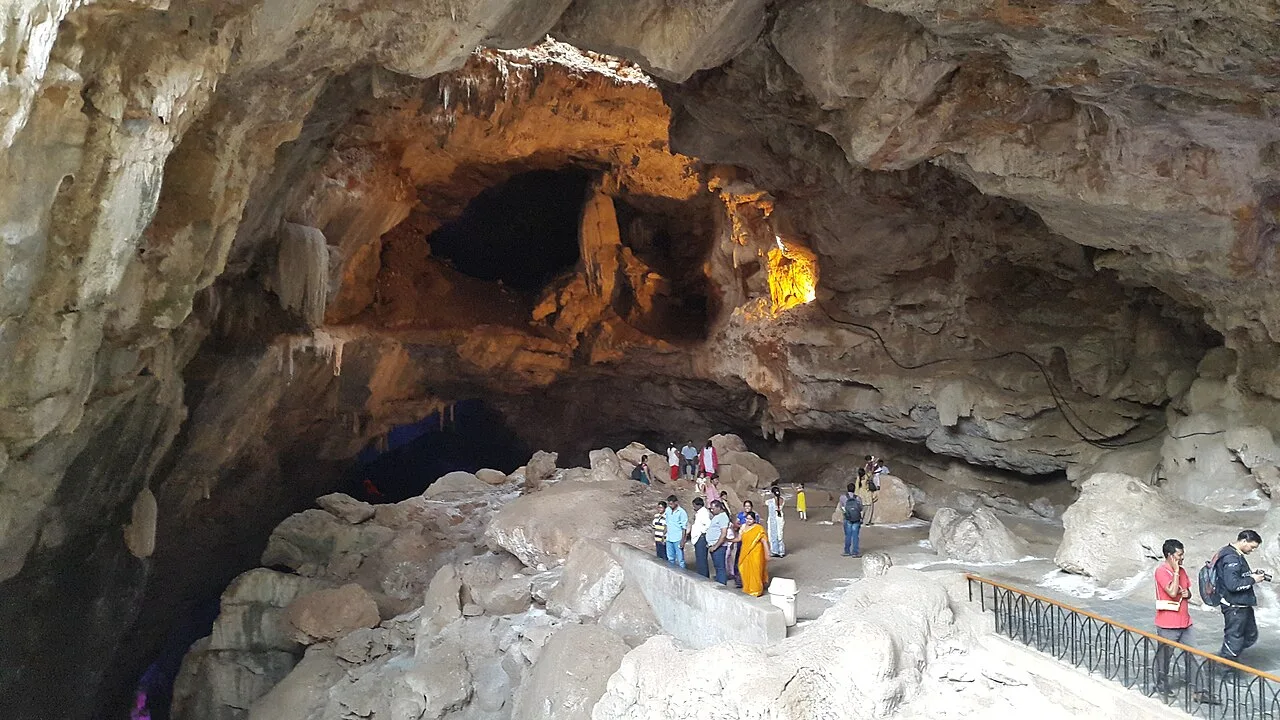
Borra Caves are a limestone cave network in the Ananthagiri hills near Araku Valley, Andhra Pradesh. Visitors explore the caves to view their stalactites, stalagmites and other karst features.
Katiki Waterfalls
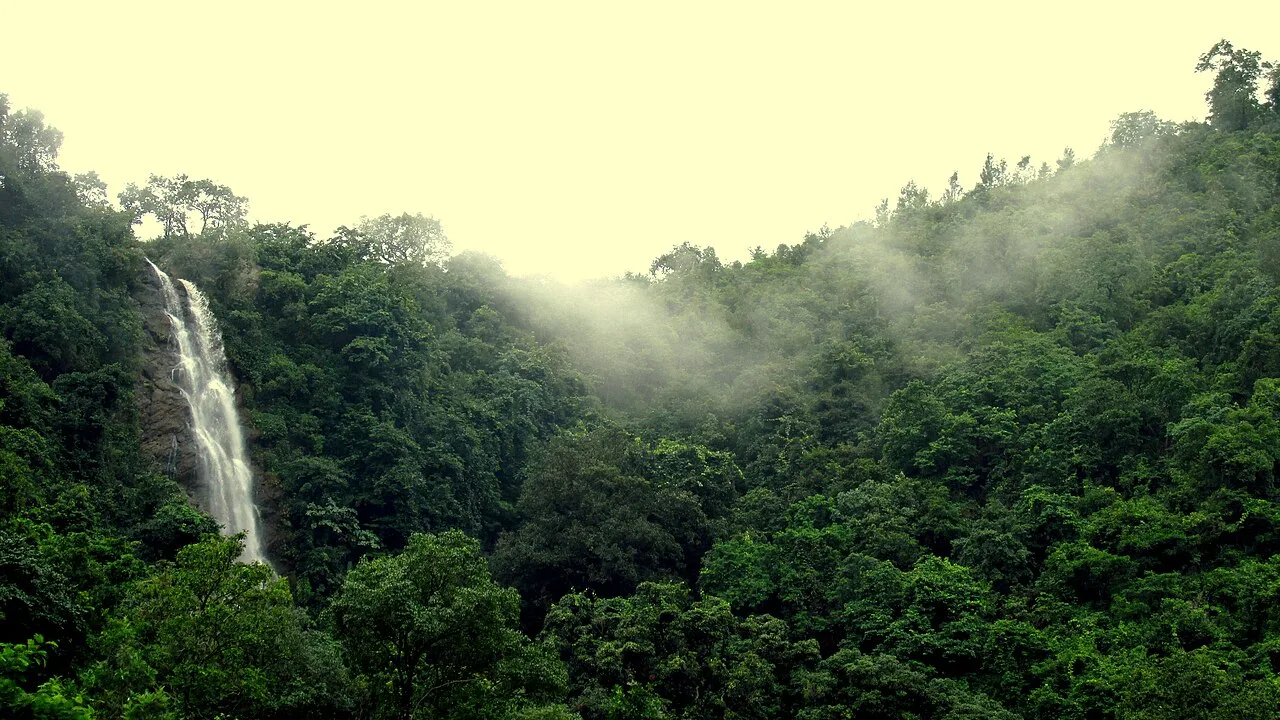
Katiki Waterfalls is a waterfall in Andhra Pradesh’s Alluri Sitharama Raju district. Visitors come to see the falls, which are close to Borra Caves and fed by River Gosthani.
Lambasingi
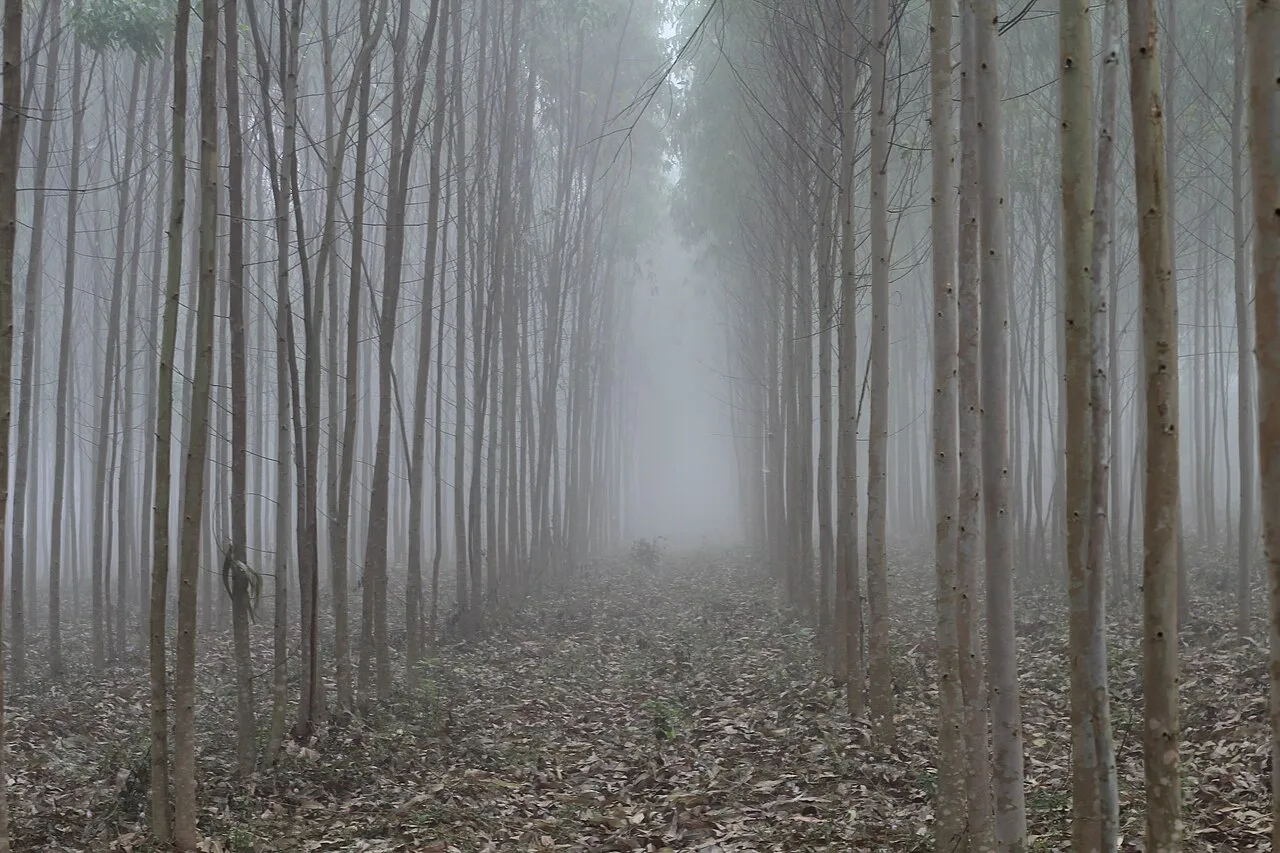
Lambasingi, also called Lammasingi, is a village in Andhra Pradesh’s Alluri Sitharama Raju district. Travellers visit for its cool highland setting, plantations and varied birdlife.
Food in the district reflects both tribal traditions and the wider Andhra region. Millet-based dishes, including ragi preparations, and foods made with locally available ingredients are part of the region’s rural food culture. In and around Araku, some eateries serve chicken cooked in bamboo, a preparation associated with the local tourism scene. Across Andhra Pradesh, common favourites include pesarattu, pulihora and meals with gongura or avakaya pickle. Recipes and menus vary between communities and eateries; small places may cook a limited selection each day. Andhra food can be spicy, so ask for a milder serving if preferred.
The district’s cultural traditions are closely connected to its tribal communities, whose practices vary from place to place. Across tribal Andhra and the Eastern Ghats, bamboo and cane work, basketry and bead ornaments form part of everyday material culture; what visitors can find for sale varies by village and season. Dhimsa, a group dance performed at community celebrations, is among the region’s best-known living art traditions. Rather than being associated with one signature craft or handloom, the area is notable for the diversity of its local skills and cultural expression.
Sankranti and Dussehra are observed in the district, while village jatara and other community festivals take place at locally determined times. Tribal cultural events may include traditional music and Dhimsa dance; schedules vary by place and year. Araku and nearby areas also host seasonal tourism and cultural programmes, which are not necessarily held on fixed dates. Festivals can bring more visitors to popular centres and make accommodation busier, especially during holiday periods and the cooler months. Check local announcements and arrange a room ahead if travelling during a festival or school holiday.
The district is predominantly an inland upland region of the Eastern Ghats, with forested ridges, valleys, steep slopes and scattered settlements. Araku Valley and the higher country around Lambasingi illustrate its varied terrain. Streams and rivers cut through the hills; the Gosthani is associated with the Borra Caves area. Forest cover and winding mountain roads shape the experience: journeys can be slow, viewpoints and settlements are spread out, and heavy rain may affect access. There is no coastline in the district, so travel here is chiefly about hills, caves, waterfalls and forest landscapes.
Conditions vary with elevation. Summers are generally warmer in the lower areas, while hill destinations can feel more temperate. The monsoon, broadly from June into the early autumn, brings rain, greener scenery and the possibility of slippery roads or disrupted access. Winter, from around November through February, is usually the most comfortable period for sightseeing; nights in higher places such as Lambasingi can feel distinctly cold. October to February is a useful general window for a visit, though weather varies by year. Pack layers, a warm jacket for hill nights, comfortable walking shoes and rain protection if travelling during or near the monsoon.
Visakhapatnam Airport is the main air gateway, and Visakhapatnam Junction is a major rail gateway for journeys into the district. Araku also has a railway station on the Kothavalasa–Kirandul line. From Visakhapatnam, roads lead inland through the Eastern Ghats; winding hill routes can make journeys slower than expected. APSRTC buses connect district towns, though services and onward links to smaller villages may be limited. Taxis and shared vehicles can help with local travel, especially for reaching scattered sights, but availability varies. Check current services locally before setting out.
Visakhapatnam is the main gateway for road journeys into the district. Local buses serve some towns and villages, though they may not suit a multi-stop sightseeing plan. Shared jeeps and autos operate in some areas, with availability varying by location and time of day. A locally arranged taxi or hired vehicle is often the most practical option for visiting several sights. Confirm the return transport plan before heading to a remote stop.
2 days: Araku Valley, Borra Caves, Katiki Waterfalls; sleep both nights in Araku Valley. 3 days: Lambasingi, Araku Valley, Borra Caves, Katiki Waterfalls; sleep night one in Lambasingi and nights two and three in Araku Valley.
Araku Valley is the most practical base for the caves and waterfall circuit, with hotels, guesthouses and homestays generally easier to find than in smaller settlements. Lambasingi suits a short stay focused on the highlands, but accommodation choices are more limited, so plan ahead. Paderu can be useful for travellers exploring nearby parts of the district, though it is not as convenient for every listed attraction. Tourism or government lodges may be available in selected centres; check current operating arrangements. Dharamshalas are not a dependable district-wide option.
Paths near waterfalls and caves may be uneven, wet or slippery, so use suitable footwear and follow local instructions. Keep a respectful distance from wildlife and do not enter forest areas or caves beyond permitted visitor routes. Carry drinking water and essential medicines, and use reliably treated water. Mobile connectivity can be patchy outside larger centres, so share your route and confirm onward transport in advance. No general visitor permit is assumed for the listed destinations; check with official local authorities for current forest access rules or any site-specific requirements.
- Vizianagaramabout 56 km
- Visakhapatnamabout 70 km
- Koraput · Odishaabout 75 km
- Srikakulamabout 114 km
- Bastar · Chhattisgarhabout 136 km
- Kakinadaabout 147 km
- Gajapati · Odishaabout 164 km
- Rayagada · Odishaabout 167 km
Straight-line distance between the centres of each district's destinations; road distance is longer.
Q: How many days should I spend in Alluri Sitharama Raju district? A: Two days can cover Araku Valley and nearby sights at a measured pace; three days allows time to include Lambasingi. Q: When is the best time to visit? A: The cooler months, broadly November to February, are usually comfortable. Winter nights in the hills can be cold. Q: What is the best base for the listed sights? A: Araku Valley is the most practical base for Borra Caves and Katiki Waterfalls. Lambasingi works for a separate highland stay. Q: How do I get to the district? A: Visakhapatnam is the principal gateway, with onward road connections into the hills. Rail services also connect Visakhapatnam with Araku; check current travel arrangements before setting out. Q: Is the district suitable for families or elderly travellers? A: Yes, with planning. Winding roads, uneven paths and limited services in remote areas may make some outings tiring; choose stops and walking routes to suit the group.
This page draws on our 4 destination guides for Alluri Sitharama Raju and is updated as our team checks it.
Be the first to share photos, stories, advice or a helpful contact for Alluri Sitharama Raju.
Loading…