
Lambasingi
Lambasingi, also called Lammasingi, is a village in Andhra Pradesh’s Alluri Sitharama Raju district. Travellers visit for its cool highland setting, plantations and varied birdlife.
Key facts · verified by Ghumoopedia editors
- Type of place
- Temple / pilgrimage site
- Best time to visit
- November to February; Araku and Horsley Hills are pleasant for much of the year
- Nearest railway station
- Visakhapatnam Junction · about 85 km (straight line)
- Nearest airport
- Visakhapatnam Airport · about 78 km (straight line)
- Verified
- 21 Nov 2026
Plan a trip from Lambasingi — a day-by-day route through places nearby.
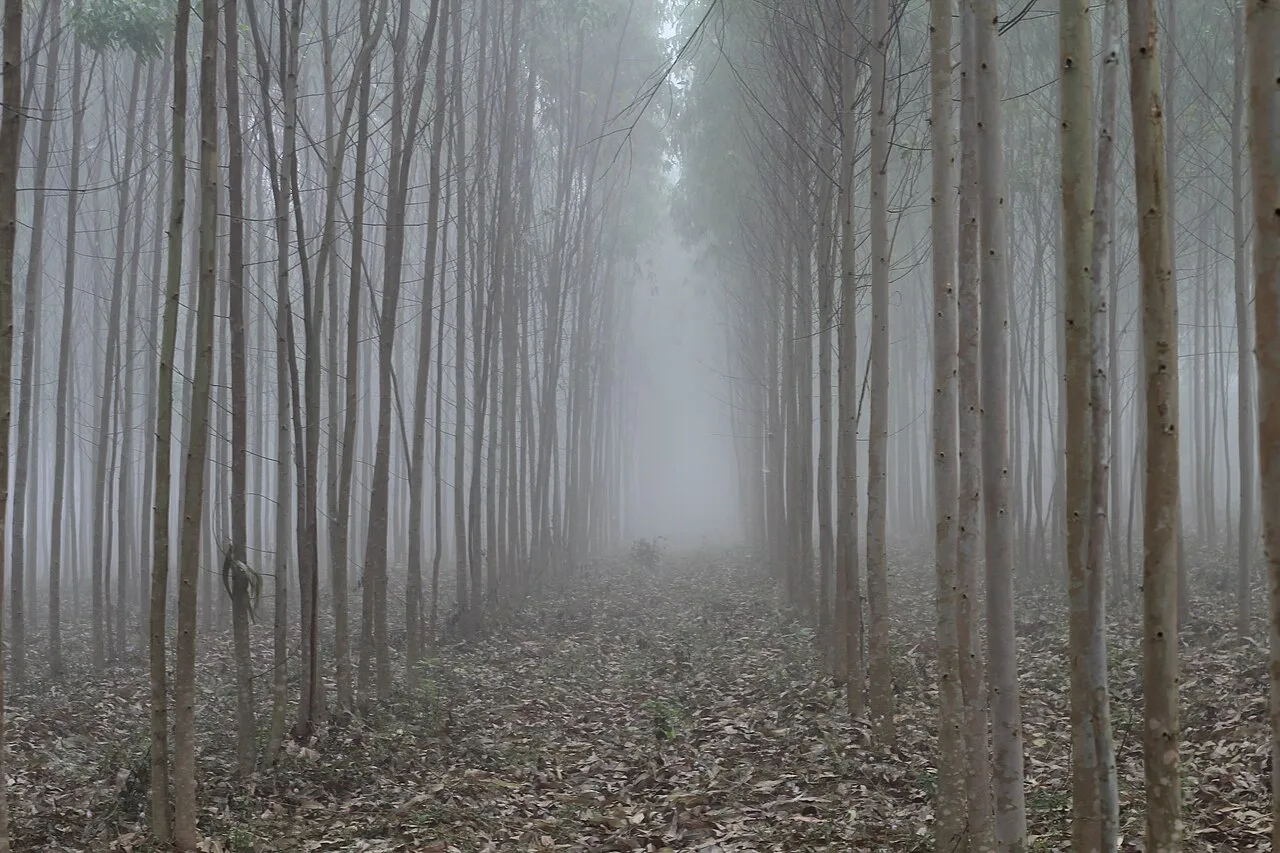
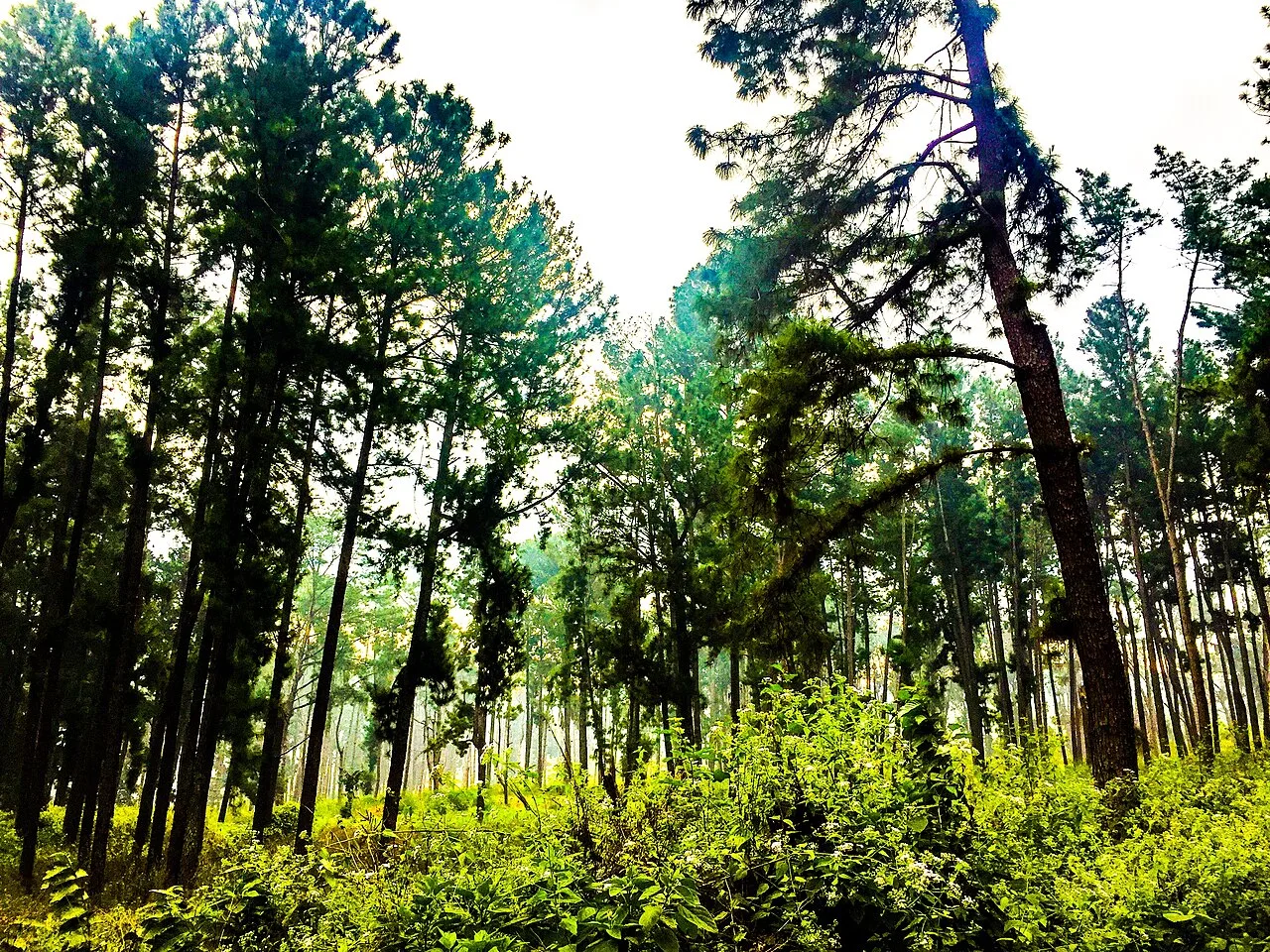
Lambasingi, also known as Lammasingi, is in Chintapalli Mandal, within Alluri Sitharama Raju district, Andhra Pradesh. Located in the Eastern Ghats at roughly 1,000 metres above sea level, it is cooler than the surrounding lowlands. Moist deciduous forest covers the area. Plantations around the settlement grow coffee, pine and eucalyptus, while small-scale attempts have been made to raise apples and strawberries. The region was once more heavily wooded and was known to have sustained tigers. Gaur are among its larger wild animals. The area has diverse birdlife, studied by numerous ornithologists. Those who have examined its birds include Trevor Price, Dillon Ripley, Bruce Beehler and K. S. R. Krishna Raju, among other researchers of the region’s avifauna. Andhra Pradesh stretches from the beaches and harbour hills of Visakhapatnam through the lush Godavari–Krishna delta to the sacred hills of Tirumala and the granite gorge of Gandikota, with ancient Buddhist sites at Amaravati and Nagarjunakonda, the forts of Kondaveedu and Chandragiri and the cave systems of Belum and Borra. The coast is hot and humid from March to June, the southwest monsoon brings rain from June to September, and October to December can bring cyclones off the Bay of Bengal. The pleasant season is November to February; the Eastern Ghat hills around Araku stay cooler. The usual best time to visit is November to February; Araku and Horsley Hills are pleasant for much of the year. Timings, fees and access arrangements must be confirmed locally. For official information, see Andhra Pradesh Tourism at https://aptourism.gov.in.
Why it matters
Lambasingi, also spelled Lammasingi, is a small Eastern Ghats village in Chintapalli Mandal of Alluri Sitharama Raju district, Andhra Pradesh. It is known regionally for its cool hill climate, forested surroundings and plantations, and is sometimes called the “Kashmir of Andhra Pradesh”; this is a popular nickname, not an official designation. Published accounts describe the area as lying about 1,000 metres above sea level and notes its bird diversity and surrounding moist deciduous forest. Lambasingi is not identified in the available information as a temple or established pilgrimage centre.
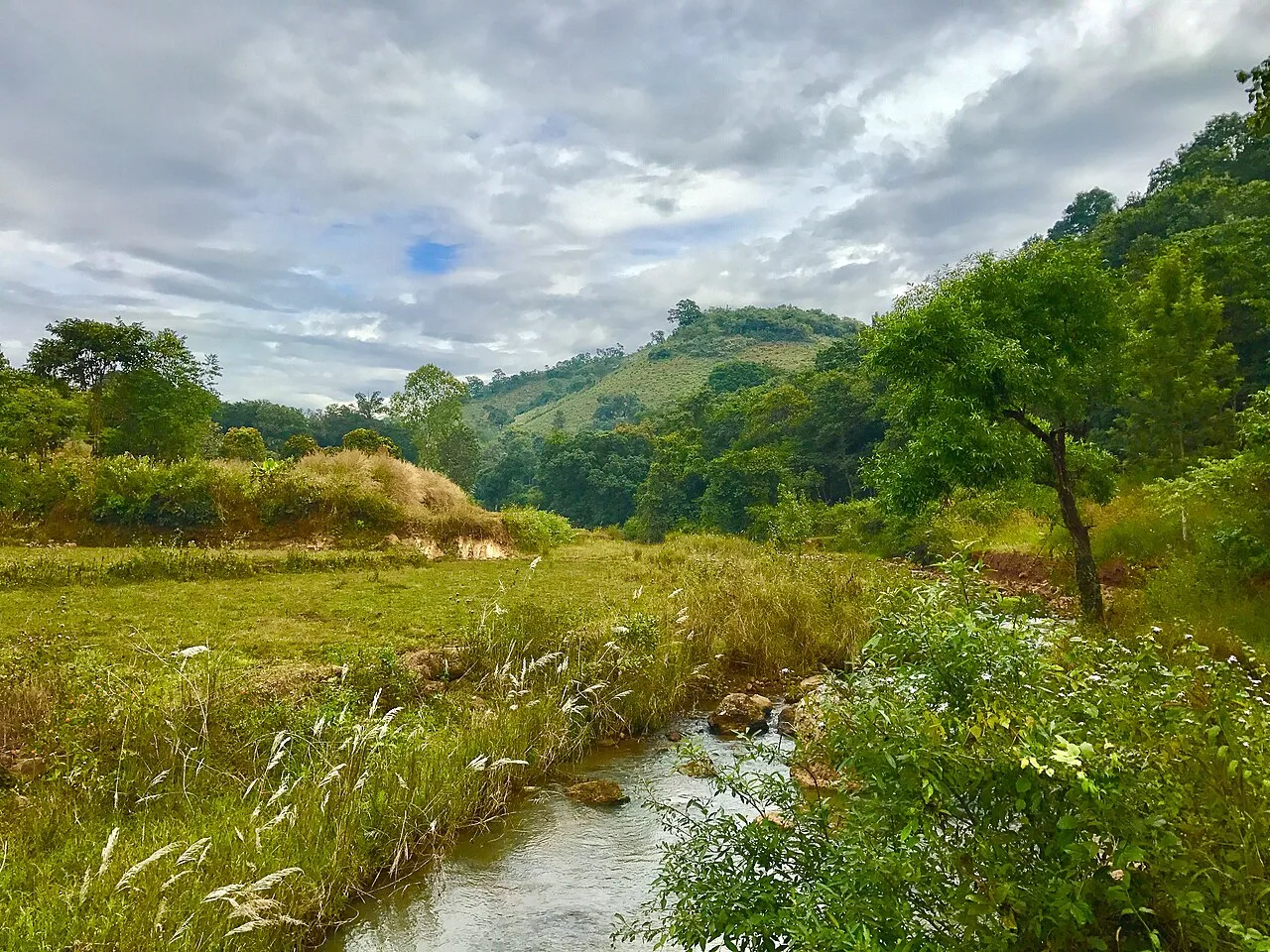
The available reference describes Lambasingi as a village in the Eastern Ghats, within Chintapalli Mandal. It does not provide a documented founding date, named founder, temple builder or account of a major restoration. For that reason, a precise construction history for a pilgrimage site cannot be given: Lambasingi is not identified here as a particular temple complex or formally documented sacred monument. The wider landscape has long been associated with forest cover and hill agriculture. The reference notes coffee, pine and eucalyptus plantations in the area, along with small attempts to grow apples and strawberries. It also describes forests that historically supported wildlife, including tigers, and identifies gaur among the larger animals of the region. The area's birdlife has attracted ornithological study, including work by Trevor Price, Dillon Ripley, Bruce Beehler and K. S. R. Krishna Raju. These details establish ecological and agricultural interest, but do not establish a temple chronology. Visitors seeking the history of a particular shrine should first confirm its name and location with residents or local authorities; oral accounts and village records may contain details not represented in general references.
Origin stories & folklore
No specific, well-attested origin legend for a Lambasingi temple is established in the available information. Lambasingi is described as a village and hill destination rather than as a named pilgrimage shrine, so stories about a deity, miraculous discovery of an idol or a temple's founding should not be presented as fact. As in many Eastern Ghats communities, residents may have oral histories and beliefs connected with particular hills, groves, springs or local places of worship. These accounts can differ between families and villages. If you hear one, treat it respectfully as local tradition, ask whether it may be shared, and distinguish it from documented history. Confirm the name and location of any shrine before planning a visit specifically for its legend.
Architecture & design
The destination is a small village set among Eastern Ghats slopes, forest and plantations, not a documented monumental temple complex. Visitors should therefore not expect a confirmed gopuram, carved mandapa, historic stone sanctum or formal pilgrimage route on the basis of this guide. Village buildings and any local places of worship should be understood in their immediate setting: the terrain is hilly, the climate cooler and wetter than the surrounding plains, and settlement is interspersed with cultivated and forested land. Construction materials, layouts and dates can vary from building to building and should not be generalised without a site-specific survey. If residents direct you to a shrine, follow local guidance about where visitors may enter, whether footwear should be removed and which areas are private. Do not assume that an unmarked structure is open to visitors or that its construction has been formally documented.
Important objects & sculptures
No particular idol, sculpture, inscription, relic or museum collection is documented here as a Lambasingi attraction. This is important for a destination labelled as a temple or pilgrimage site: visitors should first establish whether a specific shrine is intended and confirm its name locally. If you visit a community place of worship, any images, offerings or ritual objects should be treated as active sacred items, not as display pieces. Do not touch, move or photograph them without permission. The area's better-established points of interest are its hill environment, forest, plantations and birdlife rather than a documented collection of antiquities. Claims about ancient idols, inscriptions or rare objects should be checked with a knowledgeable local custodian or the relevant authority before being repeated.
Religious significance
The available reference does not identify a principal deity, established pilgrimage tradition or named temple at Lambasingi. The village should therefore not be described as a major religious destination without further local confirmation. There may be community shrines or places of worship in and around the settlement, but their names, custodians, customs and access arrangements are not established by the information provided here. If you visit a shrine after asking residents for directions, follow the practice requested by its custodians. This may include removing footwear, dressing modestly, keeping apart from a ceremony or avoiding restricted areas. Worshippers may regard a small local shrine as part of everyday community life even when it is not widely known outside the area. Ask before joining a ritual, accepting or handling offerings, or taking photographs. For a specifically religious journey, confirm the shrine's identity and whether visitors are welcome before travelling.
Use Lambasingi as a base to understand local life: walk through the market, look for local crafts such as Kondapalli toys, Etikoppaka lacquerware or Mangalagiri and Venkatagiri weaves and ask your host about nearby viewpoints and short excursions. Always ask before photographing people, homes or ceremonies. A comfortable itinerary is one main visit in the morning, a local meal at midday and a short nearby stop before an afternoon return. Use the district list on this site to find other places in Alluri Sitharama Raju, but check the route and its condition before combining stops. If a festival is on — such as the Tirumala Brahmotsavam, the Godavari and Krishna Pushkarams, Sankranti or the Visakha Utsav — roads and stays can be busy, and the experience can be unforgettable. Leave no litter: many sites are protected by the communities around them.
Suggested itineraries
Half day: Ask locally about village access and any nearby place of worship (30–60 minutes); walk through the market and settlement respectfully (about 1 hour); finish with a viewpoint or plantation stop only with permission (1–2 hours). Full day: Start with a village walk (1–2 hours); have a local meal; arrange a guided, permission-based visit to a nearby viewpoint or plantation (2–3 hours); return with time in reserve for changing road or weather conditions. Gentler option: Stay near the village centre, make a short level walk with frequent rests, and enjoy the surrounding scenery from an accessible roadside or accommodation viewpoint, confirmed locally.
Lambasingi is a village in the Eastern Ghats, and local life is shaped by its hill setting, nearby forests and cultivation. Telugu is widely used in Andhra Pradesh, while languages and customs in the wider district are diverse; do not assume that one account represents every nearby community. The available reference mentions coffee, pine and eucalyptus plantations and small attempts to grow apples and strawberries, but does not document a particular local dance, music tradition or dress associated specifically with Lambasingi. A respectful visit is a chance to listen rather than treat village life as a performance. Ask before photographing people, homes, work or ceremonies, and follow residents' guidance around farms and forest areas. If a host or local guide shares a custom or story, ask whether it is specific to Lambasingi or to a wider community before generalising it.
Festivals & events
Sankranti is widely observed across Andhra Pradesh in January, but celebrations and customs vary between communities; do not assume a particular Lambasingi event or schedule. Community observances in the wider hill district may be locally organised and announced through residents rather than published visitor listings. Ask locally whether an event is taking place and whether visitors are welcome. A festival or gathering can make transport and accommodation less available, so confirm arrangements before travelling. Be considerate around ceremonies, avoid blocking processions and ask before taking photographs.
Local food in Andhra Pradesh includes Andhra meals on a banana leaf with fiery gongura and avakaya pickles, pesarattu with upma, pulihora, Rayalaseema ragi sangati, fresh seafood along the coast, bandar laddu and pootharekulu sweets, and Tirupati laddu prasadam. Ask what is fresh that day; many small eateries cook a limited daily menu. Andhra food is famously spicy — ask for 'medium' if you are unsure, and cool down with curd rice. In Tirupati and other temple towns the food is strictly vegetarian. Remote sites may have no restaurant at all. Carry water and snacks, eat a proper breakfast before long drives, and ask your accommodation for a packed lunch if you are heading out early. Try a home-cooked or local thali meal when you can — it is often the best food on the route. Choose busy, clean places, drink sealed or filtered water, and carry your packaging back with you.
Shopping & local experiences
Lambasingi is not established here as a specialised crafts market. Ask locally whether coffee or seasonal produce is available for visitors, as supply and sales can vary. Do not assume that apples or strawberries are grown commercially; the reference describes only small attempts at cultivation. Andhra Pradesh crafts such as Kondapalli toys, Etikoppaka lacquerware and Mangalagiri or Venkatagiri textiles may be found in other markets, but should not be presented as Lambasingi-made products. Buy directly from a maker or seller where possible, ask before photographing stalls and avoid purchasing items made from protected wildlife or plants.
November to February; Araku and Horsley Hills are pleasant for much of the year
The nearest principal railway station by straight-line distance is Visakhapatnam Junction, roughly 85 km away. The nearest operating airport by straight-line distance is Visakhapatnam Airport, roughly 78 km away. These figures are calculated from map coordinates — actual road distance is longer. Visakhapatnam, Vijayawada and Tirupati are the main rail and air gateways; Rajahmundry serves the Godavari districts, and Renigunta is the railhead for Tirumala. APSRTC buses connect the district towns, and shared autos cover the last stretch to most temples and beaches; for Papikondalu and Araku, book the packaged boat or road trip from Rajahmundry or Visakhapatnam. When comparing train, bus and flight, count the complete door-to-door time: a flight saves the most time only if the onward road transfer is short, while an overnight train can save a hotel night. Book your return before you leave, because seats fill quickly on weekends, festivals and holidays. Current train numbers, timings, return services and fares are not listed here; check IRCTC and NTES for trains and the airline's own schedule for flights. No permit is needed to visit Andhra Pradesh. For Tirumala, book darshan in advance on the official TTD website — Special Entry Darshan tickets sell out weeks ahead, and the free sarva darshan queue can take many hours; the TTD dress code (dhoti or kurta-pyjama for men, saree or salwar for women) is enforced inside the temple. Forest areas such as Papikondalu and Maredumilli may need forest-department entry permission, and boats on the Godavari are run by licensed operators.
Confirm onward and return timings on IRCTC / NTES, the state bus operator or your airline before travel. A dash means current timings or fares have not been verified.
Getting around
On arrival, movement within Lambasingi is likely to involve walking between village locations or arranging a local vehicle; confirm what is available on the day. Ask your accommodation or residents about suitable autos, taxis or local transport for nearby stops, as services and road conditions can vary. APSRTC buses connect district towns, but do not assume frequent services for every last-mile stretch; check locally before relying on a bus connection. If driving, ask about safe parking and road conditions, particularly in mist or rain. Avoid entering plantations or forest tracks without permission, and allow extra time for hilly roads.
Hours, tickets & permissions
Access to a particular shrine, plantation, forest area or community space may depend on its custodian or local rules. Do not assume that public access to the village means every property is open to visitors. Confirm current visiting arrangements, any fees or permits, and any identification or camera rules with the relevant local authority or site custodian before setting out.
Facilities
Facilities in Lambasingi may be limited compared with larger towns. Food and basic supplies may be available locally or through accommodation, but opening and availability vary. Check in advance for drinking water, toilets, parking and help arranging a local guide or vehicle; do not assume a public visitor centre or staffed temple office. ATMs and more extensive services are more likely to be found in larger towns, so carry essential supplies and payment options before leaving them. Confirm accommodation and road access locally, especially in busy periods or poor weather.
Accessibility
Lambasingi is in hilly terrain, and routes around the village, viewpoints and plantations may be uneven, sloped or affected by rain and mist. The available information does not confirm wheelchair ramps, accessible toilets, paved paths or step-free access at any shrine. Walking distances depend on the stop chosen; ask locally about surfaces and vehicle drop-off points before setting out. Wheelchair and stroller access may be difficult away from the main road. Older visitors or anyone with limited mobility may prefer a short visit near their accommodation, frequent rests and a locally arranged vehicle. Bring suitable footwear and allow for cool, damp conditions.
No permit is needed to visit Andhra Pradesh. For Tirumala, book darshan in advance on the official TTD website — Special Entry Darshan tickets sell out weeks ahead, and the free sarva darshan queue can take many hours; the TTD dress code (dhoti or kurta-pyjama for men, saree or salwar for women) is enforced inside the temple. Forest areas such as Papikondalu and Maredumilli may need forest-department entry permission, and boats on the Godavari are run by licensed operators. Carry a photo ID at all times and save the emergency number 112 and your accommodation's contact offline. Ghat roads have hairpin bends and mist; avoid night driving in the hills, keep to marked trails and stay back from cliff edges in rain. Watch your belongings in crowds and on public transport, and follow posted instructions.
Visitor rules
Respect Lambasingi as a lived-in village, not simply a visitor attraction. Ask before entering homes, farms, plantations, forest areas or any place of worship. At a shrine, follow local instructions about modest dress, footwear, offerings and restricted spaces. Keep noise low during prayer or community events, and do not touch ritual objects without permission. Carry litter back with you, minimise single-use plastic and avoid disturbing wildlife or vegetation. Photography and drone use may be restricted by custodians, landholders or applicable regulations; check first. Road and weather conditions can change, so follow local safety advice.
Photography
The surrounding hills, plantations and village scenery may be most atmospheric in soft morning or late-afternoon light, although mist and weather can affect visibility. Choose viewpoints and plantation paths only where access is permitted, and keep clear of traffic and private land. No general camera permission for a Lambasingi temple is established here; ask the shrine custodian before photographing interiors, images, offerings or ceremonies. Always ask people before taking their portraits, and respect anyone who declines. Do not fly a drone without checking current regulations and obtaining any required permissions.
Choose a stay by the full journey to Lambasingi, not just the district name. Visakhapatnam, Vijayawada and Tirupati offer the widest choice; Araku has AP Tourism resorts and tribal homestays, and Rajahmundry is the base for Godavari cruises. In the hills, nights are cold from November to February — check heating and hot water. Book in advance for weekends, festivals and the peak season (November to February; Araku and Horsley Hills are pleasant for much of the year). Confirm the exact location, meals included, check-in time and cancellation terms in writing. Avoid sending money to unverified contacts or touts at stations. Carry some cash, as card and digital payments can be unreliable in remote areas.
For a wider Eastern Ghats trip, visitors commonly consider Araku Valley and Borra Caves, both in Alluri Sitharama Raju district, but they are separate excursions rather than stops that should be assumed to lie close to Lambasingi. Chintapalli is the relevant mandal town for local enquiries and onward planning. The landscape around Lambasingi itself includes forest and plantation areas, but access may require permission. Confirm any attraction's access arrangements locally before departure.
For couples, Lambasingi rewards a slow pace: arrive early for soft light and fewer crowds, share a local meal and keep the evening free. A sunrise over the Araku valley, a Godavari cruise at dusk from Rajahmundry or a walk along Rushikonda beach makes the trip memorable. Public displays of affection can be frowned upon in conservative communities and at religious sites, so be discreet. Keep a buffer in your itinerary, because weather and road conditions can delay plans.
Q: How much time should I allow for Lambasingi? A: A half day can suit a village walk and one permission-based nearby stop; allow a full day if travelling between hill locations. Q: When is a good season to visit? A: November to February is generally the pleasant season in Andhra Pradesh. Lambasingi is cooler than the plains, but check local weather and road conditions. Q: Is there an entry ticket or a confirmed temple to visit? A: Confirm the name, access and any current rules locally. Q: Can children or older visitors manage the visit? A: Often, with a suitable vehicle and a short route, but hilly and uneven ground may be challenging. Check surfaces and rest options first. Q: Can I stay overnight nearby? A: Accommodation may be available in the area, but availability and facilities can vary. Confirm a booking and road access before travelling.
Be the first to share photos, stories, advice or a helpful contact for Lambasingi.
Loading…