
District · Andhra Pradesh
Nandyal
Nandyal offers a varied introduction to Rayalaseema, combining the wooded Nallamala Hills with dry plains, grasslands and limestone country.
Nandyal district brings together the wooded Nallamala Hills, dry inland plains and limestone landscapes of Andhra Pradesh’s Rayalaseema region. Formed from the former Kurnool district in 2022, it has a much older identity shaped by pilgrimage and temple patronage. Srisailam’s Mallikarjuna shrine is one of the twelve Jyotirlingas, while Ahobilam’s Nava Narasimha temples form another important sacred landscape. Yaganti and Mahanandi add to the district’s temple circuit. Beyond these religious centres, Belum Caves reveal an underground limestone world, and Rollapadu Wildlife Sanctuary protects a contrasting grassland habitat. The district rewards unhurried travel: its dispersed temples, hill routes and rural settlements are better explored in smaller circuits than rushed into a single outing.
Nandyal offers a varied introduction to Rayalaseema, combining the wooded Nallamala Hills with dry plains, grasslands and limestone country. It is best known for major pilgrimage sites: Srisailam’s Mallikarjuna shrine, one of the twelve Jyotirlingas, and Ahobilam’s Nava Narasimha temples. Yaganti and Mahanandi add to the region’s temple circuit. Away from the shrines, Belum Caves offer a striking underground landscape, while Rollapadu Wildlife Sanctuary protects grassland habitat. The sights are spread across the district, so Nandyal suits travellers willing to plan separate road circuits rather than trying to see everything in a rushed visit.
Present-day Nandyal district lies in the historically layered Rayalaseema region. The wider area came under successive powers, including the Satavahanas, Chalukyas, Kakatiyas and Vijayanagara rulers, though control varied across time and place. Srisailam and Ahobilam developed as important religious centres over many centuries, supported by successive rulers, local patrons and temple communities; Vijayanagara rulers were among the patrons of Srisailam. After the Nizam ceded the Ceded Districts to the East India Company in 1800, much of the area came under British administration and was incorporated into the Madras Presidency. Following independence, it formed part of Kurnool district in the evolving states of Andhra. Kurnool served as the capital of Andhra State from 1953 until the formation of Andhra Pradesh in 1956. Nandyal district was created in 2022 from the former Kurnool district as part of Andhra Pradesh’s administrative reorganisation. Its modern boundaries bring together pilgrimage centres, rural settlements and varied landscapes with distinct local histories.
6 destination guides
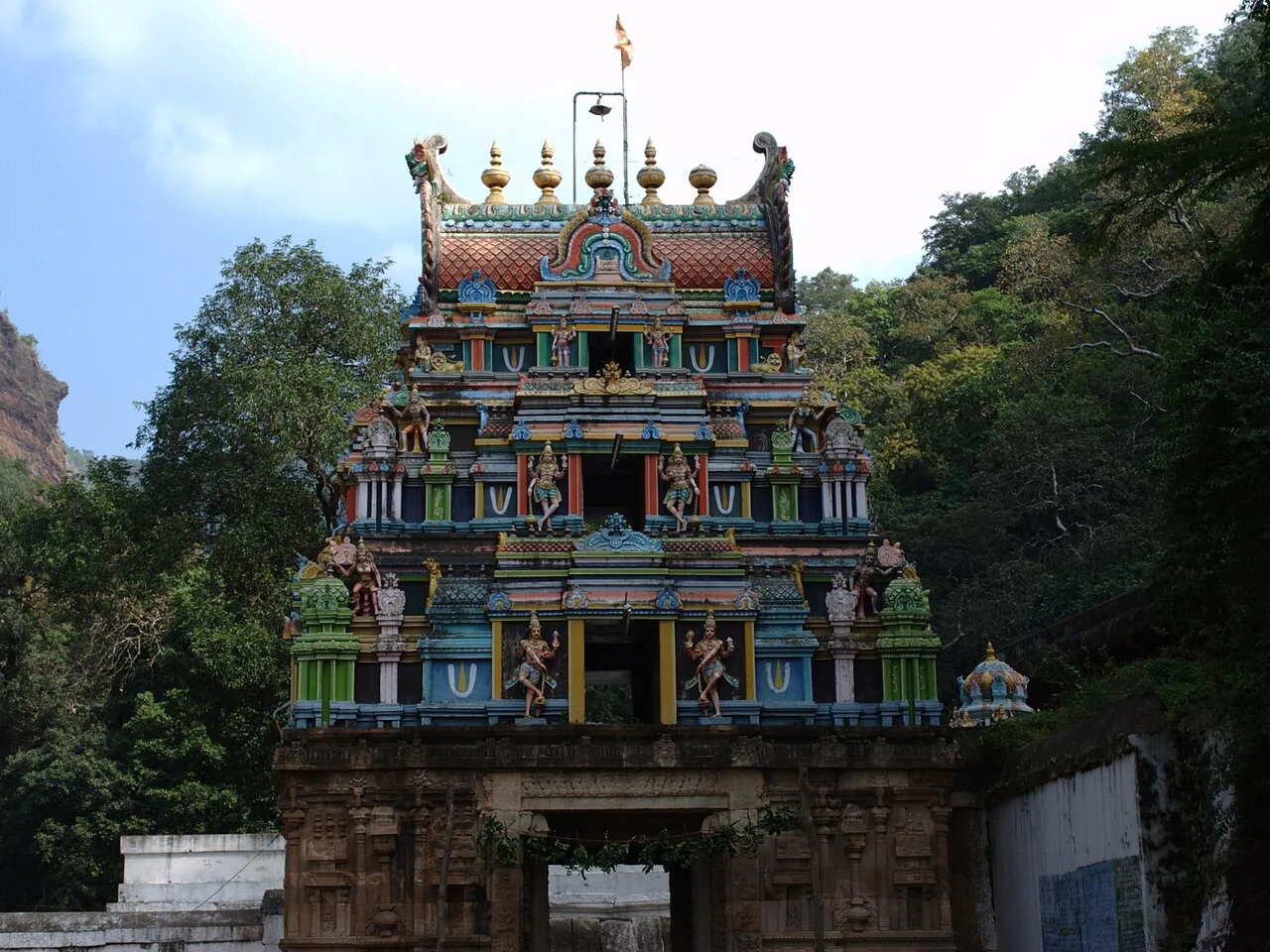
Ahobilam Nava Narasimha Temples
Ahobilam is a sacred settlement in Andhra Pradesh’s Nandyal district, known for its shrines honouring Narasimha. Visitors come to worship at temples located in both Lower and Upper Ahobilam.
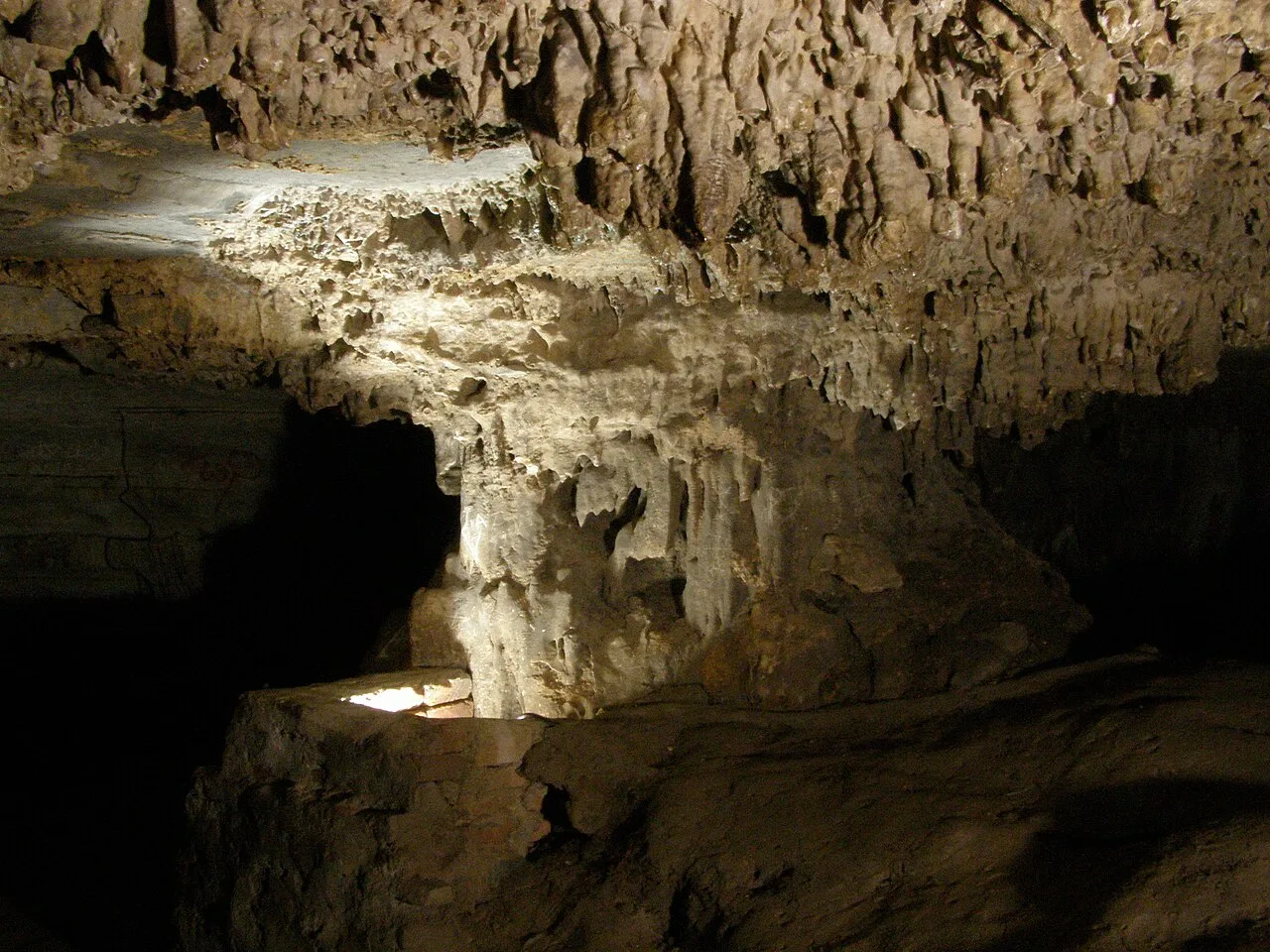
Belum Caves
Belum Caves is a large limestone cave network in Nandyal district, Andhra Pradesh. Visitors explore its underground passages and distinctive karst features, while the site also draws interest for evidence of ancient human activity.
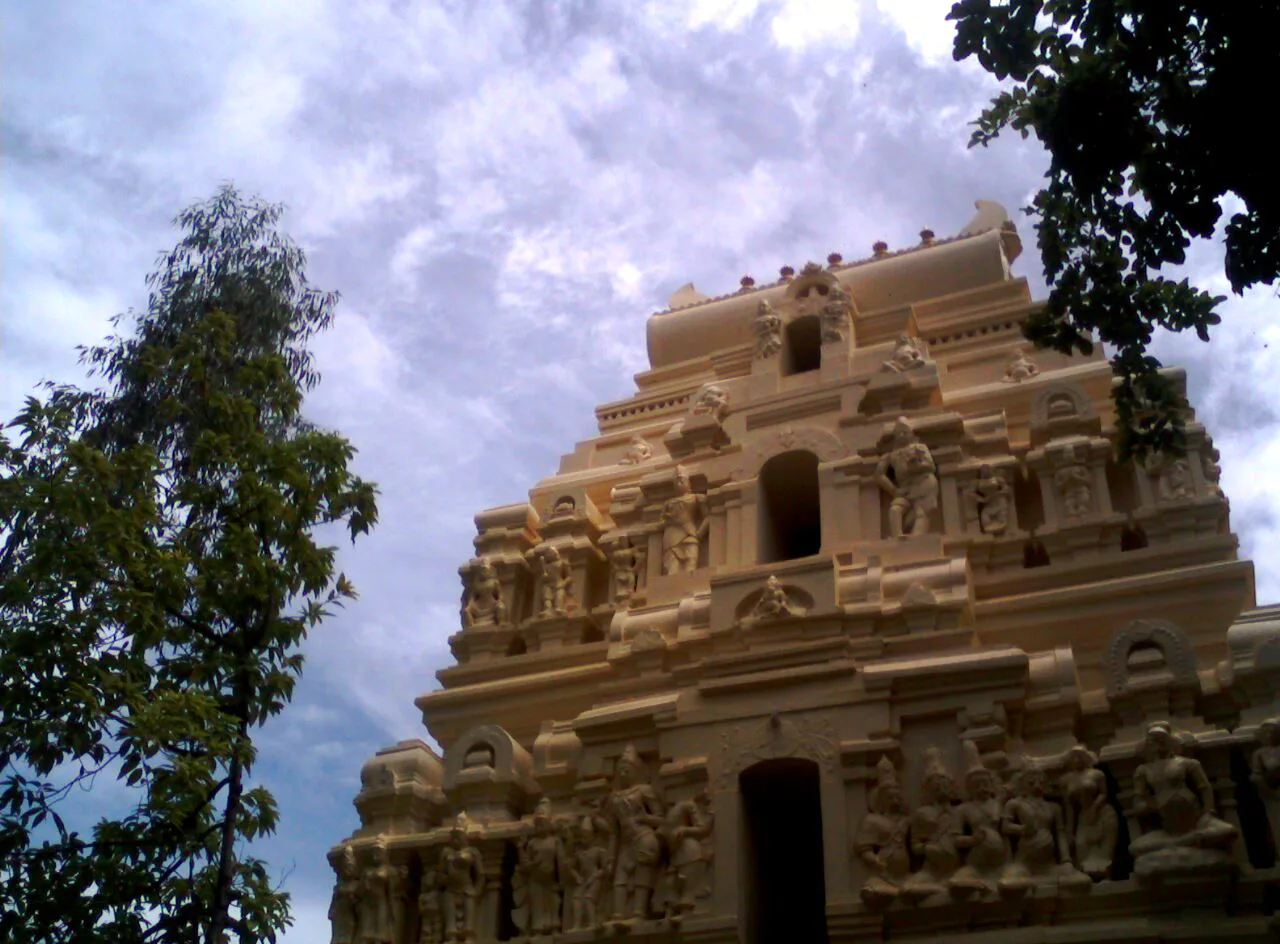
Mahanandi Temple
Mahanandi is an Andhra Pradesh village centred on the Mahanandiswara Swamy Temple, one of the Nava Nandi shrines. Visitors come to worship and take part in the annual Maha Shivaratri festival.
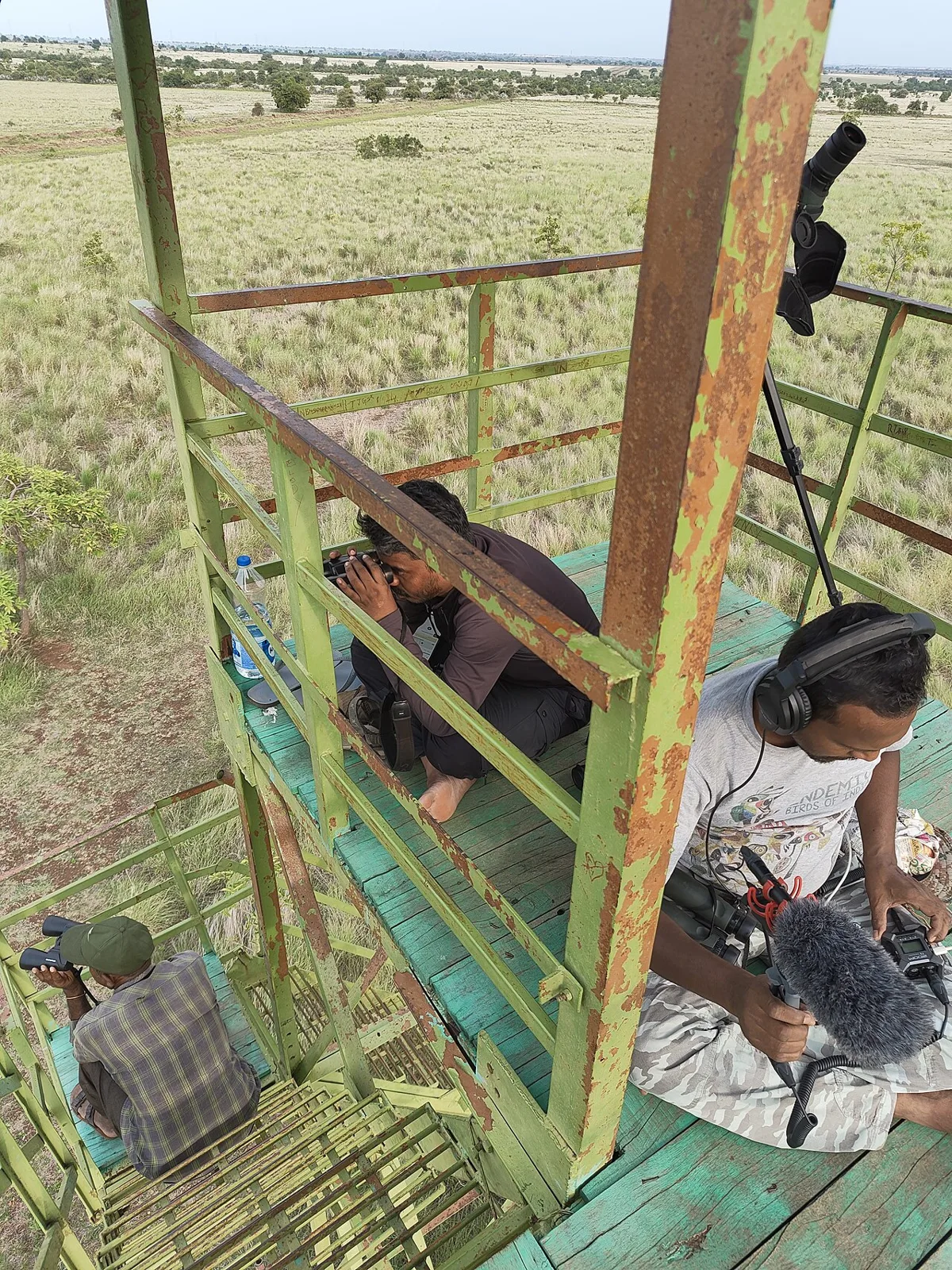
Rollapadu Wildlife Sanctuary
In Andhra Pradesh’s Nandyal district, Rollapadu is a wildlife sanctuary known chiefly as habitat for the great Indian bustard, whose numbers within the sanctuary have dropped sharply in recent years.
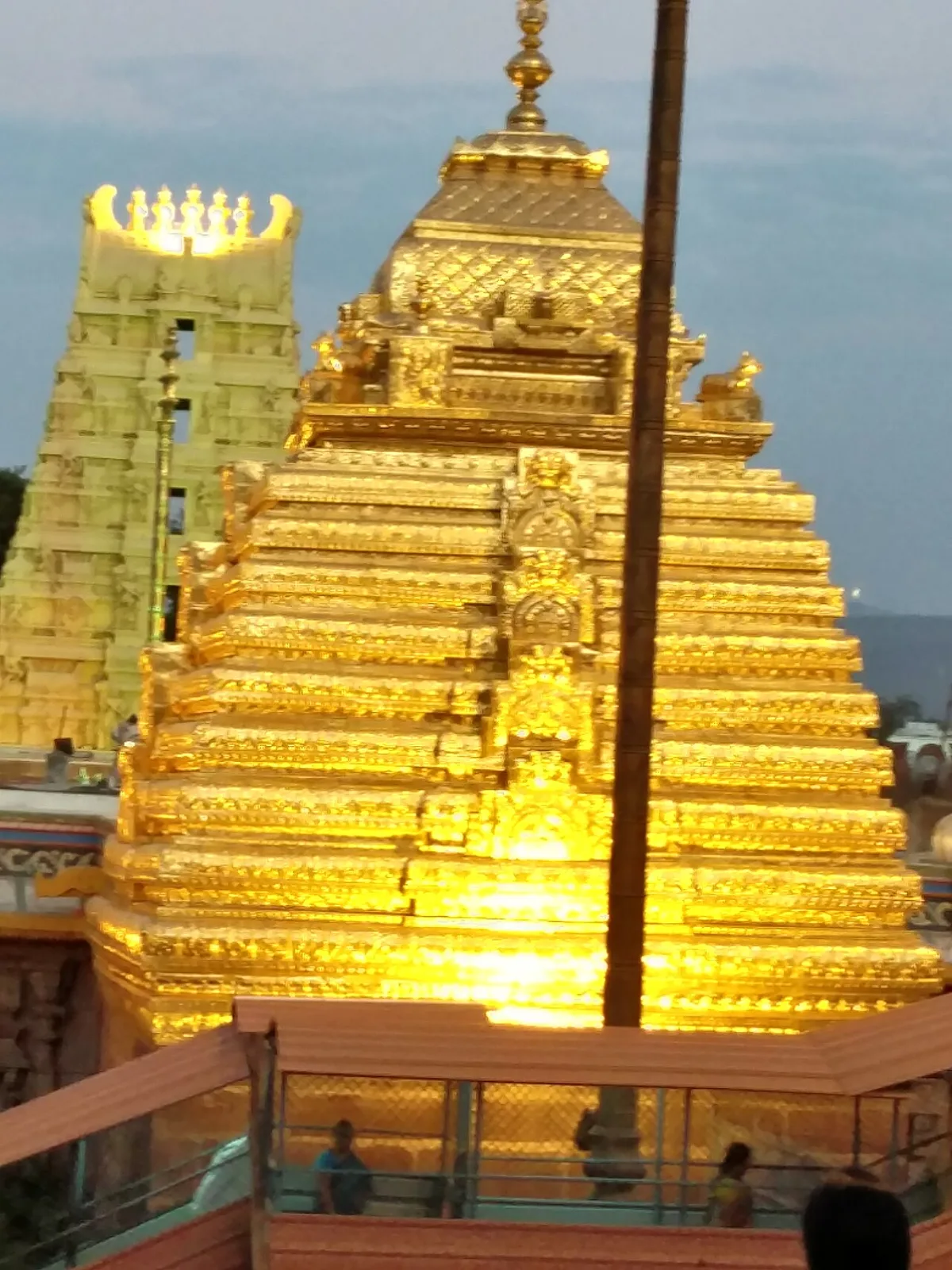
Srisailam (Mallikarjuna Jyotirlinga)
Srisailam, in Andhra Pradesh’s Nandyal district, is a census town known for the Mallikarjuna Jyotirlinga Temple. Pilgrims visit for its importance in Shaivism and Shaktism and its status as a Jyotirlinga and Shakta pitha.
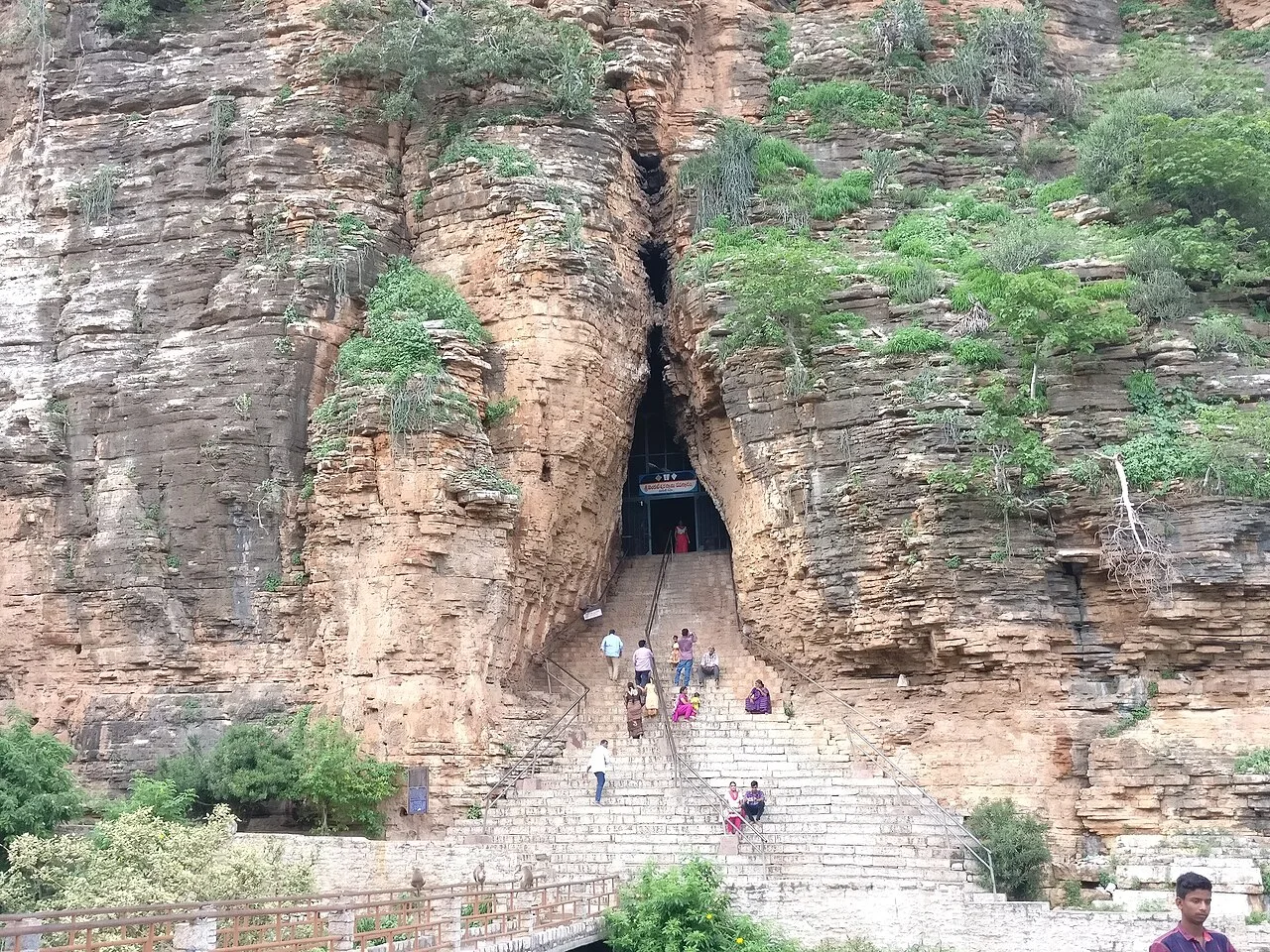
Yaganti temple
In Andhra Pradesh’s Nandyal district, Yaganti Temple is a Shiva shrine known also as Sri Yaganti Uma Maheswara Temple. Visitors come to worship Shiva at this temple.
Food in Nandyal belongs broadly to Rayalaseema and the wider Andhra tradition. Ragi sangati, a substantial preparation of finger millet and rice, is a regional staple, often eaten with pappu, vegetable accompaniments or meat gravies. Rice meals may include gongura preparations, avakaya pickle, sambar, rasam and curd. Pesarattu and pulihora are familiar Andhra choices rather than specialities unique to this district. Around pilgrimage centres, vegetarian meals and temple prasadam are important parts of the food experience. Small eateries may prepare only a limited daily menu, so ask what is fresh and request milder spice if needed.
Allagadda is associated with traditional stone sculpture, particularly images of Hindu deities and architectural elements made for temples. This craft connects naturally with the district’s extensive pilgrimage landscape and continuing demand for sacred art. Workshops are places of skilled production rather than guaranteed visitor attractions; ask permission before entering or photographing artisans. Handloom fabrics also belong to the wider Andhra Pradesh craft tradition, but textiles sold locally should not automatically be described as Nandyal-made. Ask sellers about the weaving centre, fibre and production method when buying.
Maha Shivaratri is a major occasion at Srisailam and draws large pilgrim crowds, especially during the winter festival season. Ahobilam and other temple centres hold annual celebrations and processions, often during the cooler months; local calendars vary, so check with temples before travelling. Ugadi in spring and Sankranti in midwinter are widely observed across the region, with family gatherings and local festivities. On major temple days, accommodation near the shrines can fill quickly and roads may be busier than usual. Reserve ahead where possible and allow extra time for travel.
Nandyal district spans the forested Nallamala Hills, inland plains and limestone formations. The Krishna River and Srisailam reservoir shape the eastern hill country, while rivers and streams cross parts of the drier agricultural interior. Belum Caves lie beneath a relatively level landscape; Rollapadu represents the district’s open grassland habitat. Roads through the hills can be winding, and forested stretches have fewer services than town routes. Distances on a map may understate journey times, so plan hill destinations and widely separated sites as distinct legs.
Summers are generally hot and dry, making midday sightseeing tiring, particularly on exposed plains and temple approaches. The monsoon, usually from June into the early autumn, brings greener hills but can also make rural roads slower or less predictable. Winter, broadly from October to February, is usually the most comfortable season for combining temple visits, cave exploration and longer drives. These cooler months are popular, especially around festivals, so arrange stays in advance. Pack light, breathable clothing, sun protection and a refillable water bottle; bring a light layer for early mornings and modest clothing for places of worship. Check local conditions before hill journeys.
Nandyal railway station is a useful rail gateway for the district. Kurnool Airport is a nearby air option, while Kadapa Airport may be worth considering for Ahobilam; flight availability and onward road connections should guide the choice. Roads connect Nandyal with Kurnool, Allagadda and other regional towns. APSRTC buses serve major settlements and pilgrimage centres, with taxis and auto-rickshaws useful for local travel and final connections. The attractions are widely spread, and hill journeys can take longer than maps suggest. Plan separate circuits rather than relying on straight-line proximity, and check current services locally.
Nandyal town is a practical road hub, with routes connecting it to Allagadda, Kurnool and other regional centres. APSRTC buses serve major towns and pilgrimage destinations, but services may be less convenient for reaching caves, forest-edge sites or smaller settlements. Taxis are useful for linking several sights in a day; autos and shared vehicles can help with shorter local connections, subject to availability. Arrange onward transport before setting out for remote areas, and confirm the return option locally.
2 days: Belum Caves → Yaganti temple → Mahanandi Temple; sleep night 1 in Nandyal. 3 days: Ahobilam Nava Narasimha Temples → Yaganti temple → Belum Caves → Mahanandi Temple; sleep night 1 in Allagadda and night 2 in Nandyal. 4 days: Srisailam (Mallikarjuna Jyotirlinga) → Mahanandi Temple → Rollapadu Wildlife Sanctuary → Ahobilam Nava Narasimha Temples → Yaganti temple → Belum Caves; sleep night 1 in Srisailam, night 2 in Nandyal and night 3 in Nandyal.
Nandyal is the most useful general base, with a wider choice of hotels and guesthouses and road access to several inland sights. Allagadda can suit an Ahobilam and Yaganti circuit, though options may be more limited; check availability and consider returning to Nandyal. Srisailam has visitor accommodation, including hotels, temple-associated lodges and dharamshalas, and is best for an overnight stay during a shrine visit. Homestays may be found in some places, but availability varies. Book early for major festivals and confirm the facilities directly.
Carry water and sun protection, and avoid strenuous outdoor visits in the hottest part of the day. Do not approach or feed wildlife, and follow sanctuary and forest staff instructions. Crowds can build at major shrines during festivals, so keep children close and secure valuables. Mobile coverage and access to services can be patchy on remote routes. Confirm current road access, site rules and any permit requirements with official local authorities before visiting; do not assume a permit is or is not required.
- Kurnoolabout 57 km
- Jogulamba Gadwal · Telanganaabout 65 km
- YSRabout 85 km
- Wanaparthy · Telanganaabout 116 km
- Nagarkurnool · Telanganaabout 119 km
- Anantapurabout 141 km
- Raichur · Karnatakaabout 149 km
- Palnaduabout 155 km
Straight-line distance between the centres of each district's destinations; road distance is longer.
Q: How many days should I spend in Nandyal district? A: Allow at least two or three days for a few inland sights; four days or more makes it easier to include Srisailam and the spread-out temple circuit. Q: When is the best time to visit? A: October to February is generally the most comfortable period. Festival dates bring bigger crowds, so check local calendars and arrange accommodation ahead. Q: What is the best base for exploring? A: Nandyal is the most versatile base for inland sights. Stay in Srisailam for its shrine and consider Allagadda for Ahobilam and Yaganti. Q: How do I get to the district? A: Nandyal railway station is a useful gateway, with road links and buses connecting regional towns. Kurnool Airport is a nearby air option; check current flights and onward transport before choosing an airport. Q: Is the district suitable for families or elderly travellers? A: Yes, with a flexible itinerary and suitable road transport. Some temple steps, cave surfaces and hill routes may be challenging, so check access needs locally and avoid packing too many stops into one day.
This page draws on our 6 destination guides for Nandyal and is updated as our team checks it.
Be the first to share photos, stories, advice or a helpful contact for Nandyal.
Loading…