
Belum Caves
Belum Caves is a large limestone cave network in Nandyal district, Andhra Pradesh. Visitors explore its underground passages and distinctive karst features, while the site also draws interest for evidence of ancient human activity.
Key facts · verified by Ghumoopedia editors
- Type of place
- Heritage monument
- Best time to visit
- November to February; Araku and Horsley Hills are pleasant for much of the year
- Nearest railway station
- Nandyal · about 56 km (straight line)
- Nearest airport
- Kurnool (Uyyalawada Narasimha Reddy) Airport · about 68 km (straight line)
- Verified
- 21 Nov 2026
Plan a trip from Belum Caves — a day-by-day route through places nearby.
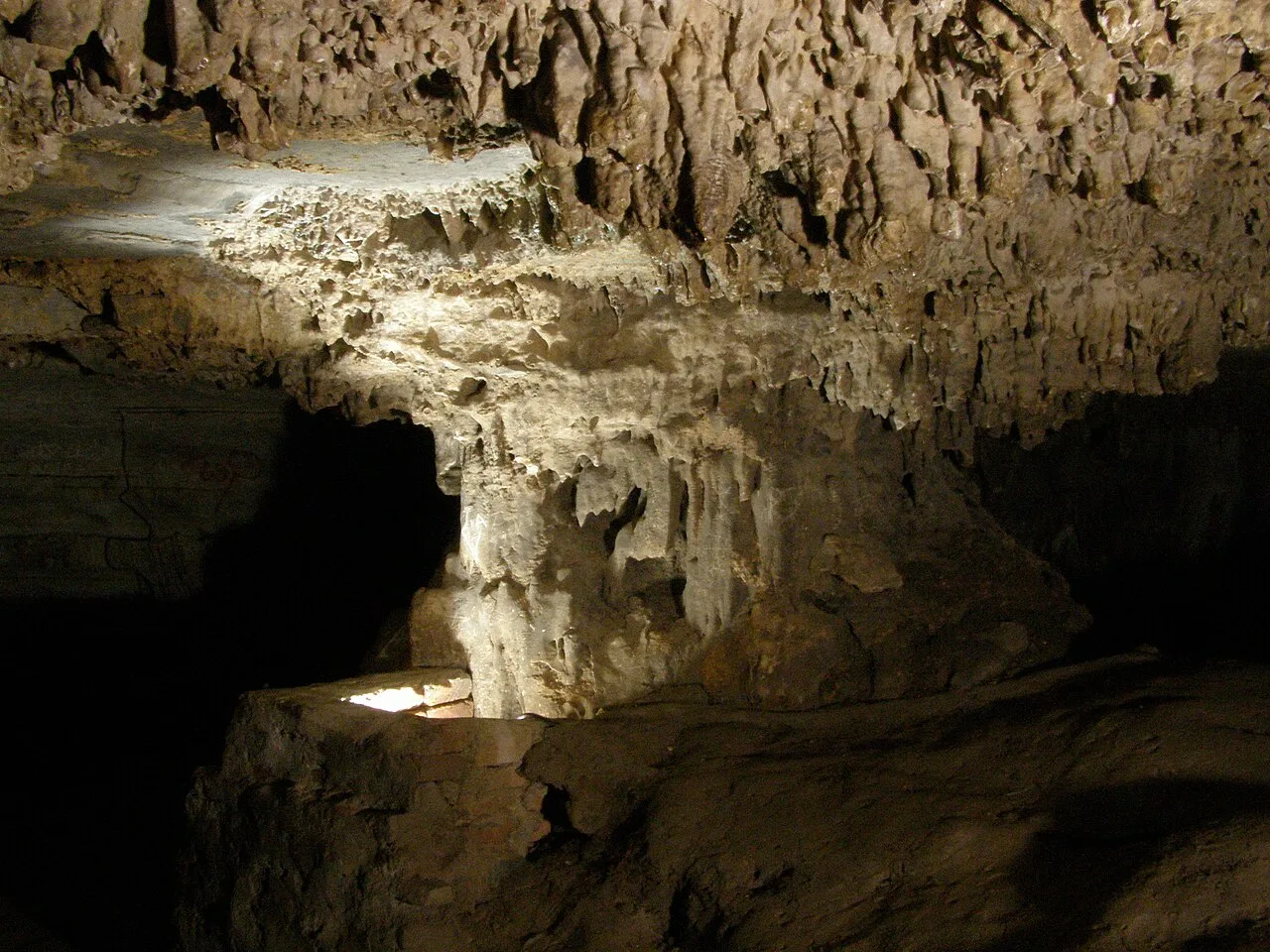
Situated in Nandyal district, Andhra Pradesh, Belum Caves forms a limestone network stretching 3.23 km, making it the country’s second-largest cave network. Its underground landscape includes sinkholes, dolines, stalactites, stalagmites and other speleothems. Archaeological evidence points to people using the caves as early as 4500 BCE. Buddhist and Jain ascetics later made use of the site. Sediment inside the caverns was laid down by the Chitravathi River, which formerly ran through them. The caves took shape through prolonged water erosion during the wetter conditions of the pre-Pliocene period. Although known to local people for a long time, they were recorded by British geologist Robert Bruce Foote in 1884. A German speleological group headed by Herbert Daniel Gebauer mapped them systematically in the early 1980s. Belum Caves received protected-site status in 1988 and began welcoming tourists in 2002. That year, it was judged the best destination at the Tourism and Travel Fair in Bangalore. In 2025, the Geological Survey of India recognised the caves as a Geo-heritage Site. Andhra Pradesh stretches from the beaches and harbour hills of Visakhapatnam through the lush Godavari–Krishna delta to the sacred hills of Tirumala and the granite gorge of Gandikota, with ancient Buddhist sites at Amaravati and Nagarjunakonda, the forts of Kondaveedu and Chandragiri and the cave systems of Belum and Borra. The coast is hot and humid from March to June, the southwest monsoon brings rain from June to September, and October to December can bring cyclones off the Bay of Bengal. The pleasant season is November to February; the Eastern Ghat hills around Araku stay cooler. The usual best time to visit is November to February; Araku and Horsley Hills are pleasant for much of the year. Timings, fees and access arrangements must be confirmed locally. For official information, see Andhra Pradesh Tourism at https://aptourism.gov.in.
Why it matters
Belum Caves are a notable natural and archaeological heritage site in Nandyal district, Andhra Pradesh. The cave system extends for about 3.23 km; the existing guide describes it as India’s second-largest cave network. Archaeological evidence indicates human activity here as early as 4500 BCE, while later use by Buddhist and Jain ascetics connects the caves with the region’s religious history. The Geological Survey of India designated Belum Caves a Geo-heritage Site in 2025. The site was declared protected in 1988 and opened for tourism in 2002. These recognitions concern its geological and historical value; visitors should not assume that the caves are an ASI monument or a UNESCO World Heritage Site.
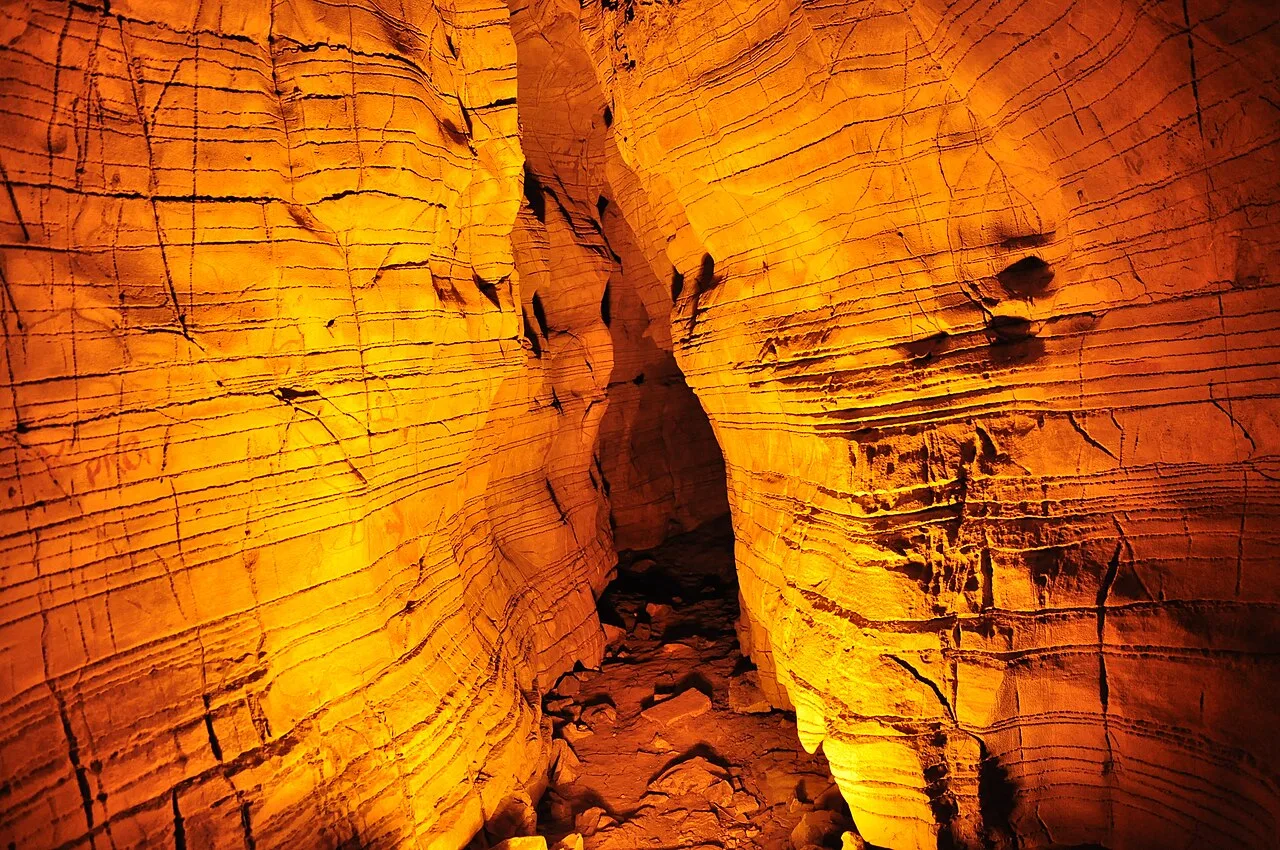
Belum Caves were formed naturally through persistent water erosion of limestone during wetter climatic conditions before the Pliocene. The passages contain sediment associated with the Chitravathi River, which historically flowed through the cave system. Archaeological evidence points to human activity from around 4500 BCE. The caves were also used by Buddhist and Jain ascetics, although the surviving evidence does not establish a detailed chronology or identify individual communities who lived here. The caves were long known locally. British geologist Robert Bruce Foote documented them in 1884, bringing them to the attention of scientific observers. A German speleological team led by Herbert Daniel Gebauer systematically mapped the passages in the early 1980s. The site was declared protected in 1988 and opened to visitors in 2002. Tourism development brought marked routes and visitor infrastructure into parts of the cave, but the formations remain natural rather than constructed monuments. In 2025, the Geological Survey of India designated Belum Caves a Geo-heritage Site, recognising their geological importance.
Origin stories & folklore
Local stories connect Belum Caves with ascetics who sought quiet places for meditation, and with the Buddhist and Jain practitioners associated with the site’s history. Such accounts are part of local tradition; they should not be treated as a complete or archaeologically verified record of who used each chamber. A chamber known as Patalaganga is associated with water deep inside the cave, and its name evokes an underground or netherworld river. The cave’s passages and water features have also encouraged stories of hidden routes and subterranean connections. These tales sit alongside a geological explanation: flowing water and erosion shaped the limestone passages over a long period.
Architecture & design
Belum is a natural limestone cave system, not a temple or a human-built complex. Its long underground passages branch into chambers and narrow corridors, with natural openings and depressions in the surrounding terrain. Water erosion shaped the cave, leaving karst features such as sinkholes, dolines, stalactites and stalagmites, as well as other mineral formations. Sediment within the passages records the action of water, including that of the Chitravathi River, which once flowed through the system. The visitor route passes through selected sections of the larger network. Some passages are low or constricted, while other chambers open out into larger spaces. Walkways, lighting and marked paths help visitors navigate accessible sections; they do not alter the cave’s natural origins. Conditions underground can be humid, and the limestone formations are fragile. Stay on the designated route, avoid touching the formations and follow any barriers or instructions from site staff.
Important objects & sculptures
Belum Caves are chiefly valued for their geology and archaeological evidence, rather than for a collection of sculptures or displayed objects. Visitors can look for natural limestone features, including stalactites hanging from cave ceilings, stalagmites rising from floors, mineral deposits and water-shaped passages. The chamber called Patalaganga is a feature of particular interest, though its name and local associations should not be confused with a separate river flowing above ground. Archaeological evidence of early human activity gives the caves historical significance, but visitors should not expect every area to contain visible artefacts or inscriptions. Do not touch, remove or mark any material in the cave; report any apparent object of archaeological interest to site staff.
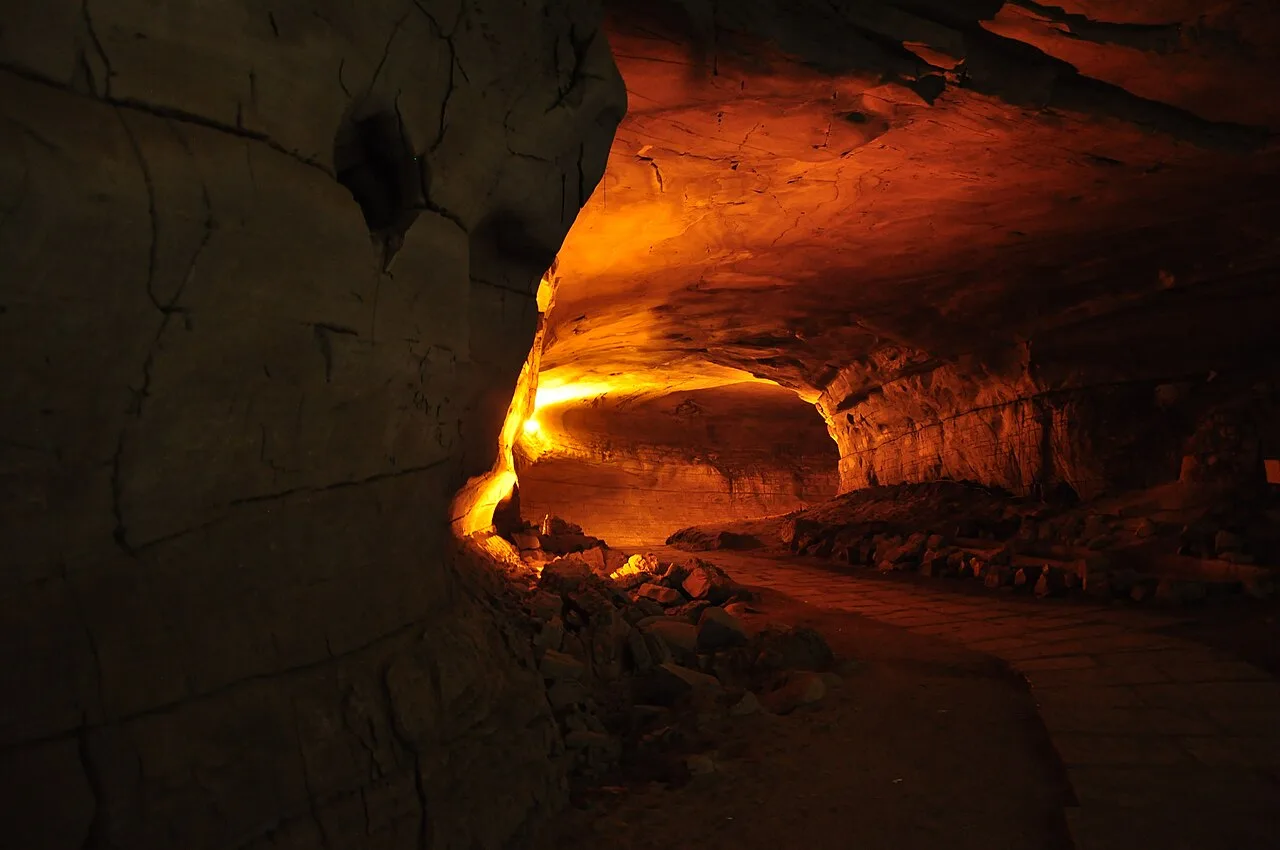
Spend unhurried time at Belum Caves: walk the marked paths, use official viewpoints and ask locally whether a guide, entry ticket or forest permission is needed. Follow the marked route inside the caves, carry a small torch and never touch the ancient carvings — the rock-cut art at sites such as Badami and Undavalli is fragile and irreplaceable. A comfortable itinerary is one main visit in the morning, a local meal at midday and a short nearby stop before an afternoon return. Use the district list on this site to find other places in Nandyal, but check the route and its condition before combining stops. If a festival is on — such as the Tirumala Brahmotsavam, the Godavari and Krishna Pushkarams, Sankranti or the Visakha Utsav — roads and stays can be busy, and the experience can be unforgettable. Leave no litter: many sites are protected by the communities around them.
Suggested itineraries
Half day: Allow about 2–3 hours for the marked cave visit, including time to read the displays and rest; have a meal or refreshment nearby before returning. Full day: Spend about 2–3 hours in the caves, take a meal break, then visit Yaganti if road conditions and transport allow; confirm the route and temple arrangements locally. Gentler option: Choose only the accessible, marked portion of the cave visit, take frequent rests and arrange a vehicle to minimise walking outside the site.
Belum Caves sit within the Telugu-speaking cultural region of Andhra Pradesh. Telugu is widely used locally, and visitors may also encounter people who speak other Indian languages, particularly around transport and visitor services. The caves’ associations with Buddhist and Jain ascetics form part of their historical significance, but they are not primarily a living monastic centre today. Local customs are best respected by following staff directions, keeping noise low underground and avoiding damage to the formations. Nandyal-area food and everyday hospitality can be experienced in nearby towns and eateries. Ask before photographing local people, and be considerate if a nearby place of worship is being used for prayer.
Festivals & events
Belum Caves are a geological heritage attraction rather than a major festival venue, so visitors should not expect a regular festival programme inside the cave. In the wider region, Sankranti in January and Ugadi in spring are important seasonal celebrations; temple festivals at places such as Yaganti and Mahanandi may also draw pilgrims at different times of year. Dates and schedules vary, and no particular festival should be assumed to coincide with a cave visit. During school holidays, regional celebrations or temple events, roads and accommodation in the wider area can be busier. Check locally before combining a cave visit with a festival or pilgrimage stop.
Local food in Andhra Pradesh includes Andhra meals on a banana leaf with fiery gongura and avakaya pickles, pesarattu with upma, pulihora, Rayalaseema ragi sangati, fresh seafood along the coast, bandar laddu and pootharekulu sweets, and Tirupati laddu prasadam. Ask what is fresh that day; many small eateries cook a limited daily menu. Andhra food is famously spicy — ask for 'medium' if you are unsure, and cool down with curd rice. In Tirupati and other temple towns the food is strictly vegetarian. Remote sites may have no restaurant at all. Carry water and snacks, eat a proper breakfast before long drives, and ask your accommodation for a packed lunch if you are heading out early. Try a home-cooked or local thali meal when you can — it is often the best food on the route. Choose busy, clean places, drink sealed or filtered water, and carry your packaging back with you.
Shopping & local experiences
Shopping options at the cave entrance may be limited, so do not count on finding a particular souvenir there. In nearby towns, look for everyday local goods, snacks and regional food rather than buying objects claimed to come from the cave. Do not purchase fossils, minerals, archaeological fragments or any material said to have been removed from the site. Try local eateries for Andhra-style meals and snacks, checking ingredients and availability with vendors. Carry reusable bags where practical and avoid leaving packaging or food waste at the heritage site.
November to February; Araku and Horsley Hills are pleasant for much of the year
The nearest principal railway station by straight-line distance is Nandyal, roughly 56 km away. The nearest operating airport by straight-line distance is Kurnool (Uyyalawada Narasimha Reddy) Airport, roughly 68 km away. These figures are calculated from map coordinates — actual road distance is longer. Visakhapatnam, Vijayawada and Tirupati are the main rail and air gateways; Rajahmundry serves the Godavari districts, and Renigunta is the railhead for Tirumala. APSRTC buses connect the district towns, and shared autos cover the last stretch to most temples and beaches; for Papikondalu and Araku, book the packaged boat or road trip from Rajahmundry or Visakhapatnam. When comparing train, bus and flight, count the complete door-to-door time: a flight saves the most time only if the onward road transfer is short, while an overnight train can save a hotel night. Book your return before you leave, because seats fill quickly on weekends, festivals and holidays. Current train numbers, timings, return services and fares are not listed here; check IRCTC and NTES for trains and the airline's own schedule for flights. No permit is needed to visit Andhra Pradesh. For Tirumala, book darshan in advance on the official TTD website — Special Entry Darshan tickets sell out weeks ahead, and the free sarva darshan queue can take many hours; the TTD dress code (dhoti or kurta-pyjama for men, saree or salwar for women) is enforced inside the temple. Forest areas such as Papikondalu and Maredumilli may need forest-department entry permission, and boats on the Godavari are run by licensed operators.
Confirm onward and return timings on IRCTC / NTES, the state bus operator or your airline before travel. A dash means current timings or fares have not been verified.
Getting around
Plan the final leg from a nearby town in advance. APSRTC buses serve towns in the district, but the onward connection to the caves may be limited; check locally and allow for a taxi or hired vehicle if needed. Autos may be available for shorter local journeys, though availability can vary. Walking is suitable for the marked cave route only if you are comfortable with its uneven sections and steps. If driving, check the approach road and parking arrangements on arrival rather than assuming a space will be available. Keep return transport in mind, especially outside busier periods.
Hours, tickets & permissions
Entry is subject to the site’s current visitor rules and the sections open on the day. Tickets or other entry requirements may apply, and rules for cameras, groups or guides can change. Follow posted notices, stay on marked paths and comply with staff instructions; do not assume that independent access to every passage is permitted. Carry identification if requested by the managing authority. Confirm current opening arrangements, entry requirements and any fees with the site authority or Andhra Pradesh Tourism before travelling, as these details can change.
Facilities
Visitor facilities may include marked paths, lighting in sections open to tourists and basic amenities near the entrance, but provision and maintenance can vary. Toilets, drinking water, food stalls, guides and parking should be checked locally rather than assumed to be available or open. Bring water for before or after the cave visit, but follow site rules about carrying items underground and take all litter back out. Nearby towns are more likely than the cave site to have a wider choice of meals, shops, cash access and other services.
Accessibility
The cave visit involves walking underground on a route that may include steps, uneven surfaces, low ceilings and narrow passages. Humidity and limited natural light can make movement tiring, and the route may not suit visitors with balance, breathing or mobility concerns. Do not assume that wheelchairs or strollers can access the cave; there is no basis to promise ramps or lifts throughout the route. Older visitors and families should assess their comfort before entering and ask staff which sections are currently suitable. There may be little shade while waiting outdoors, so plan for heat and take breaks as needed.
No permit is needed to visit Andhra Pradesh. For Tirumala, book darshan in advance on the official TTD website — Special Entry Darshan tickets sell out weeks ahead, and the free sarva darshan queue can take many hours; the TTD dress code (dhoti or kurta-pyjama for men, saree or salwar for women) is enforced inside the temple. Forest areas such as Papikondalu and Maredumilli may need forest-department entry permission, and boats on the Godavari are run by licensed operators. Carry a photo ID at all times and save the emergency number 112 and your accommodation's contact offline. Heat in summer and heavy rain in the monsoon are the main weather risks; carry water, avoid midday sun and allow extra time when roads flood. Stay on marked paths, keep away from cliff edges and fast water, and never approach wild animals.
Photography
Inside the caves, artificial lighting and the enclosed setting can make photographs challenging; avoid blocking the route while taking pictures. Follow current signs and staff instructions about photography, flash and camera equipment, since rules may vary by area. Do not touch formations or use a tripod where it obstructs other visitors. Drone use should not be assumed to be permitted; check applicable site and aviation rules before flying one. Ask permission before photographing local people, and be especially respectful near places of worship or during prayer. Leave formations, wildlife and the visitor route undisturbed.
Choose a stay by the full journey to Belum Caves, not just the district name. Visakhapatnam, Vijayawada and Tirupati offer the widest choice; Araku has AP Tourism resorts and tribal homestays, and Rajahmundry is the base for Godavari cruises. In summer, check air-conditioning; in the monsoon, check that the property is accessible if roads flood. Book in advance for weekends, festivals and the peak season (November to February; Araku and Horsley Hills are pleasant for much of the year). Confirm the exact location, meals included, check-in time and cancellation terms in writing. Avoid sending money to unverified contacts or touts at stations. Carry some cash, as card and digital payments can be unreliable in remote areas.
Yaganti, known for the Uma Maheswara Temple, and Mahanandi, a temple town associated with its water features, are possible regional additions if transport and road conditions suit your day. Ahobilam is another important religious destination in Nandyal district, but it may require a separate, carefully planned visit rather than a quick stop. These places have their own access arrangements and visitor customs, so check locally before setting out. Avoid overloading a single day with several distant stops; the cave visit itself involves walking, and onward travel can take longer than a map suggests.
For couples, Belum Caves rewards a slow pace: arrive early for soft light and fewer crowds, share a local meal and keep the evening free. A sunrise over the Araku valley, a Godavari cruise at dusk from Rajahmundry or a walk along Rushikonda beach makes the trip memorable. Public displays of affection can be frowned upon in conservative communities and at religious sites, so be discreet. Keep a buffer in your itinerary, because weather and road conditions can delay plans.
Q: How much time should I allow for Belum Caves? A: Allow a few hours for the marked cave route, breaks and time at the entrance; add travel time separately. Q: When is a comfortable season to visit? A: November to February is generally the more pleasant season for travel in Andhra Pradesh. Check local weather and road conditions before setting out. Q: Do I need a ticket or guide? A: Entry requirements and guide arrangements can change. Confirm current rules with the site authority before visiting. Q: Are the caves suitable for children and elderly visitors? A: The route can involve steps, uneven ground and low passages. Assess individual mobility and comfort, and ask staff about the sections open to visitors. Q: Can I stay near the caves? A: Check accommodation availability in nearby towns, including Nandyal, before travel; options at the cave site itself may be limited.
Be the first to share photos, stories, advice or a helpful contact for Belum Caves.
Loading…