
District · Andhra Pradesh
Vizianagaram
Vizianagaram offers a grounded introduction to northeastern Andhra Pradesh, where historic towns, devotional sites and agricultural villages sit between the coast and the eastern hills.
Vizianagaram lies in northeastern Andhra Pradesh, where cultivated plains, village tanks and low hills shape a largely agricultural landscape. The district headquarters, Vizianagaram, is a historic town associated with the Pusapati rulers and a strong tradition of patronage for music, literature and education. Its early eighteenth-century fort is a useful starting point for understanding that legacy. Ramatheertham, near Nellimarla, adds a different layer: a living temple destination set amid hills associated with older religious remains. Together, these places reveal a district whose appeal rests less on large tourist circuits than on regional history, devotional life and everyday town-and-village culture. Vizianagaram town makes a practical base for exploring.
Vizianagaram offers a grounded introduction to northeastern Andhra Pradesh, where historic towns, devotional sites and agricultural villages sit between the coast and the eastern hills. The district is best known for the Pusapati legacy in Vizianagaram town, whose early eighteenth-century fort anchors a history of regional rule and cultural patronage. Ramatheertham Temple, set among hills near Nellimarla, brings together active worship and older religious remains. Rather than a packed sightseeing circuit, the district suits travellers interested in local history, temple traditions and everyday life in a relatively quiet part of the state. Vizianagaram town is a practical base for the listed destinations.
The area around present-day Vizianagaram has long formed part of the cultural borderland between the Telugu-speaking regions and Kalinga. Regional authority shifted over the centuries among powers including the Eastern Gangas and the Gajapatis; later, the region came under the influence of the Qutb Shahi state and other Deccan powers. The Pusapati family rose as local rulers and zamindars, establishing Vizianagaram as an important centre. Its fort dates to the early eighteenth century and reflects that period of political consolidation. Under British rule, the estate and surrounding territory became part of the Madras Presidency, where zamindari administration persisted alongside colonial structures. After Indian independence, the area was administered within the state of Andhra before the formation of Andhra Pradesh. Vizianagaram district was constituted in 1979 from parts of the neighbouring Srikakulam and Visakhapatnam districts. The town’s history of royal patronage also supported education, literature and music, traditions that remain part of its regional identity.
2 destination guides
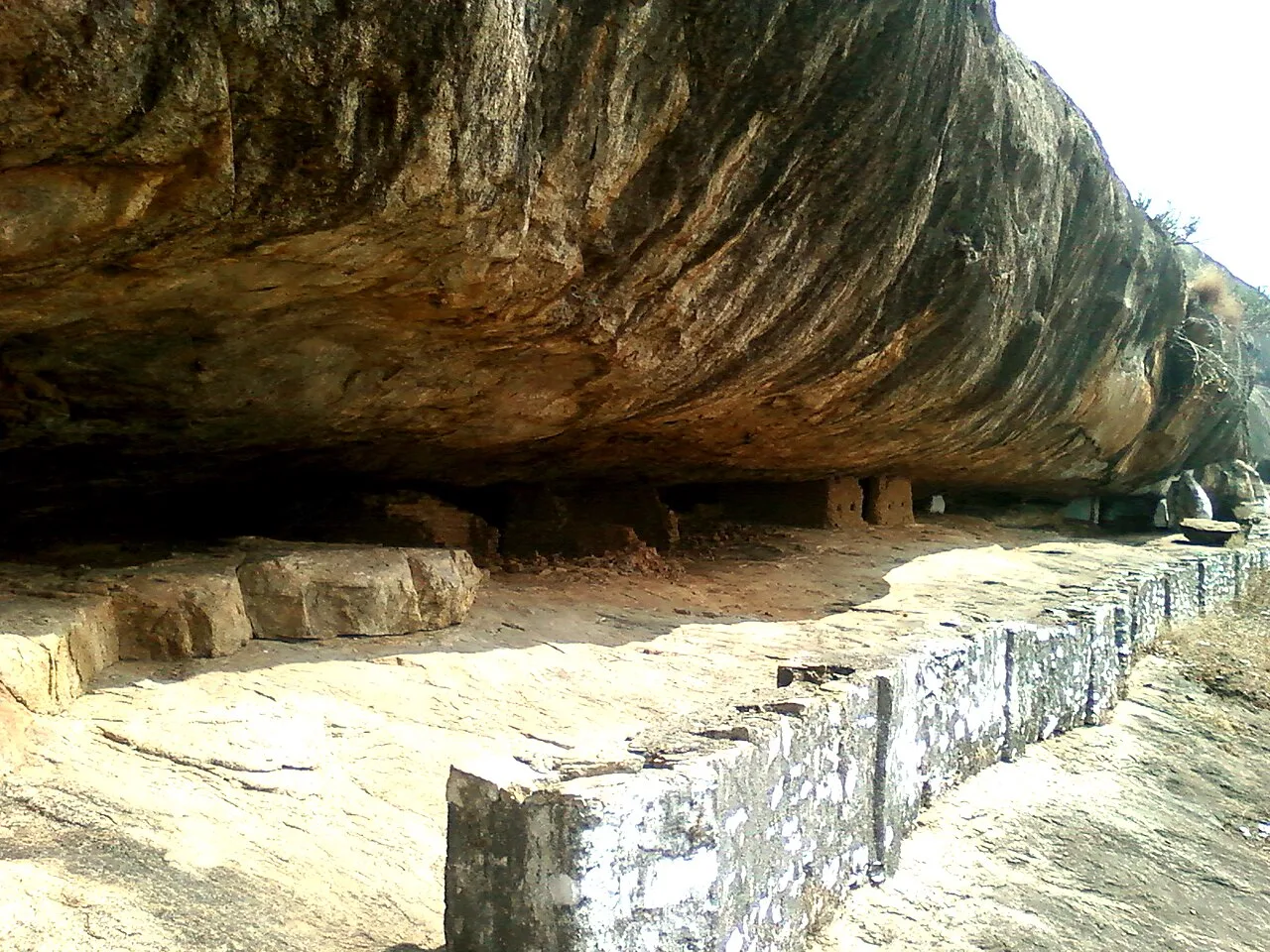
Ramatheertham Temple
Ramatheertham Temple is a religious and archaeological destination in Vizianagaram district, drawing visitors to the Kodanda Rama shrine and nearby Buddhist and Jain remains.
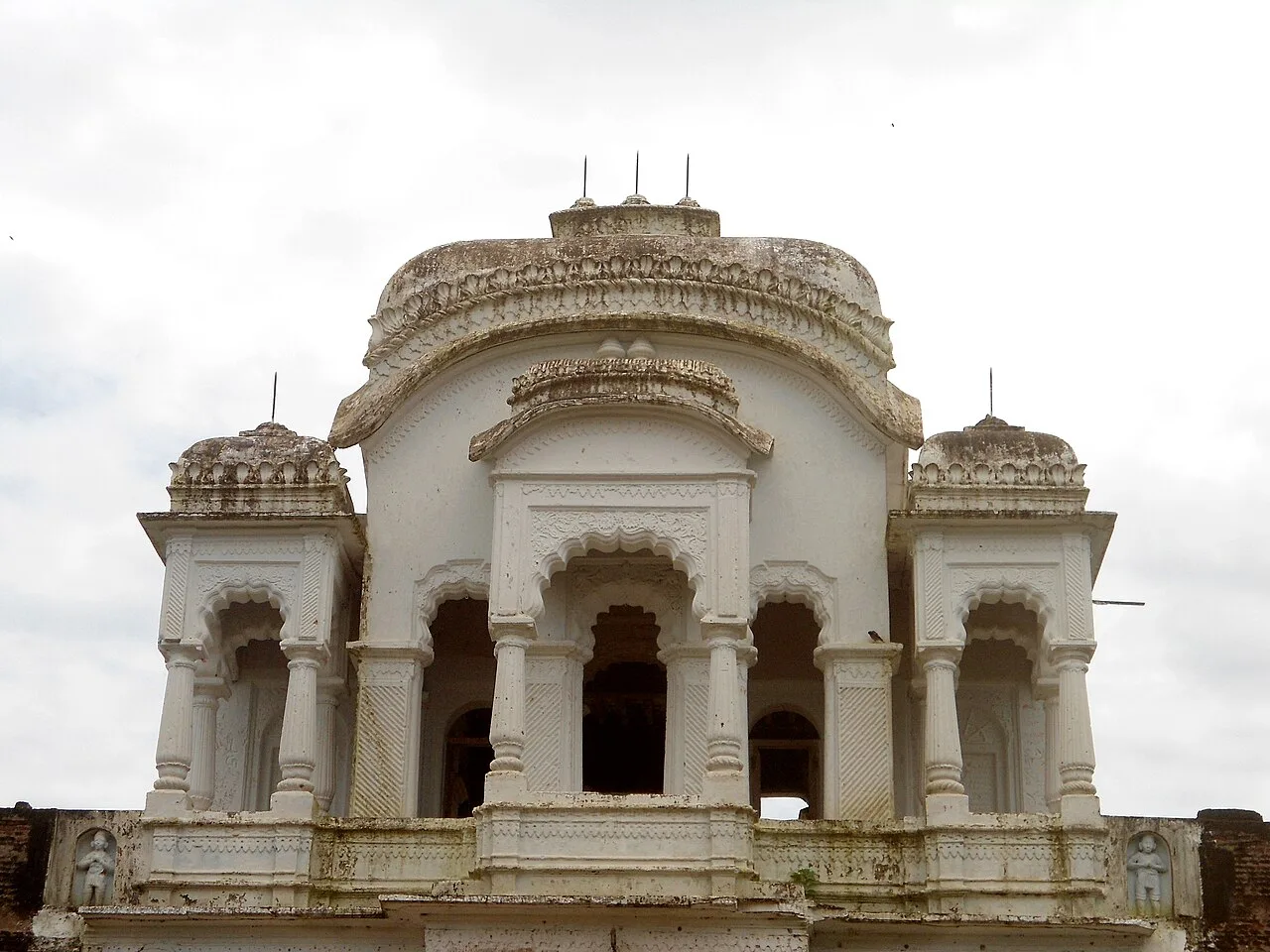
Vizianagaram Fort
Vizianagaram Fort is an early eighteenth-century stronghold in Andhra Pradesh, visited for its gateways, temples, palaces, victory tower and history of a ceremonial foundation.
Food in Vizianagaram belongs broadly to the north coastal Andhra tradition, with rice at the centre of everyday meals. Expect dal, vegetable preparations, pulusu or tangy gravies, curd and assertive pickles such as avakaya; gongura is another familiar Andhra flavour. Pesarattu, sometimes served with upma, is a useful breakfast choice, while pulihora is common in festive and devotional settings. These are regional foods, not specialities exclusive to the district. Small eateries may prepare only a limited daily selection, so ask what is fresh. Request milder seasoning if needed, and choose vegetarian food around temple visits.
Bobbili, in Vizianagaram district, is especially associated with the making of the Bobbili veena, a traditional stringed instrument used in Carnatic music. Workshops in and around Bobbili, notably Gollapalli, preserve skilled woodwork involved in shaping the instrument, traditionally using jackwood. This craft sits within the district's broader musical heritage, supported historically by royal and landed patrons. Visitors interested in buying an instrument should distinguish playable veenas from decorative miniatures and ask about materials and workmanship. Workshop visits are best arranged locally rather than assumed to be available on arrival.
Sankranti, usually celebrated in January, is widely observed across the district and brings village gatherings, family visits and seasonal festivities. Ugadi in spring and Dasara in the autumn are also important occasions. Vizianagaram town is known for the Sirimanotsavam, held during the Dasara season; it draws devotees and visitors from surrounding areas, so local roads and accommodation can be busier. Temple observances at Ramatheertham follow religious calendars and may attract larger crowds on festival days. Dates vary by year, so check locally before planning, and reserve a room ahead if visiting during a major celebration.
The district combines settled agricultural plains and village tanks with low hills and more wooded uplands toward the interior. River valleys and seasonal waterways support cultivation, while the eastern side approaches the Bay of Bengal. Ramatheertham’s hill setting contrasts with the urban streets around Vizianagaram Fort. Most visits are made by road, but journeys beyond the main towns can take longer where routes pass through rural areas or become affected by rain. The varied terrain makes a town base useful, with extra time allowed for temple and village visits.
Summers are generally hot, so outdoor visits are more comfortable early or late in the day. The monsoon season brings rain and greener countryside, but showers can make rural roads slower and muddy. Winter, broadly from November through February, is usually the most comfortable period for exploring the town and visiting Ramatheertham. These months are the best general choice for a district visit, though festival periods may be busier. Pack light, breathable clothing, sun protection and water year-round; carry a light rain layer during the monsoon. For temple visits, modest clothing and footwear that is easy to remove are practical.
Vizianagaram Junction is the principal rail gateway for the district headquarters, with onward road travel needed for places such as Ramatheertham. Visakhapatnam Airport is the established nearby airport; arrange a road transfer from there to Vizianagaram. Road links connect the town with Visakhapatnam, Srikakulam and surrounding district centres, while APSRTC buses provide public transport between towns. Within Vizianagaram, auto-rickshaws and taxis are practical options; a hired vehicle can simplify visits combining the fort and outlying temples. Allow extra time for rural connections and check current services locally.
Vizianagaram town is the main transport hub, with road connections toward Visakhapatnam, Srikakulam and other district centres. APSRTC buses and other public services connect towns, but services to smaller villages may be less frequent; check current options locally. Auto-rickshaws are useful within town, while taxis or a hired vehicle make it easier to combine Vizianagaram Fort with Ramatheertham Temple near Nellimarla. Shared vehicles may operate on some rural routes, but availability can vary. There is no need for boat transport for these destinations. Allow extra time for rural roads, especially in wet weather.
2 days: Vizianagaram Fort, then Ramatheertham Temple; sleep in Vizianagaram. 3 days: Ramatheertham Temple, then Vizianagaram Fort; sleep in Vizianagaram both nights.
Vizianagaram town is the most practical base for both listed destinations, with a wider choice of hotels and basic guest accommodation than smaller settlements. It also suits visitors arriving by rail or bus. For a slower visit to Ramatheertham Temple, stay in town and make a road excursion rather than relying on village lodging. Homestays, government lodges or dharamshalas may be available in the wider region, but options and services vary; confirm arrangements in advance, particularly during festival periods.
Roads to rural areas can be narrow or uneven, and monsoon rain may slow travel; avoid rushing and use a reliable local driver if unfamiliar with the routes. Carry drinking water and avoid untreated water. Heat and strong sun call for breaks and sun protection, while temple and festival crowds require care with belongings and meeting points. Mobile connectivity may be less reliable outside town, so keep directions available offline. Wear sturdy footwear for uneven ground around the hills and temple approaches. No special permit is normally associated with the listed destinations; confirm requirements officially before entering any protected or forest area elsewhere in the district.
- Visakhapatnamabout 48 km
- Alluri Sitharama Rajuabout 56 km
- Srikakulamabout 61 km
- Koraput · Odishaabout 118 km
- Gajapati · Odishaabout 125 km
- Kakinadaabout 171 km
- Ganjam · Odishaabout 203 km
Straight-line distance between the centres of each district's destinations; road distance is longer.
Q: How many days should I spend in Vizianagaram district? A: Two days are enough for the fort and Ramatheertham at a relaxed pace; allow a third day for slower travel. Q: When is the best time to visit? A: November through February is generally the most comfortable season. Festival periods can be busier. Q: What is the best base for visiting the listed destinations? A: Vizianagaram town is the most practical base, with transport and a broader choice of accommodation. Q: How do I get to Vizianagaram? A: Travel by rail to Vizianagaram Junction or fly to Visakhapatnam Airport and continue by road; check current connections before setting out. Q: Is the district suitable for families or elderly travellers? A: Yes, with planning. Arrange road transport, allow time for rests, and consider uneven ground and steps around temple and hill settings.
This page draws on our 2 destination guides for Vizianagaram and is updated as our team checks it.
Be the first to share photos, stories, advice or a helpful contact for Vizianagaram.
Loading…