
District · Andhra Pradesh
Kakinada
Kakinada is a coastal district in Andhra Pradesh, centred on the port city of Kakinada and the eastern Godavari delta.
Kakinada district lies on Andhra Pradesh’s Bay of Bengal coast, where the Godavari delta meets a network of rivers, creeks, wetlands and agricultural lowlands. Its coastal character is evident at Uppada Beach and Hope Island, while Coringa Wildlife Sanctuary protects an extensive mangrove ecosystem near the city. Kakinada is the district’s principal urban centre and a port city with a long history of maritime trade; it is also a gateway to the surrounding delta and fishing communities. The landscape shifts between busy town streets, cultivated fields, waterways and shore. Visitors will find a region shaped by the sea, river agriculture and the distinctive culture of coastal Andhra.
Kakinada is a coastal district in Andhra Pradesh, centred on the port city of Kakinada and the eastern Godavari delta. It suits travellers looking for a combination of Bay of Bengal shoreline, estuary and mangrove habitats, and a working coastal city. The district’s published attractions include Uppada Beach, Hope Island and Coringa Wildlife Sanctuary. These offer different ways to experience the coast: open beach, a low-lying island reached by boat, and protected mangrove country. Kakinada also makes a useful base for exploring this part of the state, though travel to natural sites depends on local access and conditions.
Kakinada lies within the wider Godavari region, whose recorded history includes the Eastern Chalukyas, who ruled the Vengi area from the seventh to the twelfth centuries. Power in the region later shifted among South Indian kingdoms and, in the early modern period, larger Deccan and coastal powers. European trading interests expanded along the Andhra coast, and the area eventually came under British administration as part of the Madras Presidency. British-era administrative boundaries in the Godavari region changed over time; East Godavari became the district unit from which today’s Kakinada district was later separated. Kakinada developed as a port and commercial centre, linked to coastal trade and the agricultural hinterland of the delta. In 2022, Andhra Pradesh reorganised its districts, creating Kakinada district from parts of the former East Godavari district. The present district’s identity therefore combines a much older regional history with a comparatively recent administrative boundary.
4 destination guides
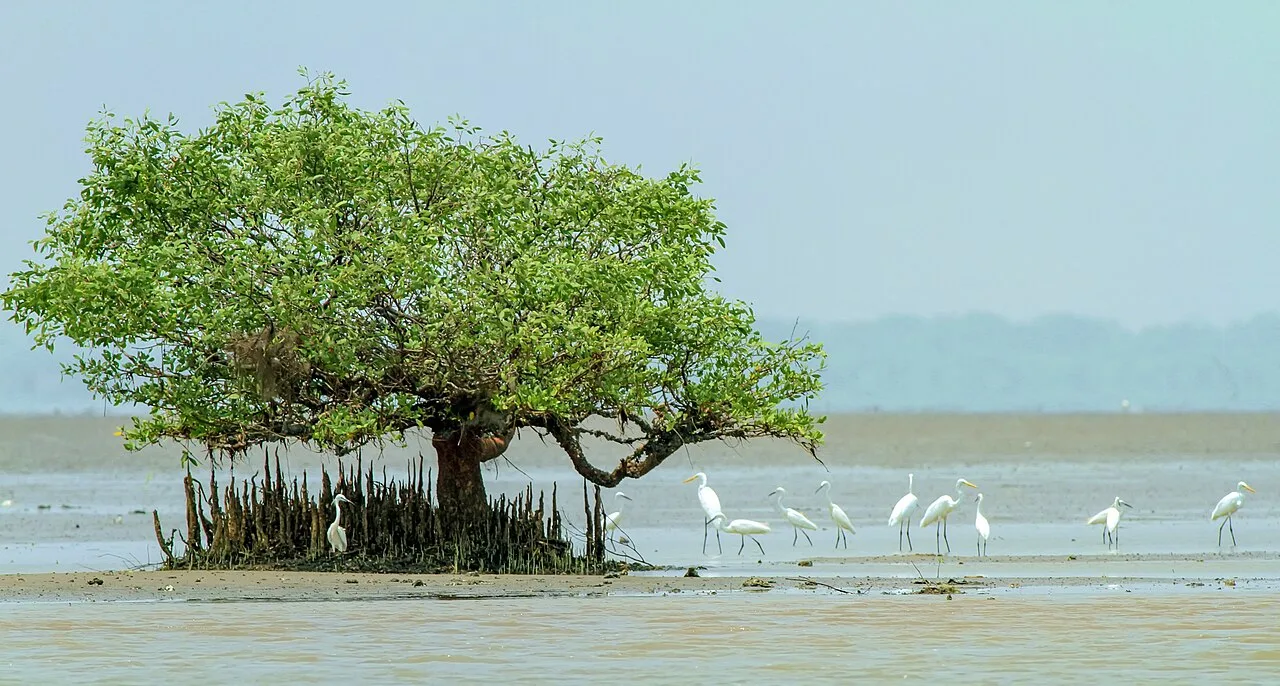
Coringa Wildlife Sanctuary
People visit Coringa Wildlife Sanctuary, an estuarine mangrove reserve near Kakinada in Andhra Pradesh, for its rich birdlife, rare vultures and extensive tidal forest.
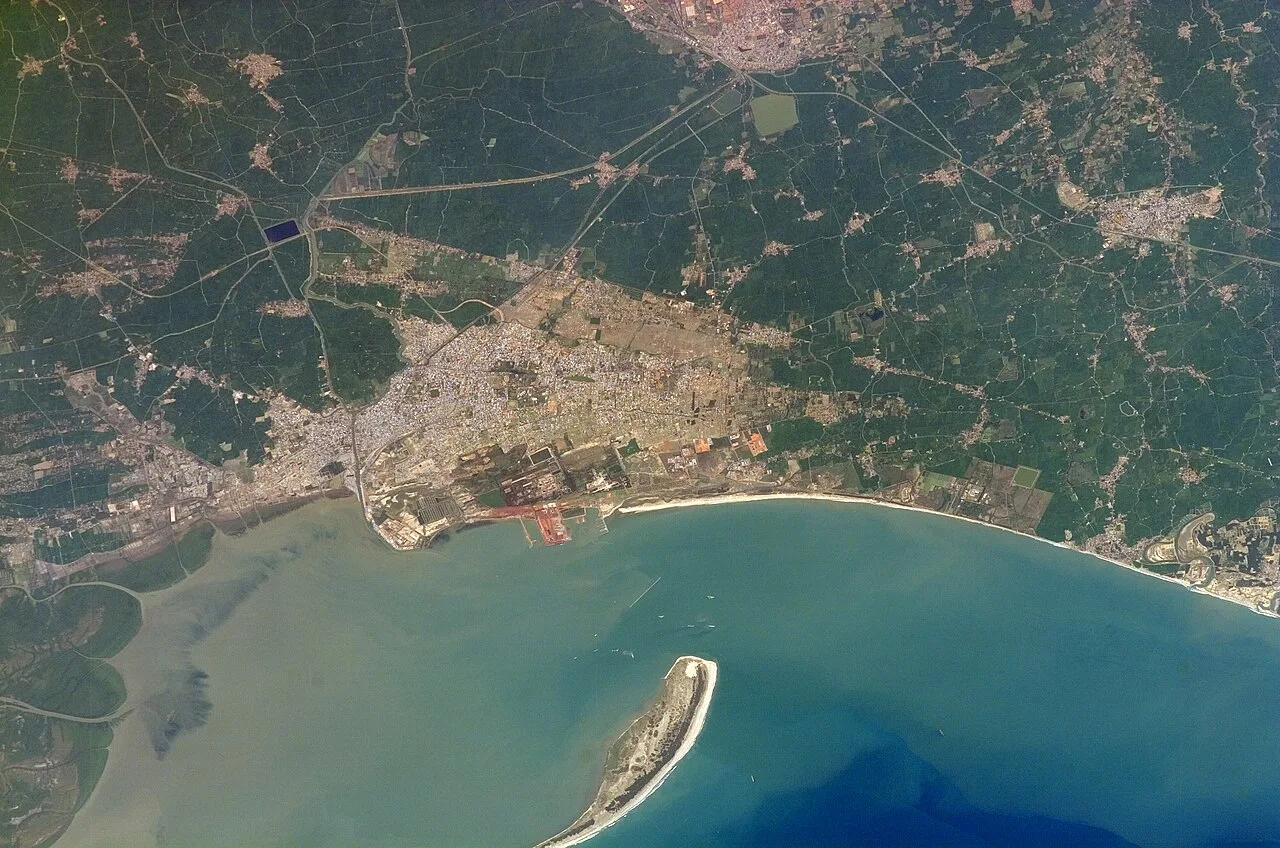
Hope Island, Kakinada
Near Kakinada in Andhra Pradesh, Hope Island is a small, tadpole-shaped island in the Bay of Bengal. Visitors can see its distinctive outline and setting off the coast.
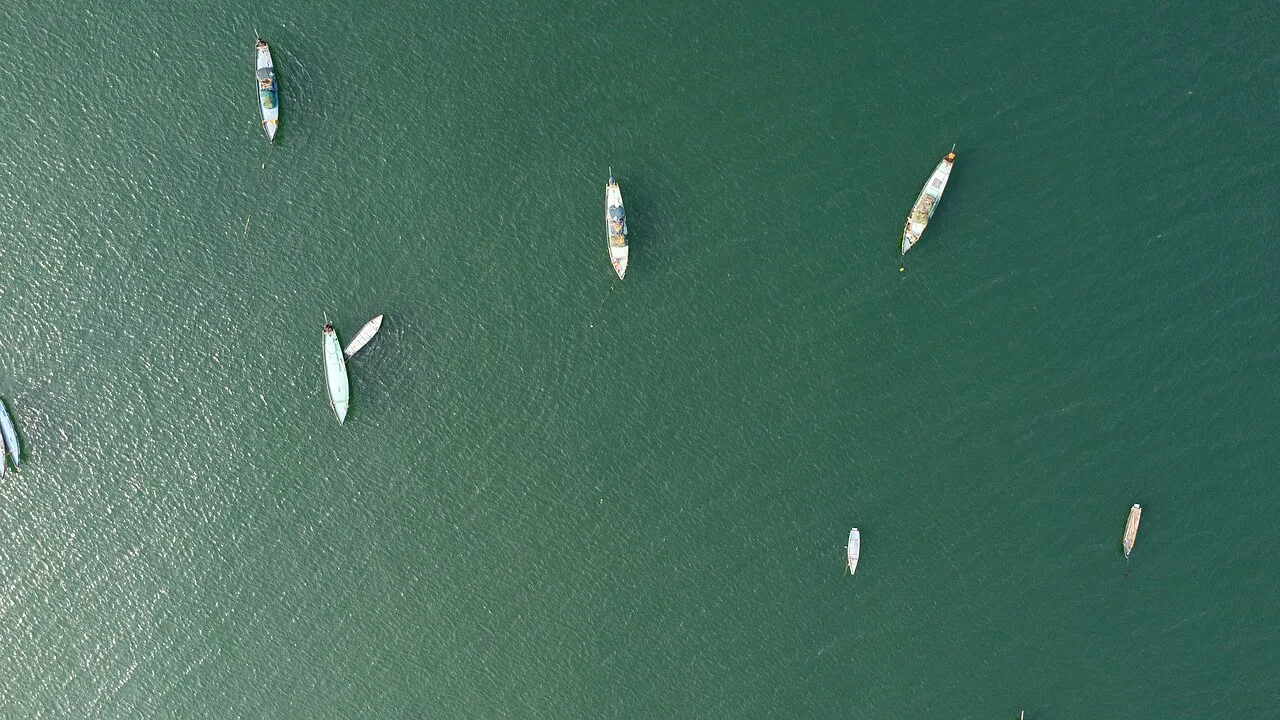
Uppada Beach
Uppada Beach lies by the village of Uppada in Andhra Pradesh’s Kakinada district. Visitors find a coastal setting alongside local associations with prawn fishing and handwoven Jamdani saris.
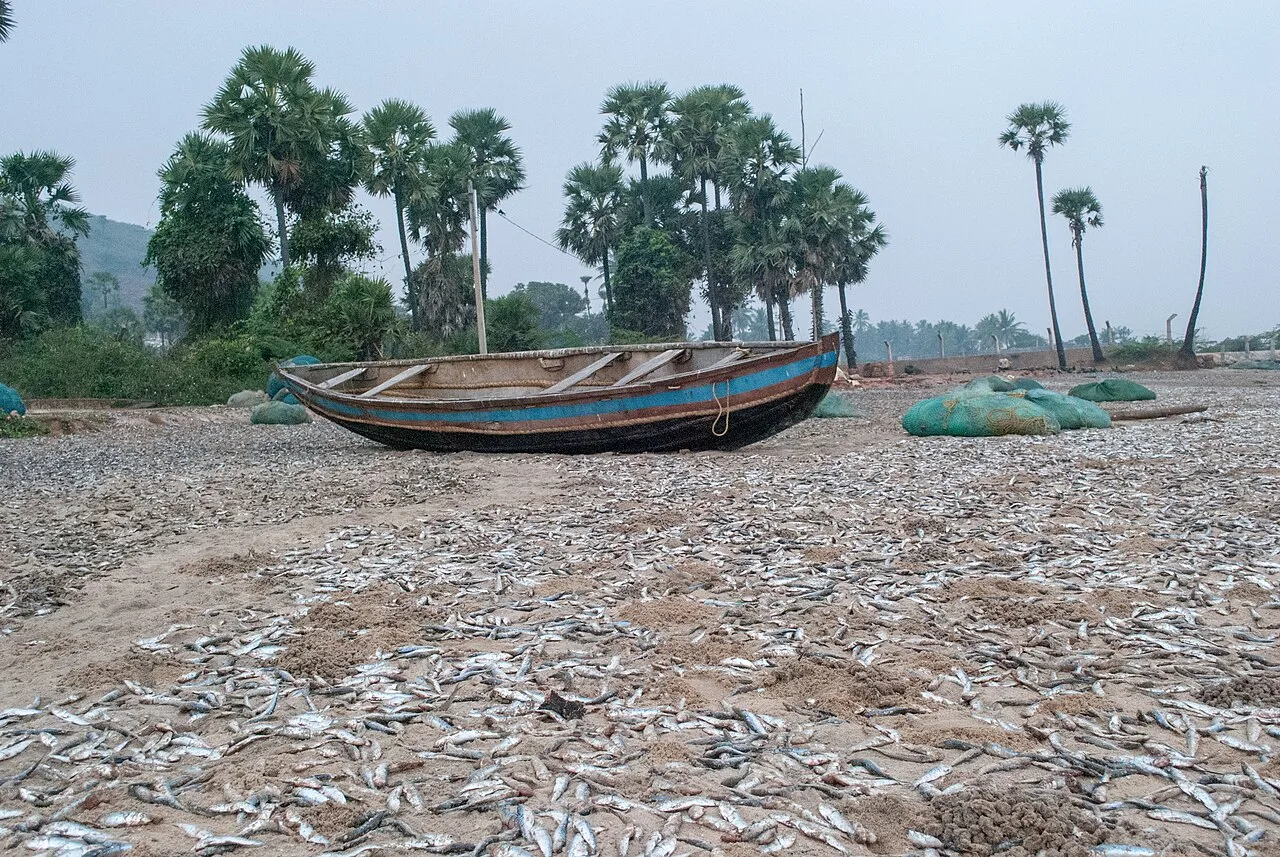
Uppada Jamdani Weaving Village
Uppada is a village in Andhra Pradesh known for its handwoven Jamdani sari, which has geographical-indication status, and for its prawn fishery. Visitors come for its weaving tradition and fishing connection.
Kakinada’s food reflects the wider coastal Andhra tradition: rice-based meals, assertively seasoned lentils and vegetables, gongura and avakaya pickles, and seafood when available. Fish and other local catch may appear in curries or as fried dishes, though menus vary with the day’s supply. Pesarattu, often served with upma, and pulihora are familiar regional favourites; curd rice offers a milder finish to a spicy meal. Pootharekulu, a delicate rice-paper sweet associated with the wider Godavari region, is worth seeking out. Small eateries may offer a limited daily selection, so ask what is fresh and request medium spice if needed.
Uppada, on the district’s coast, is renowned for Uppada Jamdani handloom sarees, a fine-woven tradition associated with the village and recognised with a Geographical Indication. Weavers create lightweight textiles with patterned designs, often incorporating motifs into the fabric rather than relying only on surface printing. The craft belongs to the broader handloom culture of Andhra Pradesh, where weaving traditions vary from place to place. Visitors interested in the work can look for established handloom outlets or ask locally about current weaving and sales; availability and access to workshops may vary.
Sankranti, celebrated in January, is an important harvest festival across coastal Andhra and is marked by family gatherings, decorations and local events. Ugadi, usually in spring, is observed as the Telugu New Year. Temple festivals and village fairs also take place in the wider region, with timing varying by locality. Godavari Pushkaram is a major river festival held every twelve years across the Godavari region; its crowds can affect transport and accommodation availability, although activity is concentrated at river bathing and pilgrimage centres. For any festival period, check local arrangements and reserve a room ahead where possible.
The district includes a low-lying coastal plain shaped by the Godavari delta, with waterways, wetlands and estuarine habitat meeting the Bay of Bengal. Coringa Wildlife Sanctuary protects mangrove forest around an estuary near Kakinada. The coast also includes beaches and offshore or nearshore island environments, including Hope Island. Much of the terrain is flat, but waterways, tidal conditions and stretches of rural road can make access slower than the map suggests. The landscape encourages a mix of road journeys and, for some coastal sites, boat travel arranged locally.
Kakinada has a tropical coastal climate, with hot, humid conditions in summer, generally from March to May. The southwest monsoon brings rain from around June, while the northeast monsoon can also affect coastal Andhra later in the year. Rain, rough seas or strong winds may disrupt beach visits and boat access, so check conditions locally. The cooler, drier months from roughly November to February are usually the most comfortable time to explore. Pack light, breathable clothing, sun protection and a hat; carry rain protection during the monsoon season and modest clothing for religious sites. Keep drinking water available when travelling.
Kakinada Town is the district’s principal railway station, and Rajahmundry Airport is the nearest operating airport serving the area. From either gateway, onward travel is by road. Kakinada is connected to towns across the Godavari region and the coast by state and national roads; APSRTC buses, private buses and taxis serve intercity routes. Within the city, autos and taxis are useful for shorter journeys. Reaching coastal sites such as Uppada or arranging access to Hope Island and Coringa may require local transport or a boat, depending on conditions and services. Check current services locally before travelling.
Kakinada city is the main base for road travel around the district. Local buses, autos and taxis can help with town journeys, while hired vehicles are useful for reaching Uppada Beach and Coringa Wildlife Sanctuary. Services and road conditions vary, especially outside the city, so confirm onward transport before setting out. Access to Hope Island involves a boat journey; availability, departure arrangements and sea conditions should be checked locally rather than assumed. Public transport may not match the timing of boat trips or visits to natural areas, so allow flexibility and arrange a return journey in advance.
2 days: Day 1, Uppada Beach; sleep in Kakinada. Day 2, Coringa Wildlife Sanctuary; sleep in Kakinada. 3 days: Day 1, Uppada Beach; sleep in Kakinada. Day 2, Coringa Wildlife Sanctuary; sleep in Kakinada. Day 3, Hope Island; sleep in Kakinada.
Kakinada city is the most practical base for the listed circuits, with a range of hotels and other ordinary visitor accommodation. It offers the best access to local transport and services, and works well for day trips to Uppada Beach and Coringa Wildlife Sanctuary. For Hope Island, staying in Kakinada is also convenient, but arrange boat access locally and allow for changes in sea conditions. Smaller settlements may have limited choices; homestays or basic lodges may be available in the wider area, but availability should be checked before relying on them.
Coastal weather and sea conditions can change, so avoid entering rough water and follow local advice at beaches. Boat trips to Hope Island depend on safe conditions; confirm arrangements and return transport locally. In Coringa Wildlife Sanctuary, stay on permitted routes, follow staff guidance and do not approach or feed wildlife. Carry drinking water, sun protection and any personal medicines. Monsoon rain can make roads slower or difficult, and mobile connectivity may be weaker outside town. Check current access rules with the relevant local or sanctuary authorities before visiting; do not assume a permit is or is not required.
- Yanam · Puducherryabout 35 km
- East Godavariabout 62 km
- Konaseemaabout 101 km
- West Godavariabout 113 km
- Visakhapatnamabout 130 km
- Eluruabout 130 km
- Alluri Sitharama Rajuabout 147 km
- Vizianagaramabout 171 km
Straight-line distance between the centres of each district's destinations; road distance is longer.
Q: How many days should I spend in Kakinada district? A: Two days can cover a couple of the listed sights; three days allow more flexibility and a separate visit to each. Q: When is the best time to visit? A: November to February is generally more comfortable. Check coastal and boat conditions in every season. Q: Where is the best base for these sights? A: Kakinada city is the most practical base for transport, services and day trips. Q: How do I get to Kakinada district? A: Travel to Kakinada by road or rail connections, then use local transport for sights. Check current connections before departure. Q: Is the district suitable for families or elderly travellers? A: Yes, with planning. Choose road-accessible outings, allow rest time, and consider that Hope Island requires a boat journey and sanctuary paths may not suit everyone.
This page draws on our 4 destination guides for Kakinada and is updated as our team checks it.
Be the first to share photos, stories, advice or a helpful contact for Kakinada.
Loading…