
District · Andhra Pradesh
Sri Sathya Sai
Sri Sathya Sai district lies in Rayalaseema, the dry inland region of Andhra Pradesh, and offers a close look at the state’s spiritual, historical and rural life.
Sri Sathya Sai district lies in the dry, inland Rayalaseema region of Andhra Pradesh. Its landscape is shaped by rocky ground, low hills, cultivated plains and seasonal watercourses, with hot, dry conditions for much of the year. Puttaparthi, the district headquarters, is best known as the home of Prasanthi Nilayam, the spiritual centre associated with Sathya Sai Baba, and draws visitors from India and abroad. The district also contains places of historical and architectural interest, including the Vijayanagara-era temple at Lepakshi and Penukonda Fort, linked to the history of the Vijayanagara kingdom. Today, pilgrimage, agriculture and small-town life give the district its distinctive character.
Sri Sathya Sai district lies in Rayalaseema, the dry inland region of Andhra Pradesh, and offers a close look at the state’s spiritual, historical and rural life. Puttaparthi, the district headquarters, is best known for Prasanthi Nilayam, the spiritual centre associated with Sathya Sai Baba and visited by pilgrims from India and abroad. The wider region is also associated with Vijayanagara history and distinctive temple architecture, while farming and small-town life remain part of its everyday character. Travellers can use Puttaparthi as a base for a quieter, locally focused visit, keeping in mind that the district’s listed destination is the town itself.
The area now within Sri Sathya Sai district has been shaped by the successive powers of the Deccan and south India. The Vijayanagara kingdom left a strong mark on the region: Penukonda served as an important stronghold and refuge of the kingdom after the fall of its capital at Vijayanagara in the sixteenth century. Lepakshi, known for its Vijayanagara-period temple and paintings, also reflects the era’s artistic and political influence. In the early nineteenth century, parts of the wider Rayalaseema region came under British rule following the transfer of the Ceded Districts to the East India Company. The territory later formed part of Andhra State and, after the creation of Andhra Pradesh, was administered within Anantapur district. Sri Sathya Sai district was established in 2022, when it was separated from the former Anantapur district as part of Andhra Pradesh’s district reorganisation. Puttaparthi’s modern prominence grew around Sathya Sai Baba and the development of Prasanthi Nilayam as a spiritual centre, drawing visitors from across India and overseas.
2 destination guides · 1 on the map
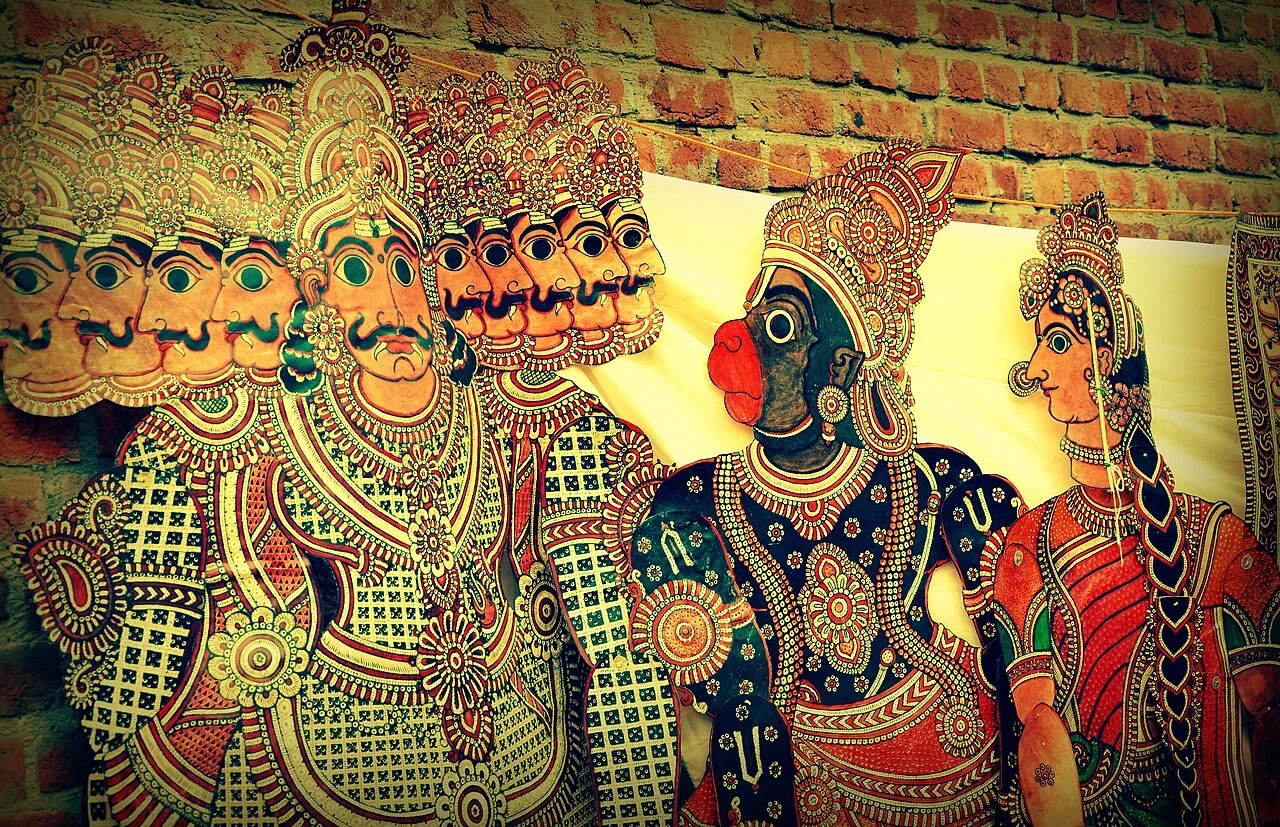
Nimmalakunta Leather Puppet Village
Nimmalakunta, near Dharmavaram in Andhra Pradesh’s Sri Sathya Sai district, is known for painted leather puppets made for Tholu Bommalata. Visitors encounter a craft rooted in the state’s shadow-theatre tradition.
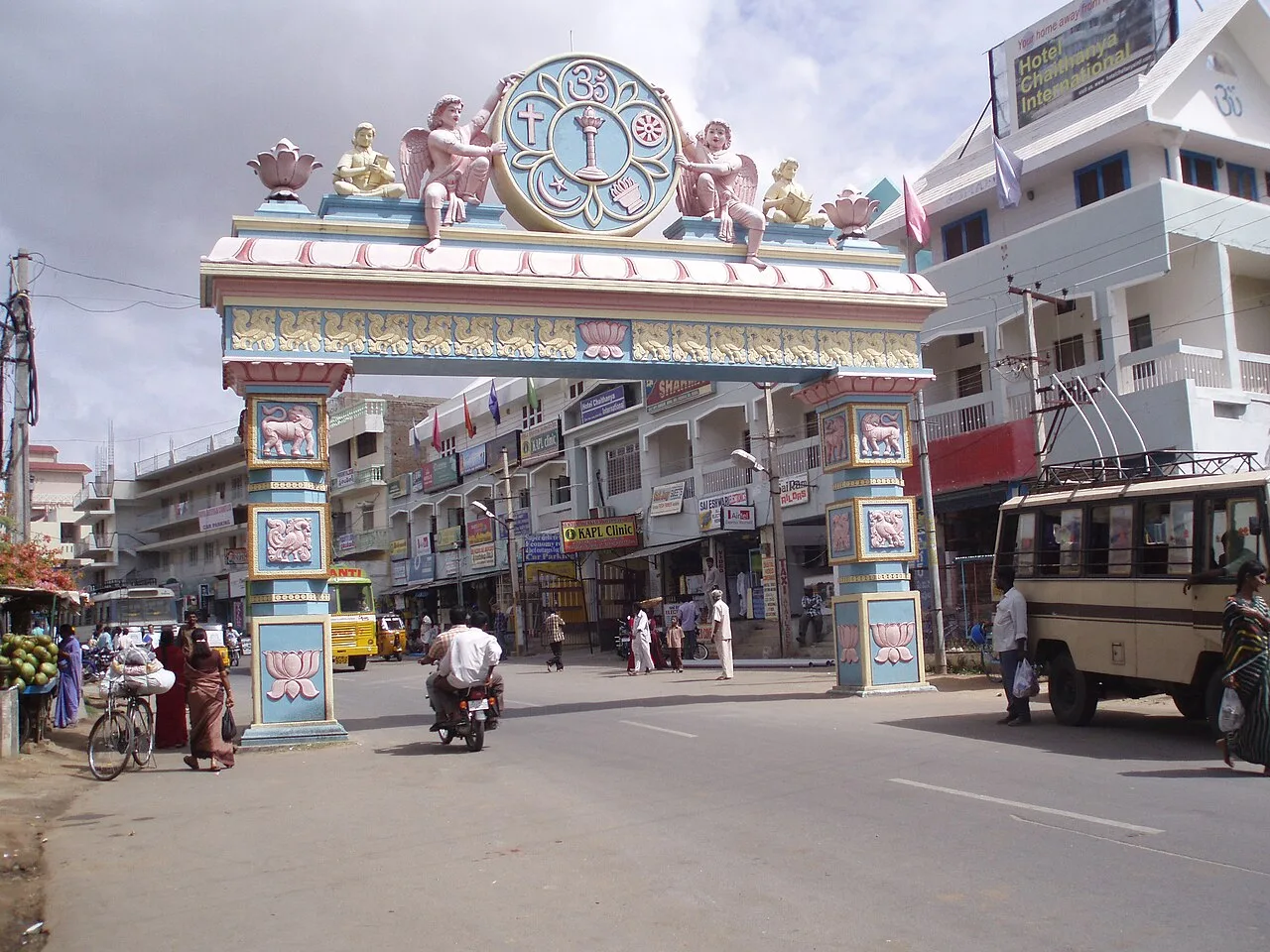
Puttaparthi (Prasanthi Nilayam)
Puttaparthi is a municipality and the administrative centre of Sri Sathya Sai district in Andhra Pradesh. Visitors come for Prasanthi Nilayam and the town’s connection with Sathya Sai Baba.
Food here reflects the wider Rayalaseema and Andhra traditions: rice, lentils, vegetable curries, tangy pulusu, pickles and chutneys are common. Ragi sangati, a filling finger-millet preparation often served with curry, is associated with Rayalaseema cooking; jonna rotti and groundnut-based dishes are also found across the region. Andhra pickles such as avakaya and gongura can be fiery, so ask for a milder preparation if needed. In Puttaparthi, visitors will find vegetarian meals, particularly around Prasanthi Nilayam, alongside local eateries. Menus may be limited, and curd rice is a familiar way to balance spicy food.
Dharmavaram, in the district, is widely known for its silk saree weaving tradition. Dharmavaram silk sarees have a Geographical Indication (GI) tag and are valued for their rich colours, contrast borders and traditional motifs. Weaving is part of a broader Andhra handloom heritage, though designs and techniques vary between centres. The district’s artistic history is also visible in Lepakshi’s Vijayanagara-era temple sculpture and murals; these are heritage art rather than evidence of a single contemporary craft industry. Visitors seeking handloom products can look for reputable sellers and ask about the fabric and weaving process.
Puttaparthi’s calendar is strongly shaped by events associated with Sathya Sai Baba, including his birthday celebrations in November and Aradhana-related observances in April. The number of visitors can rise considerably around major gatherings, so accommodation may be harder to find; check arrangements and book ahead where possible. Sankranti in January, Ugadi in spring and Dasara in autumn are observed in the district and wider Andhra Pradesh, with local variations. Temple festivals and fairs may also take place in surrounding towns and villages, but their schedules and scale can vary from year to year.
This is an inland, largely dry district of rocky ground, granite outcrops, low hills and cultivated plains. Seasonal streams and watercourses, including the Chitravathi river system, can swell during the monsoon and be low or dry in other seasons. Patches of scrub and dry woodland occur among farmland and settlements; there is no coastline. Towns and places of interest are linked mainly by road, and journeys through the open, sometimes hilly terrain can take longer than the map suggests. Rain can affect smaller roads and crossings, so check local conditions before travelling.
The district is generally hot and dry for much of the year. Summer, broadly from March into May, can make midday sightseeing tiring, so plan outdoor visits for cooler parts of the day and carry water and sun protection. The southwest monsoon usually brings rain from around June into September, though conditions vary; showers can affect rural roads. October through February is generally more comfortable for exploring, with cooler mornings and evenings. These months are often the most pleasant time to visit, although busy spiritual events may bring larger crowds. Pack light clothing, a sunhat and sturdy walking shoes, plus a light layer for winter evenings and rain protection during the monsoon.
Puttaparthi (Sri Sathya Sai) Airport is the nearest airport, but check whether suitable flights are operating for your travel dates. Dharmavaram Junction is the main nearby railway station; Sri Sathya Sai Prasanthi Nilayam station also serves the Puttaparthi area. APSRTC buses connect district towns with regional centres, and road journeys commonly link Puttaparthi with Anantapur, Bengaluru and other parts of Rayalaseema. Within the district, buses, auto-rickshaws and hired cars are practical options, with availability varying by town. Check current services locally before setting out.
Road travel is the main way to move around the district. APSRTC buses connect towns and regional centres, while local buses, auto-rickshaws and shared vehicles may be available for shorter trips; service and frequency vary by place and time. Taxis or hired cars offer more flexibility, especially for visitors with limited time or mobility needs. Puttaparthi is connected by road with Anantapur, Bengaluru and other parts of Rayalaseema. Confirm the return options for rural journeys locally, as services may be less frequent outside larger towns. There are no coastal or boat-based sightseeing routes to plan around.
2 days: Puttaparthi (Prasanthi Nilayam); sleep in Puttaparthi each night. 3 days: Puttaparthi (Prasanthi Nilayam); sleep in Puttaparthi each night, allowing an additional day for a slower visit or spiritual programme. 4 days: Puttaparthi (Prasanthi Nilayam); sleep in Puttaparthi each night, with time for rest and participation in activities available to visitors.
Puttaparthi is the practical base for a visit centred on Prasanthi Nilayam and the district’s listed destination. The town has a range of accommodation, including hotels, guesthouses and pilgrim-oriented lodgings; availability and visitor requirements can vary, especially around major spiritual events. Some travellers may find homestays or accommodation in larger nearby towns useful, though this can mean more road travel. Check lodging arrangements directly before arrival, including any rules for access or booking. Government lodges and dharamshalas may be available in the wider region, but facilities and access are not uniform.
Heat and sun exposure can be tiring, so carry drinking water, use sun protection and avoid strenuous outdoor activity in the hottest part of the day. Use well-maintained footwear on rocky or uneven ground, and take care on rural roads, especially after monsoon rain or after dark. Crowds can build around major events in Puttaparthi; keep belongings secure and follow local instructions. Use sealed or reliably treated drinking water if unsure about supplies. Mobile connectivity can be patchy outside towns. Check current road and site-access conditions locally; confirm any site-specific restrictions with official sources. No general district-wide visitor permit requirement is known.
- Anantapurabout 39 km
- Chittoorabout 85 km
- Chikkaballapur · Karnatakaabout 87 km
- YSRabout 97 km
- Tumakuru · Karnatakaabout 97 km
- Bengaluru Urban · Karnatakaabout 135 km
- Kolar · Karnatakaabout 139 km
- Chitradurga · Karnatakaabout 153 km
Straight-line distance between the centres of each district's destinations; road distance is longer.
Q: How many days should I spend in Sri Sathya Sai district? A: Two or three days suit a visit centred on Puttaparthi; add time if you prefer a slower pace or plan around a spiritual programme. Q: When is the best time to visit? A: October to February is generally more comfortable for travel, though major events can make Puttaparthi busier. Q: What is the best base for a visit? A: Puttaparthi is the most practical base for Prasanthi Nilayam and the district’s listed destination. Q: How do I get to the district? A: Puttaparthi has an airport, but check whether flights suit your dates. Dharmavaram Junction and Sri Sathya Sai Prasanthi Nilayam station serve the area, and buses and roads connect it with regional centres. Q: Is the district suitable for families or elderly travellers? A: Yes, especially for a Puttaparthi-centred visit. Plan for heat, crowds during major events and walking on uneven surfaces; confirm accommodation and accessibility arrangements in advance.
This page draws on our 2 destination guides for Sri Sathya Sai and is updated as our team checks it.
Be the first to share photos, stories, advice or a helpful contact for Sri Sathya Sai.
Loading…