

District · Andhra Pradesh
Visakhapatnam
Visakhapatnam is a major coastal district in north-eastern Andhra Pradesh, where a busy port city meets the Bay of Bengal and the foothills of the Eastern Ghats.
Visakhapatnam district brings together a Bay of Bengal coastline, green hills and the bustle of a major port city. RK Beach and Rushikonda give the coast its leisure character, while Kailasagiri offers a hilltop setting above the urban landscape. Dolphin's Nose is another prominent coastal landmark, between Yarada and Gangavaram Port. The district's heritage spans regional history, worship and maritime life: Visakha Museum preserves historical objects from Kalingandhra, the Simhachalam hill temple honours Sri Varaha Lakshmi Narasimha, and the INS Kursura Submarine Museum introduces visitors to India's naval past. Together, these places make Visakhapatnam a destination where beaches, sacred hills and working-city life sit close together.
Visakhapatnam is a major coastal district in north-eastern Andhra Pradesh, where a busy port city meets the Bay of Bengal and the foothills of the Eastern Ghats. It is best known for its urban beaches, including RK Beach and Rushikonda, and for viewpoints such as Kailasagiri and Dolphin's Nose. The district also offers a glimpse of the region's religious and maritime heritage, from the hilltop Varaha Lakshmi Narasimha temple at Simhachalam to the INS Kursura Submarine Museum and Visakha Museum. Its mix of city life, coastline and nearby hills makes it a useful base for exploring this part of the state.
The Visakhapatnam region has been shaped by successive coastal and inland powers. Over the centuries, parts of the wider area came under the Eastern Gangas, Gajapatis and Vijayanagara rulers, among others; the Simhachalam temple reflects a long history of regional worship and patronage. The coast later became part of the Northern Circars, a stretch of territory that passed into the control of the East India Company during the eighteenth century. Under British rule, Visakhapatnam developed as a port and administrative centre, and a district administration took shape in the early nineteenth century. The town's harbour and maritime role expanded further in modern times, while the surrounding region remained connected to agriculture, trade and hill communities. After Indian independence, the area formed part of Andhra State and later Andhra Pradesh. The present Visakhapatnam district is smaller than the former district: Andhra Pradesh's 2022 administrative reorganisation created separate districts from areas that had previously been administered together. Its museums, temple and working port offer different views of this layered history.
7 destination guides
Dolphin's Nose
This rocky headland in Visakhapatnam is known for its dolphin-like outline and lighthouse beacon. Visitors are drawn to its distinctive shape and status as a prominent local landmark.
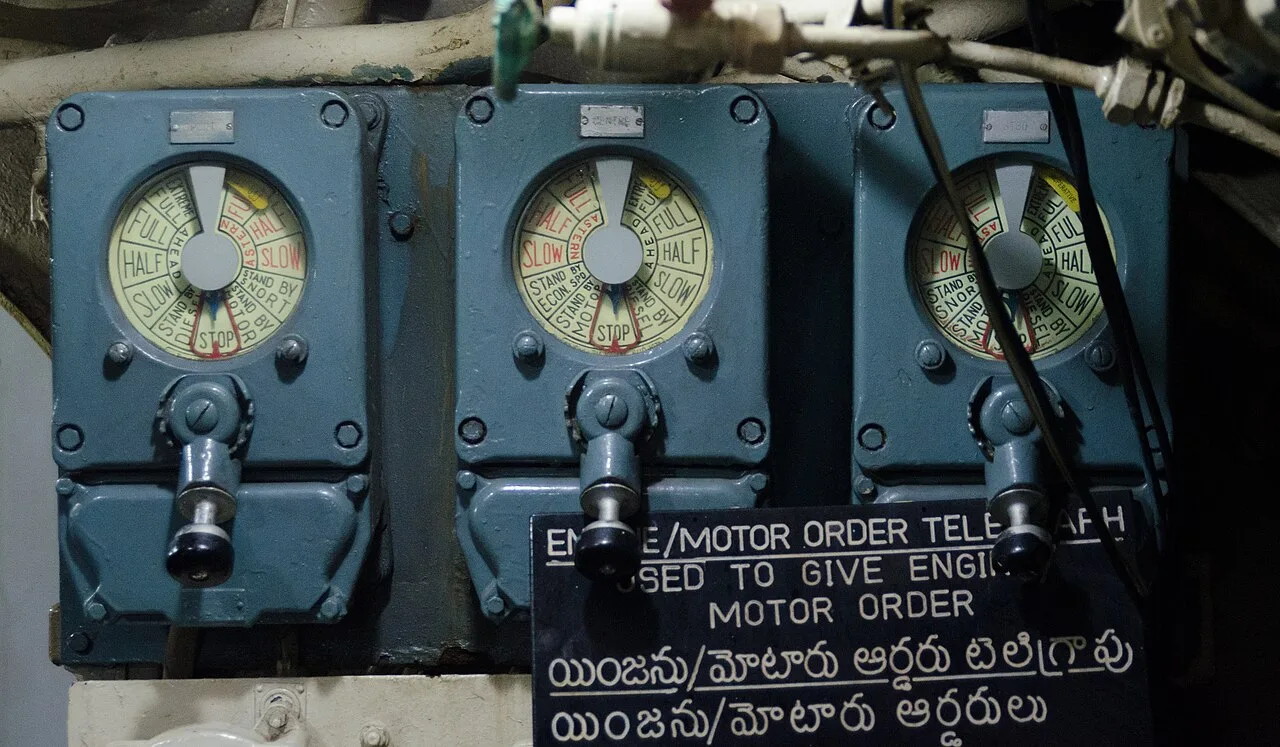
INS Kursura Submarine Museum
The INS Kursura Submarine Museum preserves a former Indian Navy submarine on Visakhapatnam’s RK Beach, where visitors can learn about its naval service and its preservation as a museum.
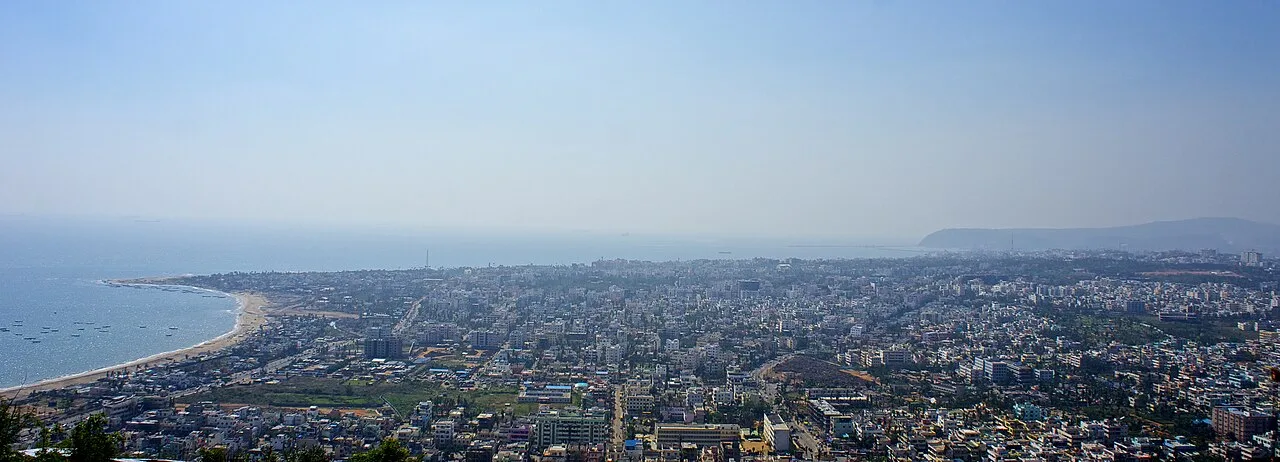
Kailasagiri
Kailasagiri is a hill park in Visakhapatnam, Andhra Pradesh. Visitors come for its elevated views across the city and grounds featuring native trees and other plants.
RK Beach
RK Beach is a seaside destination in Visakhapatnam, Andhra Pradesh, beside the Bay of Bengal. Visitors come to spend time by the water, and a nearby Ramakrishna Mission ashram gives the beach its name.
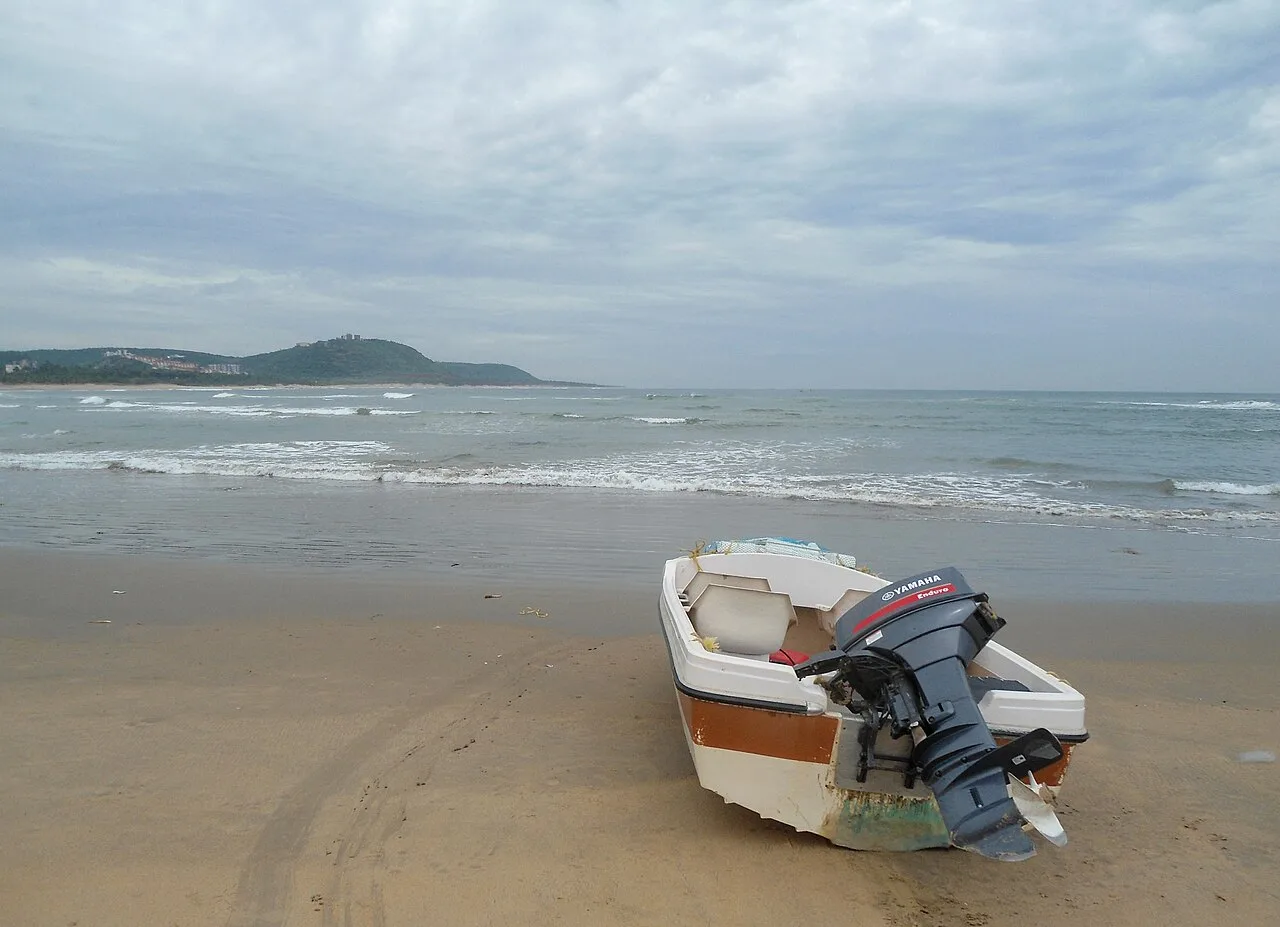
Rushikonda Beach
Rushikonda Beach is a seaside destination in Visakhapatnam, Andhra Pradesh, on the Bay of Bengal. Visitors come to spend time by the sea, and the Andhra Pradesh Tourism Development Corporation maintains it.
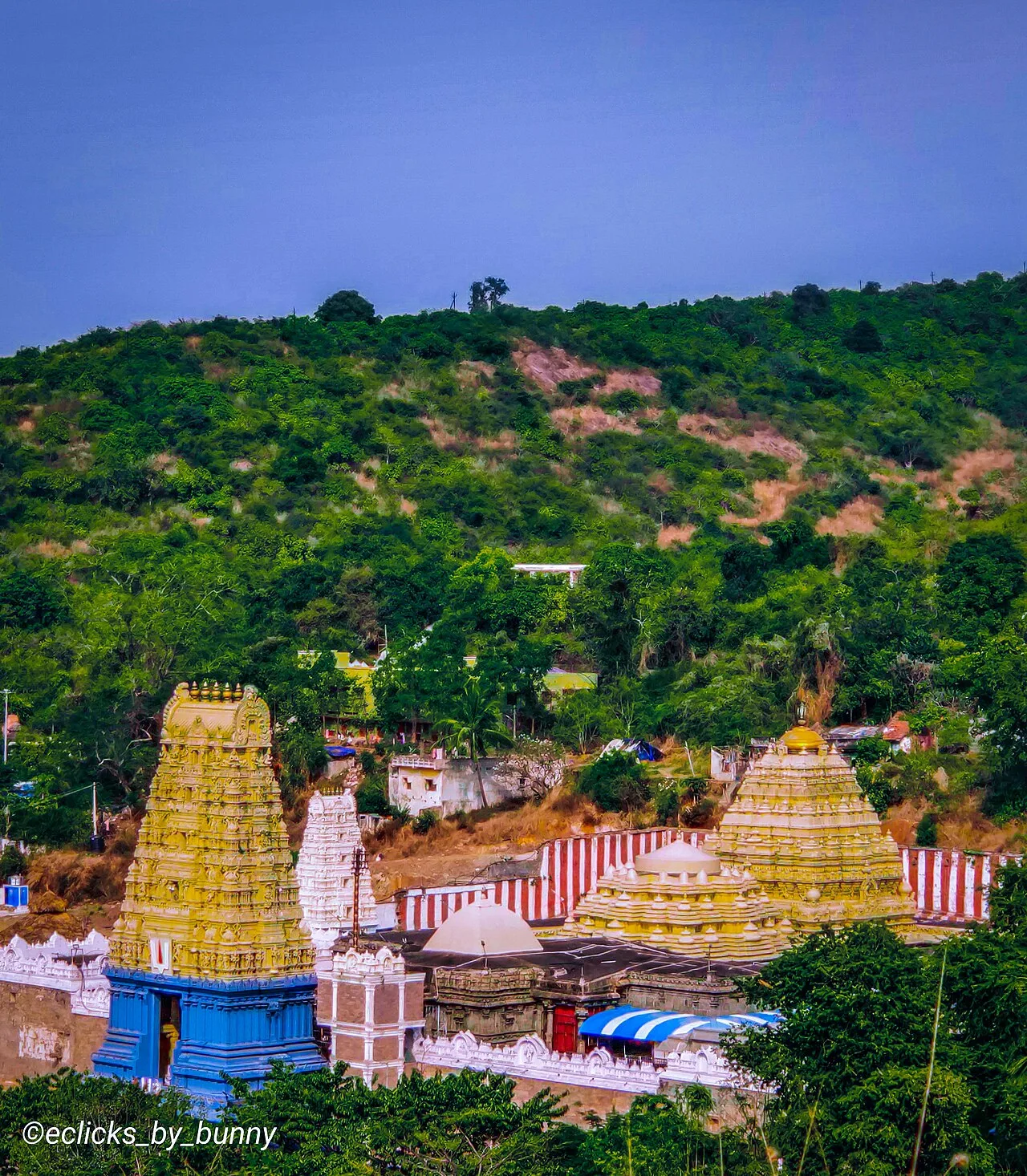
Varaha Lakshmi Narasimha temple
The Varaha Lakshmi Narasimha temple is a Hindu shrine on a hill in Visakhapatnam, where people worship Vishnu as Varaha Narasimha and see an image covered with sandalwood paste for most of the year.
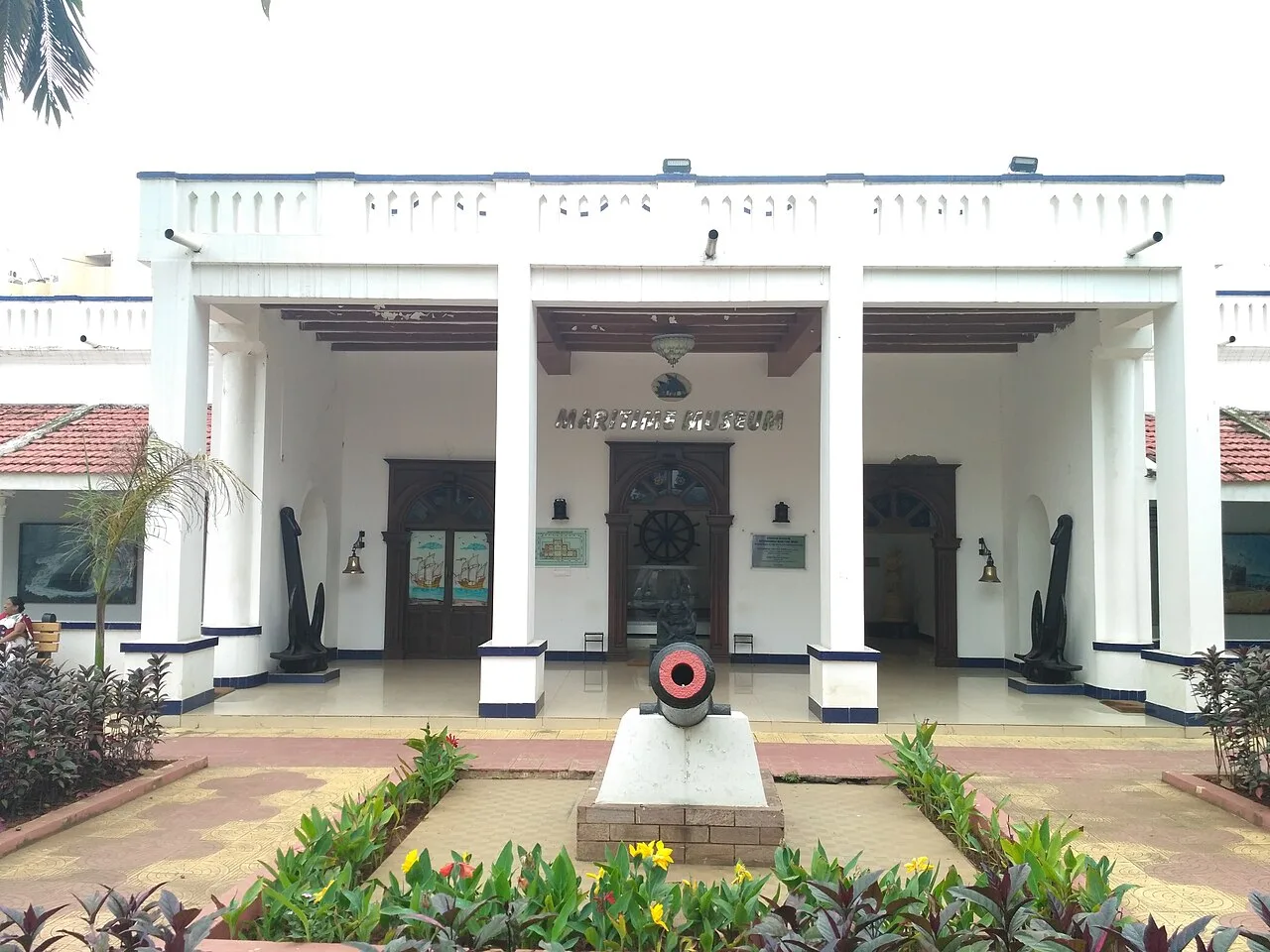
Visakha Museum
Visakha Museum, formally the Visakhapatnam Municipal Corporation Museum, is a museum in Visakhapatnam, Andhra Pradesh. Visitors can explore its collection of historical objects and artefacts linked to the Kalingandhra region.
Food in Visakhapatnam reflects coastal Andhra traditions, with rice-based meals, tangy accompaniments and seafood featuring prominently. Look for Andhra meals served with dal, vegetables, pickles and curd; gongura and avakaya bring characteristic sourness and heat. Pesarattu, a green-gram dosa often paired with upma, is a familiar breakfast choice across the wider region, while pulihora offers a tangy rice option. Coastal fish and prawn preparations are worth asking about where freshly available. Pootharekulu is a wider Andhra sweet rather than a district-specific speciality. Request milder seasoning if needed, and ask small eateries what they have cooked that day.
Visakhapatnam is a useful place to explore crafts from the wider north coastal Andhra region, rather than assuming every item sold here is locally made. Etikoppaka, in neighbouring Anakapalli district, is known for turned wooden toys and decorative objects finished with coloured lacquer. Across Andhra Pradesh, Kalamkari traditions bring drawn or block-printed designs to textiles, though their best-known production centres lie elsewhere in the state. When shopping, ask about the artisan, place of production and materials; these details help distinguish regional handmade work from mass-produced souvenirs.
Simhachalam's Chandanotsavam, usually held in spring around April or May, is a major temple occasion and can draw large crowds; arrange accommodation early if visiting then. Dasara, Sankranti and Ganesh Chaturthi are also observed across the city and district, with public celebrations and increased local travel around the festival periods. Sankranti falls in winter, when family visits and holiday travel can make rooms busier. Cultural events associated with Visakhapatnam may be scheduled seasonally, but programmes vary from year to year. Check current local announcements before planning around a particular event.
The district combines an urban Bay of Bengal shoreline with hill country on the city's edges. Beaches and coastal roads run beside the built-up city, while the Eastern Ghats rise inland and frame viewpoints such as Kailasagiri and Dolphin's Nose. The Simhachalam hill range is another prominent elevated setting. These contrasts make it practical to group central waterfront sights together and allow separate travel time for hill and southern coastal visits.
Visakhapatnam has a warm, humid coastal climate. Summer, generally from March to May, can feel hot, especially while sightseeing outdoors in the middle of the day. The monsoon season, usually from June into the early autumn, brings rain, rougher sea conditions and occasional travel disruption. Winter, broadly from November to February, is usually the most comfortable period for walking and combining city, beach and hill visits. These months are a good general choice, though festivals and holidays can increase demand for rooms. Pack light, breathable clothing, sun protection and a reusable water bottle; carry rain protection in monsoon months. For temple visits, bring clothing that meets local expectations.
Visakhapatnam Airport and Visakhapatnam Junction are the principal air and rail gateways for visiting the district. National Highway 16 provides the main coastal road connection, while APSRTC buses link Visakhapatnam with other towns in Andhra Pradesh. Within the city, local buses, auto-rickshaws and taxis are practical options for getting around. Group the beachfront attractions into one outing, and plan separate journeys for Simhachalam and the southern coastal hills. Hill approaches and city traffic can make journeys longer than a map suggests, so allow extra time rather than relying on straight-line estimates. Check current services locally.
Visakhapatnam's central beaches and museums can be linked by city buses, auto-rickshaws and taxis. Local buses also serve many urban routes, while taxis or hired vehicles are useful for combining places on the hills or coast. Roads connect the city with Rushikonda, Simhachalam and the southern coastal approaches, but traffic, roadworks and winding hill sections can add time. Shared vehicles may be available on some routes, though coverage and frequency vary. There are no routine passenger boat links needed for the listed sights. Check current road access locally, particularly for Dolphin's Nose and other areas near port infrastructure.
2 days: Day 1: RK Beach → INS Kursura Submarine Museum → Visakha Museum; Day 2: Kailasagiri → Rushikonda Beach. Sleep in Visakhapatnam both nights. 4 days: Day 1: RK Beach → INS Kursura Submarine Museum → Visakha Museum; Day 2: Kailasagiri → Rushikonda Beach; Day 3: Varaha Lakshmi Narasimha temple; Day 4: Dolphin's Nose. Sleep in Visakhapatnam each night.
Visakhapatnam city is the most practical base for the listed sights, with a broad choice of hotels and guesthouses and access to local transport. Staying near the central waterfront can suit a short beach-and-museum visit; other city neighbourhoods may work better for rail or road connections. For a longer circuit, it is generally simpler to keep one city base and make separate day trips to Simhachalam, Rushikonda and the southern coast. Homestays and government accommodation may be available in the wider area, but check location and current booking arrangements. Dharamshalas are more limited and are not a substitute for confirming a suitable stay in advance.
Use sun protection and drink safe water, especially during hot, humid weather. Sea conditions can change quickly: heed beach warnings, avoid rough water and swim only where locally permitted and supervised. Crowds can be heavy at beaches and during temple festivals; keep belongings secure. Mobile connectivity is generally available in the city but can be less reliable on coastal or hill routes. Access near port or other secured infrastructure may be restricted, including around parts of the southern coast; follow official signs and instructions, and confirm any current access rules with local authorities before setting out. No special permit requirement is assumed here.
- Vizianagaramabout 48 km
- Alluri Sitharama Rajuabout 70 km
- Srikakulamabout 96 km
- Kakinadaabout 130 km
- Koraput · Odishaabout 145 km
- Yanam · Puducherryabout 161 km
- Gajapati · Odishaabout 169 km
- Bastar · Chhattisgarhabout 204 km
Straight-line distance between the centres of each district's destinations; road distance is longer.
Q: How many days should I spend in Visakhapatnam district? A: Two days cover several city beaches, museums and viewpoints. Allow three or four days to include Simhachalam and the southern coast at a more relaxed pace. Q: When is the best time to visit? A: November to February is generally more comfortable for outdoor sightseeing. Check sea and weather conditions in other seasons. Q: Where is the best base for these sights? A: Visakhapatnam city is the most convenient base for the listed attractions and local transport. Q: How do I get to Visakhapatnam? A: The district is served by Visakhapatnam Airport and Visakhapatnam Junction. National Highway 16 is the main coastal road link, and buses connect the city with other parts of Andhra Pradesh. Q: Is Visakhapatnam suitable for families or elderly travellers? A: Yes, many city sights are accessible by road, but hills, steps, heat and beach conditions can affect comfort. Check access needs in advance and plan a flexible pace.
This page draws on our 7 destination guides for Visakhapatnam and is updated as our team checks it.
Be the first to share photos, stories, advice or a helpful contact for Visakhapatnam.
Loading…