
District · Andhra Pradesh
East Godavari
East Godavari offers a river-centred view of Andhra Pradesh, with Rajamahendravaram (Rajahmundry) as its urban and cultural hub.
East Godavari centres on Rajamahendravaram, also known as Rajahmundry, where the broad Godavari River shapes the landscape and everyday life. Riverbanks, cultivated plains and busy urban neighbourhoods give the district its character. The city is an important centre of Telugu literary and cultural history, while the Godavari Bridge is a prominent river landmark. At Dowleswaram, the irrigation works trace their origins to Sir Arthur Cotton’s nineteenth-century project, completed in 1852, which transformed agriculture across the delta. Rajamahendravaram also serves as a gateway to the wider Godavari region. Papikondalu’s river-and-hill scenery and Maredumilli’s forests are popular onward excursions, but should not be confused with destinations within present-day East Godavari’s boundaries.
East Godavari offers a river-centred view of Andhra Pradesh, with Rajamahendravaram (Rajahmundry) as its urban and cultural hub. The broad Godavari, cultivated plains and the historic irrigation works at Dowleswaram shape the district’s identity. Rajamahendravaram is associated with Telugu literary and cultural history, and the Godavari Bridge is a landmark across the river. The district also works as a gateway to the wider Godavari region. Papikondalu’s hills and river scenery and Maredumilli’s forests are popular onward excursions, but lie outside present-day East Godavari, so they need separate travel planning.
The lower Godavari region has a long history of settlement and changing political control. Rajamahendravaram became an important centre under the Eastern Chalukyas, who ruled parts of the region from roughly the seventh to the twelfth centuries; the city is often associated with their capital. Later powers, including the Kakatiyas and Vijayanagara rulers, held influence here, followed by regional and Deccan authorities. The area came under British rule and formed part of the Madras Presidency. In the nineteenth century, Sir Arthur Cotton’s Godavari irrigation works at Dowleswaram, completed in 1852, helped expand cultivation across the delta. The wider Godavari district was administratively divided over time; East Godavari was formed as a separate district in 1925. After Indian independence, the region became part of Andhra State in 1953 and Andhra Pradesh in 1956. Administrative reorganisation in 2022 changed district boundaries, so present-day East Godavari is smaller than the historic region often described by that name.
5 destination guides
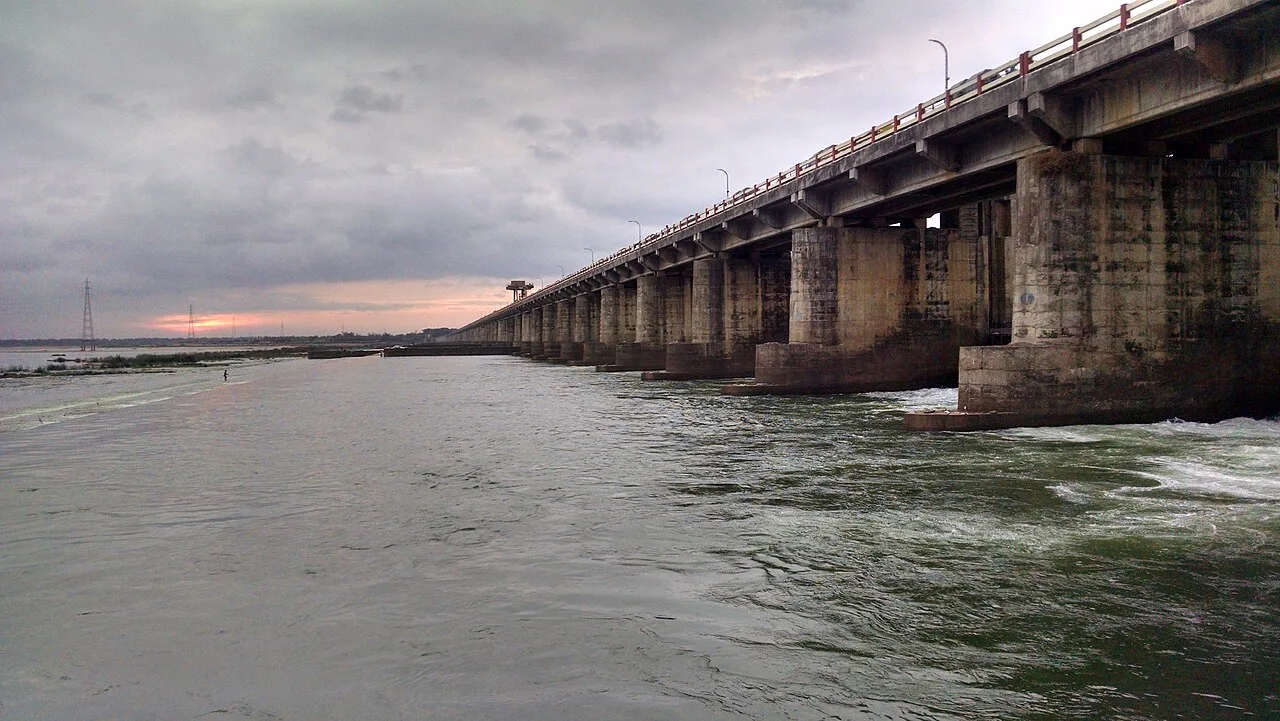
Dowleswaram Barrage
Dowleswaram Barrage is an irrigation structure on the Godavari in Andhra Pradesh, drawing interest for its role in river irrigation and its association with Sir Arthur Cotton.
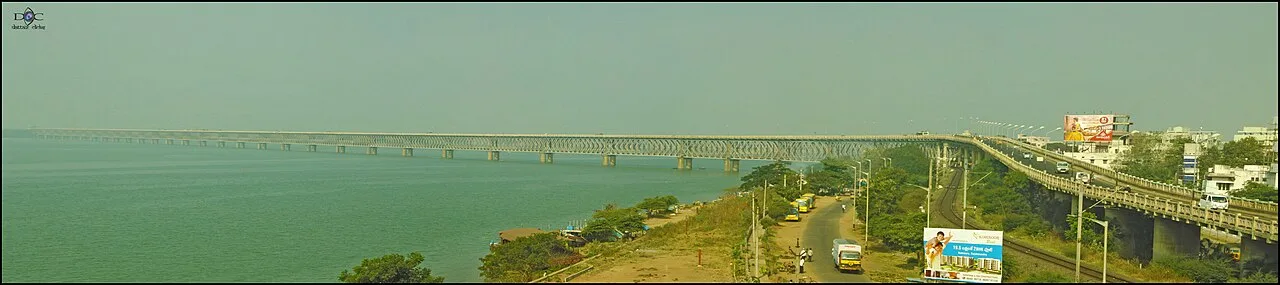
Godavari Bridge
The Godavari Bridge is a road-and-rail truss crossing at Rajamahendravaram. Visitors encounter a major city landmark recognised as a symbol of Rajamahendravaram and represented in art, media and culture.
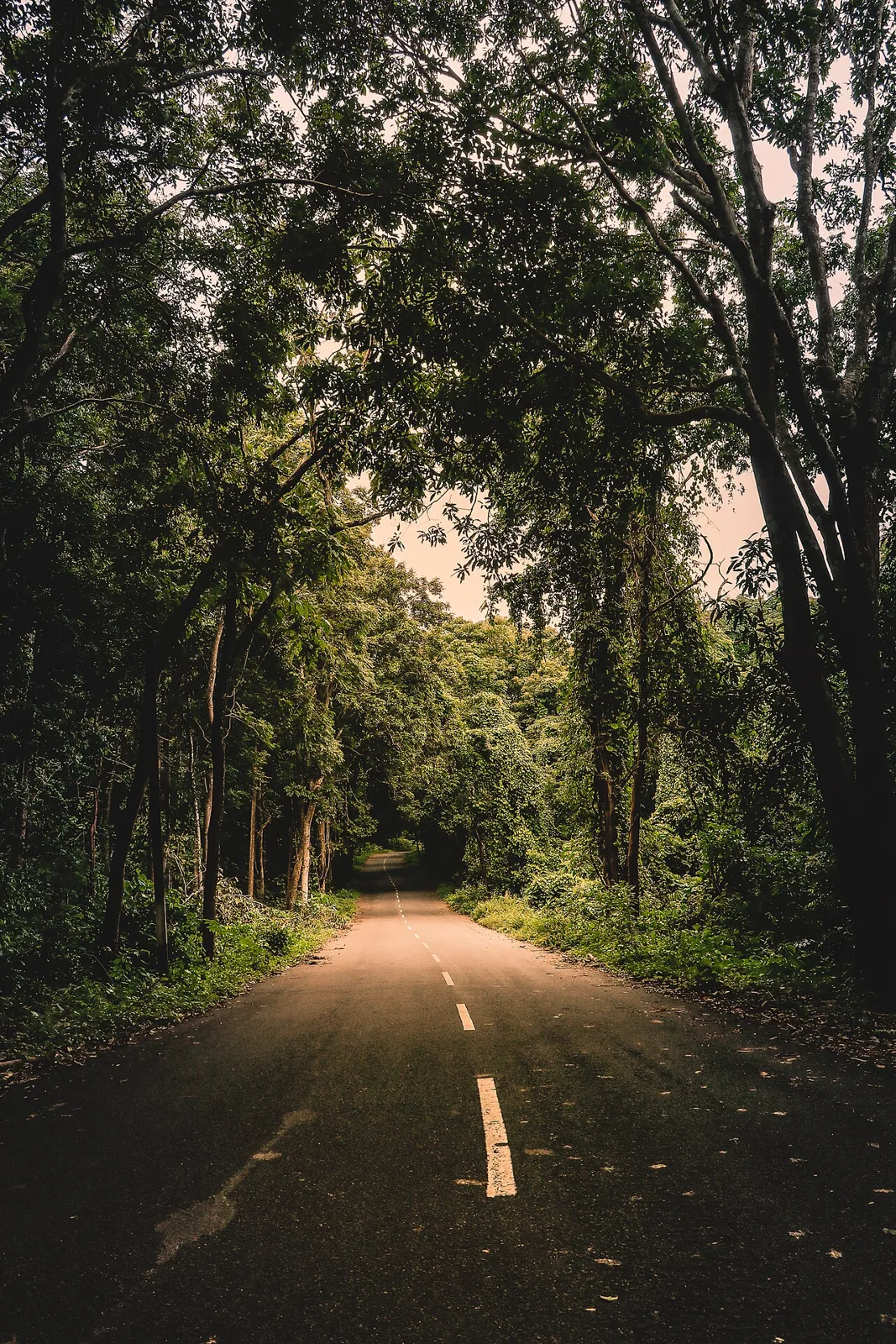
Maredumilli Forest
Maredumilli Forest lies in Andhra Pradesh and is known for waterfalls and scenic sites. Its surroundings have also served as locations for films and television programmes.
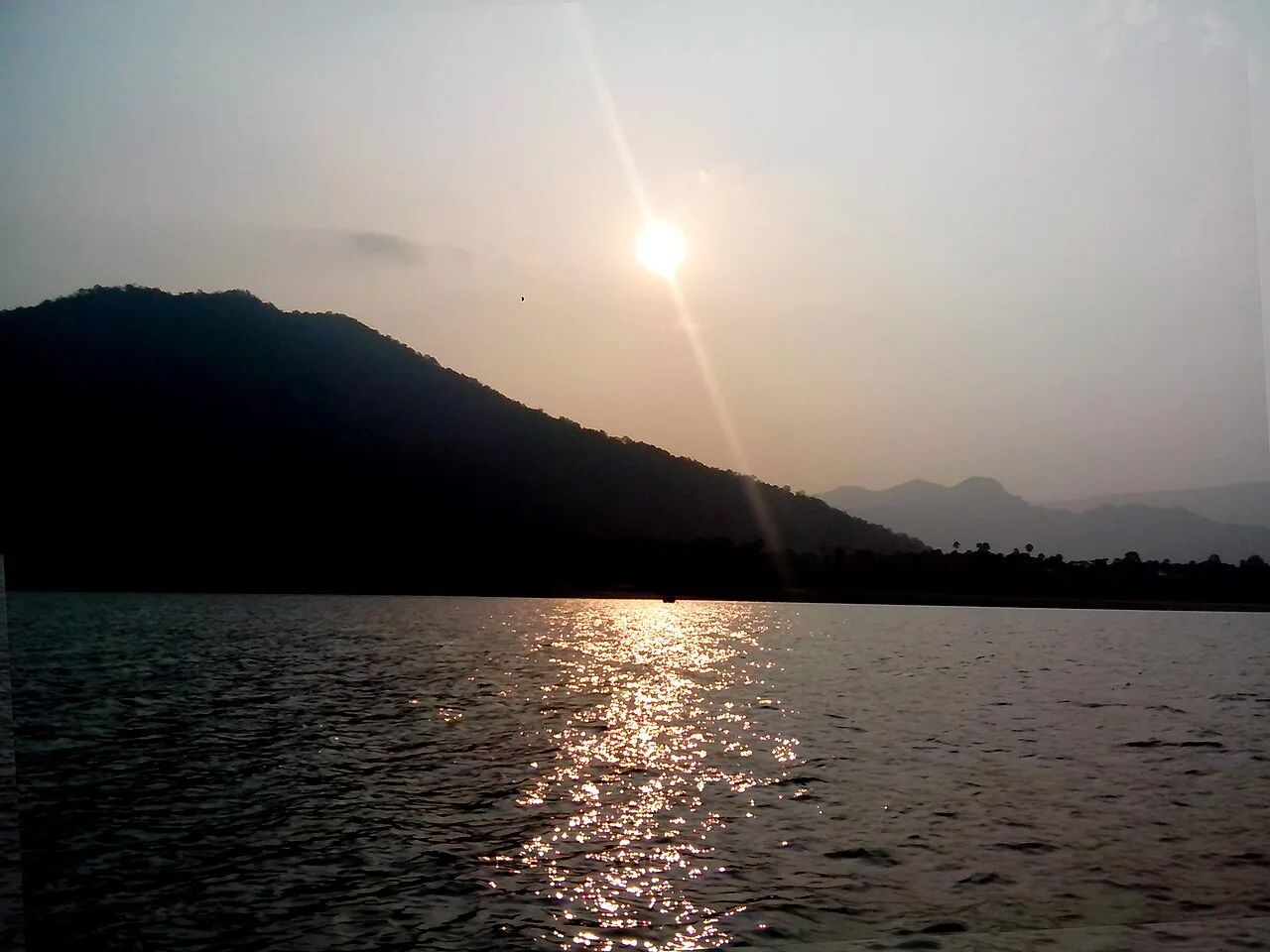
Papikondalu Hills
Papikondalu Hills in Andhra Pradesh are associated with Papikonda National Park. People visit for the area’s recognised importance to birds and biodiversity, and its endangered plant and animal life.
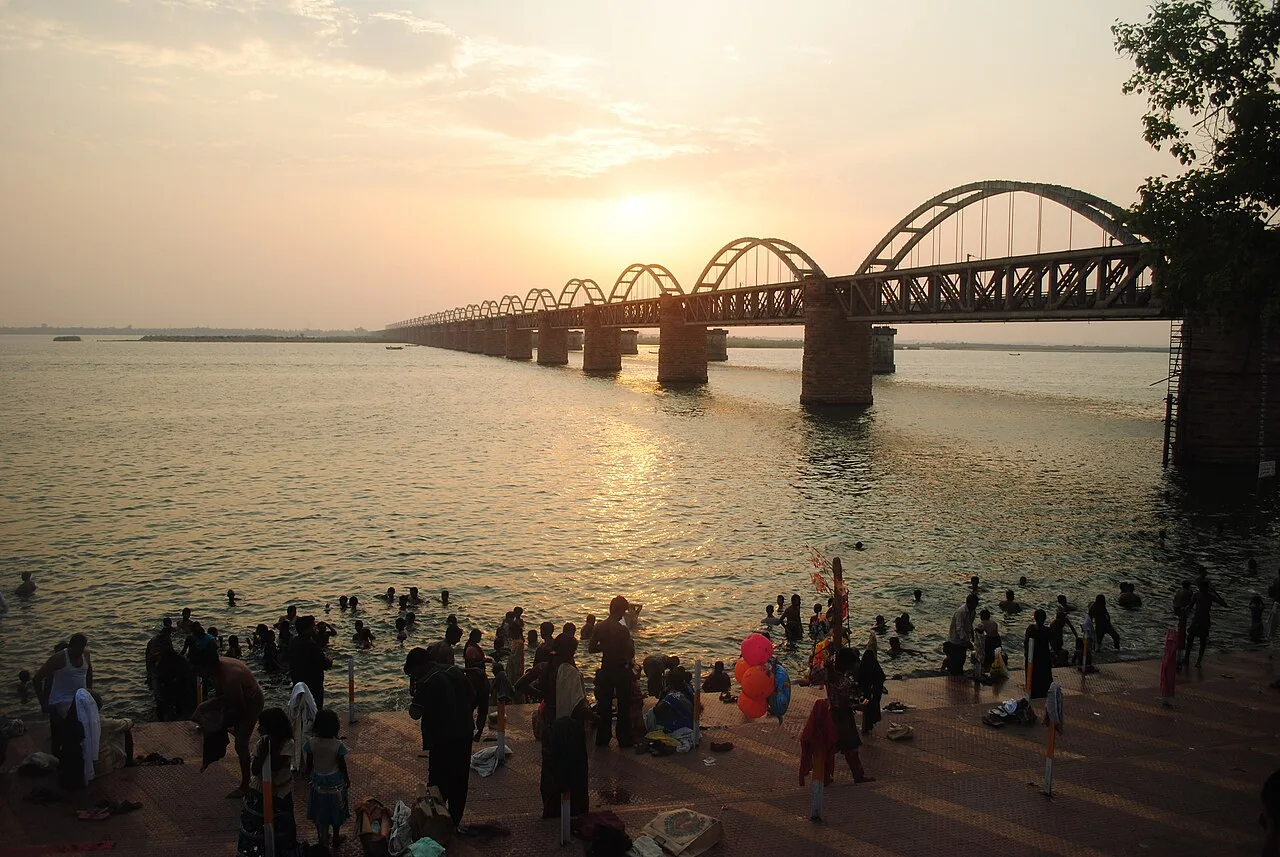
Rajahmundry (Rajamahendravaram)
Rajamahendravaram, formerly Rajahmundry, is a city in Andhra Pradesh known for its history, Telugu literature and cultural heritage. Visitors also find its floriculture and agricultural traditions of interest.
Food in East Godavari belongs to the rice-centred traditions of coastal Andhra and the wider Godavari region. An Andhra meal commonly brings together rice, pappu, vegetable preparations, pulusu, pickles and curd. Gongura and avakaya provide characteristic sour and spicy flavours, while pesarattu, sometimes served with upma, is a familiar breakfast. Fish and prawn dishes feature in the wider riverine and coastal region, alongside plentiful vegetarian choices. Pootharekulu, delicate sweets associated with the Godavari region, are worth seeking out. Small eateries may prepare limited daily menus, so ask what is fresh and request milder seasoning if needed.
The wider Godavari region has a strong handloom tradition, though several well-known weaving centres lie outside present-day East Godavari. Uppada, now in neighbouring Kakinada district, is especially associated with finely woven jamdani silk saris. These belong to the broader regional textile heritage rather than being a craft exclusive to East Godavari. Rajamahendravaram is a practical place to browse sari and textile shops, but ask where an item was woven and whether it is handloom. Kalamkari is another established Andhra textile-art tradition, not specifically an East Godavari craft.
Sankranti, usually celebrated in January, is widely observed across the Godavari region, with family gatherings and seasonal festivities. Temple celebrations and bathing observances during Karthika Masam, generally in October or November, also draw visitors. Godavari Pushkaram takes place once every twelve years and brings especially large crowds to river ghats across the region; accommodation and local transport can be heavily in demand. Festival periods vary by local calendar and location, so travellers should check locally and reserve rooms early when visiting during major observances.
The district is shaped chiefly by the Godavari and its cultivated plains, with urban neighbourhoods, villages and irrigation channels spread across largely low-lying terrain. River crossings and roads around Rajamahendravaram connect communities on either bank. The wider Godavari region also includes the hill country of Papikondalu and the forests around Maredumilli, but these are outside present-day East Godavari and involve separate journeys. During the monsoon, high river levels and wet roads can affect travel; confirm local conditions before planning river or onward excursions.
East Godavari is generally warm and humid for much of the year. Summers, roughly from March to May, can feel hot, so plan outdoor visits for cooler parts of the day and carry water and sun protection. The monsoon, mainly from June into September, brings rain and can disrupt road or river journeys; conditions may also be affected by storms later in the year. Winter, broadly from November to February, is usually more comfortable for sightseeing. These cooler months are often the best time to visit. Pack light breathable clothing, a hat, sunscreen and comfortable walking shoes; bring rain protection during the monsoon and check forecasts before travelling.
Rajahmundry Airport is the main air gateway for Rajamahendravaram and nearby parts of East Godavari. Rajahmundry railway station is the principal rail arrival point for the city. National Highway 16 provides road connections towards Vijayawada and Visakhapatnam, while APSRTC buses link the district’s towns with other centres in Andhra Pradesh. Within Rajamahendravaram, auto-rickshaws and taxis are useful for local journeys, including visits towards Dowleswaram. Forest excursions around Maredumilli and river trips towards Papikondalu require separate planning beyond the district; confirm access, departure points and any permissions before travelling. Check current services locally.
Rajamahendravaram is the main transport hub, with road links connecting it to Dowleswaram and towns across the district. APSRTC buses serve inter-town routes, while local buses, auto-rickshaws and taxis can be useful within the city and for nearby visits. Taxis or a hired vehicle offer more flexibility for stops beyond the main urban area. River trips are part of the wider Godavari tourism region, but services and departure points vary and may not operate in all conditions. Papikondalu and Maredumilli require separate onward planning beyond the district; confirm routes, access and return arrangements locally.
2 days: Rajahmundry (Rajamahendravaram) → Godavari Bridge → Dowleswaram Barrage; sleep in Rajamahendravaram both nights. 3 days: Rajahmundry (Rajamahendravaram) → Godavari Bridge → Dowleswaram Barrage, with a slower day for the city and riverfront; sleep in Rajamahendravaram all three nights. Treat Papikondalu Hills and Maredumilli Forest as separate excursions outside the district.
Rajamahendravaram is the most practical base for the city, Godavari Bridge and Dowleswaram Barrage, with a range of hotels and guest accommodation. It is also the most convenient place to arrange onward travel into the wider Godavari region. For Papikondalu Hills or Maredumilli Forest, check the confirmed itinerary and accommodation options in the relevant area before setting out; lodging may be more limited than in the city. Homestays, government lodges or dharamshalas may be available in some places, but availability and suitability vary.
River levels and currents can change, especially during and after heavy monsoon rain; follow local advice and use only authorised boat services where available. Roads may be wet, flooded or slower in bad weather, and rural routes can have limited lighting. Carry drinking water, sun protection and any personal medicines, and use safe drinking water. Crowds increase during major river festivals. Mobile connectivity can be inconsistent on onward rural or forest routes. Papikondalu and Maredumilli are outside the district; confirm current access, operator arrangements and any applicable permissions with official local sources before travel. Do not assume a route or service is operating.
- Yanam · Puducherryabout 58 km
- Kakinadaabout 62 km
- West Godavariabout 62 km
- Eluruabout 70 km
- Konaseemaabout 75 km
- Krishnaabout 116 km
- Bhadradri Kothagudem · Telanganaabout 126 km
- NTRabout 134 km
Straight-line distance between the centres of each district's destinations; road distance is longer.
Q: How many days should I spend in East Godavari? A: Two days cover Rajamahendravaram, the Godavari Bridge and Dowleswaram at an unhurried pace. Allow extra days for onward regional excursions. Q: When is the best time to visit? A: November to February is generally more comfortable for sightseeing. Check weather and river conditions during the monsoon and storm season. Q: What is the best base for visiting the district? A: Rajamahendravaram is the most practical base for the main city sights and Dowleswaram. Q: How do I get to East Godavari? A: Rajahmundry Airport and Rajahmundry railway station serve Rajamahendravaram; road and bus connections link it with other centres in Andhra Pradesh. Q: Is the district suitable for families or elderly travellers? A: The main city sights are accessible by road, but walking surfaces, heat and crowds may require care. Plan transport and rest breaks to suit individual mobility.
This page draws on our 5 destination guides for East Godavari and is updated as our team checks it.
Be the first to share photos, stories, advice or a helpful contact for East Godavari.
Loading…