
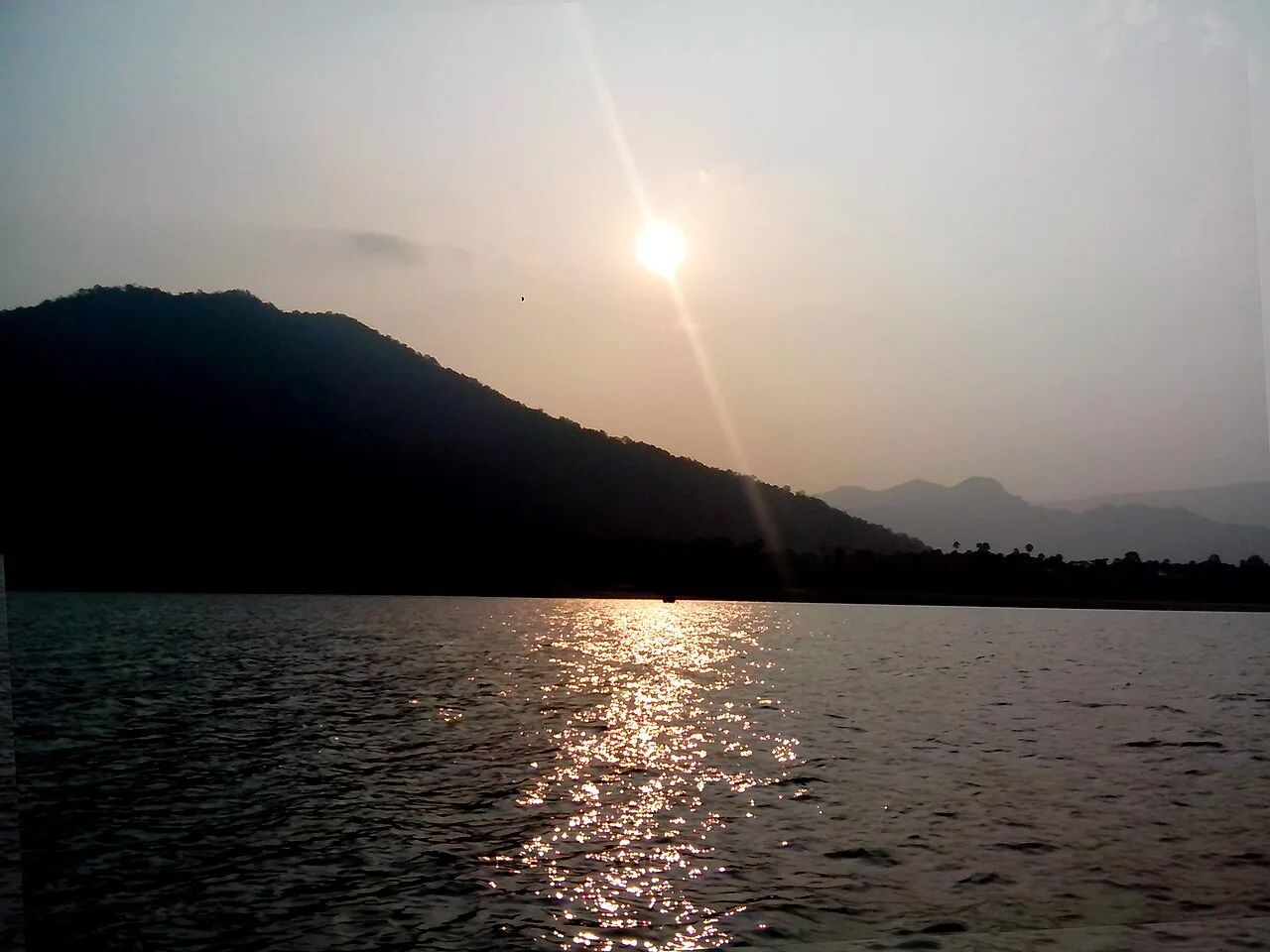
Papikondalu Hills
Papikondalu Hills in Andhra Pradesh are associated with Papikonda National Park. People visit for the area’s recognised importance to birds and biodiversity, and its endangered plant and animal life.
Key facts · verified by Ghumoopedia editors
- Type of place
- National park / sanctuary
- Best time to visit
- November to February; Araku and Horsley Hills are pleasant for much of the year
- Nearest railway station
- Rajahmundry · about 62 km (straight line)
- Nearest airport
- Rajahmundry Airport · about 54 km (straight line)
- Verified
- 21 Nov 2026
Plan a trip from Papikondalu Hills — a day-by-day route through places nearby.
Papikondalu Hills are in Andhra Pradesh’s East Godavari district. Papikonda National Park lies close to Rajamahendravaram, within the Papi Hills across the Polavaram and Eluru districts. It covers 1,012.86 square kilometres (391.07 square miles). The park is recognised as an Important Bird and Biodiversity Area. It provides a home for endangered species of plants and animals, drawing interest from visitors keen on birdlife and wildlife. Since 2014 and the construction of Polavaram Dam, no part of Papikonda has remained outside the East and West Godavari districts. Andhra Pradesh stretches from the beaches and harbour hills of Visakhapatnam through the lush Godavari–Krishna delta to the sacred hills of Tirumala and the granite gorge of Gandikota, with ancient Buddhist sites at Amaravati and Nagarjunakonda, the forts of Kondaveedu and Chandragiri and the cave systems of Belum and Borra. The coast is hot and humid from March to June, the southwest monsoon brings rain from June to September, and October to December can bring cyclones off the Bay of Bengal. The pleasant season is November to February; the Eastern Ghat hills around Araku stay cooler. The usual best time to visit is November to February; Araku and Horsley Hills are pleasant for much of the year. Timings, fees and access arrangements must be confirmed locally. For official information, see Andhra Pradesh Tourism at https://aptourism.gov.in.
Why it matters
Papikonda National Park protects a large stretch of the Papi Hills and the Godavari river landscape near Rajamahendravaram. The guide describes the park as covering 1,012.86 square kilometres and places it across the Polavaram and Eluru districts of Andhra Pradesh. Its forests and wildlife give it regional conservation importance; it is also recognised as an Important Bird and Biodiversity Area. The park is associated with endangered flora and fauna, though sightings are never assured. Its river-and-hill setting is also a distinctive part of the Godavari region’s natural heritage. National park status and bird-area recognition are conservation designations, not UNESCO World Heritage or ASI monument listings.
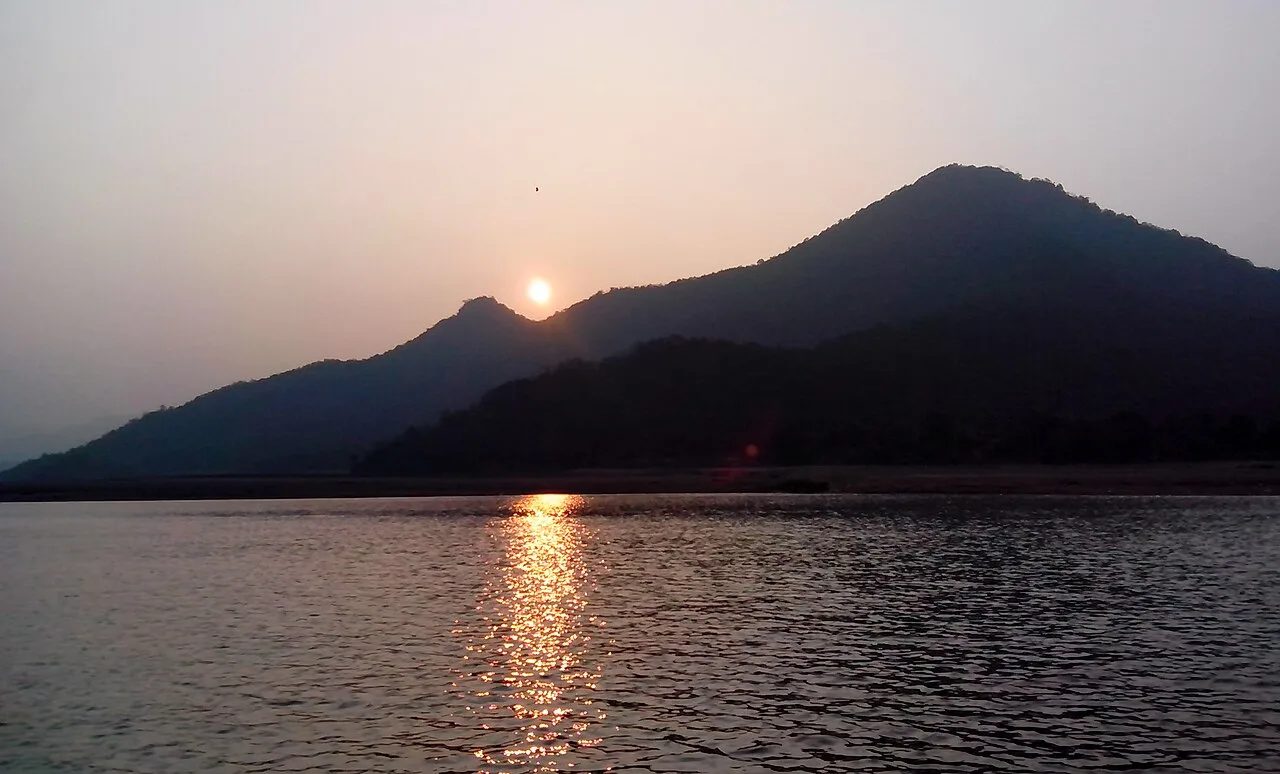
The Papi Hills are part of the Eastern Ghats, beside the Godavari river, and have long been home to communities whose lives and travel have been connected with the forest and river. The area’s modern conservation history is better documented than a single origin story for the hills. Published accounts commonly date the creation of Papikonda Wildlife Sanctuary to 1978 and its designation as a national park to 2008. Administrative boundaries in the region have changed over time; the guide places the park near Rajamahendravaram in the Papi Hills of the Polavaram and Eluru districts. The Polavaram Dam project and related changes to the Godavari landscape have affected access and settlement patterns in the wider region. Visitors should check current routes and permissions rather than rely on older travel accounts. Conservation management and access arrangements may change, and no visitor should assume that former village routes or forest paths remain open.
Spend unhurried time at Papikondalu Hills: walk the marked paths, use official viewpoints and ask locally whether a guide, entry ticket or forest permission is needed. Weather can change quickly in the hills, so carry a rain layer even on a clear morning. A comfortable itinerary is one main visit in the morning, a local meal at midday and a short nearby stop before an afternoon return. Use the district list on this site to find other places in East Godavari, but check the route and its condition before combining stops. If a festival is on — such as the Tirumala Brahmotsavam, the Godavari and Krishna Pushkarams, Sankranti or the Visakha Utsav — roads and stays can be busy, and the experience can be unforgettable. Leave no litter: many sites are protected by the communities around them.
Suggested itineraries
Half day: Arrange an authorised boat or road visit from the local gateway; spend about two to three hours experiencing the river and hill scenery; return for a relaxed meal in town. Full day: Travel in the morning on a confirmed boat or road trip; allow three to four hours for the main visit and authorised stops; have a local meal; use the afternoon for a short riverfront visit in Rajamahendravaram before returning. Gentler option: Choose a road-based viewpoint or a short, confirmed boat outing with minimal walking; ask the operator about boarding conditions and seating before booking.
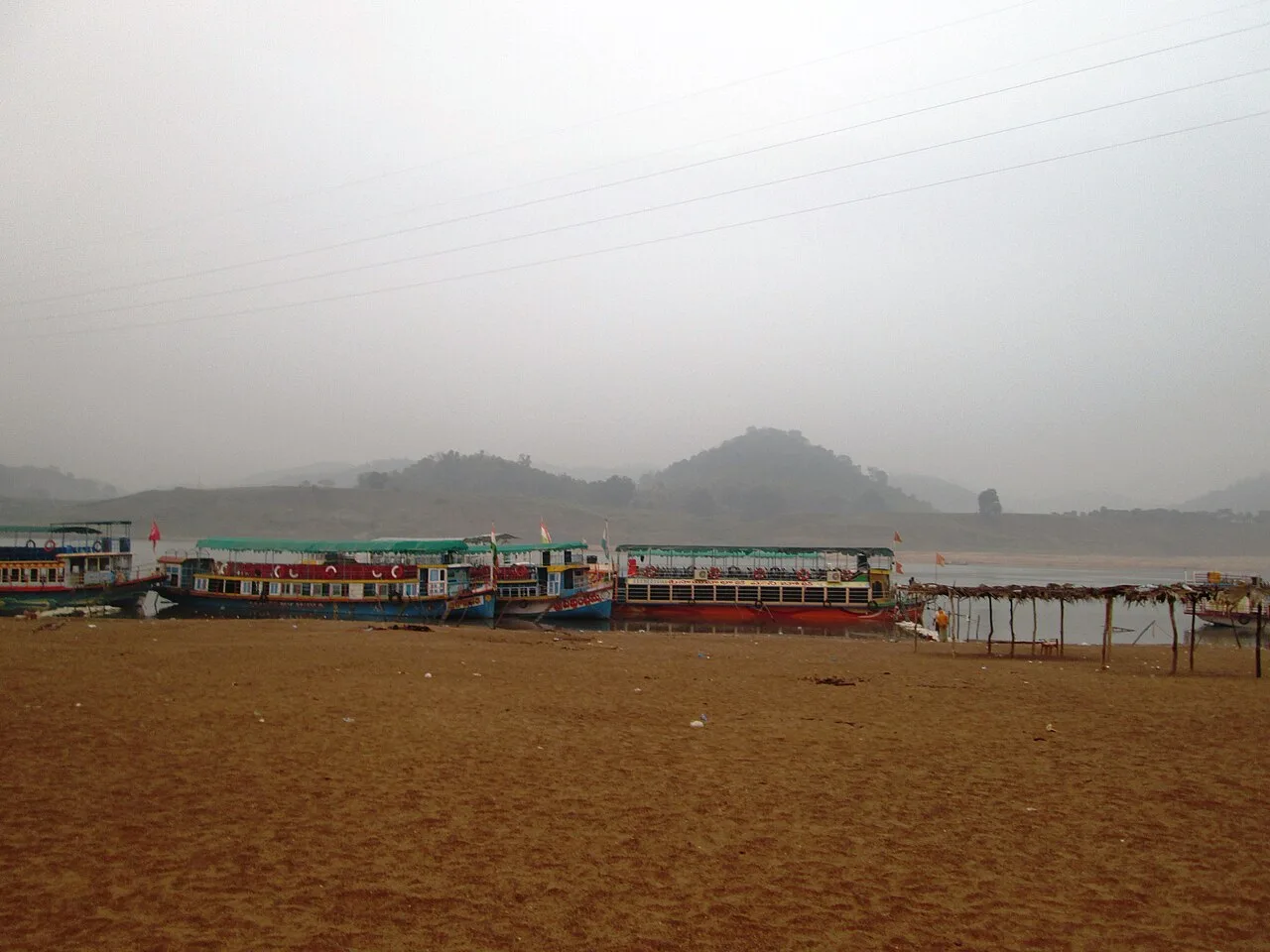
Telugu is widely used in the surrounding region, alongside languages spoken by Indigenous communities in the hills. Everyday cultural life is connected with farming, the river, local markets and seasonal celebrations. Visitors may encounter regional food and music during village or town visits, but customs vary between communities and should not be treated as performances for tourists. The best approach is to ask before photographing people, homes or ceremonies and to follow local guidance. Boat trips on the Godavari are a familiar way for visitors to experience the landscape when services are operating and authorised.
Local communities
Konda Reddi and Koya communities are among the Indigenous peoples associated with the wider Papi Hills and Godavari region. Livelihoods in the area may include cultivation, fishing, wage work and gathering forest produce, with practices varying by village and changing over time. The river and forests are important parts of local life, not simply visitor scenery. Dam-related development and changing access have affected communities in the wider region. Visitors should use locally authorised services, respect privacy and avoid entering settlements or collecting plants without permission.
Festivals & events
Sankranti, usually celebrated in January, and Ugadi, generally in spring, are observed in towns and villages across the region. Godavari Pushkarams are a major river festival held periodically and can bring large crowds to river towns and bathing points. These are regional celebrations rather than guaranteed events inside the national park. During festival periods, roads, accommodation and boat services may be busier, and river access may be managed differently. Check local notices before travelling and allow extra time if combining a park visit with a town or riverfront celebration.
Local food in Andhra Pradesh includes Andhra meals on a banana leaf with fiery gongura and avakaya pickles, pesarattu with upma, pulihora, Rayalaseema ragi sangati, fresh seafood along the coast, bandar laddu and pootharekulu sweets, and Tirupati laddu prasadam. Ask what is fresh that day; many small eateries cook a limited daily menu. Andhra food is famously spicy — ask for 'medium' if you are unsure, and cool down with curd rice. In Tirupati and other temple towns the food is strictly vegetarian. Remote sites may have no restaurant at all. Carry water and snacks, eat a proper breakfast before long drives, and ask your accommodation for a packed lunch if you are heading out early. Try a home-cooked or local thali meal when you can — it is often the best food on the route. Choose busy, clean places, drink sealed or filtered water, and carry your packaging back with you.
Shopping & local experiences
Rajamahendravaram offers the most practical choice of markets and everyday shops before or after a park visit. Look for regional snacks and locally made household goods, and ask sellers about the origin of crafts rather than assuming an item comes from the forest communities. Do not buy wildlife products, unverified forest produce or items made from protected plants or animals. A meal featuring familiar Godavari-region cooking can be a good way to experience local food; availability varies, so ask locally and respect dietary customs.
Papikonda National Park protects forested Eastern Ghats hills and stretches of the Godavari river landscape. Slopes, valleys and river corridors create varied habitats, while seasonal rain can change conditions on paths and waterways. The park is noted for diverse flora and fauna, including endangered species, and its Important Bird and Biodiversity Area recognition reflects the value of its bird habitats. Forest types include tropical dry and moist deciduous growth, with trees and bamboo in parts of the region. Wildlife and birdlife may include forest mammals and many bird species, but encounters depend on season, habitat and chance. Keep to authorised areas and do not feed or approach animals.
November to February; Araku and Horsley Hills are pleasant for much of the year
The nearest principal railway station by straight-line distance is Rajahmundry, roughly 62 km away. The nearest operating airport by straight-line distance is Rajahmundry Airport, roughly 54 km away. These figures are calculated from map coordinates — actual road distance is longer. Visakhapatnam, Vijayawada and Tirupati are the main rail and air gateways; Rajahmundry serves the Godavari districts, and Renigunta is the railhead for Tirumala. APSRTC buses connect the district towns, and shared autos cover the last stretch to most temples and beaches; for Papikondalu and Araku, book the packaged boat or road trip from Rajahmundry or Visakhapatnam. When comparing train, bus and flight, count the complete door-to-door time: a flight saves the most time only if the onward road transfer is short, while an overnight train can save a hotel night. Book your return before you leave, because seats fill quickly on weekends, festivals and holidays. Current train numbers, timings, return services and fares are not listed here; check IRCTC and NTES for trains and the airline's own schedule for flights. No permit is needed to visit Andhra Pradesh. For Tirumala, book darshan in advance on the official TTD website — Special Entry Darshan tickets sell out weeks ahead, and the free sarva darshan queue can take many hours; the TTD dress code (dhoti or kurta-pyjama for men, saree or salwar for women) is enforced inside the temple. Forest areas such as Papikondalu and Maredumilli may need forest-department entry permission, and boats on the Godavari are run by licensed operators.
Confirm onward and return timings on IRCTC / NTES, the state bus operator or your airline before travel. A dash means current timings or fares have not been verified.
Getting around
Rajamahendravaram is the main nearby gateway described in the guide. Visitors commonly arrange a packaged boat or road trip from Rajamahendravaram; confirm the current departure point, route and operating status before travelling. Local buses connect district towns, while autos and taxis can help with transfers, though the last stretch may need advance planning. Walking is suitable only on routes that are open and authorised. Parking and facilities at boat boarding points vary, so ask the operator where to leave a vehicle. River access and road conditions can change with weather and water levels.
Hours, tickets & permissions
Access may depend on the route, season, forest permissions and whether an authorised boat or road visit is operating. Entry tickets, permits, guide arrangements and camera conditions can vary by access point and managing authority. Do not assume that a public road or river landing gives permission to enter protected forest. Confirm current opening arrangements, fees and any identity-document requirements with the relevant forest or tourism authority before setting out. Check again locally on the day, especially after heavy rain or changes in river conditions.
Facilities
Facilities inside the protected area may be limited and vary by access point. Boat operators or organised visits usually provide the main visitor arrangements, but toilets, drinking water, food and shaded waiting areas should be checked in advance. Rajamahendravaram is the more reliable place to find meals, shops, ATMs and accommodation. Parking may be available near some departure points, but confirm this with the operator. Guides may be arranged through authorised services; check whether one is included and whether forest permission is required.
Accessibility
The visitor experience may involve uneven ground, steps, sloping banks or boarding a boat, depending on the route. Forest paths are not necessarily paved or suitable for wheelchairs and strollers, and shade or seating may be limited. Boat boarding can be difficult for anyone with balance or mobility concerns. Ask the operator about the actual surface, walking distance, boat access and available assistance before committing. Older visitors and families with young children may find a short, road-based stop gentler than a long outing. Conditions can change after rain.
No permit is needed to visit Andhra Pradesh. For Tirumala, book darshan in advance on the official TTD website — Special Entry Darshan tickets sell out weeks ahead, and the free sarva darshan queue can take many hours; the TTD dress code (dhoti or kurta-pyjama for men, saree or salwar for women) is enforced inside the temple. Forest areas such as Papikondalu and Maredumilli may need forest-department entry permission, and boats on the Godavari are run by licensed operators. Carry a photo ID at all times and save the emergency number 112 and your accommodation's contact offline. Heat in summer and heavy rain in the monsoon are the main weather risks; carry water, avoid midday sun and allow extra time when roads flood. Stay on marked paths, keep away from cliff edges and fast water, and never approach wild animals.
Visitor rules
Follow instructions from forest staff and authorised operators, and remain on routes open to visitors. Wear practical clothing and sturdy footwear suitable for uneven, sometimes wet ground; carry a rain layer. Do not litter, leave plastic behind, feed wildlife, make loud noise or collect plants, rocks or other natural material. Restricted forest areas and village land are not open for casual exploration. Ask before photographing people or ceremonies, and check local rules for cameras and drones. Respect closures and do not enter the water unless local authorities explicitly permit it.
Photography
Soft morning or late-afternoon light can bring out the river, forested slopes and hill contours, though weather and cloud cover vary. Use viewpoints or boat stops only when the operator or forest authority confirms they are permitted. Handheld photography is generally less intrusive than setting up equipment in busy or sensitive places; verify any camera restrictions before entry. Drone use may require specific permissions and may be prohibited in protected areas, so do not fly without explicit clearance. Ask people before taking portraits and avoid photographing private or sacred activities without consent.
Choose a stay by the full journey to Papikondalu Hills, not just the district name. Visakhapatnam, Vijayawada and Tirupati offer the widest choice; Araku has AP Tourism resorts and tribal homestays, and Rajahmundry is the base for Godavari cruises. In summer, check air-conditioning; in the monsoon, check that the property is accessible if roads flood. Book in advance for weekends, festivals and the peak season (November to February; Araku and Horsley Hills are pleasant for much of the year). Confirm the exact location, meals included, check-in time and cancellation terms in writing. Avoid sending money to unverified contacts or touts at stations. Carry some cash, as card and digital payments can be unreliable in remote areas.
Rajamahendravaram is the main nearby town for arranging transport, meals and an overnight stay. Its Godavari riverfront is worth a short visit, and the Dowleswaram Barrage, near the town, is another notable river-related stop. Polavaram is associated with the major dam project and changing access across the wider region; check which public areas are open before travelling there. These places are not all within the national park, and road conditions can make combinations take longer than expected. Confirm routes locally before planning a same-day circuit.
For couples, Papikondalu Hills rewards a slow pace: arrive early for soft light and fewer crowds, share a local meal and keep the evening free. A sunrise over the Araku valley, a Godavari cruise at dusk from Rajahmundry or a walk along Rushikonda beach makes the trip memorable. Public displays of affection can be frowned upon in conservative communities and at religious sites, so be discreet. Keep a buffer in your itinerary, because weather and road conditions can delay plans.
Q: How much time should I allow for Papikondalu? A: Set aside at least half a day for an organised visit; a full day allows for travel, stops and a relaxed return. Q: When is a good season to visit? A: November to February is generally the more comfortable period. Check weather, river conditions and service availability before travelling. Q: Is entry permitted without a ticket or guide? A: Access rules vary by route and season. Confirm current tickets, permissions and guide requirements with the relevant authority or authorised operator. Q: Is the visit suitable for children or older visitors? A: It can be, but boat boarding, uneven ground and long transfers may be challenging. Ask about the route and choose a shorter, gentler option if needed. Q: Where should I stay nearby? A: Rajamahendravaram is the main nearby town for accommodation and visitor services. Confirm lodging and onward transport before your trip.
Be the first to share photos, stories, advice or a helpful contact for Papikondalu Hills.
Loading…