
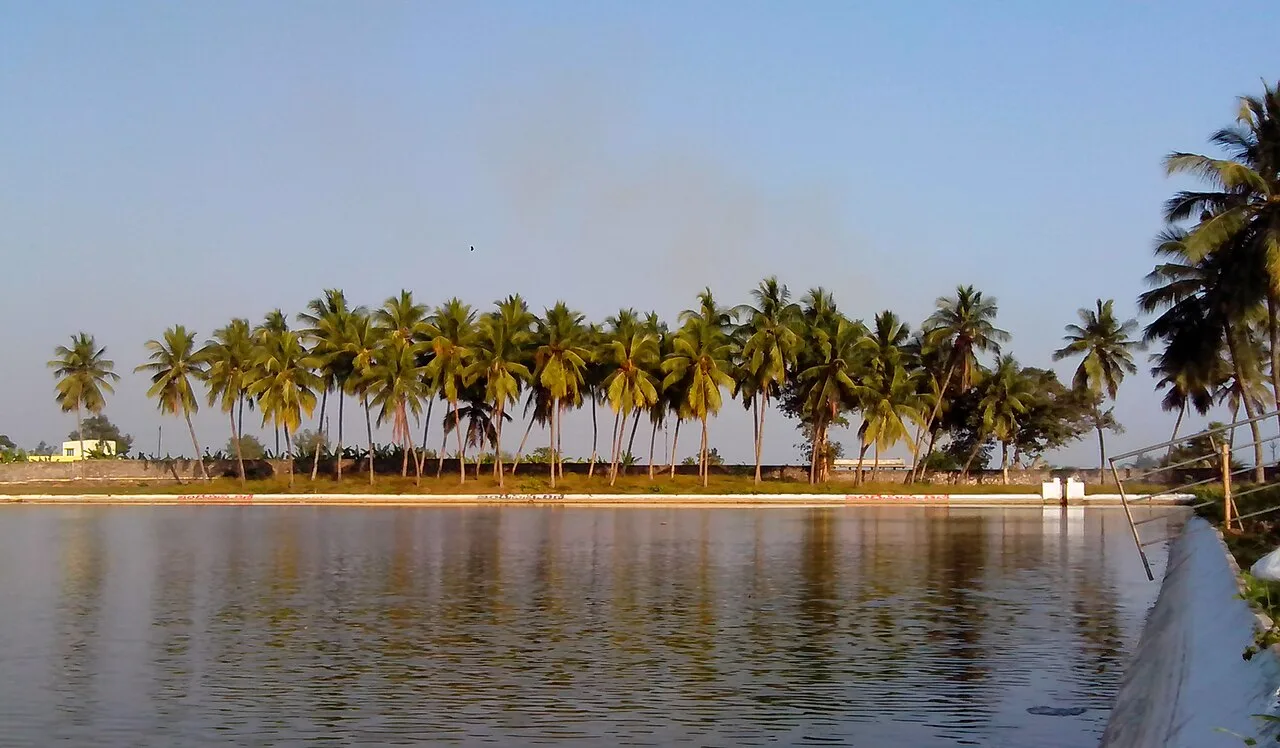
District · Andhra Pradesh
Srikakulam
Srikakulam is Andhra Pradesh’s northern coastal district, adjoining Odisha and facing the Bay of Bengal.
Srikakulam district lies in the northeastern corner of Andhra Pradesh, between the Bay of Bengal and the lower slopes of the Eastern Ghats. Coastal stretches, river plains and inland uplands give the district a varied landscape; the Vamsadhara and Nagavali are among its important rivers. Its history and culture reflect northern Andhra’s Telugu traditions and longstanding connections with the neighbouring Odisha region. Temples such as Arasavalli Sun Temple and Srikurmam are prominent landmarks, while fishing, farming and trade shape everyday life in many communities. Srikakulam town is the main urban centre, and the wider district offers a quieter mix of coastal settlements, rural landscapes and places of worship.
Srikakulam is Andhra Pradesh’s northern coastal district, adjoining Odisha and facing the Bay of Bengal. It offers a mix of coastal scenery, river plains and important places of worship, making it a useful stop for travellers exploring the northern end of the state. The district is particularly known for Arasavalli Sun Temple and Srikurmam Temple, both associated with distinctive religious traditions, as well as the seaside village of Baruva. Srikakulam town works as a practical base for temple visits, while Palasa and nearby coastal settlements suit trips towards the shore. The destinations listed here are a selection of published places, not a complete inventory of local sites.
Srikakulam lies within the wider historic and cultural region of Kalinga, whose influence extended across parts of present-day Andhra Pradesh and Odisha. Over the medieval centuries, authority in the region shifted among dynasties and kingdoms, including the Eastern Gangas and Gajapatis; Vijayanagara power also extended into parts of the area at different times. Political control later passed through regional sultanate and Mughal-era administrations. In the eighteenth century, the Northern Circars came under the control of the British East India Company and were incorporated into the Madras Presidency. Srikakulam district was formed in 1950 from territory previously administered as part of Visakhapatnam district. Its boundaries and administration changed as new districts were created in the region, including the formation of Vizianagaram district in 1979. The district’s temples preserve long-standing religious traditions, while its coastal and riverine settlements have also been shaped by agriculture, trade and links with neighbouring Odisha.
3 destination guides
Arasavalli Sun Temple
Arasavalli Sun Temple is a shrine to Surya in Andhra Pradesh, drawing worshippers and visitors interested in its ancient history and Kalinga-style architecture.
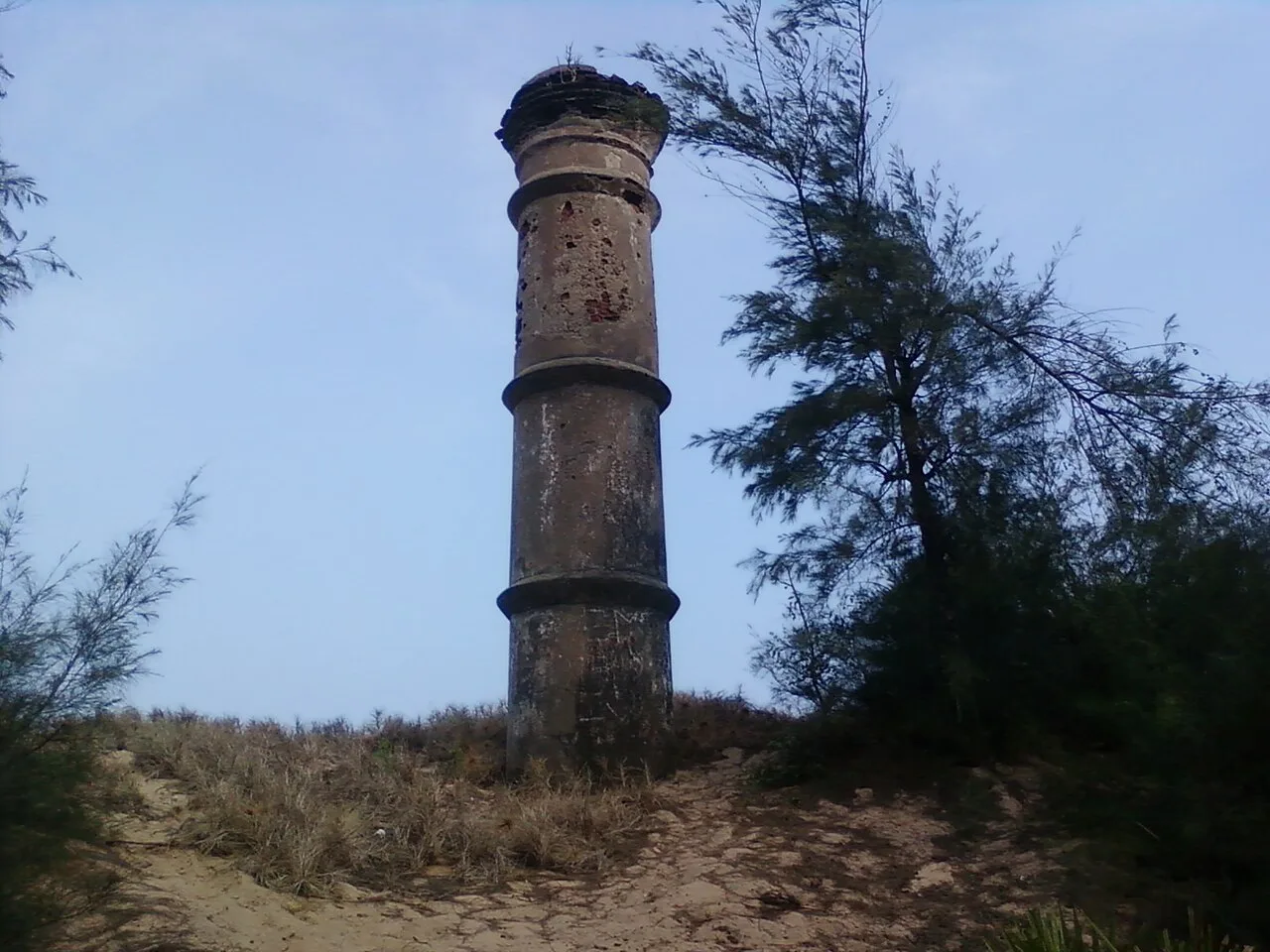
Baruva Beach
Baruva Beach is a seaside destination in Baruva, Srikakulam district, Andhra Pradesh. Visitors come to spend time by the Bay of Bengal, with Palasa 27 kilometres away.
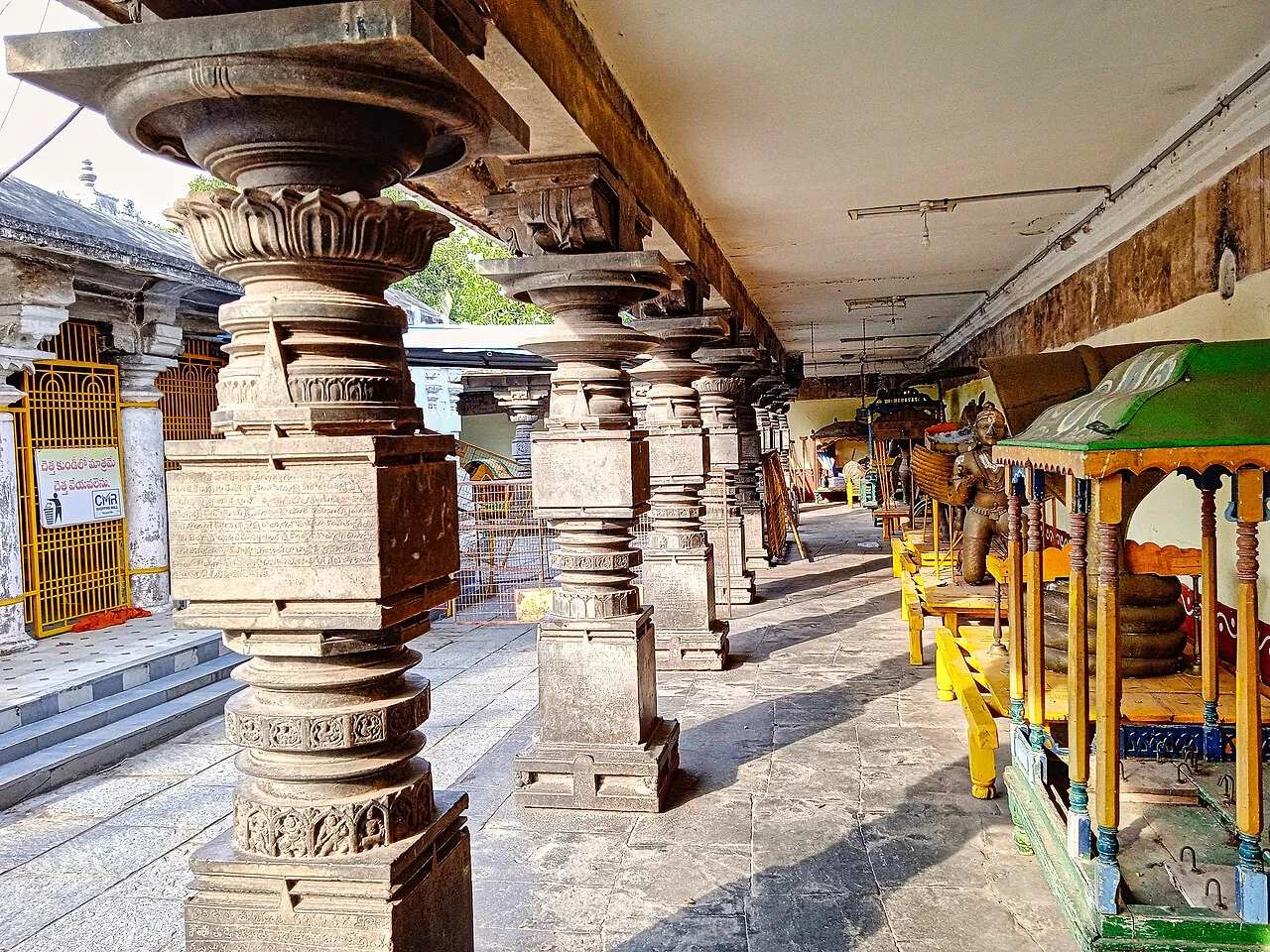
Srikurmam Temple
Srikurmam Temple is a shrine in Andhra Pradesh associated with Vishnu’s Kurma incarnation. Visitors come to honour this form of the deity in the village that takes its name from the temple.
Rice is central to meals across Srikakulam and the wider coastal Andhra region. Local dining may include rice with pappu, vegetable curries, gongura or avakaya pickle, and curd; pulihora and pesarattu are familiar regional favourites. Along the coast, fish and other seafood feature in many meals, though availability varies by place and season. Andhra cooking can be quite spicy, so ask for a milder preparation if preferred. Small eateries may serve a limited menu based on what is fresh that day. Sweets such as pootharekulu are enjoyed across parts of Andhra Pradesh, though they are not specific to Srikakulam.
Ponduru, in Srikakulam district, is known for its tradition of hand-spun and handwoven khadi. The cloth is made through labour-intensive processes involving cotton spinning and weaving, and Ponduru khadi has a reputation beyond the district. Khadi remains part of a wider Indian handloom and self-reliance tradition rather than being exclusive to this area. Visitors interested in textiles can ask locally about working weavers or outlets, as availability and access may vary. Across the region, handloom skills and household-scale textile work form part of a broader craft culture.
Rathasaptami, usually observed in January or February, is an important festival at Arasavalli Sun Temple and can draw many pilgrims, so nearby accommodation may be busier. Srikurmam Temple also holds religious observances and annual celebrations that bring local devotees and visitors to the area. Sankranti in January is widely celebrated across coastal Andhra, while Ugadi, usually in March or April, marks the Telugu New Year. Festival dates vary by the lunar calendar. Expect heavier traffic and fuller rooms around major temple events and holiday periods; confirm local arrangements before travelling.
The district includes a low-lying Bay of Bengal coastline, broad agricultural plains and river valleys. The Nagavali and Vamsadhara are among its major rivers, and their waters support farming and shape settlement patterns. Inland, the terrain rises towards the Eastern Ghats foothills, with greener and more rural stretches away from the coast. Travel between the listed temples and the shore is mainly by road through towns and villages; journeys can take longer during monsoon conditions or when local roads are affected by flooding. Coastal visits are exposed to wind, surf and changing sea conditions.
Srikakulam has hot summers, a monsoon season and generally milder winters. Summer days can feel humid, especially near the coast. Rain arrives mainly with the southwest monsoon, while the Bay of Bengal can also bring heavy rain and strong winds during later seasonal weather systems. November to February is usually the more comfortable period for temple visits and coastal travel. Carry light, breathable clothing, sun protection and drinking water in warmer months; pack a rain layer during the monsoon. Check weather and official warnings before setting out, particularly for beach trips during unsettled conditions.
Srikakulam Road railway station, at Amadalavalasa, is the principal rail station serving Srikakulam town and district. Visakhapatnam Airport is the nearest major airport commonly used by visitors; onward travel is by road. National Highway 16 links the district with Visakhapatnam to the south and Odisha to the north, while other roads connect Srikakulam town with coastal villages and inland mandals. APSRTC buses serve towns and many local routes; taxis, auto-rickshaws and shared vehicles can help with shorter journeys, though services may be less frequent in rural areas. Check current services locally before setting out.
Roads link Srikakulam town with Arasavalli, Srikurmam, Palasa and coastal villages. State and private buses serve many towns, though services to smaller destinations may be less frequent. Autos and shared vehicles can help with shorter local journeys; a hired taxi is useful when visiting several places in one day. Srikakulam Road railway station, near Amadalavalasa, and Palasa are rail access points for the district, with onward road travel needed for most sights. Local transport options can be limited in rural areas, so arrange return travel before leaving a town. Do not assume boats are available for visitor transport.
2 days: Arasavalli Sun Temple → Srikurmam Temple; night 1: Srikakulam town. 3 days: Arasavalli Sun Temple → Srikurmam Temple → Baruva Beach; night 1: Srikakulam town; night 2: Palasa.
Srikakulam town is the most practical base for visiting Arasavalli Sun Temple and Srikurmam Temple, with hotels and guesthouses in town. For a coastal itinerary, Palasa offers a convenient overnight base for Baruva Beach and onward travel. Smaller settlements may have fewer choices, so check availability before relying on a village stay. Pilgrim accommodation or simple lodgings may be available near religious centres, but standards and access vary. Homestays and government-run accommodation are not equally available throughout the district; confirm current options locally, especially during festival periods.
Take care at beaches: surf and currents can be strong, and visitors should not assume that lifeguards or marked swimming areas are available. Avoid entering the sea in rough weather and follow local advice. Summer heat calls for shade, water and sun protection; during monsoon or cyclone warnings, check official updates and avoid flooded roads. Rural roads may be narrow or uneven, so allow extra time after dark or in rain. Carry drinking water or use treated water, and bring essential medicines. Mobile coverage can be patchy away from towns; save directions in advance. Temple gatherings can be crowded, so keep valuables secure.
- Vizianagaramabout 61 km
- Gajapati · Odishaabout 76 km
- Visakhapatnamabout 96 km
- Alluri Sitharama Rajuabout 114 km
- Rayagada · Odishaabout 140 km
- Ganjam · Odishaabout 150 km
- Koraput · Odishaabout 160 km
Straight-line distance between the centres of each district's destinations; road distance is longer.
Q: How many days should I spend in Srikakulam district? A: Two days can cover the two listed temples; allow three days to include Baruva Beach at a more relaxed pace. Q: When is the best time to visit? A: November to February is generally more comfortable. Check weather alerts before coastal travel during unsettled seasons. Q: Where is the best base? A: Srikakulam town suits temple visits, while Palasa is convenient for Baruva Beach. Q: How do I get to the district and its sights? A: Rail access includes Srikakulam Road and Palasa; buses and road transport connect onward to towns and destinations. Q: Is the district suitable for families or elderly travellers? A: Yes, with planning. Use road transport between sites, allow rest breaks, and take extra care with heat, uneven surfaces and beach conditions.
This page draws on our 3 destination guides for Srikakulam and is updated as our team checks it.
Be the first to share photos, stories, advice or a helpful contact for Srikakulam.
Loading…