
District · Odisha
Ganjam
Ganjam is a varied southern Odisha district where the Bay of Bengal coast, the northern edge of Chilika Lake, river plains and Eastern Ghats foothills meet.
Ganjam, in southern Odisha, brings together a long Bay of Bengal coastline, river plains, inland farmland and the foothills of the Eastern Ghats. Chilika Lake touches the district’s northern coast, while the Rushikulya River and its estuary shape parts of the landscape. The district’s character ranges from busy Brahmapur to quieter beaches, hilltop shrines and rural communities. Its history reflects Odisha’s wider traditions of temple worship and regional kingdoms; Tara Tarini and Maa Balakumari are among its notable Shakti shrines. Gopalpur and Sonapur offer coastal escapes, while Bhetnoi is known for community-supported blackbuck conservation. Ganjam is best approached as a varied region rather than a single resort destination.
Ganjam is a varied southern Odisha district where the Bay of Bengal coast, the northern edge of Chilika Lake, river plains and Eastern Ghats foothills meet. It is a useful destination for travellers seeking more than a beach stay: visits can combine Gopalpur and Sonapur’s coast, Tara Tarini and Maa Balakumari’s hill shrines, and community-supported blackbuck conservation near Bhetnoi. Brahmapur, the district’s largest urban centre, offers a contrast to quieter rural and coastal areas. Ganjam is best known for this mix of pilgrimage, coastal scenery and local wildlife, with attractions spread far enough apart that planning a route and overnight bases matters.
Ganjam’s past is part of the wider history of Kalinga and coastal Odisha. The region experienced the influence of successive powers, including the Eastern Ganga dynasty and the Gajapati rulers, whose kingdoms shaped temple traditions and political life across Odisha. Tara Tarini and other regional shrines reflect the long history of Shakti worship, though individual sites have their own layered histories. In the colonial period, the British took control of the area in the early nineteenth century, and Ganjam was administered within the Madras Presidency. It became part of the newly formed Odisha Province in 1936. Brahmapur grew into an important commercial and transport centre, while estates such as Khallikote formed part of the region’s local political history. Administrative boundaries have changed since independence: Gajapati district was created from Ganjam in 1992. The present district therefore brings together coastal settlements, market towns and inland communities with distinct local histories.
7 destination guides
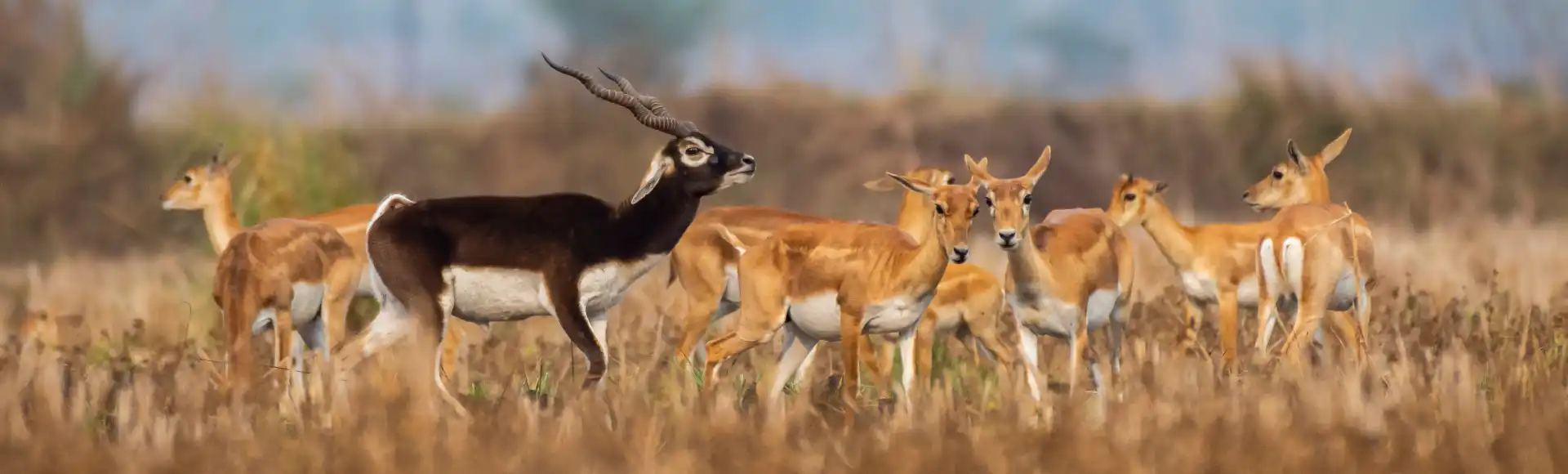
Bhetnoi Blackbuck Habitat
Bhetnoi is an agricultural habitat in Odisha’s Ganjam district, known for blackbuck living among cultivated fields and for generations of local protection despite occasional crop grazing.

Gopalpur Sea Beach
Gopalpur Sea Beach is a coastal destination in Gopalpur, Ganjam district, Odisha, on the Bay of Bengal. Visitors come for its quiet shore, maritime history and relaxed seaside outings.
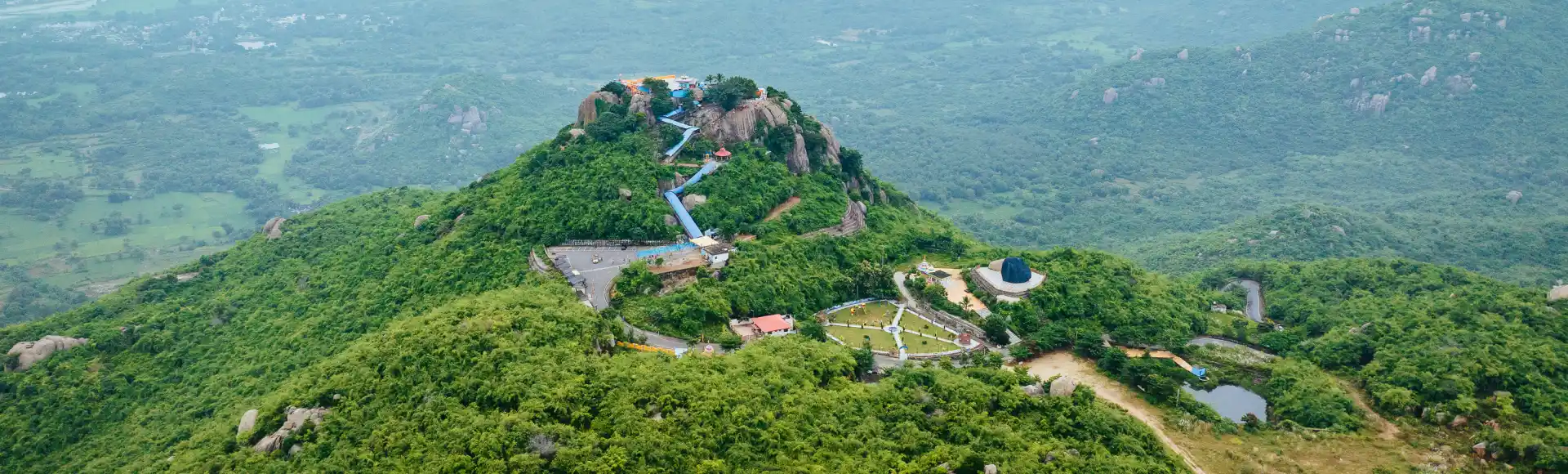
Maa Balakumari Temple
On Kerandimala hill in Chikiti, Ganjam, Maa Balakumari Temple is a Shakti shrine linked to the Bhaumakara Dynasty. Pilgrims visit to worship Balakumari and make the climb to the hilltop.
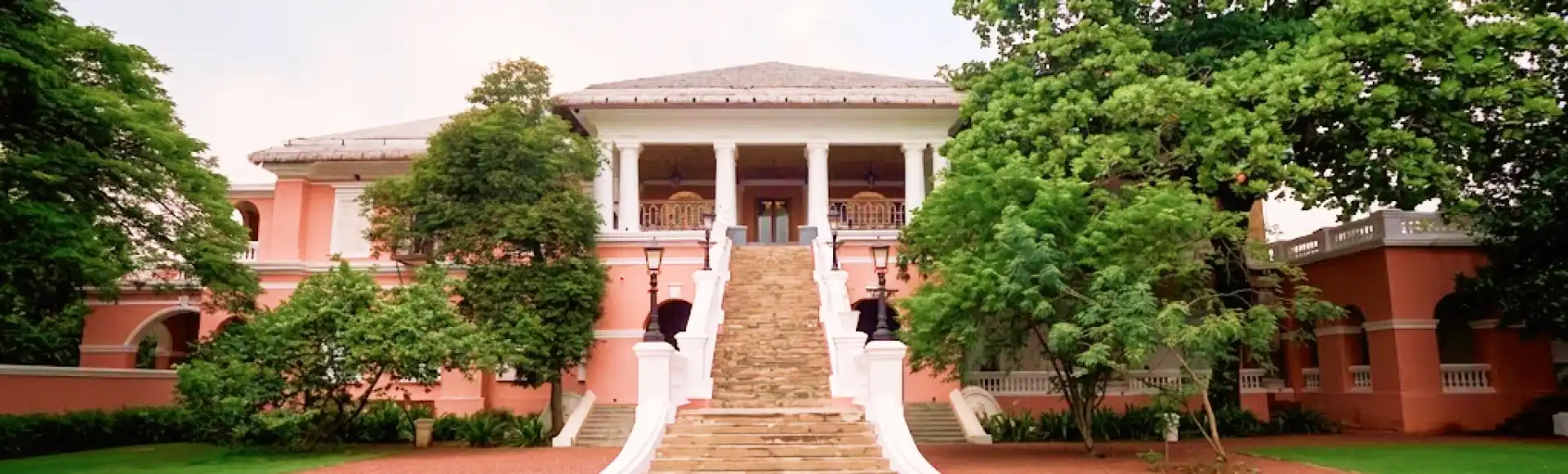
Rambha Palace
A restored former home of Khallikote’s royal family on Chilika Lake, Rambha Palace attracts visitors for its historic architecture, lake activities, wellness experiences and proximity to spiritual landmarks.

Sonapur Blue Flag Beach
Sonapur Blue Flag Beach, in Ganjam, Odisha, brings together river and coastal scenery. Visitors come for its maritime history, natural setting and Blue Flag recognition for cleanliness, sustainability and safety.

Tampara Lake
In Chatrapur, Ganjam, Odisha, Tampara Lake is a freshwater destination for boating. Visitors come to enjoy its peaceful waters, green surroundings and bird calls.
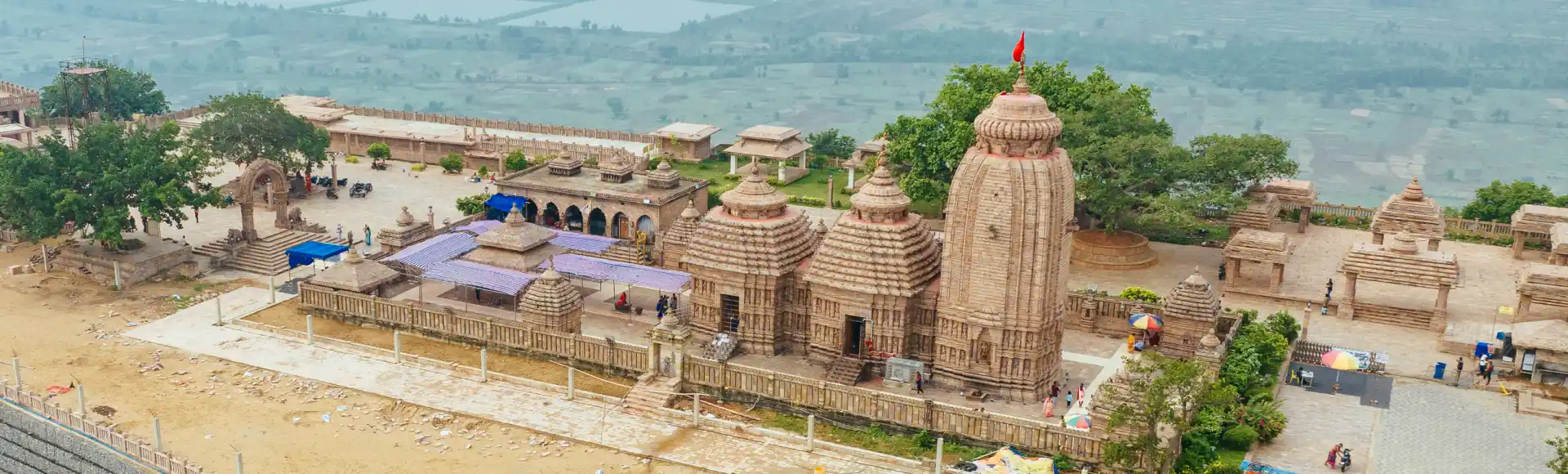
Tara Tarini Temple
Tara Tarini Temple in Purushottampur, Ganjam, is a hilltop shrine dedicated to Tara and Tarini. Devotees visit to worship the goddesses and honour the temple’s importance in Shakti and Tantric traditions.
Rice is central to everyday meals in Ganjam, as across much of Odisha. Dalma, a preparation of lentils and vegetables, seasonal vegetable dishes and pakhala, fermented rice served especially in warmer weather, are part of the wider regional food tradition. Coastal menus may include fish and other seafood, though offerings vary by place and season. Chhena poda, a baked cheese dessert associated with Odisha, is found in the region but is not specific to Ganjam. At smaller or remote destinations, food choices may be limited, so plan meals around a larger town and ask what has been freshly prepared.
Berhampur is associated with Berhampuri pata, a traditional silk handloom known for its rich fabric and distinctive borders. The sarees are part of Odisha’s wider weaving heritage and are used for ceremonial wear. Ganjam’s towns and villages also participate in the broader craft life of Odisha, where handloom weaving and locally made household goods remain important. Craft availability varies by locality, and not every market will stock work made nearby. Visitors interested in textiles can ask sellers about the weaving centre, materials and production method rather than assuming an item is locally made.
Chaitra, usually falling around March and April, is an important period for worship at Tara Tarini, when the shrine draws pilgrims and visitor numbers can rise. Danda Nata, a ritual performance tradition observed in parts of Odisha, is also associated with the Chaitra season. Rath Yatra, Durga Puja and Maha Shivaratri are celebrated in towns and communities across the district. Berhampur’s Thakurani Yatra is a prominent local festival, though its schedule varies. During major shrine festivals and town celebrations, roads and public spaces can be busy, and nearby rooms may be harder to find; check local calendars before travelling.
Elsewhere in Odisha
Ganjam stretches from a Bay of Bengal coastline and Chilika’s northern shore to broad river plains and the foothills of the Eastern Ghats. The Rushikulya and its estuary are prominent features, while inland farmland and scrub support rural communities and wildlife, including blackbuck near Bhetnoi. Beaches, wetlands, hills and towns are separated by road journeys rather than forming one compact visitor area. Coastal weather can affect beach conditions, and rural routes may be slower than the main highway. A planned base or hired vehicle helps visitors combine sites without excessive backtracking.
Ganjam has hot, humid summers, generally from March to May, followed by the southwest monsoon, usually from June into September. Rain can make rural roads slower and coastal conditions changeable. October to February is usually the most comfortable period for sightseeing, shrine visits and time outdoors, though festival days can be crowded. Coastal weather advisories are worth checking during storm-prone periods. Pack light, breathable clothing, sun protection and drinking water; include a light layer for cooler evenings in winter. For monsoon travel, carry rain protection and allow extra time for road journeys.
Brahmapur (Berhampur) Railway Station is a useful rail gateway for many parts of Ganjam; Rambha Railway Station can suit visitors heading to the Chilika-side area. The nearest major airport is Biju Patnaik International Airport in Bhubaneswar. National Highway 16 links the district with other parts of coastal Odisha, with road connections to towns including Chatrapur and Brahmapur. Buses, taxis and auto-rickshaws operate in larger towns, while a hired vehicle can make visits to beaches, hill shrines and rural sites easier. Choose an overnight base to suit your itinerary, as attractions are spread across the district. Check current services locally before travelling.
National Highway 16 connects major towns including Chatrapur and Brahmapur, while smaller roads lead to the coast, hill shrines and inland villages. Local buses serve many town-to-town routes, and auto-rickshaws are useful for shorter journeys within larger settlements. Shared vehicles may be available on some rural routes, but service can be limited or variable. Taxis or a hired car are convenient for combining sites such as Tara Tarini, Bhetnoi and the beaches. Boats operate in some lake areas, subject to local conditions and availability. Confirm onward transport locally, especially for rural return journeys.
Brahmapur is the most practical base for Gopalpur, Tara Tarini and many transport connections; it has a wider choice of hotels and guesthouses. Gopalpur suits visitors prioritising the coast, with hotels and smaller stays, while Rambha can work for a Chilika-side itinerary where accommodation is available. Chatrapur is another useful town base. For rural visits, options may be limited, so arrange a return to a larger town or confirm a homestay or lodge in advance. Dharamshalas and government accommodation may be available in some places, but availability and access vary.
At beaches, check local conditions before entering the water; currents and changing surf can make swimming unsafe. Follow shrine guidance on steps and uneven paths, especially in wet weather, and carry water in the heat. At Bhetnoi, observe blackbuck from a distance and do not feed or pursue wildlife. Monsoon rain and coastal storms can disrupt roads, so check advisories and allow extra travel time. Rural mobile connectivity and public transport may be limited. Use treated or sealed drinking water and take routine precautions against mosquitoes. Confirm any temporary access restrictions locally before setting out.
- Gajapatiabout 78 km
- Kandhamalabout 103 km
- Nayagarhabout 108 km
- Puriabout 110 km
- Rayagadaabout 124 km
- Khordhaabout 139 km
- Angulabout 148 km
- Srikakulam · Andhra Pradeshabout 150 km
Straight-line distance between the centres of each district's destinations; road distance is longer.
Q: How many days should I spend in Ganjam? A: Two days can cover a small selection of coastal and shrine sites; three or four days allow a more varied route that includes inland destinations. Q: When is the best time to visit? A: October to February is generally the most comfortable season. Check weather advisories during the monsoon and storm-prone periods. Q: What is the best base for visiting Ganjam? A: Brahmapur is a practical all-round base, while Gopalpur or Rambha can suit itineraries focused on the coast or Chilika side. Q: How do I get to Ganjam? A: Brahmapur is a useful railway gateway, and Bhubaneswar is the nearest major airport. National Highway 16 links the district by road. Q: Is Ganjam suitable for families or elderly travellers? A: Yes, with a well-paced itinerary. Choose accessible sites and transport carefully, as hill shrines, rural roads and long transfers may require extra effort.
This page draws on our 7 destination guides for Ganjam and is updated as our team checks it.
Be the first to share photos, stories, advice or a helpful contact for Ganjam.
Loading…