
Rambha Palace
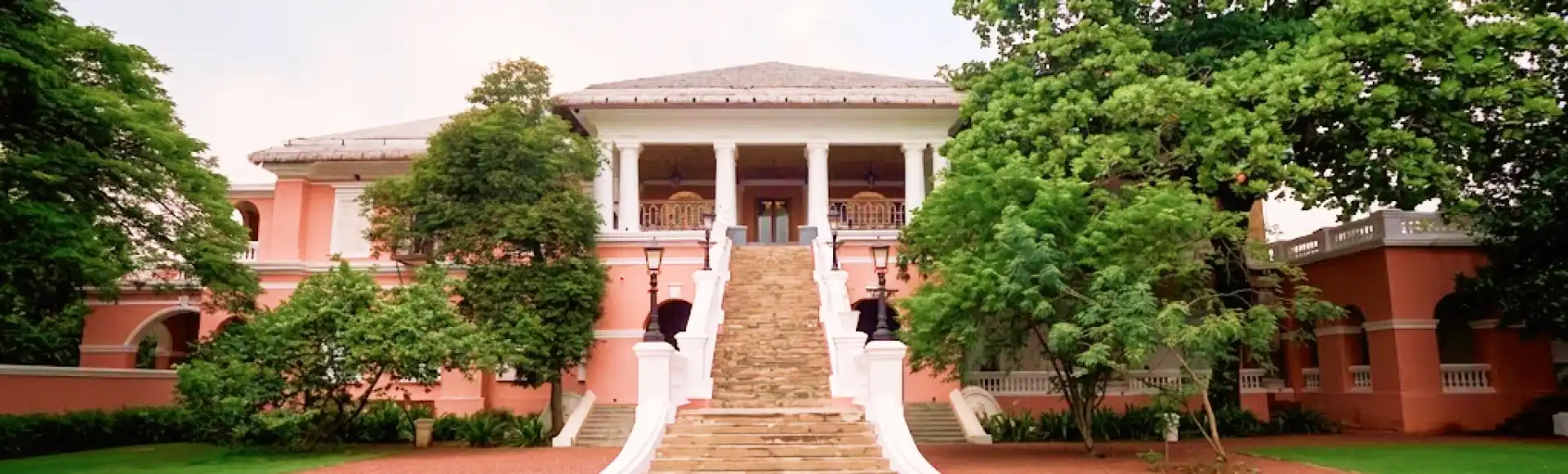
A restored former home of Khallikote’s royal family on Chilika Lake, Rambha Palace attracts visitors for its historic architecture, lake activities, wellness experiences and proximity to spiritual landmarks.
Key facts · verified by Ghumoopedia editors
- Type of place
- Heritage monument
- Best time to visit
- Throughout the year
- Verified
- 21 Nov 2026
Plan a trip from Rambha Palace — a day-by-day route through places nearby.
At Rambha in Ganjam district, Odisha, Rambha Palace stands beside Chilika Lake. The property began as a waterside home for the Khallikote royal household, and its history spans more than two centuries. Its setting links the building with the lagoon and Odisha’s past. A six-year restoration renewed the palace while preserving its architectural grandeur, courtyards and distinct royal character. Restored suites, corridors and landscaped grounds recall a historic residence, with contemporary comforts for visitors. The work keeps the royal past visible in a place adapted for present-day stays. Chilika is central to a visit here. Arranged cruises let guests travel across the lagoon, watch birds that live there or arrive seasonally, and enjoy sunsets over the water. Personalised wellness experiences draw on traditional healing approaches, offering a quieter activity beside the lake. Nearby Kalijai Temple and Tara Tarini Temple have spiritual and cultural significance. Together, the palace, lake activities and regional landmarks offer visitors a way to encounter the royal legacy, natural environment and spiritual traditions associated with Chilika and southern Odisha. Plan your visit around Throughout the year. The official suggested visit duration is 1 Day; treat this as time at the attraction, not the complete journey from your hotel. Odisha’s coast and plains can be hot and humid, while southern hill districts may feel cooler after sunset. Heavy monsoon rain can affect road travel and access to outdoor sites. Check the local forecast before setting out, and keep a flexible alternative for bad weather. Official destination reference: https://odishatourism.gov.in/en/places/rambha-palace
Why it matters
Rambha Palace is a heritage property in Rambha, Ganjam district, on the southern shore of Chilika Lake. Odisha Tourism presents it as the restored lakeside residence of the erstwhile Kings of Khallikote and lists it among the state’s heritage properties and historical sites. Its importance is regional: the palace connects the history of a local royal family with the landscape and cultural heritage of Chilika and southern Odisha. The property’s restoration has adapted the historic residence as a contemporary heritage retreat while retaining its royal character. It is not identified in the available destination information as a UNESCO World Heritage Site or an Archaeological Survey of India-protected monument; confirm the current access arrangements with the property before visiting.
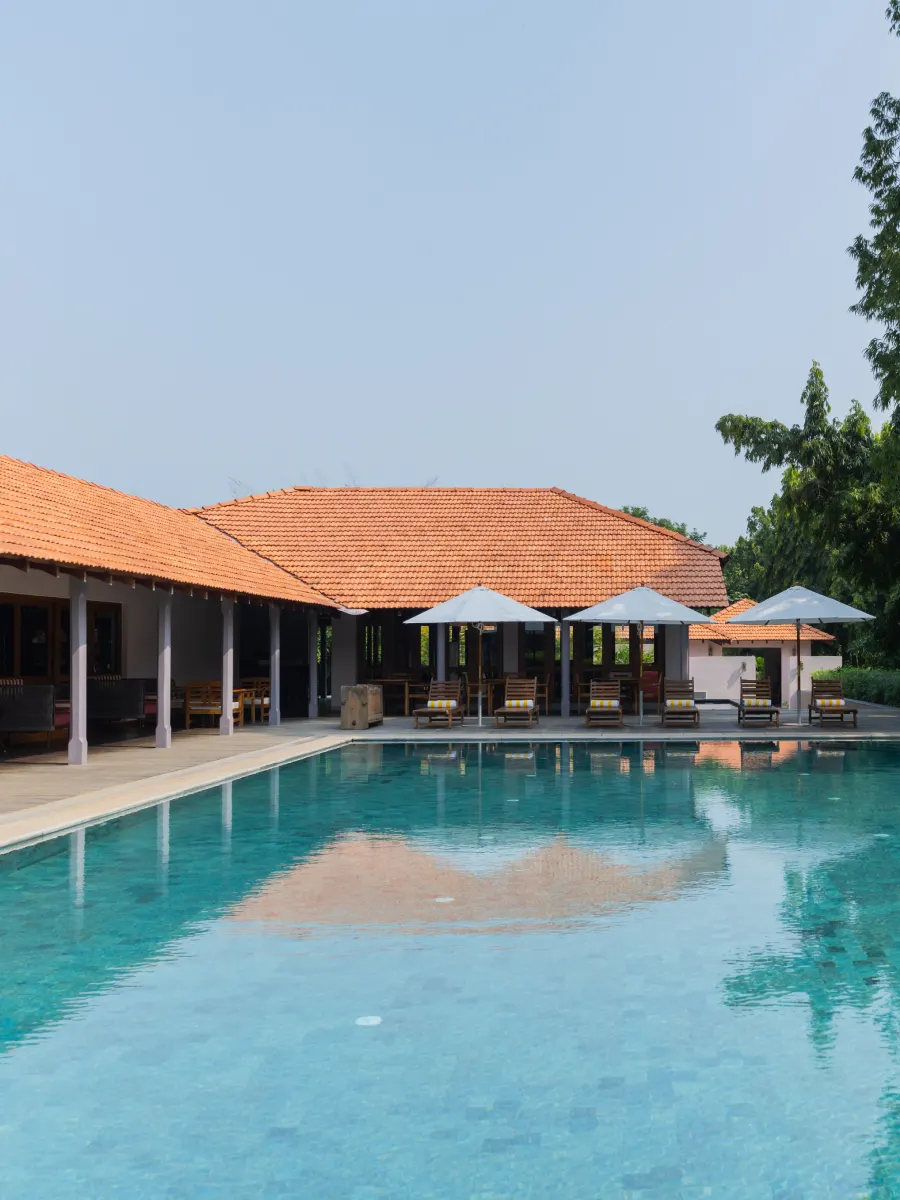
Rambha Palace was built as a lakeside residence of the royal family of Khallikote and is traditionally described as a roughly 200-year-old property. It stands in Rambha, in what is now Ganjam district, beside Chilika Lake. The residence reflects the historical relationship between local royal households and the lagoon, whose waters, wetlands and settlements have shaped life in the region. The palace is associated with more than two centuries of Odisha’s history, although detailed, independently documented dates for its construction and successive owners are not provided in the available destination account. In later years, the historic building required extensive restoration. Odisha Tourism describes the revival as a six-year restoration that sought to preserve its architectural grandeur, courtyards and distinctive royal character while adapting it for contemporary hospitality. The restored property now combines heritage accommodation with experiences connected to the lake, including curated cruises and wellness offerings. Because the palace operates as a heritage retreat, access to its interiors and activities may depend on property arrangements; it should not be assumed to function like an unrestricted public monument.
Origin stories & folklore
No specific origin legend for Rambha Palace is established in the available destination information. The palace is linked instead to the documented local history of the Khallikote royal family and its lakeside residence. Chilika Lake and Kalijai Island have their own devotional stories and local beliefs; visitors may hear accounts associated with the worship of Goddess Kalijai, particularly from residents, boat operators or temple visitors. These accounts belong to local religious tradition and should not be treated as verified history. If you hear a story during a visit, ask who it is associated with and whether it concerns the palace, the lake or a nearby shrine. The palace’s royal past and setting are meaningful without attributing unsupported folklore to the building.
Architecture & design
Rambha Palace is a restored royal residence rather than a purpose-built museum. Its architectural character is described in the destination account through stately design, elegant courtyards, graceful corridors and a distinctive royal atmosphere. The building’s lakeside position gives its setting a strong relationship with Chilika’s open water and surrounding landscape. The restoration retained features associated with the historic residence while adapting suites and shared spaces for contemporary use. Available public information does not specify a formal architectural style, construction materials, measurements or detailed engineering features, so these should not be inferred from appearance alone. Visitors who have permission to enter can look for the sequence of corridors and courtyard spaces, the proportions of the old residence and how the restored interiors meet the landscaped grounds. Ask the property whether a guided explanation is available, and respect any areas reserved for guests or staff.
Important objects & sculptures
The available destination information does not identify a public collection of sculptures, idols, inscriptions, paintings or royal objects at Rambha Palace. It is therefore better not to expect a curated museum display or to assume that furnishings are historic originals. With permission to enter, visitors can notice the architectural fabric itself: the courtyards, corridors and restored rooms that convey the residence’s former character. Some furnishings or decorative details may be part of the operating heritage retreat rather than an independently documented collection. Ask staff whether any particular object has a verified history before interpreting it, and do not touch, move or photograph objects where restrictions apply. For a deeper understanding of the Khallikote family or the palace’s restoration, seek information directly from the managing property.
Begin with the main attraction at Rambha Palace and leave time to understand its setting in Ganjam. Look for interpretation boards, guided visits or opportunities to meet local makers. Ask before photographing people or their work. A village workshop is a working space, not a staged performance; agree on any demonstration charge and avoid pressuring artisans for free access. Keep a simple itinerary: arrive in daylight, enjoy the main visit, take a shaded meal break, then decide whether one nearby stop fits your return plan. Use the district index to find nearby places, but check the actual road route before combining them. Reserve a little time for photographs from permitted public viewpoints and avoid blocking paths while taking pictures.
Suggested itineraries
Half day: Arrive in daylight (30–60 minutes); explore the palace areas permitted to you and learn about its setting (1–2 hours); take a shaded break; add a short lake-side outing or nearby stop only if transport and conditions allow (1–2 hours). Full day: Begin with the palace visit (1–2 hours); take a meal and rest break; join a pre-arranged Chilika cruise or birdwatching outing (2–3 hours, weather permitting); consider Kalijai Temple if boat access and return transport are confirmed; finish back at Rambha. Gentler option: Arrange vehicle drop-off, focus on the accessible areas approved by the property, take seated breaks, and skip boat or temple transfers if they involve difficult boarding or walking.
Rambha’s cultural setting is shaped by Odia-speaking communities, the Khallikote region’s history and everyday life around Chilika Lake. Fishing, boat travel and the seasonal presence of birds are part of the wider lagoon landscape, though they should not be mistaken for staged palace activities. Odisha’s traditions of worship, hospitality and regional food can be encountered in nearby settlements and at religious sites. The palace promotes experiences connected with local heritage, nature and wellness, but music, dance or craft demonstrations should not be assumed to take place on every visit. Ask before photographing residents, workers or makers, and agree in advance if a demonstration or workshop has a charge. Respect local customs and any rules at temples or private property.
Festivals & events
Festival activity is most relevant at nearby religious sites rather than as a confirmed programme at Rambha Palace. Kalijai Temple is associated with a well-known annual gathering around Makar Sankranti, in the winter season; boat access and visitor numbers can be busier then. Tara Tarini Temple observes Chaitra-related festivities and gatherings in the spring, which may also draw pilgrims from across the region. Dates and arrangements vary by year, and the palace does not necessarily host public celebrations. During major festival periods, allow extra flexibility for road, boat and temple access, and check locally before planning a combined visit.
For a visit to Rambha Palace, plan food around your base in Ganjam and do not assume that a remote entrance has a full restaurant. Odisha offers rice-based meals, dalma, vegetable preparations and sweets such as chhena poda. Availability varies by district and outlet; ask what is freshly prepared rather than expecting every local dish at every stop. Choose busy, clean establishments and tell staff about allergies, spice preferences or dietary restrictions before ordering. Carry sealed drinking water and a small snack if you are travelling beyond a town. In hot weather, take regular water breaks instead of waiting until you feel exhausted. For early starts, arrange breakfast in advance and ask your accommodation whether a packed meal is practical. Keep all packaging with you until you find an appropriate waste bin.
Shopping & local experiences
Rambha Palace is not known from the available information as a dedicated craft market. In nearby towns and settlements, look for locally made goods and regional foods, but ask sellers about origin rather than assuming an item is made locally. Ganjam is associated with the craft tradition of Ganjapa playing cards, though availability varies and a specialist source may be needed. Small shops may carry snacks and everyday supplies; broader shopping choices are more likely in larger towns. If visiting a maker’s workshop, ask permission, agree on any demonstration charge beforehand and consider buying directly when you wish to support the work.
Throughout the year
Start by choosing a practical overnight base in or near Ganjam, rather than assuming every attraction has its own railway station. Odisha Tourism lists this rail access: Nearest Railway Station -Rambha Railway Station (A few kilometres from the palace). The listed air access is: Nearest Airport - Biju Patnaik International Airport, Bhubaneswar (Approx. 130 km). Road access: Rambha Palace is located at Rambha on the southern shores of Chilika Lake in Ganjam district. It is approximately 130 km from Bhubaneswar and is easily accessible by road.. Compare train, bus and flight options door to door. Rail can suit overnight journeys and travellers who prefer to avoid a long drive. A bus may be useful between district towns, but the last service may finish before your visit ends. A flight only saves time if airport transfers, check-in and the final road leg are included. Reserve the return leg before departure and allow time for traffic, meals and weather. Check IRCTC and NTES for trains, OSRTC for buses, and the airline’s own schedule for flights. Do not rely on an unconfirmed connection or assume taxis will wait at a remote site.
Confirm onward and return timings on IRCTC / NTES, the state bus operator or your airline before travel. A dash means current timings or fares have not been verified.
Getting around
On arrival in Rambha, local autos or arranged taxis may be useful for short journeys, but availability can vary; arrange onward transport through your accommodation where possible. Local buses connect settlements and district towns, though they may not suit a flexible sightseeing schedule. Walking is practical only for nearby areas and depends on heat, road conditions and the distance involved. Boat trips on Chilika should be arranged through authorised local operators or the property, with weather and lake conditions checked first. Confirm parking and drop-off arrangements at the palace in advance, as access may be controlled by the property.
Hours, tickets & permissions
Rambha Palace is a heritage retreat, so entry to its grounds, interiors and guest facilities may be subject to property rules rather than standard monument admission. Reservations, visitor registration, identification, photography restrictions or separate arrangements for non-resident visitors may apply. Do not assume that all rooms or courtyards are open to casual visitors. Confirm current access, visiting hours, fees and any camera or activity rules with the managing authority before setting out. Temple entry and boat experiences nearby have separate arrangements.
Facilities
As an operating heritage retreat, Rambha Palace may offer guest accommodation, food and hospitality facilities, but access for non-residents should be confirmed in advance. Toilets, drinking water, seating and parking are usually easier to arrange through the property than to assume at every nearby viewpoint. Guides or curated lake experiences may be available by prior arrangement. Nearby settlements may have basic food shops and services, while ATMs and broader facilities are more dependable in larger towns; check locally before relying on them. Carry water and any personal essentials, especially if combining the visit with a boat trip.
Accessibility
The historic residence includes corridors and courtyards, but the available information does not confirm step-free routes, ramps, lifts or accessible toilets. Older buildings may have uneven surfaces, thresholds or steps, and movement between areas can involve walking. Ask the property about the exact route, seating, vehicle drop-off and assistance available before visiting, particularly for wheelchair users, stroller users or anyone with limited mobility. The lakeside setting may also involve uneven outdoor ground. Heat and humidity can make walking tiring; plan rests and shade, and consider a vehicle-supported visit. Boat boarding at Chilika may be difficult for some visitors and depends on the vessel and conditions.
At Rambha Palace, local access rules take priority over any suggested itinerary. Reconfirm opening arrangements, entry eligibility, permits and weather restrictions shortly before arrival. Keep the emergency number 112 available and save your accommodation’s contact details offline. A map pin identifies a general location, not an assurance that the approach road or walking path is safe. Ask local staff which entrance visitors should use. Respect conservation barriers, residential boundaries and instructions from staff. Ask permission for portraits and avoid sharing identifiable images of local residents without consent. Carry only necessary valuables, keep rubbish out of the site, and leave enough daylight for the return journey.
Photography
The palace’s lake setting and restored exterior character can make for appealing photographs, with softer light generally available in the early morning or late afternoon. Use only viewpoints and rooms where photography is permitted; the property may restrict access or photography in guest and private areas. Ask before photographing staff, residents, local makers or worshippers. Avoid blocking corridors or paths while taking pictures. Drone use may require permissions and can be restricted by property rules, local authorities or safety considerations, so do not fly without checking first. Temple photography rules are separate and should be followed.
Choose accommodation by the complete journey to Rambha Palace, not by the district name alone. A room in a well-connected town in Ganjam may offer easier transport, meals and medical access than a property advertised as being close to the attraction. Check the exact location, recent guest feedback, reception hours and cancellation terms. Ask how you will reach the site and return after the visit, especially if you are not driving. A centrally located stay can make early sightseeing and an evening return easier. Confirm whether the approach road is accessible to your vehicle and whether lifts are available. Book only through a trusted accommodation channel, avoid sending payments to an unverified personal contact, and keep written confirmation of the services included.
Chilika Lake is the main natural attraction beside Rambha; arrange any cruise or birdwatching outing with a suitable local operator and check conditions. Kalijai Temple, on an island in the lagoon, is a significant nearby pilgrimage destination reached by boat, so allow for water transport and weather. Tara Tarini Temple, another important religious landmark in Ganjam district, can be considered as a separate road excursion rather than assumed to be a quick stop. Gopalpur, on the coast, is another established destination in the district, but check the road route and time before combining it with Rambha. Confirm transport and opening arrangements locally.
For couples visiting Rambha Palace, keep the day relaxed: one main visit, a meal break and a return transfer arranged in advance. Choose public viewpoints for photographs and respect religious or community expectations around behaviour and clothing. Confirm the accommodation’s check-in requirements before booking. Avoid secluded paths after dark and do not trade a safe return plan for a late photograph. A quieter weekday may suit you, but opening and access arrangements still need local confirmation.
Q: How much time should I allow for Rambha Palace? A: The suggested visit duration is one day, but the time needed depends on access to the palace and whether you add a lake outing. Treat this as time at the attraction, not the full journey. Q: When is a good season to visit? A: The destination can be planned throughout the year. Check the forecast, as heat, humidity and monsoon conditions can affect comfort, roads and boat trips. Q: Is there an entry ticket, and can non-residents visit? A: Access and any fees are managed locally. Confirm current entry rules, reservations and charges with the property before travelling. Q: Is the visit suitable for children and older visitors? A: It can be, with breaks and transport planned. Ask about steps, walking surfaces and boat boarding, and adapt the visit to individual mobility needs. Q: Where should I stay nearby? A: Rambha Palace itself offers heritage accommodation subject to booking. Other stays may be available in the surrounding area or larger towns; check location, transport and availability before choosing.
Be the first to share photos, stories, advice or a helpful contact for Rambha Palace.
Loading…