
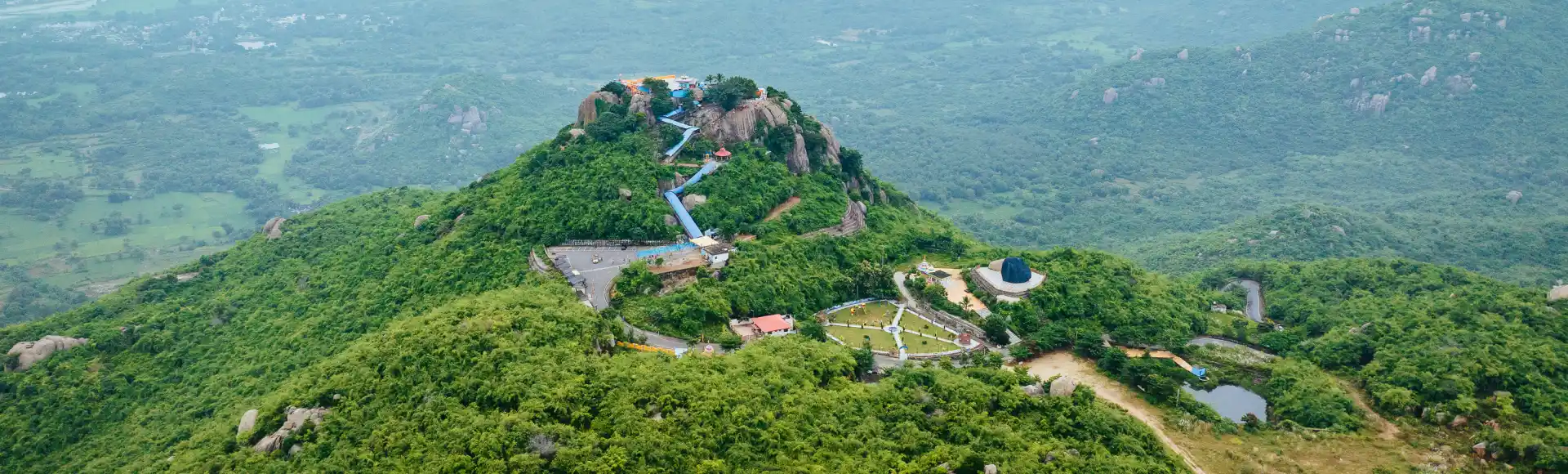
Maa Balakumari Temple
On Kerandimala hill in Chikiti, Ganjam, Maa Balakumari Temple is a Shakti shrine linked to the Bhaumakara Dynasty. Pilgrims visit to worship Balakumari and make the climb to the hilltop.
Key facts · verified by Ghumoopedia editors
- Type of place
- Temple / pilgrimage site
- Best time to visit
- Oct - Mar
- Verified
- 21 Nov 2026
Plan a trip from Maa Balakumari Temple — a day-by-day route through places nearby.
The temple stands on Kerandimala hill in Chikiti, Ganjam, Odisha, and is also associated with Brahmapur. Dedicated to Goddess Balakumari, it is believed to date from the Bhaumakara Dynasty. Worshippers and other visitors reach the shrine by ascending 1,240 steps. The climb is part of the pilgrimage and offers views across the surrounding landscape. For devotees, a visit combines worship with the journey up the hill. The temple has served as a place of faith and pilgrimage for centuries. Plan your visit around Oct - Mar. The official suggested visit duration is 1 Hour; treat this as time at the attraction, not the complete journey from your hotel. Odisha’s coast and plains can be hot and humid, while southern hill districts may feel cooler after sunset. Heavy monsoon rain can affect road travel and access to outdoor sites. Check the local forecast before setting out, and keep a flexible alternative for bad weather. Official destination reference: https://odishatourism.gov.in/en/places/maa-balakumari-temple
Why it matters
Maa Balakumari Temple is a locally revered Shakti shrine on Kerandimala hill in Chikiti, Ganjam district. Dedicated to Goddess Balakumari, it draws worshippers and other visitors seeking a hilltop place of prayer as well as views across the surrounding landscape. Its regional importance rests chiefly on living devotion and its place in Ganjam’s religious life. Odisha Tourism lists the temple as a spiritual destination. The available destination information does not identify it as a UNESCO World Heritage Site or an Archaeological Survey of India-protected monument; visitors should not assume either designation. The climb of 1,240 steps is a defining part of many visits, though access and worship arrangements should be checked locally.
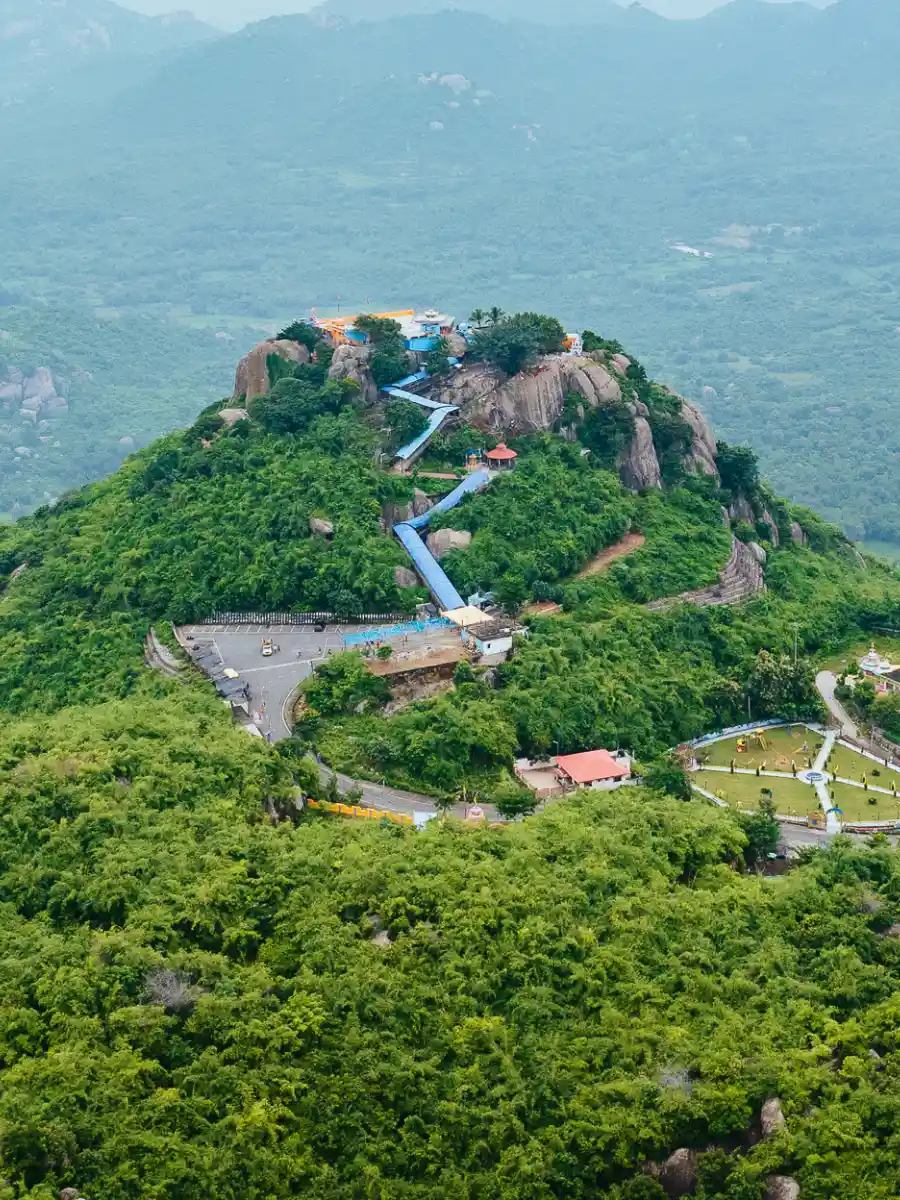
The temple is traditionally believed to date to the Bhaumakara Dynasty, a ruling house associated with Odisha’s early medieval history. The destination information does not establish a precise construction date, name a specific patron, or document a continuous building history, so the dynastic association is best treated as a local or traditional attribution rather than a firmly dated fact. The shrine has remained a place of worship dedicated to Goddess Balakumari, and its pilgrimage role is shaped by the hilltop setting and the approach up 1,240 steps. As with many active temples, ritual use and maintenance may have altered parts of the complex over time. Detailed records of particular renovations, architectural phases, inscriptions, or archaeological investigations are not provided in the available official visitor information. Visitors interested in the temple’s documented history can ask locally whether the managing authority or district sources have further records. Respect the shrine as a living place of worship, not solely as a historical monument.
Origin stories & folklore
According to local tradition, the hill shrine’s sacred association is linked to Goddess Balakumari, whose presence is believed by devotees to protect and bless worshippers. The name and identity of the deity are central to the temple’s religious importance, while accounts of how the shrine first came to be established may vary between tellers. The claimed connection with the Bhaumakara period is also sometimes presented as part of the temple’s inherited history, but a precise founding story is not established in the available destination information. Treat such accounts as faith traditions rather than verified historical evidence. Visitors can ask worshippers or temple attendants about local versions, listening respectfully and avoiding assumptions that every community shares one account.
Architecture & design
The temple occupies a hilltop setting on Kerandimala hill, and its approach is a prominent part of the visitor experience: devotees climb a reported 1,240 steps to reach the shrine. The available official destination information does not provide a measured architectural description, identify a specific style, or document the materials and construction phases. Visitors should therefore avoid treating commonly repeated stylistic labels as confirmed. At the complex, the principal focus is the sanctum and the worship of Balakumari; the arrangement of subsidiary spaces and access routes should be understood on site, since these may be subject to ritual restrictions. The elevated location offers a broad outlook over the surrounding landscape, though viewpoints and safe standing areas depend on local access conditions. Observe the building without touching surfaces, climbing on structures, or entering spaces marked for worshippers or staff only.
Important objects & sculptures
The main object of religious attention is the image or representation of Goddess Balakumari within the shrine. The precise iconographic details, materials, and age of the image are not specified in the available visitor information, so visitors should rely on the temple’s own explanation rather than guess at its history. No particular inscription, sculpture collection, or museum display is documented in the supplied destination facts. If access is permitted, notice the deity and the arrangement of the worship space from the visitor’s allowed area. Some sacred objects may be visible only during particular rituals or may not be open to photography. Ask an attendant before approaching or photographing any object, and do not touch offerings, ritual implements, or shrine furnishings.
Religious significance
Maa Balakumari Temple is a Shakti shrine dedicated to Goddess Balakumari. For devotees, the goddess is an object of prayer and reverence, and visiting the hilltop shrine can form part of personal vows, family worship, or pilgrimage in Ganjam. The climb is meaningful to many visitors, but it is not necessary to interpret every person’s journey in the same way. Worship may take place during a visit, so keep a respectful distance and follow directions from temple attendants. Ritual access can differ from general visitor access; do not assume that every visitor may enter the sanctum or participate in every rite. Customs and offerings can vary, and visitors seeking to take part should ask locally what is appropriate.
Begin with the main attraction at Maa Balakumari Temple and leave time to understand its setting in Ganjam. Approach the shrine respectfully, follow the posted entry requirements and allow time for queues. Ask attendants about photography, footwear storage and the permitted route. Religious practice is part of daily life here; avoid interrupting worship or assuming that every visitor can enter every part of the complex. Keep a simple itinerary: arrive in daylight, enjoy the main visit, take a shaded meal break, then decide whether one nearby stop fits your return plan. Use the district index to find nearby places, but check the actual road route before combining them. Reserve a little time for photographs from permitted public viewpoints and avoid blocking paths while taking pictures.
Suggested itineraries
Half day: Travel from your chosen base to the hill approach; allow about 1–2 hours for the climb, shrine visit, and descent, then take a rest before returning. Full day: Set out in daylight; allow about 2–3 hours for the temple visit and stair climb at a comfortable pace; pause for a meal, then add one nearby stop only if road and return arrangements suit. Gentler option: Visit the approach area with a companion, assess the steps before starting, and spend time at an accessible nearby viewpoint or town stop instead of attempting the full climb.
The temple is part of the living religious culture of Ganjam, where worship, family pilgrimage, and local observances shape how people use the site. Odia is widely used in the region, and visitors may also hear other languages spoken by pilgrims and travellers. Dress tends to be modest at places of worship, and quiet conduct is appreciated while prayers are taking place. The available destination information does not document a regular programme of music or dance at the temple, so do not expect performances as part of an ordinary visit. During busy religious occasions, follow local cues about queues, offerings, footwear, and the use of shared spaces. Ask before photographing worshippers or ritual activity.
Festivals & events
Navaratri and Durga Puja are important seasons of Shakti worship in Odisha and may bring increased devotional activity at shrines such as Maa Balakumari. The available destination information does not confirm a temple-specific festival schedule or annual fair, so visitors should check locally before planning around a particular observance. Religious occasions can attract larger crowds, lengthen queues, and make the stair approach busier than usual. If you prefer a quieter visit, avoid major festival days where possible and confirm local arrangements before setting out. Festival dates follow the religious calendar and vary from year to year.
For a visit to Maa Balakumari Temple, plan food around your base in Ganjam and do not assume that a remote entrance has a full restaurant. Odisha offers rice-based meals, dalma, vegetable preparations and sweets such as chhena poda. Availability varies by district and outlet; ask what is freshly prepared rather than expecting every local dish at every stop. Choose busy, clean establishments and tell staff about allergies, spice preferences or dietary restrictions before ordering. Carry sealed drinking water and a small snack if you are travelling beyond a town. In hot weather, take regular water breaks instead of waiting until you feel exhausted. If a temple offers food or prasad, follow the local serving rules and confirm what ingredients it contains. Do not treat ritual food as a guaranteed restaurant meal. Keep all packaging with you until you find an appropriate waste bin.
Shopping & local experiences
There may be small vendors near the approach, particularly on busy worship days, but do not rely on them for essentials or a particular souvenir. In Chikiti or Brahmapur, look for local markets and everyday regional goods; availability and opening arrangements vary. Food options may include simple local snacks or meals in nearby towns, though visitors should confirm what is open before travelling. If buying religious offerings, ask what is appropriate at the shrine. Avoid purchasing items made from protected wildlife or materials of uncertain origin, and carry reusable bags where practical.
Oct - Mar
Start by choosing a practical overnight base in or near Ganjam, rather than assuming every attraction has its own railway station. Odisha Tourism lists this rail access: Nearest railway station: Brahmapur Railway Station (approx. 37 km).. The listed air access is: Nearest airport: Biju Patnaik International Airport, Bhubaneswar (approx. 202 km).. Road access: Accessible by road from Chikiti and Brahmapur.. Compare train, bus and flight options door to door. Rail can suit overnight journeys and travellers who prefer to avoid a long drive. A bus may be useful between district towns, but the last service may finish before your visit ends. A flight only saves time if airport transfers, check-in and the final road leg are included. Reserve the return leg before departure and allow time for traffic, meals and weather. Check IRCTC and NTES for trains, OSRTC for buses, and the airline’s own schedule for flights. Do not rely on an unconfirmed connection or assume taxis will wait at a remote site.
Confirm onward and return timings on IRCTC / NTES, the state bus operator or your airline before travel. A dash means current timings or fares have not been verified.
Getting around
The shrine is accessible by road from Chikiti and Brahmapur. Visitors can arrange a local taxi or auto-rickshaw from a nearby town, but confirm that the driver will wait or that a return ride can be arranged; availability may be limited around the hill. Local buses may serve parts of the wider area, though the final approach and return connection should be checked in advance. The climb from the approach to the shrine is on foot via the steps. Ask locally about vehicle access and parking, and avoid assuming that a vehicle can reach the temple itself.
Hours, tickets & permissions
Entry arrangements, worship access, and any applicable visitor requirements are managed locally and may change, especially during religious observances. Confirm current opening arrangements and any fees with the temple’s managing authority before travelling; do not rely on unverified online listings. Ask whether footwear must be left at a designated point, whether photography is restricted, and which parts of the complex are open to visitors. Carry identification if needed for onward travel, but no special permit requirement is established in the available information.
Facilities
Facilities at the hill and temple may be limited or vary with visitor numbers. Toilets, drinking water, food stalls, shaded resting places, and parking should be checked locally rather than assumed. Carry water and any personal supplies needed for the climb, and take rubbish back with you if bins are unavailable. More extensive food, cash, and accommodation options are more likely in nearby towns such as Chikiti or Brahmapur than at the shrine. Do not assume that guides or an ATM are available on site. Ask locally about footwear storage and any assistance for the stair route.
Accessibility
Reaching the shrine involves a climb of 1,240 steps, making the visit physically demanding. The route may include uneven or exposed sections, and shade and resting places can vary; check current conditions before starting, especially after rain. The temple is not suitable for wheelchair or stroller access via the stair approach unless local authorities confirm an alternative route. Older visitors and anyone with limited mobility, balance concerns, or health conditions should assess the climb carefully and consider visiting with a companion. Take breaks, carry water, and do not feel obliged to complete the ascent. The official suggested one-hour visit duration does not include travel or necessarily the full climb and return.
At Maa Balakumari Temple, local access rules take priority over any suggested itinerary. Reconfirm opening arrangements, entry eligibility, permits and weather restrictions shortly before arrival. Keep the emergency number 112 available and save your accommodation’s contact details offline. A map pin identifies a general location, not an assurance that the approach road or walking path is safe. Ask local staff which entrance visitors should use. Dress respectfully and follow shrine-specific rules. Entry restrictions may depend on religious practice, and photography or phones may be prohibited. Use official counters where available and agree on any guide service before accepting it. Carry only necessary valuables, keep rubbish out of the site, and leave enough daylight for the return journey.
Visitor rules
Follow notices and instructions from temple staff, and dress modestly in keeping with a place of worship. Remove footwear where directed and use any designated storage arrangement. Do not enter restricted areas, interrupt prayers, touch sacred objects, or block the stair route. Ask before bringing offerings or participating in rituals. Keep the complex clean and avoid leaving plastic or other waste behind. Photography may be limited in the shrine or during worship, so check before taking pictures. Be considerate of other visitors and give people space on narrow or crowded sections.
Photography
The hilltop setting can offer landscape views, with softer light often found earlier or later in the day; conditions and permitted viewpoints vary. Photograph only from public areas where it is safe to stop without blocking steps or paths. Ask temple staff whether photography is permitted inside, and seek consent before photographing worshippers, priests, or rituals. Do not use flash where it could disturb worship. Drone use may require permissions and can be restricted around religious sites; do not fly one without confirming the rules with the relevant authorities.
Choose accommodation by the complete journey to Maa Balakumari Temple, not by the district name alone. A room in a well-connected town in Ganjam may offer easier transport, meals and medical access than a property advertised as being close to the attraction. Check the exact location, recent guest feedback, reception hours and cancellation terms. Ask how you will reach the site and return after the visit, especially if you are not driving. A centrally located stay can make early sightseeing and an evening return easier. Confirm whether the approach road is accessible to your vehicle and whether lifts are available. Book only through a trusted accommodation channel, avoid sending payments to an unverified personal contact, and keep written confirmation of the services included.
Gopalpur-on-Sea is a coastal destination in Ganjam that may suit a separate or extended outing. Tara Tarini Temple is another well-known pilgrimage site in the district, while Taptapani is known for its hot springs. Brahmapur offers a larger town base for supplies and onward transport. These places are not necessarily convenient to combine with the temple in one short visit: check road conditions, actual travel routes, and return transport before making plans. The district index and local tourism information can help you choose a stop that fits your available time.
For couples visiting Maa Balakumari Temple, keep the day relaxed: one main visit, a meal break and a return transfer arranged in advance. Choose public viewpoints for photographs and respect religious or community expectations around behaviour and clothing. Confirm the accommodation’s check-in requirements before booking. Avoid secluded paths after dark and do not trade a safe return plan for a late photograph. A quieter weekday may suit you, but opening and access arrangements still need local confirmation.
Q: How much time should I allow for the temple? A: Odisha Tourism suggests about one hour at the attraction, but the 1,240-step climb, rest breaks, and return journey can add substantially to the visit. Q: When is a good season to visit? A: October to March is the suggested planning period. Check the forecast, as heavy monsoon rain can affect roads and the hill approach. Q: Is there an entry ticket or special permit? A: Current entry arrangements and any fees should be confirmed with the temple’s managing authority; do not assume that access rules are unchanged. Q: Can children or older visitors make the climb? A: The stair route is strenuous. Children need close supervision, and older visitors or anyone with limited mobility should assess their ability and consider a gentler alternative. Q: Where should I stay nearby? A: Consider an overnight base in or near Ganjam, such as Brahmapur, and confirm transport to Chikiti and the hill before booking.
Be the first to share photos, stories, advice or a helpful contact for Maa Balakumari Temple.
Loading…