
District · Odisha
Nayagarh
Nayagarh lies in Odisha’s inland south-central region, between the coastal plains and the forested hills of the interior.
Nayagarh lies in central Odisha, where settled valleys meet forested hills and the eastern edge of the Eastern Ghats. Its landscapes include wooded uplands and the Mahanadi gorge country of Satkosia, shared with neighbouring Angul district. The district’s history is reflected in its temples and former princely-state heritage. Shrines at Odagaon, Sarankul, Kantilo and Fatehgarh draw pilgrims to distinct local traditions of worship, including devotion to Rama, Vishnu and Ladu Baba. Nayagarh’s character is a blend of rural life, pilgrimage and access to Odisha’s forest and river landscapes. It is a quieter alternative to the state’s best-known coastal destinations, so visitors should plan transport and meals rather than assume services are available at every site.
Nayagarh lies in Odisha’s inland south-central region, between the coastal plains and the forested hills of the interior. It is a rewarding district for travellers interested in pilgrimage, regional heritage and nature rather than a single urban centre. Its best-known destinations include the temples at Kantilo, Sarankul, Odagaon and Fatehgarh, alongside Satkosia Gorge, whose protected landscape extends across Nayagarh and Angul districts. The district offers a way to combine temple visits with drives through wooded and hilly countryside. Published attractions are highlights, not a complete record of local places.
Nayagarh developed as a princely state, with local accounts linking its ruling house to the Baghela clan and its early establishment to the medieval period. The state grew amid the many small kingdoms and estates that shaped the history of inland Odisha. Its rulers maintained political ties and rivalries with neighbouring states, including Khurda; the region’s history also reflects the wider changes brought by British expansion into Odisha in the early nineteenth century. Under British rule, Nayagarh remained a princely state rather than being governed in the same way as the directly administered coastal districts. After India’s independence, the princely states of the region joined the Indian Union and were integrated with Odisha. Nayagarh became a separate district on 1 April 1993, when it was carved out of the former Puri district. Its temples and pilgrimage traditions remain important markers of local identity, though their histories span different periods and should not be treated as one continuous royal project.
5 destination guides
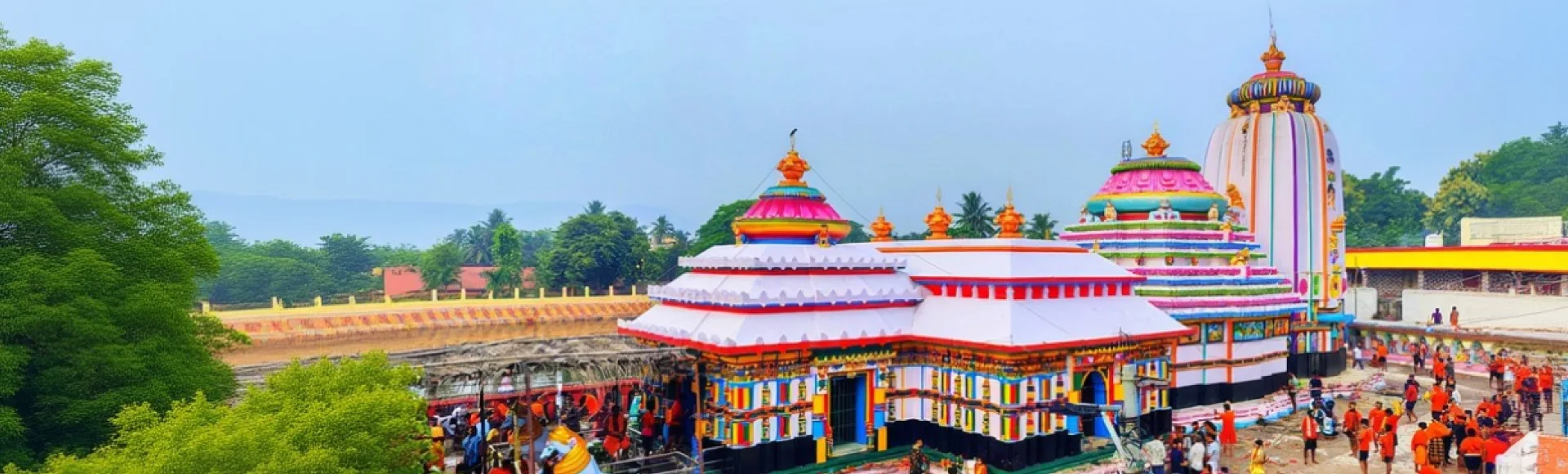
Ladu Baba Temple
Ladu Baba Temple is a shrine in Sarankul, Nayagada district, Odisha. Worshippers visit to honour Ladu Baba, offer laddus and take part in religious observances and festivals.
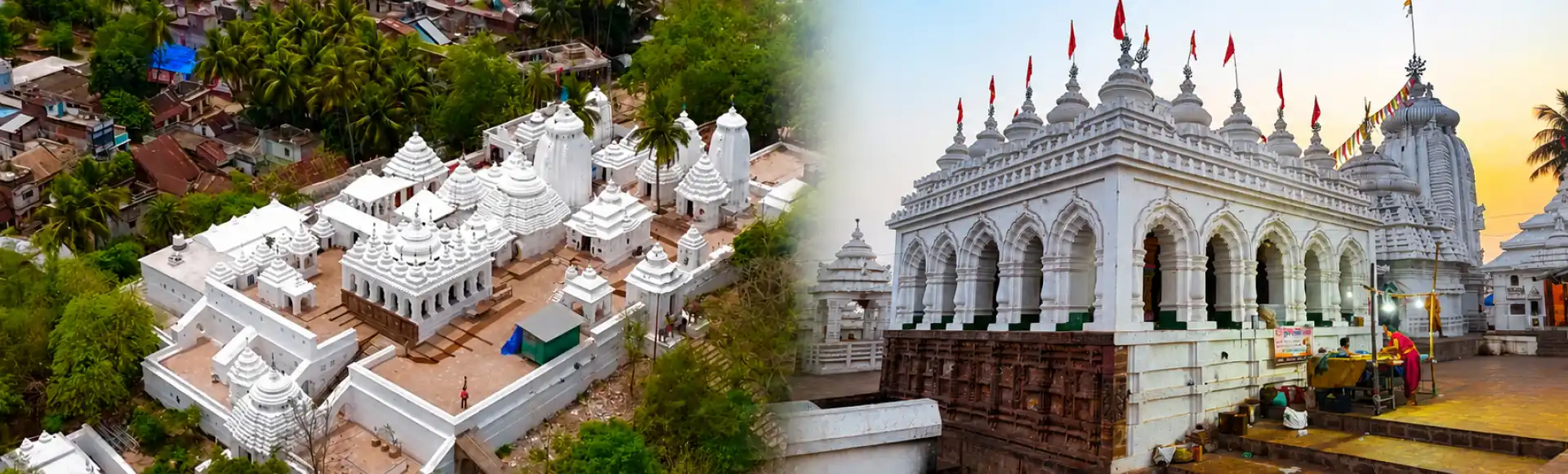
Neelamadhaba Temple, Kantilo
At Kantilo in Odisha’s Nayagada district, this hilltop Vishnu shrine draws visitors for its traditional link to the beginnings of Jagannath worship and its setting near the Mahanadi.
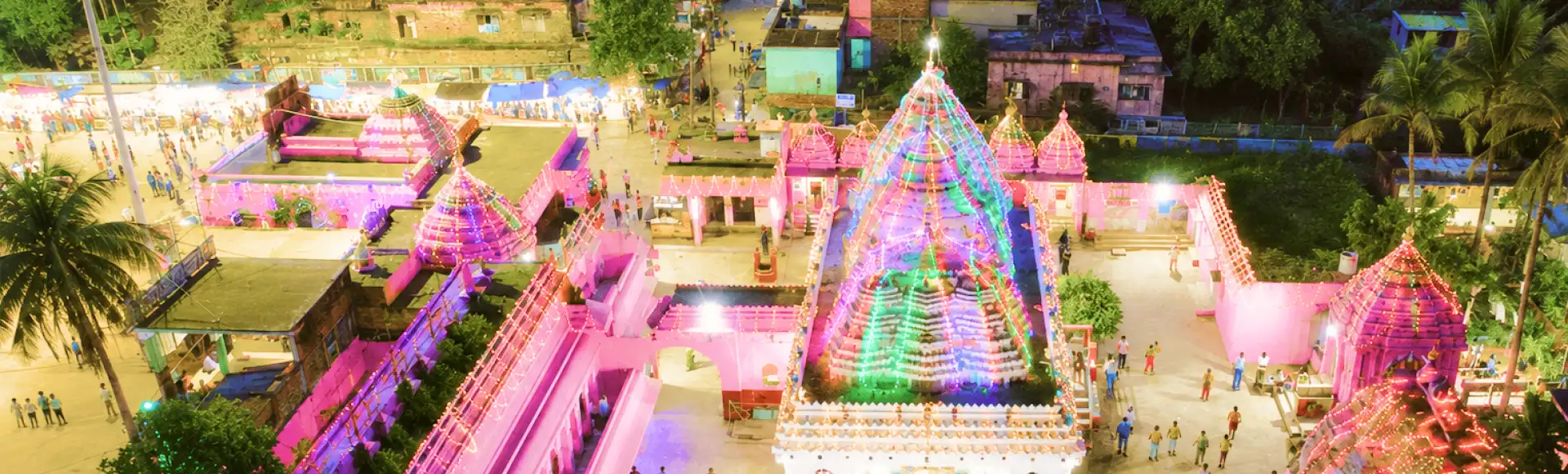
Raghunath Jew Temple
Raghunath Jew Temple in Odagaon, Nayagada district, is a prominent shrine devoted to Lord Rama. Visitors are drawn by its forest-exile images, distinctive architecture and Rama Navami observances.
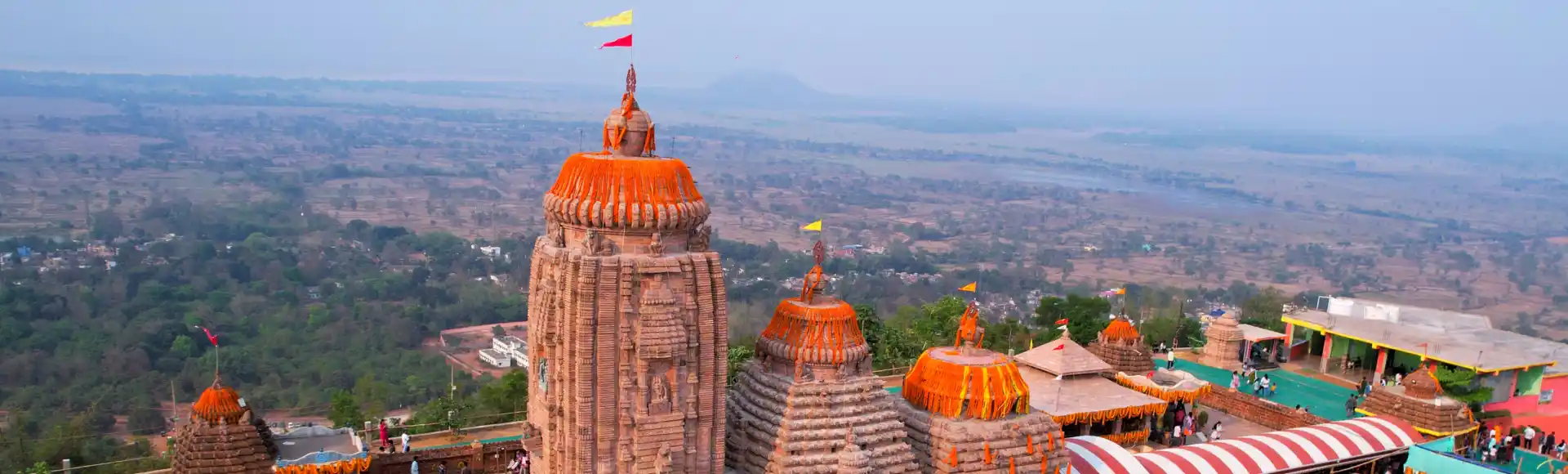
Ram Mandir, Fatehgarh
At Fatehgarh in Nayagada, Odisha, Ram Mandir is a hilltop shrine honouring Lord Ram, Lakshman and Mata Sita. Visitors come for worship and to see its Kalinga-style architecture.
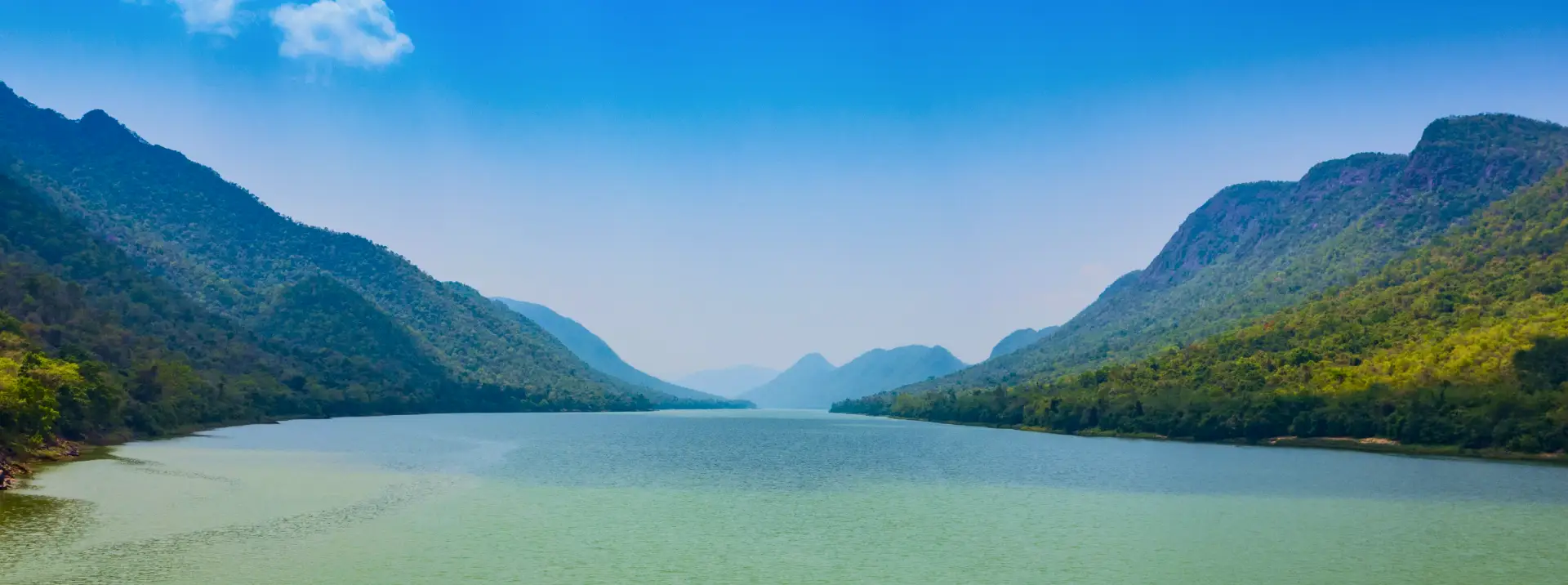
Satkosia Gorge & Tiger Reserve
Satkosia Gorge & Tiger Reserve is a protected landscape across Anugola and Nayagada districts of Odisha, drawing visitors for its river gorge, wildlife and nature-based activities.
Meals in Nayagarh reflect broader Odia food traditions: rice with dal, seasonal vegetables, and preparations such as dalma, made with lentils and vegetables. Pakhala, fermented rice served with accompaniments, is eaten in Odisha, especially in warm weather, though menus and household customs vary. Nayagarh is widely associated with chhena poda, a baked cheese dessert that is also popular across the state. At pilgrimage stops and rural attractions, food choices may be limited, so plan meals around larger towns. Ask what has been freshly prepared and tell food sellers about allergies or dietary needs.
Nayagarh is better known to visitors for its temples and natural landscapes than for a single widely documented signature craft. Across Odisha, handloom traditions include ikat weaving, while Pattachitra painting, Pipili applique and Cuttack silver filigree are well-established regional arts associated with other parts of the state. These are useful context for a wider Odisha journey, but should not be presented as crafts specific to Nayagarh. Visitors may encounter locally made ritual or household goods, though availability and makers vary; ask locally about their origins before describing them as district traditions.
Rama-related observances, including Ramanavami, are celebrated at temples such as Raghunath Jew Temple and Ram Mandir, Fatehgarh. Ladu Baba Temple at Sarankul draws devotees for its annual Rath Yatra and other Hindu observances. Kantilo is associated with a Magha-season fair and pilgrimage around Neelamadhaba Temple. Celebrations follow the Hindu lunar calendar, so their dates vary from year to year. Temple towns can become busy during major observances, with heavier traffic and fewer nearby rooms; travellers should arrange accommodation ahead when visiting during festival periods.
Elsewhere in Odisha
Nayagarh is an inland district of undulating terrain, low hills, forest and cultivated valleys, with no coastline. The Mahanadi and its tributary systems shape parts of the wider landscape; Satkosia Gorge, on the Mahanadi, is a notable natural feature shared with neighbouring Angul district. Roads connect temple towns and settlements across this varied terrain, but journeys can take longer on hilly or forest-edge stretches. The landscape is especially scenic around Satkosia and Kantilo, while changing weather can affect road conditions and access to outdoor areas.
Summer, broadly from March to June, is hot, so plan outdoor visits for cooler parts of the day and carry water, sun protection and light clothing. The monsoon, usually from June into September, brings rain and greener scenery, but showers can make rural roads and forest tracks slippery or disrupt access. Winter, from around November to February, is generally the most comfortable season for temple visits and sightseeing; mornings and evenings may feel cool. November to February is usually the best period for a district trip. Pack comfortable walking shoes, modest clothing for temples, a light layer for winter evenings and rain protection during the wet season.
Biju Patnaik International Airport in Bhubaneswar is the nearest major air gateway. Nayagarh Town railway station serves the district, while Bhubaneswar is a useful rail gateway for travellers seeking broader connections. From either city, continue by road; buses and private vehicles connect Nayagarh with Bhubaneswar and nearby towns. For temples and sites such as Satkosia, arrange onward travel from a practical base in Nayagarh or another nearby town. Local buses, shared vehicles, auto-rickshaws and taxis may be available, but service can be limited outside towns, so plan return transport in advance. Check current services locally before travelling.
Nayagarh town is a practical road hub for reaching places such as Odagaon, Sarankul, Kantilo and Fatehgarh. Local buses serve some town-to-town routes, while shared jeeps and autos may be available for shorter journeys, though services can be limited outside busy centres. A hired car or taxi offers more flexibility, especially for combining several temples or visiting Satkosia, where road access and onward arrangements should be checked locally. Boat activities, if operating, are subject to current official access and safety rules. Confirm onward transport before setting out for rural or forest-edge locations.
2 days: Neelamadhaba Temple, Kantilo → Ladu Baba Temple → Raghunath Jew Temple; sleep in Kantilo on night 1. 3 days: Satkosia Gorge & Tiger Reserve → Neelamadhaba Temple, Kantilo → Ram Mandir, Fatehgarh → Ladu Baba Temple; sleep near Satkosia on night 1 and in Nayagarh town on night 2. 4 days: Satkosia Gorge & Tiger Reserve → Neelamadhaba Temple, Kantilo → Ram Mandir, Fatehgarh → Ladu Baba Temple → Raghunath Jew Temple; sleep near Satkosia on night 1, in Kantilo on night 2 and in Nayagarh town on night 3.
Nayagarh town is a useful base for road connections and visits to several temple towns; Kantilo can suit a shorter pilgrimage-focused stay. For a Satkosia visit, look for accommodation near the intended access point and verify what is currently operating, as options can be limited and seasonal. Across the district, travellers may find modest hotels, guesthouses, homestays, religious lodgings or government-run accommodation, but availability and facilities vary. Book ahead during major temple festivals and confirm transport before choosing a more remote base.
Use care on hilly, rural and forest-edge roads, particularly after rain or after dark; allow extra time and check local road conditions before departure. At Satkosia, follow forest staff instructions, keep a safe distance from wildlife and do not enter restricted areas. Check current access, activity and permit requirements directly with the relevant forest authorities before visiting protected areas; rules can change. Carry drinking water and basic sun and insect protection, and use reliable treated or sealed water. Mobile connectivity may be patchy outside towns. Temple crowds can be dense during festivals, so keep belongings secure and take extra care with children and older visitors.
- Angulabout 50 km
- Dhenkanalabout 66 km
- Khordhaabout 72 km
- Cuttackabout 79 km
- Puriabout 90 km
- Ganjamabout 108 km
- Kandhamalabout 118 km
- Jajpurabout 131 km
Straight-line distance between the centres of each district's destinations; road distance is longer.
Q: How many days should I spend in Nayagarh? A: Two days can cover several temple destinations; allow three or four days to include Satkosia and travel at a more relaxed pace. Q: When is the best time to visit? A: November to February is generally the most comfortable season. Monsoon visits can be scenic but may involve rain-affected roads. Q: What is the best base for exploring the district? A: Nayagarh town is a practical road base, while Kantilo suits temple visits there. Stay nearer Satkosia for a nature-focused itinerary, after checking current accommodation options. Q: How do I get to Nayagarh? A: Visitors commonly travel by road from Bhubaneswar. Rail services to Nayagarh Town may be an option; check current routes and connections before travelling. Bhubaneswar is the nearest major airport for most visitors. Q: Is Nayagarh suitable for families or elderly travellers? A: Yes, with planning. Temple visits can involve steps or uneven ground, and Satkosia trips may require longer drives and outdoor walking, so choose stops and transport to suit everyone.
This page draws on our 5 destination guides for Nayagarh and is updated as our team checks it.
Be the first to share photos, stories, advice or a helpful contact for Nayagarh.
Loading…