
District · Odisha
Jagatsinghpur
Jagatsinghpur lies on Odisha’s eastern coastal plain, where the Mahanadi delta meets the Bay of Bengal.
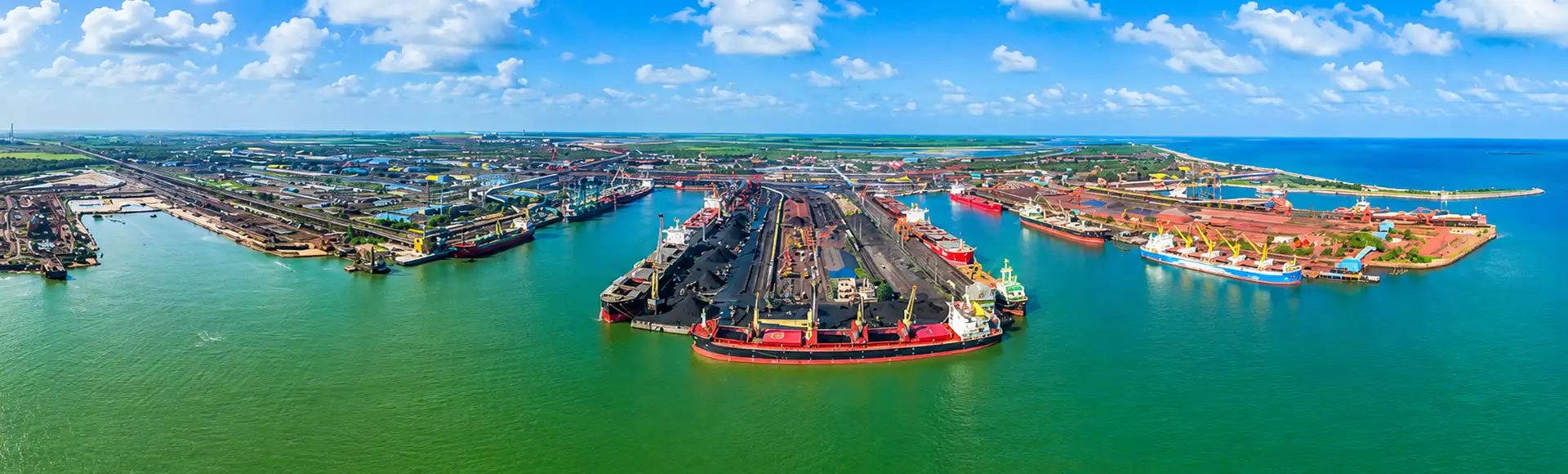
Jagatsinghpur lies on Odisha’s eastern coastal plain, where the Mahanadi delta meets the Bay of Bengal. Rivers, agricultural fields, villages and coastal settlements shape a landscape closely tied to water. Paradip gives the district a distinctive maritime and industrial character: its major port contrasts with the open shoreline and beach nearby. Inland, the Sarala Temple at Jhankad is an important religious and cultural landmark. Created as a separate district from Cuttack in 1993, Jagatsinghpur combines older agrarian and devotional traditions with modern port activity. It suits travellers interested in coastal scenery and everyday regional life, though the working port should not be treated as an unrestricted sightseeing area.
Jagatsinghpur lies on Odisha’s eastern coastal plain, where the Mahanadi delta meets the Bay of Bengal. Its waterways, farmland and coastal settlements offer a view of a region shaped by agriculture and life along the coast. The district is best known to many visitors for Paradip, a major working port whose industrial scale contrasts with the open shoreline and beach nearby. Inland, the Sarala Temple at Jhankad is an important religious and cultural landmark. Jagatsinghpur is a worthwhile stop for travellers interested in coastal scenery and everyday regional life, provided they distinguish public areas from restricted port premises.
The Jagatsinghpur area forms part of Odisha’s historic coastal plain, a region connected over many centuries to the kingdoms and political powers that ruled Kalinga and coastal Odisha. Authority changed over time, including under the Eastern Ganga and Gajapati dynasties and later Mughal and Maratha administrations. These broad regional histories should not be taken to mean that modern district boundaries existed in those periods. The Sarala shrine at Jhankad is an enduring centre of worship and local tradition, though accounts of its earliest origins include religious lore as well as history. Under British rule, the area was administered within the wider Cuttack district. After independence it remained part of Cuttack district in Odisha. Jagatsinghpur became a separate district in 1993. In the modern period, Paradip’s development as a major port brought a maritime and industrial role alongside the district’s older agricultural, coastal and devotional life. The port’s operational areas are not generally open to visitors without authorisation.
Food in Jagatsinghpur belongs to the wider Odia tradition, with rice, dal, seasonal vegetables and fish forming familiar meal combinations. Dalma, made with pulses and vegetables, and pakhala, a rice preparation served with water and accompaniments, are well-established regional dishes rather than district specialties. Around coastal settlements such as Paradip, fish and other seafood may feature on menus, depending on the outlet and the day’s catch. Chhena poda is a widely known Odisha sweet worth asking for at a reliable sweet shop. Choose freshly prepared food at busy, clean establishments, and carry drinking water and snacks for beach visits.
For craft shopping, distinguish Jagatsinghpur’s local offerings from Odisha’s better-known regional traditions. Pattachitra painting, palm-leaf engraving, applique work and handwoven textiles are associated with the wider state; their presence in a shop does not establish that they were made in this district. Pipili is particularly associated with applique, while Raghurajpur is known for its painting traditions, both outside Jagatsinghpur. Markets may offer practical woven goods, textiles and devotional objects, but specialist craft selections can be limited. Ask sellers where an item was produced, what materials were used and whether it is handmade.
Rath Yatra, Durga Puja, Raja and other widely observed Odisha festivals are celebrated in Jagatsinghpur and its surrounding region. Sarala Temple’s annual observances and fairs draw devotees to Jhankad, with the busiest period associated with the temple calendar in spring. Festival dates vary from year to year. Crowds can increase around temples and town centres during major observances, while public holidays may make coastal areas busier. Book rooms ahead if travelling during a prominent festival or holiday, especially if you need to stay in Paradip.
Elsewhere in Odisha
The district is mostly low-lying delta plain, with agricultural fields, settlements, waterways and a stretch of Bay of Bengal coast. The Mahanadi and its distributaries shape drainage and local routes; creeks and river channels are part of the wider coastal landscape. There are no prominent hill ranges in the district. On the coast, tides, shifting shore conditions and exposed weather can affect beach visits. Inland journeys often pass through villages and cultivated land, so travel times can vary with road condition, rain and local traffic.
Summer is generally hot and humid, while the monsoon brings heavy rain, damp conditions and the possibility of coastal storms. Winter is usually milder and more comfortable for road travel and time outdoors. The cooler months, broadly from late autumn through winter, are often the most pleasant time to visit; post-monsoon travel can also be rewarding, subject to weather advisories. Pack light, breathable clothing, sun protection and drinking water. In the rainy season, carry rain protection and check local warnings before setting out. Coastal breezes do not remove the need for sun protection.
Biju Patnaik International Airport in Bhubaneswar is the principal air gateway for Jagatsinghpur. Paradip railway station serves the coastal destination, while Cuttack Junction is another useful rail access point, depending on your itinerary. Road approaches run through Cuttack and Jagatsinghpur town towards Paradip. Compare connections to your actual overnight base rather than assuming the district headquarters is the best stop for every visit. Buses connect major settlements, while auto-rickshaws and hired cars can help with local journeys; arrange return transport for less busy coastal stops. Port access may require permission, so distinguish public beach areas from operational premises. Check current services locally.
Road is the main way to move between Jagatsinghpur town, Paradip and nearby settlements, with connections towards Cuttack. Buses serve major routes, but service to smaller coastal stops may be less frequent. Auto-rickshaws are useful for short local journeys; a hired car offers more flexibility for combining stops. Confirm a return ride before travelling to quieter areas. Paradip railway station serves the port town, while Cuttack is another useful rail access point. Do not assume boats are available as public transport. Port premises are operational and may require prior permission.
2 days: Paradip Port & Beach; sleep in Paradip. 3 days: Paradip Port & Beach; sleep in Paradip on night one and Jagatsinghpur town on night two.
Paradip is the most practical base for a coastal visit and access to public areas around the beach; Jagatsinghpur town can suit travellers whose plans include inland journeys. Both have hotels and simpler guesthouses or lodges, with a broader choice of stays more likely in Paradip. Homestays may be limited and should be arranged in advance. Government accommodation and dharamshalas may be available in some places, but availability and booking arrangements vary; confirm directly rather than relying on them as a walk-in option.
Check weather and coastal advisories, particularly during the monsoon and cyclone season. Follow warning signs and local guidance at the beach; currents and changing sea conditions can make swimming unsafe. Carry drinking water and use sensible food and sun precautions. Heavy rain can affect low-lying roads, and rural routes may have limited lighting or connectivity, so plan return transport in advance. Paradip is a working port: do not enter operational premises or restricted areas without authorisation. Confirm access rules with official sources before visiting port facilities; no general visitor access should be assumed.
- Kendraparaabout 48 km
- Jajpurabout 52 km
- Cuttackabout 85 km
- Khordhaabout 87 km
- Puriabout 101 km
- Dhenkanalabout 114 km
- Balasoreabout 129 km
- Nayagarhabout 158 km
Straight-line distance between the centres of each district's destinations; road distance is longer.
Q: How many days should I spend in Jagatsinghpur? A: Two days can suit a focused Paradip visit; allow three if you want a slower pace or to use more than one base. Q: When is the best time to visit? A: The cooler months are generally most comfortable. Check coastal weather advisories before travelling in the monsoon or storm season. Q: What is the best base? A: Paradip is practical for the beach and coastal visit. Jagatsinghpur town is another option for inland journeys. Q: How do I get to the district? A: Bhubaneswar airport is the main air gateway. Paradip has a railway station, and Cuttack is another useful rail access point; road connections link the district with Cuttack. Q: Is Jagatsinghpur suitable for families or elderly travellers? A: Yes, with planning. Choose accessible accommodation, allow for road travel, and take care at the beach, where conditions can change.
This page draws on our 1 destination guides for Jagatsinghpur and is updated as our team checks it.
Be the first to share photos, stories, advice or a helpful contact for Jagatsinghpur.
Loading…