
Paradip Port & Beach
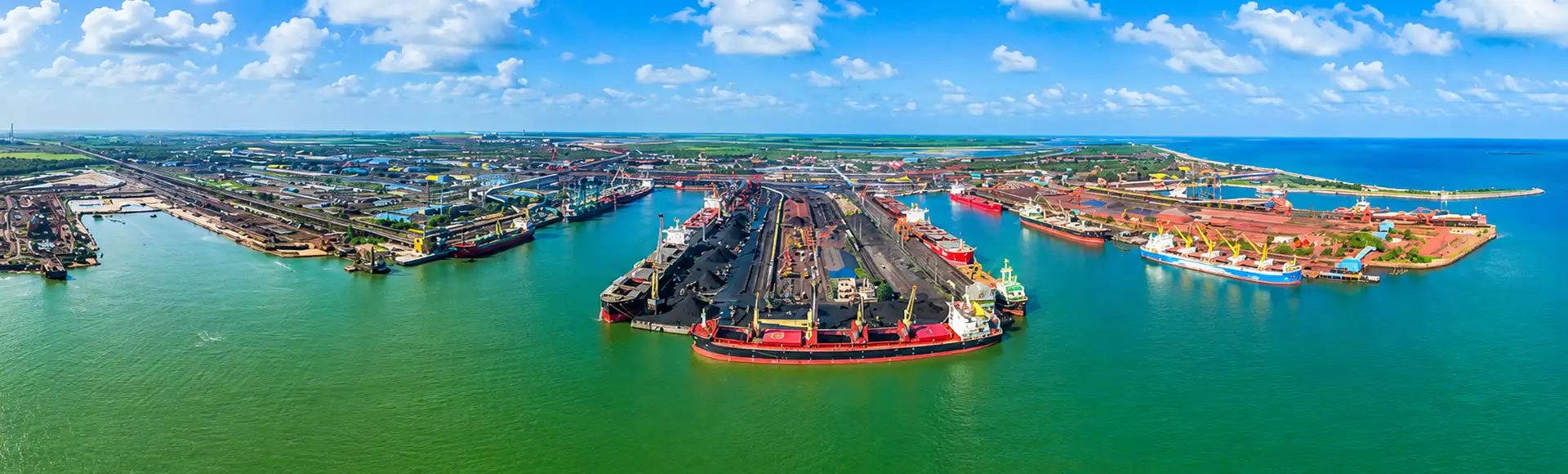
Paradip Port and Beach brings together Odisha’s major eastern seaport and a quieter Bay of Bengal shoreline. Visitors come for coastal walks, sea views and a glimpse of the town’s maritime character.
Key facts · verified by Ghumoopedia editors
- Type of place
- Natural attraction
- Best time to visit
- October – February
- Verified
- 21 Nov 2026
Plan a trip from Paradip Port & Beach — a day-by-day route through places nearby.
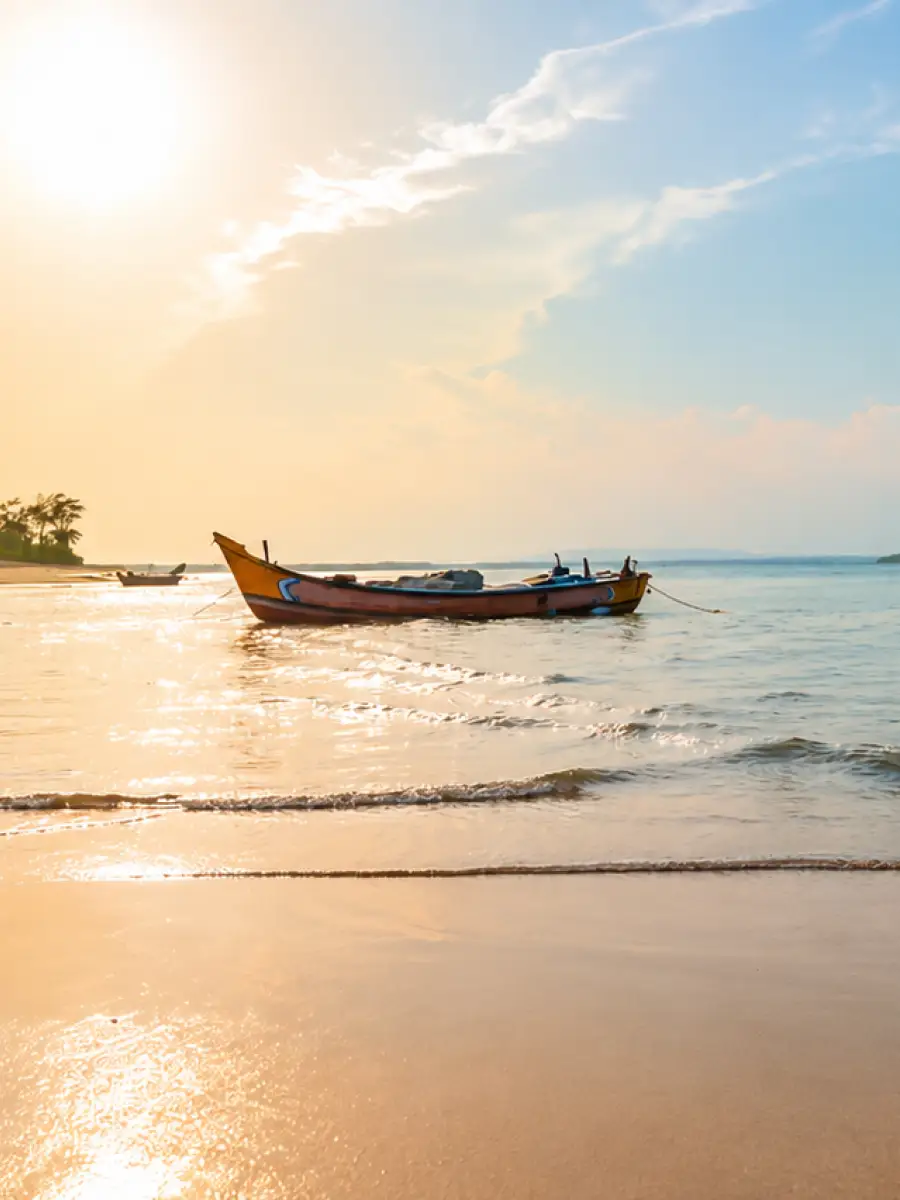
Paradip, in Odisha’s Jagatsinghpur district, is shaped by two contrasting features: a major seaport and a nearby coastline. The port ranks among India’s important seaports and contributes significantly to maritime commerce and the wider economy. It moves large quantities of cargo and gives ships access to international trade, lending the town an industrial character on India’s eastern shore. Close to this working harbour, Paradip Beach has a quieter setting beside the Bay of Bengal. Golden sand, gentle waves and the sea breeze make the shore suitable for a relaxed visit. It is generally calmer than more crowded beaches, and the surrounding areas are kept clean and maintained. Visitors can walk beside the water, look out to sea or watch ships from a distance. The contrast between port activity and the beach’s quieter atmosphere is a distinctive part of Paradip. The sea and sky offer changing views at sunrise and sunset, when the light is reflected on the water. The port remains a prominent feature of the town, but security restrictions limit access to its operating areas. Ships can be observed from afar, rather than visitors entering restricted sections. Paradip is both a port town and a coastal destination, where time by the shore sits alongside the presence of maritime trade. Plan your visit around October – February. The official suggested visit duration is 2–3 hours; treat this as time at the attraction, not the complete journey from your hotel. Odisha’s coast and plains can be hot and humid, while southern hill districts may feel cooler after sunset. Heavy monsoon rain can affect road travel and access to outdoor sites. Check the local forecast before setting out, and keep a flexible alternative for bad weather. Official destination reference: https://odishatourism.gov.in/en/places/paradip-port-beach
Why it matters
Paradip Port & Beach brings together two features that shape the identity of Paradip: a major working seaport and a Bay of Bengal shoreline. Paradip Port is an important link in India’s maritime trade and supports the movement of cargo along the eastern coast. Odisha Tourism presents the port and beach together as a destination in Jagatsinghpur district, where visitors can appreciate the contrast between commercial activity and a quieter coastal setting. The port is an operational, security-controlled facility, not an unrestricted visitor attraction; its presence is best understood from permitted public areas. The beach’s appeal is local and regional, offering a place for coastal walks and sea views. No UNESCO or ASI heritage designation is claimed for this destination.
Paradip’s modern history is closely tied to the development of its port after India’s independence. The port was planned to strengthen maritime access on the eastern coast and serve the trade needs of Odisha and the wider hinterland. Construction began in the early 1960s, and the port was commissioned in 1966. It subsequently grew into one of India’s major ports, with facilities and cargo-handling capacity developed over time as shipping and trade requirements changed. The port is now administered by Paradip Port Authority under the national framework for major ports. These changes helped transform the settlement into an important industrial and transport centre. The beach, by contrast, remains part of the natural coastal landscape and is visited for recreation and sea views. Public access to the operational port is limited by security rules, so the industrial history is generally experienced through the town’s setting and permitted viewpoints rather than a visitor tour. For detailed historical records or current visitor arrangements, consult the port authority and Odisha Tourism.
Origin stories & folklore
No widely documented origin legend specific to Paradip Port or its beach can be confidently established from the available destination information. Odisha’s coast has long been associated with seafaring, fishing and journeys across the Bay of Bengal, and local stories may reflect those broader connections. Such accounts should be treated as community traditions rather than verified histories, and they should not be presented as a single official explanation for the beach or port’s name. Visitors interested in local oral history can ask residents respectfully, while recognising that stories may vary between families and communities.
Begin with the main attraction at Paradip Port & Beach and leave time to understand its setting in Jagatsinghpur. Enjoy the shoreline from public access areas and ask lifeguards about that day’s sea conditions. A beach walk is different from a safe swimming opportunity: currents and sudden depth changes can make the water hazardous even on a calm day. Respect any turtle-nesting closures and keep artificial lights away from protected nesting areas. Keep a simple itinerary: arrive in daylight, enjoy the main visit, take a shaded meal break, then decide whether one nearby stop fits your return plan. Use the district index to find nearby places, but check the actual road route before combining them. Reserve a little time for photographs from permitted public viewpoints and avoid blocking paths while taking pictures.
Suggested itineraries
Half day: Reach the public beach access area; spend about 1–2 hours walking or resting; take a shaded break; view the port setting only from permitted public viewpoints. Full day: Explore the beach in daylight for about 2 hours; pause for a meal; visit a suitable nearby town or district attraction for 2–3 hours; return with time to spare for weather and road conditions. Gentler option: Choose a convenient public access point, enjoy sea views from a nearby resting place, and keep walking to a short, comfortable stretch with breaks.
Odia is the principal language of the region, alongside other languages used by residents, workers and visitors. Everyday life in Paradip reflects both coastal livelihoods and the routines of a port town. Odia food, seasonal observances and temple traditions are part of the wider cultural setting; music, dance and dress vary with family, community and occasion. The port also brings together people from across Odisha and other parts of India. Visitors should follow local guidance at religious places, ask before photographing people, and avoid treating work areas or fishing activity as staged attractions.
Local communities
Paradip is home to port workers, transport and service-sector employees, traders, fishers and families whose livelihoods are connected with the coast and town. Fishing communities use the wider shoreline and nearby waters, while the port supports jobs in cargo handling, logistics and related services. These livelihoods coexist, though access to operational port areas is controlled for security. Visitors can support local businesses by buying food or services respectfully and by keeping clear of working equipment, landing areas and private spaces. Do not photograph workers or fishing activity at close range without permission.
Festivals & events
Jagannath-related observances, including Rath Yatra, are celebrated in the wider region during the monsoon-season festival period; local schedules and arrangements vary. Odisha also marks major seasonal festivals such as Durga Puja, generally in autumn, and Makar Sankranti in mid-January. Paradip has hosted beach and cultural events, but their programming and occurrence can vary by year, so check current local notices before planning around them. Festival periods may bring more visitors, traffic and activity near public gathering spaces. Respect crowd-management instructions and keep clear of restricted port areas.
For a visit to Paradip Port & Beach, plan food around your base in Jagatsinghpur and do not assume that a remote entrance has a full restaurant. Odisha offers rice-based meals, dalma, vegetable preparations and sweets such as chhena poda. Availability varies by district and outlet; ask what is freshly prepared rather than expecting every local dish at every stop. Choose busy, clean establishments and tell staff about allergies, spice preferences or dietary restrictions before ordering. Carry sealed drinking water and a small snack if you are travelling beyond a town. In hot weather, take regular water breaks instead of waiting until you feel exhausted. If you choose seafood, check that it is freshly cooked and handled hygienically. Vegetarian options may be easier to arrange in your overnight base. Keep all packaging with you until you find an appropriate waste bin.
Shopping & local experiences
Paradip town is the practical place to look for everyday supplies, snacks and locally prepared Odia food. Small food sellers near public areas may operate, but selection and availability vary. Visitors can ask in town about locally made items or regional products rather than assuming there is a dedicated souvenir market at the beach. Choose packaged goods responsibly and avoid buying shells, wildlife products or anything taken from protected coastal habitats. Carry reusable water bottles and dispose of packaging properly.
The beach faces the Bay of Bengal and is characterised by open sea views, sandy shore and changing coastal conditions. Sea breeze, waves and light vary with season and weather; a calm appearance does not guarantee safe swimming, as currents and sudden depth changes can be hazardous. Paradip is also part of a wider coastal landscape shaped by estuaries, rivers and nearby mangrove ecosystems. Those habitats support diverse wildlife and birdlife in the region, but sightings at the beach are never assured. Stay within public access areas, follow lifeguard advice, avoid disturbing wildlife, and take litter away. Check local weather and sea-condition advice before setting out, especially during the monsoon.
October – February
Start by choosing a practical overnight base in or near Jagatsinghpur, rather than assuming every attraction has its own railway station. Odisha Tourism lists this rail access: Nearest railway station – Paradip / Kataka. The listed air access is: Nearest airport – Biju Patnaik International Airport, Bhubaneswar. Road access: Accessible by road via Kataka & Jagatsinghpur. Compare train, bus and flight options door to door. Rail can suit overnight journeys and travellers who prefer to avoid a long drive. A bus may be useful between district towns, but the last service may finish before your visit ends. A flight only saves time if airport transfers, check-in and the final road leg are included. Reserve the return leg before departure and allow time for traffic, meals and weather. Check IRCTC and NTES for trains, OSRTC for buses, and the airline’s own schedule for flights. Do not rely on an unconfirmed connection or assume taxis will wait at a remote site.
Confirm onward and return timings on IRCTC / NTES, the state bus operator or your airline before travel. A dash means current timings or fares have not been verified.
Getting around
On arrival in Paradip, visitors can use local autos or arrange a taxi for the beach and town, confirming the drop-off point with the driver. Local buses may connect parts of the town and nearby settlements, though services and stopping points should be checked locally. The shoreline is suitable for a walk only where public access and conditions allow; avoid walking into port or work zones. Parking may be available near public access points, but capacity and rules vary. Boat trips are not a standard assumption for this visit: use one only if an authorised local operator confirms availability and safety.
Hours, tickets & permissions
The beach is a public coastal area, but access and facilities can be affected by local conditions or safety directions. The adjacent port is an operating, security-controlled site; entry to port premises may require official permission and is not assured for casual visitors. Ticketing, camera rules, identification requirements and any temporary restrictions can change by location or occasion. Confirm current access arrangements, hours and fees with Odisha Tourism or the relevant local or port authority before travelling. Follow posted notices and instructions from security staff and lifeguards.
Facilities
Facilities near public beach access points may include basic parking, small food outlets and toilets, but availability and upkeep can vary; check locally before relying on them. Carry drinking water and any personal essentials, and use a shaded meal break during hot or humid weather. Shops and additional services are available in Paradip town. ATMs and accommodation are more likely to be found in town than directly on the shore. Formal guides are not necessarily available at the beach, and the port should not be assumed to offer public tours.
Accessibility
The beach is a natural sandy shoreline, so the walking surface can be uneven or soft and may be difficult for wheelchairs, strollers and visitors with limited mobility. Access paths, steps, shade, seating and the distance from parking can vary by entry point; check conditions locally before setting out. Even a short walk on sand can be tiring, particularly in heat or humidity. Elderly visitors may find it more comfortable to enjoy the sea from a firm public area and avoid approaching the waterline. Do not assume accessible toilets, ramps or beach mobility equipment are available.
At Paradip Port & Beach, local access rules take priority over any suggested itinerary. Reconfirm opening arrangements, entry eligibility, permits and weather restrictions shortly before arrival. Keep the emergency number 112 available and save your accommodation’s contact details offline. A map pin identifies a general location, not an assurance that the approach road or walking path is safe. Ask local staff which entrance visitors should use. Follow lifeguard flags and do not swim on an unsupervised stretch. Avoid isolated shoreline walks after dark, protect valuables from water and keep clear of operational port areas. Carry only necessary valuables, keep rubbish out of the site, and leave enough daylight for the return journey.
Photography
Early morning and late afternoon often provide softer light for shoreline photographs, though weather and haze affect visibility. Use public areas for views of the beach and distant port activity; do not enter restricted premises or photograph security installations where prohibited. Ask permission before taking close portraits of residents, fishers or workers. Drone use may be restricted near the port and other sensitive areas, so check applicable rules with local authorities and do not fly without required permission. Keep paths clear and avoid disturbing people or wildlife.
Choose accommodation by the complete journey to Paradip Port & Beach, not by the district name alone. A room in a well-connected town in Jagatsinghpur may offer easier transport, meals and medical access than a property advertised as being close to the attraction. Check the exact location, recent guest feedback, reception hours and cancellation terms. Ask how you will reach the site and return after the visit, especially if you are not driving. For a coastal stay, check whether your room faces a busy promenade or a quieter road, and ask about safe public access to the beach. A sea-facing room does not imply a supervised swimming area. Book only through a trusted accommodation channel, avoid sending payments to an unverified personal contact, and keep written confirmation of the services included.
Within Jagatsinghpur district, Sarala Temple at Jhankad is a recognised regional religious site and may suit visitors interested in local temple traditions; check its current visitor arrangements before combining the trip. Jagatsinghpur town offers a practical stop for everyday services and food. Bhitarkanika National Park, in neighbouring Kendrapara district, is a wider regional nature excursion rather than an immediate beach-side stop; travel and access planning should be checked separately, especially in wet weather. Avoid combining distant places without checking the actual road route and allowing enough time for the return journey.
For couples visiting Paradip Port & Beach, keep the day relaxed: one main visit, a meal break and a return transfer arranged in advance. Choose public viewpoints for photographs and respect religious or community expectations around behaviour and clothing. Confirm the accommodation’s check-in requirements before booking. Avoid secluded paths after dark and do not trade a safe return plan for a late photograph. A quieter weekday may suit you, but opening and access arrangements still need local confirmation.
Q: How much time should I allow for Paradip Port & Beach? A: The suggested visit is about 2–3 hours at the attraction, not including travel from your accommodation. Q: When is a good season to visit? A: October to February is the suggested period. Check the forecast, as coastal weather and sea conditions can change. Q: Is the port open for visitors, and is there an entry fee? A: The port is a security-controlled working facility, so public entry is restricted. Confirm current beach access and any fees with the relevant authority. Q: Is the beach suitable for children and elderly visitors? A: It can suit a short outing, but the sand may be uneven and swimming can be hazardous. Stay with children and follow lifeguard advice; choose a short, firm walking route if mobility is limited. Q: Where should I stay nearby? A: Paradip town is a practical base for the beach and local services. Check current accommodation availability and transport arrangements before booking.
Be the first to share photos, stories, advice or a helpful contact for Paradip Port & Beach.
Loading…