
Ghumoopedia — Explore, Discover, Experience
Sign in
Paradip Port & Beach, near Paradip

City guide · Odisha

Paradip

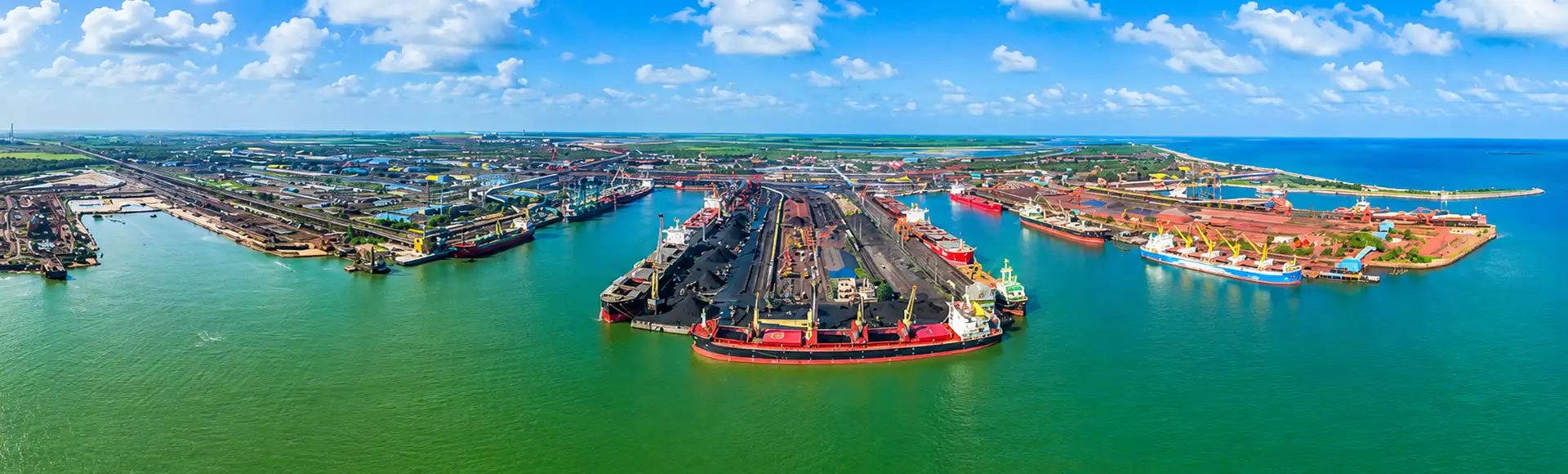
Paradip is a coastal port city in Jagatsinghpur district, where Odisha’s industrial economy meets the Bay of Bengal. Its deep-water port is the main maritime gateway for the state and a major point for moving bulk cargo, including coal and iron ore.

Famous for

  • Paradip Port
  • Oil refining
  • Fertilizer production
  • Coal and iron ore
  • Bay of Bengal coast
In the city
1
District
Jagatsinghpur

Why Paradip matters

Paradip is a coastal port city in Jagatsinghpur district, where Odisha’s industrial economy meets the Bay of Bengal. Its deep-water port is the main maritime gateway for the state and a major point for moving bulk cargo, including coal and iron ore. Refineries, fertilizer plants and other industrial facilities have made the city an important centre for trade, logistics and energy-related industries.

Visitors come for the sea, the working harbour and a glimpse of a port city shaped by shipping and industry. The shoreline offers a change of pace from the industrial districts, while the port’s scale gives Paradip a distinctive character among Odisha’s coastal towns. It is also a useful base for travellers exploring the wider Jagatsinghpur coast. Paradip is less known for heritage shopping or monumental architecture than for its maritime role, coastal setting and contribution to the region’s economy.

Famous for: crafts, trade & products

Paradip is best known for industrial production and maritime trade rather than for a signature textile, handicraft or GI-tagged product. The port handles bulk commodities such as thermal coal and iron ore, while nearby facilities produce refined petroleum products, fertilizers, calcined petroleum coke and edible oil. These industries, along with container and logistics operations, shape the city’s commercial identity. The products are largely destined for industrial and agricultural supply chains, not visitor shopping.

The refinery and fertilizer plants are prominent parts of the industrial landscape, but access to operational facilities and the port is controlled; visitors should not assume they can tour them. For everyday purchases, local markets and shops serve residents and workers, with groceries, clothing and household goods rather than a specialist craft district. Odisha handicrafts and handloom products may be found through broader regional retail channels, but they are not distinctive products of Paradip itself. Travellers seeking crafts are better served by planning a separate visit to established craft centres elsewhere in the state.

History

Paradip’s early importance came from its links to inland waterways. In the 17th century, the Mahanadi and its branches connected the area with Cuttack, while the Brahmani and Dhamra rivers carried goods from rural districts. Silting gradually reduced the usefulness of these routes. The British built a harbour at False Point in 1819, and later surveys considered Paradip’s potential for shipping rice. During the famine of 1866, the coast became an important entry point for imported food.

A minor port opened in 1958 through the efforts of the Odisha government. The foundation stone for a major port was laid by Prime Minister Jawaharlal Nehru in 1962; it was completed in 1965 and formally opened in 1966. Port administration followed in 1967. The port’s growth drew industries and workers, transforming a coastal settlement into a major industrial municipality. Paradip became a notified area in 1979 and a municipality in 2002.

Food, festivals & culture

Odia is the principal language of daily life, alongside Hindi and other languages used by the city’s diverse workforce. Coastal cooking makes use of fish and seafood, while familiar Odia meals include rice, dalma, vegetable dishes and pakhala, a fermented rice preparation especially welcome in hot weather. Regional sweets such as chhena poda and rasagola are also enjoyed, though Paradip is not particularly identified with a single local sweet.

The religious calendar follows wider Odia traditions. Rath Yatra, usually in June or July, is marked with devotion to Jagannath; Durga Puja comes in autumn, and Raja Parba in June celebrates womanhood and the monsoon season. Kartika Purnima, generally in October or November, recalls Odisha’s seafaring heritage and is especially fitting in a port town. Odissi is the state’s classical dance, while folk music and community performances enliven festival gatherings. Local Jagannath temples and neighbourhood shrines serve residents and visitors.

Visiting the city

The cooler, drier months from October to February are generally the most comfortable time to visit. Summers are hot and humid, and monsoon weather can bring heavy rain. The nearest commercial airport is Biju Patnaik International Airport in Bhubaneswar. Paradip railway station is the city’s main rail stop, with rail and bus connections linking it to Cuttack and other destinations. National Highway 53 and State Highway 12 provide road access.

Auto-rickshaws, local vehicles and taxis can help with getting around; agree on arrangements before setting out. Explore the waterfront and beach areas for coastal views, and visit local markets for everyday shopping and a sense of city life. Industrial and port zones are working areas, so follow access restrictions and do not expect unrestricted entry. Paradip also works as a starting point for exploring the surrounding coast.

Attractions

Places to visit in Paradip

Sights within about 12 km of each other, even when they fall in different districts.

Map

Paradip on the map

  1. 1Paradip Port & Beach

Odisha

Other cities to explore