
Satkosia Gorge & Tiger Reserve
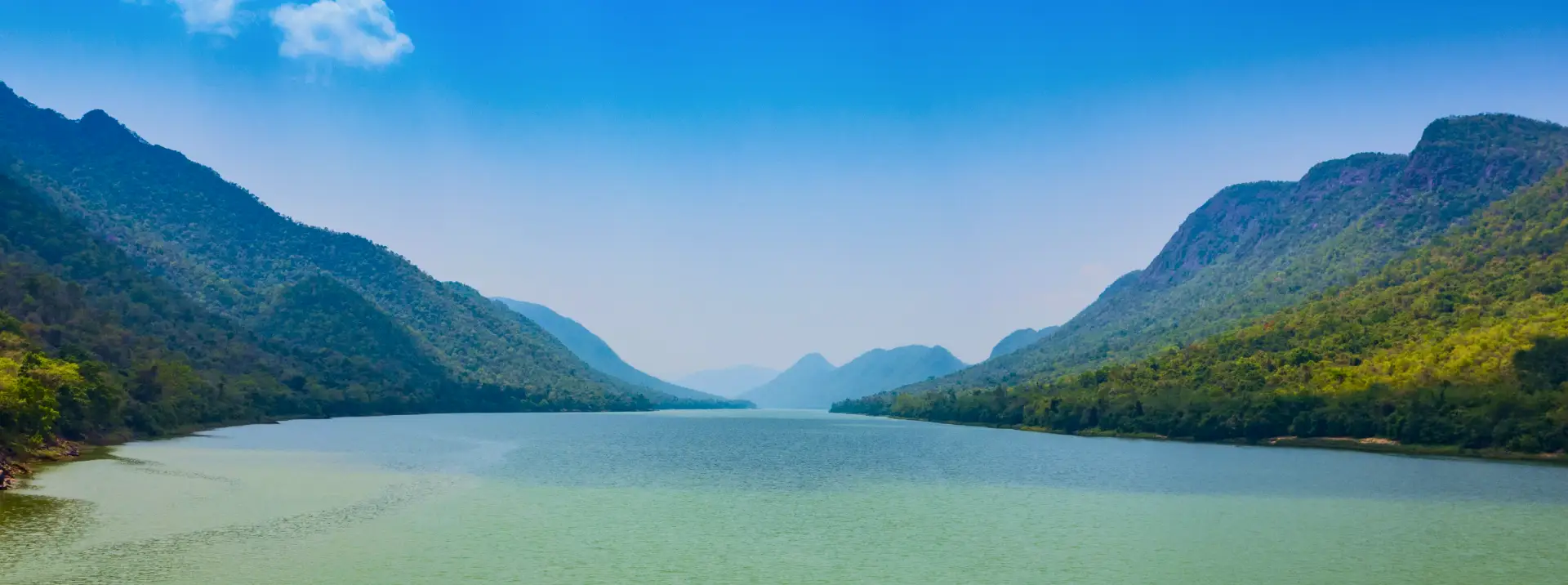
Satkosia Gorge & Tiger Reserve is a protected landscape across Anugola and Nayagada districts of Odisha, drawing visitors for its river gorge, wildlife and nature-based activities.
Key facts · verified by Ghumoopedia editors
- Type of place
- National park / sanctuary
- Best time to visit
- November – March
- Verified
- 21 Nov 2026
Plan a trip from Satkosia Gorge & Tiger Reserve — a day-by-day route through places nearby.
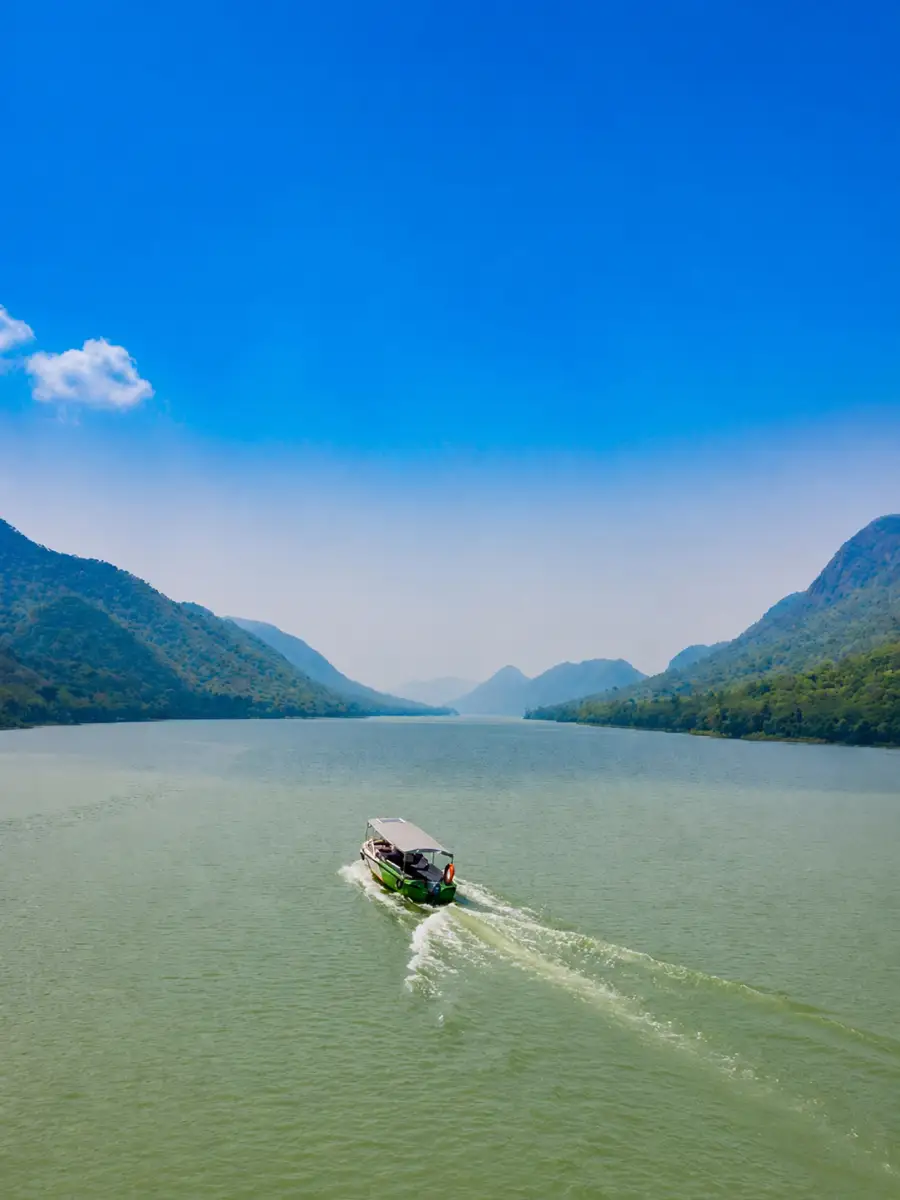
Situated in Satkosia, Nayagada, Odisha, the reserve extends across Anugola and Nayagada districts. Its name refers to the Mahanadi’s 22-kilometre gorge; Satkosia means seven kos. Wooded slopes and valleys meet the river as it passes through the Eastern Ghats. Sal, teak and bamboo grow in forests that shelter elephants, leopards, sambar, spotted deer and wild boar, along with varied birdlife. The Mahanadi is also habitat for gharials and mugger crocodiles, giving the area importance for animals of both land and water. Visitors can explore by jungle safari, on foot or by boat, and stay at nature camps. The eco-camps at Tikarpada, Chhotkei and Baghamunda offer accommodation and opportunities to watch birds, join guided walks and spend time beside the river. The reserve’s natural setting and Indigenous communities are part of the experience. Forest, gorge and river form a connected landscape where land-based wildlife and aquatic species occur side by side. The camps make it possible to stay near these habitats while taking part in outdoor activities. Plan your visit around November – March. The official suggested visit duration is 1-2 Day; treat this as time at the attraction, not the complete journey from your hotel. Odisha’s coast and plains can be hot and humid, while southern hill districts may feel cooler after sunset. Heavy monsoon rain can affect road travel and access to outdoor sites. Check the local forecast before setting out, and keep a flexible alternative for bad weather. Official destination reference: https://odishatourism.gov.in/en/places/satkosia-gorge-tiger-reserve
Why it matters
Satkosia is a protected landscape centred on a dramatic stretch of the Mahanadi River, where the river cuts through the Eastern Ghats. Odisha Tourism describes the gorge as about 22 kilometres long and explains the name Satkosia as meaning “seven kos.” The reserve spans Angul and Nayagarh districts and combines important river, forest and wildlife habitats. It is recognised nationally as a tiger reserve under India’s Project Tiger framework; its protected areas also contribute to conservation of gharials and mugger crocodiles in the Mahanadi. The landscape matters regionally for its biodiversity and locally for nature-based tourism and livelihoods. It is not a UNESCO World Heritage Site, and visitors should distinguish the tiger reserve from individual sanctuaries and tourism sites within its wider landscape.
The name Satkosia is traditionally explained as “seven kos,” referring to the gorge along the Mahanadi. The river’s passage through forested hills has shaped both the landscape and patterns of travel and settlement in the region. The area’s modern conservation history developed through the protection of separate forest and wildlife areas: Satkosia Gorge Wildlife Sanctuary is generally dated to 1976, and Baisipalli Wildlife Sanctuary to 1981. These protected areas were brought together in the Satkosia Tiger Reserve, established in 2007 under India’s tiger conservation programme. This designation added a landscape-scale focus to the area’s existing wildlife protection, while conservation attention also includes the river’s gharials and mugger crocodiles. The reserve is not a historic fort or built monument; its defining heritage is ecological and connected to the Mahanadi and surrounding forests. Tourism has developed around places such as Tikarpada and forest eco-camps, with access and activities managed subject to conservation needs. Dates and administrative arrangements can be checked with the forest department, as boundaries and visitor facilities may be described differently across local sources.
Begin with the main attraction at Satkosia Gorge & Tiger Reserve and leave time to understand its setting in Nayagarh. Use marked viewpoints and permitted trails, and ask whether a forest permit, guide or boat booking is required. Observe animals from a safe distance; a wildlife visit never guarantees a particular sighting. Waterfalls and riverbanks are best enjoyed from protected viewing areas rather than by climbing wet rocks. Keep a simple itinerary: arrive in daylight, enjoy the main visit, take a shaded meal break, then decide whether one nearby stop fits your return plan. Use the district index to find nearby places, but check the actual road route before combining them. Reserve a little time for photographs from permitted public viewpoints and avoid blocking paths while taking pictures.
Suggested itineraries
Half day: Arrive at an authorised visitor point (allow time for entry arrangements); spend 1–2 hours at a permitted gorge or river viewpoint; take a shaded break; finish with a short guided nature walk if conditions allow. Full day: Start with a guided forest or wildlife experience (about 2–3 hours); rest and have a meal; visit a permitted Mahanadi viewpoint or arrange an authorised boat experience (about 1–2 hours); allow time for birdwatching and the return drive. Gentler option: Choose one accessible viewpoint near your accommodation, keep walking to a minimum, and enjoy a slow riverside or forest-edge visit from a permitted public area.
Culture around Satkosia reflects the wider communities of Odisha’s river and forest districts. Odia is widely used, alongside local speech varieties and languages spoken by Adivasi communities. Regional music, dance, food customs and seasonal observances are part of everyday life, though practices vary between villages and should not be treated as a single “Satkosia” tradition. Visitors may encounter local ingredients and home-style Odia dishes through nearby settlements or tourism facilities, depending on what is operating. Ask before photographing people, homes or cultural events, and follow local guidance at community spaces. The reserve is a living landscape as well as a wildlife destination, so respectful conduct matters beyond formal visitor areas.
Local communities
People living in and around the Satkosia landscape include Odia-speaking rural communities and Adivasi communities; specific identities and customs vary by settlement. Livelihoods in the wider area can include farming, fishing where permitted, forest-related work, animal husbandry and tourism services. Guides, boat operators and eco-camp staff may help visitors experience the landscape, subject to current forest rules and availability. Conservation measures can affect how people use forest and river resources, so avoid making assumptions about local livelihoods or access rights. Choose locally operated services where available, ask permission before taking photographs, and respect community privacy and forest-department restrictions.
Festivals & events
Seasonal festivals observed in the wider region include Raja, associated with the monsoon season, and Makar Sankranti, observed in mid-January; Nuakhai is also celebrated in parts of western Odisha, though practices and prominence vary locally. These are regional observances rather than festivals specific to the tiger reserve. Village events may bring extra activity to local roads and markets, but dates and public access arrangements vary each year. Ask locally before planning around a celebration, and do not enter private or religious spaces without invitation. The reserve itself is primarily a wildlife and conservation destination, so visitors should not expect a regular festival programme or fair on site.
For a visit to Satkosia Gorge & Tiger Reserve, plan food around your base in Nayagarh and do not assume that a remote entrance has a full restaurant. Odisha offers rice-based meals, dalma, vegetable preparations and sweets such as chhena poda. Availability varies by district and outlet; ask what is freshly prepared rather than expecting every local dish at every stop. Choose busy, clean establishments and tell staff about allergies, spice preferences or dietary restrictions before ordering. Carry sealed drinking water and a small snack if you are travelling beyond a town. In hot weather, take regular water breaks instead of waiting until you feel exhausted. For early starts, arrange breakfast in advance and ask your accommodation whether a packed meal is practical. Keep all packaging with you until you find an appropriate waste bin.
Shopping & local experiences
Shopping options are more likely to be found in nearby towns and villages than at remote forest viewpoints. Look for locally made handicrafts or everyday goods where they are genuinely produced and sold by local makers, and ask before photographing stalls or people. Small shops may offer snacks and basic supplies, but selection can be limited near the reserve. Try regional Odia food through an established local eatery or arranged camp meal, depending on availability. Avoid buying wildlife products, animal parts or items made from protected plants, and take reusable bags to reduce litter.
Satkosia’s landscape combines the Mahanadi River and its gorge with forested hills, valleys and riverbanks. Odisha Tourism describes the gorge as roughly 22 kilometres long. Sal, teak and bamboo are among the vegetation reported in the reserve, alongside other mixed forest species. The habitat supports wildlife including elephants, leopards, sambar, spotted deer and wild boar, as well as varied birdlife; sightings are never guaranteed. The river is important for gharials and mugger crocodiles, which should be observed only from permitted areas and a safe distance. Water levels, rain and forest conditions can change access to banks, trails and boating. Keep to authorised routes and avoid disturbing wildlife or damaging plants.
November – March
Start by choosing a practical overnight base in or near Nayagarh, rather than assuming every attraction has its own railway station. Odisha Tourism lists this rail access: Nearest railway station – Anugola. The listed air access is: Nearest airport – Biju Patnaik International Airport, Bhubaneswar. Road access: Accessible by road via Anugola & Nayagada. Compare train, bus and flight options door to door. Rail can suit overnight journeys and travellers who prefer to avoid a long drive. A bus may be useful between district towns, but the last service may finish before your visit ends. A flight only saves time if airport transfers, check-in and the final road leg are included. Reserve the return leg before departure and allow time for traffic, meals and weather. Check IRCTC and NTES for trains, OSRTC for buses, and the airline’s own schedule for flights. Do not rely on an unconfirmed connection or assume taxis will wait at a remote site.
Confirm onward and return timings on IRCTC / NTES, the state bus operator or your airline before travel. A dash means current timings or fares have not been verified.
Getting around
Satkosia is spread across a large forest and river landscape, so local transport should be arranged around the specific entry point or camp you plan to visit. Taxis or hired cars from a town or accommodation base are usually more practical than relying on local buses for the final leg. Ask your stay or the forest authority about authorised guides, vehicles and boat arrangements; availability can vary. Walking is suitable only on permitted routes and with local guidance. Parking may be available at visitor facilities, but check in advance, especially during busy periods. Do not assume an auto, bus or boat will be available for a return trip.
Hours, tickets & permissions
Entry to forest and wildlife areas may require a valid permit, an authorised guide or vehicle, or a separately arranged boat visit, depending on the location and activity. Camera conditions and charges, where applicable, can also differ by site and may change. Carry identification if the managing authority requests it, and follow instructions at entry points. Do not assume that every trail, camp or river access point is open to visitors. Confirm current opening arrangements, entry rules and fees with the Odisha Forest Department or the relevant site operator before travelling; the official tourism listing is also useful for planning.
Facilities
Facilities vary between Tikarpada, eco-camps and other access points. Toilets, drinking water, meals, parking and staff assistance may be available at established visitor facilities, but should not be assumed at remote viewpoints or trailheads. Eco-camp accommodation and guided activities may need advance arrangement and can be affected by season or forest rules. Mobile connectivity and cash or banking services may be limited away from towns; plan essentials before entering remote areas. Check locally for food options, guides, boat access and the nearest reliable ATM, and carry drinking water and any personal supplies you need.
Accessibility
The reserve is a natural landscape rather than a purpose-built, uniformly accessible attraction. Surfaces may be uneven, trails can be steep or muddy, and access to river viewpoints or boats may involve steps, slopes or unpaved ground. Shade and walking distances vary by site, and monsoon conditions can make paths harder to manage. Wheelchair and stroller access should not be assumed; contact the relevant facility before setting out to discuss the specific route. Older visitors or anyone with limited mobility may prefer a vehicle-based visit and a nearby viewpoint, with a companion and rest breaks. Avoid wet rocks and riverbanks.
At Satkosia Gorge & Tiger Reserve, local access rules take priority over any suggested itinerary. Reconfirm opening arrangements, entry eligibility, permits and weather restrictions shortly before arrival. Keep the emergency number 112 available and save your accommodation’s contact details offline. A map pin identifies a general location, not an assurance that the approach road or walking path is safe. Ask local staff which entrance visitors should use. Do not cross barriers, approach wildlife or enter deep water. Slippery rocks, steep edges and sudden changes in river flow can be dangerous. Leave exposed trails if a storm develops, and never take a forest shortcut without authorization. Carry only necessary valuables, keep rubbish out of the site, and leave enough daylight for the return journey.
Visitor rules
Follow forest staff instructions, use only marked or authorised trails, and do not enter restricted forest or river areas. Wear practical clothing and closed, grippy footwear; conditions can be hot, wet or muddy. Keep a safe distance from wildlife, never feed or call animals, and keep noise low. Carry rubbish out and avoid single-use plastic where possible; do not leave food scraps. Photography may be limited in particular places or activities, so ask before using equipment. Do not approach crocodiles, climb wet rocks, light fires or disturb plants, nests or local residents. Check current permit and guide requirements before travel.
Photography
Soft morning or late-afternoon light can bring out the gorge, river and forest textures, but conditions vary with weather and season. Use only permitted public viewpoints and keep paths clear while taking pictures. Wildlife photography should be patient and distant; never approach animals or use calls, bait or flash if it may disturb them. Ask permission before photographing residents, workers or cultural events, and respect anyone who declines. Drone use may be restricted or require official permission in a protected area; do not fly one without written clearance from the relevant authority. Confirm camera rules for boats, camps and entry zones locally.
Choose accommodation by the complete journey to Satkosia Gorge & Tiger Reserve, not by the district name alone. A room in a well-connected town in Nayagarh may offer easier transport, meals and medical access than a property advertised as being close to the attraction. Check the exact location, recent guest feedback, reception hours and cancellation terms. Ask how you will reach the site and return after the visit, especially if you are not driving. Nature camps and forest stays may require advance reservations and have seasonal restrictions. Confirm meals, electricity, phone coverage, guided activities and the last permitted entry time directly with the operator. Book only through a trusted accommodation channel, avoid sending payments to an unverified personal contact, and keep written confirmation of the services included.
Tikarpada is a well-known access point in the Satkosia landscape and is associated with the Mahanadi gorge and wildlife tourism. Baisipalli Wildlife Sanctuary forms part of the wider protected landscape and may be relevant to visitors planning a longer nature-focused trip, subject to access rules. Eco-camps at Chhotkei and Baghamunda are other named places in the reserve area, but accommodation and visitor access should be confirmed before making plans. These places are not necessarily quick side trips from one another: check road conditions, entry points and the actual route before combining stops. Avoid entering protected areas without the required permission.
For couples visiting Satkosia Gorge & Tiger Reserve, keep the day relaxed: one main visit, a meal break and a return transfer arranged in advance. Choose public viewpoints for photographs and respect religious or community expectations around behaviour and clothing. Confirm the accommodation’s check-in requirements before booking. Avoid secluded paths after dark and do not trade a safe return plan for a late photograph. A quieter weekday may suit you, but opening and access arrangements still need local confirmation.
Q: How much time should I allow for Satkosia? A: The suggested visit duration is one to two days at the attraction. Add separate time for travel to your chosen entry point. Q: When is a good season to visit? A: November to March is the suggested period. Check the forecast, as rain can affect roads, boating and forest access. Q: Do I need permission to enter? A: Entry, guiding and activity requirements depend on the site. Confirm current permits and arrangements with the forest authority or operator. Q: Is Satkosia suitable for children and older visitors? A: It can be, with supervision and a carefully chosen, vehicle-based or short-walk visit. Terrain and access vary, so check the specific site first. Q: Where can I stay nearby? A: Eco-camps at Tikarpada, Chhotkei and Baghamunda are named options in the reserve area. Confirm current operation, booking and access arrangements before travelling.
Be the first to share photos, stories, advice or a helpful contact for Satkosia Gorge & Tiger Reserve.
Loading…