
District · Andhra Pradesh
NTR
NTR district is centred on Vijayawada, a major urban, commercial and pilgrimage hub in coastal Andhra Pradesh.
NTR district centres on Vijayawada, a busy commercial and pilgrimage city beside the Krishna River in Andhra Pradesh. Riverfront landscapes, rocky hills and agricultural countryside give the district a character that extends beyond its urban core. Created in 2022 and named after N. T. Rama Rao, it brings together places with much older cultural histories. Kanaka Durga Temple is a major focus of religious life, while Bapu Museum introduces visitors to the region’s archaeological heritage. Prakasam Barrage is a prominent river landmark linking Vijayawada with the Guntur side. The rock-cut Undavalli Caves, often visited from Vijayawada, lie across the river in neighbouring Guntur district rather than within NTR district.
NTR district is centred on Vijayawada, a major urban, commercial and pilgrimage hub in coastal Andhra Pradesh. Travellers come for the riverside setting, the hilltop Kanaka Durga Temple, the archaeological collections of Bapu Museum and the broad Krishna River views at Prakasam Barrage. The district also offers a glimpse of the busy agricultural and transport corridors around the city. Its 2022 creation gave a new administrative boundary to places with much older histories. Undavalli Caves are often paired with a Vijayawada visit, but they lie across the river in neighbouring Guntur district.
The Krishna River corridor around present-day NTR district has long connected inland settlements with the coast and supported agriculture, trade and religious life. The wider region saw the influence of several South Indian powers, including the Satavahanas, Vishnukundins, Eastern Chalukyas, Kakatiyas and Vijayanagara rulers; control and influence shifted over time. Vijayawada developed as an important settlement beside the river, and Kanaka Durga Temple became a major centre of worship. Under British rule, the area formed part of the Madras Presidency. After independence it was included in Andhra State, formed in 1953, and then in Andhra Pradesh, established in 1956. Vijayawada grew as a railway, road and commercial centre. In 2022, NTR district was formed from parts of the former Krishna district and named after actor and former Andhra Pradesh chief minister N. T. Rama Rao. Its recent administrative history sits alongside the much older histories of its towns and sacred sites.
4 destination guides
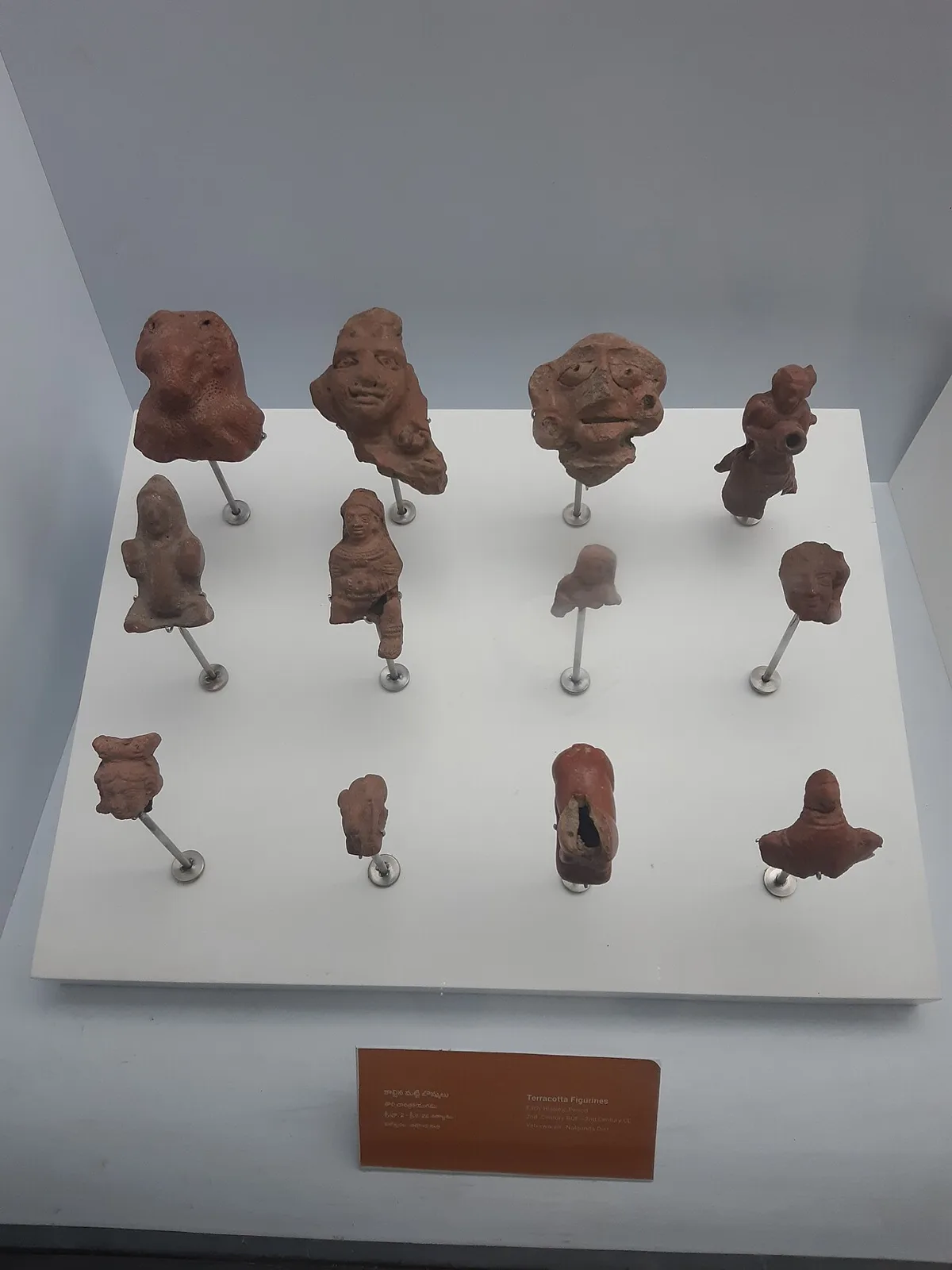
Bapu Museum
Bapu Museum is an archaeological museum in Vijayawada, housed in a century-old Indo-European-style building. Visitors explore its sculptures, paintings and artefacts linked to Buddhist and Hindu heritage.
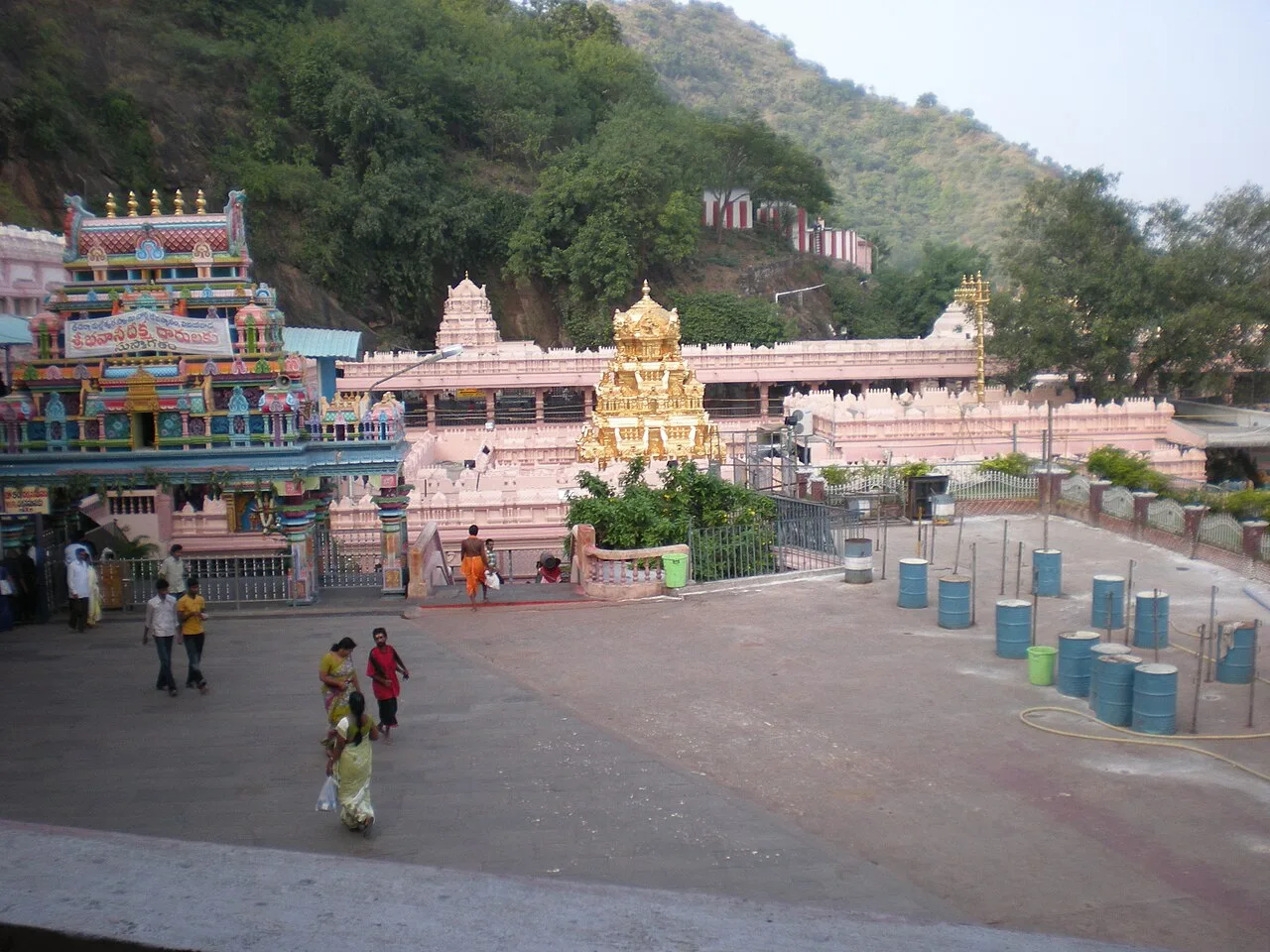
Kanaka Durga Temple, Vijayawada
Set on Indrakeeladri hill in Vijayawada, this Hindu shrine is devoted to Kanaka Durga. Visitors come to worship the deity, whose presence at the hill is recorded in sacred texts.
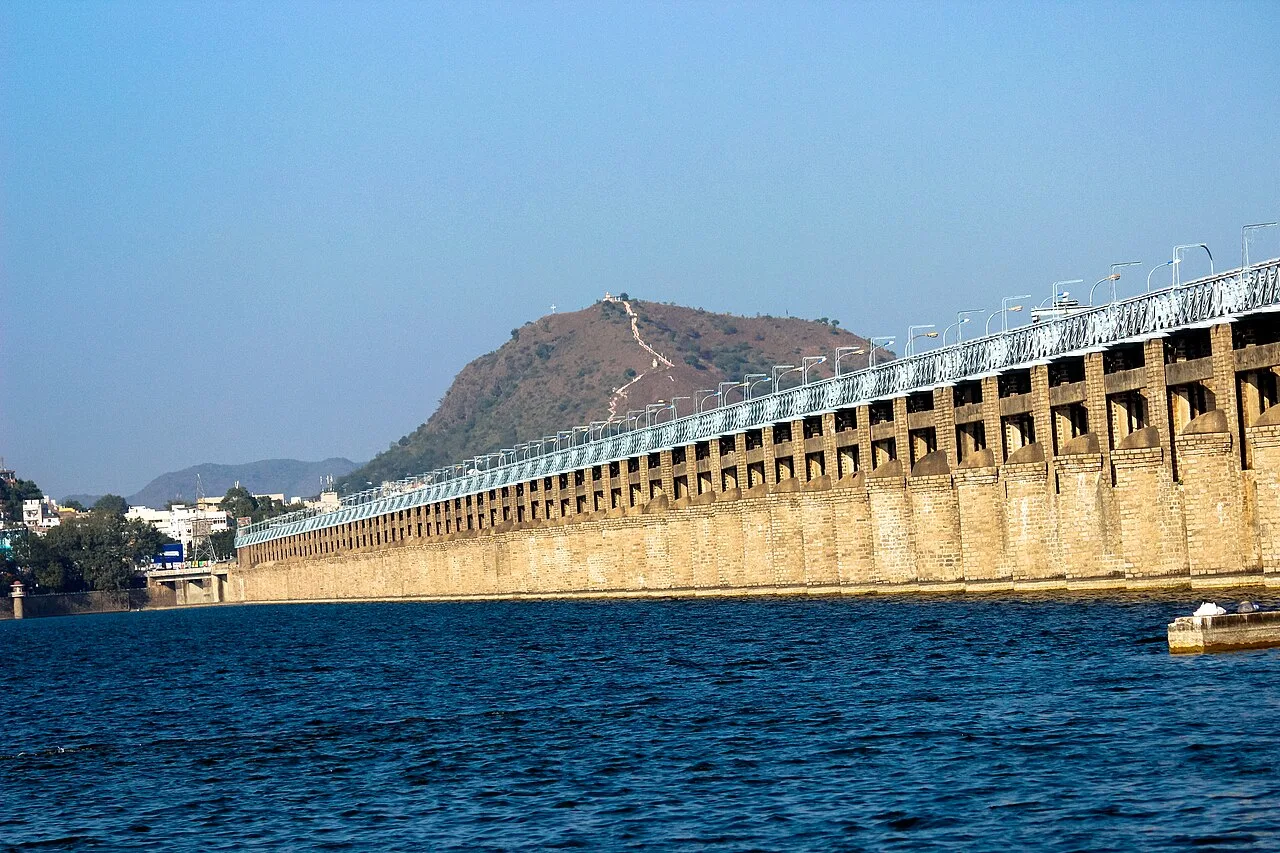
Prakasam Barrage
Prakasam Barrage is a tidal crossing on the Krishna River in Andhra Pradesh, linking Vijayawada and Guntur districts. Visitors can see its road span, the lake held by its wall and canals crossing Vijayawada.
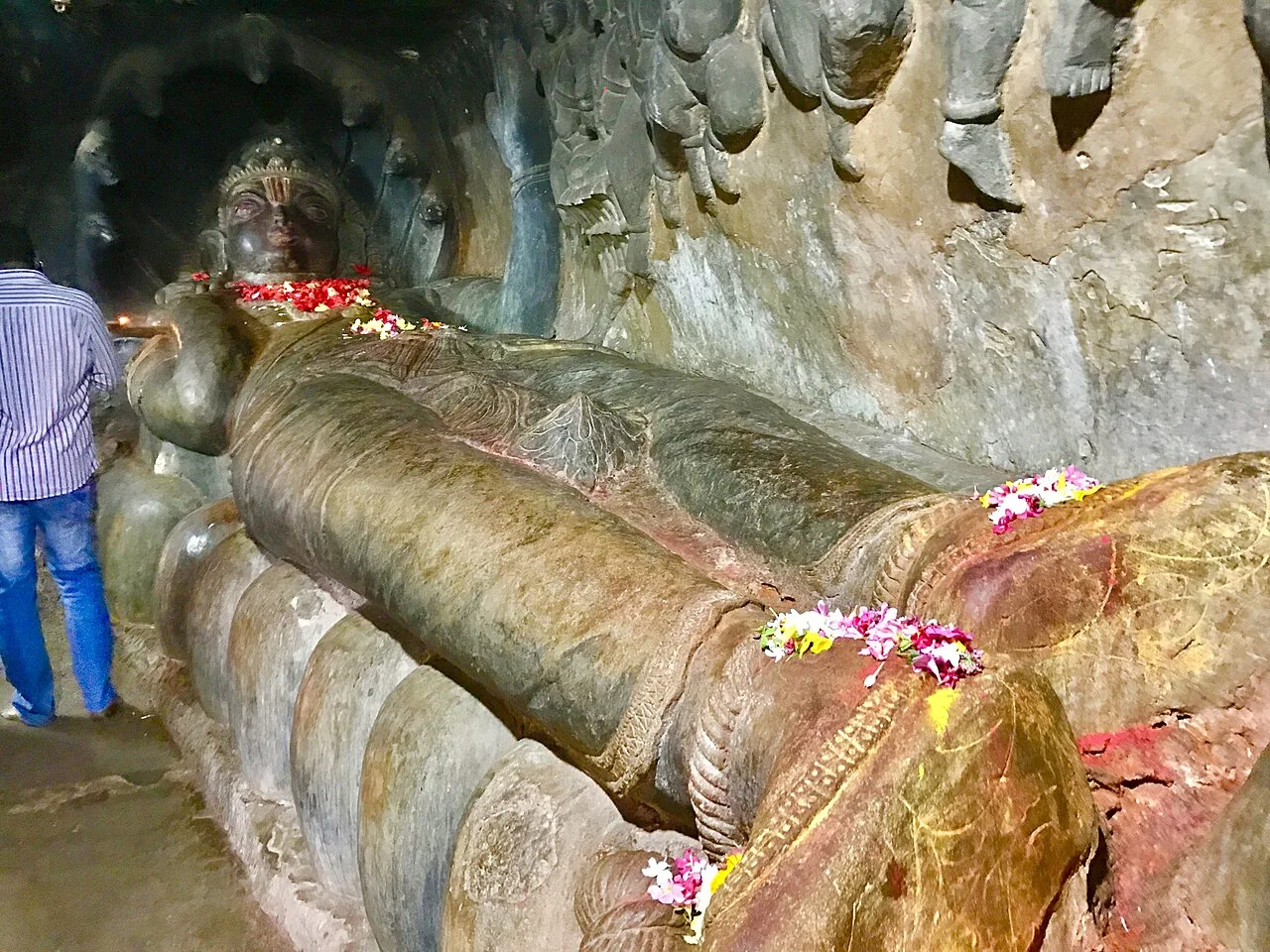
Undavalli Caves
Undavalli Caves is a monolithic rock-cut site in Andhra Pradesh, drawing interest for its sandstone carvings and association with the Vishnukundina period.
Food in NTR district reflects the wider coastal Andhra tradition, with rice, pappu, vegetable preparations, pickles and curd forming the backbone of everyday meals. Gongura and avakaya bring characteristic sourness and heat, while pesarattu with upma is a familiar breakfast choice. Pulihora appears in both household cooking and religious settings. Vijayawada offers vegetarian meals as well as non-vegetarian Andhra cooking; banana-leaf service is found in some traditional eateries. Pootharekulu and bandar laddu are sweets associated with the wider region, not uniquely with NTR district. Ask about the day’s menu and request milder spice if needed.
Kondapalli, in NTR district, is known for its painted wooden toys, a well-established craft tradition associated with the village. Artisans carve lightweight softwood into figures depicting animals, occupations, village scenes and mythological subjects, then assemble and colour them. Visiting workshops offers a more direct introduction to the craft than browsing general souvenir stalls. Handloom textiles also belong to the wider region’s cultural landscape: Mangalagiri, across the Krishna in neighbouring Guntur district, is known for cotton weaving. These textiles may be sold in Vijayawada, but their weaving tradition should not be presented as originating in NTR district.
Dasara, usually in September or October, is especially important at Kanaka Durga Temple, where worship and pilgrimage draw large crowds. Vijayawada also observes major Hindu festivals such as Sankranti in January and Ugadi in spring. The Krishna Pushkaram, a river pilgrimage held periodically, can bring exceptional visitor numbers when it takes place. During major temple festivals and river gatherings, roads may be congested and accommodation in Vijayawada can fill quickly; booking ahead and allowing extra time for local travel are sensible.
The district is shaped by the Krishna River, with Vijayawada occupying a busy urban setting beside its broad channel. Rocky hills rise around the city, while flatter agricultural countryside extends through the surrounding district. The river and barrage form prominent landmarks and influence road routes between Vijayawada and neighbouring areas. Urban traffic is often the main consideration within the city; trips into the countryside can take longer because services are less frequent. Undavalli Caves are across the river in Guntur district, so visiting them involves travel beyond NTR district.
NTR district has hot summers, a monsoon season and generally milder winters. Summer, particularly from late spring into early monsoon, can make outdoor visits tiring during the middle of the day. Monsoon rain can affect road conditions and travel times, so keep plans flexible. The cooler, drier months from roughly November to February are usually the most comfortable for sightseeing and walking around temple areas. Light breathable clothing, sun protection and a refillable water bottle are useful for much of the year; carry rain protection during the monsoon and modest clothing for temple visits.
Vijayawada is the main gateway for exploring NTR district. Vijayawada Airport at Gannavaram serves the area, while Vijayawada Junction is the principal railway station and a major rail interchange. National Highway 16 and National Highway 65 provide important road connections, and APSRTC buses link Vijayawada with surrounding towns and other regional centres. Within the city, buses, autorickshaws and taxis are practical options; a hired vehicle can help with trips to Kondapalli or sites across the river. Allow extra travel time around busy temple areas and during festivals. Check current services locally.
Vijayawada is the main base for local travel, with buses, autorickshaws and taxis serving the city and its transport hubs. National Highways 16 and 65 connect the city with regional road networks, while APSRTC services link it with nearby towns. Taxis or a hired vehicle can be convenient for trips to sites outside the central area. Reaching Undavalli Caves requires crossing into Guntur district; check the route and current river-crossing arrangements before setting out. Do not assume regular passenger boat services, and allow extra time near temple precincts and during festivals.
2 days: Kanaka Durga Temple, Vijayawada → Bapu Museum → Prakasam Barrage; sleep both nights in Vijayawada. 3 days: Kanaka Durga Temple, Vijayawada → Bapu Museum → Prakasam Barrage → Undavalli Caves; sleep all three nights in Vijayawada. Undavalli Caves are across the river in Guntur district.
Vijayawada is the most practical base for all the listed sights and offers the broadest choice of hotels, guesthouses and pilgrim-oriented accommodation. Staying near the city centre or transport links can simplify day trips, while temple-area lodging may suit visitors focused on worship. Dharamshalas and other basic pilgrim stays may be available, but facilities and booking arrangements vary. Homestays and government accommodation are less predictable; confirm availability directly before planning around them.
Vijayawada’s main practical risks are road traffic, heat and crowding around the temple, especially during festivals. Drink safe water, carry water when walking and use sun protection in hot weather. Take care on steps and uneven surfaces at religious or heritage sites, and follow site staff instructions. Monsoon showers can make roads slippery or slow; check local conditions before longer drives. Mobile connectivity is generally available in urban areas but may be less reliable on rural routes. Check current access arrangements for each site; no special permit requirement is stated here.
- Krishnaabout 30 km
- Gunturabout 47 km
- Eluruabout 65 km
- Bapatlaabout 76 km
- West Godavariabout 81 km
- Khammam · Telanganaabout 92 km
- Suryapet · Telanganaabout 109 km
- Konaseemaabout 121 km
Straight-line distance between the centres of each district's destinations; road distance is longer.
Q: How many days should I spend in NTR district? A: Two days suit Vijayawada’s main sights; allow three days if you also want to visit Undavalli Caves across the river in Guntur district. Q: When is the best time to visit? A: November to February is generally more comfortable for sightseeing. Expect larger crowds during major temple festivals. Q: What is the best base for exploring? A: Vijayawada is the most practical base, with transport links and the widest range of accommodation. Q: How do I get to NTR district? A: Vijayawada is served by an airport at Gannavaram, Vijayawada Junction and regional road connections, including National Highways 16 and 65. Q: Is the district suitable for families or elderly travellers? A: Yes, though temple steps, crowds, heat and traffic can be challenging. Plan breaks, check access needs in advance and consider a taxi for local trips.
This page draws on our 4 destination guides for NTR and is updated as our team checks it.
Be the first to share photos, stories, advice or a helpful contact for NTR.
Loading…