
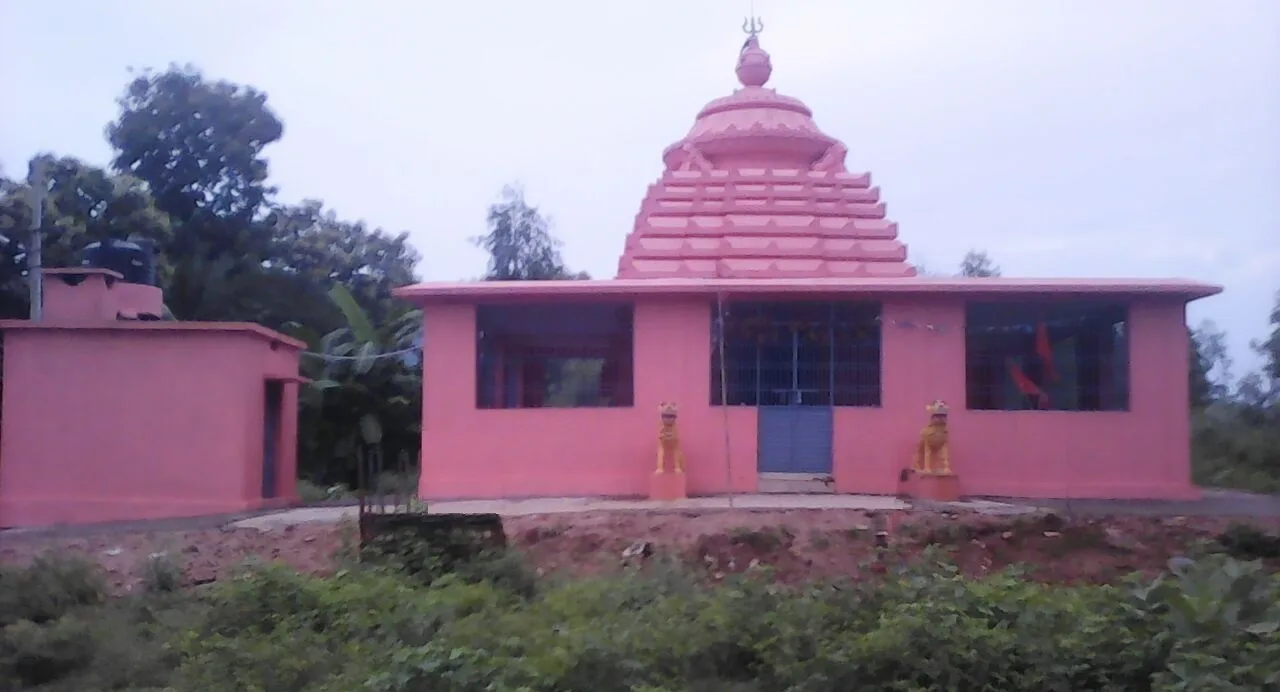
District · Andhra Pradesh
Palnadu
Palnadu lies in the western part of Andhra Pradesh, where the Krishna River and the Nagarjuna Sagar reservoir meet a drier interior landscape.
Palnadu lies in the interior of Andhra Pradesh, where dry plains and cultivated valleys meet the forested slopes of the Nallamala range. The Krishna River and the Nagarjuna Sagar reservoir shape the district’s western landscape, while Ethipothala Falls and the island site of Nagarjunakonda draw visitors to its river country. The area is closely associated with the Palnati Yuddham, a celebrated medieval conflict remembered in Telugu history and oral tradition. Nagarjunakonda preserves evidence of the region’s ancient Buddhist past, including remains connected with the Ikshvaku period. Formed as a separate district in 2022, Palnadu brings together historic towns, rural communities and striking landscapes, with Narasaraopet as its administrative centre.
Palnadu lies in the western part of Andhra Pradesh, where the Krishna River and the Nagarjuna Sagar reservoir meet a drier interior landscape. Travellers come for the cross-border Nagarjuna Sagar Dam, the cascade at Ethipothala Falls and the archaeological island of Nagarjunakonda, known for remains associated with the ancient Ikshvaku period. The district is also associated with the medieval Palnadu conflict, remembered in regional history and folklore. These places make Palnadu a worthwhile stop for visitors interested in water landscapes, archaeology and local history. Visits usually involve road travel between separate sites, so it helps to plan transport and overnight stops in advance.
The area has a long history of settlement and religious activity. At ancient Vijayapuri, now associated with Nagarjunakonda, the Ikshvaku dynasty ruled during the third and fourth centuries CE, and the site developed as an important Buddhist centre. Palnadu is also remembered for a medieval conflict between rival ruling branches, traditionally linked with the Haihayas and the Battle of Karempudi. Accounts of the conflict survive in regional chronicles and oral tradition, though details are not all equally well established. Over later centuries, the wider region came under changing South Indian powers, including the Kakatiyas and Vijayanagara rulers, followed by Deccan sultanate and Mughal-era authorities. Under British rule, it formed part of the Madras Presidency. After independence, the territory became part of Andhra State and then Andhra Pradesh. Palnadu district was created in 2022 from areas that had been part of the former Guntur district, as part of Andhra Pradesh's district reorganisation.
4 destination guides
Durgi Stone-Carving Village
Durgi, in Palnadu district, Andhra Pradesh, is an administrative centre known for its limestone carving tradition. Visitors come to learn about the craft and see the work artisans continue to produce.
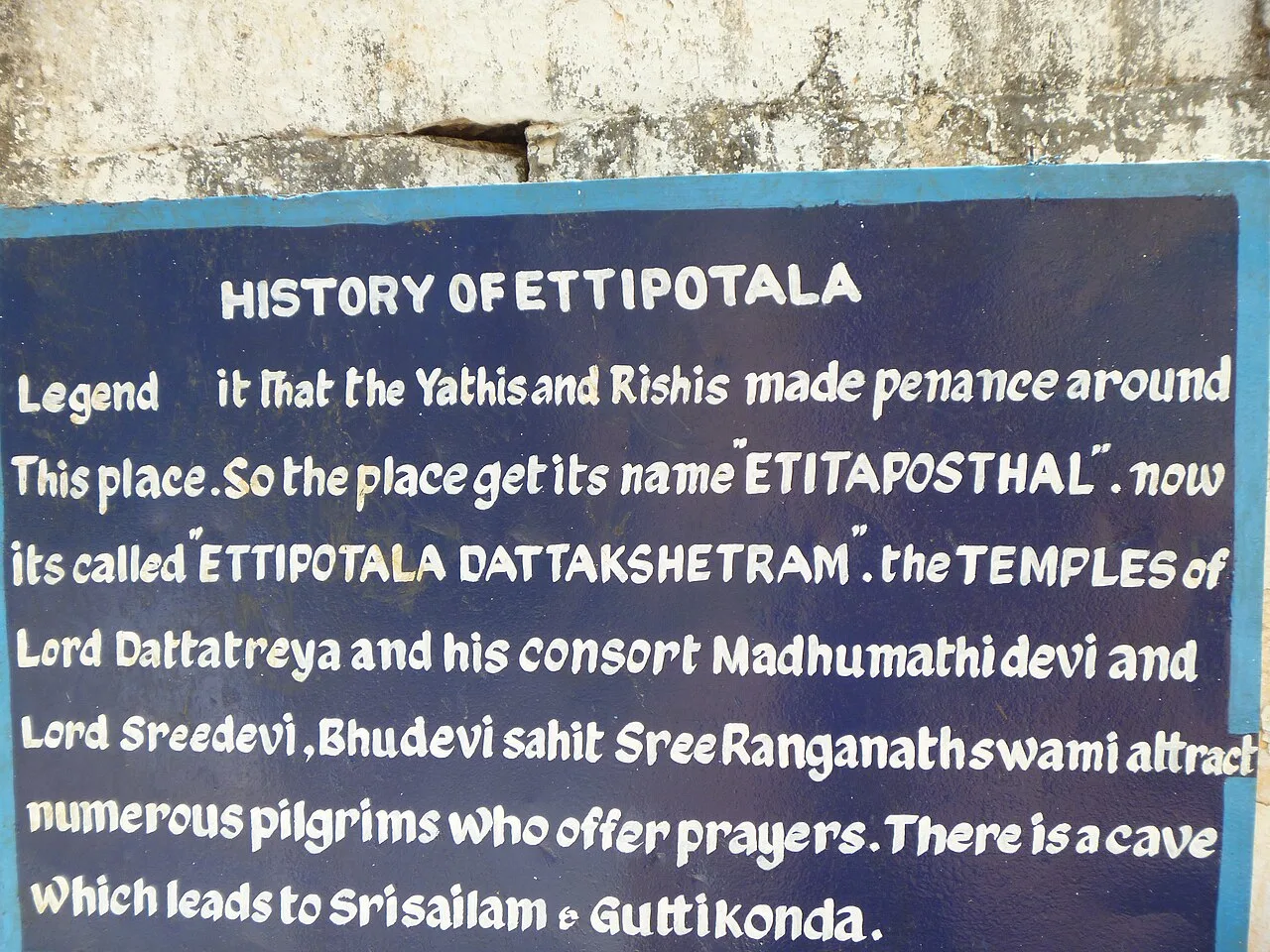
Ethipothala Falls
Ethipothala Falls is a 70-foot cascade in Palnadu district, formed by three streams. Visitors come to see the waterfall and crocodile breeding centre and visit the nearby temple.
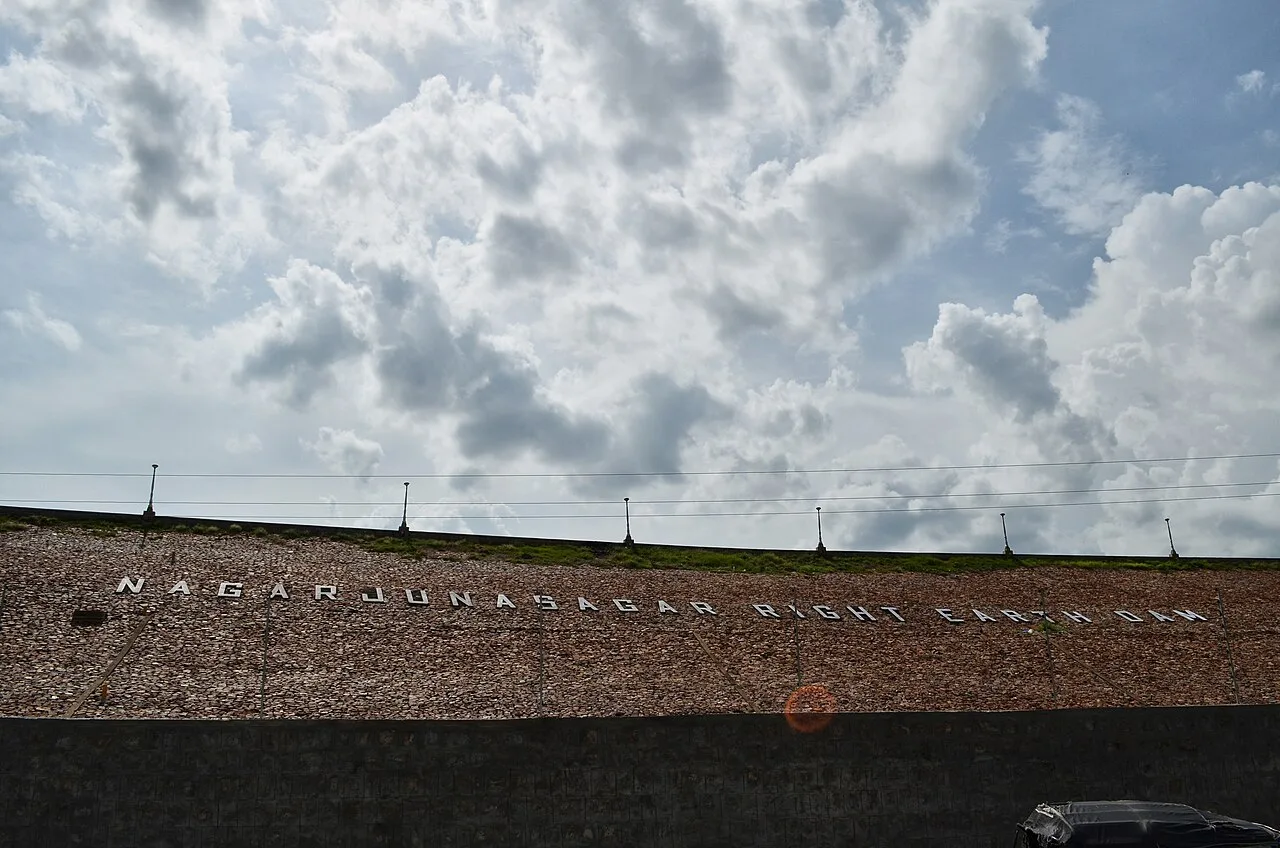
Nagarjuna Sagar Dam
Nagarjuna Sagar Dam is a major masonry structure on the Krishna River, shared by Telangana and Andhra Pradesh. Visitors come to see its scale, reservoir and role in irrigation and electricity generation.

Nagarjunakonda
Nagarjunakonda is an archaeological island in Andhra Pradesh, preserving relocated remains of the historic settlement of Vijayapuri. Visitors come to see its Buddhist and Hindu remains and learn about its monastic centre.
Palnadu’s food belongs to the wider Andhra tradition: rice meals served with pungent pickles such as avakaya, tangy gongura preparations, pulihora and pesarattu. In the district’s drier interior, millet dishes may also feature in local cooking, though menus vary between towns and villages. Small eateries often prepare a limited selection each day, so asking what is fresh can be helpful. Andhra dishes can be very hot; request a milder version if needed, and try curd rice to balance stronger flavours. Food options may be limited near rural attractions, so plan accordingly.
Palnadu is better known for its history and landscapes than as a major, clearly documented craft or handloom centre. Visitors may find locally made household goods and textiles in town markets, but availability varies. In the wider Andhra region, handloom weaving, Kalamkari textile work and the leather shadow-puppet tradition of tholu bommalata are among the best-known arts; these should not be mistaken for crafts exclusive to Palnadu. For a more reliable sense of local production, browse market stalls and ask sellers where an item was made.
Sankranti in midwinter, Ugadi in spring and Dasara in autumn are observed across the district, with family gatherings and activity in town markets. Local temple celebrations and fairs take place at different times of year. The Palnadu region's history is commemorated through events associated with Karempudi; schedules can vary, so check locally before travelling. Crowds and demand for rooms can rise around major temple festivals and fairs, especially in nearby towns. Accommodation at the sights themselves is limited, so reserve a base in Macherla or another larger town in advance when travelling during a celebration.
Palnadu is largely an inland district of dry plains and rolling uplands, with more rugged, forested country toward the Nallamala hills in the west. The Krishna River and its reservoir shape the area's best-known water scenery: Nagarjuna Sagar Dam spans the district border, while Ethipothala Falls lies in the surrounding river-and-stream landscape. The broad distances between settlements and attractions mean road journeys are central to a visit. In the hotter, drier interior, shade and drinking water matter; around the reservoir and falls, water levels and access conditions can affect activities.
Palnadu has hot summers, a monsoon season and a comparatively cooler, drier winter. Summer heat can make midday sightseeing tiring, especially on exposed roads and around archaeological remains. Monsoon showers may bring greener scenery but can also affect road conditions, waterfall access and boat operations on the reservoir. The cooler months, broadly from late autumn through winter, are generally the most comfortable time to visit. Pack light clothing, sun protection and a hat; carry a light rain layer during the monsoon and warmer clothing for cooler evenings in winter. Sturdy footwear is useful at uneven archaeological ground and near the falls.
Guntur Junction is a principal rail gateway for Palnadu, while Narasaraopet also has rail services; the most convenient station depends on your destination. Vijayawada (Gannavaram) Airport is a practical air gateway, with onward travel by road. APSRTC buses and other road services link district towns with Guntur, Vijayawada and surrounding areas. For Nagarjuna Sagar, Ethipothala Falls and other rural sights, buses may not reach the final stop, so a hired car or local taxi can be useful. Autos are available in towns, but options can be limited outside them. Check current services locally before travelling.
Road travel is the practical way to connect Macherla, Nagarjuna Sagar and the district's sights. Local and inter-town buses serve larger settlements, while shared vehicles and autos may be available for shorter journeys but are not dependable for every site or return trip. A hired taxi or private vehicle offers more flexibility, particularly for combining the dam and falls. Boat access to Nagarjunakonda depends on services operating from the reservoir area and on water and operating conditions; confirm arrangements locally. Allow extra time for rural roads, and arrange onward transport before setting out from a smaller settlement.
2 days: Nagarjuna Sagar Dam -> Ethipothala Falls. Night 1: Nagarjuna Sagar area. 3 days: Nagarjuna Sagar Dam -> Nagarjunakonda -> Ethipothala Falls. Night 1: Nagarjuna Sagar area; Night 2: Macherla.
Macherla is a useful base for road visits to Ethipothala Falls and other western district sights, while the Nagarjuna Sagar area is convenient for the dam and boat access to Nagarjunakonda. Guntur can work as a larger-town base for travellers arriving through the district's eastern side, but it adds road travel to the main sights. Hotels and basic lodgings are generally easier to find in larger towns than at attractions. Options near the reservoir may be limited; check availability before travelling. Homestays and religious lodgings may be found locally, but should not be assumed at every stop.
Wear shoes with grip near Ethipothala Falls: rocks and paths can be slippery, especially after rain, and do not enter unsafe water. Follow local directions around the reservoir and use only authorised boat services; access can change with water levels and weather. On rural roads, watch for uneven surfaces, animals and limited lighting, and avoid rushing after dark. Carry drinking water and sun protection, and use safe drinking water. Mobile coverage may be patchy away from towns. Forested areas require care around wildlife; do not walk into them without local guidance. Check officially whether any access rules or permits apply before visiting, as requirements can change.
- Nalgonda · Telanganaabout 20 km
- Nagarkurnool · Telanganaabout 56 km
- Suryapet · Telanganaabout 59 km
- Gunturabout 101 km
- Khammam · Telanganaabout 106 km
- Yadadri Bhuvanagiri · Telanganaabout 113 km
- Mahabubabad · Telanganaabout 130 km
- Hyderabad · Telanganaabout 133 km
Straight-line distance between the centres of each district's destinations; road distance is longer.
Q: How many days should I spend in Palnadu? A: Two days can cover the dam and falls at a relaxed pace; allow three days to include Nagarjunakonda. Q: When is the best time to visit? A: The cooler months from late autumn through winter are generally most comfortable. Monsoon visits can be scenic, but access may be affected by rain and water conditions. Q: Where is the best base? A: Macherla suits visits to the falls and western district; the Nagarjuna Sagar area is convenient for the dam and Nagarjunakonda. Q: How do I get to Palnadu's sights? A: Reach a larger town such as Guntur by road or rail, then continue by road. Local buses, shared vehicles and hired transport serve different parts of the district. Q: Is Palnadu suitable for families or elderly travellers? A: Yes, with advance planning. Uneven paths, heat and boat access may be challenging, so choose a suitable pace and check accessibility locally.
This page draws on our 4 destination guides for Palnadu and is updated as our team checks it.
Be the first to share photos, stories, advice or a helpful contact for Palnadu.
Loading…