
District · Andhra Pradesh
West Godavari
West Godavari lies in coastal Andhra Pradesh, within the fertile delta region shaped by the Godavari and its distributaries.
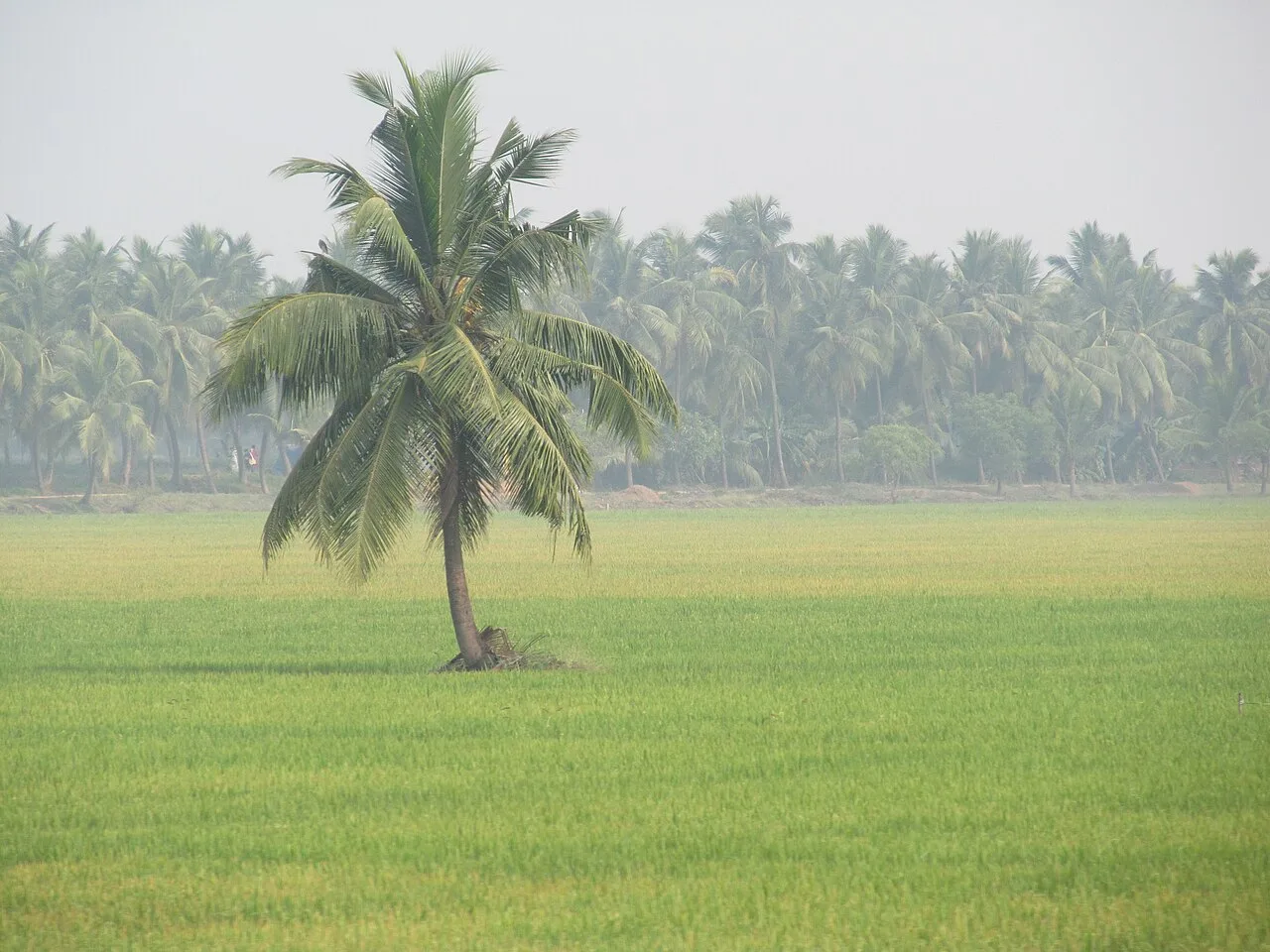
West Godavari lies in Andhra Pradesh’s fertile Godavari delta, where broad fields, waterways and irrigation canals shape both the landscape and everyday life. The district also includes Bhimavaram, its administrative headquarters, and areas around the shallow freshwater wetlands of Kolleru Lake. Rice cultivation and aquaculture are important parts of the local economy, while towns and villages reflect a blend of agricultural, trading and coastal influences. The wider Godavari region has a long history of settlement and Telugu cultural life, visible in its temples, festivals and food traditions. West Godavari is best experienced at an unhurried pace: travel between its towns, notice the canals and green fields, and explore the communities whose livelihoods are closely tied to water.
West Godavari lies in coastal Andhra Pradesh, within the fertile delta region shaped by the Godavari and its distributaries. It offers a view of the state’s agricultural lowlands, canal networks and wetland environments. The district is best known for paddy cultivation and aquaculture, while Kolleru Lake is a major attraction for its freshwater wetland and birdlife. Bhimavaram, the district headquarters, is a useful base for exploring the listed destinations and experiencing a busy regional town. Travellers looking for nature and an introduction to delta life can combine time around the lake with a stay in Bhimavaram.
The area forms part of the historic Vengi region, associated with the Eastern Chalukyas from the seventh century onward. Over later centuries, power in the wider region passed through several South Indian kingdoms, including the Kakatiyas and Vijayanagara rulers. In the eighteenth century, the Northern Circars came under British control and the area was administered within the Madras Presidency. The colonial-era Godavari district was divided into East and West Godavari in 1925. After Indian independence, the region became part of Andhra State in 1953 and Andhra Pradesh in 1956. Administrative boundaries have since changed: in 2022, Andhra Pradesh reorganised its districts, creating the present West Godavari district with Bhimavaram as its headquarters. The district’s history is therefore connected both to the older Vengi political region and to successive changes in colonial and post-independence administration.
2 destination guides
Bhimavaram
Bhimavaram is an Andhra Pradesh town that serves as West Godavari district’s administrative centre. Visitors come for Somaramam, which belongs to the state’s group of five Pancharama pilgrimage sites.
Kolleru Lake
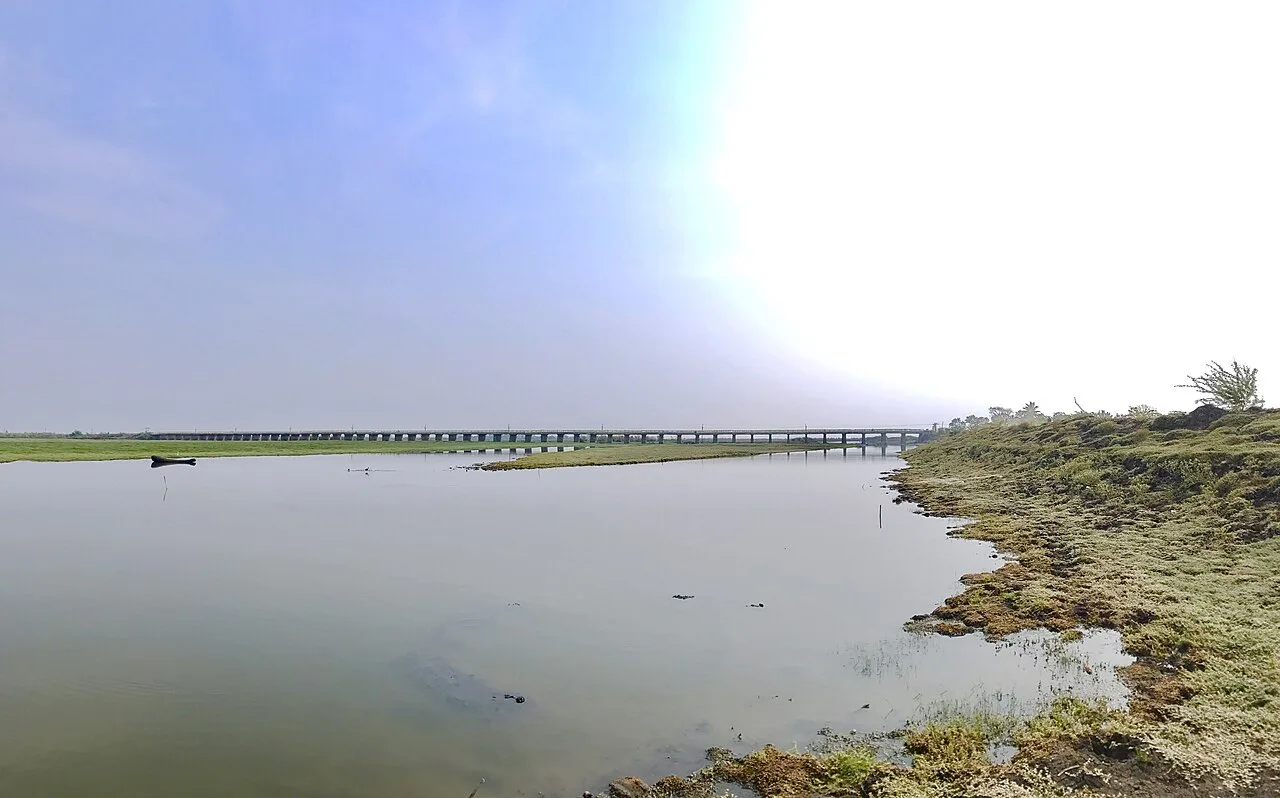
Kolleru is a major shallow freshwater lake and wetland in Andhra Pradesh, known for its extensive bird habitat. Visitors are drawn by wintering migratory birds and its status as a protected wetland.
Rice is central to meals across West Godavari, part of the wider Andhra tradition of serving rice with vegetable dishes, lentils, chutneys and pickles. Gongura and avakaya are well-known regional accompaniments, while pulihora and pesarattu are familiar favourites across Andhra Pradesh. In delta areas, fish and prawns are common on many menus, though availability and preparation vary. Local sweet-making traditions include pootharekulu, a delicate paper-thin sweet associated with the Godavari region. Andhra food can be notably spicy; ask for a milder preparation if preferred, and look for curd rice to balance a hot meal. Small eateries may prepare a limited menu based on the day’s ingredients.
Narsapur crochet lace is a well-known craft associated with the Godavari region and is recognised with a Geographical Indication. Artisans make lace items by hand, including decorative household pieces and garments, using techniques passed between generations. The district and surrounding delta also share Andhra Pradesh’s broader traditions of handloom weaving and textile production, though particular products and availability vary from place to place. Visitors interested in crafts can ask in local markets or shops about the makers and techniques behind an item; buying directly from an artisan or a reputable cooperative can help support the people who sustain these traditions.
Sankranti, celebrated in January, is a major seasonal festival across coastal Andhra and is associated with family gatherings and harvest traditions. Ugadi, usually in spring, and Dasara, in autumn, are also widely observed in the region. Temple celebrations and local fairs take place at different times of year, though schedules vary by town and temple. These occasions can bring heavier local travel and crowded public areas; accommodation in Bhimavaram and other larger towns may be busier around major holidays. Check locally before travel if a particular festival is central to your plans.
The district is largely low-lying delta plain, with fields, canals and distributaries shaping both settlement and road travel. Its southern parts reach the Bay of Bengal, while Kolleru Lake lies in the wider lowland between the Krishna and Godavari delta systems. Wetlands and waterlogged fields can make some routes slower, especially after heavy rain. The mostly flat terrain is generally straightforward to cross by road, but visitors should allow extra time during the monsoon and follow local advice around lake edges and flooded areas.
West Godavari has a warm, humid climate. Summers are hot, while the monsoon season, generally from June into autumn, can bring heavy rain, waterlogging and occasional disruption. Winters are usually milder and relatively comfortable for sightseeing. The cooler months, roughly November to February, are generally the most pleasant time to visit. Pack light, breathable clothing, sun protection and a refillable water bottle; carry rain protection during the monsoon and insect repellent near wetlands. Check weather and local travel conditions before setting out, particularly during periods of heavy rain or cyclone warnings.
Bhimavaram is the district headquarters and a useful base for travel around West Godavari. Bhimavaram Junction and Bhimavaram Town are railway stations serving the town; Rajahmundry and Vijayawada are broader rail gateways for the region. Rajahmundry Airport and Vijayawada Airport are possible air gateways, with onward travel by road. APSRTC buses connect district towns and link the area with other parts of Andhra Pradesh; private buses and taxis are also options. Within towns, auto-rickshaws and local buses can help with shorter journeys, while reaching rural areas or lake-side locations may require arranging a taxi. Check current services locally before travelling.
Roads connect Bhimavaram with other district towns and surrounding parts of coastal Andhra. State and local buses are useful for town-to-town travel, while autos and shared vehicles serve shorter local journeys; availability can vary outside busy centres. Taxis or a hired car offer more flexibility for combining Bhimavaram with Kolleru Lake, where the final approach depends on the chosen access point and current local conditions. Boats are not a general substitute for road transport; use one only where locally arranged services are operating and conditions are suitable. Allow extra time in wet weather.
2 days: Bhimavaram → Kolleru Lake; sleep in Bhimavaram on the intervening night. 3 days: Bhimavaram → Kolleru Lake → Bhimavaram; sleep in Bhimavaram on both nights, allowing more time for local visits and changing weather.
Bhimavaram is the most practical base for both listed destinations, with hotels and lodges in town and local services nearby. For a Kolleru visit, staying in Bhimavaram avoids relying on limited accommodation near wetland access points. Homestays may be available in the wider area, but choices can be limited and should be confirmed in advance. Dharamshalas may be found around religious centres, while government lodging availability varies. During festivals or holiday periods, check accommodation options early.
The flat terrain is easy to navigate, but low-lying roads and lake approaches may flood or become difficult after heavy rain. Follow weather and cyclone advisories, and avoid driving through standing water. Wetland edges can be soft or slippery; keep a safe distance from the water and do not disturb birds or other wildlife. Use drinking water that is sealed or properly treated, and consider insect protection near marshes. Road conditions and mobile connectivity can be less reliable away from towns. Do not assume boat access or entry to restricted wetland areas is available; confirm current access rules with local authorities.
- Eluruabout 33 km
- Konaseemaabout 49 km
- Krishnaabout 58 km
- East Godavariabout 62 km
- NTRabout 81 km
- Yanam · Puducherryabout 91 km
- Kakinadaabout 113 km
- Gunturabout 124 km
Straight-line distance between the centres of each district's destinations; road distance is longer.
Q: How many days should I spend in West Godavari? A: Two days can cover Bhimavaram and a visit to Kolleru Lake; three days allow a more relaxed pace. Q: When is the best time to visit? A: November to February is generally more comfortable; monsoon travel may be affected by heavy rain. Q: What is the best base for the listed destinations? A: Bhimavaram is the most practical base, with town services and accommodation. Q: How do I get to the district? A: Bhimavaram is connected by road and rail; travellers can use regional connections and continue by train or road. Q: Is the district suitable for families or elderly travellers? A: Yes, especially with a vehicle and a flexible plan. Check wetland access and road conditions, and allow for heat, rain and uneven ground near lake edges.
This page draws on our 2 destination guides for West Godavari and is updated as our team checks it.
Be the first to share photos, stories, advice or a helpful contact for West Godavari.
Loading…