
INS Kursura Submarine Museum
The INS Kursura Submarine Museum preserves a former Indian Navy submarine on Visakhapatnam’s RK Beach, where visitors can learn about its naval service and its preservation as a museum.
Key facts · verified by Ghumoopedia editors
- Type of place
- Heritage monument
- Best time to visit
- November to February; Araku and Horsley Hills are pleasant for much of the year
- Nearest railway station
- Visakhapatnam Junction · about 4 km (straight line)
- Nearest airport
- Visakhapatnam Airport · about 11 km (straight line)
- Verified
- 21 Nov 2026
Plan a trip from INS Kursura Submarine Museum — a day-by-day route through places nearby.
In Visakhapatnam district, Andhra Pradesh, the INS Kursura Submarine Museum presents a former Indian Navy submarine on RK Beach. Numbered S20, Kursura was the Navy’s fourth submarine, a diesel-electric vessel of the Kalvari class, derived from the Foxtrot class. Visitors can see the preserved submarine and learn about its service. It entered service on 18 December 1969 and was withdrawn on 27 February 2001, after 31 years. During the 1971 Indo-Pakistani War, Kursura carried out patrol duties and played a significant part. It subsequently took part in exercises with other countries’ navies and made goodwill journeys abroad. On 9 August 2002, Chief Minister N. Chandrababu Naidu dedicated Kursura to the nation. The submarine opened to visitors as a museum on 24 August 2002, following its final voyage to Visakhapatnam’s RK Beach. Few submarine museums retain the boat’s original character. Though retired, it still receives the Navy’s Dressing Ship honour, normally given to active vessels. Andhra Pradesh stretches from the beaches and harbour hills of Visakhapatnam through the lush Godavari–Krishna delta to the sacred hills of Tirumala and the granite gorge of Gandikota, with ancient Buddhist sites at Amaravati and Nagarjunakonda, the forts of Kondaveedu and Chandragiri and the cave systems of Belum and Borra. The coast is hot and humid from March to June, the southwest monsoon brings rain from June to September, and October to December can bring cyclones off the Bay of Bengal. The pleasant season is November to February; the Eastern Ghat hills around Araku stay cooler. The usual best time to visit is November to February; Araku and Horsley Hills are pleasant for much of the year. Timings, fees and access arrangements must be confirmed locally. For official information, see Andhra Pradesh Tourism at https://aptourism.gov.in.
Why it matters
INS Kursura Submarine Museum preserves a former Indian Navy submarine on Visakhapatnam’s seafront, making naval history tangible in a public setting. Kursura was India’s fourth submarine and served for 31 years, including patrol missions during the 1971 Indo-Pakistani War. Its conversion into a museum also connects the city’s harbour identity with the history of India’s submarine service. The museum is a locally prominent attraction at RK Beach. Published accounts describe Kursura as one of the few submarine museums to retain its originality and notes that it continues to receive the Navy’s “Dressing Ship” honour. No UNESCO or ASI protection is asserted here.
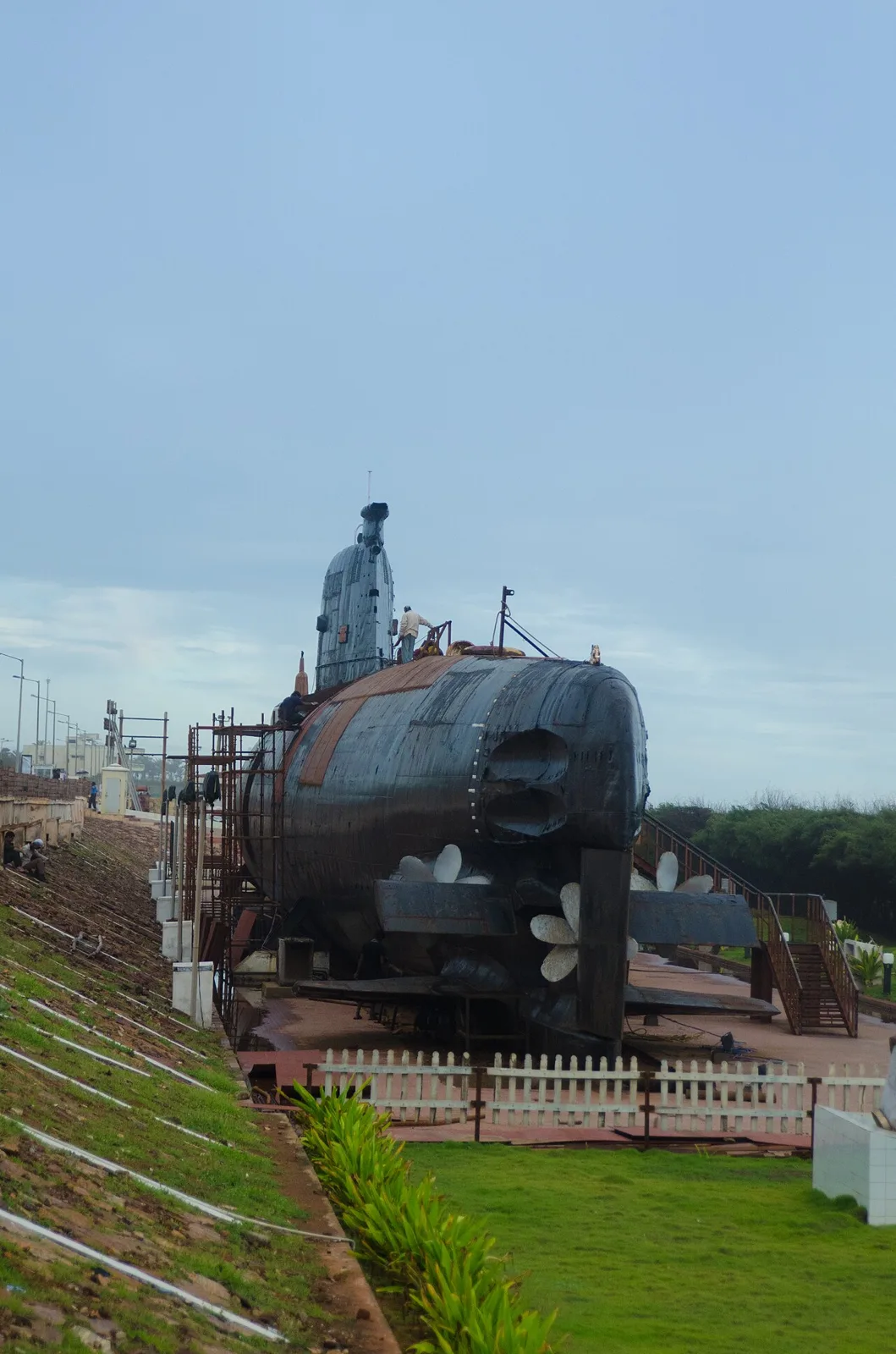
INS Kursura (S20) was a Kalvari-class submarine, a variant of the Soviet-designed Foxtrot class, operated by the Indian Navy. Commissioned on 18 December 1969, she became India’s fourth submarine. During the 1971 Indo-Pakistani War, Kursura undertook patrol missions; later service included naval exercises with other nations and goodwill visits overseas. She was decommissioned on 27 February 2001, after 31 years of service. Following decommissioning, the submarine was retained rather than scrapped and prepared for public display at Visakhapatnam. Published accounts record that Chief Minister N. Chandrababu Naidu dedicated her to the nation on 9 August 2002, and that she opened to the public as a museum on 24 August 2002. Her final move placed the vessel at RK Beach, where it became a shore-based attraction. The conversion preserved much of the submarine’s original character and equipment, although it changed the vessel’s purpose from active naval duty to interpretation and public visits. Detailed information about specific restoration campaigns or the contractors involved is not stated in the available guide.
Origin stories & folklore
No well-documented local origin legend is associated with INS Kursura. Its significance comes from naval service and public memory rather than a traditional sacred or supernatural story. Visitors may hear informal tales about life aboard a submarine, the risks of underwater patrols, or the vessel’s wartime role; these are best treated as personal recollections unless supported by museum interpretation. The continued “Dressing Ship” honour, mentioned, is a naval tradition rather than a legend. For historical details, rely on the museum’s interpretation boards or an authorised guide, and distinguish documented service history from stories shared conversationally.
Architecture & design
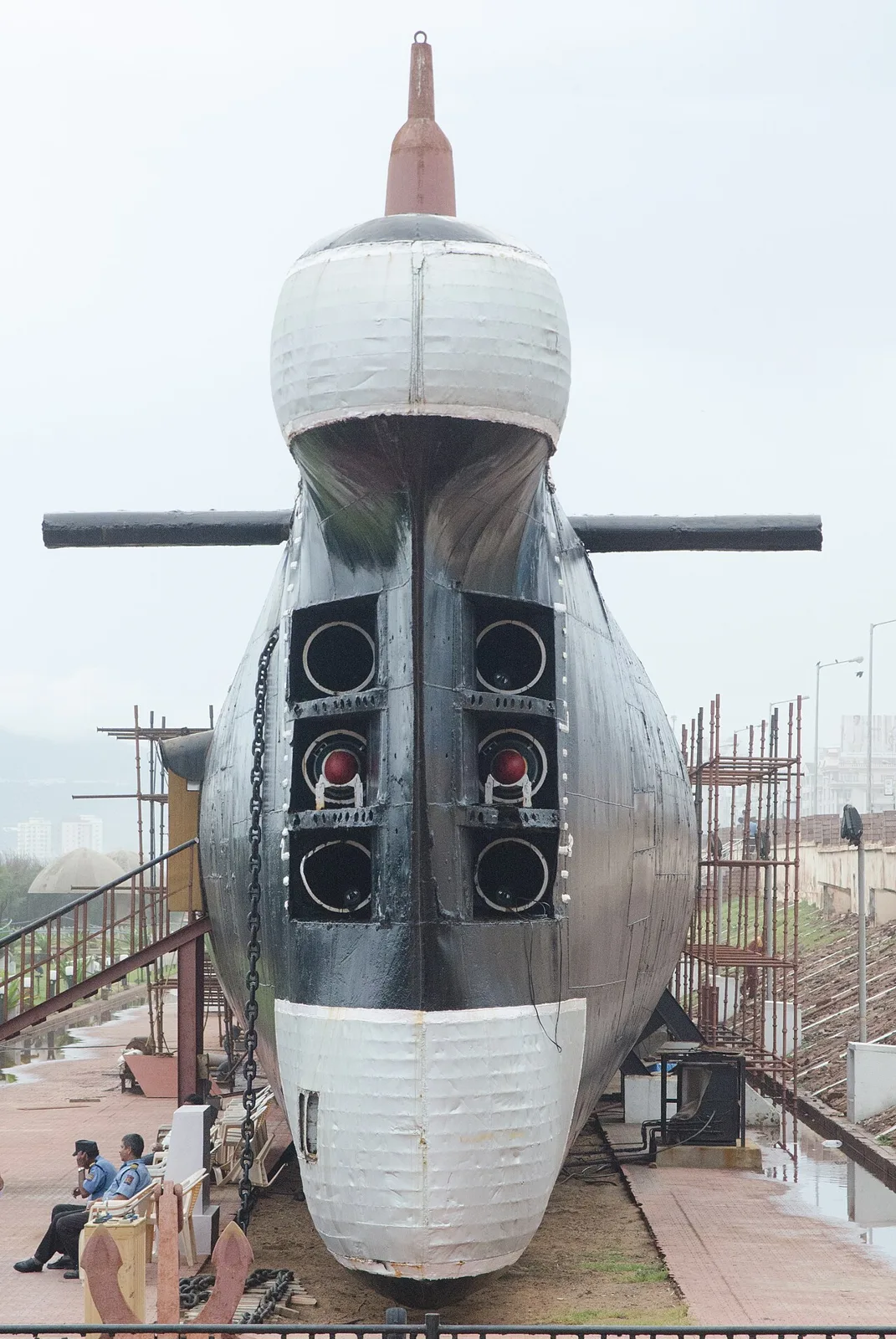
Kursura is a steel-hulled, diesel-electric submarine designed for underwater operation, not a building constructed as a museum. Its long, enclosed hull contains tightly arranged compartments linked by narrow passageways and circular hatches. Inside, visitors can encounter the compressed working environment of a submarine, with control spaces, operational equipment, crew fittings and machinery areas represented along the route. The vessel’s form reflects practical engineering: a streamlined exterior, a pressure-resistant hull and systems arranged to conserve space and support navigation, propulsion and life aboard. The museum setting at RK Beach leaves the submarine displayed on land, allowing its profile to be viewed from outside before entering. Much of the experience is shaped by the original vessel’s confined scale, low clearances and ladders rather than by conventional gallery architecture. Published accounts say Kursura retains much of its originality; access to particular sections may depend on the current visitor route.
Important objects & sculptures
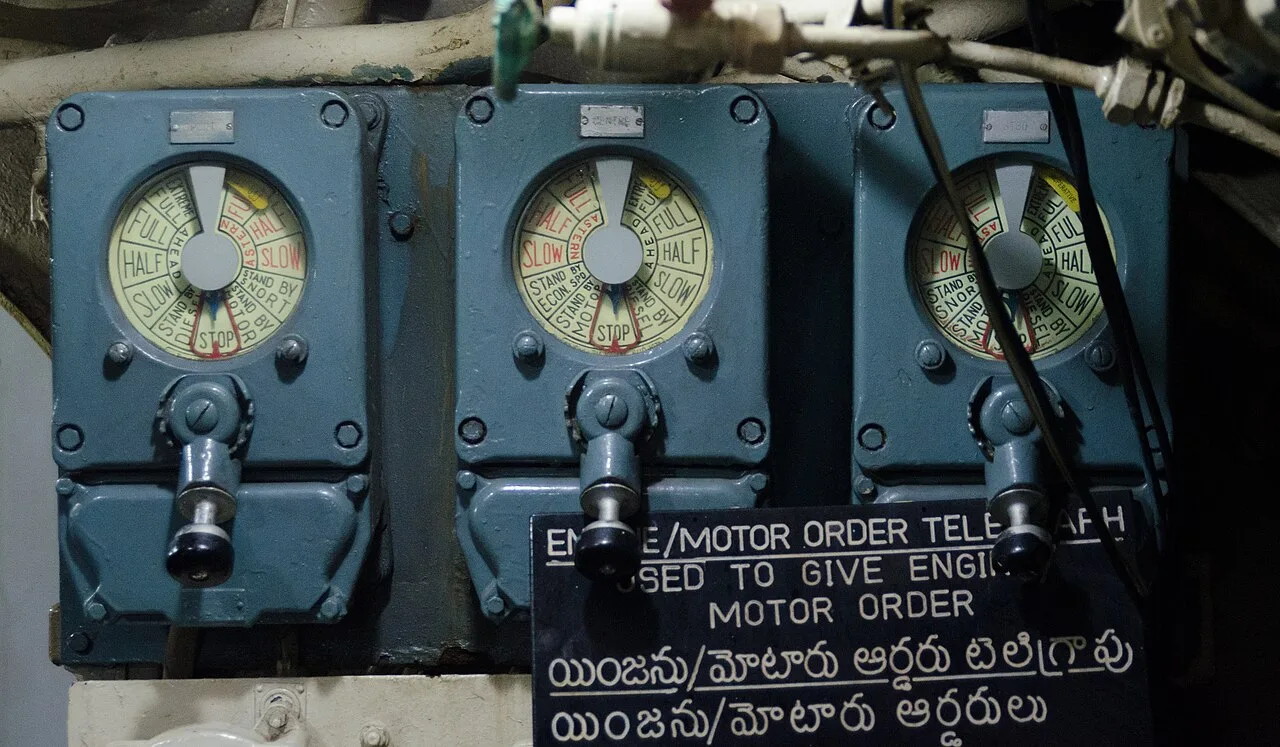
The principal collection is the submarine itself: its hull, internal compartments and surviving naval fittings. Look for operational controls, instruments, communication equipment and crew spaces where these are included in the visitor route. These objects help explain how navigation, watchkeeping and everyday work were organised in a restricted underwater environment. Interpretation boards can provide context for the vessel’s service and its role in the Indian Navy. Specific sculptures, religious idols or historic inscriptions are not identified in the available guide, so visitors should not expect a temple-style collection. Displays and access to equipment may change; follow museum instructions and avoid touching controls or fittings unless explicitly permitted.
Explore INS Kursura Submarine Museum slowly and read the interpretation boards, use the official audio guide where available or hire an authorised guide to understand its history. Check opening days, ticket counters and camera rules in advance; many monuments and museums close on one weekday and on some public holidays. Early morning gives softer light, cooler air and smaller crowds. A comfortable itinerary is one main visit in the morning, a local meal at midday and a short nearby stop before an afternoon return. Use the district list on this site to find other places in Visakhapatnam, but check the route and its condition before combining stops. If a festival is on — such as the Tirumala Brahmotsavam, the Godavari and Krishna Pushkarams, Sankranti or the Visakha Utsav — roads and stays can be busy, and the experience can be unforgettable. Leave no litter: many sites are protected by the communities around them.
Suggested itineraries
Half day: Allow about 1–2 hours for the submarine and interpretation boards, then spend 30–60 minutes at RK Beach or the nearby TU-142 Aircraft Museum; leave time for a meal. Full day: Spend the morning at INS Kursura, visit the TU-142 Aircraft Museum and Visakha Museum, take a lunch break, then choose a relaxed seafront visit or travel to Kailasagiri if transport and energy allow. Gentler option: Focus on the exterior view and one nearby seafront stop; check in advance whether the submarine’s interior route is suitable for your mobility.
The museum reflects Visakhapatnam’s strong association with the sea, port activity and the Indian Navy. Telugu is widely spoken in the region, while visitors may also hear Hindi and English, particularly in tourism settings. Naval personnel, veterans, students and families all contribute to the site’s contemporary character, though commemorative customs are distinct from everyday local life. Nearby, coastal Andhra food traditions and the city’s beach-going culture are part of a visit to RK Beach. The submarine is a place for learning and remembrance; visitors can help maintain a respectful atmosphere by following staff guidance and treating naval displays as heritage objects rather than play equipment.
Festivals & events
Visakha Utsav, a cultural event associated with Visakhapatnam, is generally held in the cooler part of the year, though its programme and dates vary. Sankranti, usually in January, is widely celebrated across Andhra Pradesh and can bring busy roads and accommodation demand. The city also observes major religious and national occasions, but these are not necessarily organised as events at the submarine museum. Festival crowds may affect the seafront, local transport and nearby dining areas. Check current city and museum notices before planning around an event.
Local food in Andhra Pradesh includes Andhra meals on a banana leaf with fiery gongura and avakaya pickles, pesarattu with upma, pulihora, Rayalaseema ragi sangati, fresh seafood along the coast, bandar laddu and pootharekulu sweets, and Tirupati laddu prasadam. Ask what is fresh that day; many small eateries cook a limited daily menu. Andhra food is famously spicy — ask for 'medium' if you are unsure, and cool down with curd rice. In Tirupati and other temple towns the food is strictly vegetarian. Remote sites may have no restaurant at all. Carry water and snacks, eat a proper breakfast before long drives, and ask your accommodation for a packed lunch if you are heading out early. Try a home-cooked or local thali meal when you can — it is often the best food on the route. Choose busy, clean places, drink sealed or filtered water, and carry your packaging back with you.
Shopping & local experiences
For local shopping, look for Andhra handicrafts, small souvenirs and regional snacks in Visakhapatnam’s markets and established retail areas. Etikoppaka wooden toys are a recognised craft from the wider region, though availability at any particular shop is not guaranteed. Near the beach, vendors may offer refreshments or simple keepsakes; check quality and permissions before buying. A meal can introduce visitors to coastal Andhra cooking, including rice-based dishes and seafood where available. The museum itself may or may not have a souvenir counter, so do not rely on it for purchases.
November to February; Araku and Horsley Hills are pleasant for much of the year
The nearest principal railway station by straight-line distance is Visakhapatnam Junction, roughly 4 km away. The nearest operating airport by straight-line distance is Visakhapatnam Airport, roughly 11 km away. These figures are calculated from map coordinates — actual road distance is longer. Visakhapatnam, Vijayawada and Tirupati are the main rail and air gateways; Rajahmundry serves the Godavari districts, and Renigunta is the railhead for Tirumala. APSRTC buses connect the district towns, and shared autos cover the last stretch to most temples and beaches; for Papikondalu and Araku, book the packaged boat or road trip from Rajahmundry or Visakhapatnam. When comparing train, bus and flight, count the complete door-to-door time: a flight saves the most time only if the onward road transfer is short, while an overnight train can save a hotel night. Book your return before you leave, because seats fill quickly on weekends, festivals and holidays. Current train numbers, timings, return services and fares are not listed here; check IRCTC and NTES for trains and the airline's own schedule for flights. No permit is needed to visit Andhra Pradesh. For Tirumala, book darshan in advance on the official TTD website — Special Entry Darshan tickets sell out weeks ahead, and the free sarva darshan queue can take many hours; the TTD dress code (dhoti or kurta-pyjama for men, saree or salwar for women) is enforced inside the temple. Forest areas such as Papikondalu and Maredumilli may need forest-department entry permission, and boats on the Godavari are run by licensed operators.
Confirm onward and return timings on IRCTC / NTES, the state bus operator or your airline before travel. A dash means current timings or fares have not been verified.
Getting around
The museum stands on the RK Beach seafront in Visakhapatnam. Auto-rickshaws and app-based or metered taxis can usually reach the beach area; local buses serve parts of the city, but check the route and stop that best suits your plans. From nearby seafront attractions, walking may be practical, although heat, traffic crossings and uneven pavement can make it tiring. Parking availability varies with crowds and local restrictions, so do not assume a space beside the entrance. Agree on the drop-off point with your driver and use marked crossings where available.
Hours, tickets & permissions
Entry is subject to the museum’s current opening days, ticketing arrangements and visitor rules. Tickets may be handled at a counter, and separate permissions or fees may apply to photography or particular services; confirm these locally rather than relying on old listings. Rules can also govern bags, touching equipment and movement through the vessel. Check current hours and fees with the managing authority before travelling, especially on public holidays or during maintenance. Follow staff instructions throughout the visit.
Facilities
The museum usually has an entry or ticketing point and interpretive information; availability of guides, audio material, drinking water and toilets should be checked locally. Food outlets and small shops may be found around the wider RK Beach area, but services immediately beside the entrance can vary. Parking is not guaranteed, particularly during busy periods. ATMs and a wider choice of restaurants are available elsewhere in Visakhapatnam rather than necessarily within the museum grounds. Carry water for the approach and follow any restrictions on bags or food inside the submarine.
Accessibility
The submarine’s interior was designed for naval use, not step-free public access. Narrow passages, ladders or steep steps, low clearances and confined spaces can make the interior difficult or unsuitable for wheelchair users, many stroller users and visitors with limited mobility. Older visitors should consider their balance, stamina and comfort in enclosed spaces before entering; accompanying help may not overcome the physical constraints. The exterior can be viewed from the beach-side setting, but surfaces and walking distances vary. Shade may be limited, especially in exposed areas. Contact the managing authority about the current route and any access assistance before visiting.
No permit is needed to visit Andhra Pradesh. For Tirumala, book darshan in advance on the official TTD website — Special Entry Darshan tickets sell out weeks ahead, and the free sarva darshan queue can take many hours; the TTD dress code (dhoti or kurta-pyjama for men, saree or salwar for women) is enforced inside the temple. Forest areas such as Papikondalu and Maredumilli may need forest-department entry permission, and boats on the Godavari are run by licensed operators. Carry a photo ID at all times and save the emergency number 112 and your accommodation's contact offline. Heat in summer and heavy rain in the monsoon are the main weather risks; carry water, avoid midday sun and allow extra time when roads flood. Watch your belongings in crowds and on public transport, and follow posted instructions.
Photography
The submarine’s exterior against the Bay of Bengal and the RK Beach setting are useful subjects, especially in softer early-morning or late-afternoon light. Interior photography rules can change, and cameras or flash may be restricted in some areas; check posted notices and ask staff before taking pictures. Do not touch equipment to frame a shot. Drone use may require permissions and can be restricted around public spaces or sensitive naval sites, so do not fly without confirming applicable rules. Be considerate when photographing other visitors, staff and any commemorative activity.
Choose a stay by the full journey to INS Kursura Submarine Museum, not just the district name. Visakhapatnam, Vijayawada and Tirupati offer the widest choice; Araku has AP Tourism resorts and tribal homestays, and Rajahmundry is the base for Godavari cruises. In summer, check air-conditioning; in the monsoon, check that the property is accessible if roads flood. Book in advance for weekends, festivals and the peak season (November to February; Araku and Horsley Hills are pleasant for much of the year). Confirm the exact location, meals included, check-in time and cancellation terms in writing. Avoid sending money to unverified contacts or touts at stations. Carry some cash, as card and digital payments can be unreliable in remote areas.
Along the Visakhapatnam seafront, the TU-142 Aircraft Museum is a nearby naval-themed attraction, while Visakha Museum presents aspects of the city and region’s history. RK Beach itself offers a coastal walk and public seafront spaces. Further across the city, Kailasagiri is a hilltop recreational area with views over the coast. These places can be combined according to available time and transport, but traffic and weather affect journey times. Confirm the current opening and access arrangements for each attraction independently.
For couples, INS Kursura Submarine Museum rewards a slow pace: arrive early for soft light and fewer crowds, share a local meal and keep the evening free. A sunrise over the Araku valley, a Godavari cruise at dusk from Rajahmundry or a walk along Rushikonda beach makes the trip memorable. Public displays of affection can be frowned upon in conservative communities and at religious sites, so be discreet. Keep a buffer in your itinerary, because weather and road conditions can delay plans.
Q: How much time should I allow for the museum? A: Allow roughly one to two hours for the submarine and its interpretation, with extra time for nearby seafront attractions. Q: What is the best season to visit? A: November to February is generally more comfortable in Visakhapatnam; summer is hot and humid, and monsoon weather can affect outdoor plans. Q: Do I need to check entry arrangements before visiting? A: Yes. Confirm current opening days, entry rules, fees and camera restrictions with the managing authority. Q: Is the submarine suitable for children and elderly visitors? A: Children may enjoy the visit, but the interior is confined and has steps or ladders. Older visitors should assess mobility and comfort in enclosed spaces. Q: Where can I stay nearby? A: Visakhapatnam has accommodation across the city, including areas serving the seafront; choose based on transport needs and verify current availability.
Be the first to share photos, stories, advice or a helpful contact for INS Kursura Submarine Museum.
Loading…