
Coringa Wildlife Sanctuary
People visit Coringa Wildlife Sanctuary, an estuarine mangrove reserve near Kakinada in Andhra Pradesh, for its rich birdlife, rare vultures and extensive tidal forest.
Key facts · verified by Ghumoopedia editors
- Type of place
- National park / sanctuary
- Best time to visit
- November to February; Araku and Horsley Hills are pleasant for much of the year
- Nearest railway station
- Kakinada Town · about 18 km (straight line)
- Nearest airport
- Rajahmundry Airport · about 63 km (straight line)
- Verified
- 21 Nov 2026
Plan a trip from Coringa Wildlife Sanctuary — a day-by-day route through places nearby.
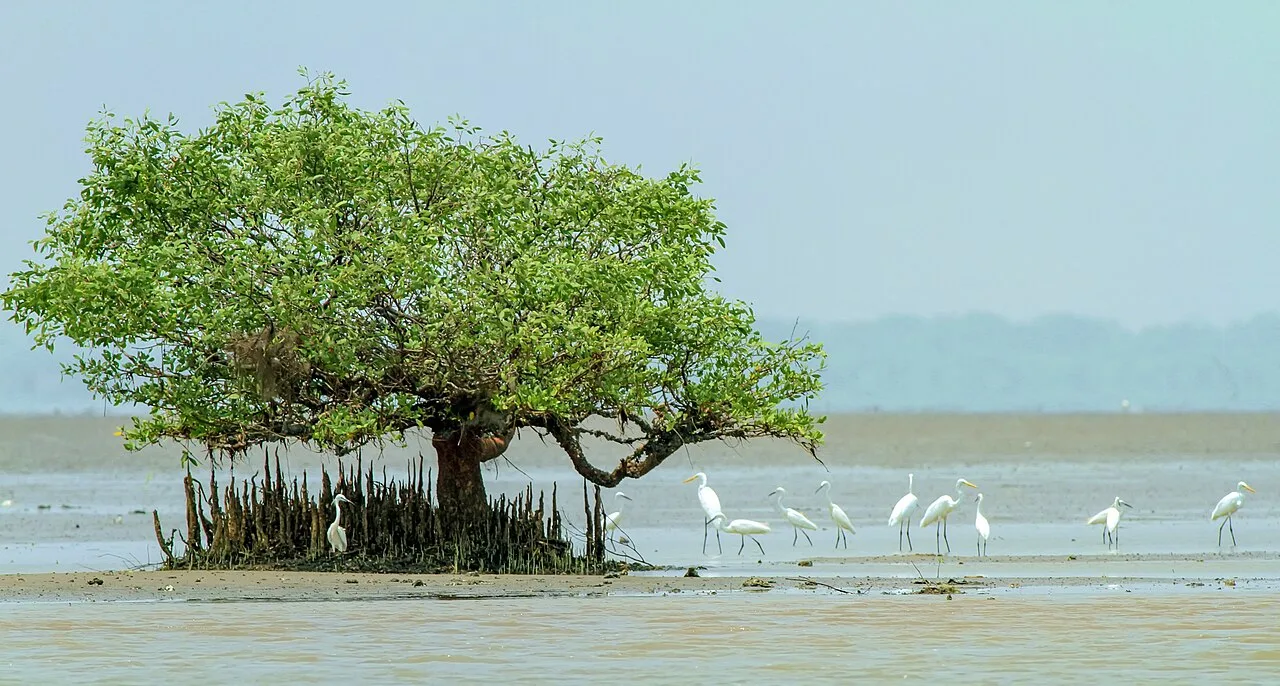
Beside Kakinada in Andhra Pradesh, Coringa Wildlife Sanctuary occupies an estuarine landscape. Its mangrove forest is the third largest stretch of its kind in India and contains 24 mangrove tree species. More than 120 bird species are found here, including the critically endangered white-backed vulture and long-billed vulture. Mangroves are trees and shrubs adapted to the coastal belt between high and low tide. Their dense supporting roots surround the trunks, making the trees seem raised above the water. This root structure helps them endure the changing tides, which flood the forest at least twice a day. The roots slow tidal water, giving suspended sediment time to settle and accumulate as muddy ground. Mangroves also help protect the coast by limiting erosion caused by storm surges, currents, waves and tidal movement. Their tangled roots provide fish and other creatures with food and a place to shelter from predators. Andhra Pradesh stretches from the beaches and harbour hills of Visakhapatnam through the lush Godavari–Krishna delta to the sacred hills of Tirumala and the granite gorge of Gandikota, with ancient Buddhist sites at Amaravati and Nagarjunakonda, the forts of Kondaveedu and Chandragiri and the cave systems of Belum and Borra. The coast is hot and humid from March to June, the southwest monsoon brings rain from June to September, and October to December can bring cyclones off the Bay of Bengal. The pleasant season is November to February; the Eastern Ghat hills around Araku stay cooler. The usual best time to visit is November to February; Araku and Horsley Hills are pleasant for much of the year. Timings, fees and access arrangements must be confirmed locally. For official information, see Andhra Pradesh Tourism at https://aptourism.gov.in.
Why it matters
Coringa Wildlife Sanctuary is a protected mangrove estuary near Kakinada in Andhra Pradesh. Its regional importance comes from the role its tidal forests play in supporting estuarine wildlife and helping buffer the coast from erosion and storm effects. The sanctuary is also associated with the conservation of threatened vultures, including the white-backed and long-billed vultures. Its protected-area status is significant for habitat conservation. It is not identified here as a UNESCO World Heritage Site or an ASI-protected monument.
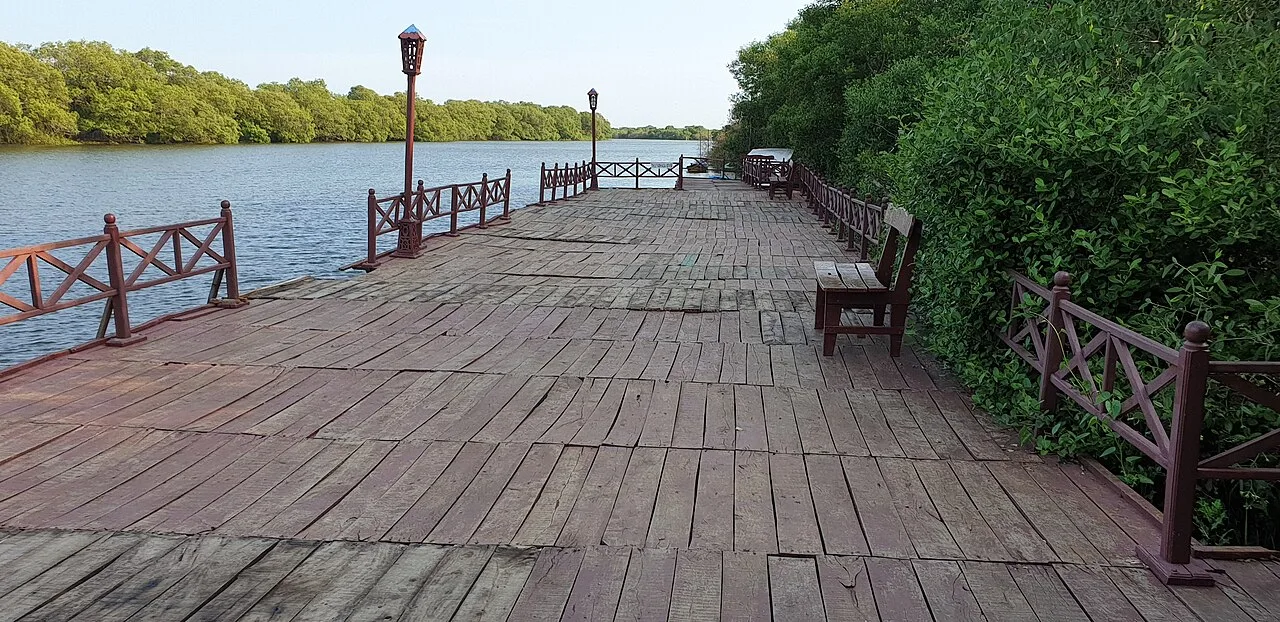
Coringa is part of the Godavari delta, where river waters meet the Bay of Bengal and create the tidal conditions in which mangroves grow. The mangrove landscape has developed through natural processes: tides move through the estuary, carry sediment and help shape muddy banks and channels. Local livelihoods and settlement in the wider delta have long been connected with the river, coast and their resources, although specific historical dates or community accounts should be checked with reliable local sources rather than assumed. Coringa Wildlife Sanctuary was established as a protected area in 1978, according to commonly published accounts. Its designation marked a shift toward formal protection of the mangrove ecosystem and its wildlife. Conservation concerns include habitat protection and the survival of threatened species; mangrove roots also help shelter fish and other estuarine organisms. The sanctuary is not a built monument, so it has no palace, temple or fort-building history. Visitors should follow current forest-department guidance, since access arrangements and conservation priorities can change.
Spend unhurried time at Coringa Wildlife Sanctuary: walk the marked paths, use official viewpoints and ask locally whether a guide, entry ticket or forest permission is needed. On safari, follow the naturalist's instructions, stay inside the vehicle, wear muted colours and keep silent near animals — sightings are never guaranteed, and patience is rewarded. A comfortable itinerary is one main visit in the morning, a local meal at midday and a short nearby stop before an afternoon return. Use the district list on this site to find other places in Kakinada, but check the route and its condition before combining stops. If a festival is on — such as the Tirumala Brahmotsavam, the Godavari and Krishna Pushkarams, Sankranti or the Visakha Utsav — roads and stays can be busy, and the experience can be unforgettable. Leave no litter: many sites are protected by the communities around them.
Suggested itineraries
Half day: Reach the visitor access point in the morning; allow about 2–3 hours for authorised paths, viewpoints and a slow wildlife watch; return to Kakinada for a meal. Full day: Spend about 3–4 hours at the sanctuary in the morning; have lunch in Kakinada; use the afternoon for a relaxed town visit or one nearby attraction, allowing for road conditions. Gentler option: Ask staff which viewpoint or shortest authorised route is easiest, take frequent rests, and make the visit a brief stop rather than attempting every path.
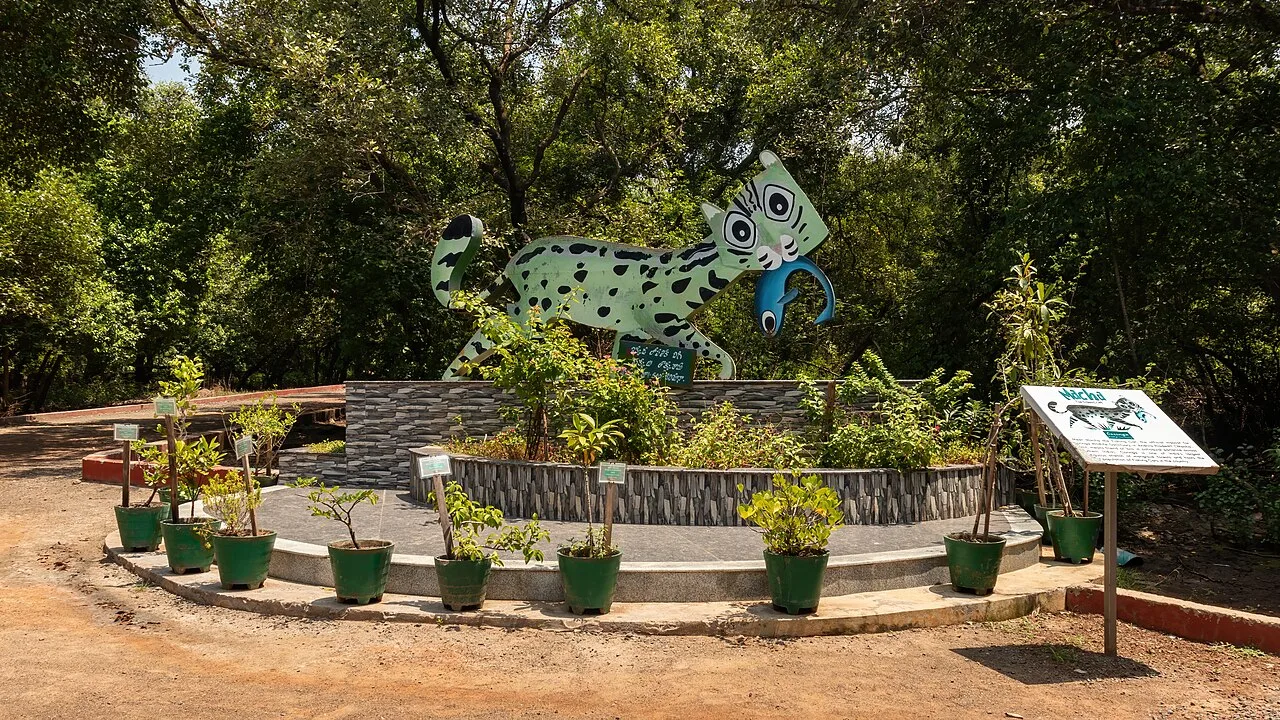
The sanctuary sits within the coastal Andhra region, where Telugu is the principal language of everyday life; English or Hindi may also be understood by some tourism and transport providers. Kakinada’s food culture reflects the coast and Godavari delta, with rice, fish and other seafood commonly available in the wider area. Seasonal harvest celebrations and Hindu festivals shape local calendars, while fishing, farming and market routines continue alongside urban life. There is no single performance or dress tradition specific to the sanctuary. Visitors should be considerate around local work and worship, ask before photographing people, and avoid treating the estuary as a staged cultural attraction.
Local communities
People in Kakinada and the wider Godavari delta include fishing, farming, trading and service communities whose livelihoods are connected to the coast, river channels and nearby towns. Fishing and aquaculture are part of the regional economy, while agriculture and transport-related work are also important in the delta. The sanctuary’s mangroves support fish and other organisms and contribute to the health of the estuary, but visitors should not assume that all local residents have the same occupation or relationship with the protected area. Use local services respectfully, follow access rules, and do not enter working or restricted areas without permission.
Festivals & events
Sankranti, usually celebrated in January, is an important harvest festival across Andhra Pradesh and can bring busy roads and accommodation in the region. Kakinada and nearby communities also observe Hindu festivals through temple visits, family gatherings and local events; dates vary by year and locality. The Godavari Pushkaram is a periodic river festival rather than an annual event, and it can draw large crowds to river towns when held. These festivals are not necessarily staged inside Coringa Wildlife Sanctuary. Check local calendars before travel, allow extra time for road journeys during major celebrations, and keep away from wildlife areas if crowding or event activity affects access.
Local food in Andhra Pradesh includes Andhra meals on a banana leaf with fiery gongura and avakaya pickles, pesarattu with upma, pulihora, Rayalaseema ragi sangati, fresh seafood along the coast, bandar laddu and pootharekulu sweets, and Tirupati laddu prasadam. Ask what is fresh that day; many small eateries cook a limited daily menu. Andhra food is famously spicy — ask for 'medium' if you are unsure, and cool down with curd rice. In Tirupati and other temple towns the food is strictly vegetarian. Remote sites may have no restaurant at all. Carry water and snacks, eat a proper breakfast before long drives, and ask your accommodation for a packed lunch if you are heading out early. Try a home-cooked or local thali meal when you can — it is often the best food on the route. Choose busy, clean places, drink sealed or filtered water, and carry your packaging back with you.
Shopping & local experiences
Kakinada has everyday markets and shops for snacks, travel essentials and regional food. Visitors can look for Andhra sweets and savouries, including Kakinada’s well-known kaja, from established local sellers. Uppada is associated with handloom textiles, which may be available through local shops or sellers in the wider area. Availability, provenance and prices vary, so ask about the maker and care requirements before buying. Do not purchase wildlife products, mangrove wood, shells or other material taken from protected habitats. There may be few or no shopping facilities at the sanctuary itself; plan purchases in town.
Coringa is a tidal estuary in the Godavari delta, with muddy channels, intertidal banks and mangrove forest. Mangroves are adapted to changing saltwater and tide levels; their prop roots help them cope with inundation, slow moving water and trap sediment. The tangled roots also provide shelter and feeding habitat for fish and other estuarine organisms. The sanctuary is associated with threatened vultures, including the white-backed and long-billed vultures, but sightings are not assured. Birdlife and other wildlife vary with season, tide, weather and disturbance. Stay on authorised paths and viewpoints, and do not approach or feed animals.
November to February; Araku and Horsley Hills are pleasant for much of the year
The nearest principal railway station by straight-line distance is Kakinada Town, roughly 18 km away. The nearest operating airport by straight-line distance is Rajahmundry Airport, roughly 63 km away. These figures are calculated from map coordinates — actual road distance is longer. Visakhapatnam, Vijayawada and Tirupati are the main rail and air gateways; Rajahmundry serves the Godavari districts, and Renigunta is the railhead for Tirumala. APSRTC buses connect the district towns, and shared autos cover the last stretch to most temples and beaches; for Papikondalu and Araku, book the packaged boat or road trip from Rajahmundry or Visakhapatnam. When comparing train, bus and flight, count the complete door-to-door time: a flight saves the most time only if the onward road transfer is short, while an overnight train can save a hotel night. Book your return before you leave, because seats fill quickly on weekends, festivals and holidays. Current train numbers, timings, return services and fares are not listed here; check IRCTC and NTES for trains and the airline's own schedule for flights. No permit is needed to visit Andhra Pradesh. For Tirumala, book darshan in advance on the official TTD website — Special Entry Darshan tickets sell out weeks ahead, and the free sarva darshan queue can take many hours; the TTD dress code (dhoti or kurta-pyjama for men, saree or salwar for women) is enforced inside the temple. Forest areas such as Papikondalu and Maredumilli may need forest-department entry permission, and boats on the Godavari are run by licensed operators.
Confirm onward and return timings on IRCTC / NTES, the state bus operator or your airline before travel. A dash means current timings or fares have not been verified.
Getting around
Kakinada is the usual base for reaching the sanctuary. Auto-rickshaws and taxis can be useful for the road journey and for getting between the town and the access point; agree on the destination and return arrangements before departure. Local buses serve district routes, but visitors should check whether a route reaches close enough to the sanctuary entrance. The nearest principal railway station by straight-line distance is Kakinada Town, roughly 18 km away; the nearest operating airport by straight-line distance is Rajahmundry Airport, roughly 63 km away, and road journeys are longer. Walk only on authorised paths. Do not assume boats operate for visitors; check locally and use only approved services.
Hours, tickets & permissions
Access may depend on forest-department rules, seasonal conditions and which parts of the sanctuary are open to visitors. Entry tickets, guide arrangements, permissions and separate camera rules may apply; requirements can change. Carry identification if requested and follow instructions from sanctuary staff. Do not assume that every path, viewpoint or water route is open on the day of your visit. Confirm current visiting hours, entry requirements and fees with the managing authority or locally before setting out, especially after heavy rain or during periods of restricted access.
Facilities
Facilities within the sanctuary may be limited and can vary with the area open to visitors. Toilets, drinking water, food stalls, parking and guide services should not be assumed to be available on site; check locally before travelling and carry drinking water and any needed supplies. Kakinada has a wider choice of meals, shops, accommodation and cash services, including ATMs. Bring essential medication and take litter away if bins are not provided. Ask sanctuary staff about current visitor facilities and whether a guide or permission is required.
Accessibility
The sanctuary’s natural setting includes muddy ground, uneven paths, exposed areas and surfaces affected by tides or rain. The distance and condition of open routes can vary, and shade may be limited in places. Do not assume that paths are wheelchair- or stroller-accessible, or that ramps, handrails or accessible toilets are available. Visitors with limited mobility, older travellers and families with small children should ask staff about the easiest current viewpoint and surface conditions before entering. Take rests, wear stable footwear and avoid slippery edges. A short visit near an authorised access point may be more manageable than a longer walk.
No permit is needed to visit Andhra Pradesh. For Tirumala, book darshan in advance on the official TTD website — Special Entry Darshan tickets sell out weeks ahead, and the free sarva darshan queue can take many hours; the TTD dress code (dhoti or kurta-pyjama for men, saree or salwar for women) is enforced inside the temple. Forest areas such as Papikondalu and Maredumilli may need forest-department entry permission, and boats on the Godavari are run by licensed operators. Carry a photo ID at all times and save the emergency number 112 and your accommodation's contact offline. Never step out of the safari vehicle, never walk in the forest without a registered guide, and keep to buffer-zone paths; wild elephants, gaurs, sloth bears and big cats live here. Stay on marked paths, keep away from cliff edges and fast water, and never approach wild animals.
Visitor rules
Follow instructions from sanctuary staff and remain on marked or otherwise authorised routes. Do not enter closed areas, disturb nests, approach wildlife, feed animals or collect plants, shells, wood or other natural material. Wear practical, muted clothing and closed, non-slip footwear for uneven ground. Carry reusable water containers where practical and take all litter out; avoid single-use plastic where restrictions apply. Keep voices low and give animals space. Ask staff about photography, camera restrictions and any permit requirements before taking pictures. Do not assume that a path or water route is open simply because it is visible.
Photography
Soft morning light can suit mangrove textures and birdwatching, but tides, weather and access affect what can be photographed. Use authorised paths and official viewpoints, and bring a suitable lens rather than approaching wildlife. Photography may be subject to local restrictions or a separate camera permission, so confirm the rules with sanctuary staff before shooting. Drone use should not be assumed to be permitted in a protected area; obtain explicit approval from the relevant authority before bringing or operating one. Ask people before photographing them and respect privacy, worship and local work.
Choose a stay by the full journey to Coringa Wildlife Sanctuary, not just the district name. Visakhapatnam, Vijayawada and Tirupati offer the widest choice; Araku has AP Tourism resorts and tribal homestays, and Rajahmundry is the base for Godavari cruises. In summer, check air-conditioning; in the monsoon, check that the property is accessible if roads flood. Book in advance for weekends, festivals and the peak season (November to February; Araku and Horsley Hills are pleasant for much of the year). Confirm the exact location, meals included, check-in time and cancellation terms in writing. Avoid sending money to unverified contacts or touts at stations. Carry some cash, as card and digital payments can be unreliable in remote areas.
Kakinada town is a convenient base for meals and local services. Hope Island and Kakinada Beach are coastal-area options, but check access and sea conditions before planning a visit. Uppada, known for its beach and handloom tradition, is another possible regional stop. Inland, the Samalkot Kumararama Bhimeswara Temple and Draksharamam’s Bhimeswara Temple are established heritage and pilgrimage sites; Pithapuram is also known for its Kukkuteswara Temple. These places are not all immediately adjacent to the sanctuary, so check road routes and allow realistic travel time before combining them. Ask locally about current access, weather and temple visitor guidance.
For couples, Coringa Wildlife Sanctuary rewards a slow pace: arrive early for soft light and fewer crowds, share a local meal and keep the evening free. A sunrise over the Araku valley, a Godavari cruise at dusk from Rajahmundry or a walk along Rushikonda beach makes the trip memorable. Public displays of affection can be frowned upon in conservative communities and at religious sites, so be discreet. Keep a buffer in your itinerary, because weather and road conditions can delay plans.
Q: How much time should I allow for Coringa Wildlife Sanctuary? A: A half-day is a practical plan for a careful visit, though the time needed depends on open routes, access conditions and wildlife activity. Q: When is a good season to visit? A: November to February is generally the more pleasant season in coastal Andhra Pradesh. Check weather and access locally, particularly during the monsoon and cyclone season. Q: Is an entry ticket or guide required? A: Tickets, permissions or guide arrangements may apply and can change. Confirm current requirements and fees with the managing authority before travelling. Q: Is the sanctuary suitable for children and elderly visitors? A: It can be, with a short and unhurried visit, but paths may be uneven, muddy or exposed. Ask staff about the easiest route and supervise children closely. Q: Where should I stay nearby? A: Kakinada is the practical base for accommodation, meals and transport. Check current lodging options and plan the road transfer to the sanctuary in advance.
Be the first to share photos, stories, advice or a helpful contact for Coringa Wildlife Sanctuary.
Loading…