
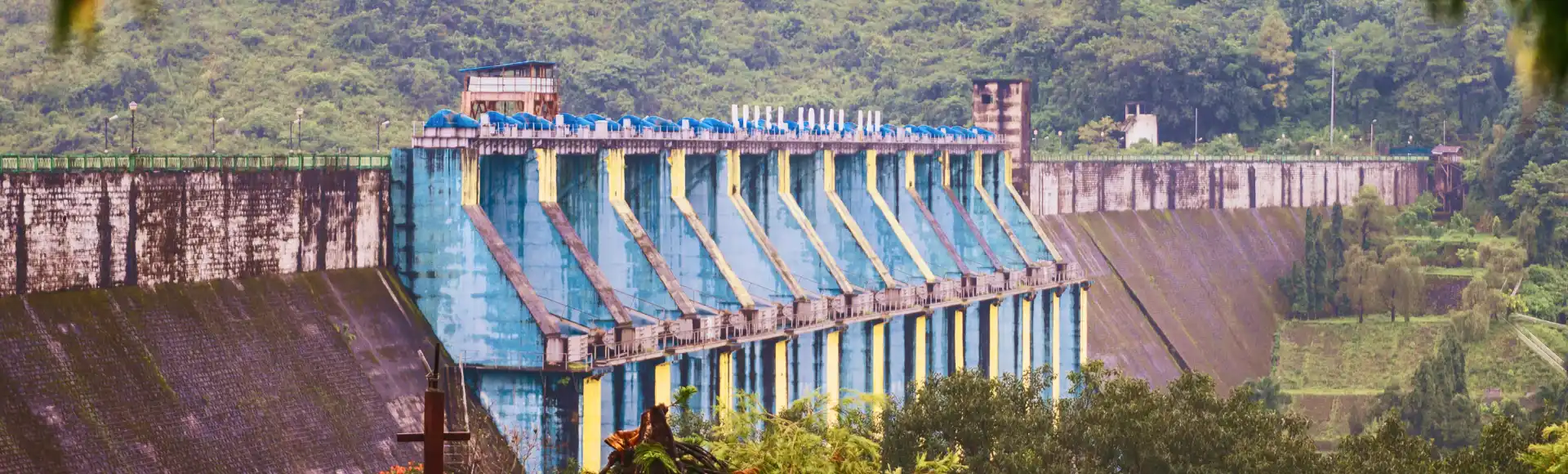
Kolab Dam
Spanning the Kolab River in Koraput district, Odisha, Kolab Dam is a significant hydroelectric installation. Visitors come for its reservoir setting, surrounding hills and woodland, and boating.
Key facts · verified by Ghumoopedia editors
- Type of place
- Natural attraction
- Best time to visit
- Oct - Mar
- Verified
- 21 Nov 2026
Plan a trip from Kolab Dam — a day-by-day route through places nearby.
Kolab Dam crosses the Kolab River in Koraput district. It is among Odisha’s major hydroelectric projects and is also a destination for visitors. Hills and dense forest surround the extensive reservoir, creating a peaceful setting for people who enjoy nature and photography. The landscape, together with the area's cool climate, adds to the appeal of a visit. Boating offers another way to spend time by the water. The dam and its surroundings draw people exploring the scenic landscapes of southern Odisha. Plan your visit around Oct - Mar. The official suggested visit duration is 2 Hours; treat this as time at the attraction, not the complete journey from your hotel. Odisha’s coast and plains can be hot and humid, while southern hill districts may feel cooler after sunset. Heavy monsoon rain can affect road travel and access to outdoor sites. Check the local forecast before setting out, and keep a flexible alternative for bad weather. Official destination reference: https://odishatourism.gov.in/en/places/kolab-dam
Why it matters
Kolab Dam is a major hydroelectric project in Koraput district, built across the Kolab River. Its importance is both practical and regional: the dam and its reservoir form part of Odisha’s water and power infrastructure, while the surrounding landscape draws visitors interested in southern Odisha’s hills, forests and waterways. Odisha Tourism lists Kolab Dam as a dam, reservoir and scenic spot, and describes it as a popular destination in the district. The reservoir setting also makes the site a place to appreciate how water infrastructure shapes the region’s landscape. It is not identified here as a UNESCO World Heritage Site or an ASI-protected monument; visitors should distinguish its engineering and tourism significance from formal heritage status.
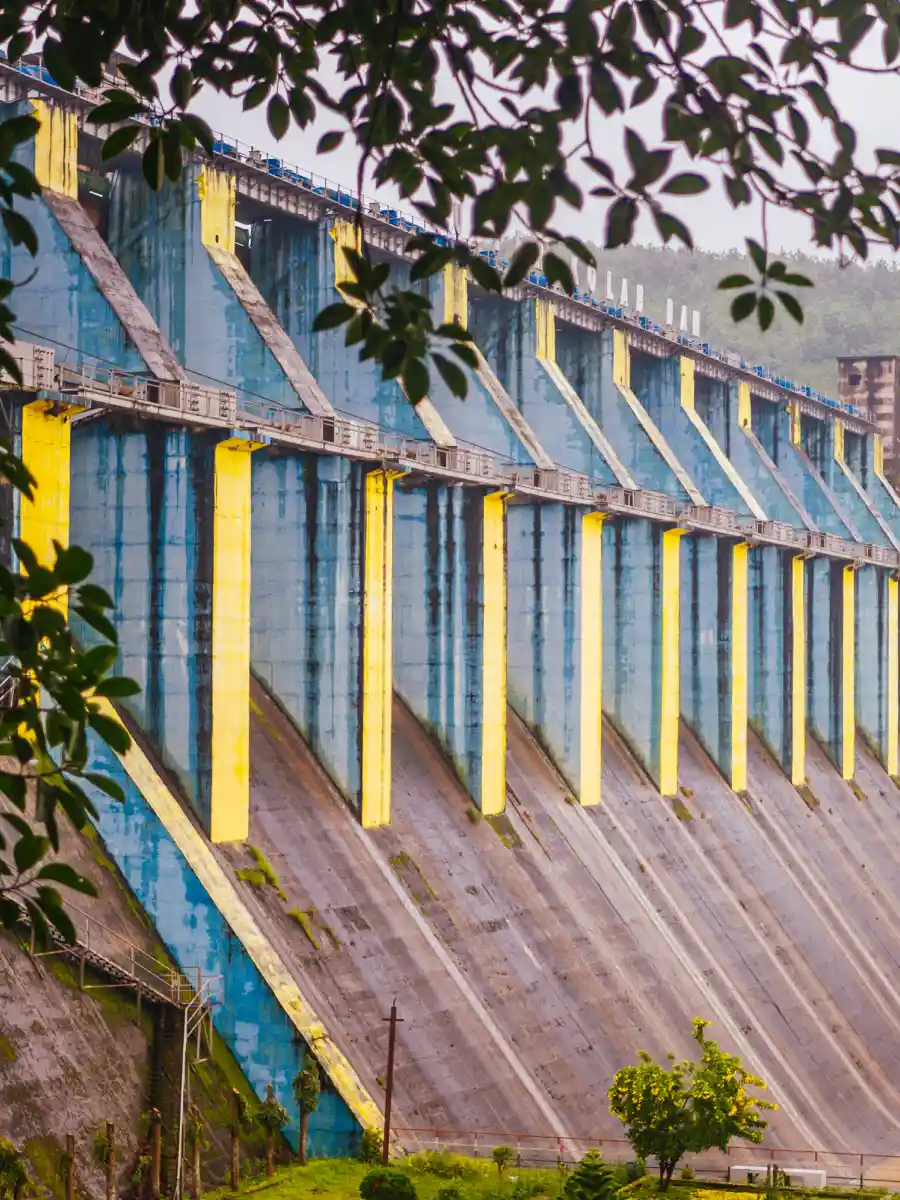
Kolab Dam was developed across the Kolab River as a major hydroelectric and water-management project for Odisha. Its construction reflects the wider post-independence expansion of public infrastructure intended to harness river systems for electricity and other regional needs. The reservoir created by the project altered the river valley’s landscape, bringing extensive water views to an area already known for hills and forested terrain. The dam is therefore both an engineered structure and a defining feature of the modern Koraput landscape. The available destination information identifies it as one of Odisha’s major hydroelectric projects but does not establish a construction date, a detailed sequence of building phases, or a restoration history. Those details should not be inferred from the age or appearance of the dam. Today, its public profile combines its infrastructure role with tourism: visitors come for the reservoir scenery, the surrounding hills and forests, and opportunities such as boating where locally available and permitted. The site’s history is best understood in the context of regional development rather than as an ancient monument. For technical details, visitors can consult the responsible government or project authority.
Origin stories & folklore
No single, well-documented origin legend specific to Kolab Dam is established in the destination information. The reservoir is a modern infrastructure feature, so stories about the dam itself should not be presented as ancient history without reliable local confirmation. Across Koraput, oral traditions may connect rivers, hills and forest places with local beliefs, family histories and community customs. Such accounts can vary between villages and speakers. If you hear a story during a visit, treat it as the narrator’s tradition rather than a verified explanation of the dam’s construction or the river’s origin. Ask permission before recording or sharing personal stories, and avoid entering places that residents identify as private or culturally sensitive.
Begin with the main attraction at Kolab Dam and leave time to understand its setting in Koraput. Use marked viewpoints and permitted trails, and ask whether a forest permit, guide or boat booking is required. Observe animals from a safe distance; a wildlife visit never guarantees a particular sighting. Waterfalls and riverbanks are best enjoyed from protected viewing areas rather than by climbing wet rocks. Keep a simple itinerary: arrive in daylight, enjoy the main visit, take a shaded meal break, then decide whether one nearby stop fits your return plan. Use the district index to find nearby places, but check the actual road route before combining them. Reserve a little time for photographs from permitted public viewpoints and avoid blocking paths while taking pictures.
Suggested itineraries
Half day: Reach the dam in daylight; spend about 1–2 hours at permitted viewpoints and the reservoir setting; take a shaded break; return to your base. Full day: Travel from Koraput or Jeypore; allow about 2 hours at the dam; take a meal break; add one nearby stop only after checking the road route and return plan. Gentler option: Choose the easiest permitted viewpoint, limit walking, rest in shade, and arrange vehicle access and assistance locally before setting out.
Koraput’s living culture includes Odia-speaking communities as well as communities with distinct local languages and traditions. Odia and regional forms of speech are commonly heard, while languages such as Desia and Kui are used in parts of the district. Music, dance, textiles, foodways and seasonal gatherings vary between communities and villages; they are not performances that visitors should expect at the dam. Traditional dress is most appropriately understood in its everyday and festival contexts, rather than treated as a costume. Visitors can be considerate by asking before photographing people, respecting local customs around homes and worship, and buying crafts directly from makers or reputable local sellers when possible.
Local communities
People living in Koraput district include Adivasi and non-Adivasi communities, with diverse languages, customs and livelihoods. Depending on the locality, livelihoods may include farming, horticulture, forest-based work, small businesses, transport and public services. The Kolab River and reservoir are part of the wider landscape in which people live and work, but visitors should not assume that all nearby communities use the water or land in the same way. Be respectful around homes, fields and community spaces, and seek consent before taking photographs. Do not treat community knowledge or cultural practices as attractions to access without invitation.
Festivals & events
Koraput’s festival calendar includes community-specific seasonal celebrations as well as wider Hindu festivals observed in towns and villages. Parab is associated with the district and showcases regional cultural traditions; its programme and timing can vary, so check current local information before planning around it. Harvest-related gatherings and festivals may take place at different times according to local custom. These events are not necessarily held at Kolab Dam. Festival periods can bring busier roads, town markets and accommodation, while village celebrations may be intended primarily for residents. Attend only public events, follow local guidance and ask before photographing ceremonies or participants.
For a visit to Kolab Dam, plan food around your base in Koraput and do not assume that a remote entrance has a full restaurant. Odisha offers rice-based meals, dalma, vegetable preparations and sweets such as chhena poda. Availability varies by district and outlet; ask what is freshly prepared rather than expecting every local dish at every stop. Choose busy, clean establishments and tell staff about allergies, spice preferences or dietary restrictions before ordering. Carry sealed drinking water and a small snack if you are travelling beyond a town. In hot weather, take regular water breaks instead of waiting until you feel exhausted. For early starts, arrange breakfast in advance and ask your accommodation whether a packed meal is practical. Keep all packaging with you until you find an appropriate waste bin.
Shopping & local experiences
In Koraput or Jeypore, look for local produce and foods such as millets, turmeric and Koraput coffee, alongside crafts or textiles sold by local makers and reputable shops. Availability and sourcing vary, so ask about the maker and origin rather than assuming an item represents every community in the district. Town markets are generally more useful for shopping than the dam viewpoint itself. Carry reusable bags, buy responsibly, and do not purchase wildlife products or objects described as sacred or culturally restricted. Local eateries can offer a way to try regional food; ask about ingredients if you have dietary needs.
Kolab Dam sits amid the Eastern Ghats landscape of Koraput, where rolling hills, forested slopes and a broad reservoir create changing views through the seasons. The Kolab River feeds the reservoir, and the water’s appearance and level can vary with rainfall and dam operations. The surrounding district supports varied forest and agricultural habitats, but the exact plants and animals visible at the dam depend on location and season. Visitors may notice common birds around water and wooded edges; sightings are never guaranteed. Stay on permitted routes, avoid disturbing wildlife, and do not enter water or climb wet banks and rocks. Heavy monsoon rain can affect access and conditions, so check the local forecast before setting out.
Oct - Mar
Start by choosing a practical overnight base in or near Koraput, rather than assuming every attraction has its own railway station. Odisha Tourism lists this rail access: Nearest railway station: Koraput Railway Station (approx. 22 km).. The listed air access is: Nearest airport: Jayapur Airport (approx. 45 km). Nearest major airport: Visakhapatnam International Airport (approx. 220 km).. Road access: Easily accessible by road from Koraput and Jayapur.. Compare train, bus and flight options door to door. Rail can suit overnight journeys and travellers who prefer to avoid a long drive. A bus may be useful between district towns, but the last service may finish before your visit ends. A flight only saves time if airport transfers, check-in and the final road leg are included. Reserve the return leg before departure and allow time for traffic, meals and weather. Check IRCTC and NTES for trains, OSRTC for buses, and the airline’s own schedule for flights. Do not rely on an unconfirmed connection or assume taxis will wait at a remote site.
Confirm onward and return timings on IRCTC / NTES, the state bus operator or your airline before travel. A dash means current timings or fares have not been verified.
Getting around
Koraput or Jeypore can serve as a practical base for arranging road transport to the dam. Visitors may use a hired taxi or other locally arranged vehicle; confirm the return arrangement before leaving town, particularly if relying on a driver to wait. Local buses may connect district towns, but they may not serve the visitor areas at convenient times, so check locally. Walk only on permitted routes and expect uneven ground around scenic areas. Parking availability and boat operations should be confirmed on arrival. Do not assume that a boat is operating or that every viewpoint is accessible by vehicle.
Hours, tickets & permissions
Entry arrangements can depend on the areas open to visitors and on the managing authority’s current rules. Tickets, access restrictions, photography conditions, identification requirements, and any permit, guide or boat-booking rules should be confirmed locally before travel. Do not assume that all parts of the dam or its operational facilities are open to the public. Follow signs and instructions from staff, and keep away from restricted infrastructure and water-management areas. Confirm current visiting hours and any applicable fees with the managing authority, as these details can change.
Facilities
Facilities at the dam itself may be limited or vary by area. Parking and basic visitor provisions may be available, but confirm locally rather than relying on them. Toilets, drinking water, food stalls, guides and boat services are not guaranteed at every access point; carry water and any essential supplies. Koraput and Jeypore are more practical places to look for meals, shops, accommodation and banking services, including ATMs. Keep litter with you until you find a proper bin, and check whether any viewpoint or visitor area has its own arrangements.
Accessibility
The landscape around the reservoir includes outdoor viewpoints and potentially uneven paths, so walking conditions may differ between access points. Steps, slopes, loose ground, limited shade or longer approaches may make some areas difficult for wheelchair users, people using strollers and visitors with reduced mobility. Do not assume that ramps, accessible toilets or level paths are available. Older visitors may find it easier to visit with a companion, take frequent rests and choose a vehicle-accessible viewpoint after checking conditions locally. Rain can make surfaces slippery. Confirm the route and facilities with the local managing authority before travelling.
At Kolab Dam, local access rules take priority over any suggested itinerary. Reconfirm opening arrangements, entry eligibility, permits and weather restrictions shortly before arrival. Keep the emergency number 112 available and save your accommodation’s contact details offline. A map pin identifies a general location, not an assurance that the approach road or walking path is safe. Ask local staff which entrance visitors should use. Do not cross barriers, approach wildlife or enter deep water. Slippery rocks, steep edges and sudden changes in river flow can be dangerous. Leave exposed trails if a storm develops, and never take a forest shortcut without authorization. Carry only necessary valuables, keep rubbish out of the site, and leave enough daylight for the return journey.
Photography
The reservoir and surrounding hills can be attractive in soft morning or late-afternoon light, though weather and water conditions change the view. Use permitted public viewpoints and avoid blocking paths or approaching restricted dam infrastructure. Ordinary photography may be allowed in visitor areas, but confirm local rules, especially for cameras in controlled zones. Do not fly a drone without checking current aviation, site and security permissions; restrictions may apply around infrastructure. Ask before photographing residents, workers, children or cultural activities, and respect anyone who declines.
Choose accommodation by the complete journey to Kolab Dam, not by the district name alone. A room in a well-connected town in Koraput may offer easier transport, meals and medical access than a property advertised as being close to the attraction. Check the exact location, recent guest feedback, reception hours and cancellation terms. Ask how you will reach the site and return after the visit, especially if you are not driving. Nature camps and forest stays may require advance reservations and have seasonal restrictions. Confirm meals, electricity, phone coverage, guided activities and the last permitted entry time directly with the operator. Book only through a trusted accommodation channel, avoid sending payments to an unverified personal contact, and keep written confirmation of the services included.
Koraput district has several destinations that may suit a longer outing, including Deomali, known as a hill destination, Gupteswar Cave and Duduma Waterfall. These are separate trips rather than guaranteed quick add-ons to a dam visit; check actual road routes, weather and access conditions before combining them. Koraput town and Jeypore can provide practical stops for food and local services. Avoid planning several distant attractions in one day without allowing for road travel and daylight. Waterfalls, caves and forest areas may have their own safety rules, access limits or seasonal conditions.
For couples visiting Kolab Dam, keep the day relaxed: one main visit, a meal break and a return transfer arranged in advance. Choose public viewpoints for photographs and respect religious or community expectations around behaviour and clothing. Confirm the accommodation’s check-in requirements before booking. Avoid secluded paths after dark and do not trade a safe return plan for a late photograph. A quieter weekday may suit you, but opening and access arrangements still need local confirmation.
Q: How much time should I allow at Kolab Dam? A: Odisha Tourism suggests about two hours at the attraction. Allow extra time for road travel, breaks and any nearby stop. Q: When is a good season to visit? A: October to March is the suggested period. Check the forecast, as heavy monsoon rain can affect roads and outdoor activities. Q: Is there an entry ticket or are permits required? A: Rules can vary by area and activity. Confirm current entry, permit, camera and boat arrangements with the managing authority. Q: Is the visit suitable for children and older visitors? A: It can be a scenic outing, but outdoor paths may be uneven and water edges require care. Supervise children closely and assess mobility needs before going. Q: Where should I stay nearby? A: Koraput or Jeypore are practical bases to consider. Confirm accommodation and your road transport arrangements before travel.
Be the first to share photos, stories, advice or a helpful contact for Kolab Dam.
Loading…