
Sahasra Shivalinga Temple
Set on Koti Shivalinga Parvat in Kutunipadar, this Koraput shrine is known for its naturally formed Shiva lingas and cave sanctuaries, drawing pilgrims to a distinctive place of worship.
Key facts · verified by Ghumoopedia editors
- Type of place
- Temple / pilgrimage site
- Best time to visit
- Aug – Mar
- Verified
- 21 Nov 2026
Plan a trip from Sahasra Shivalinga Temple — a day-by-day route through places nearby.
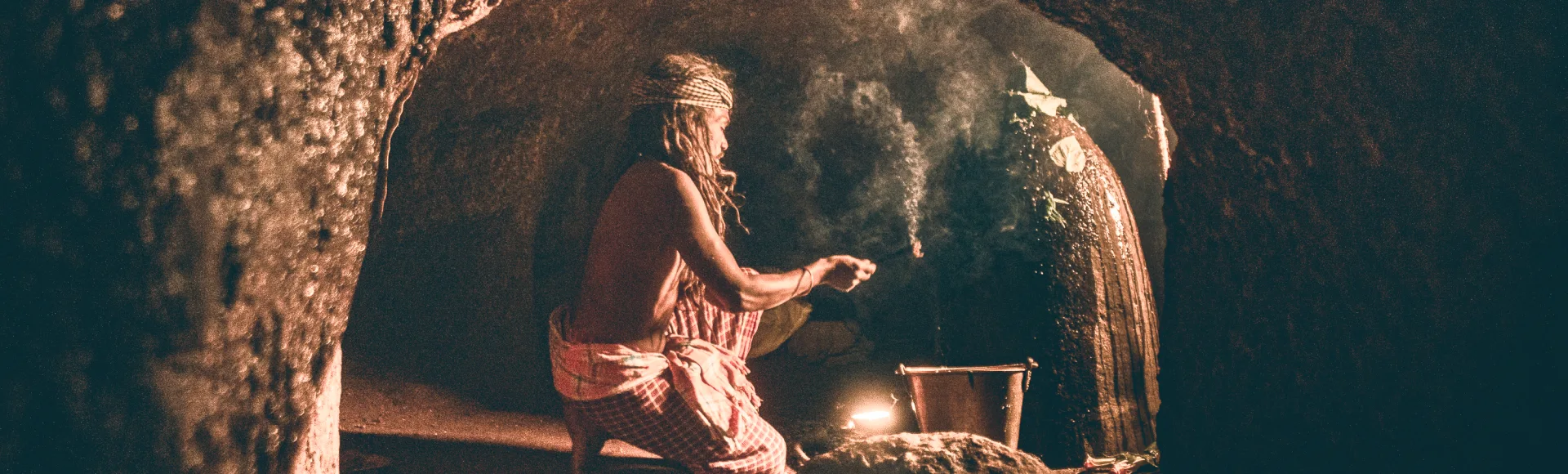
In Kutunipadar village, Sahasra Shivalinga Temple stands on Koti Shivalinga Parvat in Koraput, Odisha. Across the hill lie more than a thousand naturally exposed Shiva lingas. They range from tiny stone forms to large rock masses that remain partly beneath the ground. Two ancient caves provide places of worship. Inside the cave shrines are prominent Shiva lingas, accompanied by finely carved stone figures of Lord Vishnu, Bhairav and other deities. The natural sacred forms and crafted images give the site religious and heritage significance. Visitors reach the temple by climbing stone stairs along the hillside. During the ascent, the setting includes forest and valley views. In Koraput’s tribal heartland, the shrine’s caves and lingas sit within a natural landscape, while the temple remains a place of pilgrimage. Plan your visit around Aug – Mar. The official suggested visit duration is 1–2 Hrs; treat this as time at the attraction, not the complete journey from your hotel. Odisha’s coast and plains can be hot and humid, while southern hill districts may feel cooler after sunset. Heavy monsoon rain can affect road travel and access to outdoor sites. Check the local forecast before setting out, and keep a flexible alternative for bad weather. Official destination reference: https://odishatourism.gov.in/en/places/sahasra-shivalinga-temple
Why it matters
Sahasra Shivalinga Temple is a locally important Shiva pilgrimage site in Kutunipadar village, Koraput district, Odisha. Its distinctive setting is Koti Shivalinga Parvat, a hill dotted with more than a thousand naturally surfaced Shiva Lingas, according to the destination description. Two cave shrines add to the site’s religious and heritage interest, with Shiva Lingas and carved images of deities including Vishnu and Bhairav. Odisha Tourism lists the destination in its temple, spiritual-site and ancient-heritage categories. This is an official tourism listing, not evidence of a separate heritage designation: no UNESCO status or ASI protection is confirmed in the available destination information. The site’s significance is therefore best understood through its local devotional role, its unusual landscape of sacred formations and its cave shrines.
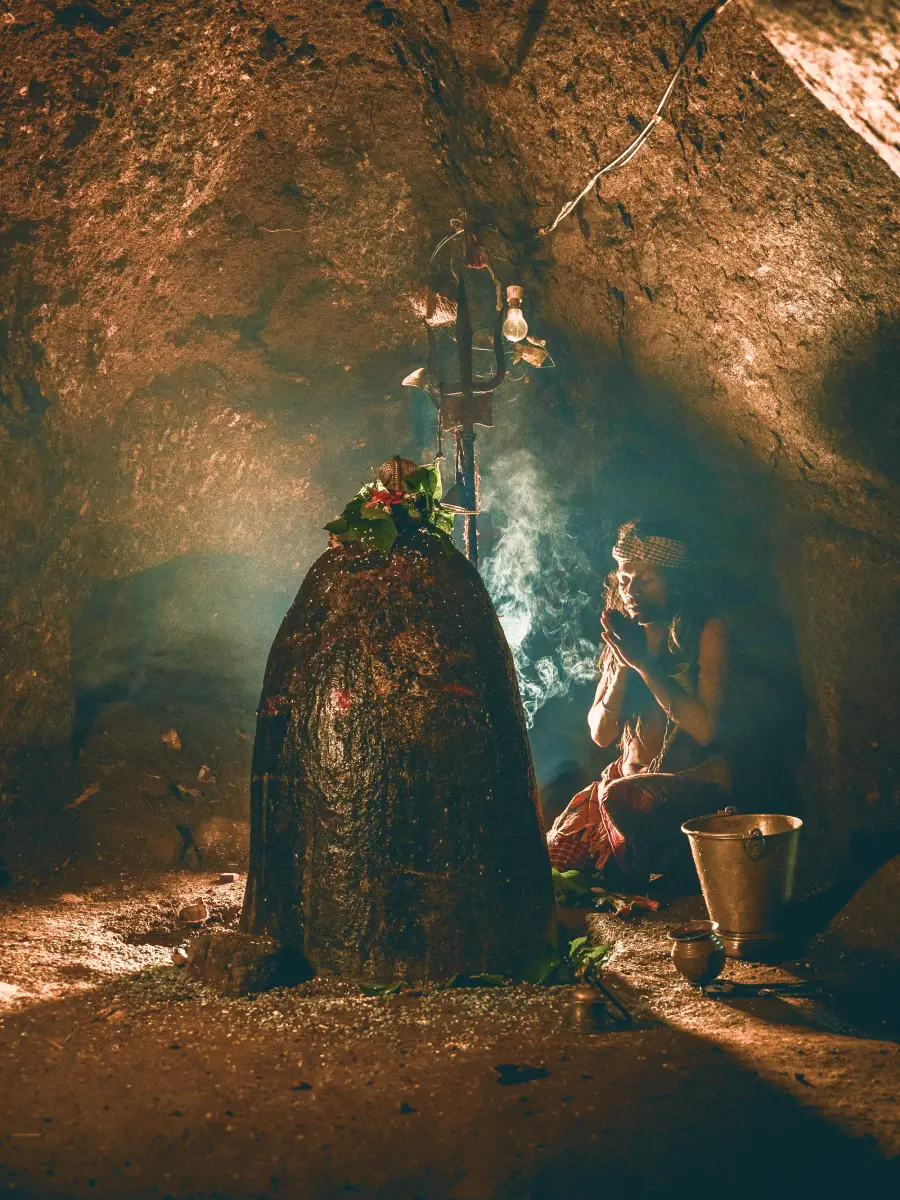
The available official destination description presents Sahasra Shivalinga Temple as a sacred hill and cave-shrine site in Kutunipadar village, but does not give a foundation date, identify builders or name a documented patron. In the absence of a dependable dated account, assigning the temple to a particular dynasty or century would be speculative. The name is associated with the many Shiva Lingas found across Koti Shivalinga Parvat; the description reports more than a thousand naturally surfaced formations, from small stones to larger, partly buried monoliths. The site also includes two cave shrines with Shiva Lingas and carved images of Vishnu, Bhairav and other deities. These features show that the hill has a continuing religious and heritage role, but they do not by themselves establish when worship began or how the shrines developed. For more detailed dating, conservation history or archaeological interpretation, visitors should consult the local managing authority or relevant heritage officials.
Origin stories & folklore
Local explanations of the hill’s sacred character should be treated as belief and oral tradition, not as a verified account of its geological or historical origins. The name Sahasra Shivalinga evokes a multitude of Shiva Lingas, while Koti Shivalinga Parvat is associated with the many sacred formations spread across the hillside. Devotees may understand the naturally surfaced stones as signs of Shiva’s presence and regard the caves as especially auspicious places of worship. The site description does not record a single established founding legend or a named figure responsible for discovering the Lingas. Visitors interested in local stories can ask respectfully whether residents or temple attendants are willing to share them, while recognizing that accounts may differ.
Architecture & design
The temple experience is shaped by the hillside rather than by one large, freestanding shrine. Koti Shivalinga Parvat is dotted with naturally surfaced Shiva Lingas, including small stone formations and larger monoliths that are partly buried. Two cave shrines form prominent devotional spaces on the hill, housing Shiva Lingas alongside carved stone images of Vishnu, Bhairav and other deities. Visitors approach by a flight of stone steps through the hillside. The route and surrounding forested slopes make the natural setting an integral part of the pilgrimage. The available destination information does not specify the age, stone type, construction phases or architectural school of the caves and carvings, so these should not be inferred from appearance alone. Nor is there a documented technical account of how the steps or shrines were built. Look for the relationship between the sacred stones, cave interiors and surrounding landscape, and follow the permitted route rather than climbing onto or handling the formations.
Important objects & sculptures
The principal objects of devotional interest are the numerous Shiva Lingas across the hillside, described as ranging from tiny stone formations to large, partly buried monoliths. In the two cave shrines, visitors can look for prominent Shiva Lingas and carved stone images of Vishnu, Bhairav and other deities. The available destination information does not identify inscriptions, a museum collection or individually catalogued sculptures, and it does not provide dates or names for the carvings. Interpretations of particular figures may be available from temple attendants or local guides, but should be confirmed rather than assumed from a photograph. Observe the objects from the designated route and do not touch, climb on or move sacred stones.
Religious significance
Sahasra Shivalinga Temple is a Shiva pilgrimage site, and the hill’s many Lingas are central to its meaning for worshippers. The cave shrines also contain Shiva Lingas and images of Vishnu, Bhairav and other deities, giving the site a broader devotional character. Approach the shrines quietly, allow worshippers space and ask attendants before entering any area whose access is unclear. The stone steps and hillside setting are part of the pilgrimage experience, but visitors need not treat every formation as an accessible shrine. Practices can vary, so follow local guidance and avoid interrupting ceremonies.
Begin with the main attraction at Sahasra Shivalinga Temple and leave time to understand its setting in Koraput. Approach the shrine respectfully, follow the posted entry requirements and allow time for queues. Ask attendants about photography, footwear storage and the permitted route. Religious practice is part of daily life here; avoid interrupting worship or assuming that every visitor can enter every part of the complex. Keep a simple itinerary: arrive in daylight, enjoy the main visit, take a shaded meal break, then decide whether one nearby stop fits your return plan. Use the district index to find nearby places, but check the actual road route before combining them. Reserve a little time for photographs from permitted public viewpoints and avoid blocking paths while taking pictures.
Suggested itineraries
Half day: Travel from your Koraput-area base to Kutunipadar; allow about 1–2 hours at the temple for the steps, cave shrines and permitted viewpoints; return with a buffer for the road journey. Full day: Set out in daylight; spend about 1–2 hours at Sahasra Shivalinga Temple; take a meal break in a town where food is available; add one nearby Koraput-district stop only after checking the route and road conditions; return before travel becomes difficult. Gentler option: If the steps are unsuitable, avoid attempting the climb; ask locally whether a safe lower viewpoint or a shorter accessible portion is possible, and plan a relaxed visit to Koraput town instead.
The temple sits in Koraput’s wider southern Odisha setting, where Odia and local languages, including Desia and languages spoken by Adivasi communities, may be heard. Customs and religious practice are lived locally; visitors should not assume that one set of dress, performance or ritual represents every community in the district. The destination description does not identify regular music, dance or a specific cultural programme at the temple. During a visit, respectful observation is more appropriate than treating worshippers or local residents as subjects for photographs. Ask permission before photographing people, and accept that some visitors or shrine areas may not be open to photography. For cultural context beyond the hill, Koraput’s local markets and district institutions may offer opportunities to learn about regional crafts and traditions.
Festivals & events
Maha Shivaratri is the most relevant widely observed Shiva festival to ask about at this pilgrimage site, though the available destination information does not confirm a specific event programme or annual fair here. Worship and visitor numbers may increase around major Shiva observances, so check locally before planning a visit during a festival period. Other religious observances may take place according to local practice, but dates and arrangements can vary. Koraput district also has a range of community and cultural celebrations; these should not be assumed to be temple events. During busy periods, allow extra time on the steps, follow attendants’ directions and avoid obstructing worship.
For a visit to Sahasra Shivalinga Temple, plan food around your base in Koraput and do not assume that a remote entrance has a full restaurant. Odisha offers rice-based meals, dalma, vegetable preparations and sweets such as chhena poda. Availability varies by district and outlet; ask what is freshly prepared rather than expecting every local dish at every stop. Choose busy, clean establishments and tell staff about allergies, spice preferences or dietary restrictions before ordering. Carry sealed drinking water and a small snack if you are travelling beyond a town. In hot weather, take regular water breaks instead of waiting until you feel exhausted. If a temple offers food or prasad, follow the local serving rules and confirm what ingredients it contains. Do not treat ritual food as a guaranteed restaurant meal. Keep all packaging with you until you find an appropriate waste bin.
Shopping & local experiences
Visitors may find locally made crafts or forest- and farm-related products in district markets, but availability varies and should not be assumed at a particular stall. Buy directly from makers when possible, ask permission before photographing craftspeople, and check how products are made and sourced. Try regional food at an established local eatery rather than expecting food service at the shrine. Keep the temple area clean and avoid leaving packaging or offerings outside designated places.
Aug – Mar
Start by choosing a practical overnight base in or near Koraput, rather than assuming every attraction has its own railway station. Odisha Tourism lists this rail access: Nearest Railway Station -Koraput Railway Station (Approx. 50 km). The listed air access is: Nearest Airport - Jayapur Airport (Approx. 70 km). Road access: The temple is located at Kutunipadar village, about 50 km from Koraput. Travel towards Rayagada via Kakirigumma and Kusumguda before taking the 4 km approach road to the temple. It is well connected by road.. Compare train, bus and flight options door to door. Rail can suit overnight journeys and travellers who prefer to avoid a long drive. A bus may be useful between district towns, but the last service may finish before your visit ends. A flight only saves time if airport transfers, check-in and the final road leg are included. Reserve the return leg before departure and allow time for traffic, meals and weather. Check IRCTC and NTES for trains, OSRTC for buses, and the airline’s own schedule for flights. Do not rely on an unconfirmed connection or assume taxis will wait at a remote site.
Confirm onward and return timings on IRCTC / NTES, the state bus operator or your airline before travel. A dash means current timings or fares have not been verified.
Getting around
Koraput is a practical overnight base, but the temple is at Kutunipadar village, about 50 km from Koraput according to the destination information. Road access is described via Rayagada, Kakirigumma and Kusumguda, followed by a 4 km approach road. Arrange a local taxi or other suitable vehicle from Koraput or a nearby town, and confirm the final road condition and drop-off point before departure. Local buses may serve parts of the route, but service to the temple and return connections should be checked locally. The approach includes walking up stone steps. Confirm whether parking is available and where vehicles may stop; do not assume autos or taxis will be waiting at the site.
Hours, tickets & permissions
Entry arrangements, access to the cave shrines, any ticket or permit requirements, camera rules and dress expectations can be set or changed by the managing authority. No current hours or fees are confirmed here. Check the Odisha Tourism destination page and confirm the latest opening arrangements, entry requirements and charges with the local authority before travelling. The official suggested visit duration is 1–2 hours at the attraction; this does not include the journey to or from the temple. Arriving in daylight is a practical choice for the hillside steps.
Facilities
Facilities at the hill should not be assumed. Toilets, drinking water, food stalls, shaded seating, parking and guide services may be limited or unavailable on site; check locally and carry water and any essentials you need. Koraput town is a more practical place to look for meals, shops and routine services before or after the visit. ATMs and medical help should also be planned for in a town rather than expected at the temple. If you need assistance with the steps or have a specific access requirement, contact the local managing authority or ask locally before setting out.
Accessibility
The approach includes a flight of stone steps climbing through a hillside, and the route may be uneven, exposed or tiring. This makes the temple difficult for many wheelchair users and unsuitable for most strollers; no ramp or lift is confirmed. Walking distances within the site and the availability of handrails or resting places should be checked locally. Shade may vary along the route, so plan for sun and carry water. Older visitors and anyone with limited mobility, balance concerns or a health condition should assess the climb conservatively and consider travelling with a companion. Do not rely on reaching the cave shrines without negotiating the steps.
At Sahasra Shivalinga Temple, local access rules take priority over any suggested itinerary. Reconfirm opening arrangements, entry eligibility, permits and weather restrictions shortly before arrival. Keep the emergency number 112 available and save your accommodation’s contact details offline. A map pin identifies a general location, not an assurance that the approach road or walking path is safe. Ask local staff which entrance visitors should use. Dress respectfully and follow shrine-specific rules. Entry restrictions may depend on religious practice, and photography or phones may be prohibited. Use official counters where available and agree on any guide service before accepting it. Carry only necessary valuables, keep rubbish out of the site, and leave enough daylight for the return journey.
Visitor rules
Follow posted notices and instructions from temple attendants, especially around the cave shrines and worship areas. Dress respectfully for a place of worship, remove footwear where requested and use any designated footwear area. Keep voices low, do not interrupt prayers, and avoid touching, climbing on or moving Lingas and carvings. Ask before entering restricted spaces or photographing people. Carry litter back out and avoid single-use plastic where possible. Entry conditions, access limits and photography restrictions may change; confirm them locally and respect any area closed to visitors.
Photography
The hillside and surrounding forested slopes can provide scenic views, and softer daylight may help with photographs of the landscape and stone formations. Use only permitted public viewpoints and keep paths clear while taking pictures. Photography inside the cave shrines, near worship or of individual visitors may be restricted; ask attendants and seek people’s consent. Do not touch or reposition sacred objects for a photograph. Drone use may be subject to aviation rules and local restrictions, so do not fly one without confirming permission from the relevant authorities and temple management.
Choose accommodation by the complete journey to Sahasra Shivalinga Temple, not by the district name alone. A room in a well-connected town in Koraput may offer easier transport, meals and medical access than a property advertised as being close to the attraction. Check the exact location, recent guest feedback, reception hours and cancellation terms. Ask how you will reach the site and return after the visit, especially if you are not driving. A centrally located stay can make early sightseeing and an evening return easier. Confirm whether the approach road is accessible to your vehicle and whether lifts are available. Book only through a trusted accommodation channel, avoid sending payments to an unverified personal contact, and keep written confirmation of the services included.
Koraput town is the most practical nearby base for services and for exploring other district attractions. The district’s better-known natural and cultural stops include Duduma Waterfall, Deomali, Gupteswar Cave and the Tribal Museum in Koraput. These are separate outings rather than immediate add-ons to the temple visit; road distances, travel times, seasonal access and the best order can vary. Check current conditions and actual routes before combining them, particularly during heavy monsoon rain, which can affect roads and access to natural sites. Avoid trying to fit several distant stops into the same short visit.
For couples visiting Sahasra Shivalinga Temple, keep the day relaxed: one main visit, a meal break and a return transfer arranged in advance. Choose public viewpoints for photographs and respect religious or community expectations around behaviour and clothing. Confirm the accommodation’s check-in requirements before booking. Avoid secluded paths after dark and do not trade a safe return plan for a late photograph. A quieter weekday may suit you, but opening and access arrangements still need local confirmation.
Q: How much time should I allow for the temple visit? A: Odisha Tourism suggests 1–2 hours at the attraction. Add separate time for the road journey from your base and for the uphill steps. Q: When is a good season to visit? A: The suggested planning period is August to March. Check the forecast, as heavy monsoon rain can affect roads and hillside access. Q: Is there an entry fee or a permit? A: Check with the managing authority before travelling. Q: Can children or elderly visitors make the visit? A: The stone steps can be tiring and uneven. Children should be supervised, and older visitors should assess their mobility and stamina before attempting the climb. Q: Where should I stay nearby? A: Koraput is a practical base for services and onward travel. Confirm accommodation availability and the road plan locally before setting out for Kutunipadar.
Be the first to share photos, stories, advice or a helpful contact for Sahasra Shivalinga Temple.
Loading…