
Gupteswar Cave Temple
Gupteswar Cave Temple in Kathakhunta, Koraput, Odisha, is a Shiva shrine in forest country beside the Kolab River. Pilgrims visit its cave lingam, particularly during Shravan and Shivaratri.
Key facts · verified by Ghumoopedia editors
- Type of place
- Temple / pilgrimage site
- Best time to visit
- October - March
- Verified
- 21 Nov 2026
Plan a trip from Gupteswar Cave Temple — a day-by-day route through places nearby.
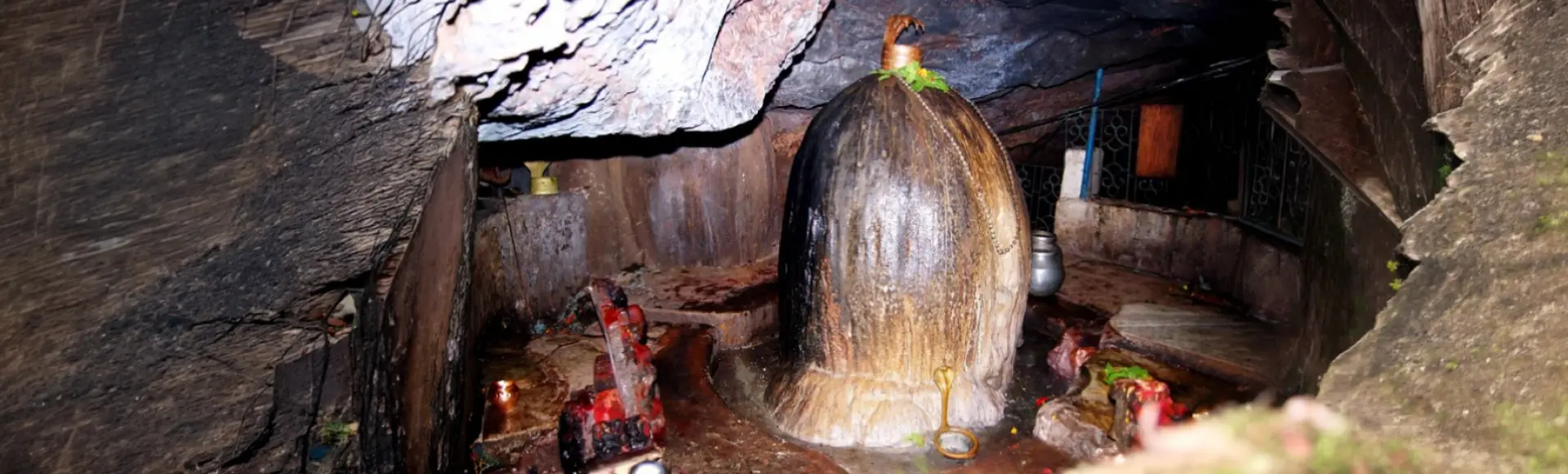
In Kathakhunta, Koraput, Odisha, the shrine stands among sal woodland near the Kolab River. Visitors climb a short set of steps before descending into a limestone cavern. Champak trees shade it; inside, the air is cool and the light dim, while chants mingle with the shapes of ancient rock. At the cave’s centre is a Shiva lingam roughly two metres tall. Tradition credits Lord Rama with finding it first; a hunter came upon it again in the seventeenth century and informed Maharaja Veer Vikram Dev of Jayapur. The king established rites that remain in practice. Drops of water fall naturally from the ceiling onto the lingam. During Shravan and Shivaratri, the shrine draws devotees from Odisha, Andhra Pradesh and Chhattisgarh. The surrounding forest is also visited for birding, offering an interest for people drawn to nature as well as worship. Plan your visit around October - March. The official suggested visit duration is 1–2 hours; treat this as time at the attraction, not the complete journey from your hotel. Odisha’s coast and plains can be hot and humid, while southern hill districts may feel cooler after sunset. Heavy monsoon rain can affect road travel and access to outdoor sites. Check the local forecast before setting out, and keep a flexible alternative for bad weather. Official destination reference: https://odishatourism.gov.in/en/places/gupteswar-cave-temple
Why it matters
Gupteswar Cave Temple is a locally and regionally important Shiva shrine in Kathakhunta, Koraput district. Its setting among sal forests near the Kolab River connects pilgrimage with the natural landscape of southern Odisha. Odisha Tourism lists it as a cave, temple and religious centre, and describes it as a destination for devotees and nature lovers. Worshippers travel from Odisha and neighbouring Andhra Pradesh and Chhattisgarh, especially during Shravan and Shivaratri. The cave’s naturally formed interior and prominent lingam distinguish the visit from that of a conventional built temple. No UNESCO or Archaeological Survey of India protected status is established in the destination information; check with the relevant authorities for current heritage designations.
The cave shrine’s history combines a natural place of worship with accounts of later royal patronage. Odisha Tourism’s destination account says the lingam was rediscovered in the seventeenth century by a hunter, who informed Maharaja Veer Vikram Dev of Jayapur. The king is said to have established rituals that continue today. This account gives the shrine a connection to the former Jayapur kingdom, although detailed documentary evidence about the earliest worship, the cave’s development and subsequent building work is not presented in the available destination information. The cave itself is a natural feature rather than a temple structure attributed to a known architect or construction period. The shrine has developed around its lingam, with steps providing access to the cave and devotional practice centred on the natural interior. Accounts also associate the site with Lord Rama, a tradition described separately as legend rather than established history. Gupteswar remains an active place of worship and a destination promoted by Odisha Tourism.
Origin stories & folklore
According to local tradition, Lord Rama discovered the lingam at Gupteswar during his travels. This is a sacred origin story, not a claim that can be treated as documented history. Another account says the lingam was later found by a hunter in the seventeenth century; he is said to have brought the discovery to the attention of Maharaja Veer Vikram Dev of Jayapur, after which the king established worship at the site. Devotees may also regard the water that naturally drips from the cave ceiling onto the lingam as spiritually significant. These traditions give the cave meaning beyond its physical setting, and are best approached as living beliefs shared by worshippers.
Architecture & design
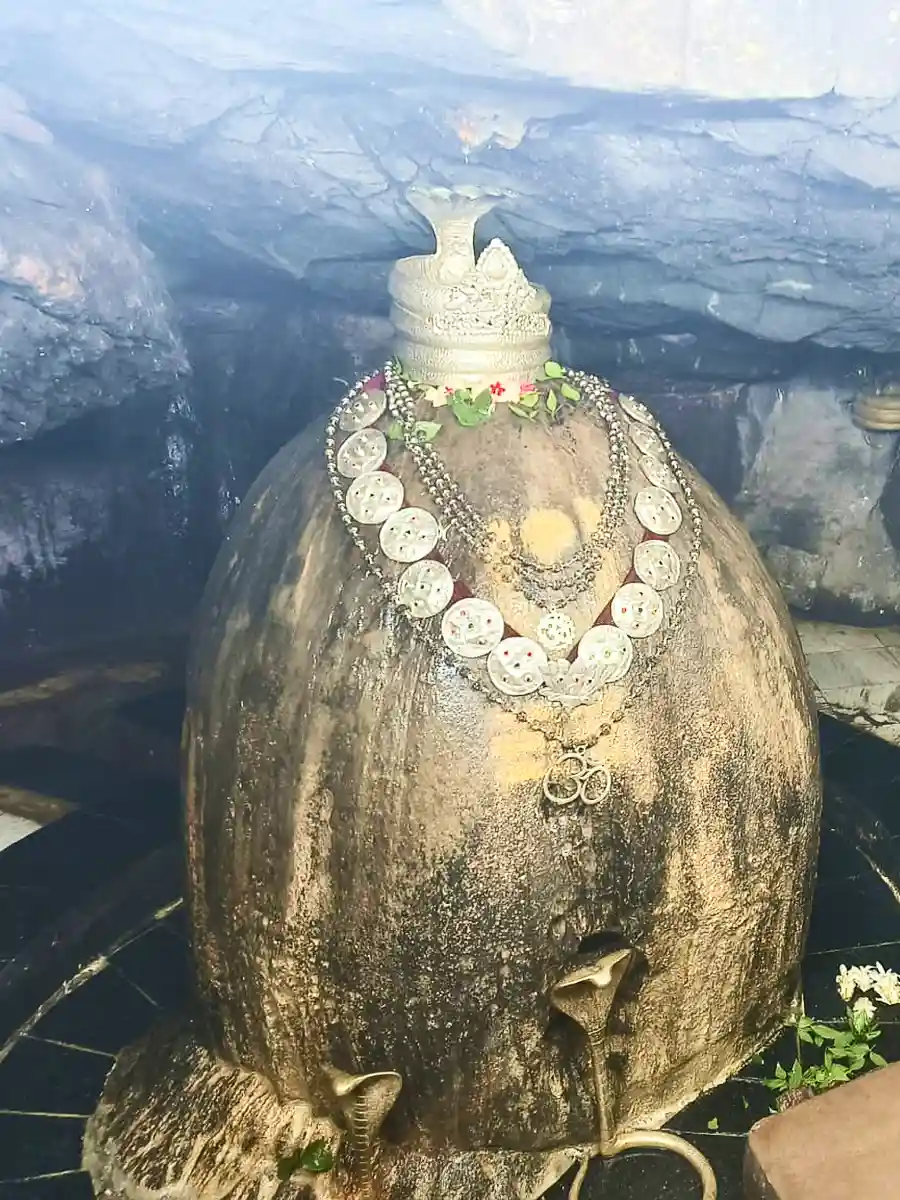
Gupteswar is centred on a natural cave, described by Odisha Tourism as a limestone cave, rather than a large purpose-built temple complex. Visitors climb a short flight of steps before descending into the shaded interior. The passage leads to the principal shrine, where a towering lingam, described in the destination account as about two metres high, is the focus of worship. The cave’s dim, cool atmosphere, uneven rock surfaces and naturally formed chambers shape the experience. Water droplets falling from the ceiling onto the lingam are a notable feature of the setting. Champak trees shade the approach, while the surrounding forest reinforces the contrast between the open landscape and enclosed cave. Visitors should follow the permitted route and take care on steps and potentially damp or irregular surfaces; do not assume every chamber is open to the public.
Important objects & sculptures
The principal object to look for is the prominent Shiva lingam in the cave, described by Odisha Tourism as approximately two metres high. It is the focus of prayer and offerings, so view it respectfully and do not touch it unless the temple attendants explicitly permit this as part of worship. The cave’s rock formations and the natural water droplets that fall from the ceiling are also distinctive features of the visit, though they are part of the natural setting rather than a collection of temple objects. No particular set of inscriptions, sculptures, museum displays or historic objects is confirmed in the available visitor information. Ask an attendant before approaching any ritual area or attempting to inspect features closely.
Religious significance
Gupteswar is a living shrine dedicated to Lord Shiva, worshipped here in the form of a lingam within a natural cave. Devotees come to pray, make offerings and participate in worship led or facilitated by local temple attendants. The water that drips onto the lingam is regarded by many visitors as part of the cave’s sacred character. Shravan and Shivaratri are especially important times for pilgrimage, drawing worshippers from across the region and neighbouring states. Customs can vary with the ritual and crowd, so visitors should observe before acting, follow attendants’ instructions and avoid interrupting prayer. The site is both a place of religious practice and a destination for respectful visitors who wish to understand its spiritual significance.
Begin with the main attraction at Gupteswar Cave Temple and leave time to understand its setting in Koraput. Approach the shrine respectfully, follow the posted entry requirements and allow time for queues. Ask attendants about photography, footwear storage and the permitted route. Religious practice is part of daily life here; avoid interrupting worship or assuming that every visitor can enter every part of the complex. Keep a simple itinerary: arrive in daylight, enjoy the main visit, take a shaded meal break, then decide whether one nearby stop fits your return plan. Use the district index to find nearby places, but check the actual road route before combining them. Reserve a little time for photographs from permitted public viewpoints and avoid blocking paths while taking pictures.
Suggested itineraries
Half day: Travel from your Koraput-area base to Gupteswar; allow about 1–2 hours at the shrine for the approach, worship and a considered visit; take a shaded break before returning. Full day: Set out in daylight; visit Gupteswar; pause for a meal; if roads and time allow, visit Koraput town’s Tribal Museum or Sabara Srikhetra; return with daylight and weather flexibility. Gentler option: Stay near the vehicle drop-off, take the approach slowly and visit only areas permitted and manageable for you; ask a companion or attendant about the steps before entering the cave.
The shrine’s culture is shaped by ongoing worship and by the wider social diversity of Koraput district. Visitors may encounter Odia and local regional speech, with other languages also used in this border region; the language spoken at the temple can vary. The destination account highlights pilgrimage and the surrounding forest rather than a scheduled programme of music or dance, so performances should not be expected on an ordinary visit. During busy religious periods, family groups and pilgrims share the approach and shrine spaces. Dress modestly, ask before photographing people, and treat local customs as living practice rather than as a performance for visitors. For a broader view of regional communities and traditions, Koraput town’s museum may be of interest.
Festivals & events
Shravan, usually falling during the monsoon season, and Shivaratri are the main pilgrimage periods highlighted for Gupteswar. Devotees visit to worship Shiva, and the temple can be considerably busier than on an ordinary day. Monsoon weather may also affect road conditions and access, so check locally before travelling. Other observances may take place as part of the temple’s regular religious calendar, but their arrangements and dates should be confirmed with the managing authority. If you prefer a quieter visit, consider travelling outside major festival periods and allow flexibility for crowds, weather and the pace of worship.
For a visit to Gupteswar Cave Temple, plan food around your base in Koraput and do not assume that a remote entrance has a full restaurant. Odisha offers rice-based meals, dalma, vegetable preparations and sweets such as chhena poda. Availability varies by district and outlet; ask what is freshly prepared rather than expecting every local dish at every stop. Choose busy, clean establishments and tell staff about allergies, spice preferences or dietary restrictions before ordering. Carry sealed drinking water and a small snack if you are travelling beyond a town. In hot weather, take regular water breaks instead of waiting until you feel exhausted. If a temple offers food or prasad, follow the local serving rules and confirm what ingredients it contains. Do not treat ritual food as a guaranteed restaurant meal. Keep all packaging with you until you find an appropriate waste bin.
Shopping & local experiences
There may be small vendors near the approach, but the selection and availability can vary; do not depend on the cave itself for shopping. In Koraput town or local markets, look for regional handicrafts, textiles and locally produced foods, including Koraput coffee or millet products where available. Ask sellers about the origin and making of craft items, and buy respectfully from local makers when possible. Packaged snacks and water may be easier to find in larger settlements than at the shrine. Avoid buying objects presented as archaeological or sacred antiquities, and carry reusable bags to reduce waste.
October - March
Start by choosing a practical overnight base in or near Koraput, rather than assuming every attraction has its own railway station. Odisha Tourism lists this rail access: Nearest railway station – Jayapur/Visakhapatnam. The listed air access is: Nearest airport – Visakhapatnam Airport. Road access: Accessible by road from Jayapur. Compare train, bus and flight options door to door. Rail can suit overnight journeys and travellers who prefer to avoid a long drive. A bus may be useful between district towns, but the last service may finish before your visit ends. A flight only saves time if airport transfers, check-in and the final road leg are included. Reserve the return leg before departure and allow time for traffic, meals and weather. Check IRCTC and NTES for trains, OSRTC for buses, and the airline’s own schedule for flights. Do not rely on an unconfirmed connection or assume taxis will wait at a remote site.
Confirm onward and return timings on IRCTC / NTES, the state bus operator or your airline before travel. A dash means current timings or fares have not been verified.
Getting around
The shrine is reached by road, with Jayapur/Jeypore the practical nearby town identified for road access. Arrange a local taxi or other private vehicle from your overnight base, and confirm the return plan before leaving; local public transport may not suit the final approach or your preferred schedule. Ask your driver about the road condition and where vehicles may be parked. From the vehicle drop-off or parking area, expect to walk and use steps to reach the cave. There is no boat journey described as part of the visit. Carry water for the approach and allow extra time in wet weather or during pilgrimage crowds.
Hours, tickets & permissions
Entry arrangements may depend on temple activity, visitor flow and conditions inside the cave. Rules may apply to footwear, photography, offerings and access to particular parts of the shrine; follow notices and instructions from attendants. Do not assume that all parts of the cave are open at all times. Confirm current visiting hours, entry requirements and any applicable fees with the managing authority or locally before setting out. Festival days and periods of heavy rain may affect access or the time needed for a visit.
Facilities
Facilities at the shrine and along the approach may be basic and can vary with the season and visitor numbers. Toilets, drinking water, food stalls, parking and local assistance may be available nearby, but do not rely on every facility being open or accessible; check locally before travelling. Carry drinking water and any personal essentials, and plan meals around your route rather than assuming food service at the cave. ATMs and a wider choice of shops or services are more likely in a town such as Jayapur/Jeypore or Koraput, not at the cave itself. Ask locally about guides or attendants if you need help understanding the site.
Accessibility
The visit involves a short flight of steps followed by a descent into a natural cave. The route may include uneven rock, confined or dim sections, and surfaces made slippery by moisture. There is no confirmed information about ramps, lifts or step-free access, so the shrine should not be assumed to be wheelchair- or stroller-accessible. Older visitors and anyone with limited balance, mobility, vision or breathing capacity should assess the steps and cave conditions before proceeding, and may wish to have a companion. Shade from trees can make the approach more comfortable, but it does not remove the physical demands. Ask temple attendants about current conditions and the extent of the permitted route.
At Gupteswar Cave Temple, local access rules take priority over any suggested itinerary. Reconfirm opening arrangements, entry eligibility, permits and weather restrictions shortly before arrival. Keep the emergency number 112 available and save your accommodation’s contact details offline. A map pin identifies a general location, not an assurance that the approach road or walking path is safe. Ask local staff which entrance visitors should use. Dress respectfully and follow shrine-specific rules. Entry restrictions may depend on religious practice, and photography or phones may be prohibited. Use official counters where available and agree on any guide service before accepting it. Carry only necessary valuables, keep rubbish out of the site, and leave enough daylight for the return journey.
Visitor rules
Treat Gupteswar as an active place of worship. Dress modestly, keep voices low and give worshippers space; follow attendants’ directions about footwear, offerings and entry to the cave. Do not enter restricted areas or touch the lingam, ritual objects or cave formations unless explicitly invited as part of worship. Ask whether photography is permitted before taking pictures, especially during rituals. Avoid littering, leave plastic and other waste responsibly, and take care on steps and damp surfaces. Festival crowds may require visitors to follow queues or temporary instructions. Confirm any posted rules on arrival, as arrangements can change.
Photography
The forested approach may offer pleasant photographs in soft daylight, while the cave is naturally dim and may be difficult to photograph without disturbing worship. Use only viewpoints and areas where photography is permitted, and ask attendants before photographing the lingam, rituals or other visitors. Avoid flash if it is prohibited or disruptive, and never block the route for a picture. Drone use should not be assumed to be allowed; check with the relevant authorities and respect any local restrictions before bringing one. Be mindful that this is a sacred site, not simply a scenic photo stop.
Choose accommodation by the complete journey to Gupteswar Cave Temple, not by the district name alone. A room in a well-connected town in Koraput may offer easier transport, meals and medical access than a property advertised as being close to the attraction. Check the exact location, recent guest feedback, reception hours and cancellation terms. Ask how you will reach the site and return after the visit, especially if you are not driving. A centrally located stay can make early sightseeing and an evening return easier. Confirm whether the approach road is accessible to your vehicle and whether lifts are available. Book only through a trusted accommodation channel, avoid sending payments to an unverified personal contact, and keep written confirmation of the services included.
Koraput town offers the Tribal Museum and Sabara Srikhetra, also known as the Jagannath Temple, as possible cultural and religious additions to a wider trip. The Kolab Reservoir is another recognised landscape feature in the district. These places are not all immediate neighbours of the cave, so check the road route and travel time before combining them in one day. Deomali, in Koraput district, may suit travellers planning a broader mountain and nature itinerary, but it is not a quick add-on to the shrine. Confirm current road and access conditions locally, particularly in the monsoon.
For couples visiting Gupteswar Cave Temple, keep the day relaxed: one main visit, a meal break and a return transfer arranged in advance. Choose public viewpoints for photographs and respect religious or community expectations around behaviour and clothing. Confirm the accommodation’s check-in requirements before booking. Avoid secluded paths after dark and do not trade a safe return plan for a late photograph. A quieter weekday may suit you, but opening and access arrangements still need local confirmation.
Q: How much time should I allow for Gupteswar Cave Temple? A: The suggested visit duration is 1–2 hours at the attraction. Add the road journey, waiting and meal breaks separately. Q: When is a good season to visit? A: October–March is the suggested planning period. Check weather and road conditions, especially during heavy monsoon rain. Q: Is entry subject to rules? A: Follow current instructions about entry, footwear, photography and permitted areas; confirm hours and any fees locally. Q: Can children and older visitors visit the cave? A: Families may visit, but the steps, descent, dim light and uneven or damp surfaces require care. Assess mobility needs before entering. Q: Where should I stay nearby? A: Consider Koraput or Jayapur/Jeypore as an overnight base and confirm transport to the cave and the return journey in advance.
Be the first to share photos, stories, advice or a helpful contact for Gupteswar Cave Temple.
Loading…