
District · West Bengal
Purba Medinipur
Purba Medinipur is West Bengal’s southern coastal district, where the Bay of Bengal, river plains and cultivated countryside shape both its scenery and livelihoods.
Purba Medinipur stretches across southern West Bengal, where river plains and cultivated countryside meet the Bay of Bengal. Its coastal character is most familiar at Digha, Tajpur and Mandarmani: seaside destinations that share a shoreline but offer different settings for a beach holiday. Inland, villages, fields and market towns reveal a district shaped by agriculture, fishing and trade. Tamluk, the district headquarters, is associated with ancient Tamralipta, an important port in the subcontinent’s maritime history. The present district was formed in 2002 when Medinipur was divided. For travellers, its appeal lies in combining the coast with a longer view of Bengal’s riverine landscape and trading past.
Purba Medinipur is West Bengal’s southern coastal district, where the Bay of Bengal, river plains and cultivated countryside shape both its scenery and livelihoods. It is best known to visitors for Digha, Tajpur and Mandarmani, three seaside destinations with different holiday settings. Inland, Tamluk offers a connection to ancient Tamralipta, remembered as an important port in the region’s maritime history. The district suits travellers seeking a coastal break with opportunities to explore market towns and rural Bengal, rather than a beach holiday alone. Formed in 2002 when Medinipur was divided, it brings the state’s shoreline and a long history of river trade into one journey.
The district’s history is closely associated with Tamralipta, the ancient port identified with present-day Tamluk. The port was part of maritime networks linking the region with other parts of India and beyond, and is mentioned in historical accounts of early India. The wider area was influenced over time by successive rulers of Bengal, including medieval regional kingdoms and, later, the Mughal administration. Under British rule, the region formed part of the larger Midnapore district and saw activity in the anti-colonial movement. During the Quit India movement of 1942, local activists established the Tamralipta Jatiya Sarkar, a parallel administration in the Tamluk area; freedom fighter Matangini Hazra is among the figures remembered for this period. After independence, the area remained within undivided Midnapore district. In 2002, that district was divided into Purba Medinipur and Paschim Medinipur, with Tamluk becoming the headquarters of the new eastern district. Its coastal settlements later developed as holiday destinations, while agriculture, fishing and trade continued to shape everyday life.
3 destination guides
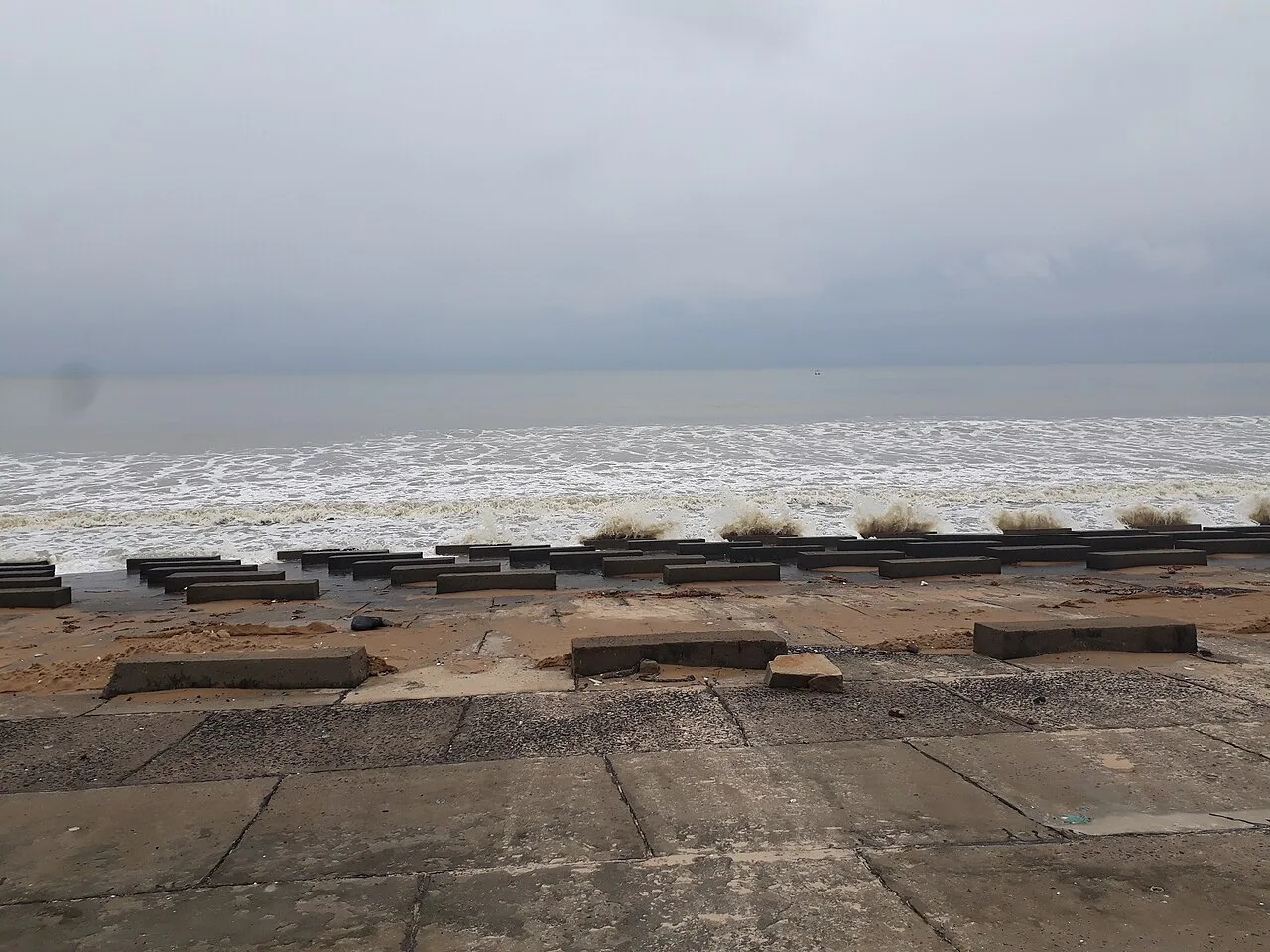
Digha
Digha is a coastal resort in West Bengal’s Purba Medinipur district, where the Bay of Bengal meets a long, shallow sandy shore. Visitors come to enjoy its beaches and seaside setting.
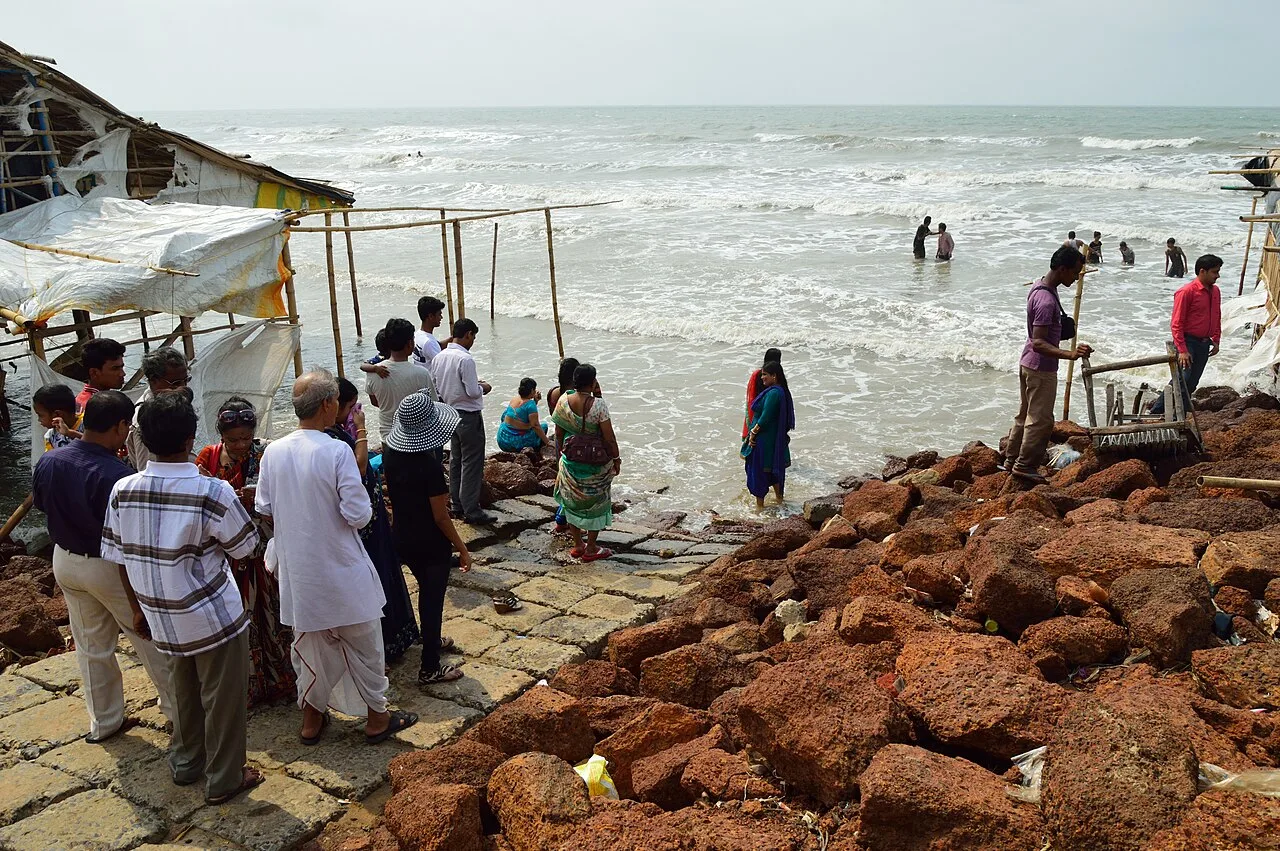
Mandarmani
In Purba Medinipur, West Bengal, Mandarmani is a village with a seaside-resort character on the Bay of Bengal’s northern coast. Visitors come for a stay by the sea.
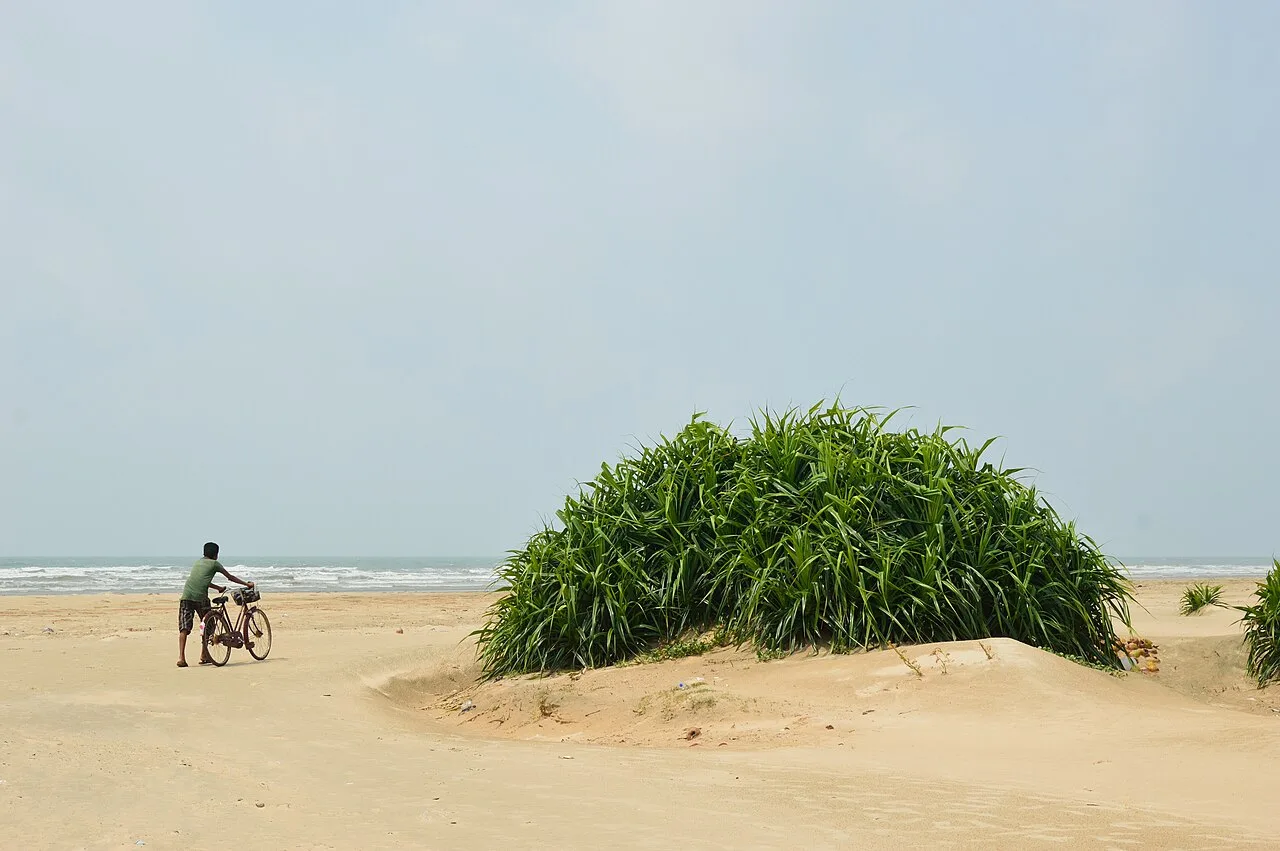
Tajpur
Tajpur is a coastal destination in Purba Medinipur, West Bengal, where visitors come for the beach and red crabs, as well as its position between Mandarmani and Shankarpur.
Fish and rice are central to the food traditions of coastal Bengal, including Purba Medinipur. Look for macher jhol, a light fish curry, and ask which fish is fresh that day rather than expecting every variety to be available. Shorshe ilish, hilsa cooked with mustard, belongs to the wider Bengali repertoire and depends on availability. Luchi with alur dom, vegetable dishes and dal provide alternatives to fish meals. Mishti doi, sandesh and rosogolla are familiar Bengali sweets rather than district-specific specialities. Small eateries may prepare only a limited daily menu, so ask what is available before ordering.
Madur mat weaving is a well-established craft of the wider Medinipur region, including Purba Medinipur. Woven from madurkathi reeds, these mats range from everyday household floor coverings to finer patterned work. The craft reflects the region’s wetland resources and Bengal’s long tradition of using plant fibres for practical objects. When shopping, ask where a piece was woven and whether it was handmade; stock in seaside markets need not be locally produced. Bengal’s broader textile and handicraft traditions may also appear in shops, but should not automatically be presented as crafts originating in this district.
Durga Puja in autumn is widely observed across the district, with decorated neighbourhood pandals and busy markets. Kali Puja, usually in autumn, and Rath Yatra, generally in summer, are also celebrated in local communities; temple festivals and fairs add to the calendar, including around Tamluk. These occasions are regional as well as district traditions, and their scale varies by town. Digha and other coastal resorts can be crowded during major holidays, weekends and festival breaks, so visitors may find more demand for rooms and road transport at those times.
Elsewhere in West Bengal
Purba Medinipur is largely a low-lying alluvial plain, with cultivated fields, settlements and market towns across its interior. Rivers and tidal waterways, including the Rupnarayan and Haldi, shape the landscape before reaching the coastal zone. Along the Bay of Bengal, sandy beaches and estuarine stretches define the better-known resort areas. There are no major hill ranges; travel is mainly across flat country by road. River crossings and low-lying roads can affect local journeys, particularly during the monsoon or periods of high water, so allow flexibility when travelling beyond the main resort routes.
The district has hot, humid summers, a monsoon season broadly from June into early autumn, and milder, generally drier winters. October to February is often the most comfortable period for coastal visits, though weekends and holidays can be busy. Summer beach trips are possible but bring stronger sun and humidity; monsoon weather can disrupt road travel and make the sea rough. Coastal conditions can change quickly, so check local weather and sea advisories before swimming or planning outdoor activities. Pack light clothing, sun protection and a hat; add rain protection in the wet season and a light layer for winter evenings.
Netaji Subhas Chandra Bose International Airport in Kolkata is the main airport gateway for visitors. Digha railway station serves the coastal resort town, while Tamluk is a useful rail access point for the district headquarters. Choose your arrival station according to your destination rather than assuming one station suits the entire district. Road connections from Kolkata and Howrah provide access to the district and its seaside towns. Tajpur and Mandarmani generally require an onward road transfer. Buses, hired cars, taxis and locally available autos or other shared transport cover different parts of the journey. Check current services locally.
Road is the practical way to move between Tamluk and the coastal destinations. Local and inter-town buses serve many routes, while taxis and hired cars offer more flexibility; autos and shared vehicles are useful for shorter trips where available. Tajpur and Mandarmani usually need an onward road transfer from a railhead or larger town. Services and road conditions vary by locality and season, so confirm arrangements locally, especially outside busy resort areas. Ferries serve some river crossings, but availability and routes are local; check before relying on a boat crossing as part of a journey.
2 days: Digha → Tajpur; sleep in Tajpur on night 1. 3 days: Digha → Tajpur → Mandarmani; sleep in Digha on night 1 and Mandarmani on night 2. 4 days: Digha → Tajpur → Mandarmani; sleep in Digha on night 1, Tajpur on night 2 and Mandarmani on night 3.
Digha is the most practical base for a short coastal visit, with a broad choice of hotels and guesthouses. Tajpur and Mandarmani suit travellers who want to stay close to their preferred stretch of coast; accommodation is generally in hotels, resorts and smaller guesthouses, with availability varying by season. Tamluk is more convenient for district-headquarters visits than for a beach-focused circuit. Homestays and government lodges may be available in some places, while dharamshalas are not a uniform option across the district. Reserve ahead for holidays and busy weekends.
Follow local advice on tides, currents, swimming zones and sea conditions; avoid entering rough water, especially during monsoon weather or official warnings. Use filtered or sealed drinking water and take usual care with food hygiene. Coastal sun and humidity call for water, shade and sun protection. Roads may be uneven, poorly lit or affected by rain, so take care after dark and allow extra time in wet weather. Mobile connectivity is generally better in towns and resorts than in some rural areas. No special permit is generally associated with visits to the listed coastal destinations, but confirm current rules and advisories with official local sources.
- South 24 Parganasabout 67 km
- Balasore · Odishaabout 80 km
- Jhargramabout 111 km
- Kolkataabout 127 km
- Howrahabout 129 km
- Mayurbhanj · Odishaabout 130 km
- Kendrapara · Odishaabout 136 km
- North 24 Parganasabout 136 km
Straight-line distance between the centres of each district's destinations; road distance is longer.
Q: How many days should I spend in Purba Medinipur? A: Two days can suit a brief coastal visit; three or four days allow time to stay in more than one seaside destination and travel at a gentler pace. Q: When is the best time to visit? A: October to February is usually the most comfortable season for the coast. Check weather and sea conditions in every season. Q: What is the best base for a coastal trip? A: Digha is a practical base for a short visit, while Tajpur or Mandarmani may suit travellers who prefer to stay at those beaches. Q: How do I get to the district? A: Kolkata is the main air gateway. Digha and Tamluk are useful rail access points for different parts of the district; continue by road to your chosen destination. Q: Is Purba Medinipur suitable for families or elderly travellers? A: Yes, particularly for a relaxed coastal stay, though beach access, uneven surfaces, heat and road transfers may require extra planning. Choose accommodation and transport suited to your needs.
This page draws on our 3 destination guides for Purba Medinipur and is updated as our team checks it.
Be the first to share photos, stories, advice or a helpful contact for Purba Medinipur.
Loading…