
District · West Bengal
Alipurduar
Alipurduar lies in the Dooars of northern West Bengal, between the Himalayan foothills and the plains, and serves as a gateway to forest landscapes and routes towards Bhutan.
Alipurduar lies in the Dooars of northern West Bengal, where river plains and forests meet the foothills of the Eastern Himalayas. Tea gardens, forest settlements and routes towards Bhutan shape the district’s landscape and character. Jaldapara National Park, beside the Torsa River, is especially associated with the greater one-horned rhinoceros. Farther east, Buxa Tiger Reserve protects a varied forest landscape rising towards the hills. Within the reserve, Buxa Fort connects the district’s mountain setting with its history: the British used it to detain political prisoners during colonial rule. Together, these places make Alipurduar a district for forest exploration, wildlife watching and walks that combine natural scenery with historical interest.
Alipurduar lies in the Dooars of northern West Bengal, between the Himalayan foothills and the plains, and serves as a gateway to forest landscapes and routes towards Bhutan. It is best known for Jaldapara National Park, associated with the greater one-horned rhinoceros, and Buxa Tiger Reserve, whose forests rise towards the hills. Buxa Fort adds a historical dimension: British authorities used it to detain political prisoners during colonial rule. Tea gardens, riverside scenery and forest settlements shape the district beyond its protected areas. Travellers come for wildlife viewing, nature walks and a slower journey through the eastern Dooars, while planning around seasonal access and park regulations.
The Alipurduar region formed part of the wider eastern Himalayan foothills, where the influence of the Koch kingdom and neighbouring Bhutanese powers changed over time. The Dooars, meaning the gateways to the hills, were strategically important for routes between the plains and Bhutan. After the Anglo-Bhutanese War, the Treaty of Sinchula in 1865 brought the Bengal Dooars under British control. During the colonial period, tea cultivation and railway connections helped reshape settlement and trade. Buxa Fort became known as a place where the British detained political prisoners and freedom movement activists. The region’s communities include Rajbanshi and Adivasi people, among others, with distinct cultural traditions. Alipurduar was part of Jalpaiguri district until it became a separate district of West Bengal in 2014. Its later development as a district reflects the importance of its rail links, forest areas and position near the Bhutan border.
3 destination guides
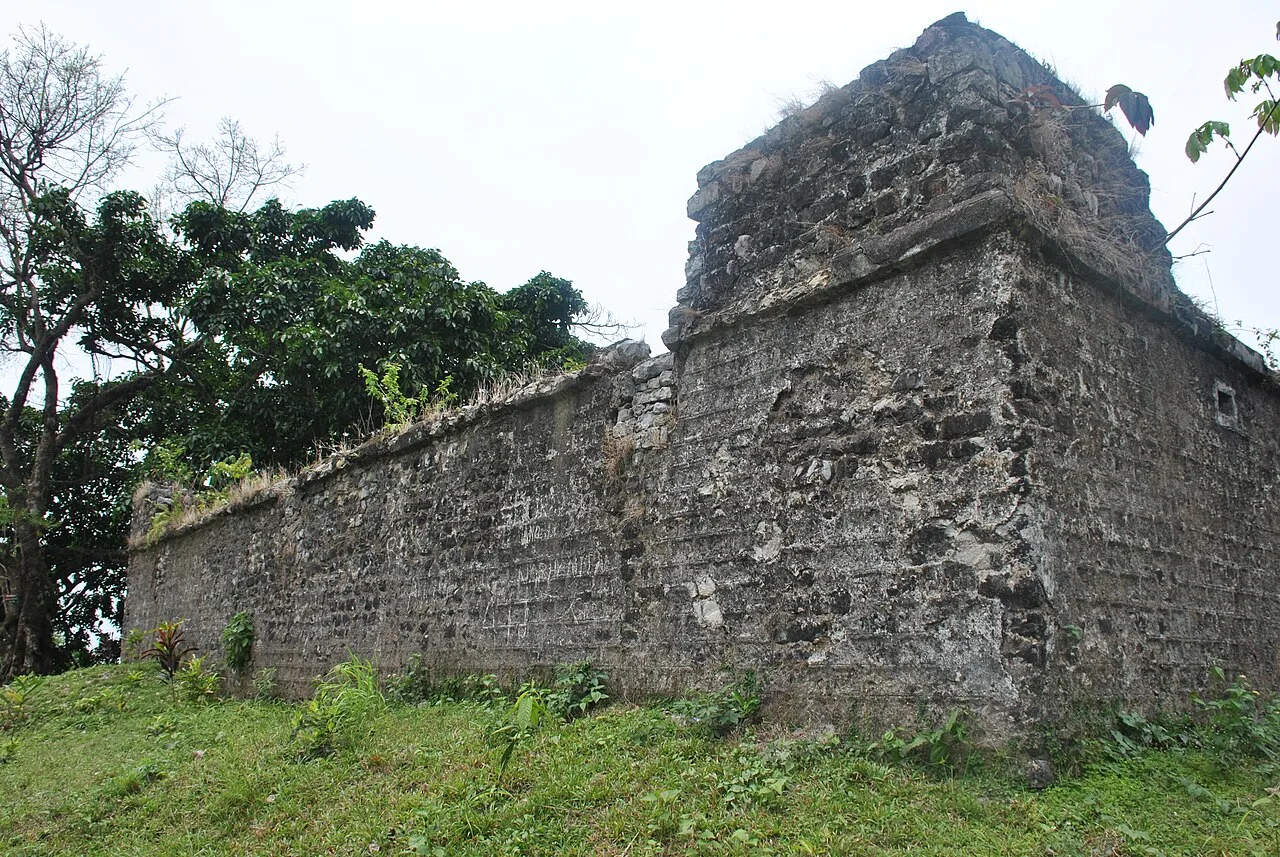
Buxa Fort
Set within Buxa Tiger Reserve in West Bengal, Buxa Fort interests visitors for its former defensive role on a route through Bhutan and its later use as shelter for displaced people.
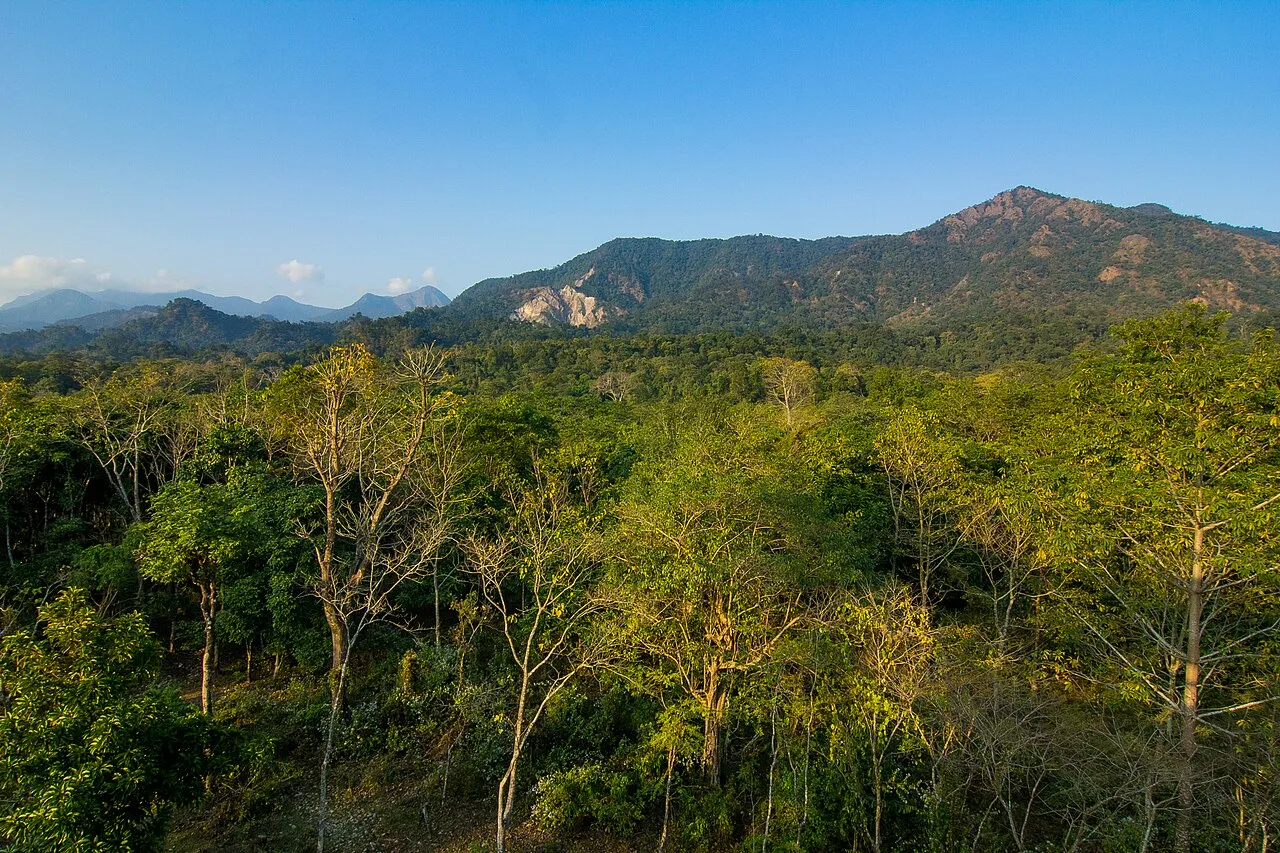
Buxa Tiger Reserve
In Alipurduar district, West Bengal, Buxa is a 760 km² tiger reserve and national park. Visitors come for its rich bird and mammal life, which includes several notable species.
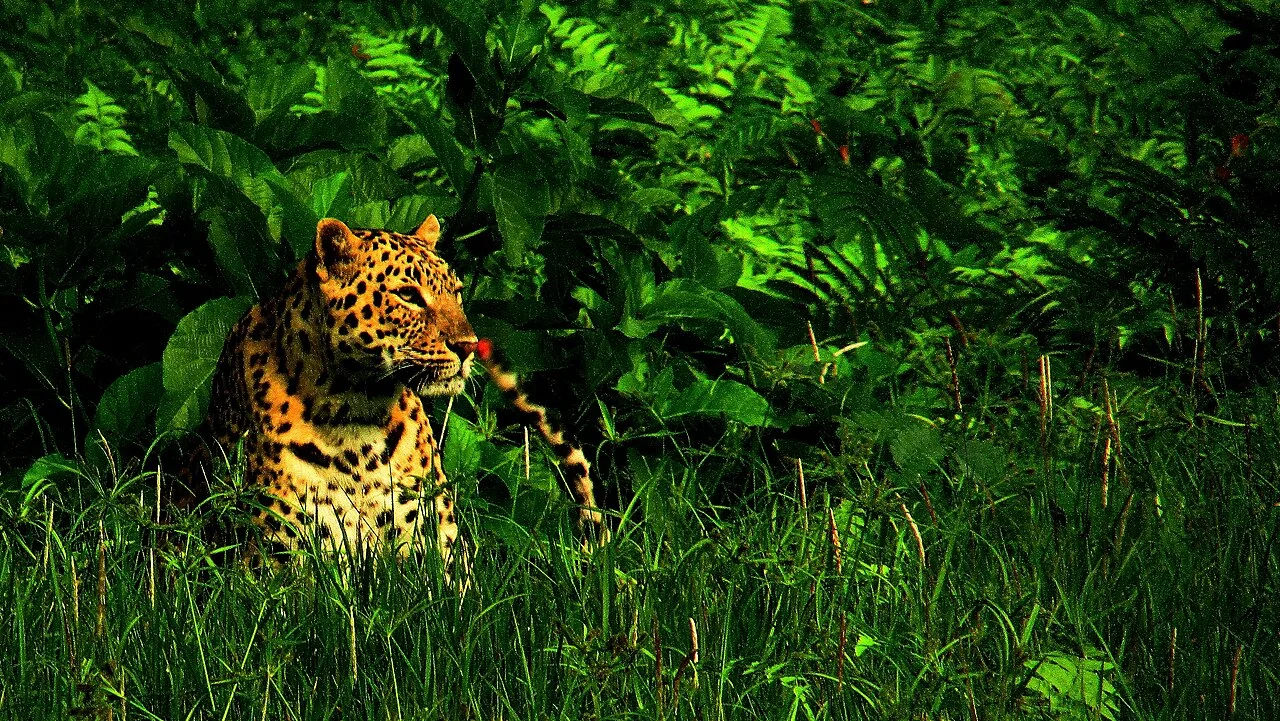
Jaldapara National Park
In northern West Bengal’s Alipurduar district, Jaldapara National Park protects grassland and riverside woodland along the Torsa. Visitors come to see its wildlife, including the state’s largest Indian rhinoceros population.
Food in Alipurduar reflects the wider traditions of Bengal and the mixed communities of the Dooars. Rice, dal, seasonal vegetables and fish curries form a familiar Bengali meal; macher jhol and luchi with alur dom are useful dishes to look for. Sweets such as mishti doi, rosogolla and sandesh belong to the broader Bengali repertoire rather than being district specialities. Momos and noodle soups reflect Himalayan food traditions found across northern Bengal, though availability varies. Tea is a natural part of a visit to this tea-growing region. Small eateries may offer only a daily menu, and remote forest sites may have no restaurant.
Craft traditions around Alipurduar are best understood within the wider Dooars and northern Bengal region. Bamboo and cane work includes baskets, mats and other practical household objects, drawing on materials familiar to rural life. Handwoven textiles are also associated with communities across this culturally diverse region, including Rabha weaving traditions. Designs and availability vary between communities and sellers, so avoid assuming that every souvenir is locally made. Ask about the maker, material and place of production when buying, and favour purchases directly from artisans or clearly identified local cooperatives where available.
Durga Puja and Kali Puja are widely observed in the district, generally in autumn, while Eid and other religious festivals are marked by local communities through the year. Bwisagu, associated with Bodo communities, and Karam, observed among some Adivasi communities, are regional cultural celebrations; practices vary between communities and localities. Festival periods can bring busier markets, roads and transport, especially around town centres. School holidays and peak wildlife-viewing seasons may also make rooms harder to find near popular forest areas, so booking ahead is sensible during busy periods.
Elsewhere in West Bengal
The district spans the flat, river-cut Dooars and forested foothills rising towards the Eastern Himalayas. Rivers including the Torsa cross the plains, while tea gardens, grasslands and forest settlements create a varied landscape. Jaldapara lies beside the Torsa, and Buxa’s terrain climbs from lowland forest towards hill country. Rivers and seasonal streams can affect road conditions during the monsoon. Distances between towns and forest entrances, combined with protected-area access rules, make it useful to choose a base near the places being visited rather than treating the district as one compact sightseeing area.
Alipurduar has warm, humid summers, a rainy monsoon season and generally cooler, drier winters. The monsoon can bring heavy rain, swollen rivers, muddy tracks and disruption to road travel or forest access. October to March is usually the most comfortable period for visiting, with winter often preferred for wildlife trips; check current park arrangements before travelling. Summer visits are possible but can feel hot and humid. Pack light clothing, a warmer layer for winter mornings and evenings, rain protection in the wet season, sturdy walking shoes, insect repellent and sun protection. Conditions vary between the plains and the higher forested areas.
Bagdogra Airport near Siliguri is the main air gateway for reaching Alipurduar and the Dooars. Alipurduar Junction is a useful railway arrival point for the district and Buxa area, while Hasimara is useful for Jaldapara. New Jalpaiguri offers another rail gateway through the Siliguri region. Road connections link the district with Siliguri and neighbouring Dooars towns; buses, taxis and hired vehicles provide onward travel. Choose your arrival point according to your accommodation and intended forest entrance. Buxa Fort requires a walking approach, and protected-area visits may involve permits or authorised transport. Check current services locally.
Roads connect Alipurduar town and Junction with Dooars settlements, including routes towards Madarihat and the forest areas. Local buses, shared jeeps and autos serve some town-to-town journeys, but services may be less frequent near forest entrances. Taxis or hired vehicles offer more flexibility for reaching accommodation and arranging onward travel; confirm the vehicle and route locally. Access within protected areas may be restricted to authorised transport or guided arrangements. There are no general sightseeing boat services to rely on for getting between the district’s destinations. Allow extra time in wet weather, when road conditions can change.
2 days: Jaldapara National Park, then Buxa Tiger Reserve; sleep in Madarihat on night 1. 3 days: Jaldapara National Park, Buxa Tiger Reserve, then Buxa Fort; sleep in Madarihat on night 1 and Rajabhatkhawa on night 2. 4 days: Jaldapara National Park, Buxa Tiger Reserve, then Buxa Fort at a slower pace; sleep in Madarihat on night 1 and Rajabhatkhawa on nights 2 and 3.
Madarihat is a practical base for Jaldapara National Park, with hotels, homestays and other visitor accommodation in the area. For Buxa Tiger Reserve and Buxa Fort, consider Rajabhatkhawa or another nearby settlement; accommodation choices may be more limited, so arrange stays in advance. Alipurduar town offers a broader choice of hotels and is useful for rail connections, though it is less convenient for early starts at some forest entrances. Government lodges may be available in parts of the Dooars, subject to current operation and booking arrangements.
Follow forest staff instructions, use authorised guides or vehicles where required, and keep a safe distance from wildlife; do not feed or approach animals. Forest trails and the walking approach to Buxa Fort can be uneven, so wear sturdy shoes and assess the route realistically. Monsoon rain can cause slippery paths, high water and changing road conditions. Drink sealed, treated or reliably filtered water, and carry personal medicines and insect repellent. Mobile connectivity may be limited in forest and hill areas. Protected-area entry can involve permits or authorised arrangements; confirm current requirements with official park or forest authorities before travel.
- Cooch Beharabout 43 km
- Jalpaiguriabout 75 km
- Dhubri · Assamabout 77 km
- Kokrajhar · Assamabout 84 km
- Pakyong · Sikkimabout 101 km
- Kalimpongabout 109 km
- Gangtok · Sikkimabout 119 km
- Goalpara · Assamabout 130 km
Straight-line distance between the centres of each district's destinations; road distance is longer.
Q: How many days should I spend in Alipurduar? A: Two days can cover a brief visit, while three or four days allow more time for the forest areas and Buxa Fort. Q: When is the best time to visit? A: October to March is generally the most comfortable period; check seasonal park access before travelling. Q: Where is the best base? A: Madarihat suits Jaldapara, while Rajabhatkhawa is convenient for Buxa; Alipurduar town is useful for rail connections. Q: How do I get to the district? A: Reach it by rail via Alipurduar Junction or other regional stations, or travel by road from the Siliguri area; Bagdogra is the main nearby air gateway. Q: Is Alipurduar suitable for families or elderly travellers? A: Yes, with planning. Choose accommodation and activities suited to mobility, allow for uneven terrain and road travel, and confirm access arrangements in advance.
This page draws on our 3 destination guides for Alipurduar and is updated as our team checks it.
Be the first to share photos, stories, advice or a helpful contact for Alipurduar.
Loading…