
District · West Bengal
Kolkata
Kolkata is West Bengal’s principal urban centre and a major cultural, educational and commercial hub in eastern India.
Kolkata district centres on a densely built urban landscape along the eastern bank of the Hooghly River, where river crossings, markets and neighbourhood streets shape daily life. The city’s history as a major colonial administrative and commercial centre remains visible in its architecture and institutions, alongside enduring Bengali religious and cultural traditions. Howrah Bridge connects Kolkata with Howrah across the river. St. Paul’s Cathedral and South Park Street Cemetery offer perspectives on colonial-era heritage, while Nakhoda Mosque, Kalighat Temple and Birla Mandir reflect different strands of religious life. New Market brings visitors into a busy trading quarter, and Science City adds a modern educational attraction. Together, these places reveal a city of commerce, worship, learning and layered histories.
Kolkata is West Bengal’s principal urban centre and a major cultural, educational and commercial hub in eastern India. A visit brings together colonial-era architecture, Bengali literary and artistic heritage, religious sites and lively market streets within a compact but busy city district. The Hooghly waterfront and Howrah Bridge are central to the city’s identity, while places such as the Indian Museum, Victoria Memorial and Jorasanko Thakur Bari offer different views of its past. Durga Puja, everyday street food and neighbourhood life are also important parts of the experience. Kolkata suits travellers interested in history, culture, museums and city life.
The area now occupied by Kolkata grew from riverside settlements, including Kalikata, Sutanuti and Govindapur. The East India Company developed Calcutta as a trading and administrative centre from the late seventeenth century, and the city became the capital of British India. Company rule and later the British Raj left a strong imprint on its institutions, street plan and buildings. Calcutta was also a centre of nineteenth-century Bengali intellectual and cultural life, associated with reform, publishing and education. The capital of British India shifted to Delhi in 1911. Partition in 1947 brought major changes to Bengal and substantial migration into the city. Calcutta became the capital of West Bengal after independence; its name was officially changed to Kolkata in 2001. The present Kolkata district is an urban administrative district, distinct from the wider metropolitan region, which extends into neighbouring districts. Its boundaries and civic arrangements have changed over time, so the district should not be confused with the full extent of the city’s urban area.
20 destination guides · 19 on the map
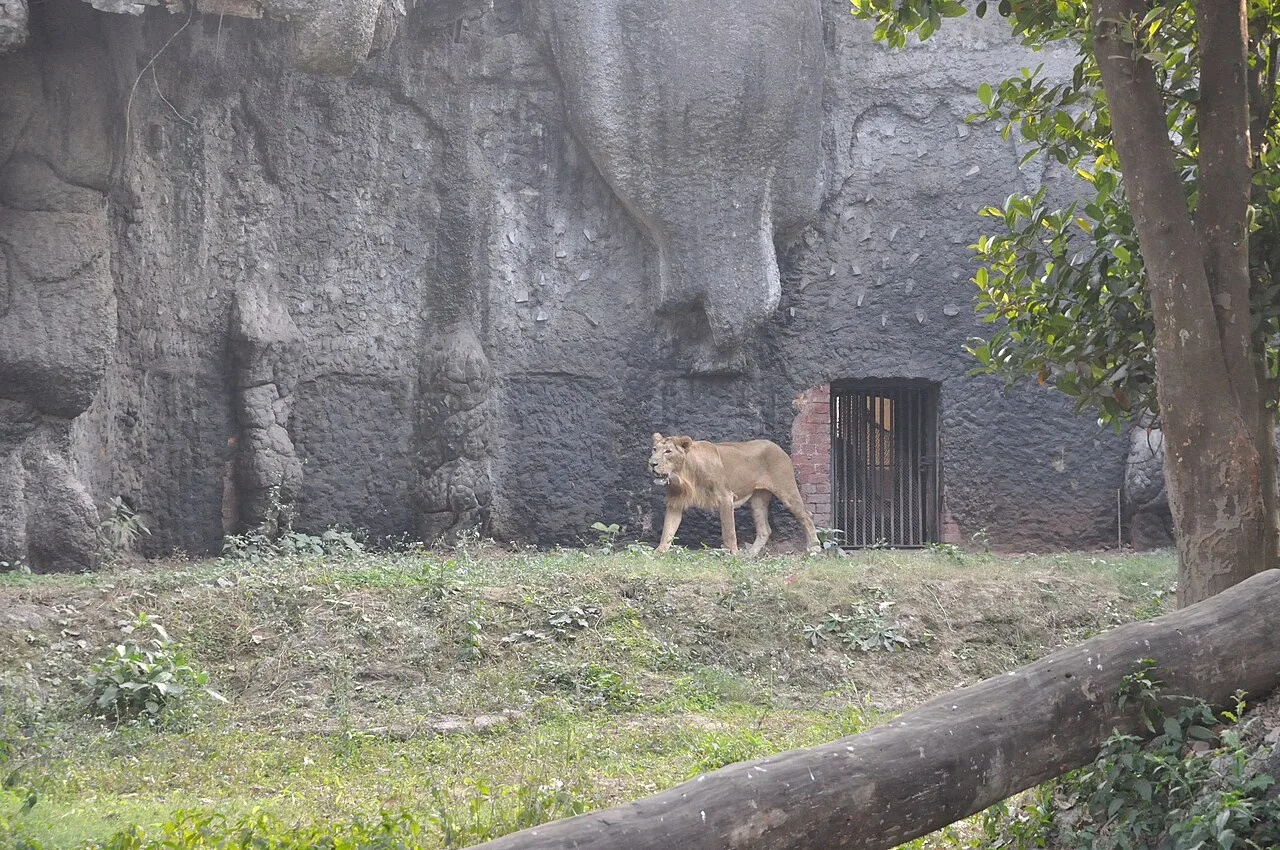
Alipore Zoo
The Zoological Garden, Alipore, commonly called Alipore Zoo, is recognised as India’s oldest formally established zoological park. Its animal collection and breeding work draw visitors to Kolkata.
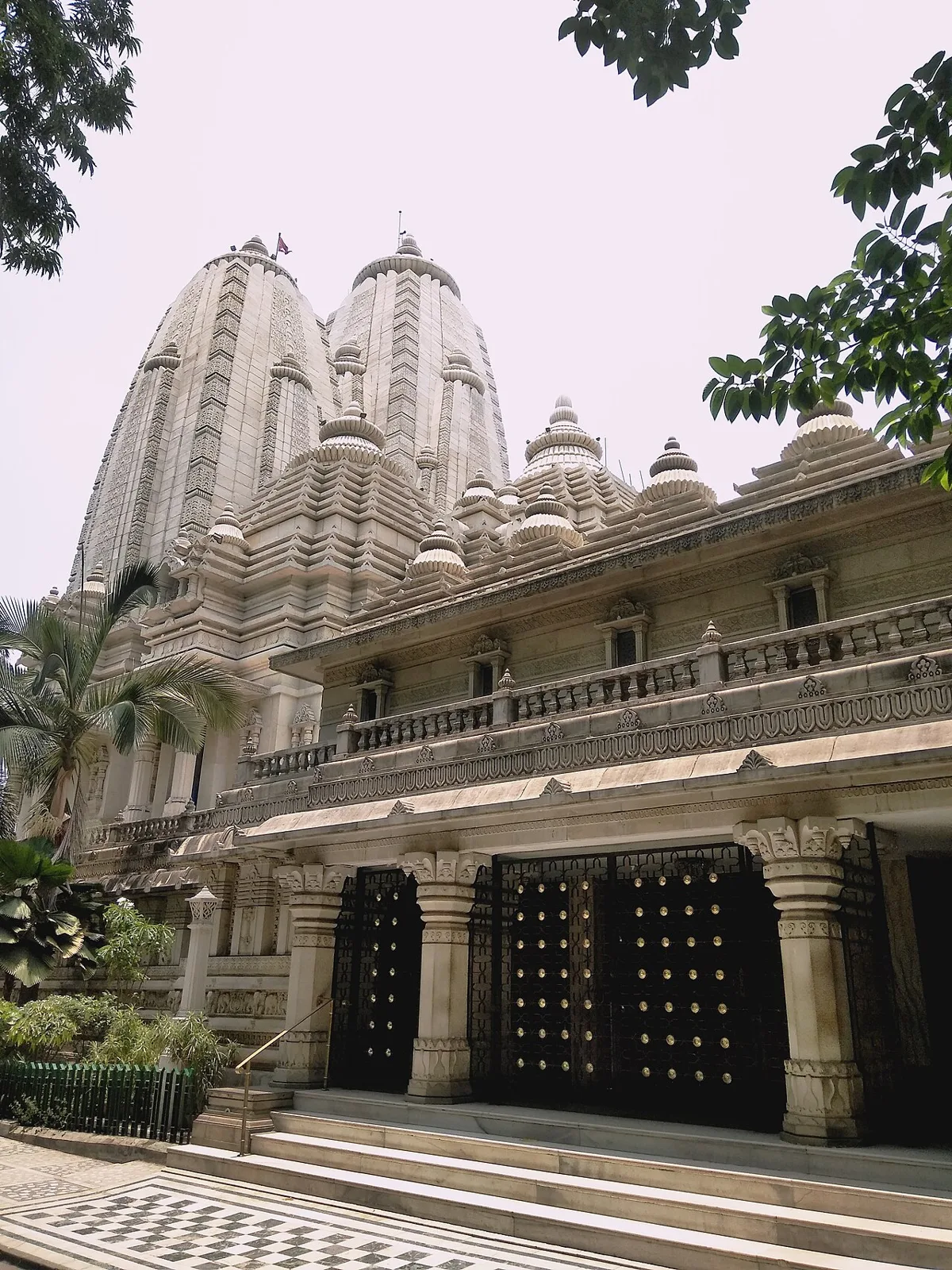
Birla Mandir
Birla Mandir is a Hindu temple in Ballygunge, Kolkata, built by the Birla family. Visitors worship Vishnu in his forms as Rama and Krishna, with many arriving for Janmashtami.
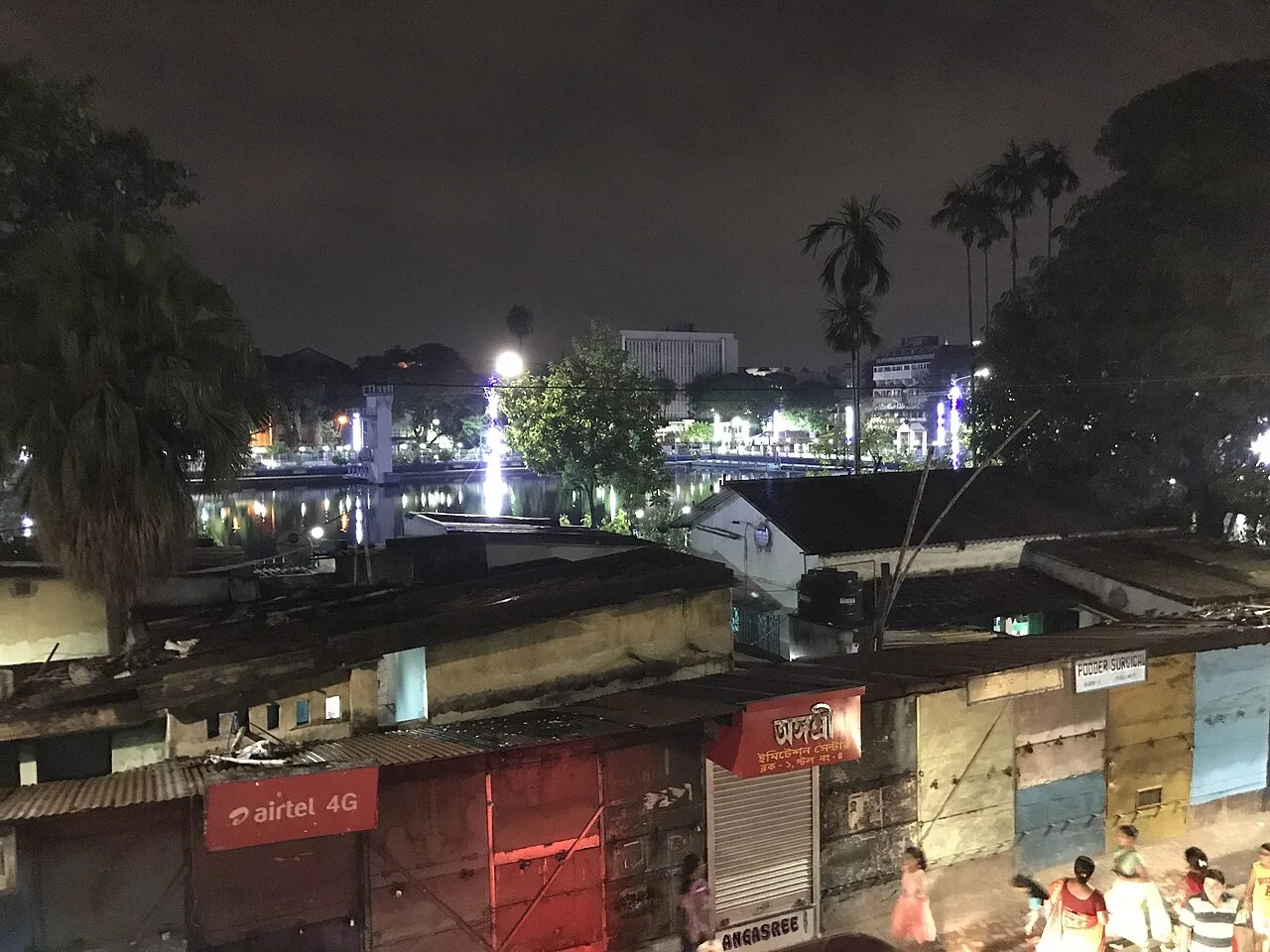
College Street
College Street is a central Kolkata thoroughfare known for its educational institutions, extensive book market and Indian Coffee House, which has long drawn the city’s intellectual community.
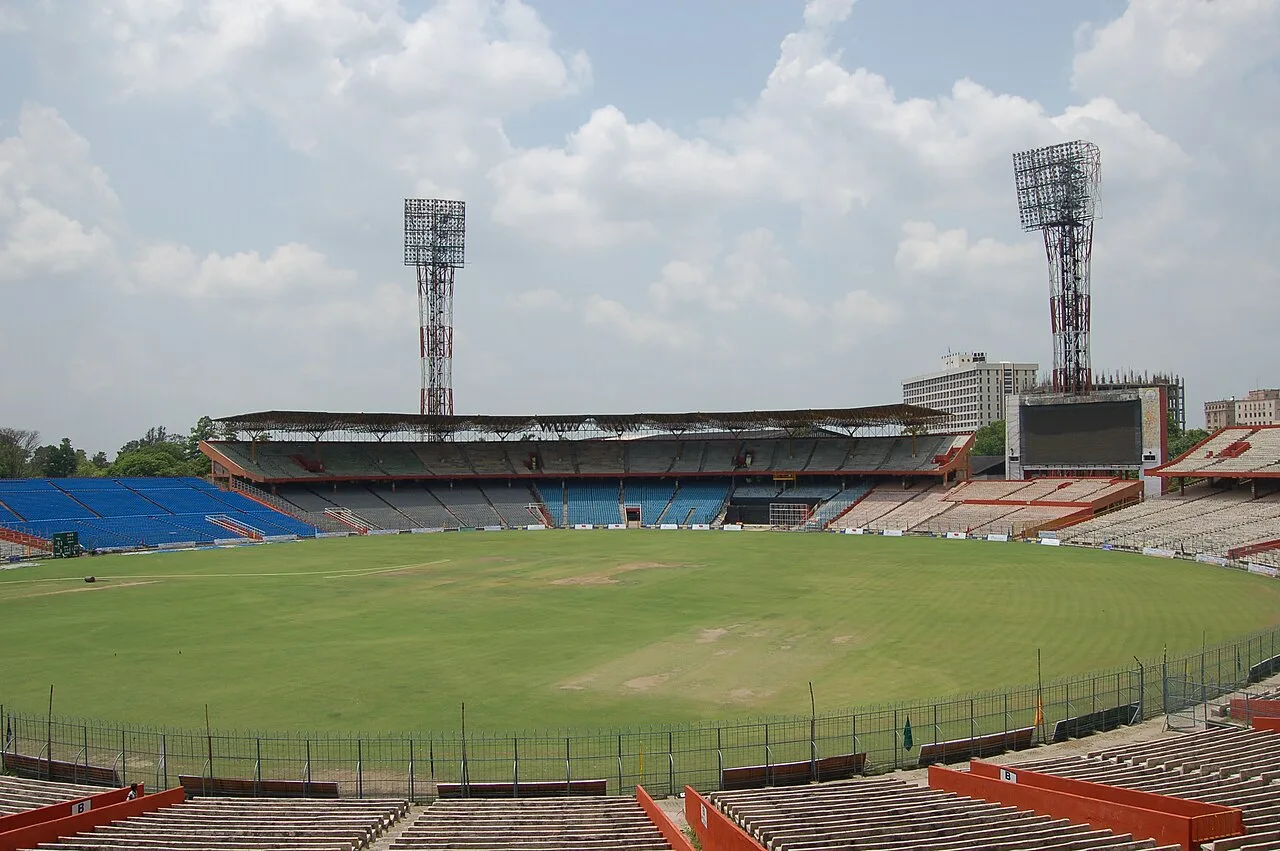
Eden Gardens
Kolkata’s Eden Gardens is a historic cricket venue that draws spectators for international matches and tournament finals, as well as for its longstanding place in Indian cricket.
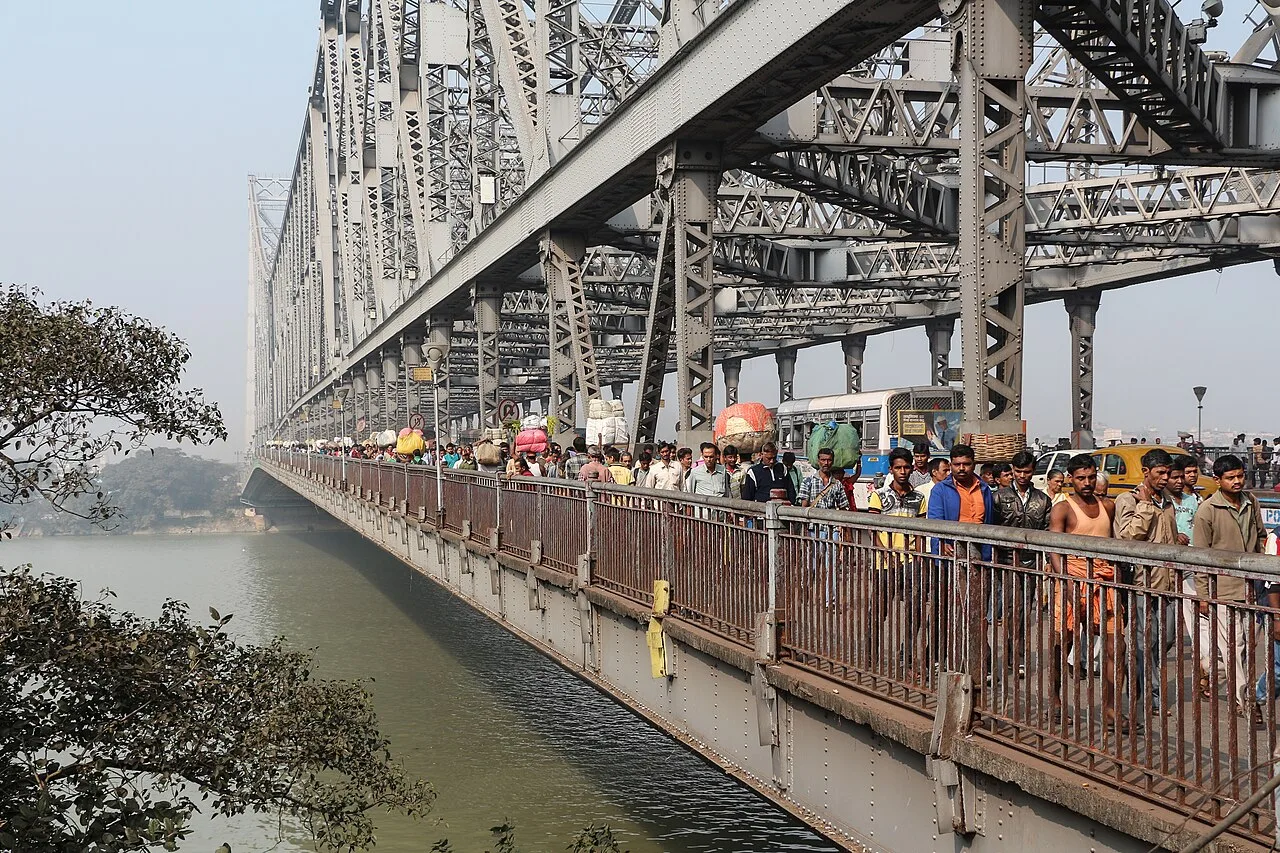
Howrah Bridge
Howrah Bridge, also called Rabindra Setu, is a landmark cantilever bridge across the Hooghly in Kolkata. Visitors recognise it as a symbol of Kolkata and West Bengal and as a river crossing linking the city with Howrah.
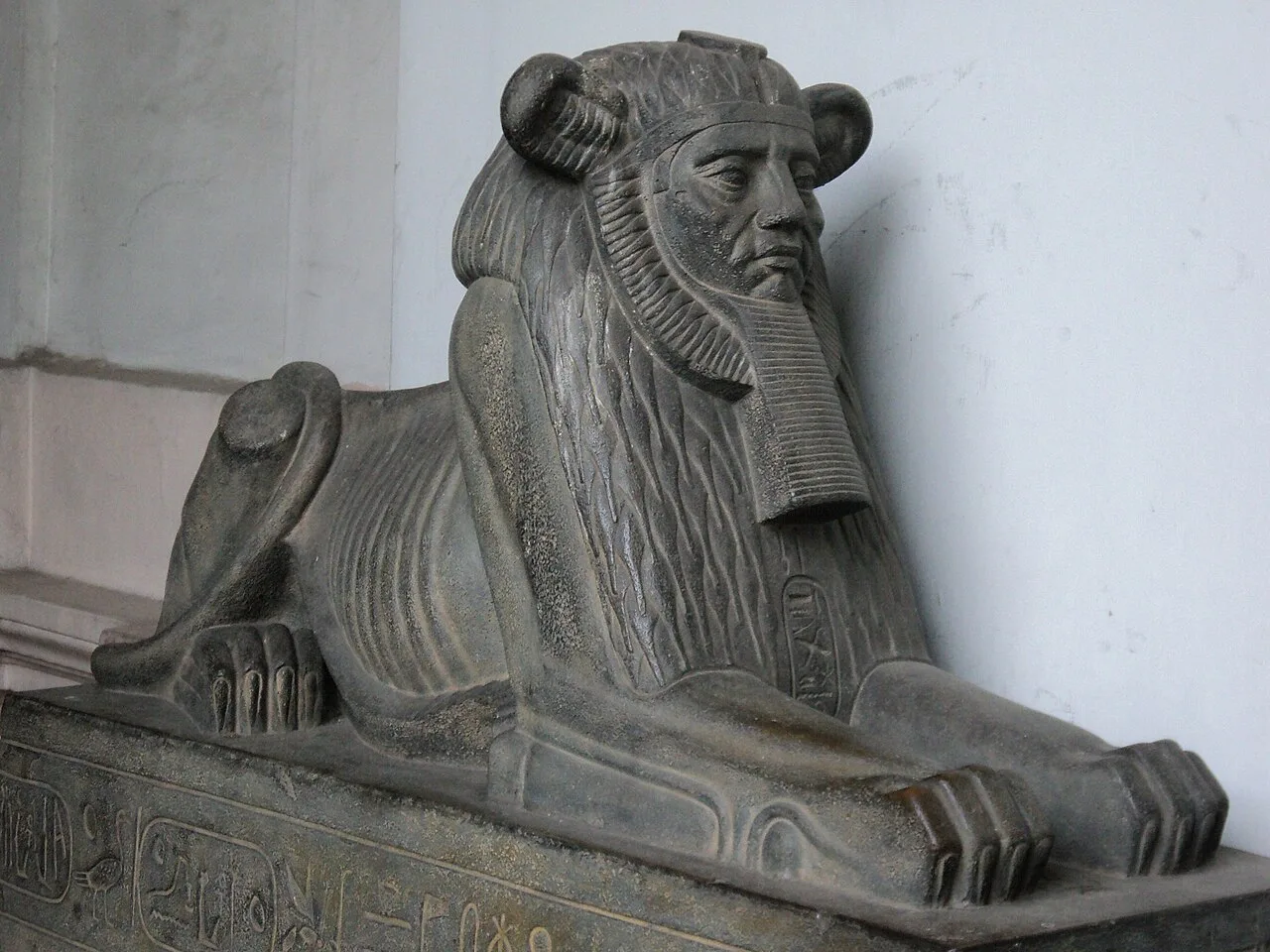
Indian Museum
The Indian Museum (formerly called Imperial Museum of Calcutta) is a grand museum in Central Kolkata, West Bengal, India.
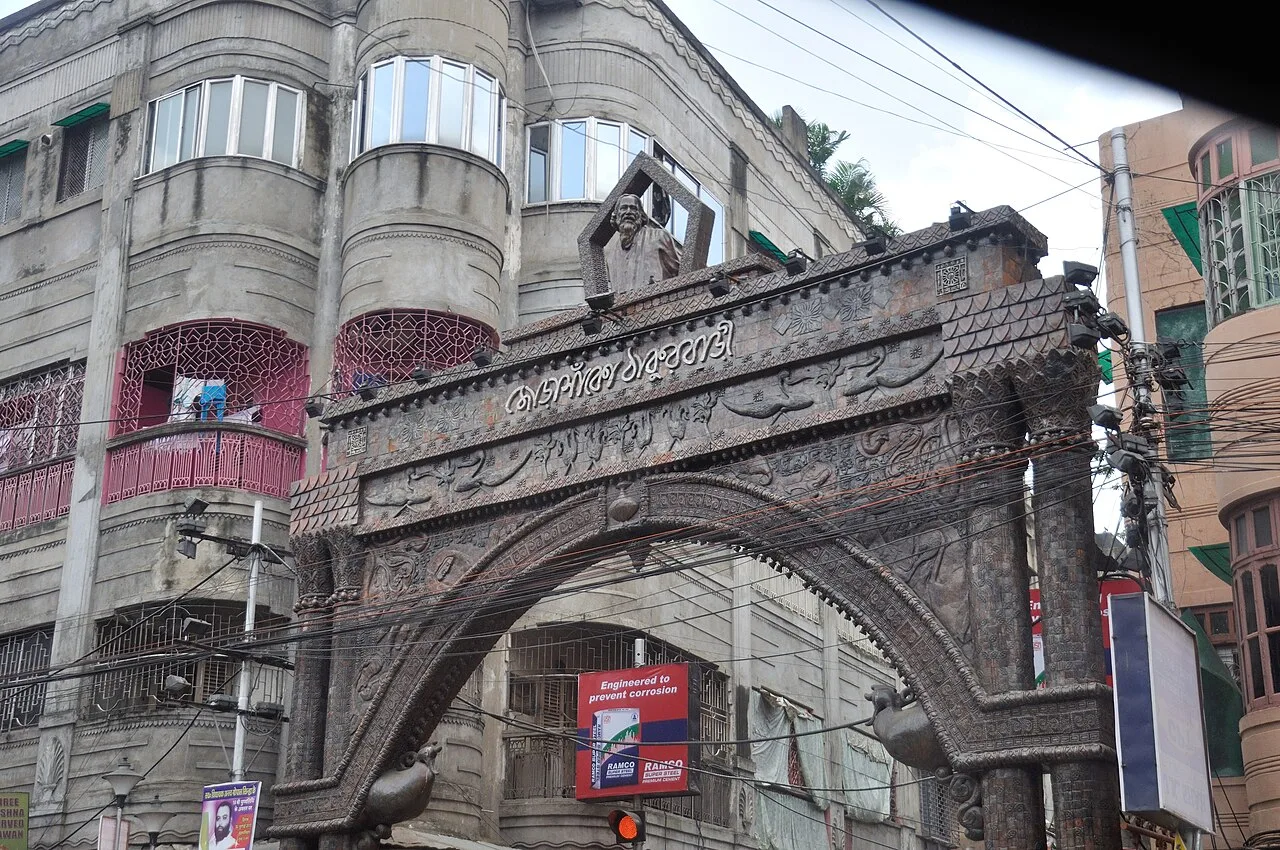
Jorasanko Thakur Bari
Jorasanko Thakur Bari is a historic haveli in Kolkata associated with the Tagore family. Visitors come for its links to Rabindranath Tagore, its Bengali architectural style and its place in the city’s cultural history.
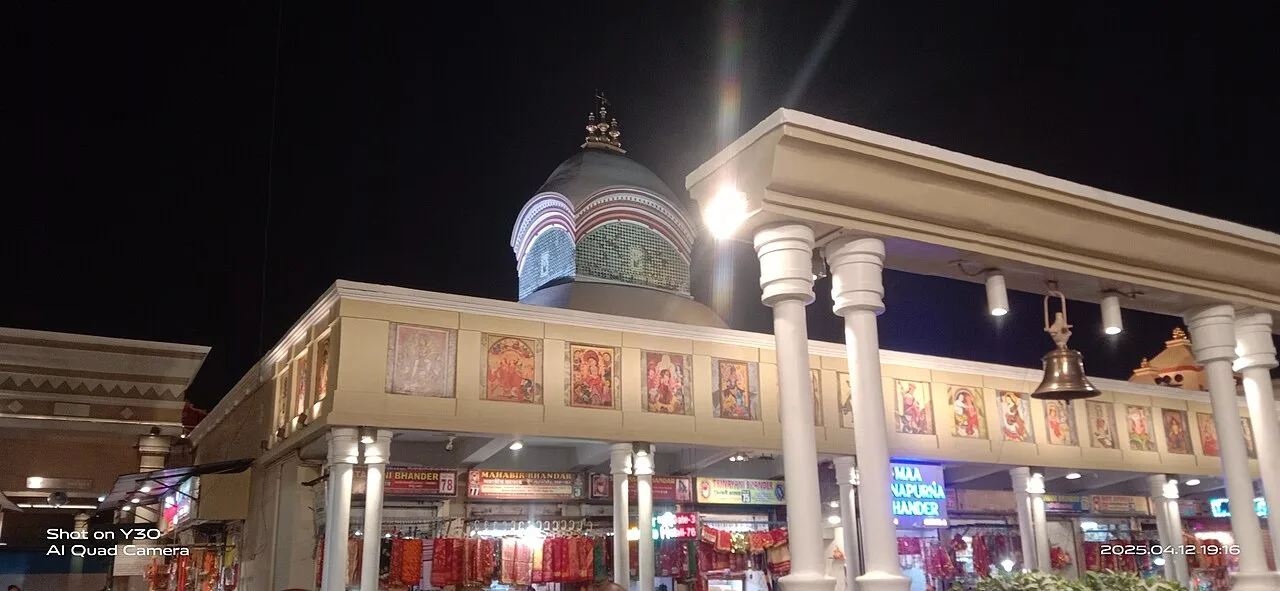
Kalighat Temple
Kalighat Temple is a Hindu shrine in Kolkata devoted to Kali, revered in tantric and Kalikula traditions. People visit to worship at this Shakti Pitha, particularly during major religious observances.
Kumortuli
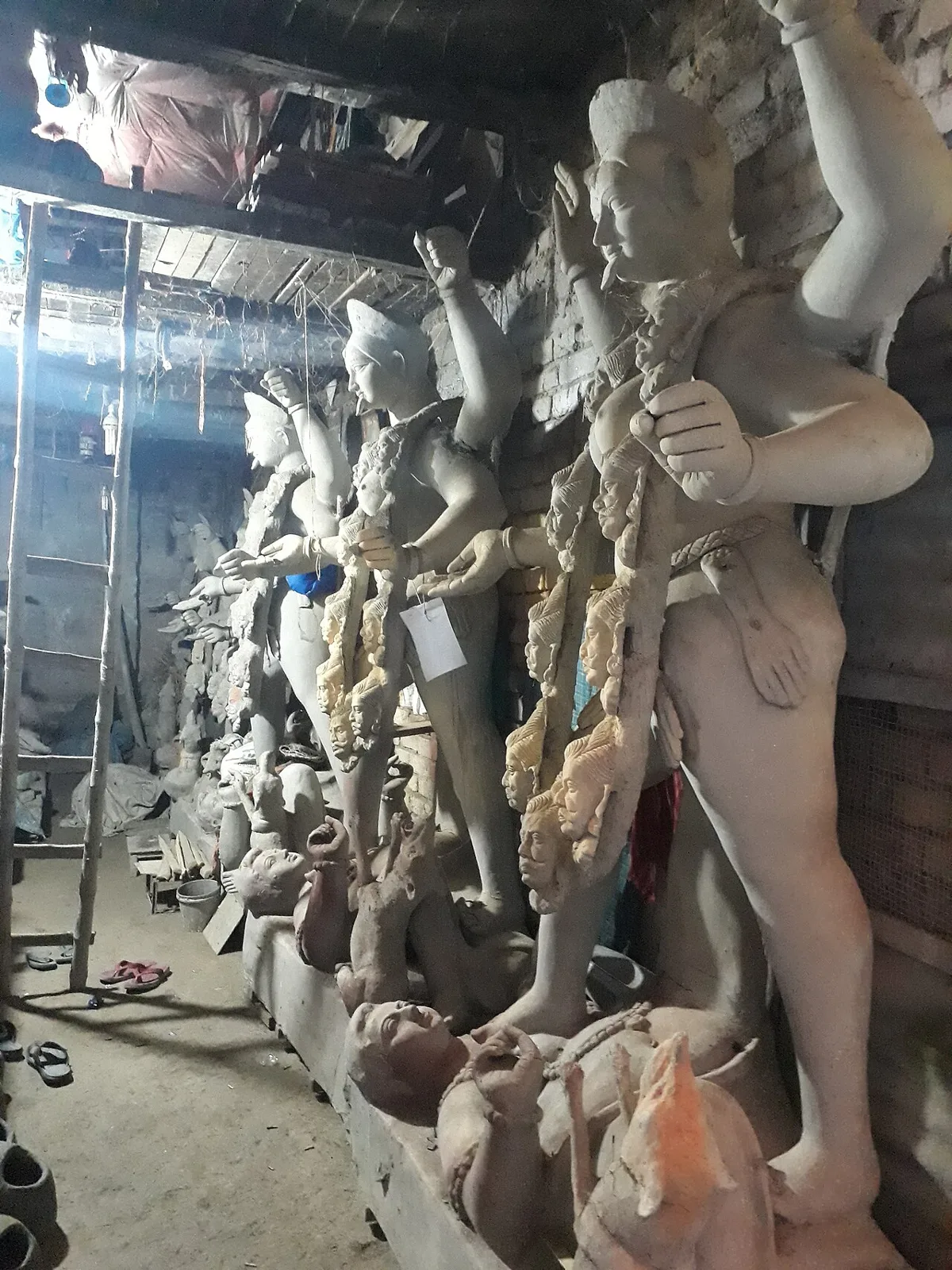
Kumortuli is a North Kolkata neighbourhood centred on potters and clay sculpture. Visitors come to see festival idols being made, a craft whose products are also regularly exported.
Kolkata’s food culture combines Bengali home-style cooking, street snacks and a strong tradition of sweets. Macher jhol, shorshe ilish and kosha mangsho belong to the wider Bengali repertoire, while luchi with alur dom is a familiar vegetarian combination. Kathi rolls and phuchka are closely associated with the city’s street-food scene. Sweet shops offer mishti doi, sandesh and rosogolla, all part of Bengal’s broader culinary tradition. Fish varieties and vegetable preparations change with seasonal availability, so ask what is fresh. Small eateries may serve a limited daily menu; vegetarian travellers can find satisfying options alongside the city’s fish and meat dishes.
Kolkata is closely associated with the clay-image makers of Kumartuli, whose sculptural work is central to Durga Puja and other religious festivals. Kalighat painting developed around the temple neighbourhood, becoming known for bold lines and subjects drawn from devotion and everyday society; its visual language continues to influence artists. For textiles, Kolkata is an important retail centre for wider Bengal traditions rather than the production home of every weave. Bengal cotton handlooms, Baluchari silk and kantha embroidery may be found in shops and exhibitions. Ask about the maker, place of production and whether an item is handmade.
Durga Puja, usually held in autumn, is Kolkata’s most prominent public festival, with temporary neighbourhood installations, processions and heavy crowds. Accommodation and roads can become especially busy during the festival period. Kali Puja and Diwali also bring worship and evening celebrations, while Eid is widely observed by Muslim communities. Christmas draws visitors to central areas, including Park Street, and Poila Boishakh, the Bengali New Year in spring, is marked with cultural events and family gatherings. The Kolkata International Book Fair is generally held in winter and can increase demand for rooms and local transport.
In this district
Kolkata is a densely built, low-lying city on the eastern bank of the Hooghly River, within the broad alluvial plain of the Ganges delta. The river shapes the city’s history, views and crossings, with ferries and bridges linking its banks. There are no hills or large natural forests within the district; parks, gardens, lakes and tree-lined streets provide green spaces amid urban development. Flat terrain makes many short neighbourhood journeys suitable for walking, though heat, rain, traffic and crowded pavements can make longer walks tiring. Low-lying streets may be affected by waterlogging during heavy monsoon rain.
Kolkata has a hot, humid summer, a monsoon season with frequent heavy showers, and a comparatively mild, drier winter. Summer days can feel oppressive, so plan outdoor visits for cooler parts of the day and carry water and sun protection. Monsoon weather can disrupt road travel and leave some streets waterlogged; a compact umbrella or rain jacket and footwear with good grip are useful. Winter, broadly from late autumn into early spring, is generally the most comfortable season for sightseeing and walking. Light clothing works for much of the year, with a light layer for cooler winter evenings. Check the forecast before travel, especially during the monsoon.
Netaji Subhas Chandra Bose International Airport serves Kolkata and lies outside the district. Major rail gateways include Sealdah and Kolkata stations, as well as Howrah Junction across the Hooghly in neighbouring Howrah. Road approaches connect the city with the wider West Bengal highway network, with bridges carrying traffic across the river. Within Kolkata, Metro services, buses, taxis and app-based cabs are useful for travelling between neighbourhoods; ferries provide selected river crossings. Walking works well for short visits within a market or heritage area, but allow extra time for traffic and busy crossings. Check current services locally.
Kolkata’s destinations are spread across central, north and south neighbourhoods, with busy roads connecting them. Metro trains are useful for some cross-city journeys; buses, taxis and app-based cabs serve a wider area, while auto-rickshaws operate on selected routes. Ferries provide crossings on parts of the Hooghly, including links towards Howrah. Walking is practical within compact areas such as College Street or Park Street, but allow extra time for traffic, crowds and road crossings. There are no separate inter-town routes within this city district; for services and disruptions, check locally.
2 days: Indian Museum → New Market → Park Street → Victoria Memorial; sleep one night in central Kolkata. 3 days: Howrah Bridge → Nakhoda Mosque → Kumortuli → Jorasanko Thakur Bari → College Street → Indian Museum → Victoria Memorial → St. Paul's Cathedral; sleep both nights in central Kolkata. 4 days: Marble Palace → Eden Gardens → Prinsep Ghat → South Park Street Cemetery → Netaji Bhawan → Birla Mandir → Rabindra Sarobar → Kalighat Temple → Alipore Zoo → Science City; sleep three nights in central or south Kolkata.
Central Kolkata is a practical base for the Indian Museum, New Market, Park Street, Victoria Memorial and several heritage sites. North Kolkata suits visits to Kumortuli, Jorasanko Thakur Bari and Marble Palace, while south Kolkata works well for Kalighat Temple, Birla Mandir, Rabindra Sarobar and Alipore Zoo. The city has a broad range of hotels and guesthouses, along with some homestays and religious accommodation. Government lodges are less typical within the city; confirm availability and location before booking, particularly during major festivals.
Kolkata is a busy urban area: take care at crowded markets, festivals and transport hubs, and keep valuables secure. Use marked crossings where possible, watch for traffic and uneven pavements, and allow extra time during rain, when waterlogging can affect roads. In hot or humid weather, drink safe, sealed or otherwise treated water and take breaks. Use reputable transport after dark and confirm your route before setting out. Mobile connectivity is generally available, though crowds or buildings may affect reception. Ordinary sightseeing in the city does not normally require a special permit; confirm any site-specific access rules officially before visiting.
- Howrahabout 5 km
- North 24 Parganasabout 11 km
- Hooghlyabout 40 km
- Purba Bardhamanabout 73 km
- Nadiaabout 96 km
- South 24 Parganasabout 101 km
- Purba Medinipurabout 127 km
- Bankuraabout 141 km
Straight-line distance between the centres of each district's destinations; road distance is longer.
Q: How many days should I spend in Kolkata district? A: Two days cover several central highlights; three or four allow time for north and south Kolkata as well. Q: When is the best time to visit? A: Winter is generally most comfortable for sightseeing. Durga Puja is culturally distinctive but brings very large crowds and higher demand for rooms. Q: Where is the best base for a first visit? A: Central Kolkata is convenient for many museums, markets and heritage sights; choose north or south Kolkata for circuits focused on those neighbourhoods. Q: How do I get to Kolkata? A: Netaji Subhas Chandra Bose International Airport serves the city. Sealdah and Kolkata stations are in the district, while Howrah Junction is across the river in neighbouring Howrah. Q: Is Kolkata suitable for families or elderly travellers? A: Yes, with planning. Choose accommodation near suitable transport, allow rest breaks, and take care with crowds, heat, rain and uneven pavements.
This page draws on our 20 destination guides for Kolkata and is updated as our team checks it.
Be the first to share photos, stories, advice or a helpful contact for Kolkata.
Loading…