
District · West Bengal
Kalimpong
Kalimpong district brings together an eastern Himalayan hill town, smaller settlements such as Lava and a protected forest landscape in northern West Bengal.
Kalimpong district lies in the eastern Himalayan hills of northern West Bengal, with steep slopes, wooded valleys and settlements linked by winding roads. Kalimpong town, the district headquarters, provides an urban base, while Lava offers a smaller hill-town setting. Neora Valley National Park, established in 1986, protects an important stretch of Himalayan forest. Tibetan Buddhist heritage is represented by Zang Dhok Palri Phodang, a monastery of the Nyingma school. Historically, Kalimpong developed as a trading centre on routes towards Tibet; the district was created in 2017 from Darjeeling district. Its character reflects the wider hills’ Nepali-speaking, Lepcha, Bhutia and Tibetan cultural connections, alongside its place within West Bengal.
Kalimpong district brings together an eastern Himalayan hill town, smaller settlements such as Lava and a protected forest landscape in northern West Bengal. Kalimpong town is the main urban base and is known for its historic role in trade towards Tibet, its hill setting and Tibetan Buddhist heritage, including Zang Dhok Palri Phodang. Neora Valley National Park offers a different experience of wooded Himalayan terrain. The district suits travellers interested in mountain scenery, cultural connections and quieter hill settlements, though winding roads and changing weather make journeys slower than distances on a map may suggest.
The hills around Kalimpong have long been home to communities including Lepcha, Bhutia and Nepali-speaking peoples, with cultural and political ties across the eastern Himalaya. Control of the area shifted over time, and it came under Bhutanese rule before being ceded to the British following the Anglo-Bhutanese War and the Treaty of Sinchula in 1865. Under British administration, Kalimpong grew as a hill settlement and trading centre, particularly on routes connecting the region with Tibet. Trade and migration helped shape its diverse cultural life. After India’s independence, Kalimpong remained part of Darjeeling district in West Bengal. It continued to serve as a regional town, with roads linking it to Siliguri and other hill settlements. Kalimpong district was created in 2017 from the former Darjeeling district. Its history reflects local communities, cross-border Himalayan exchange and successive changes in administration; present-day travel and access are shaped by its steep terrain and road network.
4 destination guides
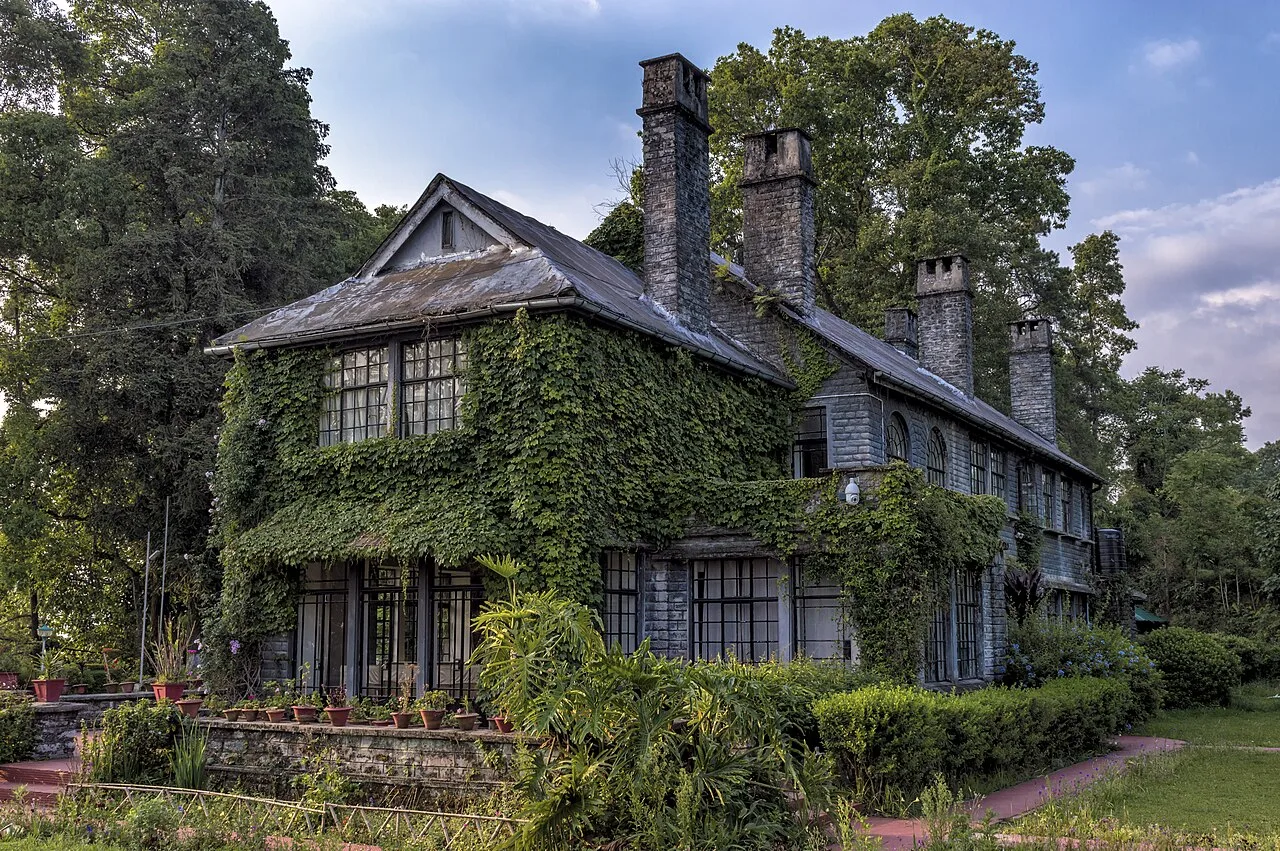
Kalimpong
Kalimpong is a hill town and district centre in West Bengal, visited for its temperate setting, natural surroundings, historic links with Tibet and horticultural activity.
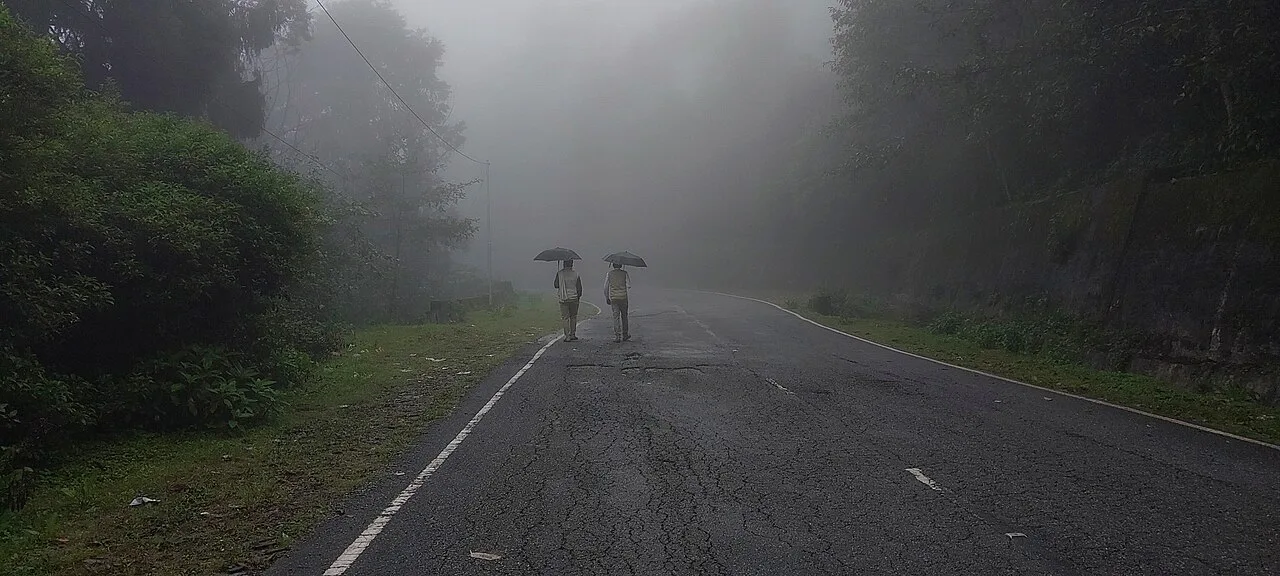
Lava
Lava, also called Lava Bazar, is a town in West Bengal’s Kalimpong district. Visitors come in summer, when its generally cold conditions offer a change from warmer weather.
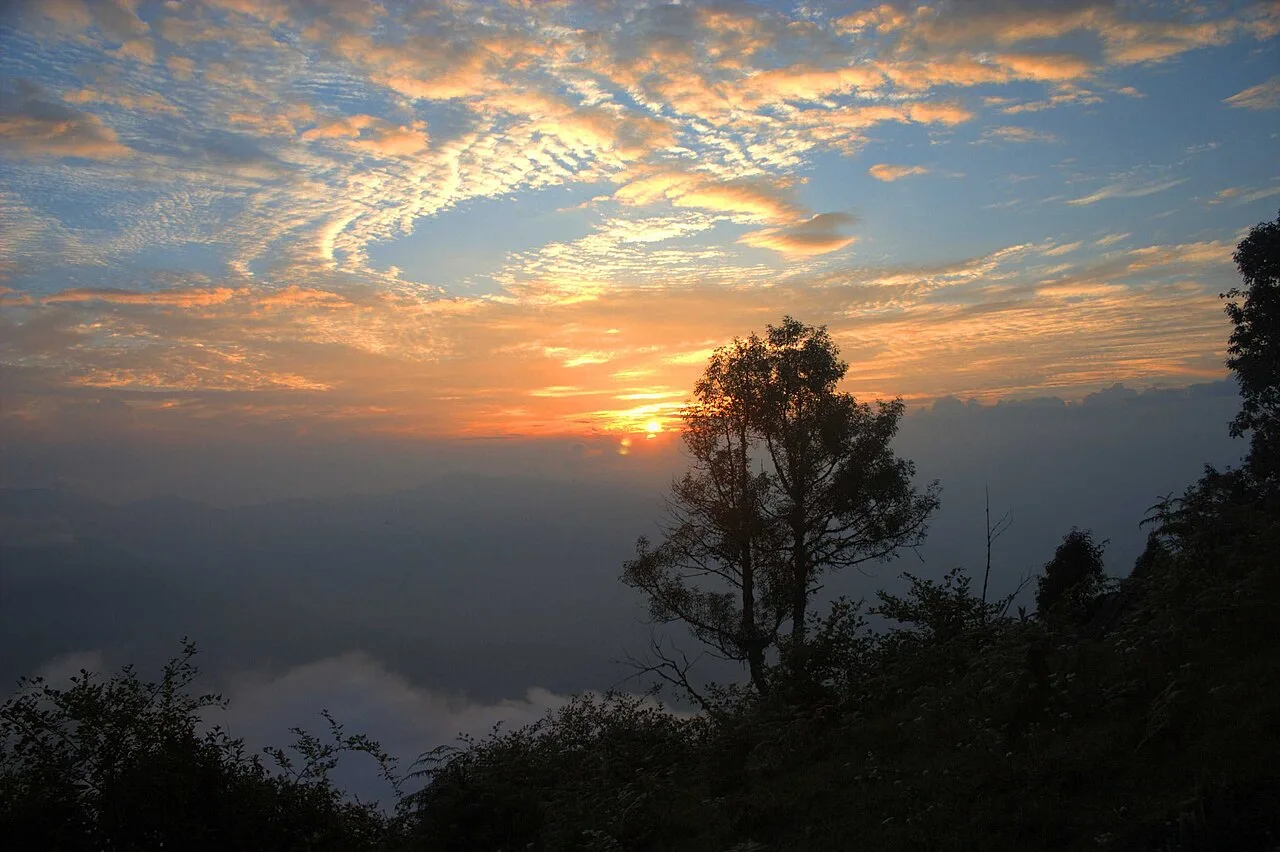
Neora Valley National Park
Neora Valley National Park is a protected area in West Bengal’s Kalimpong district, established in 1986. Visitors are drawn by its varied wildlife and forest habitat, especially that of the red panda.
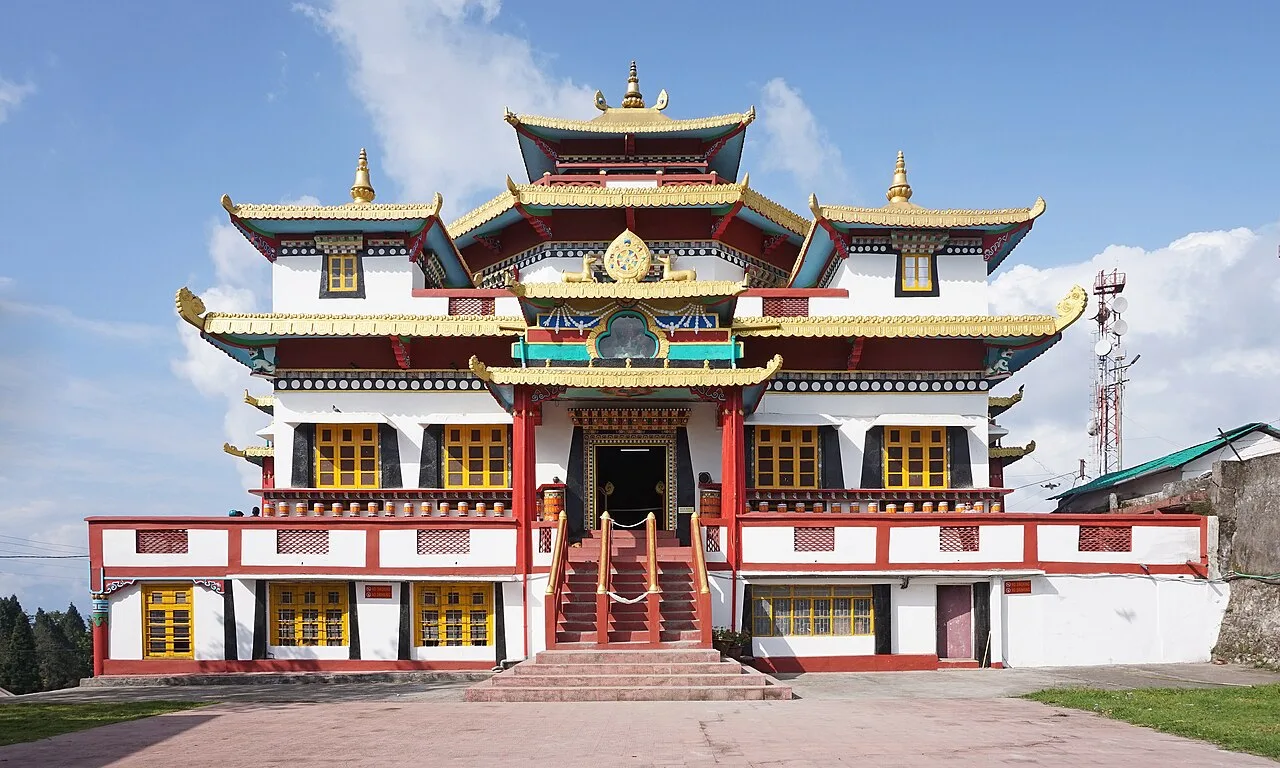
Zang Dhok Palri Phodang
Zang Dhok Palri Phodang is a Nyingma Buddhist monastery on Durpin Hill in Kalimpong. Visitors come to see its historic religious setting and collection of Tibetan Buddhist texts, including the Kangyur.
Food in Kalimpong belongs to the wider eastern Himalayan hill tradition as well as the broader food culture of West Bengal. Momos, thukpa and shaphaley are familiar regional choices, offering dumplings, warming noodle soup and stuffed fried bread. Darjeeling tea is another regional staple to look for, rather than a product exclusive to Kalimpong. Bengali dishes and sweets may also feature on town menus, but should not be treated as district specialities. Small eateries often prepare a limited daily selection, so ask what is fresh and confirm vegetarian options. Carry food for remote outings, where restaurants may be absent.
Kalimpong’s craft context draws on the Tibetan Buddhist and wider Himalayan traditions of the region. Thangka painting, religious imagery, carved wooden objects and woollen textiles belong to this broader cultural setting rather than being exclusive district specialities. Monasteries offer opportunities to appreciate Buddhist artistic traditions, with due respect for worship and any photography restrictions. In shops, ask where textiles and decorative objects were made: goods sold in Kalimpong are not necessarily locally produced. Seek out clearly identified makers when buying handmade work, rather than assuming every souvenir represents a local craft.
Losar, the Tibetan Buddhist New Year, is observed in the region, usually in winter or early spring, while Buddha Jayanti is marked in spring. Dashain and Tihar, important among Nepali-speaking communities, are generally celebrated in autumn. Local observances and community events vary by place and year. These festivals offer insight into the district’s cultural mix, but the busiest periods can bring more visitors and make accommodation harder to find, especially around holiday breaks. Travellers should check local event information and book ahead when visiting during popular festival or holiday seasons.
Elsewhere in West Bengal
The district lies in the eastern Himalayan hills, where steep ridges, wooded slopes and deep valleys shape both settlement and travel. Kalimpong town sits among the hills, while Lava offers a smaller settlement surrounded by forested terrain. Neora Valley National Park protects a substantial area of Himalayan forest. Elevation and terrain vary across the district, bringing changes in vegetation and local conditions over relatively short road journeys.
Conditions vary with elevation. Summer is generally mild in the hills, while the monsoon, usually from June into early autumn, brings persistent rain, mist and a greater chance of road disruption. Autumn is often clearer, and winter can be chilly, particularly at night and in higher settlements. March to May and October to November are generally comfortable periods to visit, though conditions can change quickly. Pack layers, a waterproof jacket and shoes with good grip; bring warmer clothing for evenings and winter visits. Check local road and weather updates before setting out.
Bagdogra Airport near Siliguri is the main air gateway, while New Jalpaiguri is the practical railway gateway for onward road travel to Kalimpong district. Darjeeling’s toy-train station may appear closer on a map, but it is not usually the most convenient arrival point from elsewhere in India. Roads connect Kalimpong with Siliguri, Darjeeling and nearby hill settlements, including Lava. Taxis and shared vehicles are common ways to travel; remote destinations may require an arranged vehicle and separate access planning. Allow extra time for winding roads, weather and possible disruptions. Check current services locally.
Roads connect Kalimpong town with Siliguri, Lava and other hill settlements, but winding routes and weather can make travel slow. Taxis and shared jeeps are common options between towns, while local buses serve some routes. Autos may be available for short journeys around busier town areas, but coverage is not uniform. For remote forest areas and onward travel from Lava, arrange transport in advance and confirm access locally. Public transport may be limited outside main routes, so allow flexibility and check current services before travelling.
2 days: Kalimpong → Zang Dhok Palri Phodang; sleep in Kalimpong. 3 days: Kalimpong → Zang Dhok Palri Phodang → Lava; sleep in Kalimpong, then Lava. 4 days: Kalimpong → Zang Dhok Palri Phodang → Lava → Neora Valley National Park; sleep in Kalimpong, then Lava for two nights. Confirm access arrangements for Neora Valley National Park before travelling.
Kalimpong is the most practical base for the town and Zang Dhok Palri Phodang, with hotels and homestays in and around the town. Lava suits travellers building a forest or Neora Valley itinerary and has smaller-scale accommodation, including homestays and lodges; check availability and access before relying on it as a base. Government accommodation may be available in some places, but provision varies. Choose stays with road access suited to your route, and reserve ahead in busy holiday periods. Dharamshalas are not a standard option everywhere in the district.
Wear sturdy footwear on steep or uneven ground, and follow local guidance in forest areas. Do not approach or feed wildlife. Use treated or bottled drinking water if the safety of local water is uncertain. Mobile connectivity can be patchy beyond towns, so share plans and carry essentials. Park access rules or permits may apply; confirm requirements with official authorities before visiting, as arrangements can change.
- Pakyong · Sikkimabout 30 km
- Gangtok · Sikkimabout 31 km
- Darjeelingabout 31 km
- Namchi · Sikkimabout 33 km
- Jalpaiguriabout 40 km
- Gyalshing · Sikkimabout 44 km
- Soreng · Sikkimabout 47 km
- Mangan · Sikkimabout 73 km
Straight-line distance between the centres of each district's destinations; road distance is longer.
Q: How many days should I spend in Kalimpong district? A: Two days can cover Kalimpong town and Zang Dhok Palri Phodang. Allow three or four days if you also want to visit Lava and plan for Neora Valley National Park. Q: When is the best time to visit? A: March to May and October to November are generally comfortable. Monsoon travel can be disrupted by rain, while winter evenings can be cold. Q: Where is the best base? A: Kalimpong is a practical base for the town and monastery; Lava is useful for a stay focused on forest surroundings and Neora Valley access. Q: How do I get to the district? A: Bagdogra is the main air gateway and New Jalpaiguri the practical rail gateway. Continue by road, allowing extra time for hill conditions. Q: Is the district suitable for families or elderly travellers? A: Yes, with planning. Winding roads, steep slopes, uneven paths and limited services outside towns may make some journeys tiring; choose accessible stays and a flexible itinerary.
This page draws on our 4 destination guides for Kalimpong and is updated as our team checks it.
Be the first to share photos, stories, advice or a helpful contact for Kalimpong.
Loading…