
District · West Bengal
Hooghly
Hooghly offers a compact introduction to the riverine and colonial history of southern West Bengal, within easy reach of Kolkata.
Hooghly district stretches across the fertile plains of southern West Bengal, with the Hooghly River shaping its eastern edge and much of its historical identity. Busy riverside towns give way inland to agricultural landscapes and smaller settlements. Its heritage brings together Bengali religious traditions and successive European trading communities: Serampore has Danish associations, Chandannagar preserves a French legacy, and Bandel Church reflects Portuguese connections. In Bansberia, Hangseshwari Temple adds a distinctive strand of Hindu temple architecture to this varied landscape. The district is closely connected to Kolkata, yet its riverfronts, places of worship and older neighbourhoods reward a slower visit rather than a hurried circuit of monuments.
Hooghly offers a compact introduction to the riverine and colonial history of southern West Bengal, within easy reach of Kolkata. Its riverside towns preserve traces of several European trading communities: Serampore has Danish associations, Chandannagar a French legacy, and Bandel Church reflects Portuguese connections. Inland, Bansberia’s Hangseshwari Temple adds a distinctive example of Bengali Hindu temple architecture. The district is also part of a densely settled agricultural plain, where historic neighbourhoods and places of worship sit alongside everyday town life. It suits travellers interested in heritage, religious sites and slower visits to towns linked by suburban rail and road.
The Hooghly region has long been part of the fertile lower Gangetic plain and was shaped by successive Bengali rulers, including the Sultanate and Mughal administrations. European trading powers established settlements along the river from the sixteenth century onward. The Portuguese presence at Hooghly was followed by Dutch activity at Chinsurah, Danish settlement at Serampore and French rule at Chandannagar; British influence expanded across the region during the eighteenth century. These communities left different marks on local architecture, churches, civic institutions and town plans. The East India Company took control of Chandannagar in the eighteenth century, though it later returned to French administration before joining India in the twentieth century. Serampore passed from Danish to British control in the nineteenth century. Hooghly became a district under British administration in the late eighteenth century, with boundaries and administrative arrangements changing over time. Its history also includes Bengali religious traditions and temples, including the Hangseshwari Temple at Bansberia. The resulting heritage is not confined to one town: river commerce, colonial competition and local religious life all contributed to the district’s character.
5 destination guides
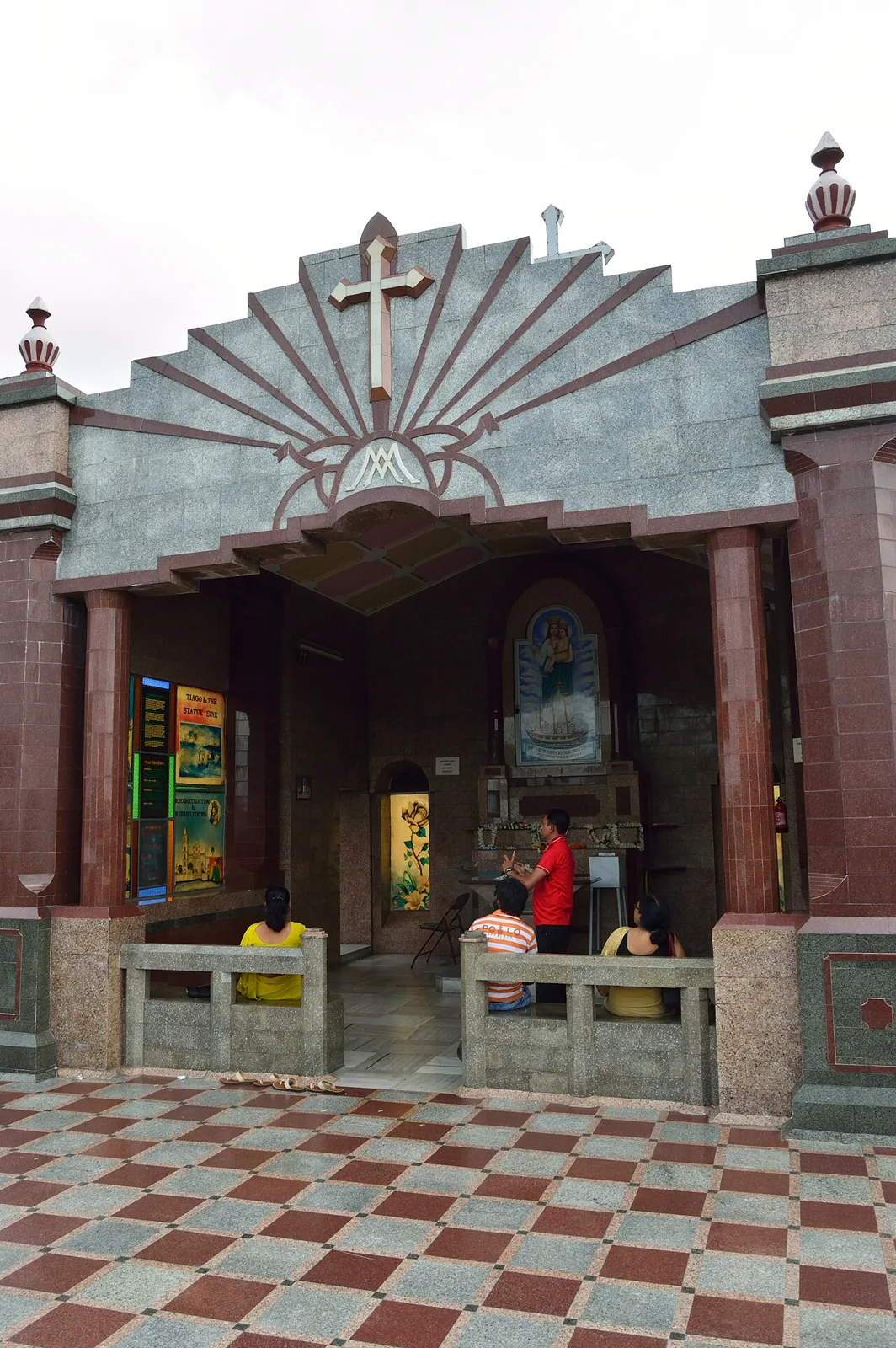
Bandel Church
Located in Bandel, Hooghly district, the Basilica of the Holy Rosary is a historic Roman Catholic church associated with Bengal’s Portuguese settlement; visitors come for its religious and historical significance.
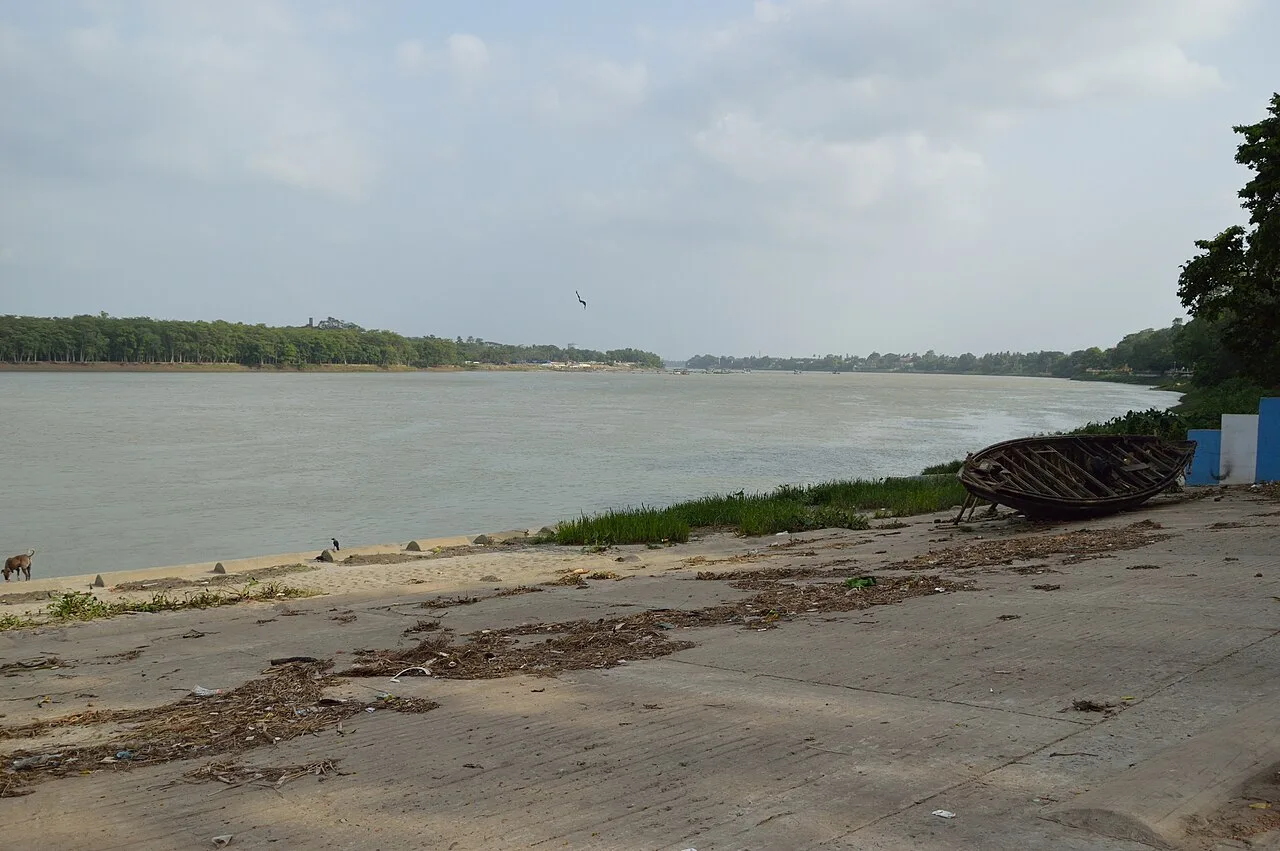
Chandannagar
Chandannagar is a city in West Bengal’s Hooghly district, with a history as a French settlement. Visitors can see Indo-French influences in its colonial-era bungalows, many of which are now in poor condition.
Dhaniakhali
Dhaniakhali is a village in Hooghly district, West Bengal, known for its association with the popular Dhaniakhali sari. That connection may interest visitors exploring the place.
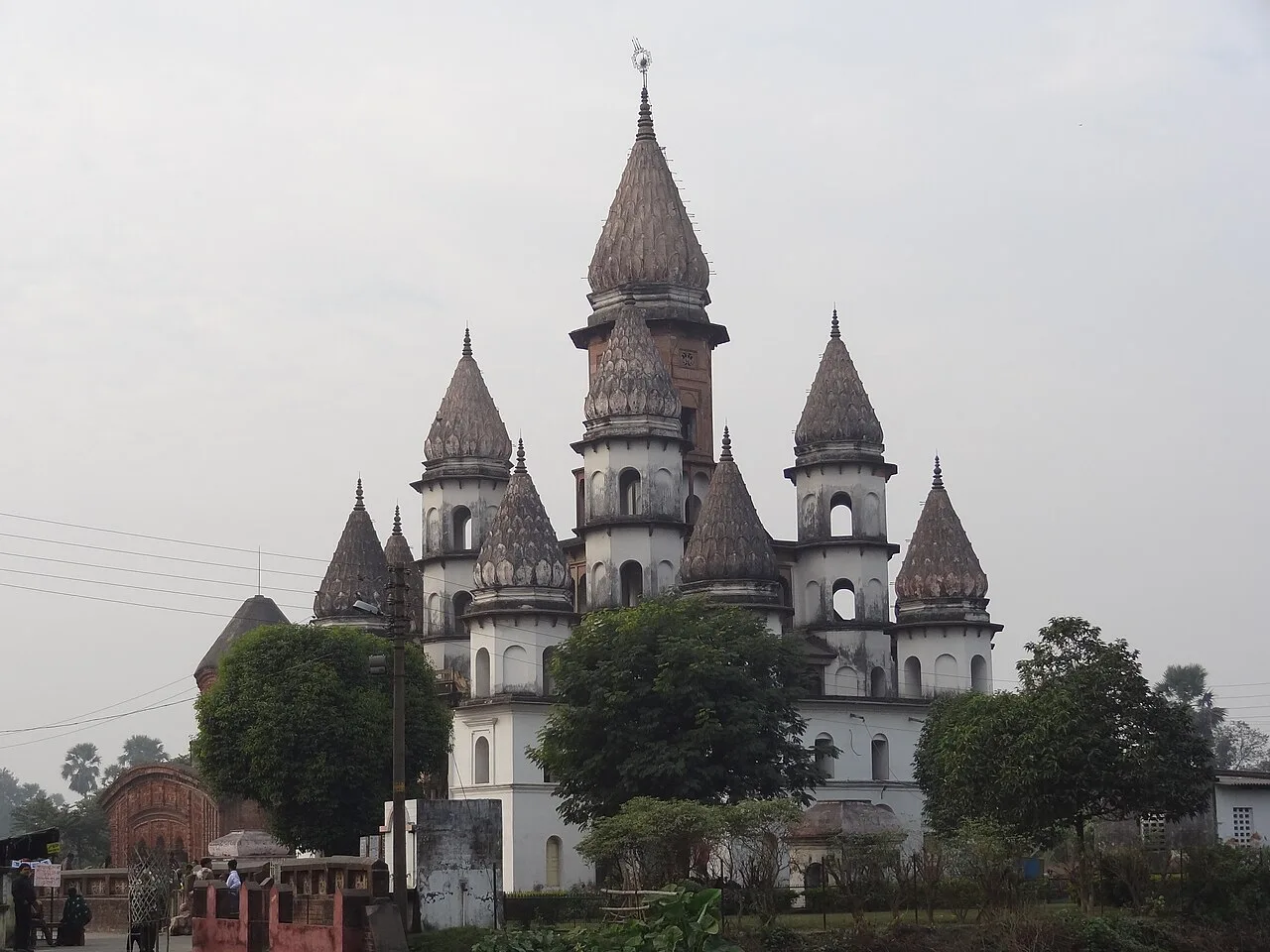
Hangseshwari Temple
Hangseshwari Temple is a Hindu shrine in Bansberia, Hooghly district, noted for its distinctive thirteen-towered ratna design and its worship of Hangseswari, a form of the goddess Kali.
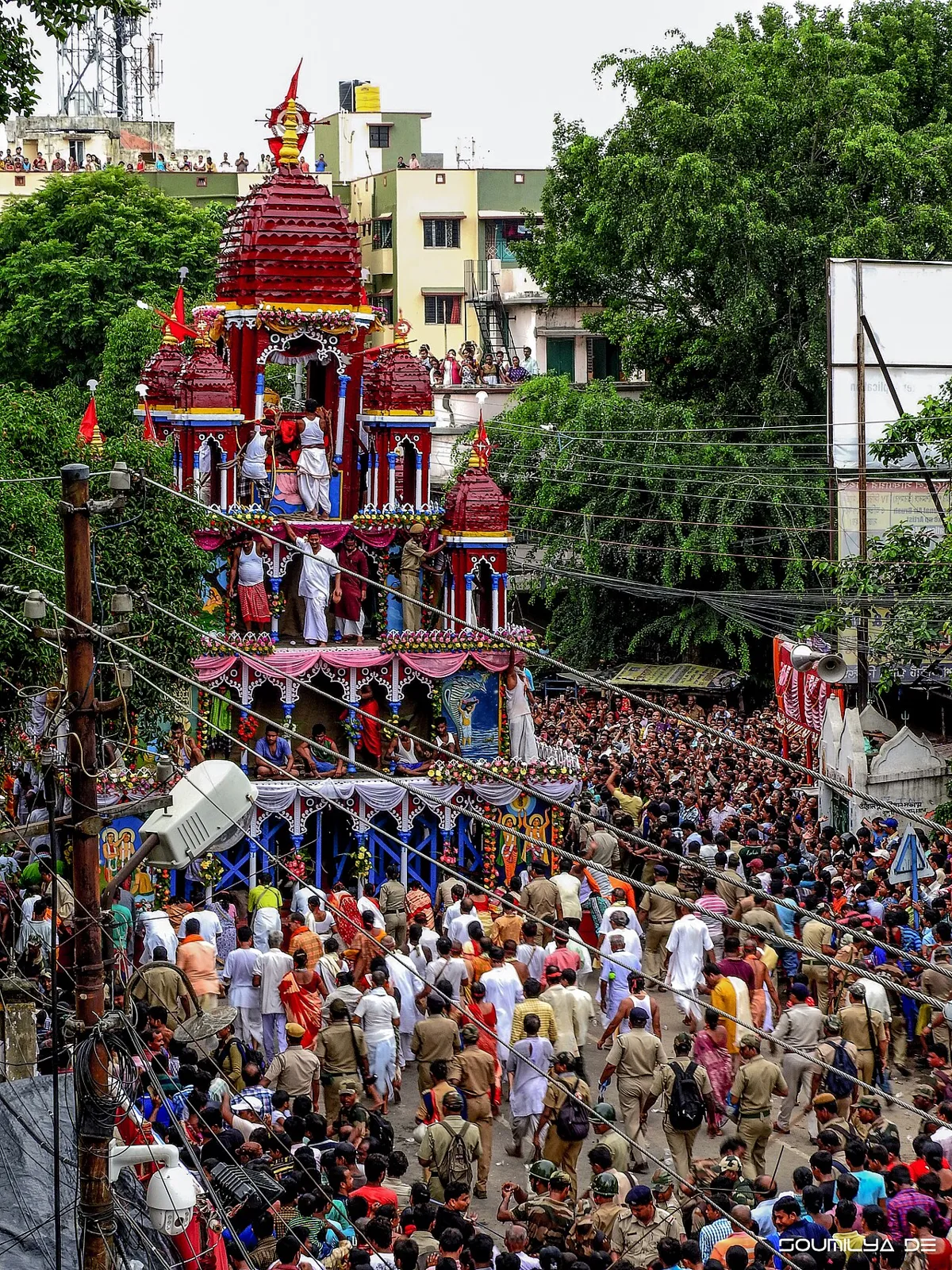
Serampore
Serampore is a city in West Bengal’s Hooghly district, with a history tied to Danish India and a setting beside the Hooghly River. Visitors may come to learn about these connections.
Food in Hooghly belongs largely to the wider Bengali culinary tradition, with rice, dal, seasonal vegetables and freshwater fish forming familiar meals. Look for macher jhol, a light fish curry, or shorshe ilish, hilsa prepared with mustard, when available. Luchi with alur dom is a popular breakfast or snack, while kosha mangsho offers a richer meat dish. Sweet shops sell regional favourites such as sandesh, rosogolla and mishti doi. Vegetarian travellers can find vegetable dishes and dal alongside fish-focused menus. Ask smaller eateries what has been cooked that day, since choices may be limited.
Dhaniakhali in Hooghly is well known for cotton handloom saris, making weaving an important part of the district's craft identity. These saris are valued for everyday wear, often with contrasting borders and striped details. When shopping, ask about the weaving origin and whether a piece is handloom-made. Terracotta ornament and clay modelling also belong to the wider artistic traditions of Bengal, visible in temple decoration and festival imagery. Chandannagar is particularly associated with elaborate decorative lighting for Jagaddhatri Puja, a living tradition of skilled design and fabrication.
Durga Puja, usually held in autumn, is widely celebrated, with neighbourhood pandals drawing local crowds. Chandannagar is known for its Jagaddhatri Puja, generally in autumn, when illuminated displays attract visitors and accommodation can become busy. Mahesh, near Serampore, holds a prominent Rath Yatra in the early monsoon season; the procession brings large crowds, so plan transport and rooms ahead. Kali Puja is observed around the same broad festive period as Diwali. Dates vary by the lunar calendar, and festival days can affect road movement and the availability of quieter visits to religious sites.
Elsewhere in West Bengal
Hooghly is largely a flat, densely settled alluvial plain, with cultivated land, towns and villages interspersed across the district. The Hooghly River is its defining waterway and forms much of its eastern edge; other rivers and canals cross parts of the interior. There are no major hills or extensive wilderness areas. Riverside settlements grew around trade and transport, while the level terrain allows road and rail links between towns. During the monsoon, heavy rain can slow local journeys and affect low-lying roads, so allow extra time and check conditions before travelling.
The district has a humid subtropical climate. Summers, generally from March into early June, can feel hot and humid; the monsoon usually brings frequent rain from around June through September. Winter, broadly from November to February, is usually the most comfortable season for walking around towns and visiting heritage sites. October to February is a good period to plan a visit, though major autumn festivals can bring crowds and higher demand for rooms. Carry light, breathable clothing, sun protection and drinking water in warmer months, and bring an umbrella or rainwear during the monsoon. A light layer can be useful on cooler winter evenings.
Netaji Subhas Chandra Bose International Airport in Kolkata is the main airport gateway. Rail access depends on your destination: Howrah is a major arrival point for onward suburban trains, while Bandel Junction is useful for the northern riverside cluster. Serampore and Chandannagar have their own railway stations. Road approaches from Kolkata include the Grand Trunk Road corridor, though urban traffic can slow journeys. Suburban trains work well between riverside towns; buses, auto-rickshaws, cycle-rickshaws and hired cars cover local connections where available. Allow extra time for transfers and check current services locally.
Suburban trains connect riverside towns including Serampore, Chandannagar and Bandel, while Bandel Junction is a useful rail interchange for parts of the district. The Grand Trunk Road and other local roads link towns, but congestion can make road journeys unpredictable. Buses, auto-rickshaws and cycle-rickshaws serve many local routes; availability varies by place and time. Taxis or hired cars can help with visits to sites away from railway stations. Boat services operate on some river crossings, but routes and service conditions may change, so check locally rather than relying on a crossing as part of a fixed itinerary.
2 days: Serampore, Chandannagar; sleep in Serampore on night 1 and Chandannagar on night 2. 3 days: Hangseshwari Temple, Bandel Church, Serampore; sleep in Bansberia on night 1, Bandel on night 2 and Serampore on night 3. 4 days: Serampore, Chandannagar, Bandel Church, Hangseshwari Temple; sleep in Serampore on night 1, Chandannagar on night 2, Bandel on night 3 and Bansberia on night 4.
Serampore and Chandannagar are practical bases for the riverside heritage circuit, with hotels and some smaller guesthouses. Bandel or nearby Bansberia can suit visitors focusing on the church and Hangseshwari Temple, though lodging choices may be more limited than in larger towns. Homestays are available in some places but should be confirmed in advance. Dharamshalas may be found near religious centres, subject to their own rules and availability. Public-sector or government accommodation is not widespread; check current arrangements before building an itinerary around it.
This is a settled plain rather than a remote wilderness area, and no special protected-area permits are normally needed for the listed sights; confirm any site-specific rules officially. Take care in crowded festival areas and near riverbanks, especially with children, and use drinking water that is sealed or treated. Monsoon rain can cause waterlogging and make some roads slower or slippery; allow extra time and check local conditions. Traffic is busy in town centres, so take care when crossing roads and use reputable local transport. Mobile connectivity is generally available in towns but may vary indoors or in less central areas. Carry essential medicines and be prepared for heat and humidity.
- North 24 Parganasabout 29 km
- Purba Bardhamanabout 33 km
- Howrahabout 36 km
- Kolkataabout 40 km
- Nadiaabout 56 km
- Birbhumabout 129 km
- Bankuraabout 133 km
- Murshidabadabout 141 km
Straight-line distance between the centres of each district's destinations; road distance is longer.
Q: How many days should I spend in Hooghly? A: Two days can cover a short riverside visit; three or four days allow a more relaxed circuit including Bansberia and Bandel. Q: When is the best time to visit? A: October to February is generally comfortable, though autumn festivals can make some towns busier. Q: Where is the best base? A: Serampore or Chandannagar works well for riverside heritage; Bandel or Bansberia is convenient for the church and temple. Q: How do I get to Hooghly? A: Travel via Kolkata, then use suburban rail or road connections; the best route depends on which town you visit first. Q: Is Hooghly suitable for families or elderly travellers? A: Yes, many visits are in accessible town settings, but check steps and walking distances at individual sites and allow time for traffic and crowds.
This page draws on our 5 destination guides for Hooghly and is updated as our team checks it.
Be the first to share photos, stories, advice or a helpful contact for Hooghly.
Loading…