
District · West Bengal
Purba Bardhaman
Purba Bardhaman lies in central-southern West Bengal, between the broader lower Gangetic plain and the state’s western districts.
Purba Bardhaman lies in the fertile plains of central West Bengal, where river systems including the Ajay, Damodar and Bhagirathi shape a landscape of fields, ponds and settled towns. Rice cultivation is prominent, and the district is often regarded as one of the state’s important agricultural regions. Bardhaman town grew under the influence of the historic Bardhaman Raj and later colonial-era development. Kalna is known for its distinctive temple architecture, while towns such as Katwa and smaller market centres connect a largely rural hinterland. The district’s character blends agricultural life, historic religious sites and everyday Bengali town culture, with Kolkata accessible to the south.
Purba Bardhaman lies in central-southern West Bengal, between the broader lower Gangetic plain and the state’s western districts. Much of the district is fertile agricultural country, and Bardhaman is often associated with rice cultivation and Bengal’s food-producing heartland. For visitors, the best-known cultural draw in the documented destinations here is Kalna, also called Ambika Kalna, whose temple complexes and distinctive brick and terracotta architecture offer a focused heritage visit. The district can suit travellers interested in Bengal’s religious art, riverine plains and everyday town life, as well as those linking Kolkata with destinations farther west. This index lists published places, not every local site.
The district forms part of the historic Rarh region of Bengal, a broad cultural and geographical zone west of the Bhagirathi. Its fertile plains and river connections supported settled agriculture and communities over many centuries. In the medieval period, the area came under successive Bengal-based and wider north Indian powers; control and local administration changed over time, so its past is not attributable to one dynasty alone. From the seventeenth century, the Bardhaman Raj became a prominent landed estate under Mughal and later British authority. After the East India Company obtained revenue-collection rights in Bengal in 1765, the region was increasingly incorporated into colonial revenue and administrative systems. Bardhaman remained an important district town during British rule and after independence. On 7 April 2017, the former Bardhaman district was divided into Purba Bardhaman and Paschim Bardhaman. Kalna’s temple heritage reflects later phases of regional religious patronage, especially the early modern period, rather than a single continuous royal tradition.
2 destination guides · 1 on the map
Kalna
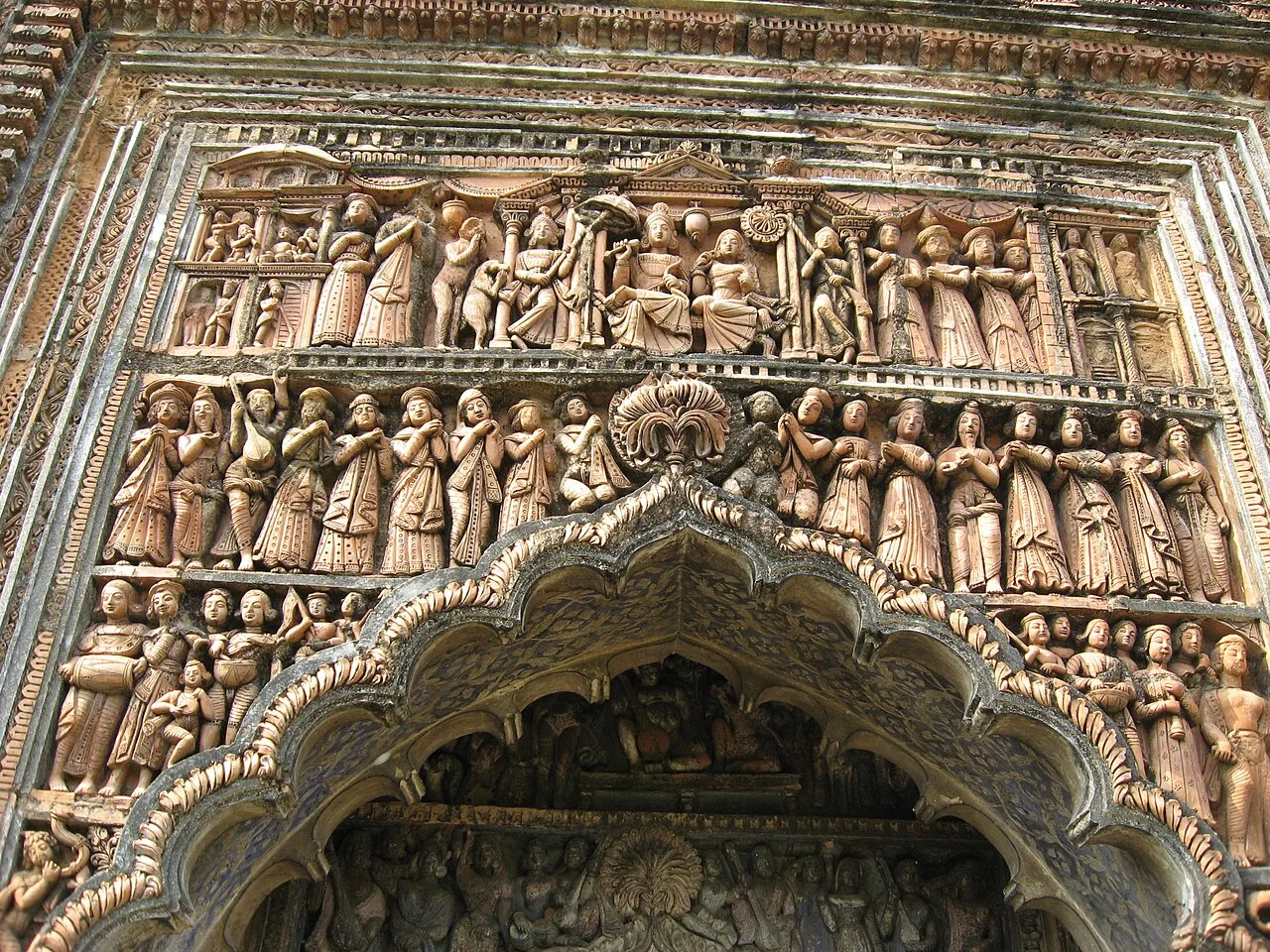
Ambika Kalna is a town in West Bengal’s Purba Bardhaman district, visited for its historic Rajbari and its group of 108 Shiva temples.
Natungram
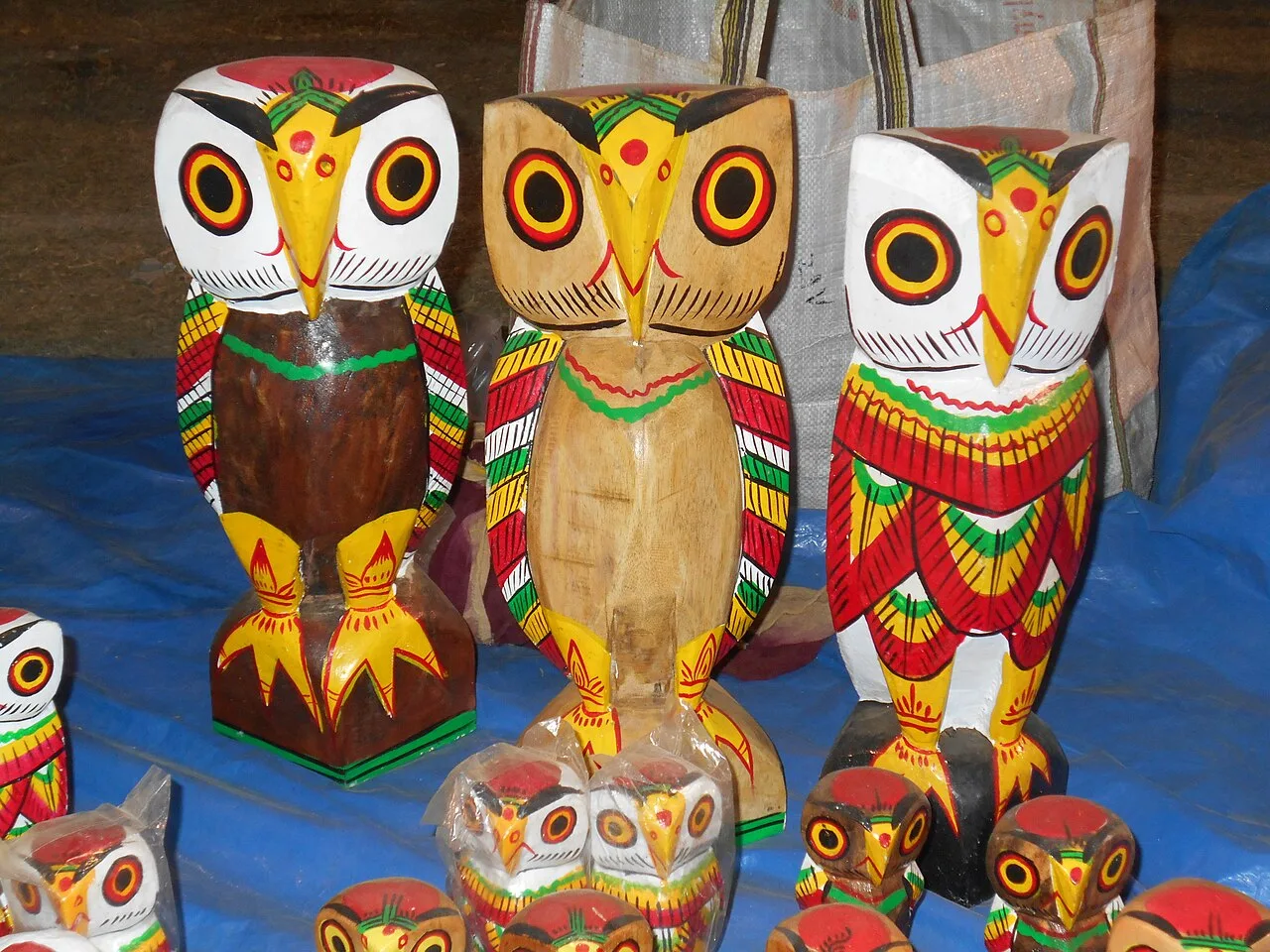
Natungram, in Purba Bardhaman district, West Bengal, is known for wooden figures made by Sutradhar artisans. Visitors come to see the craft, particularly its owl designs linked to Lakshmi.
Rice and fish are central to everyday Bengali meals across the district. Common dishes include macher jhol, fish cooked with mustard, vegetables and rice, while meat curries, luchi and alur dom are also widely enjoyed. Bardhaman town is especially associated with sitabhog and mihidana, two celebrated local sweets with Geographical Indication recognition. Sweet shops across the region also serve familiar Bengali treats such as mishti doi and sandesh. Menus vary between towns and villages, and small eateries may prepare a limited selection each day, so it is worth asking what is fresh.
Dwariapur, in Purba Bardhaman, is known for Dokra metalwork made using a traditional lost-wax casting technique. The craft produces figures, animals and decorative objects, and Dokra of Dwariapur has Geographical Indication recognition. Kalna’s celebrated temples also display finely worked terracotta panels, an important part of the district’s architectural heritage, though these are best understood as historic ornament rather than a claim that every site has active workshops. Kantha embroidery and other textile traditions are found across wider Bengal, but are regional rather than exclusive to this district.
Durga Puja in autumn is widely celebrated across the district, with neighbourhood pandals and busy local markets. Kali Puja, also in autumn, and Saraswati Puja in winter bring further community gatherings. Kalna is known regionally for its Ras festival in late autumn, when religious observances and public celebrations can draw visitors and make the town busier. Harvest-related observances are also part of rural life. During major festival periods, local transport and accommodation may be in greater demand; travellers planning an overnight stay should check availability ahead, especially in Kalna.
Elsewhere in West Bengal
Purba Bardhaman is largely a low, fertile alluvial plain, with broad cultivated fields, settlements and river corridors rather than hills or extensive forest. The Ajay and Damodar form important parts of its wider drainage, while the Bhagirathi runs along the eastern side of the district. River levels and seasonal waterlogging can affect some rural roads during the monsoon. Most sightseeing is town- and road-based, so visitors can combine heritage visits with views of the agricultural landscape; there is no rugged terrain to negotiate on the usual Kalna visit.
The district has hot summers, a humid monsoon season and generally milder, drier winters. Summer heat can make midday sightseeing tiring, while monsoon showers may slow road travel and leave some rural routes wet. Winter, broadly from late autumn into early spring, is usually the most comfortable period for walking around Kalna’s temple precincts and exploring towns. October to February is a practical travel window, though festival dates can bring crowds. Pack light, breathable clothing, sun protection and water for warmer months; in winter, carry a light layer for cooler mornings and evenings. Monsoon visitors should bring rain protection and shoes with good grip.
Bardhaman Junction is the district’s main railway gateway, with rail connections also serving towns such as Kalna and Katwa. The nearest major airport is Netaji Subhas Chandra Bose International Airport in Kolkata. By road, National Highway 19 links the Bardhaman area with Kolkata and western parts of the state, while state highways connect district towns and rural areas. Buses, taxis and hired cars are useful for longer journeys; autos and e-rickshaws commonly serve local routes, though availability varies outside town centres. Check current services locally before travelling.
Bardhaman town and Kalna are linked to the district road network, with buses and other shared transport serving towns and larger villages. Local buses, shared autos and cycle-rickshaws can help with short journeys, though service and availability vary by place and time. Taxis or hired cars offer more flexibility for visiting sites outside town centres. Kalna is also served by rail, while Bardhaman is a major rail junction; check current connections before travel. River crossings and ferry services may be available in parts of the region, but they can be affected by water conditions and should not be assumed as a dependable sightseeing link.
2 days: Kalna, exploring the town’s temple heritage at an unhurried pace; sleep both nights in Kalna. 3 days: Kalna, with a second day for further visits within town and a flexible third day; sleep all nights in Kalna.
Kalna is the most practical base for a short visit focused on its temples, with local hotels and guesthouses generally the most convenient options. Bardhaman town offers a wider choice of accommodation and works better for travellers using the rail junction or combining several parts of the district. Homestays and government accommodation may be available in some places but should be confirmed directly before travel. Dharamshalas or other basic lodging can vary in access and facilities; check suitability and current availability in advance.
Most visits to Kalna involve town streets and paved or paved-like approaches, but watch for uneven temple courtyards, steps and crowded areas during festivals. Summer heat calls for shade, drinking water and breaks; monsoon rain can make roads slippery or disrupt rural travel. Use sealed drinking water or water from a trusted source. Road conditions and local transport frequency can vary outside towns, and mobile connectivity may be less reliable in some rural areas. Traffic is mixed, so take care when walking or crossing roads. Routine visits to Kalna generally do not require special permits; confirm any site-specific access rules locally before travelling.
- Nadiaabout 23 km
- Hooghlyabout 33 km
- North 24 Parganasabout 63 km
- Howrahabout 69 km
- Kolkataabout 73 km
- Birbhumabout 101 km
- Murshidabadabout 108 km
- Bankuraabout 130 km
Straight-line distance between the centres of each district's destinations; road distance is longer.
Q: How many days should I spend in Purba Bardhaman? A: Two days can cover a relaxed visit to Kalna; allow an extra day if you want a slower pace or more time in the town. Q: When is the best time to visit? A: Late autumn through winter is usually most comfortable, though festival periods can be crowded. Q: Where is the best base for visiting Kalna? A: Stay in Kalna for a temple-focused visit; Bardhaman town is useful for broader rail connections and district travel. Q: How do I get to the district? A: Bardhaman is a major rail junction, and Kalna is also rail-connected; buses and road transport link towns within the district. Q: Is the district suitable for families or elderly travellers? A: Yes, a short Kalna visit is generally manageable, but temple steps, uneven surfaces, heat and festival crowds may require extra care.
This page draws on our 2 destination guides for Purba Bardhaman and is updated as our team checks it.
Be the first to share photos, stories, advice or a helpful contact for Purba Bardhaman.
Loading…