Ghumoopedia — Explore, Discover, Experience
Sign in
Acharya Jagadish Chandra Bose Indian Botanic Garden, West Bengal

State · East India

West Bengal

From Darjeeling's tea slopes to the Sundarbans mangroves and Kolkata's culture.

Capital
Kolkata
Districts
20
Destinations
79
Plan a trip in West Bengal

Overview

Understanding West Bengal

Culture

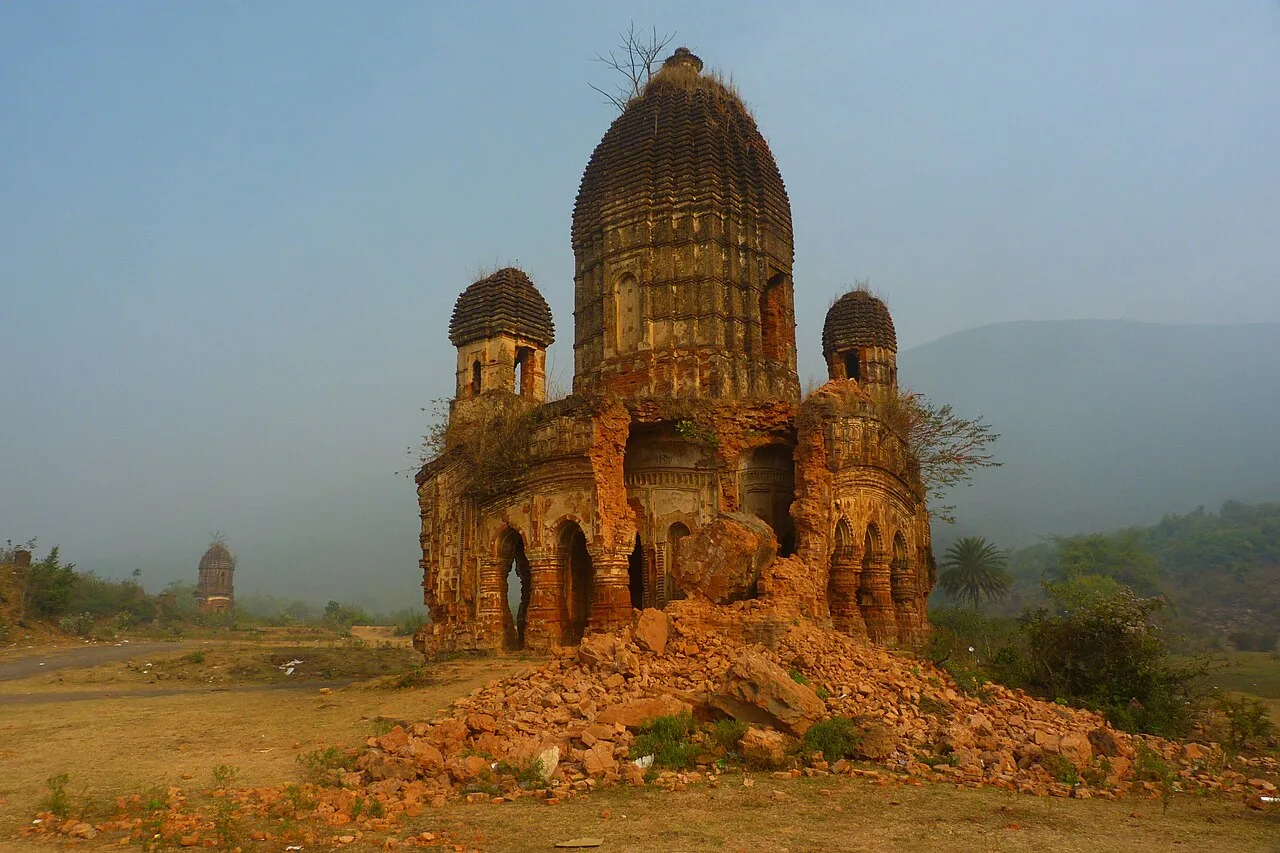
Baul music, terracotta temples and Tagore's Santiniketan.

Food

  • Macher jhol
  • Rosogolla

Festivals

  • Durga Puja
  • Gangasagar Mela
  • Poush Mela

Experiences here

  • Mountain
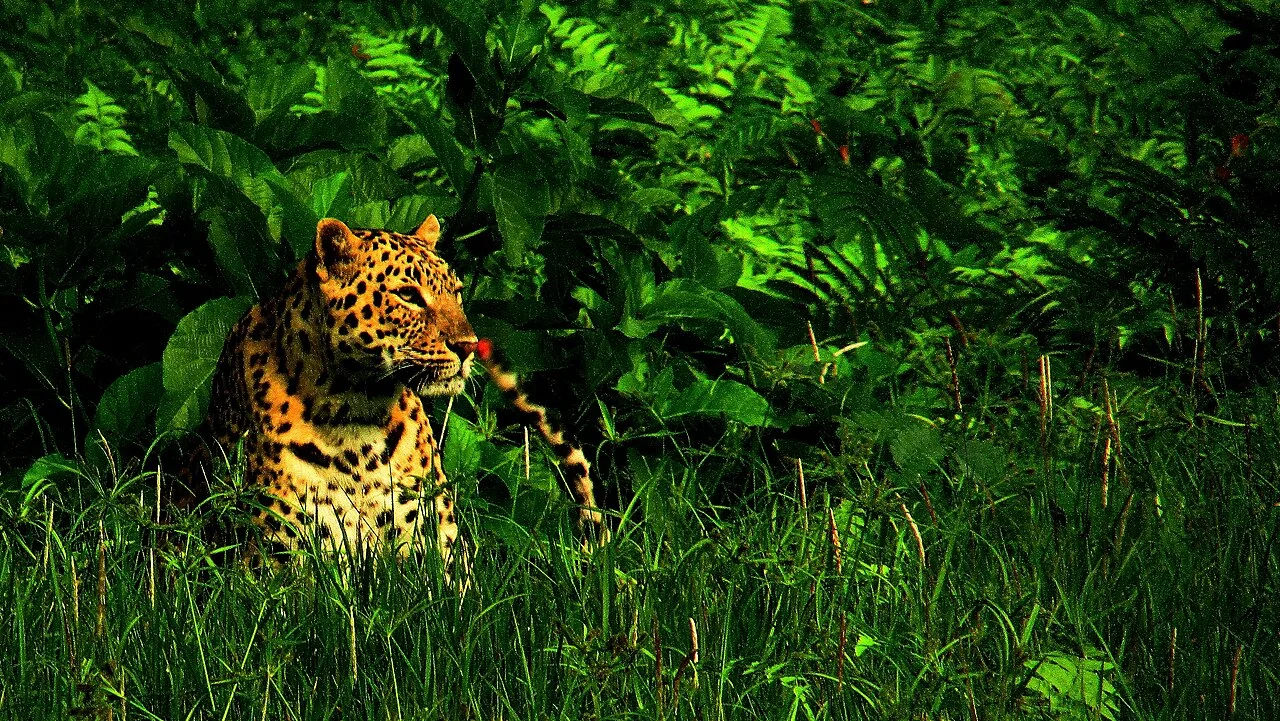
  • Wildlife
  • Heritage
  • Spiritual
  • Beach
  • Festivals

Verified by the Ghumoopedia editorial team on 21 Nov 2026. Written and reviewed by Ghumoopedia's editors. Timings, fees and permits can change, so check them with the managing authority shortly before you travel.

The complete guide

West Bengal: a traveller's guide

Why visit

West Bengal brings together landscapes and experiences that are unusually varied for one state: Darjeeling’s tea-covered slopes and Himalayan viewpoints, the tidal forests of the Sundarbans, the Bay of Bengal coast, and the museums, markets and architecture of Kolkata. Travellers can pair hill walks with a heritage railway journey, explore terracotta temples in Bishnupur, or take a boat through mangrove creeks with a local guide. The state’s riverside towns and former colonial settlements add quieter stops between its better-known destinations.

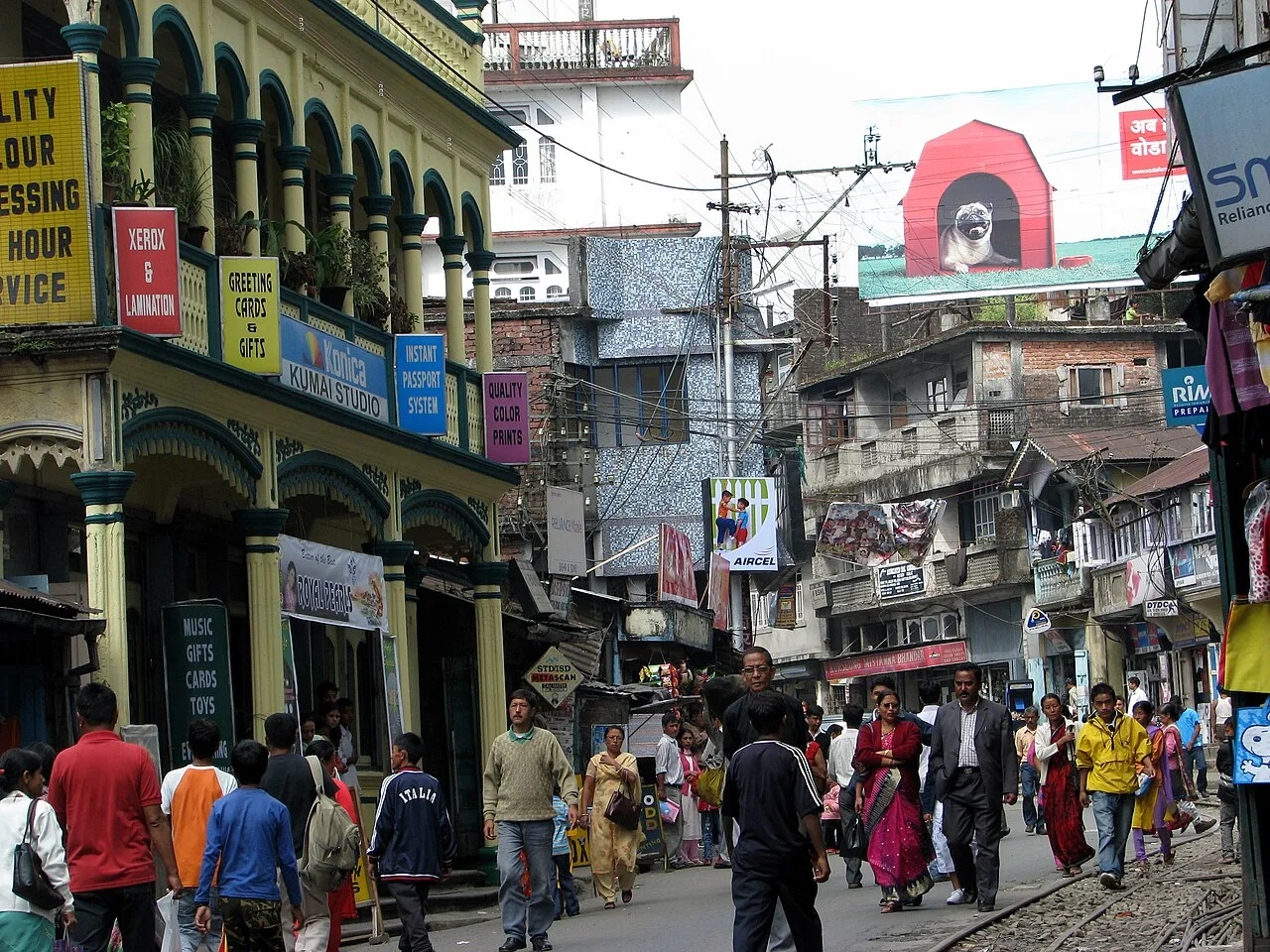
It suits cultural and food-focused city breaks, nature and wildlife trips, family holidays and journeys built around festivals. Kolkata is a lively base for museums, neighbourhood walks and Bengali cuisine; Darjeeling and Kalimpong offer cooler mountain air; and coastal places such as Tajpur and Bakkhali invite slower stays. History lovers can visit Murshidabad, Malda and Serampore, while Santiniketan connects visitors with Rabindranath Tagore’s artistic legacy. Distances and travel times can be substantial, so a rewarding itinerary usually focuses on one or two regions rather than trying to cover the whole state at once.
Landscape & climate

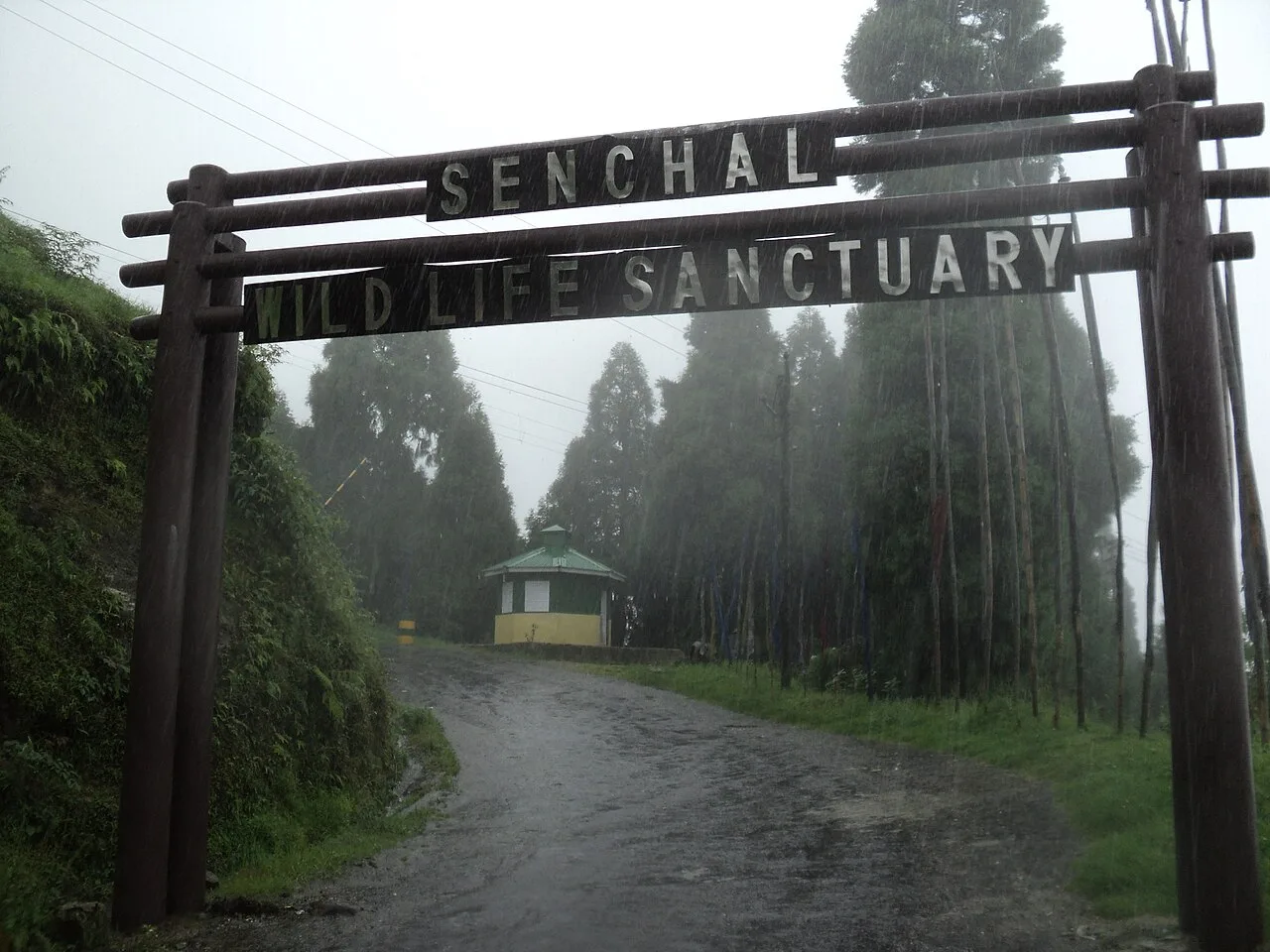
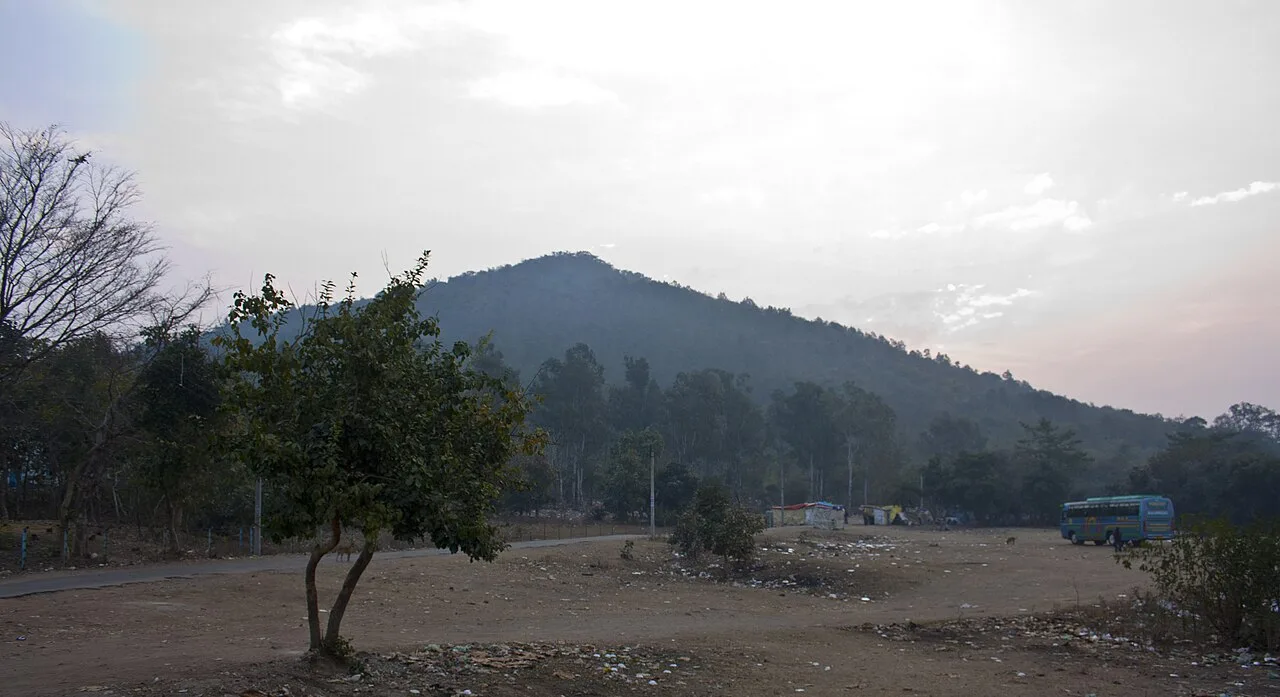
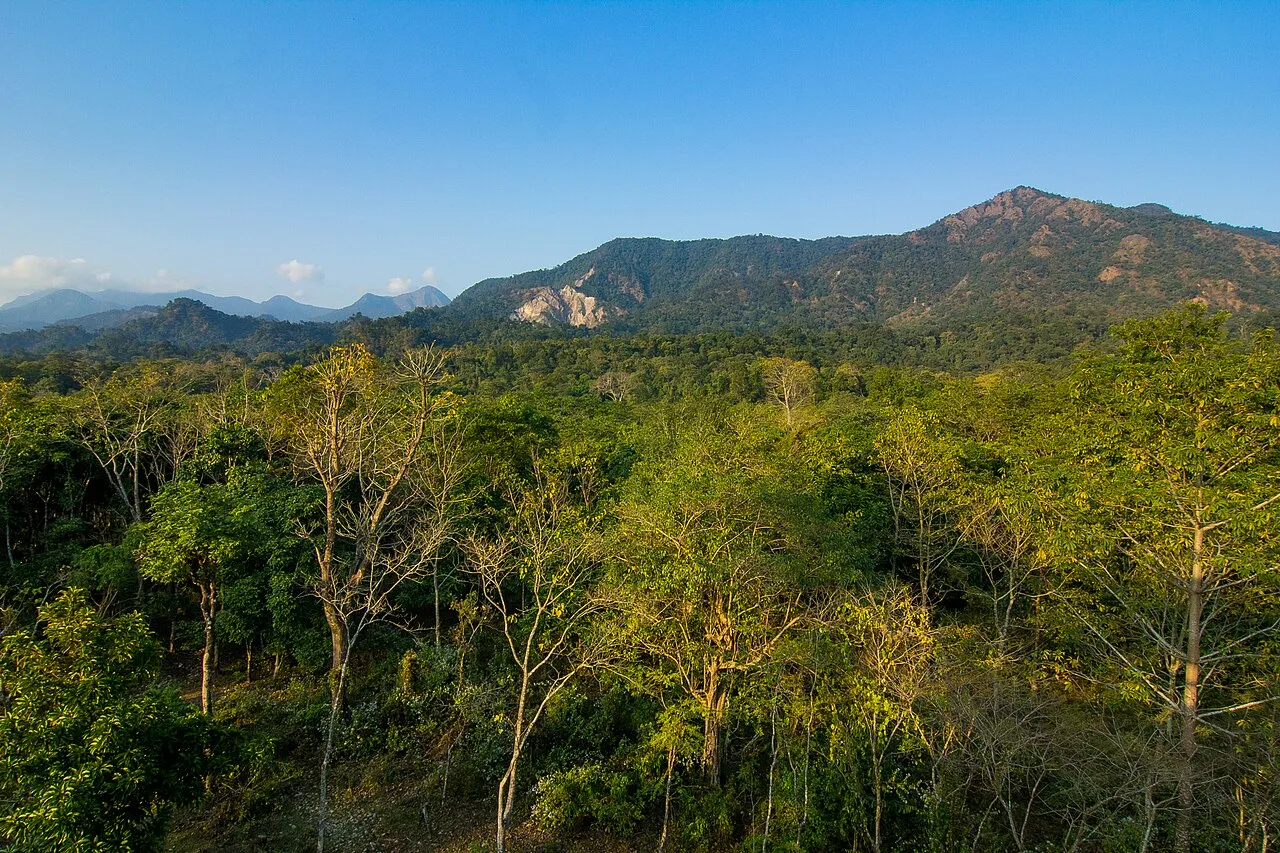
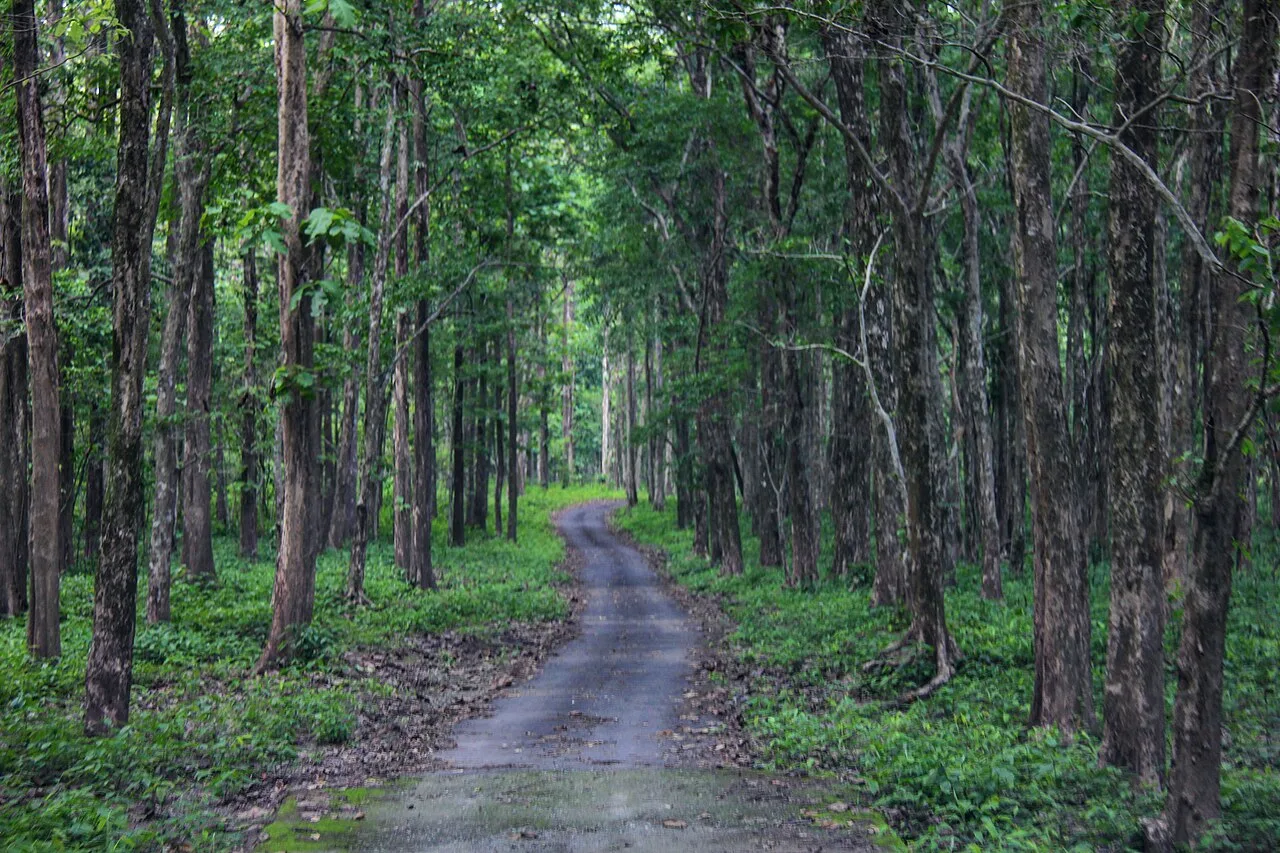
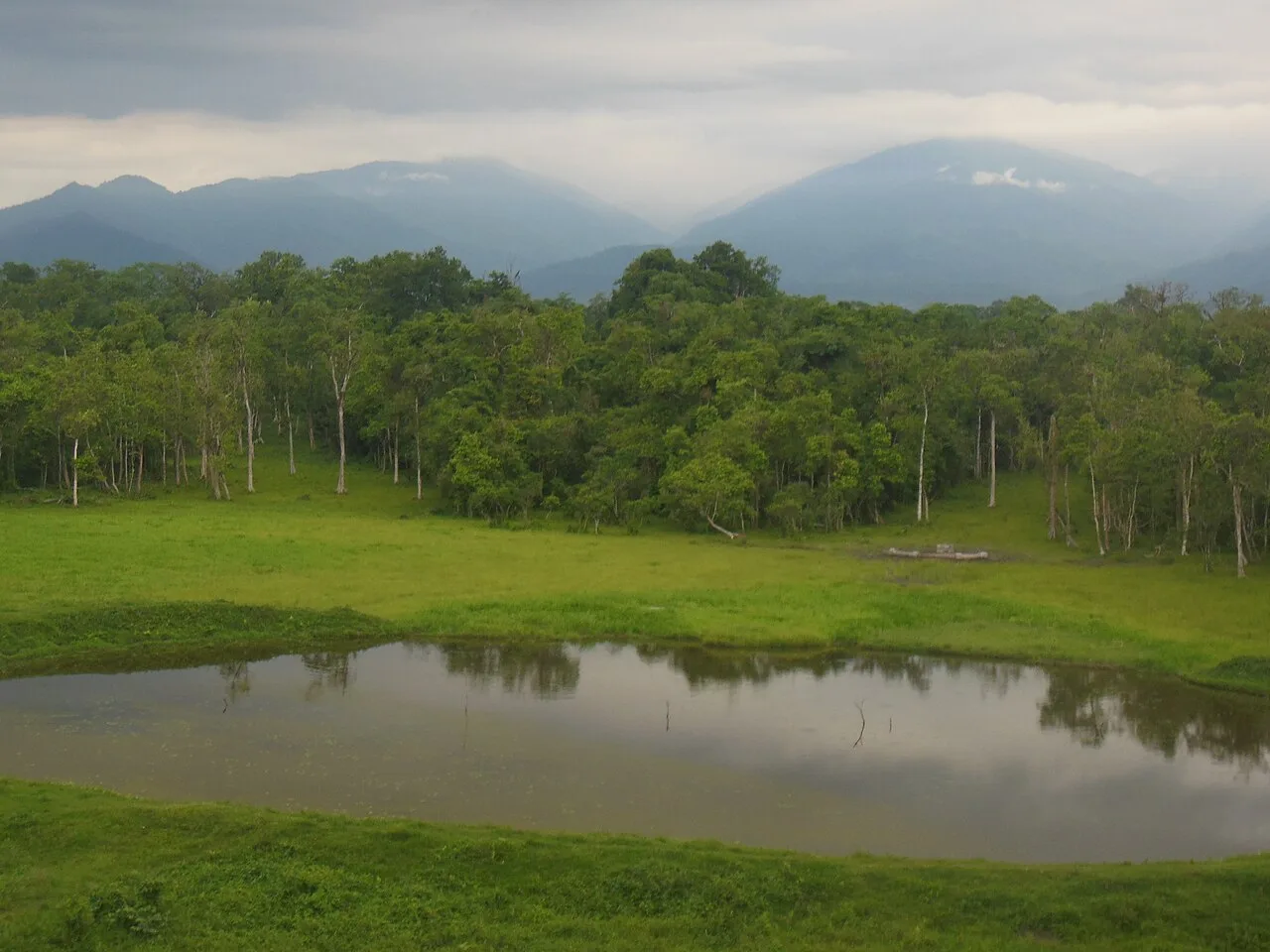
West Bengal stretches from the eastern Himalaya in the north to the Bay of Bengal in the south. Darjeeling and Kalimpong districts rise into forested ridges, tea gardens and mountain valleys, with high viewpoints such as Sandakphu on the Singalila Ridge. Farther south, the Terai and Dooars form a green belt of grassland, riverine forest and tea estates around protected areas including Jaldapara, Gorumara and Neora Valley. The central plains are densely settled and shaped by the Hooghly and its tributaries, while the western districts rise into the undulating laterite and forest country of the Chota Nagpur plateau fringe. Susunia Hill and the wooded landscapes around Purulia and Jhargram show this less-recognised side of the state.

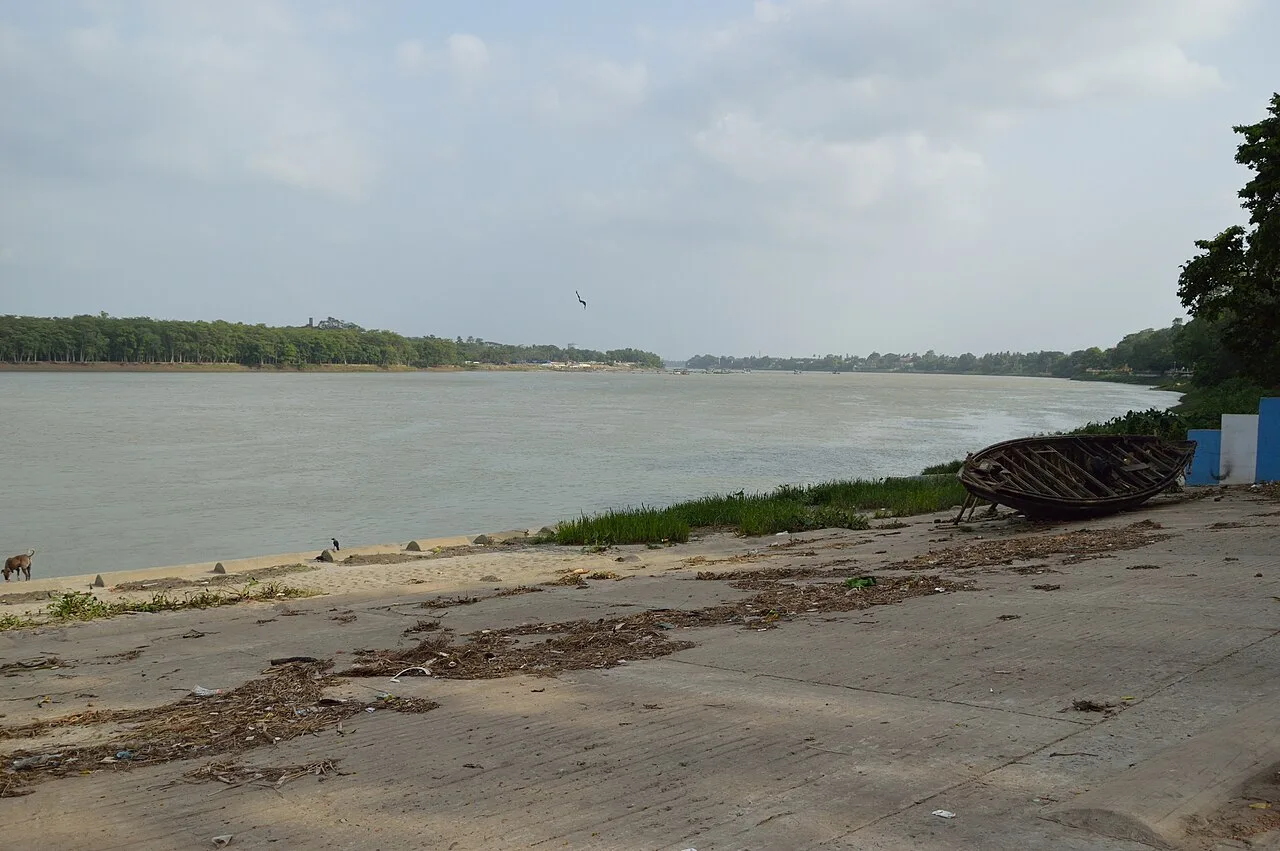
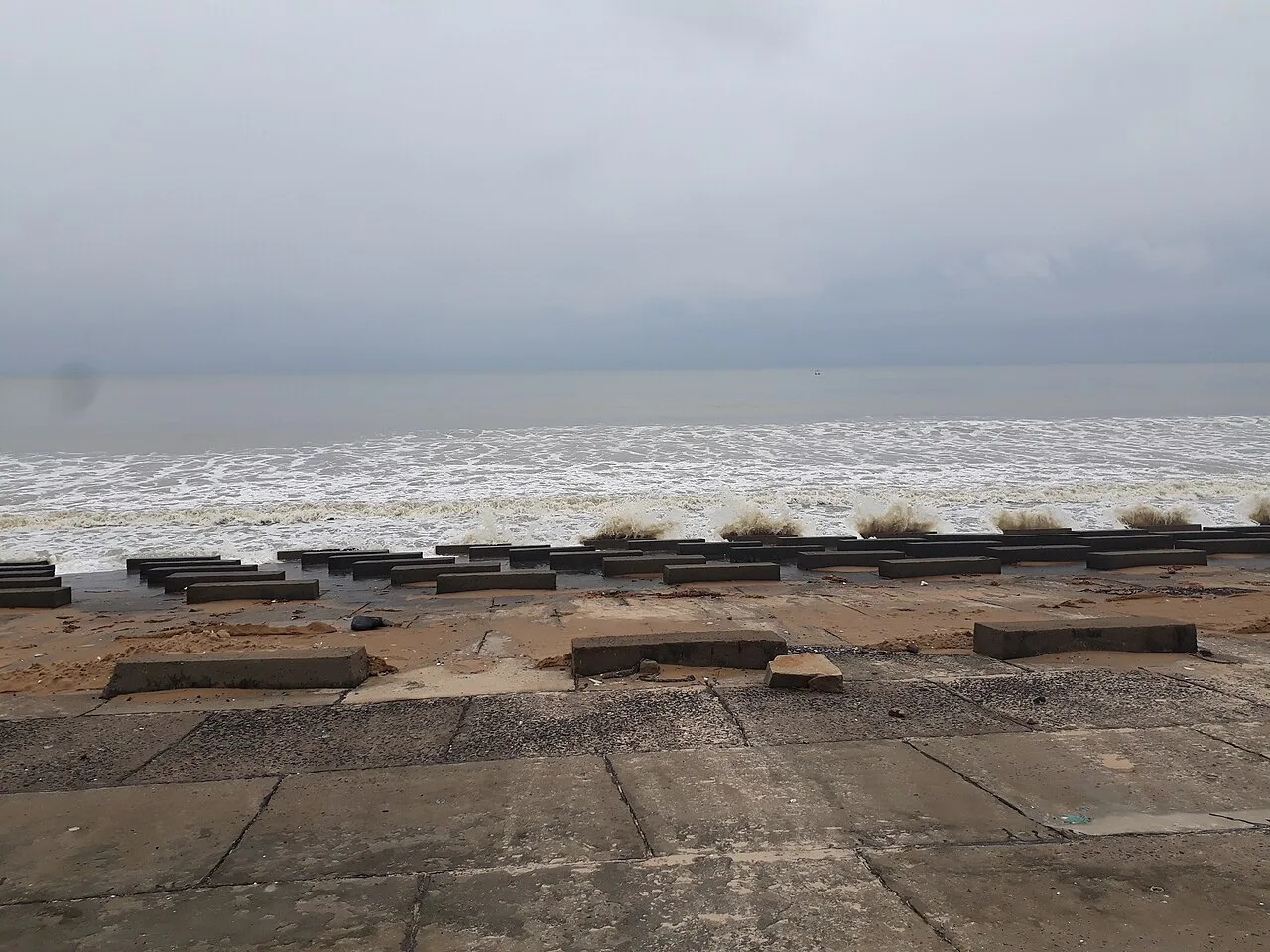
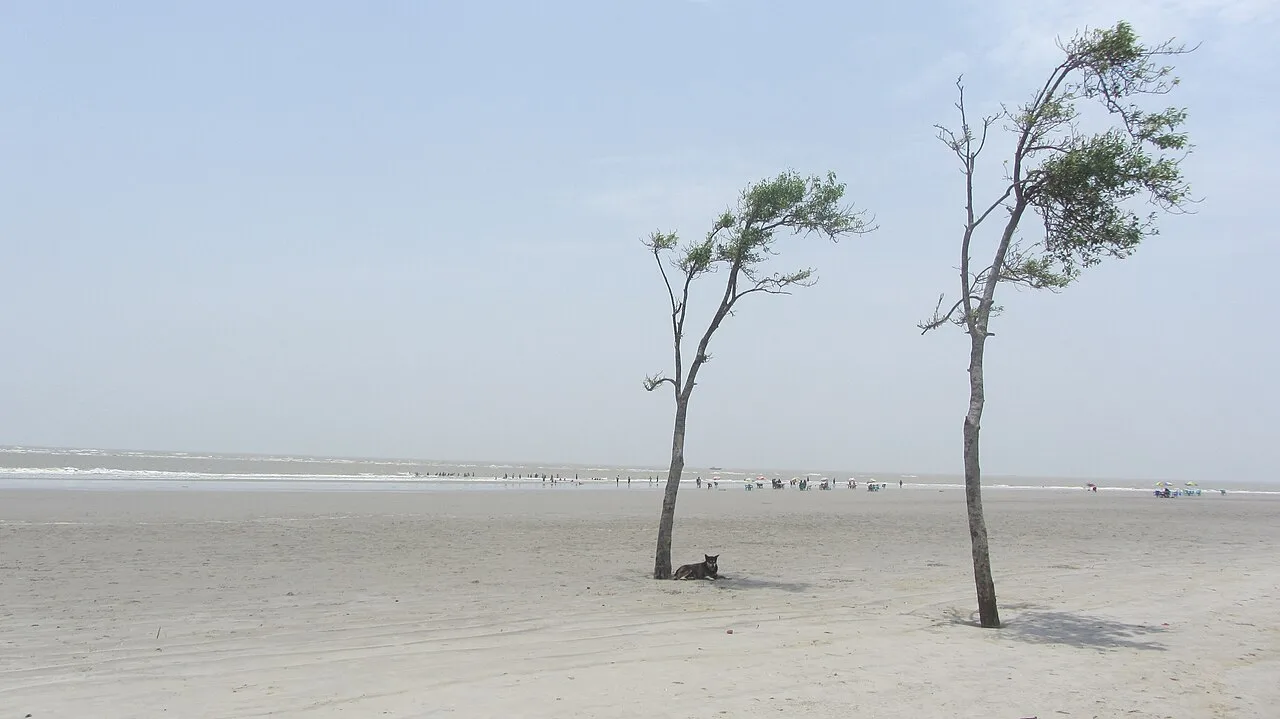
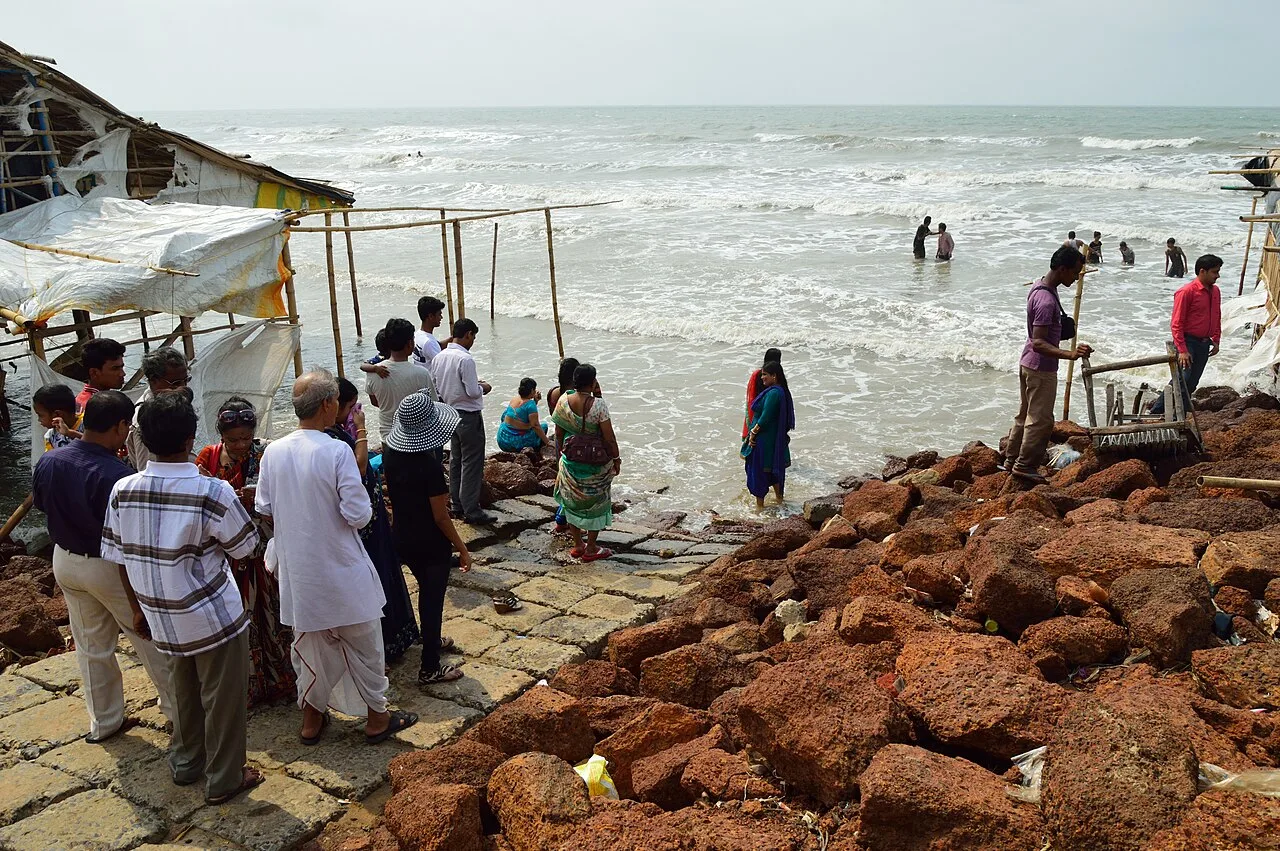
In the south, the Ganga’s distributaries, including the Hooghly, meet a broad delta of islands, mudflats and tidal creeks. The Sundarbans are an intricate mangrove ecosystem where land and water shift with the tides; the coast farther west includes sandy stretches near Tajpur, Mandarmani and Bakkhali. The climate is generally humid and subtropical, but altitude makes northern hill weather much cooler than the plains. Summers are hot, the monsoon usually brings heavy rain from around June into September, and winter is comparatively mild and dry across much of the state. Rainfall, river levels and coastal conditions vary year to year, so seasonal plans should allow for local updates.

History & heritage

The region has been home to ancient settlements and changing kingdoms for millennia. Early references associate parts of the area with Vanga and Pundravardhana, while Gauda became a prominent political centre in early medieval Bengal. The Pala rulers, influential patrons of Buddhist learning and art, were followed by the Sena dynasty. From the thirteenth century, Bengal came under successive sultanates, and later became an important province of the Mughal Empire. Capitals and trade centres shifted over time; the ruins of Gaur and Pandua near Malda, and the historic buildings of Murshidabad, preserve traces of these changing powers.

European trading companies established settlements along Bengal’s rivers and coast. The English East India Company’s victory at Plassey in 1757 helped it gain political control, and Calcutta—now Kolkata—grew into a major administrative, commercial and cultural centre under British rule. The city served as the capital of British India until the capital moved to Delhi in 1911. Bengal was divided in 1905 and the partition was reversed in 1911, but the end of colonial rule brought a more lasting partition in 1947. The western portion became West Bengal in the new Indian Union, while eastern Bengal became East Pakistan, later Bangladesh.

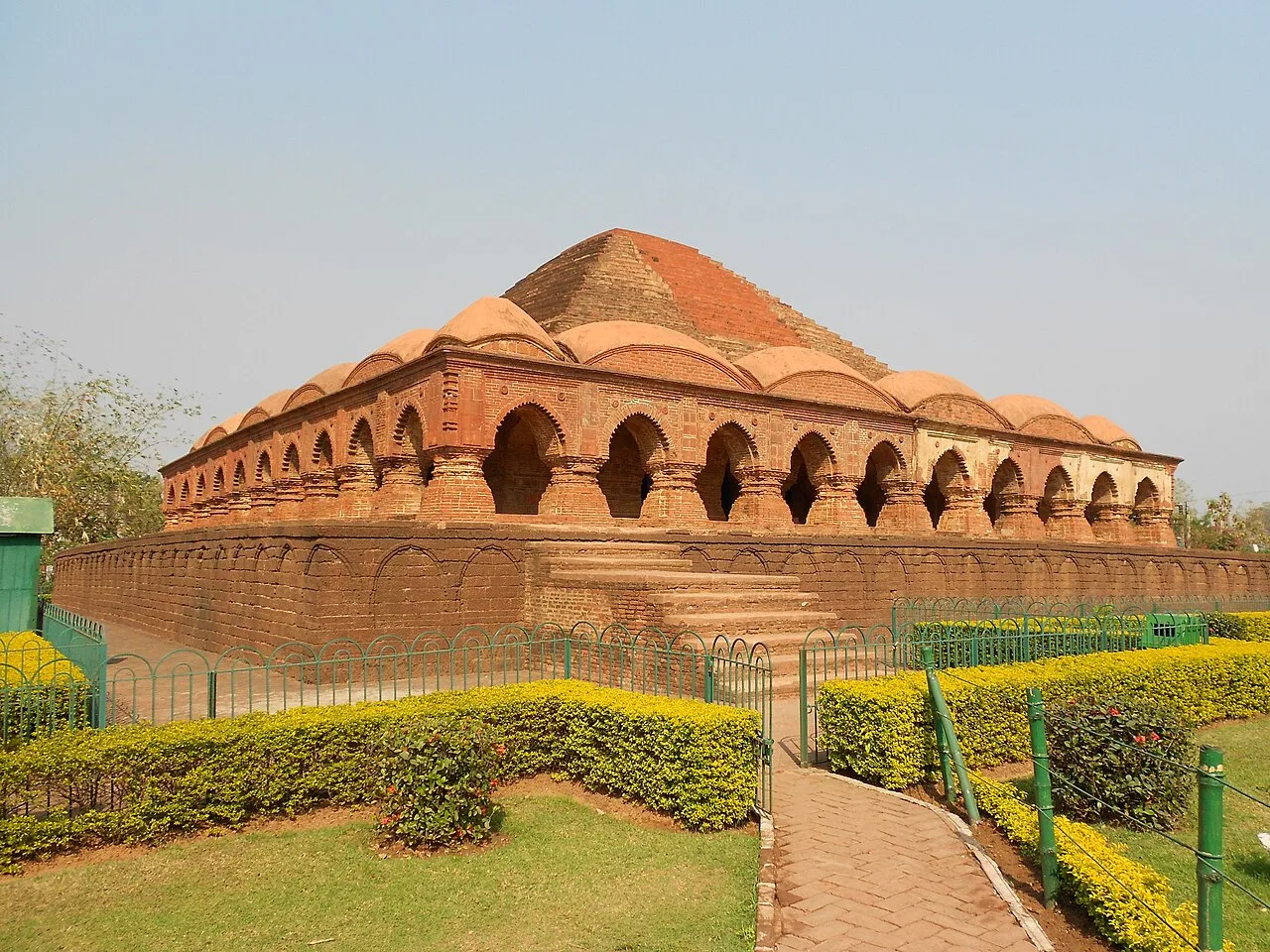
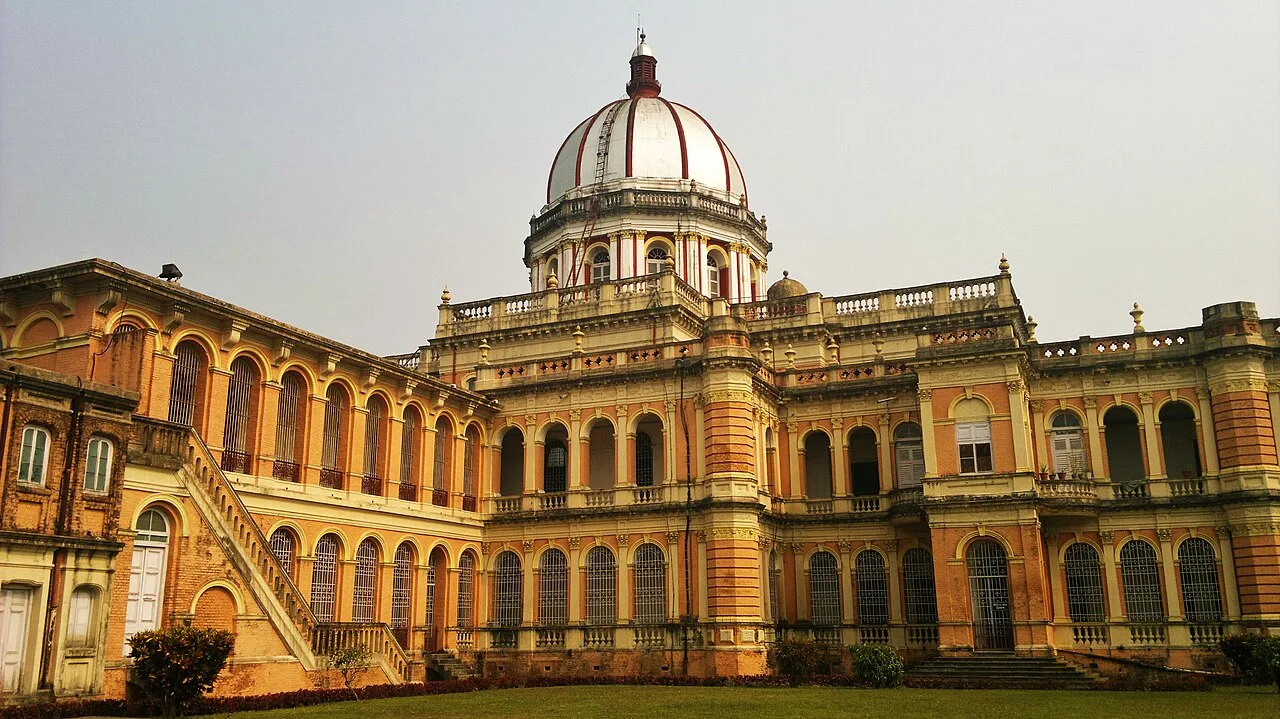
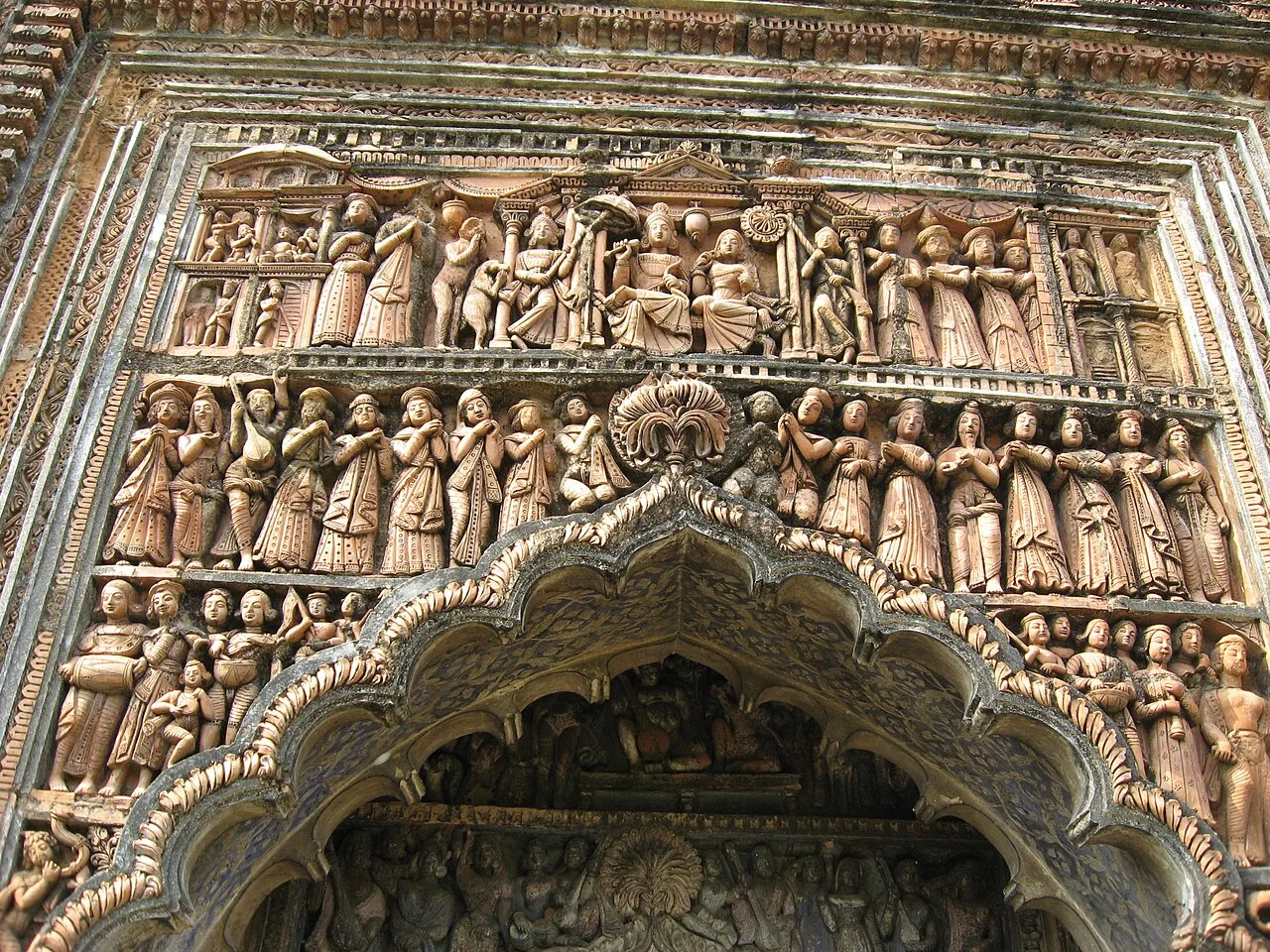
The modern state was shaped by migration, linguistic and political movements, and changes to its boundaries and administration. West Bengal became a state under India’s Constitution in 1950. Its heritage is not confined to royal courts or colonial buildings: Kolkata’s intellectual and reform movements, the rural traditions of Baul singers, and Santiniketan’s educational and artistic community all helped shape modern Bengali identity. Places such as the Victoria Memorial, Marble Palace, Nizamat Imambara, Bishnupur’s temples and Serampore’s historic quarter offer different perspectives on this layered past.

Culture, people & festivals

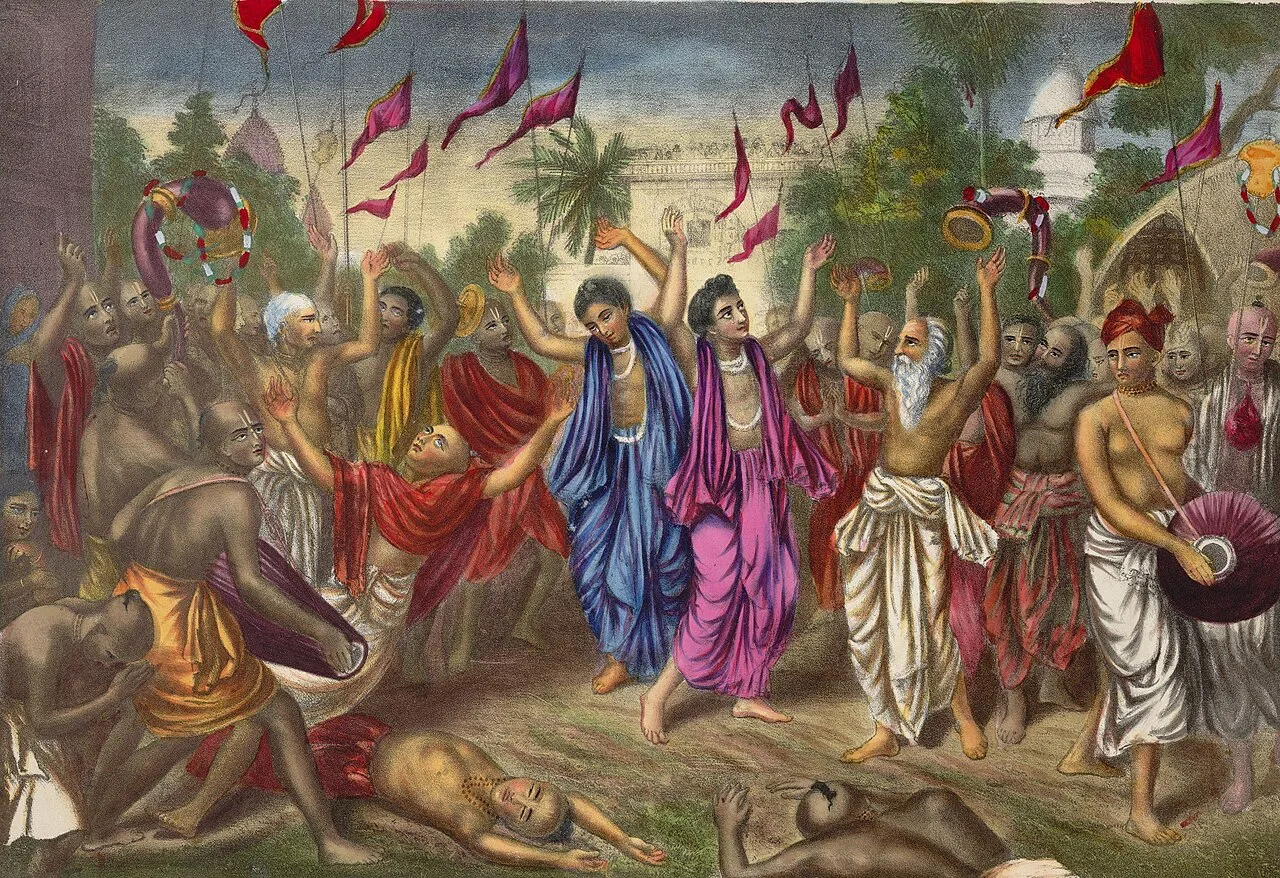
Bengali is the principal language across much of West Bengal, while Nepali is widely spoken in the Darjeeling hills. Hindi, Urdu, Santali, Rajbanshi and other languages are also part of the state’s varied linguistic landscape. Communities and customs differ between the Himalayan districts, tea-growing areas, river plains, western plateau and delta. Hinduism, Islam, Christianity, Buddhism and Indigenous faith traditions are represented in everyday life and in the state’s places of worship. Baul musicians, whose songs draw on devotional and philosophical traditions, are among Bengal’s best-known performers; Rabindra Sangeet, classical music, folk theatre and contemporary arts also have a strong presence. Dance traditions range from classical forms to community and festival performances.

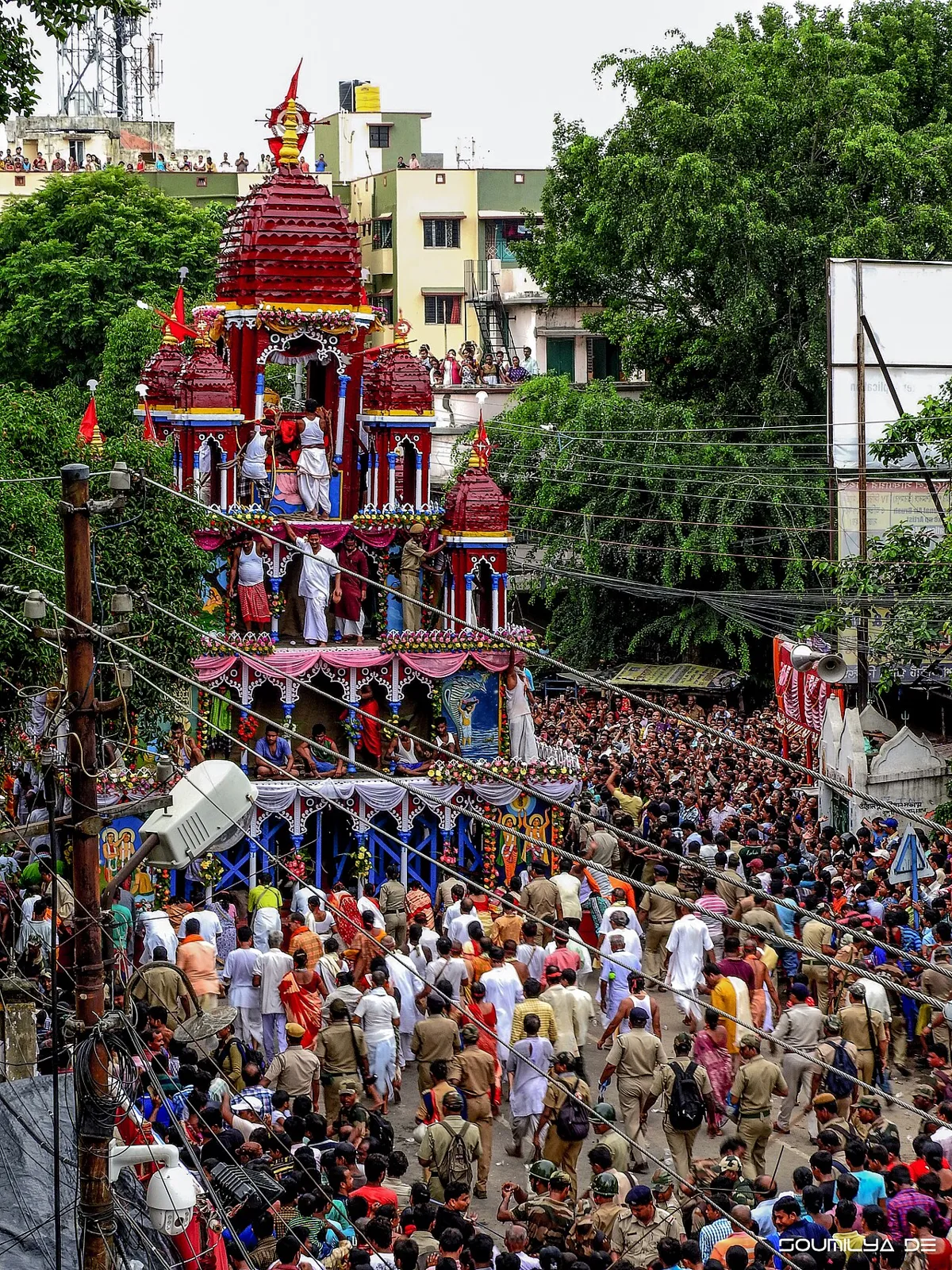
Durga Puja, usually held in September or October, is the state’s most prominent public festival, with elaborate neighbourhood pandals, images and cultural programmes. Kali Puja, often around October or November, is another major observance. The Gangasagar Mela takes place around Makar Sankranti in January, when pilgrims gather on Sagar Island; Poush Mela at Santiniketan is generally held in December and celebrates regional music, crafts and rural traditions. Dates follow religious or local calendars and can shift each year. Eid celebrations, Christmas in December, Buddha Purnima, Rath Yatra and local harvest festivals add to the calendar. Visitors are welcome at many public celebrations, but should ask before photographing worshippers or entering restricted areas.

Food & flavours

Rice and fish are central to many Bengali meals, though everyday cooking varies with locality, season, household and community. A familiar meal may pair rice with dal, vegetables and macher jhol, a light fish curry often seasoned with mustard, turmeric or other spices. Mustard oil, panch phoron, green chillies and fresh herbs give many dishes their distinctive character. Kolkata is known for a broad street-food culture that includes kathi rolls, telebhaja and savoury snacks, while coastal and delta communities make extensive use of fish, prawns and other local ingredients. In the north, meals may reflect the cooler climate and proximity to Himalayan and northeastern foodways; in western districts, lentils, vegetables and locally available grains are important too.

Bengal’s sweets are a highlight, from chhana-based rosogolla and sandesh to mishti doi, payesh and seasonal confections. Banglar Rasogolla is a recognised regional product, and Joynagar Moa—a winter sweet traditionally made with popped khoi and date-palm jaggery—is associated with the South 24 Parganas town of Joynagar. Bardhaman is known for sitabhog and mihidana. Date-palm jaggery is especially prized in winter, when it appears in sweets and home cooking. Ask about ingredients if you avoid fish, meat, dairy or particular spices; many restaurants can suggest alternatives, but recipes and preparation practices are not uniform.

Crafts, textiles & what to buy

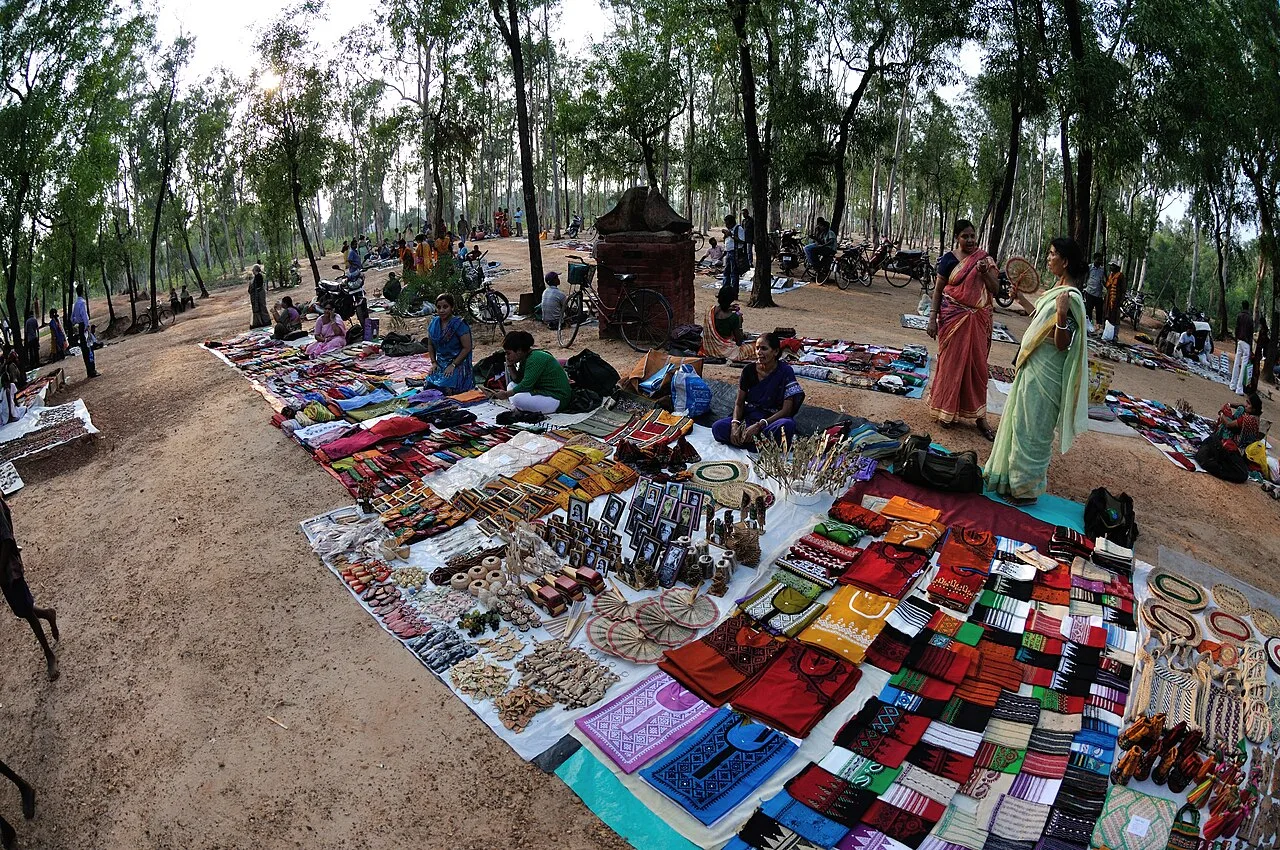
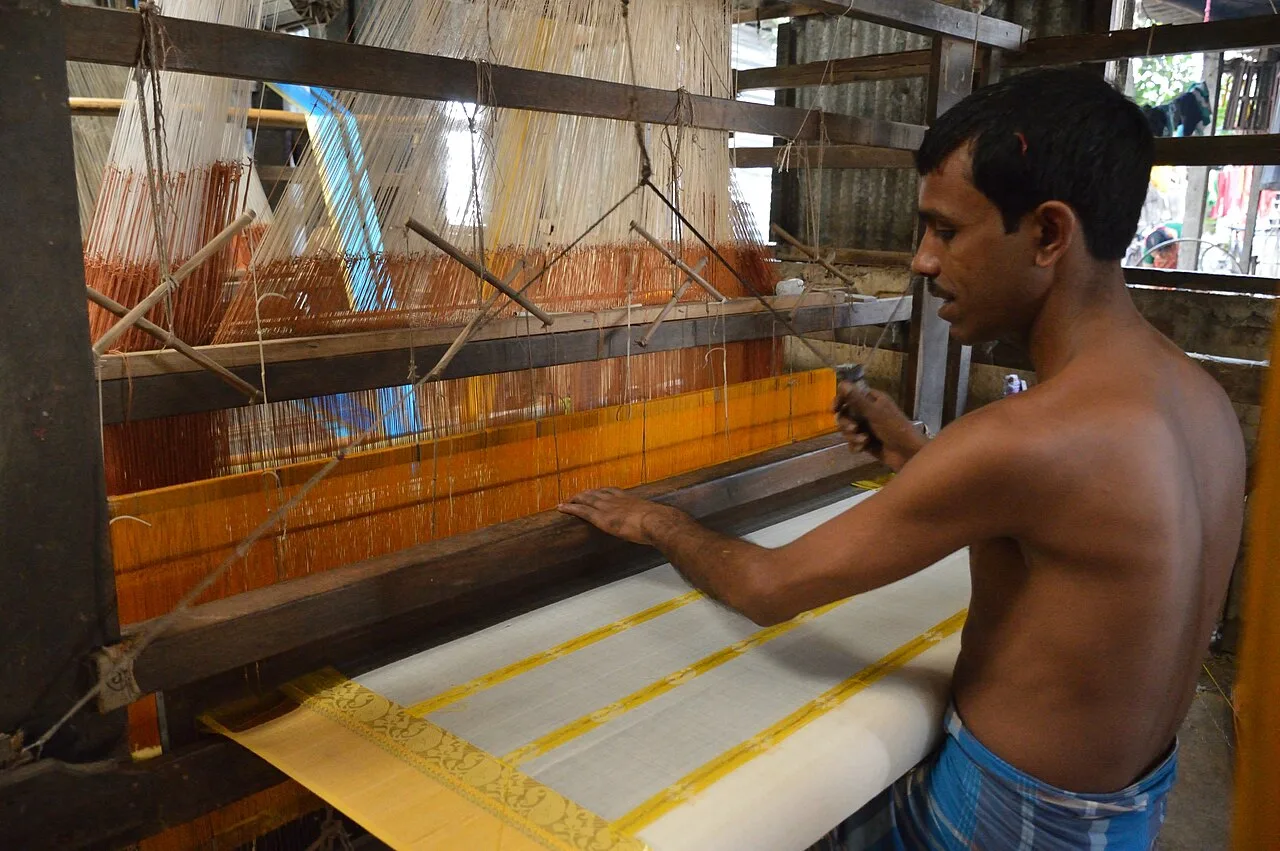
Handloom weaving is part of Bengal’s living heritage. Baluchari silk saris, often woven with narrative motifs, are associated with Bishnupur; cotton tant saris are produced in several weaving centres, including Shantipur and Dhaniakhali. Murshidabad is known for silk, while Kantha embroidery turns layers of cloth and running stitches into quilts, garments and decorative pieces. Look for clearly identified makers and ask about the fibre, weaving technique and place of production, since similar designs may be sold under broad regional labels.

Other crafts include Bankura’s terracotta work and distinctive horse figures, Dokra metal casting, shola pith objects, wooden dolls from Natungram, and scroll painting and song traditions in parts of the state. Madurkathi mats are woven from a local reed, especially in the Medinipur region. Recognised regional products include Darjeeling tea, Banglar Rasogolla, Joynagar Moa, Bardhaman Sitabhog and Mihidana, and rice varieties such as Gobindobhog and Tulaipanji. Santiniketan and Kolkata offer craft shops and markets, while buying directly from cooperatives or workshops can help connect a purchase with its makers. Check labels and provenance, particularly for textiles and packaged foods.

Getting there & getting around

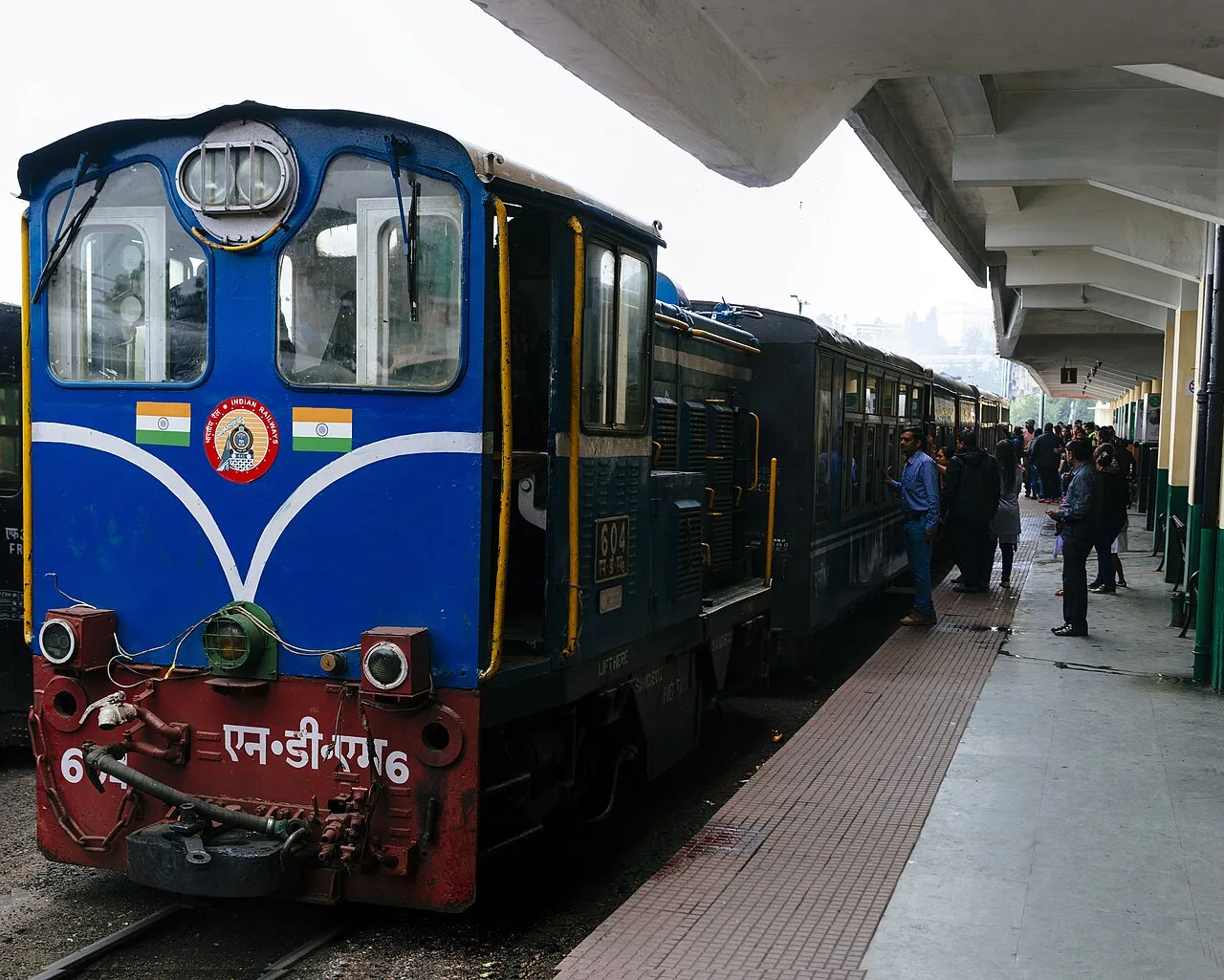
Netaji Subhas Chandra Bose International Airport in Kolkata is the state’s main air gateway. Bagdogra Airport serves the northern hills and Dooars, though onward road travel is needed for Darjeeling, Kalimpong and many forest destinations. Kazi Nazrul Islam Airport near Durgapur can be useful for parts of western Bengal, depending on available connections. Major rail hubs include Howrah and Sealdah in Kolkata, Kolkata station, New Jalpaiguri for the north, and Asansol and Malda Town for their respective regions. The Darjeeling Himalayan Railway offers a heritage rail experience on part of its route, but it is not a substitute for checking current services and connections.

National highways connect the state’s main corridors: NH 12 runs north from the Kolkata region, NH 16 links Kolkata with the south-western coastal corridor, NH 19 serves the western route via Durgapur and Asansol, and NH 27 crosses northern Bengal. Kolkata has metro, suburban rail, buses, taxis and ferries across the Hooghly; local trains and buses also serve many towns. For hill stations, tea estates and forest areas, road journeys are often necessary, while boats are central to permitted Sundarbans excursions. Use registered local operators for wildlife and river trips, check road and rail conditions before setting out, and allow extra time for monsoon disruption, traffic and transfers between stations and destinations.

When to go & travel tips

October to March is generally comfortable for Kolkata, the plains, heritage towns and much of the coast. The northern hills are popular in spring and autumn, when views can be clearer, though weather changes quickly at altitude. Winter is a good season for the Dooars and for seasonal foods such as date-palm jaggery sweets. The Sundarbans are often visited in the cooler, drier months, but boat access, wildlife conditions and local advisories can vary. Check forecasts and official local guidance close to departure.

Pack breathable layers for the plains, warmer clothing and rain protection for the hills, and sun protection for the coast and boat journeys. Wear comfortable footwear for uneven paths and temple approaches. Sundarbans access is regulated; confirm current entry requirements and permitted routes with official forest authorities or a reputable authorised operator before travelling. Dress respectfully at religious sites, remove footwear where requested, and seek permission before photographing people or ceremonies. Keep valuables secure in crowded markets and festival areas, use life jackets on boats, and avoid approaching wildlife or entering forest areas without an authorised guide. Carry drinking water and any personal medicines, and leave extra time when travelling during major festivals.

Highlights

Where to begin

City by city

Cities & hubs of West Bengal

Every sight is grouped under its city — places within about 12 km together, day trips within 40 km alongside — even across district lines. Open a city to see its attractions.

See every city, town and village of West Bengal

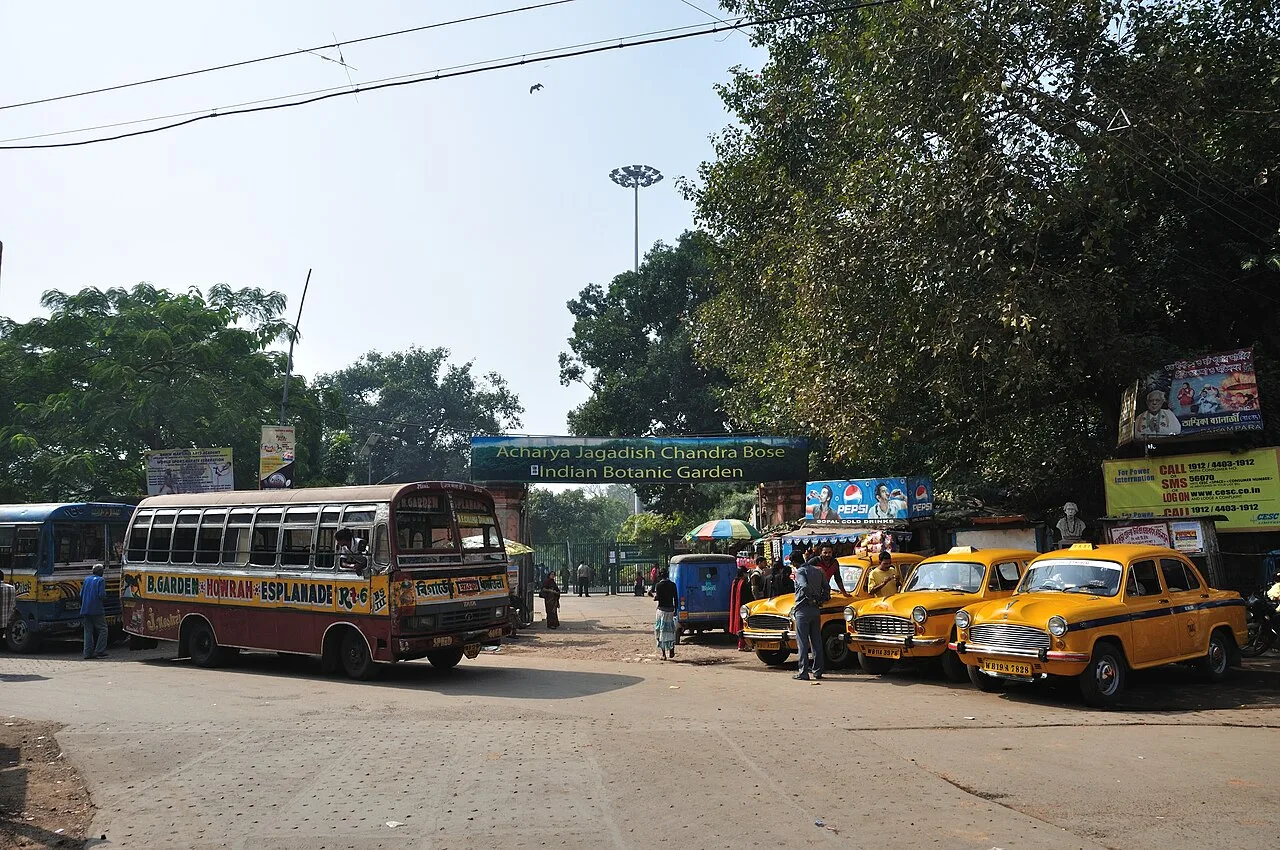
Acharya Jagadish Chandra Bose Indian Botanic Garden
Kolkata22 places to see

Acharya Jagadish Chandra Bose Indian Botanic Garden · Alipore Zoo · Belur Math · Birla Mandir

Darjeeling
Darjeeling8 places to see

Batasia Loop · Ghum Monastery · Himalayan Mountaineering Institute · Padmaja Naidu Himalayan Zoological Park

Kalimpong
Kalimpong4 places to see

Zang Dhok Palri Phodang · Lava · Neora Valley National Park

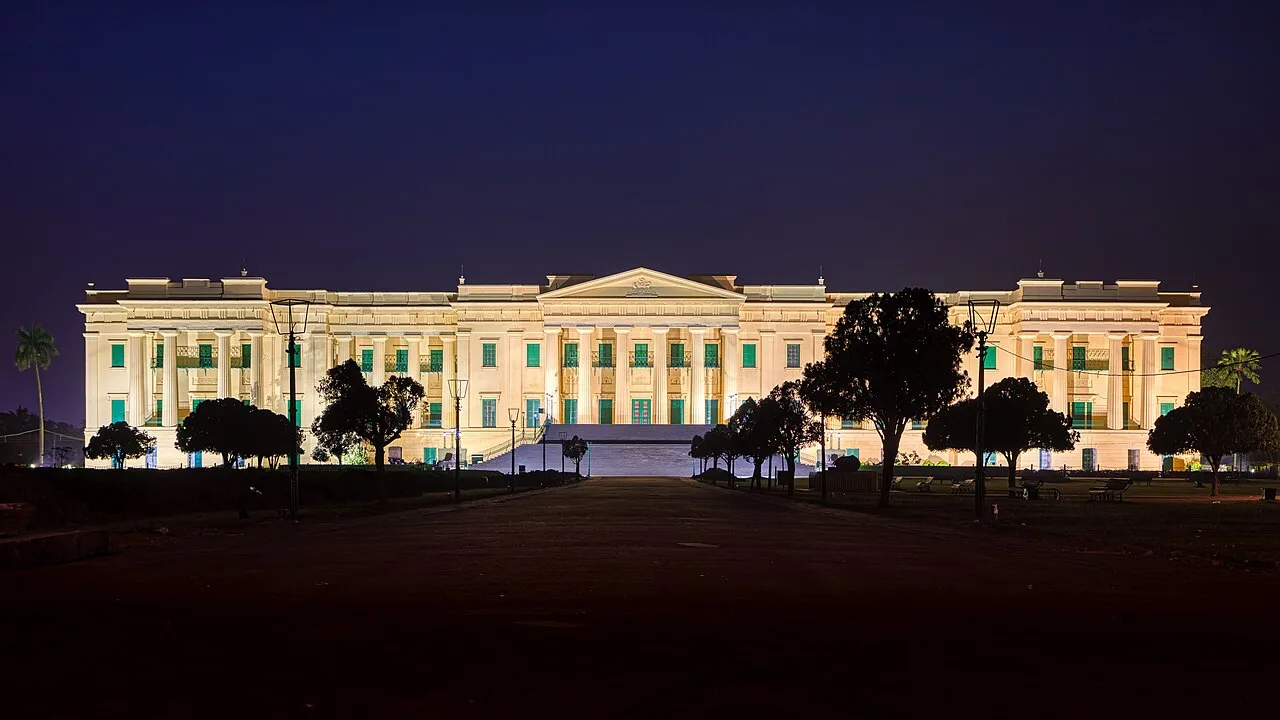
Hazarduari Palace
Berhampore3 places to see

Hazarduari Palace · Katra Masjid · Nizamat Imambara

Chandannagar
Chandannagar3 places to see

Bandel Church · Hangseshwari Temple

Susunia Hill
Bankura2 places to see

Bikna Dokra Village · Susunia Hill

Bishnupur
Bishnupur2 places to see

Panchmura

Digha
Digha2 places to see

Tajpur

Jaldapara National Park
Hasimara2 places to see

Jaldapara National Park · Buxa Fort

Bakkhali
Kakdwip2 places to see

Bakkhali · Sagar Island

Kurseong
Kurseong2 places to see

Mirik

Adina Mosque
Malda2 places to see

Adina Mosque · Gaur (Gauda) Ruins

Nabadwip
Nabadwip2 places to see

Mayapur

Garh Panchkot
Raghunathpur2 places to see

Garh Panchkot · Joychandi Pahar

Buxa Tiger Reserve
Alipurduar1 place to see

Buxa Tiger Reserve

Mandarmani
Contai1 place to see

Mandarmani

Cooch Behar Palace
Cooch Behar1 place to see

Cooch Behar Palace

Bakreshwar
Dubrajpur1 place to see

Bakreshwar

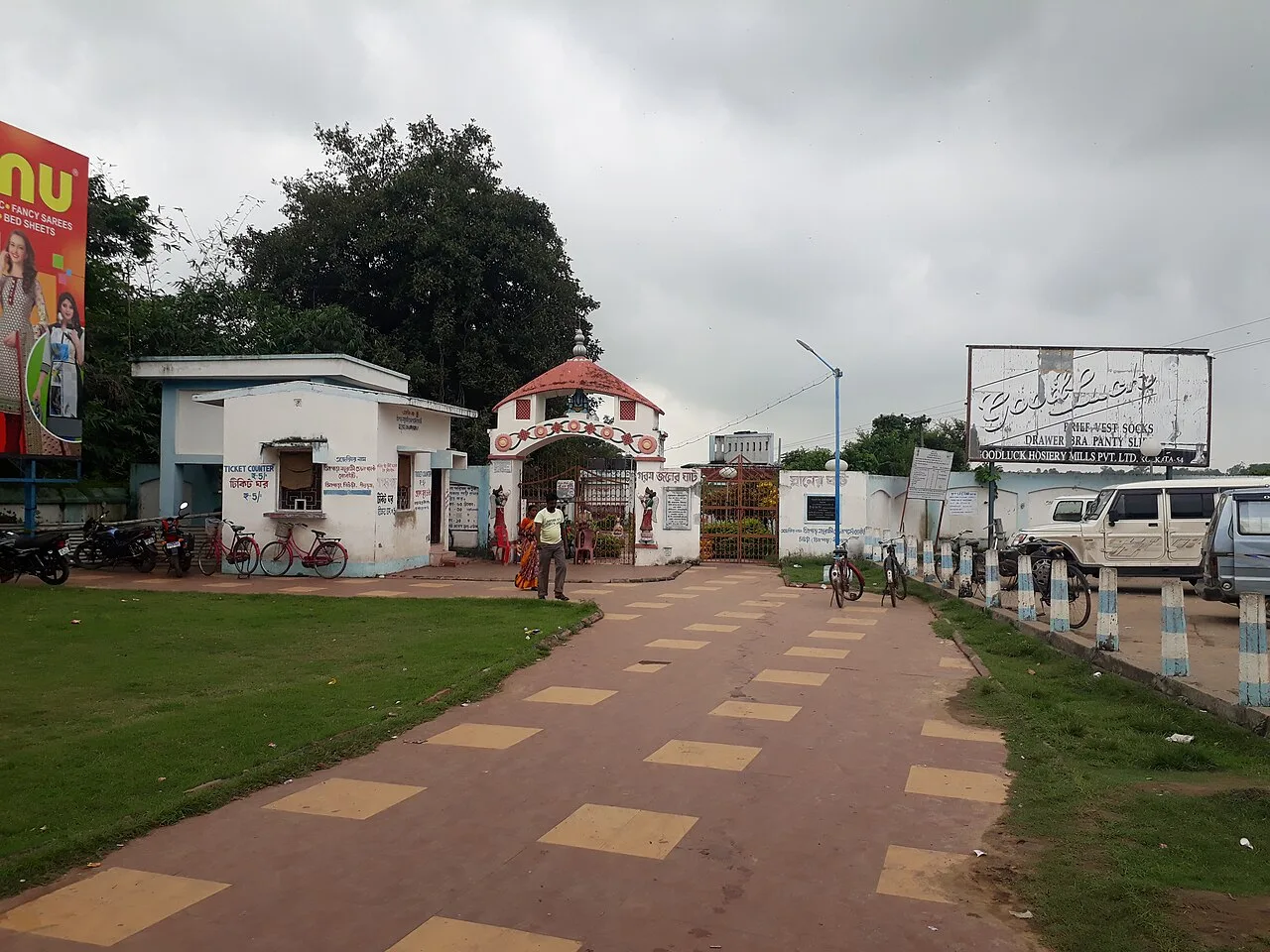
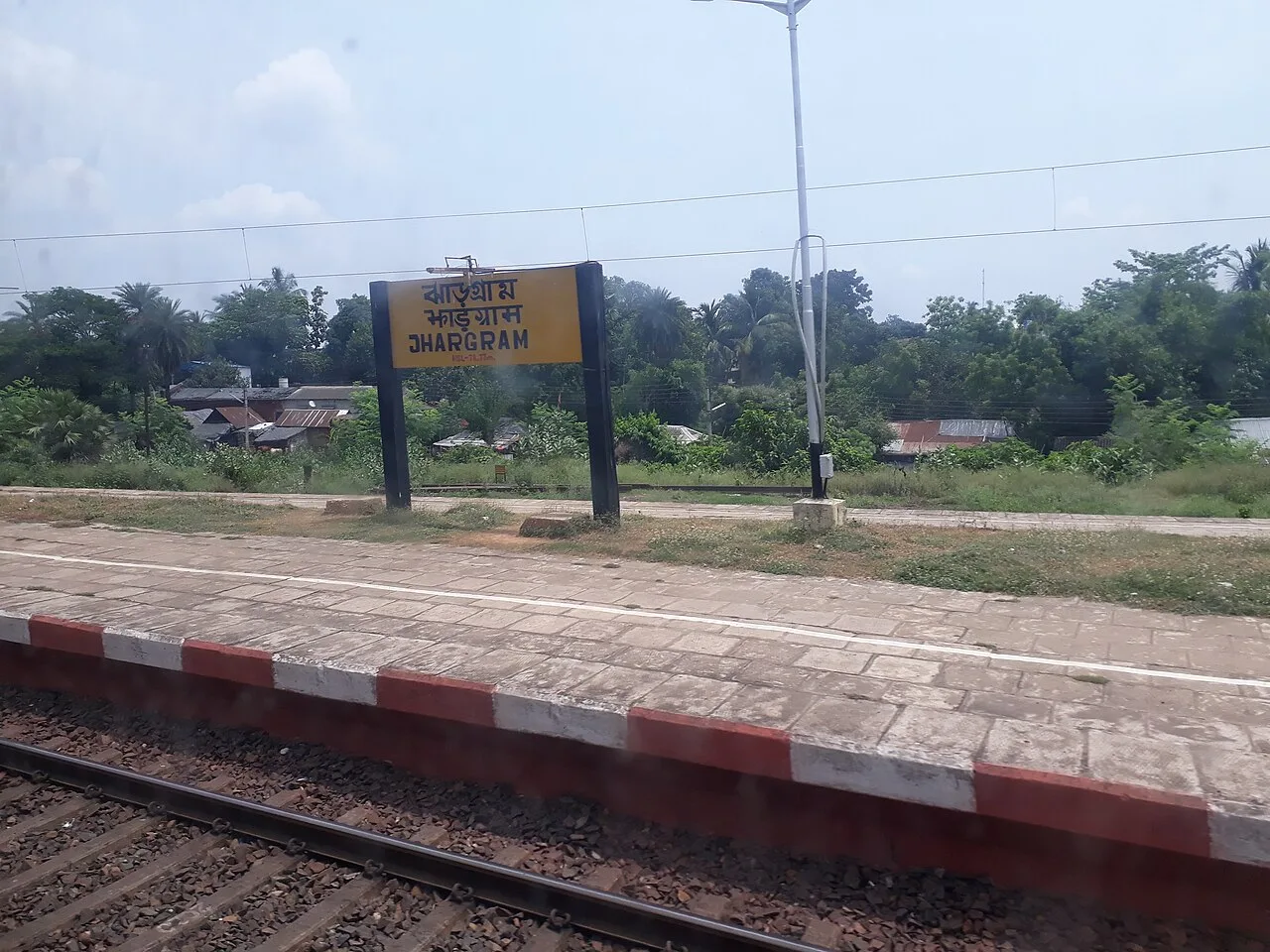
Jhargram
Jhargram1 place to see

Sights in and around Jhargram

Kalna
Kalna1 place to see

Sights in and around Kalna

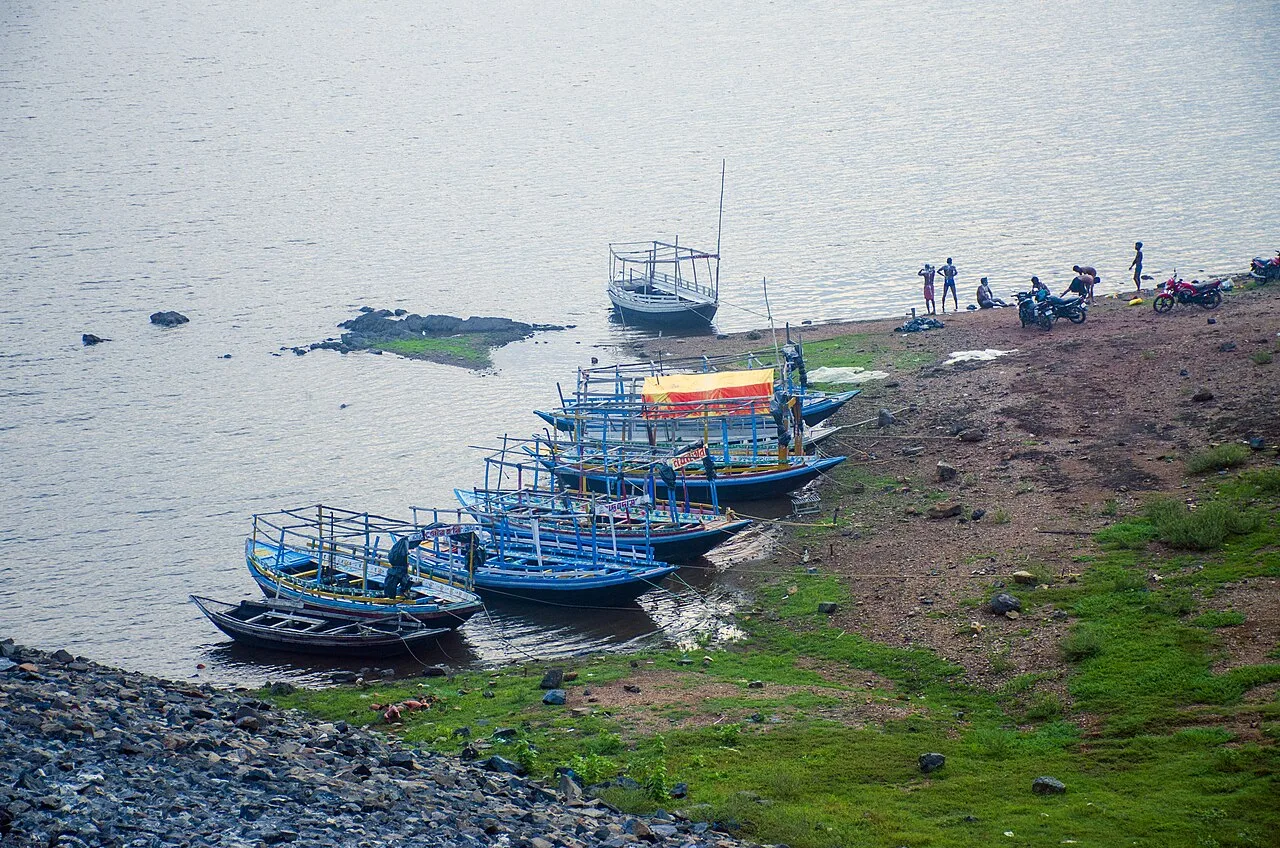
Mukutmanipur Dam
Khatra1 place to see

Mukutmanipur Dam

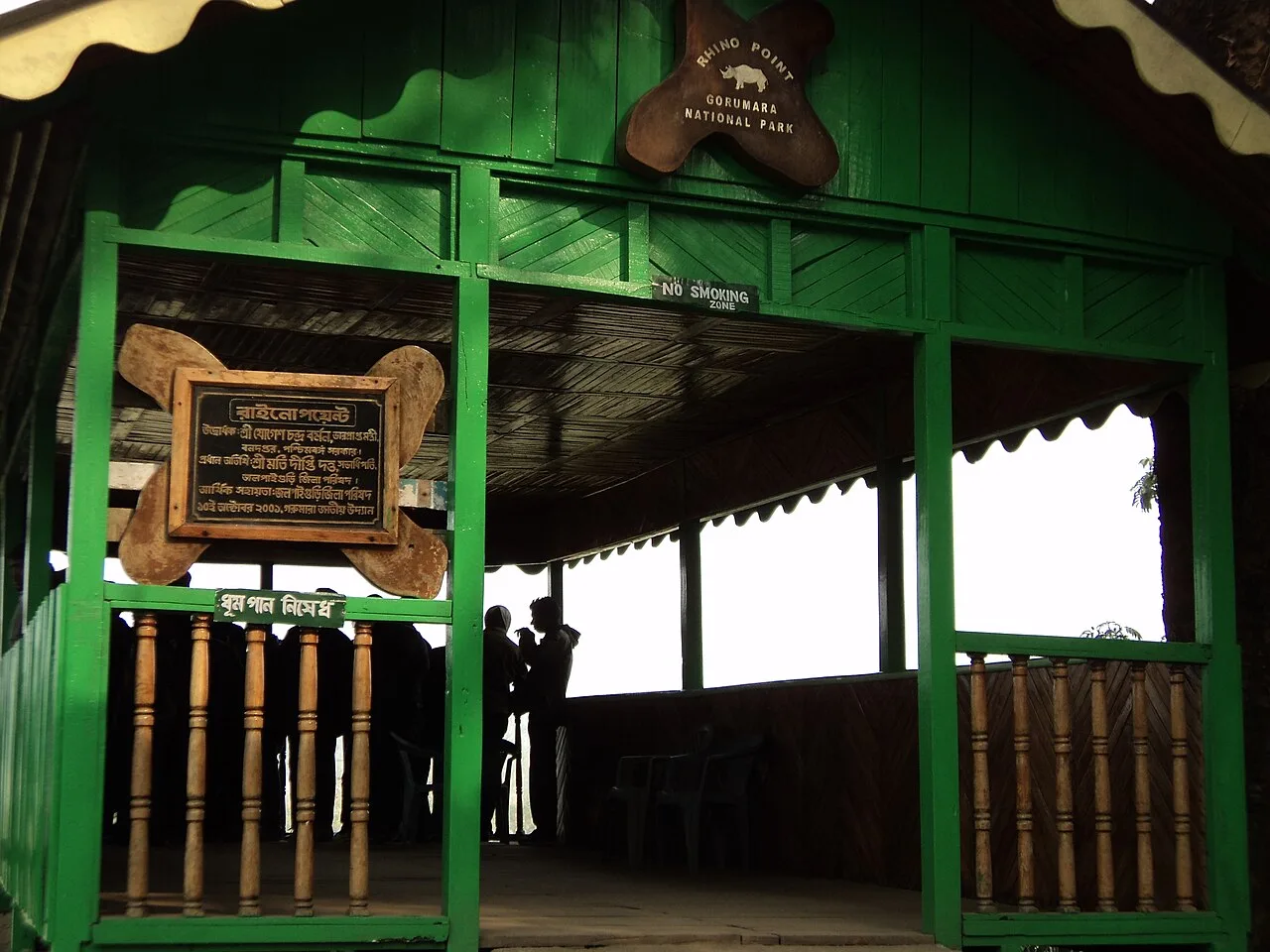
Gorumara National Park
Maynaguri1 place to see

Gorumara National Park

Mahananda Wildlife Sanctuary
Naksalbari1 place to see

Mahananda Wildlife Sanctuary

Chapramari Wildlife Sanctuary
Odlabari1 place to see

Chapramari Wildlife Sanctuary

Santiniketan
Santiniketan1 place to see

Sights in and around Santiniketan

Phulia
Santipur1 place to see

Phulia

Serampore
Serampore1 place to see

Sights in and around Serampore

Darjeeling Himalayan Railway
Siliguri1 place to see

Darjeeling Himalayan Railway

Tarakeswar1 place to see

Dhaniakhali

Tarapith
Tarapith1 place to see

Sights in and around Tarapith

Away from the cities — 5 more places by district

Purba Bardhaman

South 24 Parganas

District discovery

West Bengal: 20 districts covered

Open a district to see its destinations and neighbours. More districts are added as our team writes them.

20 of 20 districts have destination guides

Destinations

Every guide in this state

Open a district to see its cities and towns, villages and places to see.

Alipurduar3 places
Bankura5 places
Birbhum3 places

Cities & towns

Places to see

Cooch Behar1 place

Places to see

Darjeeling12 places
Hooghly5 places
Howrah2 places
Jalpaiguri2 places
Jhargram1 place

Cities & towns

Kalimpong4 places
Kolkata20 places
Malda2 places
Murshidabad3 places
Nadia3 places

Cities & towns

Villages

Places to see

North 24 Parganas1 place
Paschim Medinipur1 place
Purba Bardhaman2 places

Cities & towns

Villages

Purba Medinipur3 places
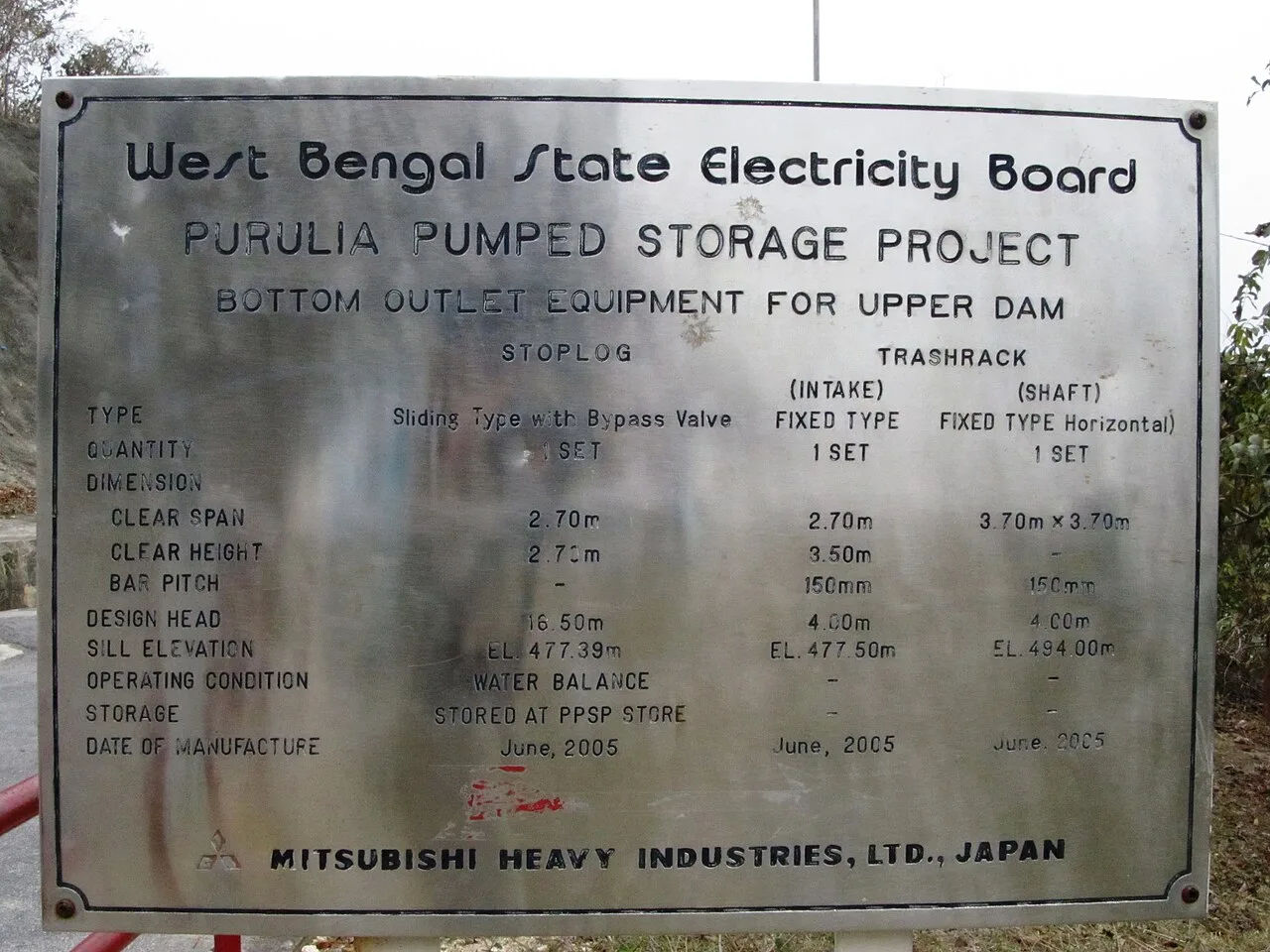
Purulia3 places
South 24 Parganas3 places

Festivals & fairs

The calendar here

Full calendar

5 Oct 2027 – 10 Oct 2027

Durga Puja

Kolkata · Cultural

UNESCO-listed festival of artful pandals and community.

ProvisionalWest Bengal

Festivals of West Bengal through the year

Usual season and where each is best known. Exact dates follow local calendars — linked festivals have dated guides.

  • Durga PujaSeptember–OctoberKolkata (UNESCO intangible heritage listing), plus every district.
  • Kali Puja (October–November) and Jagaddhatri Puja: Chandannagar, Hooghly district
  • Poila Boishakh14–15 AprilBengali new year.
  • Gangasagar Mela14 JanuarySouth 24 Parganas.
  • Poush MelaDecemberSantiniketan, Birbhum district.
  • Kenduli Joydeb MelaJanuaryBirbhum.
  • Bishnupur MelaDecemberBankura district.
  • Rash MelaNovemberCooch Behar.
  • Dol JatraHoliSantiniketan and statewide.
  • Darjeeling Carnival (winter) and Rath Yatra at Mahesh, Hooghly district
  • Kolkata Book FairJanuary–February
From travellers and locals

Be the first to share photos, stories, advice or a helpful contact for West Bengal.

Loading…