Ghumoopedia — Explore, Discover, Experience
Sign in
Eden Gardens, near Howrah

City guide · West Bengal

Howrah

Set on the western bank of the Hooghly River, Howrah faces Kolkata and forms one of the principal gateways into the city. The two are linked by the landmark Howrah Bridge, also called Rabindra Setu, as well as by rail, road, ferry and metro connections.

Famous for

  • Howrah Bridge
  • Belur Math
  • Shibpur Botanic Garden
  • Railway connections
  • Engineering and foundries

Why Howrah matters

Set on the western bank of the Hooghly River, Howrah faces Kolkata and forms one of the principal gateways into the city. The two are linked by the landmark Howrah Bridge, also called Rabindra Setu, as well as by rail, road, ferry and metro connections. Howrah is the headquarters of Howrah district and an important part of the Kolkata metropolitan region.

For many visitors, Howrah is first a transport hub: its major railway station connects eastern India with the rest of the country. But the city also rewards a longer stop. Belur Math, headquarters of the Ramakrishna Math and Mission, draws pilgrims and visitors for its riverside setting and architecture. In Shibpur, the Indian Botanic Garden is known for its extensive grounds and celebrated Great Banyan. Howrah’s long association with railways, engineering, foundries and jute gives it a distinct industrial character alongside its religious and garden attractions. Its riverfront, busy markets and close links to Kolkata make it both a destination and a practical base for exploring the region.
Famous for: crafts, trade & products

Howrah’s commercial identity is rooted more in manufacturing and transport than in a signature saree weave or handicraft. Engineering works, metal fabrication, foundries and machinery businesses have long been part of its industrial landscape, while jute mills shaped employment and trade in earlier periods. These products are generally sold through business and industrial channels rather than as visitor souvenirs. The city is not especially associated with a distinct, city-specific GI-tagged craft or product.

Shoppers can browse everyday clothing, household goods, food and small retail stores in neighbourhood market areas such as Howrah Maidan, Salkia and Shibpur. Bengali textiles and sarees from across the state may be available through local shops, but they should not be mistaken for a Howrah-specific tradition. For a sense of the city’s larger institutions, visitors can look to IIEST Shibpur, a prominent engineering institute, and Howrah railway station, whose scale reflects the city’s role as a regional transport centre. Belur Math is an important religious institution rather than a shopping destination.

History

The Howrah area has a long history of settlement and river trade. It formed part of the region associated with the Bengali kingdom of Bhurshut. The riverside settlement of Bator, identified with a present-day neighbourhood, appeared in a Bengali poem in 1495 and was later described by Venetian traveller Cesare Federici in the 16th century as a place accessible to large ships.

In the early 18th century, the East India Company sought control of several villages on the Hooghly’s western bank, including places identifiable with modern Howrah. The Company took control of the district area in 1760, and Howrah was administered as part of Hooghly district before becoming a separate district in 1843. During the colonial period, railway links and river transport helped the city grow rapidly. Railways, jute mills, engineering works and foundries brought workers and industry to the riverbank. In the modern era, Howrah has continued to develop as a major transport and manufacturing centre closely connected to Kolkata.

Food, festivals & culture

Bengali is widely spoken in Howrah; Hindi, Urdu and English are also heard in its diverse neighbourhoods. Everyday Bengali cooking often features rice, fish, vegetables and lentils. Sweets such as rosogolla, sandesh and mishti doi are popular, alongside savoury snacks and street food. Many food habits are shared with Kolkata, rather than being unique to Howrah.

Durga Puja, usually celebrated in autumn, is the city’s major public festival, with neighbourhood pandals, worship and cultural programmes. Kali Puja follows in the same festive season, while Saraswati Puja is observed in winter. Eid and Christmas are also marked by local communities. Belur Math is a notable place of worship and pilgrimage on the river; the city’s temples, mosques and churches reflect its varied religious life. Rabindra Sangeet, devotional music and Bengali popular music are part of local cultural programmes, while seasonal festivals and community events may include folk and classical dance performances.

Visiting the city

October to March is generally the most comfortable season to visit, with cooler, drier weather than the hot, humid months. The nearest airport is Netaji Subhas Chandra Bose International Airport in Kolkata. The main rail gateway is Howrah Junction, commonly known as Howrah railway station.

Buses, taxis, app-based cars, local trains, ferries and metro services connect Howrah with Kolkata and nearby areas. Allow extra time around the station and bridge during busy periods. Belur is a good area to explore for Belur Math and river views; Shibpur offers the Indian Botanic Garden, while Howrah Maidan and Salkia give a feel for the city’s neighbourhood markets and everyday street life. Santragachi is known for its wetland and seasonal birdlife.

Trips from the city

Nearest places to visit from Howrah

Our closest destination guides, by straight-line distance.

Eden Gardens

3 km away · Kolkata district

Eden Gardens

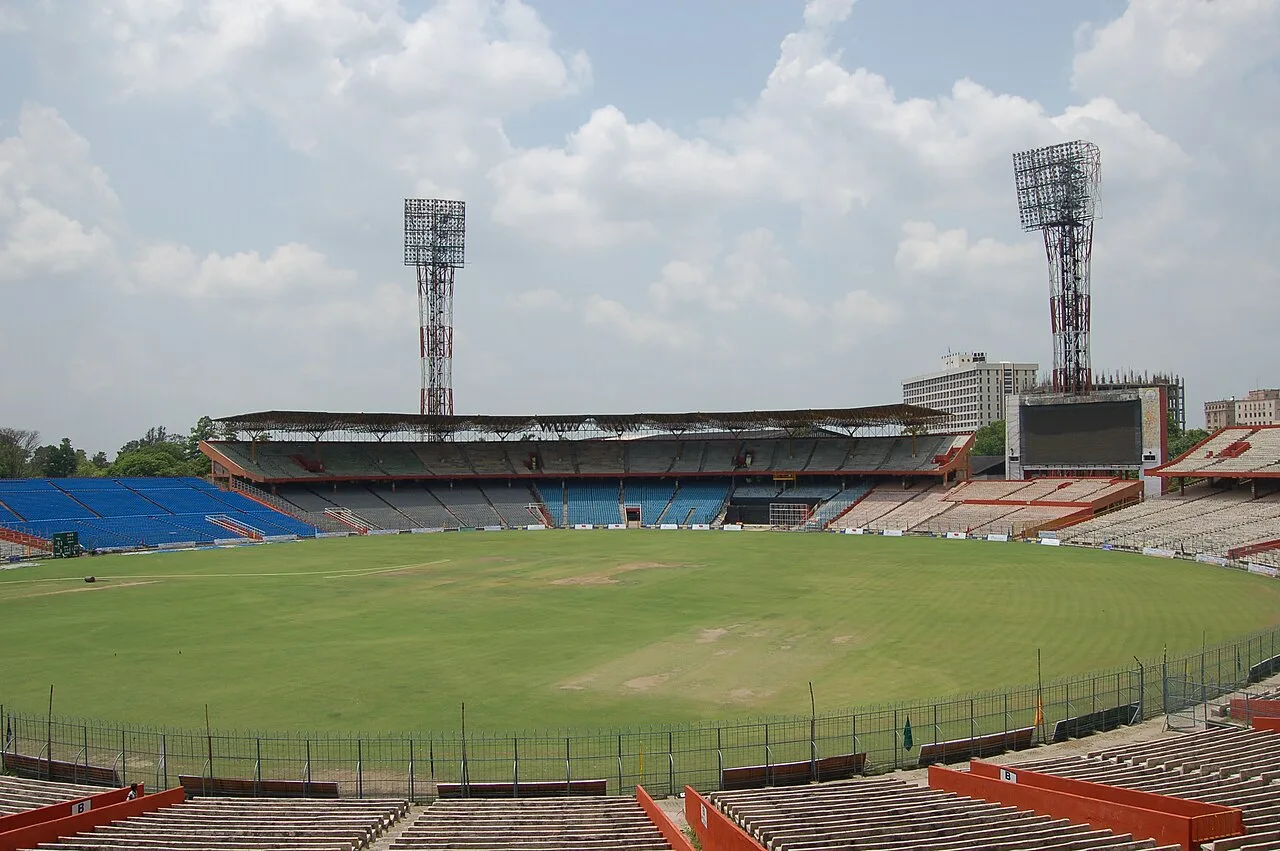
Kolkata’s Eden Gardens is a historic cricket venue that draws spectators for international matches and tournament finals, as well as for its longstanding place in Indian cricket.

Howrah Bridge

3 km away · Kolkata district

Howrah Bridge

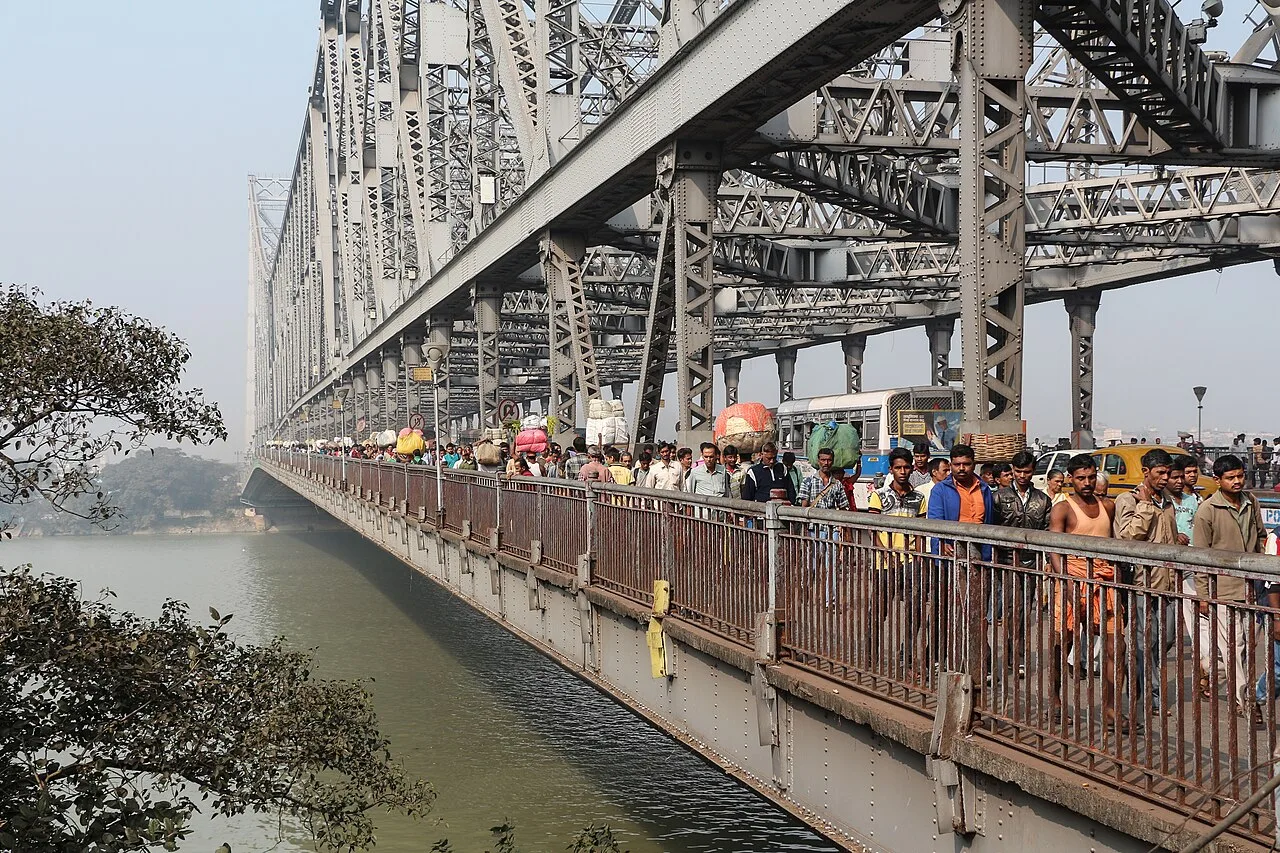
Howrah Bridge, also called Rabindra Setu, is a landmark cantilever bridge across the Hooghly in Kolkata. Visitors recognise it as a symbol of Kolkata and West Bengal and as a river crossing linking the city with Howrah.

Prinsep Ghat

3 km away · Kolkata district

Prinsep Ghat

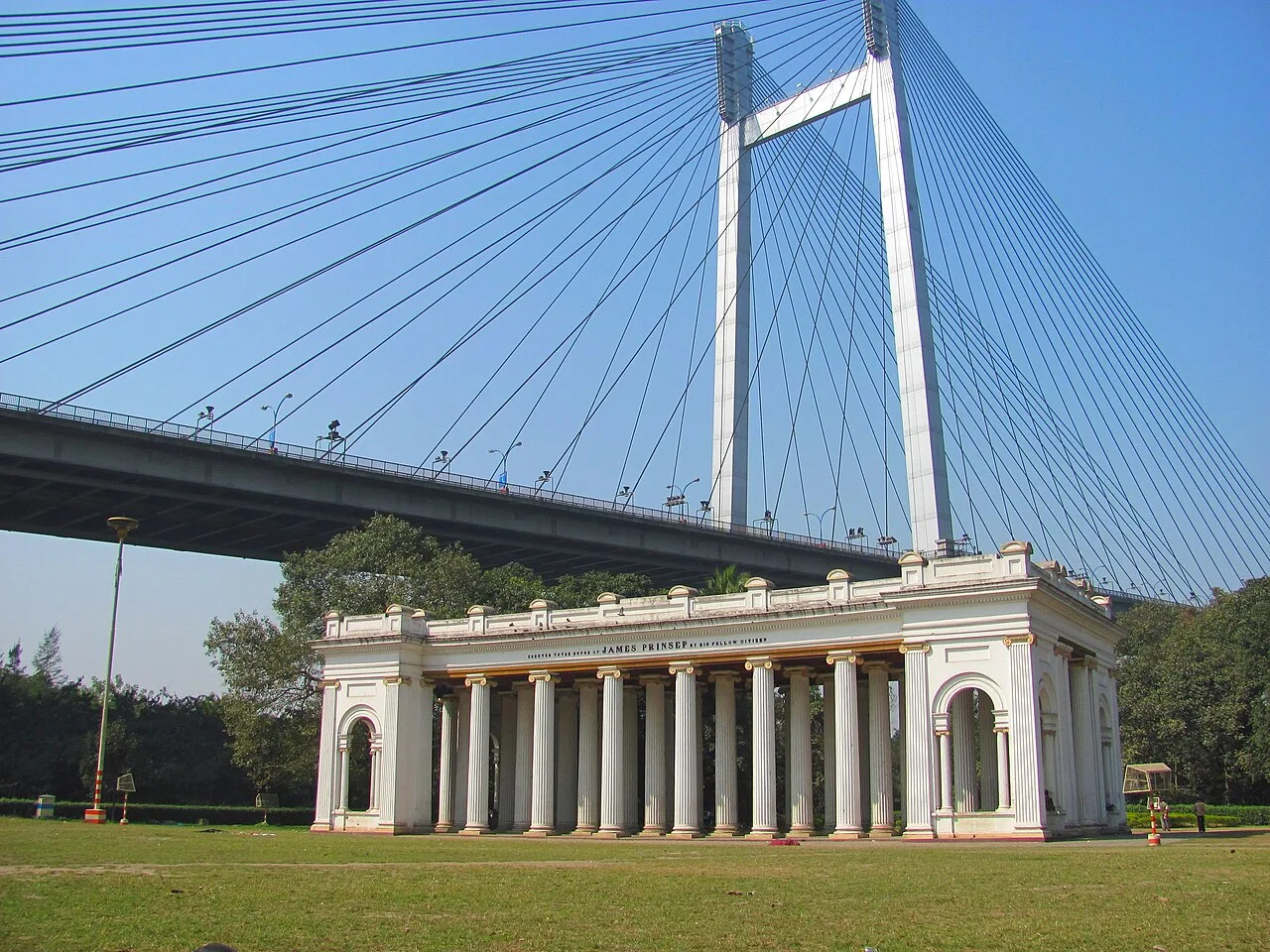
Prinsep Ghat is a historic river landing and memorial on Kolkata’s Hooghly riverfront. Visitors come to walk by the water, take boat rides and enjoy the nearby gardens and food stalls.

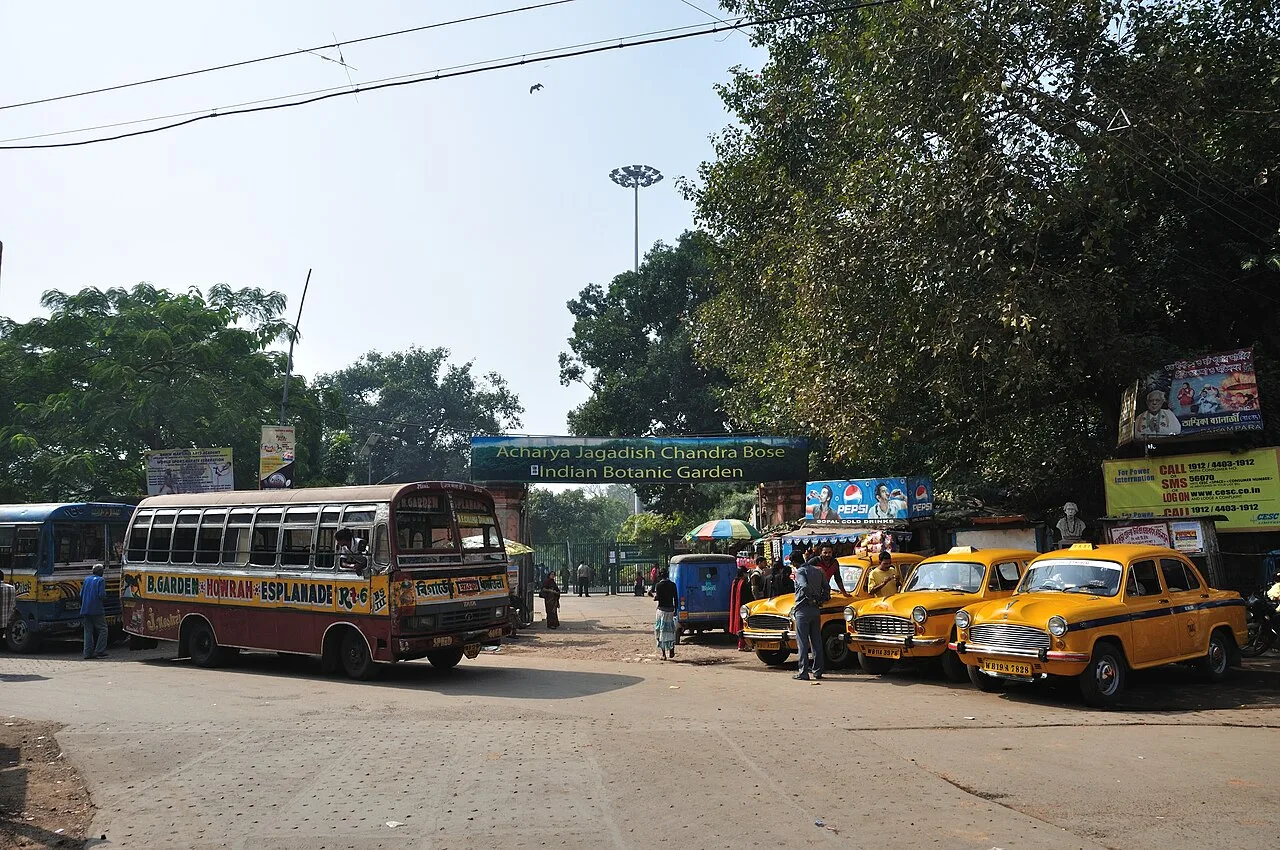
Acharya Jagadish Chandra Bose Indian Botanic Garden

4 km away · Howrah district

Acharya Jagadish Chandra Bose Indian Botanic Garden

The Acharya Jagadish Chandra Bose Indian Botanic Garden is a botanical garden in Shibpur, Howrah, near Kolkata. Visitors come to see its diverse collection of rare plants.

Indian Museum

4 km away · Kolkata district

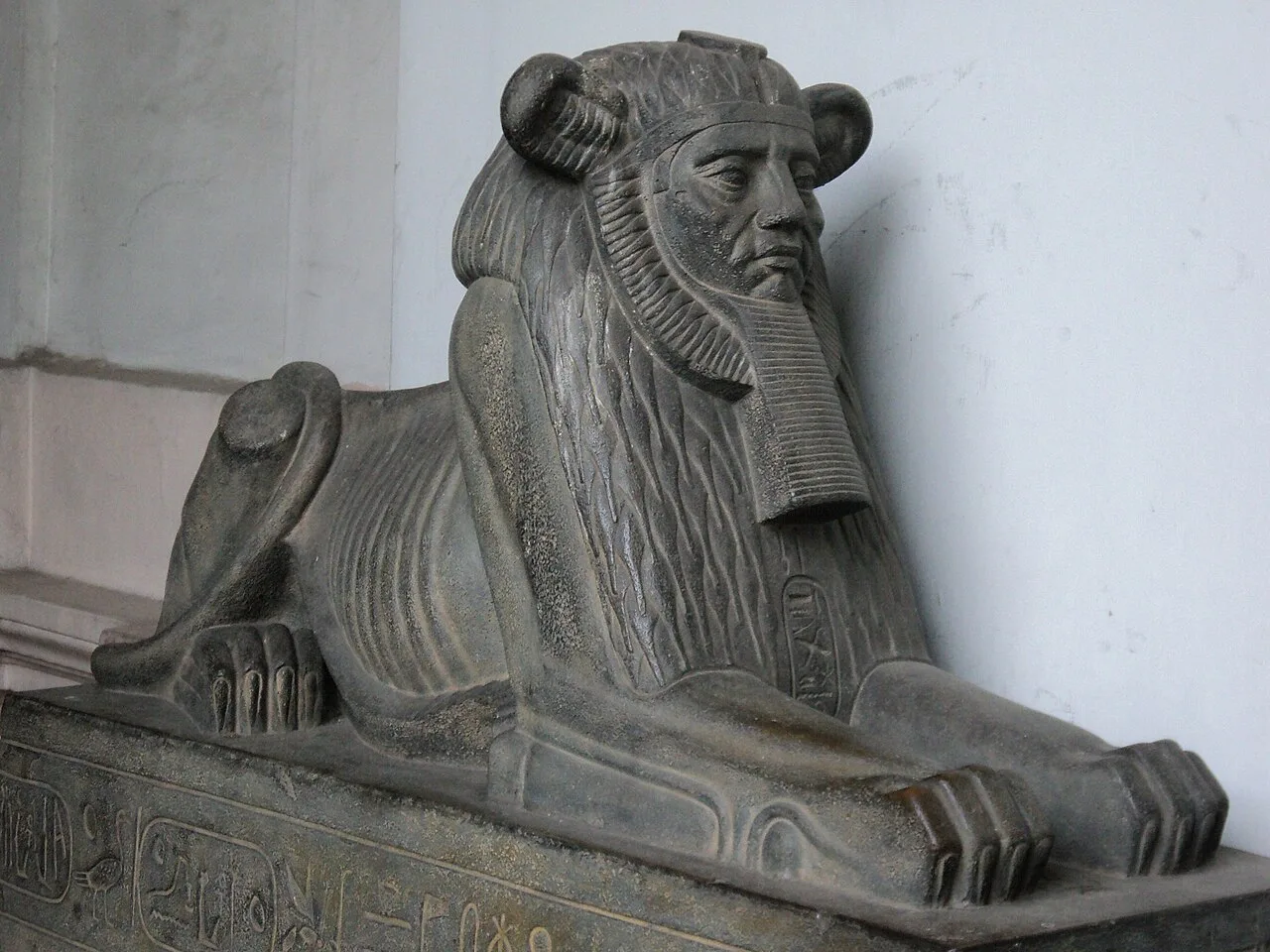
Indian Museum

The Indian Museum (formerly called Imperial Museum of Calcutta) is a grand museum in Central Kolkata, West Bengal, India.

Jorasanko Thakur Bari

4 km away · Kolkata district

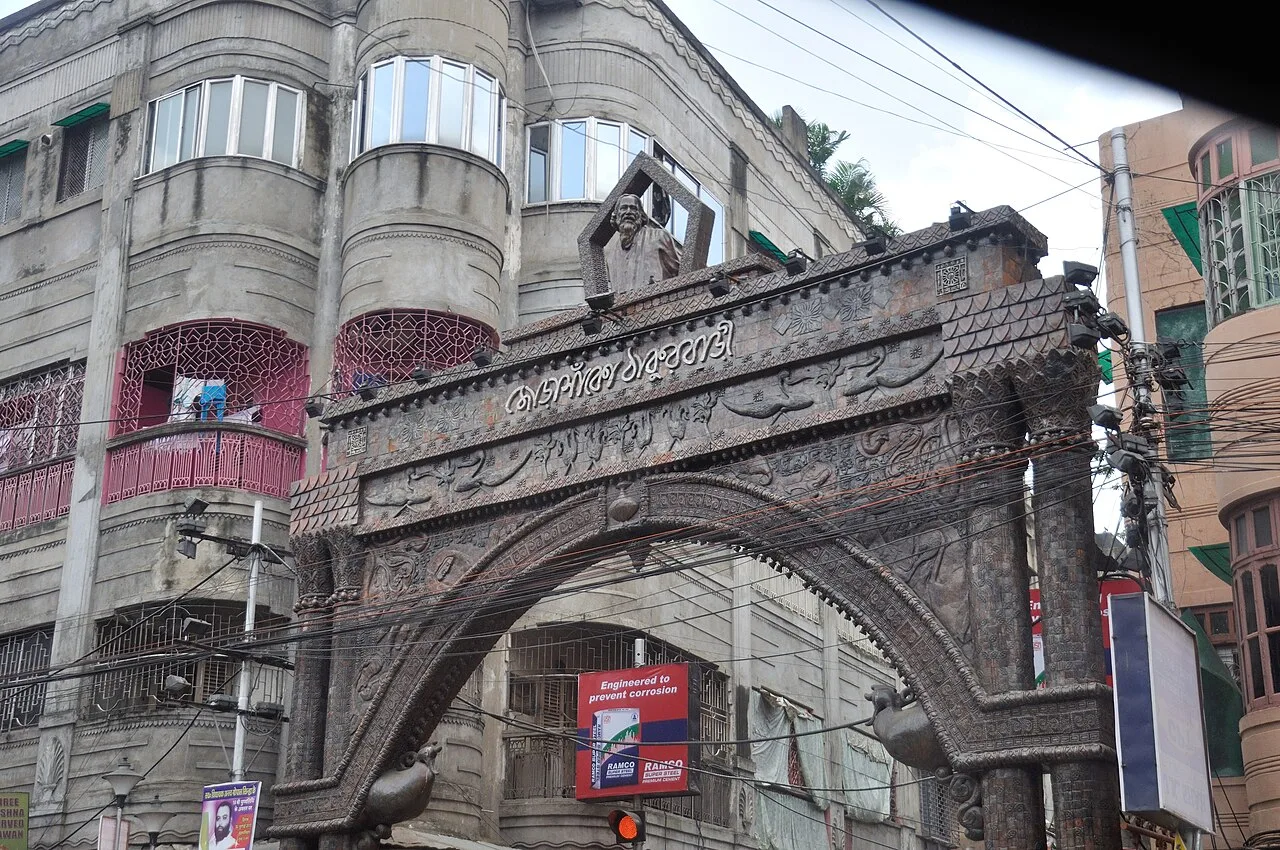
Jorasanko Thakur Bari

Jorasanko Thakur Bari is a historic haveli in Kolkata associated with the Tagore family. Visitors come for its links to Rabindranath Tagore, its Bengali architectural style and its place in the city’s cultural history.

Marble Palace

4 km away · Kolkata district

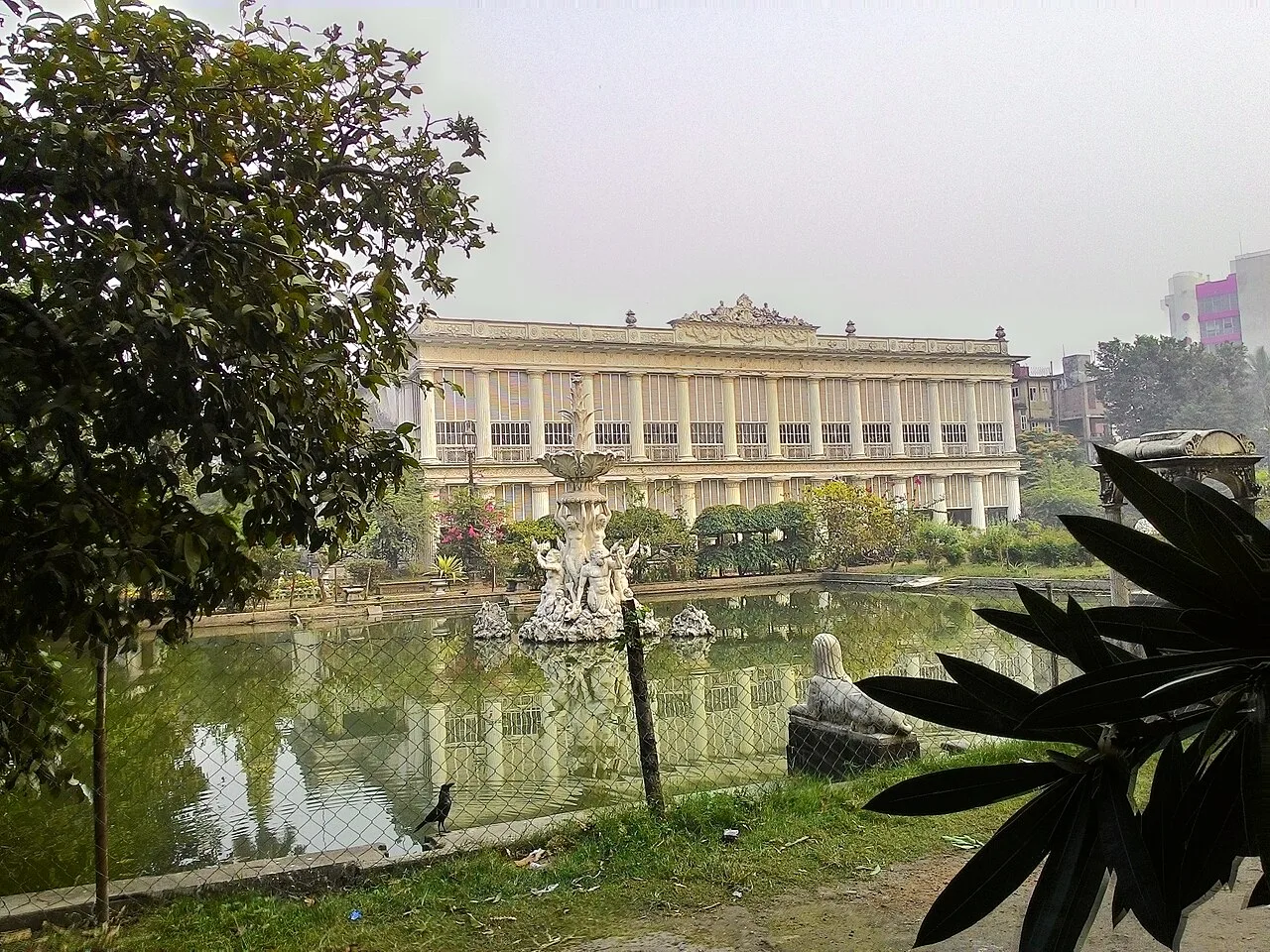
Marble Palace

This nineteenth-century residence in North Kolkata is known as Marble Palace for its marble surfaces and sculptures; visitors come to view its preserved mansion and distinctive materials.

Nakhoda Mosque

4 km away · Kolkata district

Nakhoda Mosque

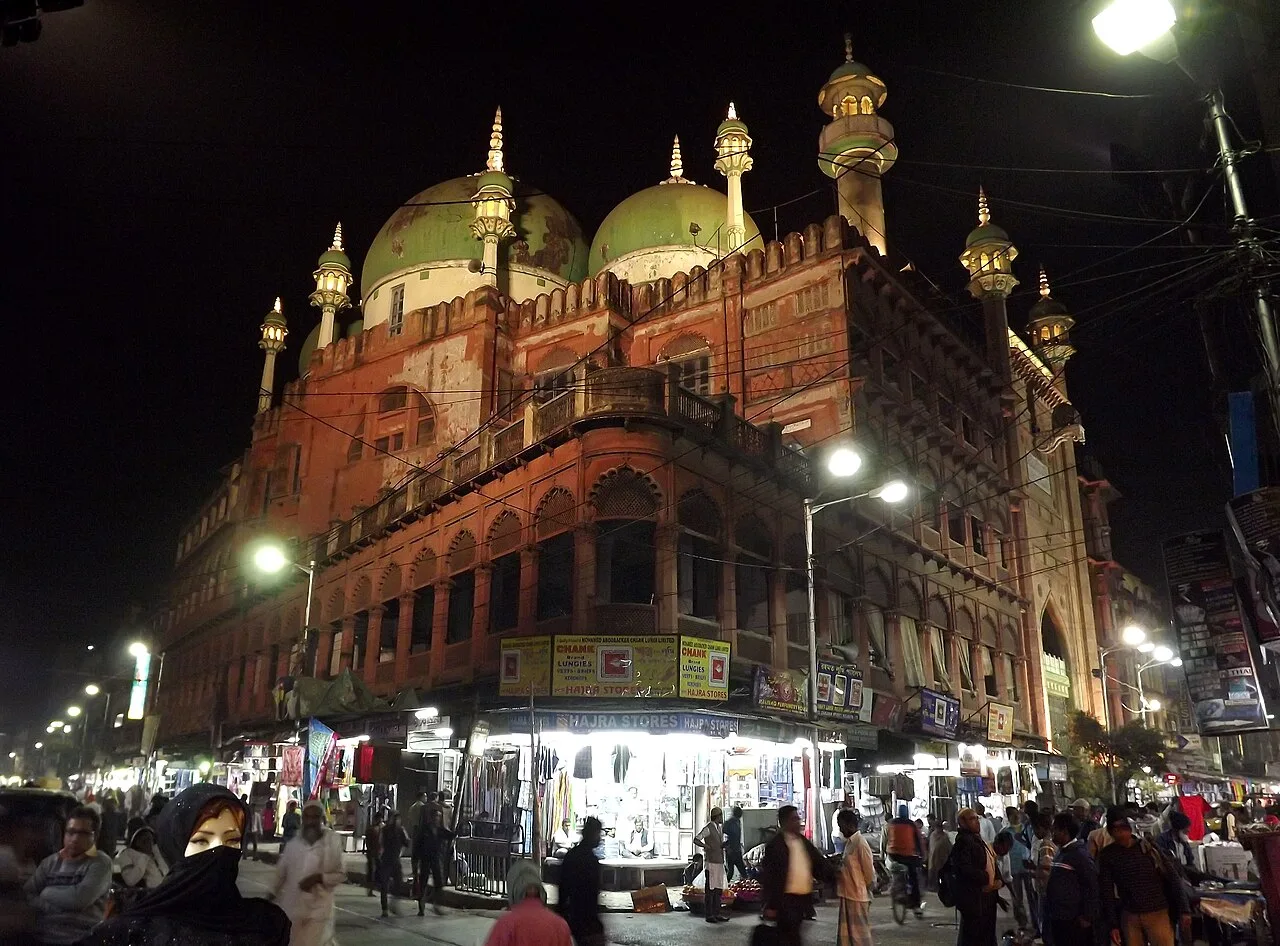
Nakhoda Mosque is a Sunni place of worship in central Kolkata, known as the city’s principal mosque and associated with the Hanafi school.

Map

Howrah on the map

  1. 1Eden Gardens
  2. 2Howrah Bridge
  3. 3Prinsep Ghat
  4. 4Acharya Jagadish Chandra Bose Indian Botanic Garden
  5. 5Indian Museum
  6. 6Jorasanko Thakur Bari
  7. 7Marble Palace
  8. 8Nakhoda Mosque

West Bengal

Other cities to explore