Ghumoopedia — Explore, Discover, Experience
Sign in
Acharya Jagadish Chandra Bose Indian Botanic Garden, near Kolkata

City guide · West Bengal

Kolkata

Kolkata is West Bengal’s capital and a major centre for business, education, culture and transport in eastern India. Set beside the Hooghly River, it is an important gateway to the region and to northeastern India.

Famous for

  • Durga Puja celebrations
  • Kolkata kathi rolls
  • Bengali sweets
  • Colonial-era landmarks
  • Bengali literature and theatre
In the city
22
Districts
Howrah, Kolkata, North 24 Parganas

Why Kolkata matters

Kolkata is West Bengal’s capital and a major centre for business, education, culture and transport in eastern India. Set beside the Hooghly River, it is an important gateway to the region and to northeastern India. Its long history as a colonial capital and commercial port is visible in grand public buildings, busy markets and riverfront neighbourhoods.

Visitors come for landmarks such as the Victoria Memorial, Howrah Bridge and the Indian Museum, as well as for the city’s distinctive everyday life: neighbourhood cafés, street food, bookshops and spirited adda, or informal conversation. Kolkata is widely celebrated for Bengali literature, art, theatre and cinema, and for Durga Puja, when neighbourhoods create elaborate temporary displays and the streets fill with visitors. The city also offers a varied heritage of Hindu, Muslim, Christian, Jewish and Armenian communities. Its combination of historic architecture, living cultural traditions and a strong Bengali identity makes Kolkata one of India’s most memorable urban destinations.
Famous for: crafts, trade & products

Kolkata is closely associated with Bengali handloom sarees, including cotton tant and Dhakai styles, alongside silk and embroidered pieces from across West Bengal. Gariahat Market is a popular place to browse sarees and household goods; New Market has a broad mix of shops, while Burrabazar is known for its dense wholesale trade. Baluchari silk is a celebrated regional craft, traditionally woven in Bishnupur, and can be found through Kolkata’s saree shops. College Street is the city’s best-known book district, with long-established bookshops and publishers.

The city’s food trade includes Bengali sweets such as rasgulla, sandesh and mishti doi. Banglar Rasogolla has a Geographical Indication (GI) tag; Joynagar moa, another GI-tagged sweet, comes from the wider region and is sold seasonally in Kolkata. The city’s industrial and commercial base includes port services, engineering, jute and leather industries, as well as finance and information technology. Cultural institutions such as the Indian Museum, the Asiatic Society and the National Library are also part of Kolkata’s wider intellectual and heritage economy.

History

The city grew from three villages—Sutanuti, Govindapur and Kalikata—on the Hooghly River. The East India Company established a trading presence in the area in 1690 and later developed Fort William. In 1756, Nawab Siraj ud-Daulah captured the fort; the Company regained control after the Battle of Plassey in 1757. Kolkata became the Company’s principal base in Bengal and, later, the centre of British administration in India. It served as the capital of British India until 1911, leaving a lasting imprint in its institutions and architecture.

The 1947 Partition of Bengal brought major upheaval and migration, including the arrival of many refugees from East Bengal. After independence, the city faced political unrest and economic difficulties, while remaining a centre of education, culture and trade. Its port, universities and established industries continued to shape regional life. In recent decades, growth in services, technology and cultural tourism has added new dimensions to the city’s economy, alongside continued renewal of its historic districts.

Food, festivals & culture

Bengali food is central to Kolkata’s identity. Fish and rice are staples, while the city is especially known for kathi rolls, Kolkata-style biryani, telebhaja fritters and sweets such as sandesh, rasgulla and mishti doi. Street-food stalls and traditional sweet shops are found across the city, from College Street to New Market and neighbourhood centres.

Durga Puja, usually held in autumn, is the city’s most prominent festival, marked by elaborate pandals, artistic displays, worship and evening walks. Kali Puja follows later in the festive season; Saraswati Puja is widely observed in winter, while Eid and Christmas bring their own citywide gatherings. Bengali is the principal language, and Hindi and English are also widely used. Rabindra Sangeet, theatre, poetry and adda remain part of daily cultural life. Kalighat Temple is a major place of worship; other notable sites include Nakhoda Mosque, St Paul’s Cathedral and the Armenian Church. Dakshineswar Kali Temple lies just beyond the central city.

Visiting the city

October to February is generally the most comfortable season to visit, with milder weather and a busy festival calendar in autumn. Summers are hot and humid, while the monsoon brings heavy rain. Netaji Subhas Chandra Bose International Airport serves the city. Howrah Junction is a principal railway station; Sealdah is another major station.

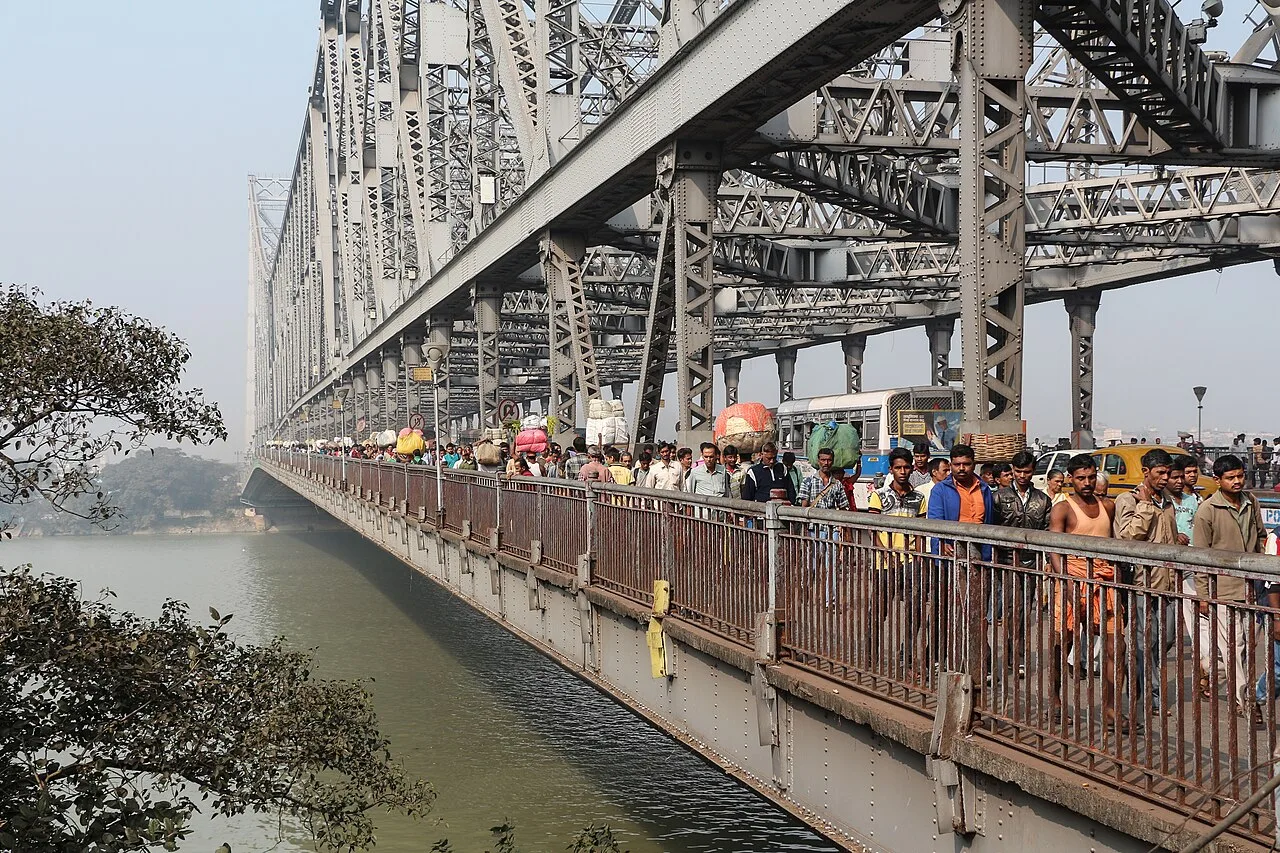
Kolkata has a metro network, suburban trains, buses, taxis, app-based cars, trams on selected routes and ferries across the Hooghly. Traffic can be slow, so allow time for cross-city journeys. Explore central Kolkata for the Victoria Memorial, Maidan and colonial-era streets; visit College Street for books and coffee-house culture, and Gariahat for shopping. North Kolkata offers older lanes and historic houses, while the riverfront and Howrah Bridge are especially atmospheric around sunset.

Attractions

Places to visit in Kolkata

Sights within about 12 km of each other, even when they fall in different districts.

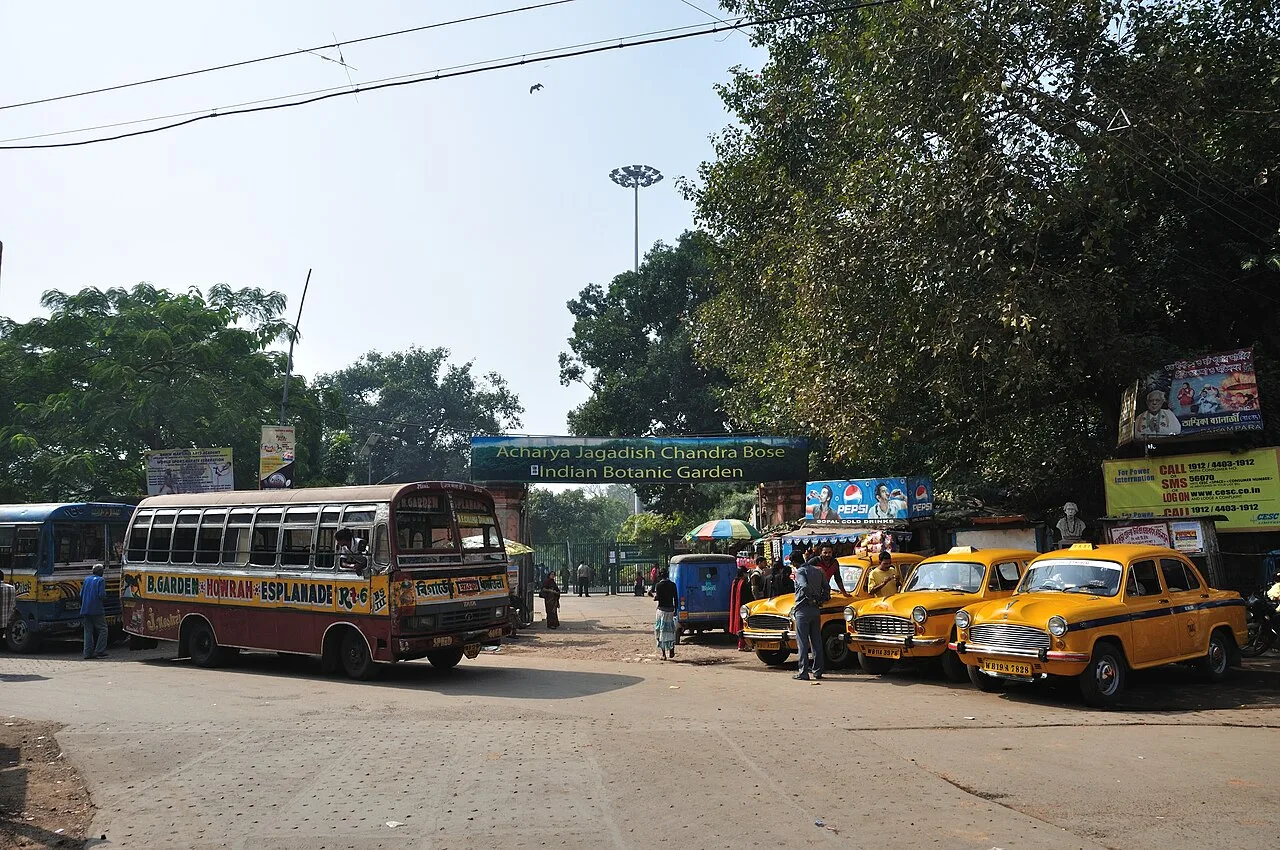
Acharya Jagadish Chandra Bose Indian Botanic Garden

Howrah district

Acharya Jagadish Chandra Bose Indian Botanic Garden

The Acharya Jagadish Chandra Bose Indian Botanic Garden is a botanical garden in Shibpur, Howrah, near Kolkata. Visitors come to see its diverse collection of rare plants.

Alipore Zoo

Kolkata district

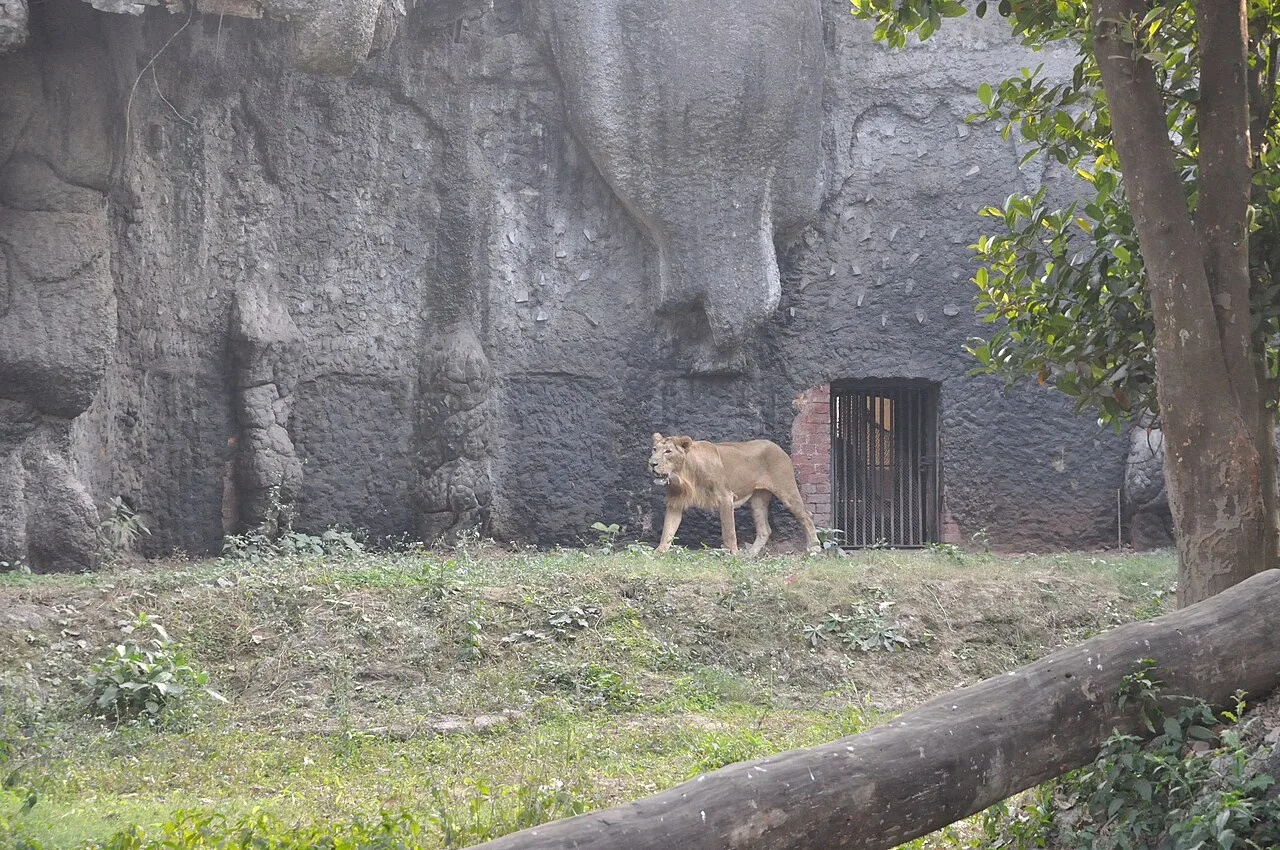
Alipore Zoo

The Zoological Garden, Alipore, commonly called Alipore Zoo, is recognised as India’s oldest formally established zoological park. Its animal collection and breeding work draw visitors to Kolkata.

Belur Math

Howrah district

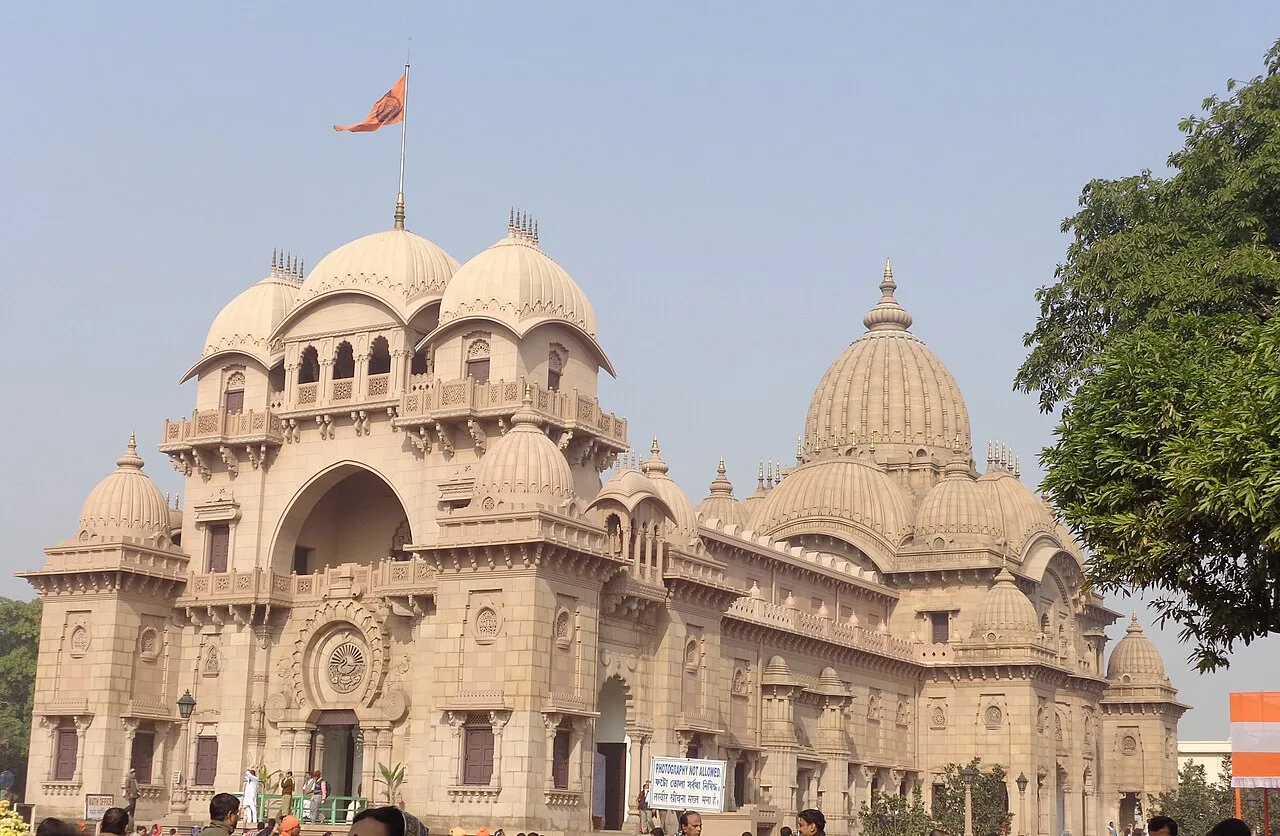
Belur Math

Belur Math, in Howrah district, is the headquarters of the Ramakrishna Math and Ramakrishna Mission. Visitors come to see its temple, whose design draws on several religious traditions.

Birla Mandir

Kolkata district

Birla Mandir

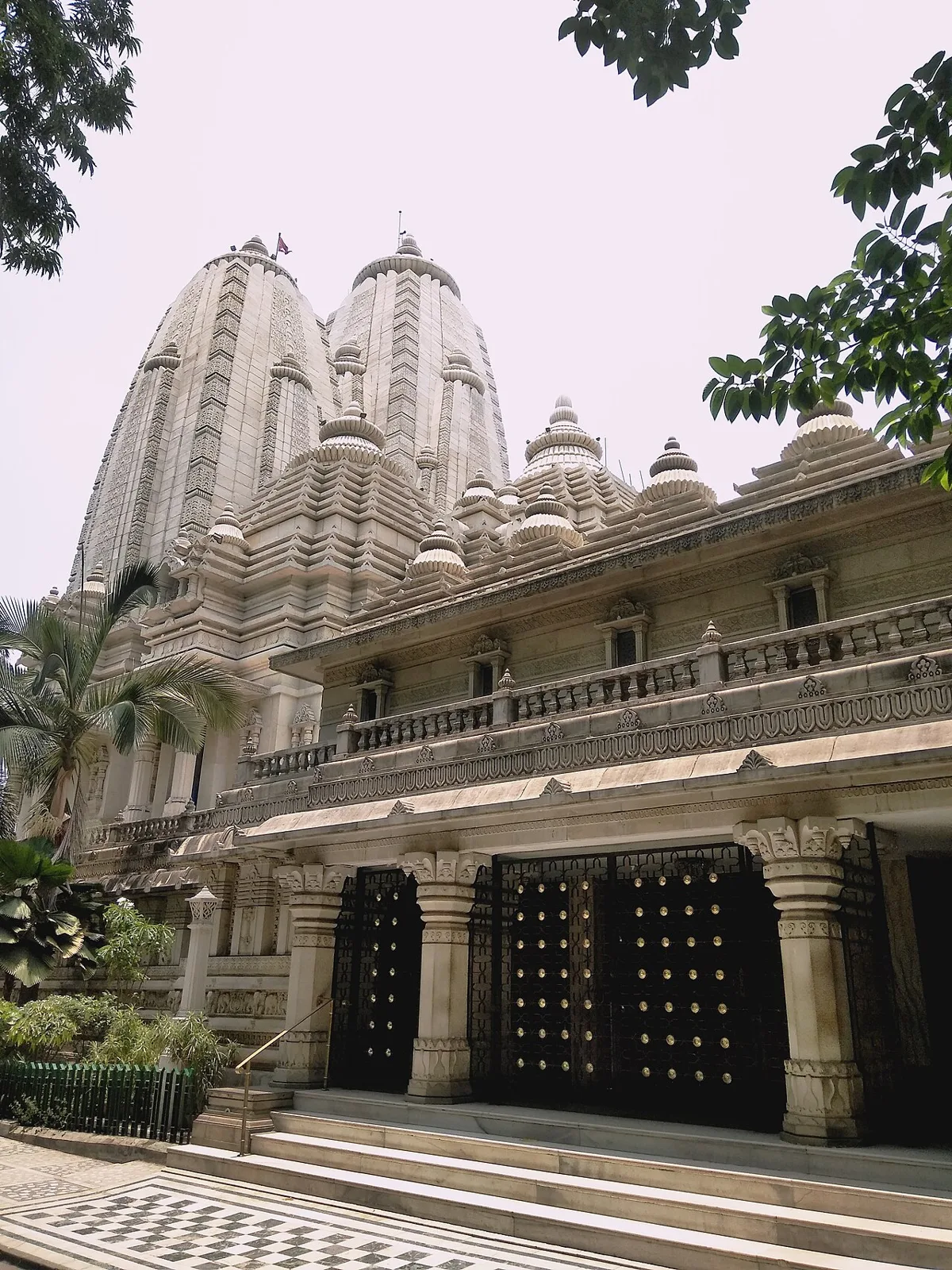
Birla Mandir is a Hindu temple in Ballygunge, Kolkata, built by the Birla family. Visitors worship Vishnu in his forms as Rama and Krishna, with many arriving for Janmashtami.

College Street

Kolkata district

College Street

College Street is a central Kolkata thoroughfare known for its educational institutions, extensive book market and Indian Coffee House, which has long drawn the city’s intellectual community.

Dakshineswar Kali Temple

North 24 Parganas district

Dakshineswar Kali Temple

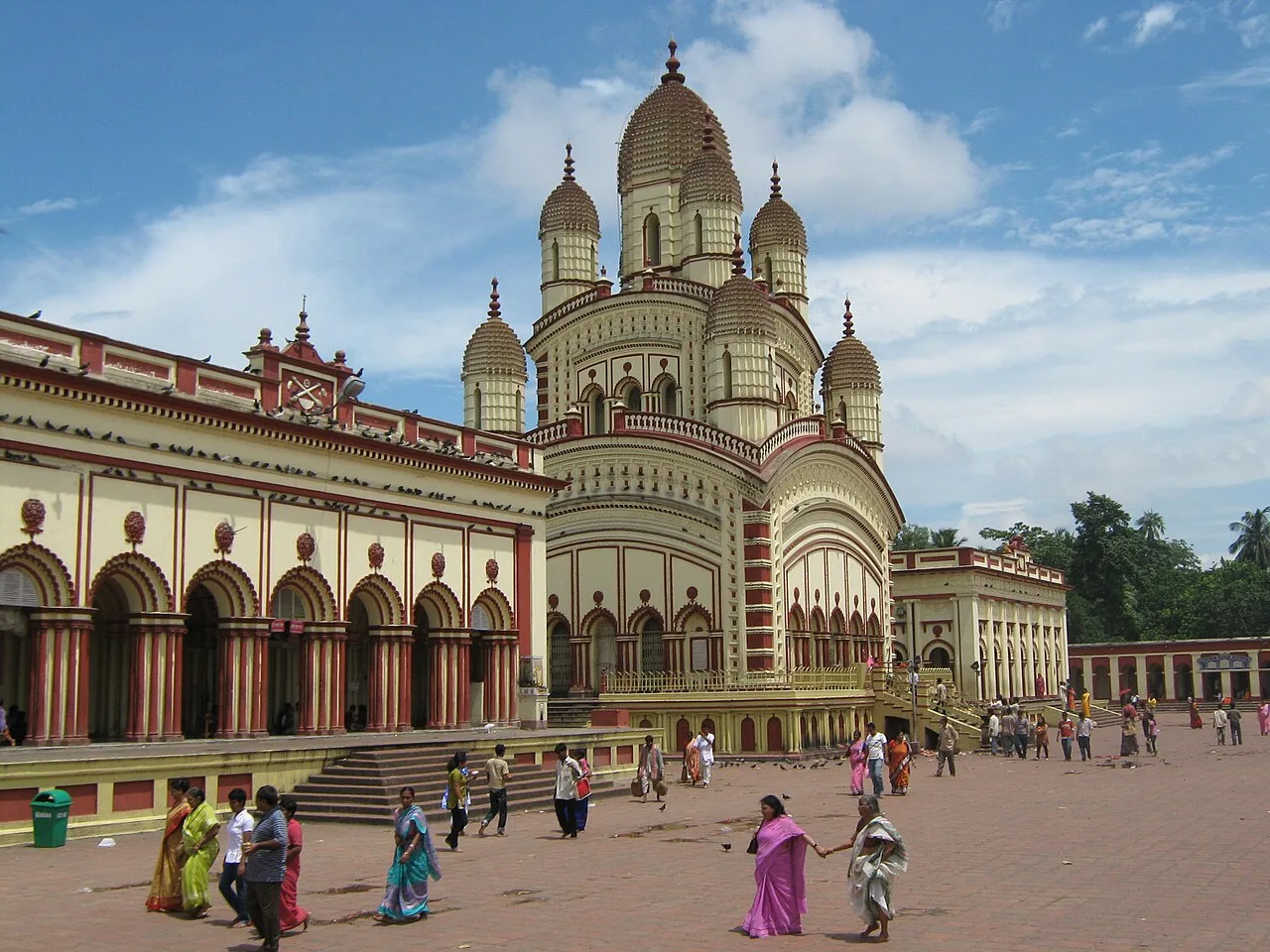
This Hindu temple complex in Dakshineswar is centred on a shrine to Kali and is associated with Rani Rashmoni, Ramakrishna and Sarada Devi. People visit to worship and explore its grounds.

Eden Gardens

Kolkata district

Eden Gardens

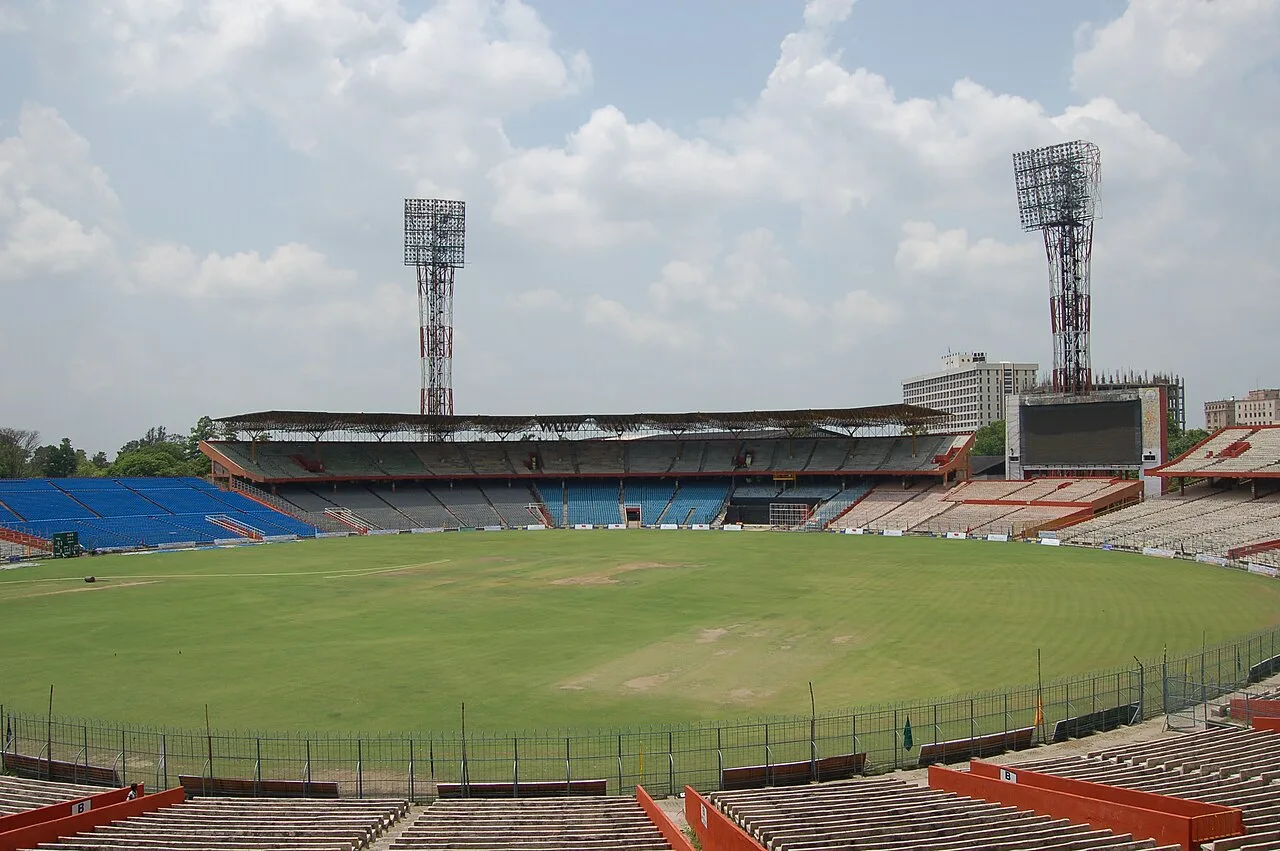
Kolkata’s Eden Gardens is a historic cricket venue that draws spectators for international matches and tournament finals, as well as for its longstanding place in Indian cricket.

Howrah Bridge

Kolkata district

Howrah Bridge

Howrah Bridge, also called Rabindra Setu, is a landmark cantilever bridge across the Hooghly in Kolkata. Visitors recognise it as a symbol of Kolkata and West Bengal and as a river crossing linking the city with Howrah.

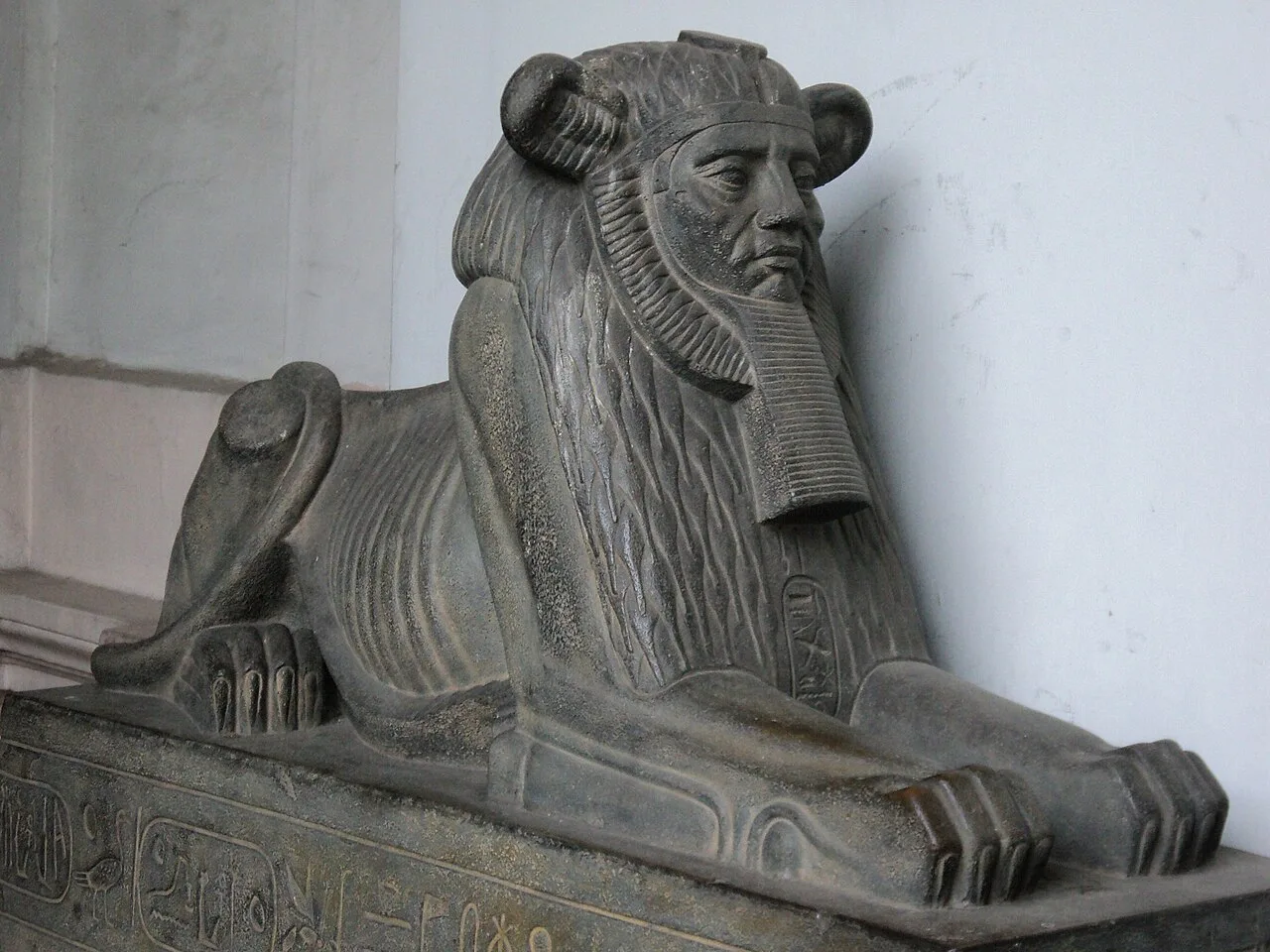
Indian Museum

Kolkata district

Indian Museum

The Indian Museum (formerly called Imperial Museum of Calcutta) is a grand museum in Central Kolkata, West Bengal, India.

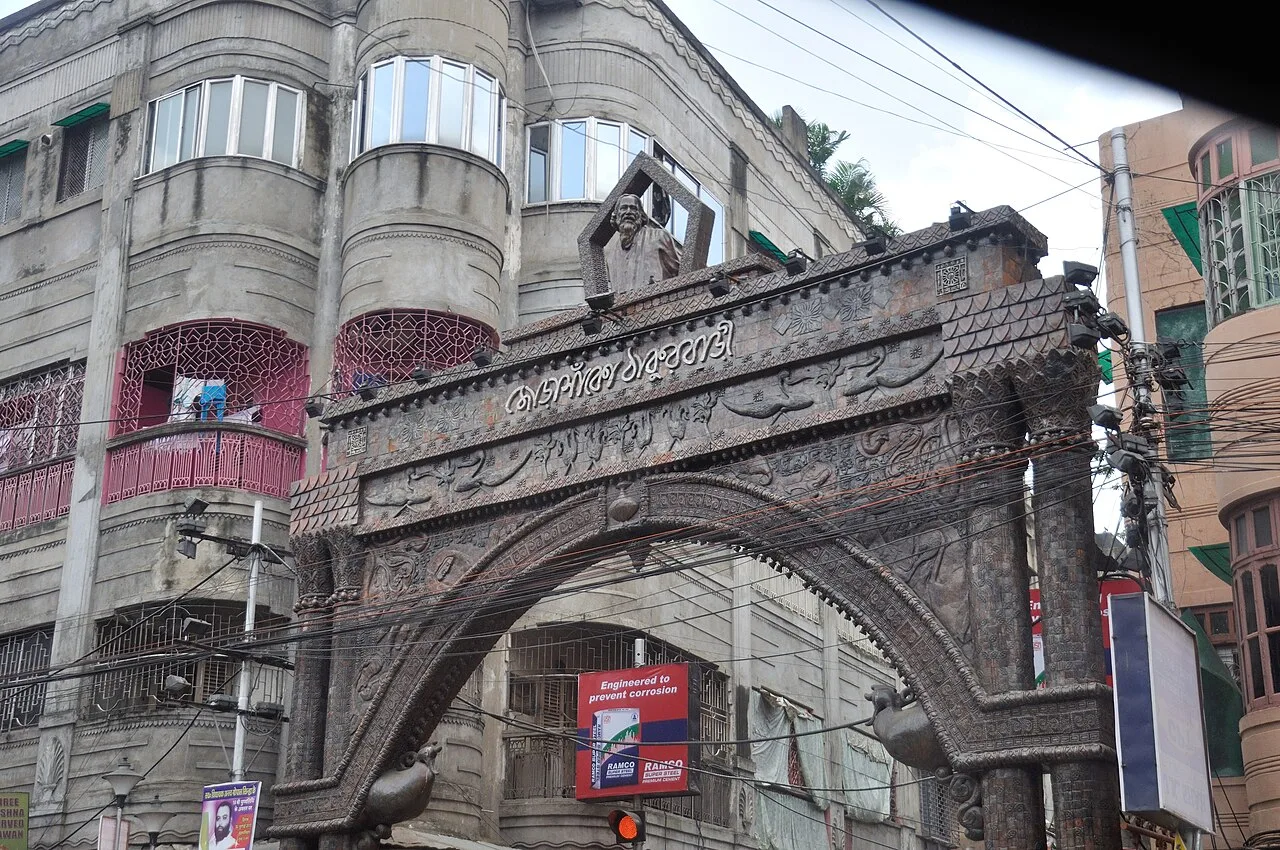
Jorasanko Thakur Bari

Kolkata district

Jorasanko Thakur Bari

Jorasanko Thakur Bari is a historic haveli in Kolkata associated with the Tagore family. Visitors come for its links to Rabindranath Tagore, its Bengali architectural style and its place in the city’s cultural history.

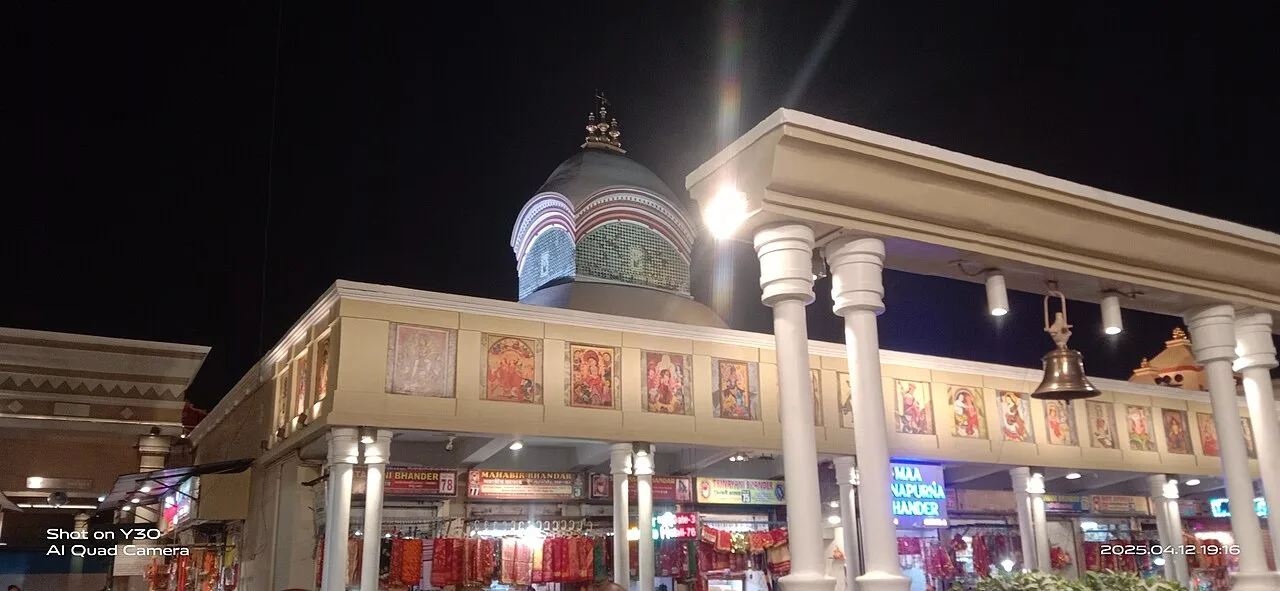
Kalighat Temple

Kolkata district

Kalighat Temple

Kalighat Temple is a Hindu shrine in Kolkata devoted to Kali, revered in tantric and Kalikula traditions. People visit to worship at this Shakti Pitha, particularly during major religious observances.

Kumortuli

Kolkata district

Kumortuli

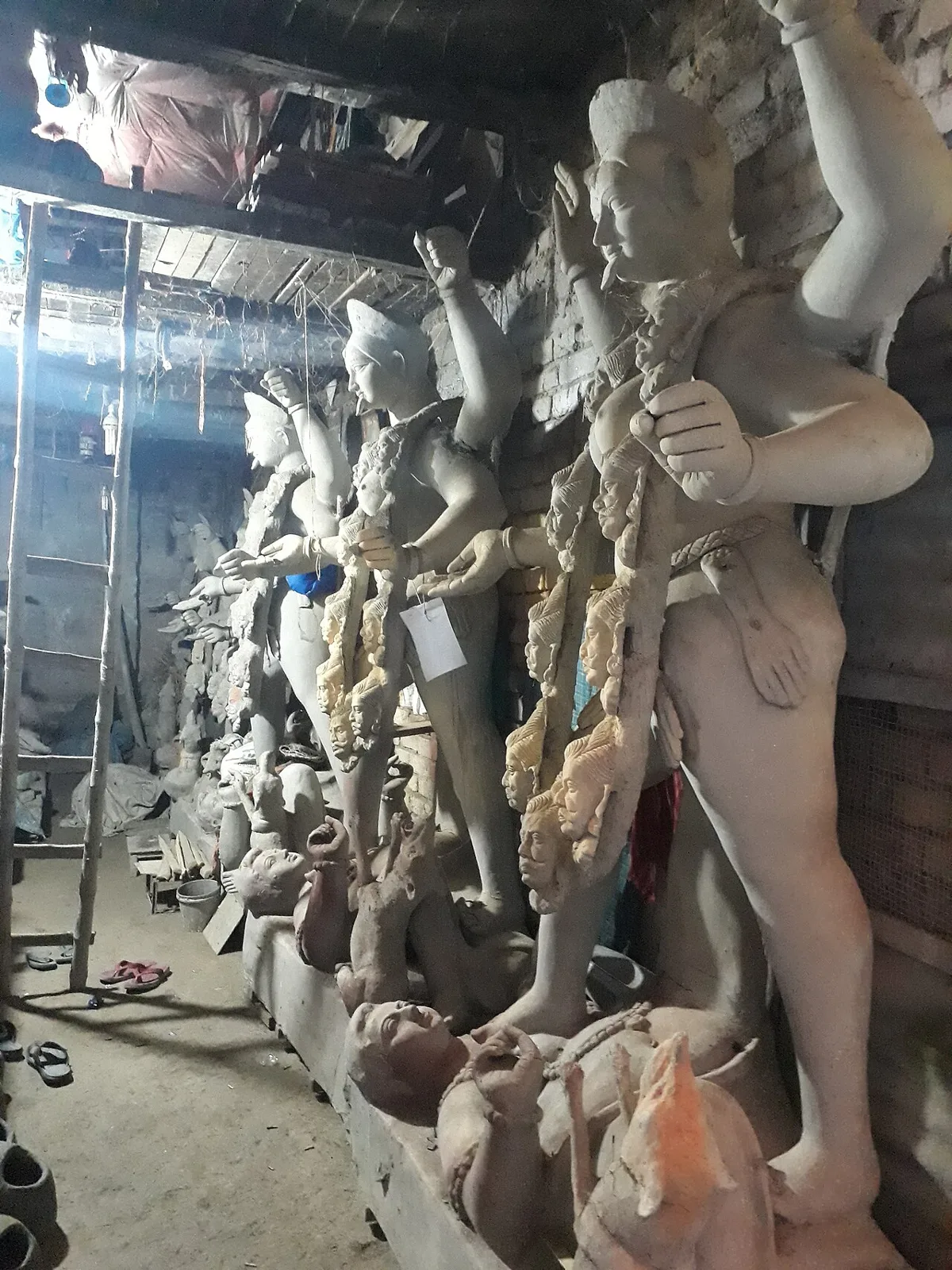
Kumortuli is a North Kolkata neighbourhood centred on potters and clay sculpture. Visitors come to see festival idols being made, a craft whose products are also regularly exported.

Marble Palace

Kolkata district

Marble Palace

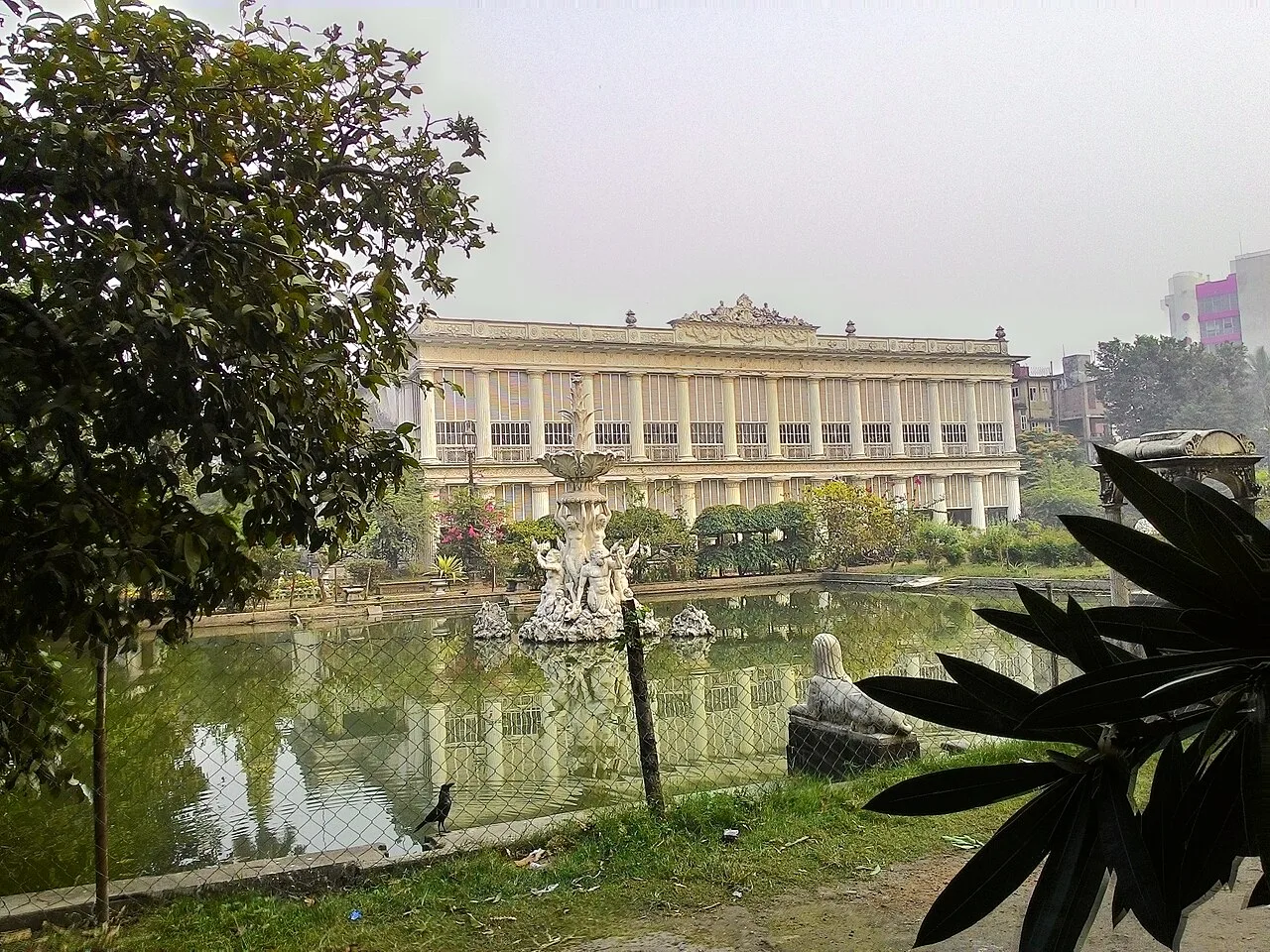
This nineteenth-century residence in North Kolkata is known as Marble Palace for its marble surfaces and sculptures; visitors come to view its preserved mansion and distinctive materials.

Nakhoda Mosque

Kolkata district

Nakhoda Mosque

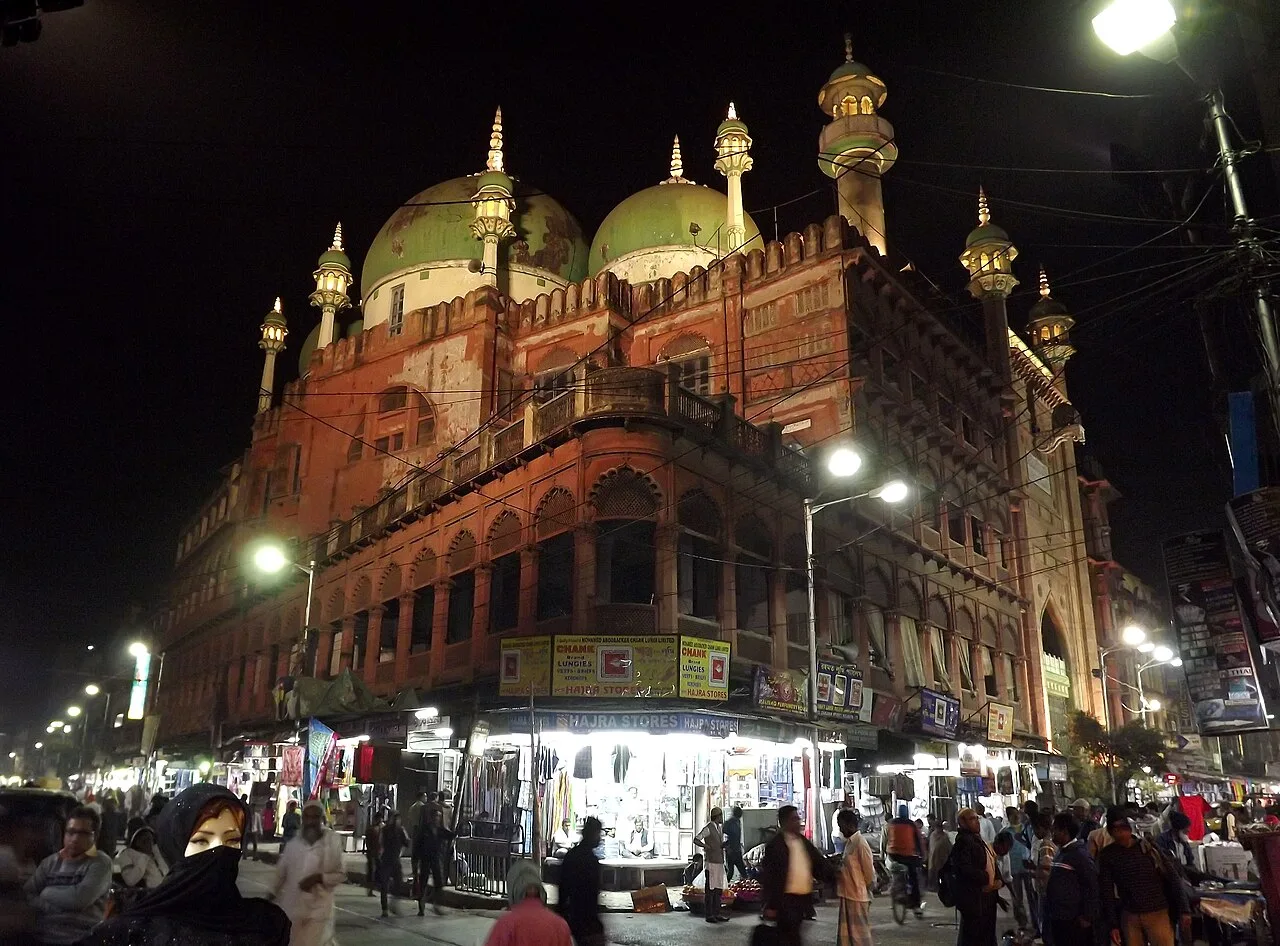
Nakhoda Mosque is a Sunni place of worship in central Kolkata, known as the city’s principal mosque and associated with the Hanafi school.

Netaji Bhawan

Kolkata district

Netaji Bhawan

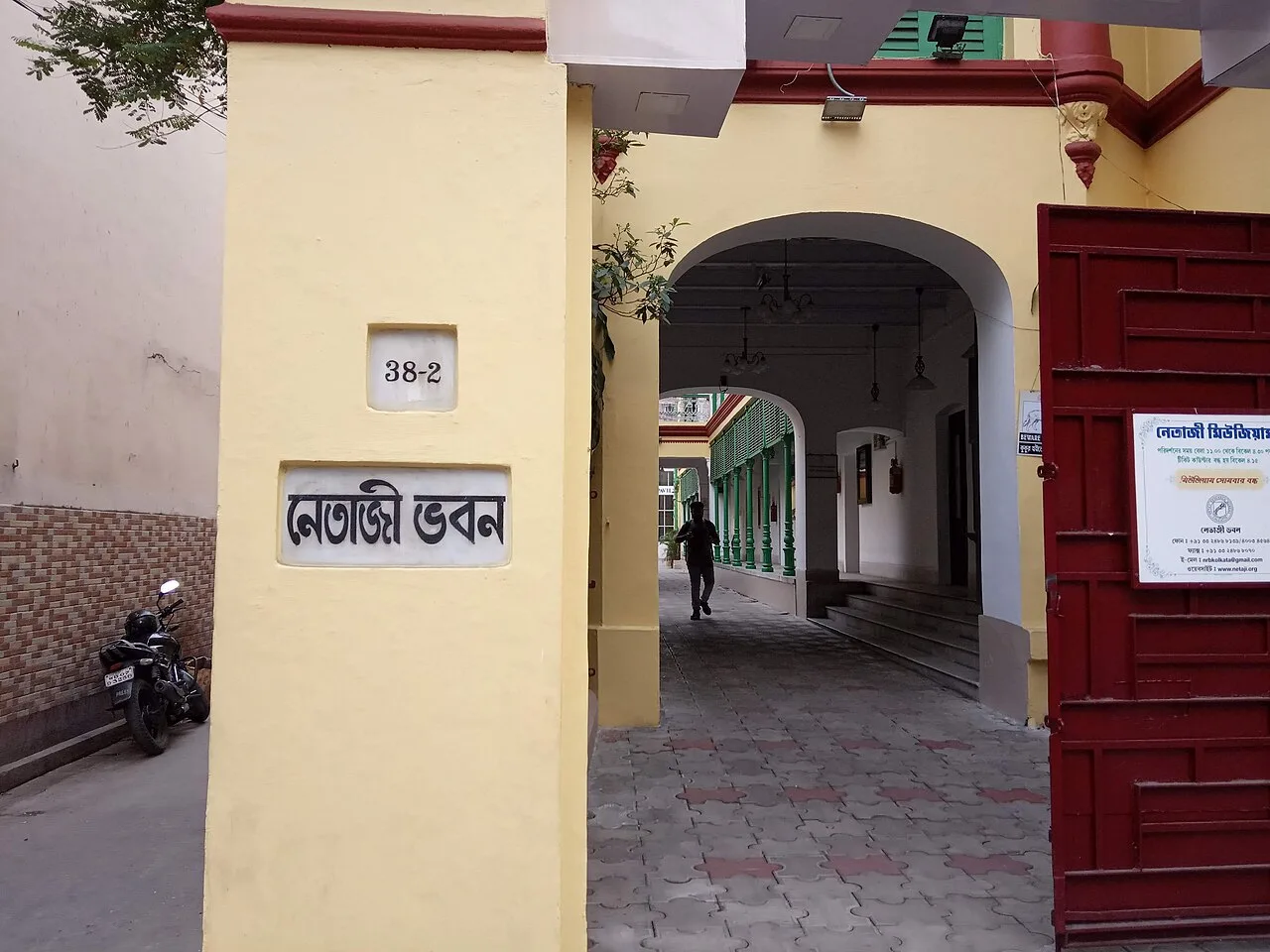
Netaji Bhawan is a heritage building in Kolkata associated with Subhas Chandra Bose. Visitors come to its memorial and research centre to engage with the Indian nationalist’s life.

New Market

Kolkata district

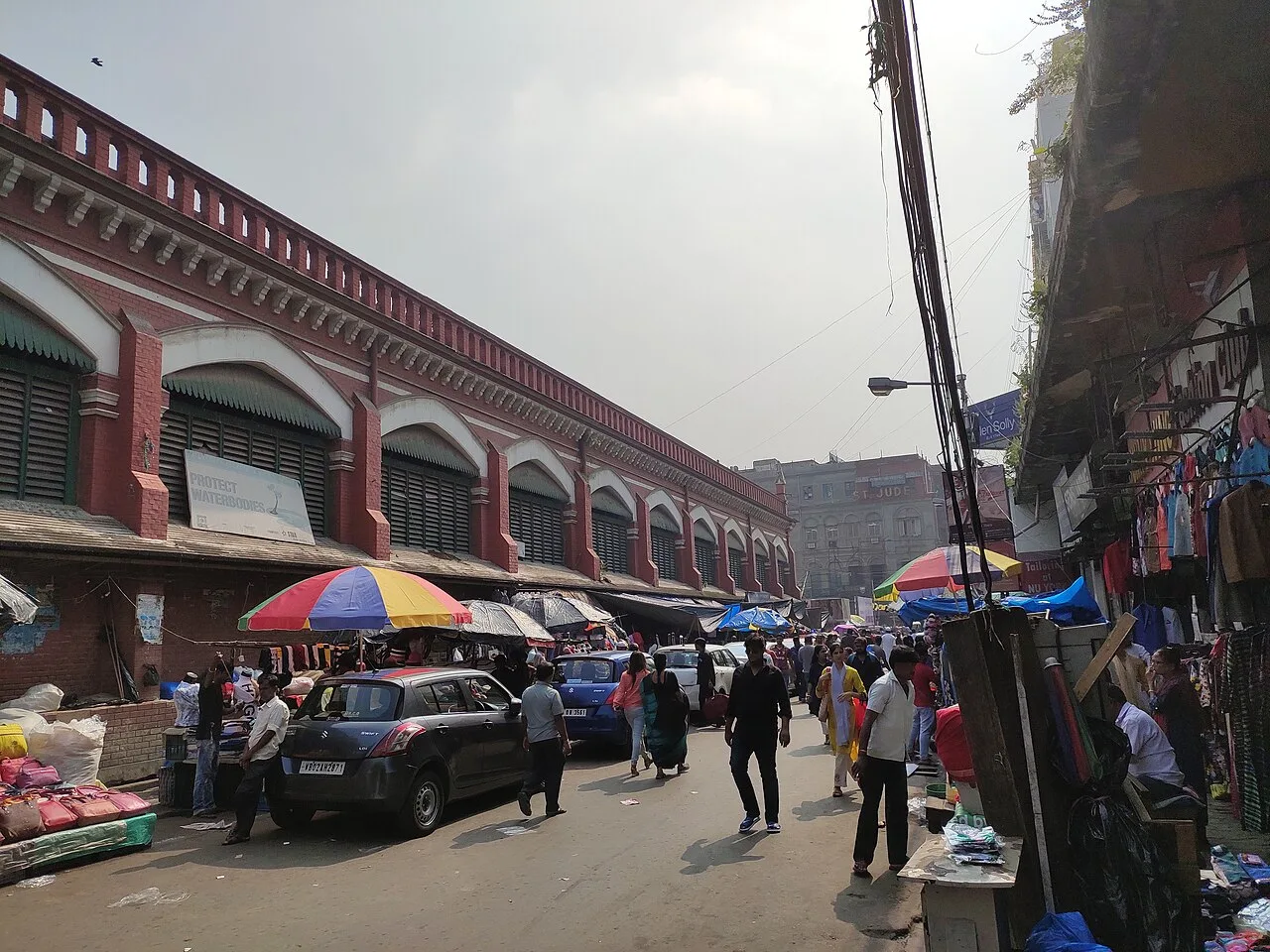
New Market

New Market is a shopping complex on Lindsay Street in Dharmatala, Kolkata, formally named Sir Stuart Hogg Market. People visit both the enclosed marketplace and the wider shopping area known by its name.

Prinsep Ghat

Kolkata district

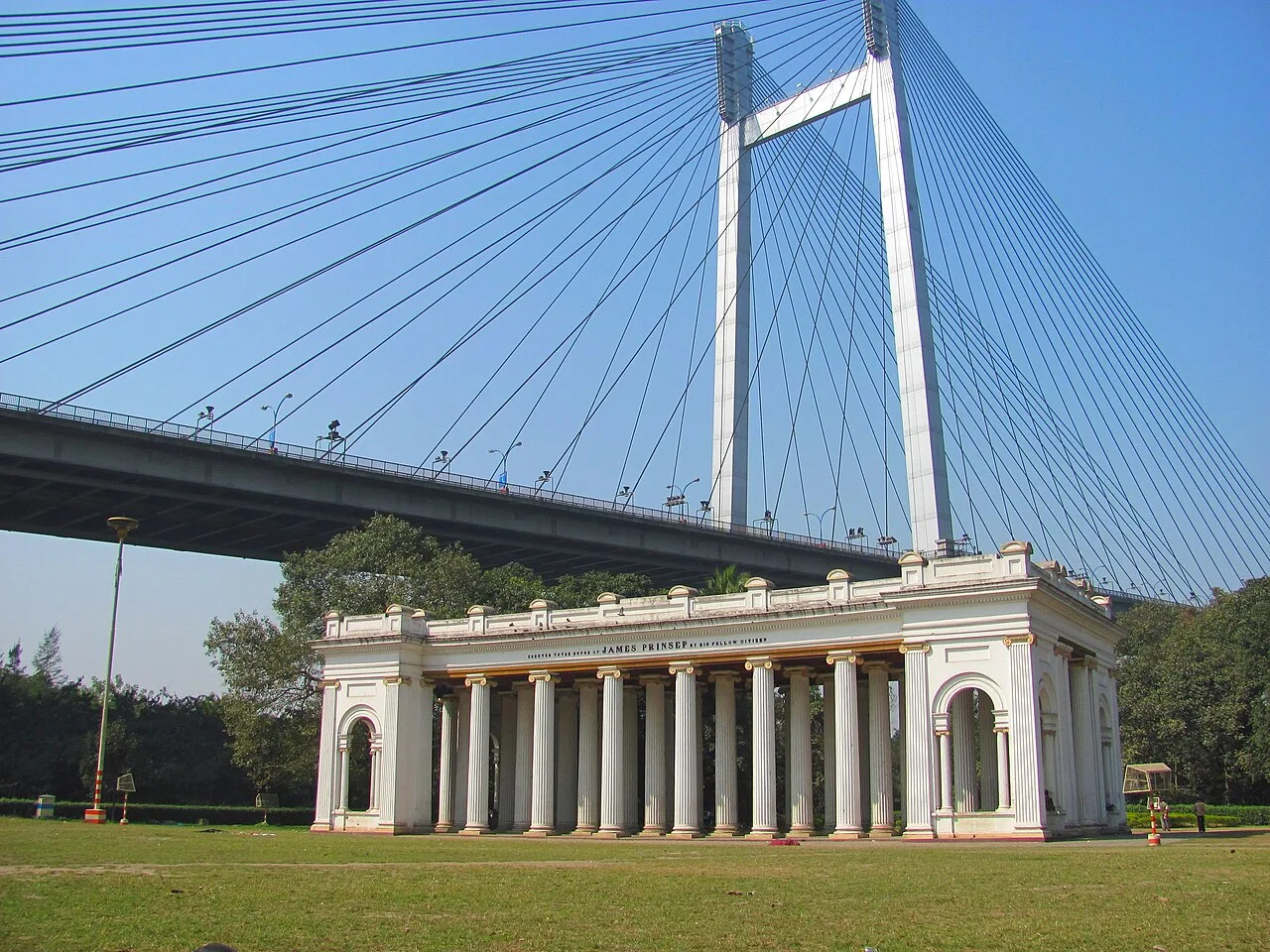
Prinsep Ghat

Prinsep Ghat is a historic river landing and memorial on Kolkata’s Hooghly riverfront. Visitors come to walk by the water, take boat rides and enjoy the nearby gardens and food stalls.

Rabindra Sarobar

Kolkata district

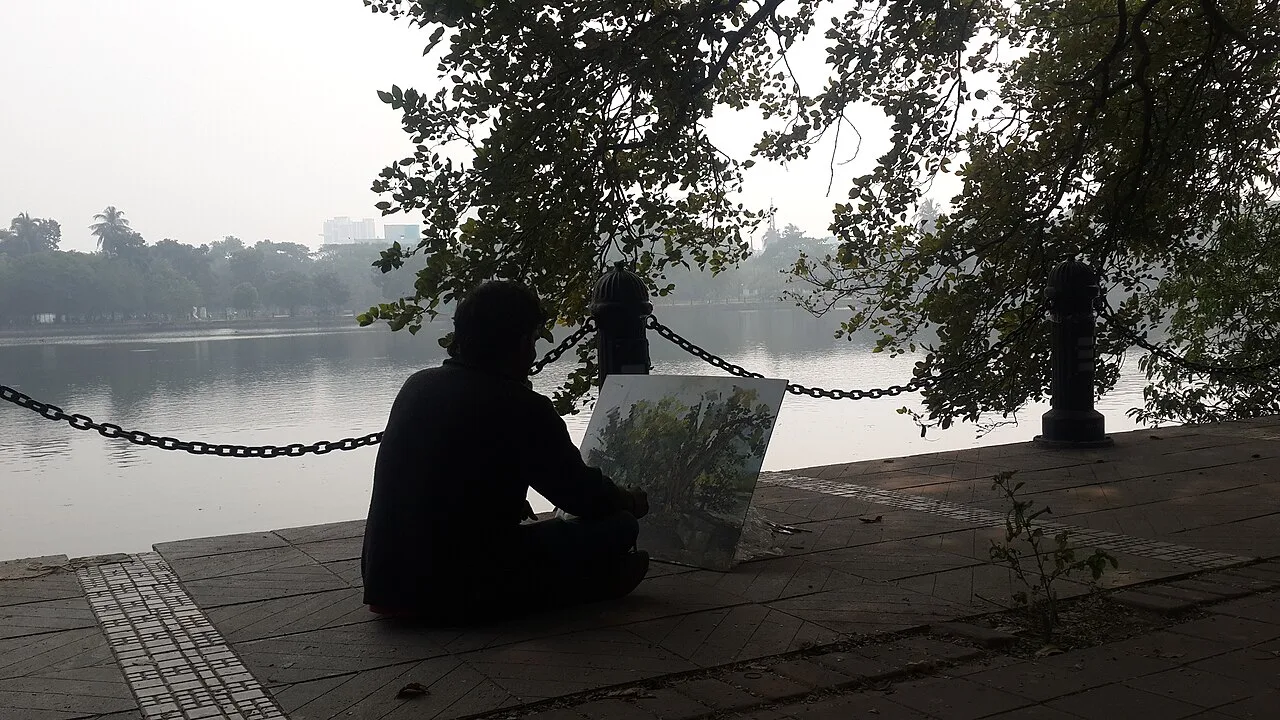
Rabindra Sarobar

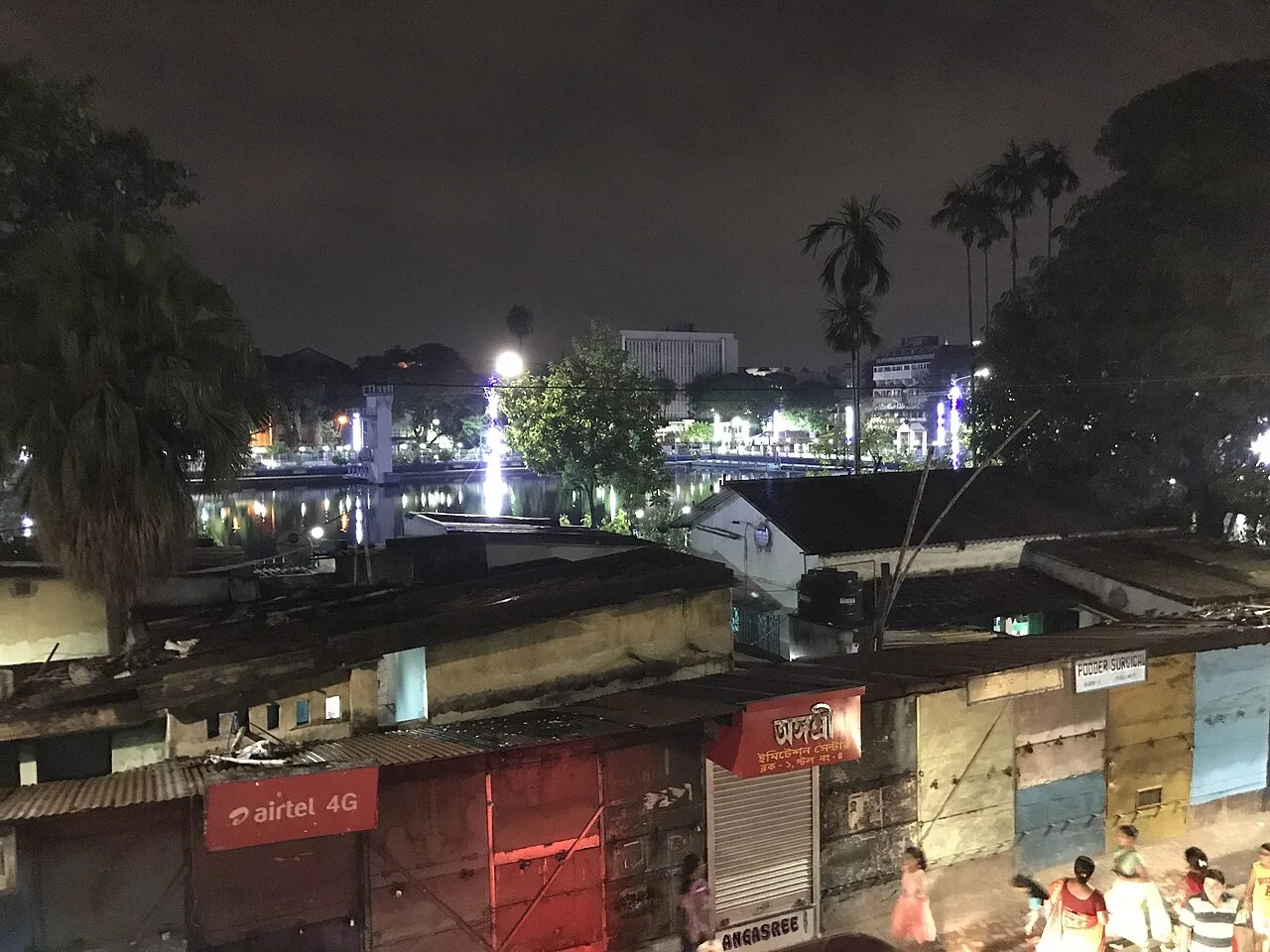
Rabindra Sarobar is a man-made lake, garden and park in southern Kolkata. People visit its green spaces and lakeside, while the name is also used for the surrounding neighbourhood.

Science City

Kolkata district

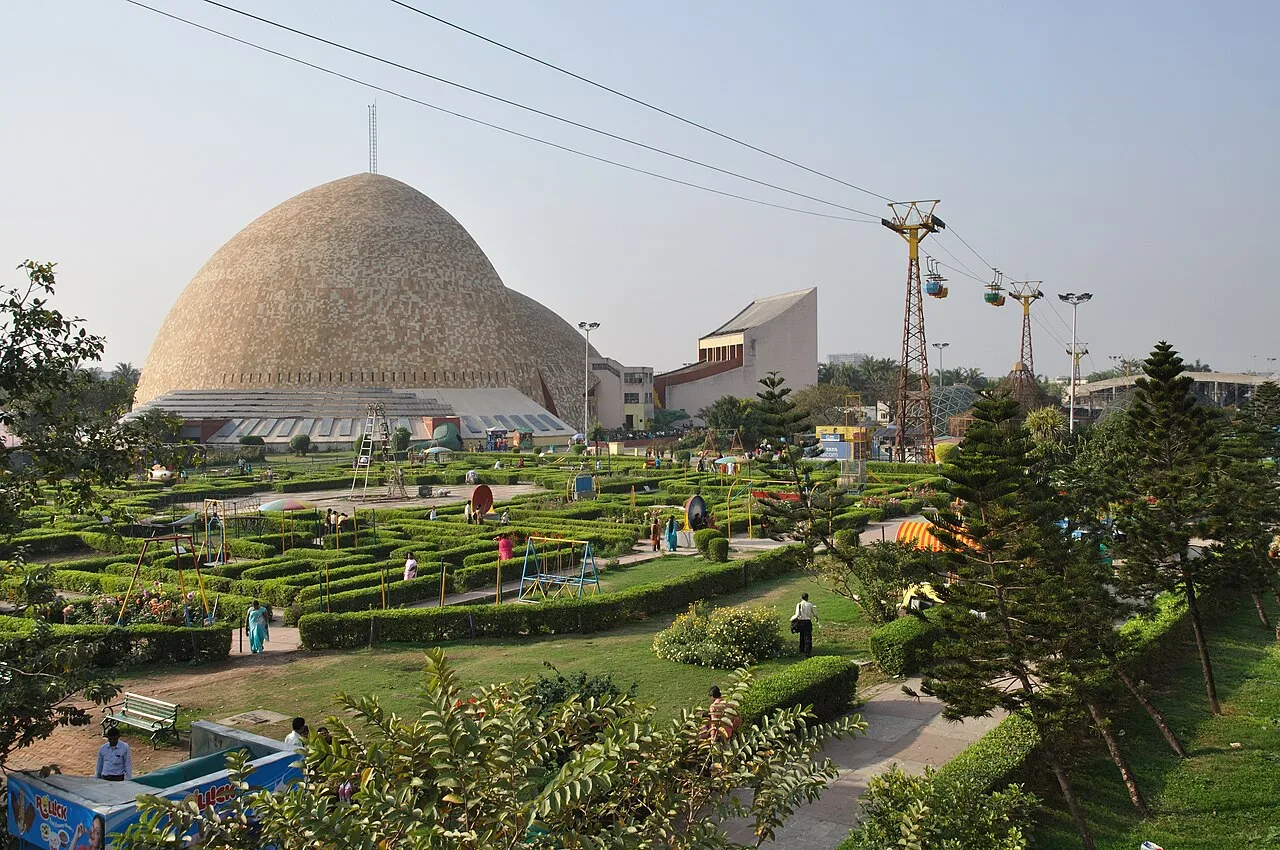
Science City

Science City in Kolkata is a science-focused attraction with a museum, science park and auditoriums. Visitors come to explore its facilities and use its spaces for events.

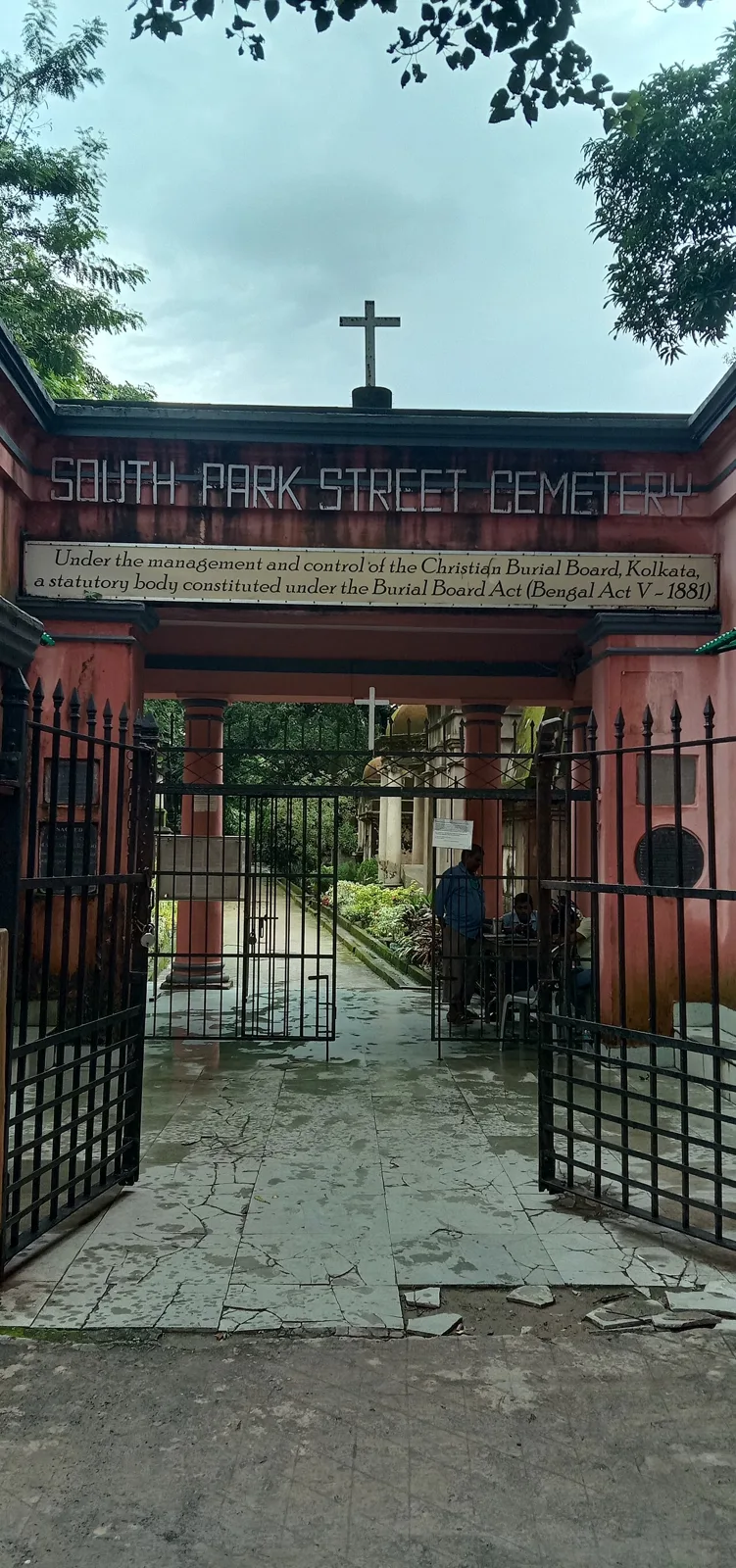
South Park Street Cemetery

Kolkata district

South Park Street Cemetery

This historic Kolkata burial ground, once called the Great Christian Burial Ground, is known for its early non-church origins and memorials to British personnel and notable figures.

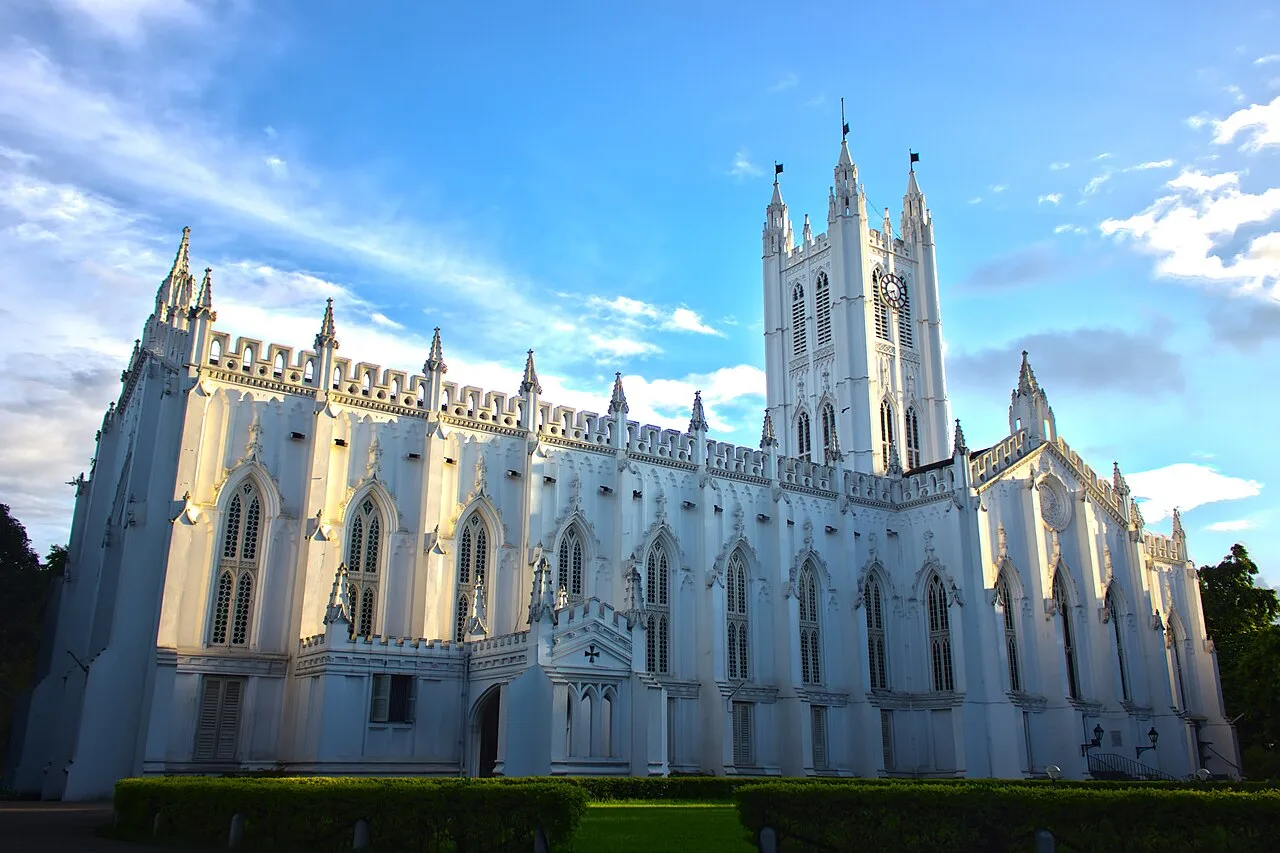
St. Paul's Cathedral

Kolkata district

St. Paul's Cathedral

St. Paul's Cathedral is a Church of North India cathedral with Anglican roots in Kolkata, known for its Indo-Gothic design and links to the city’s religious and colonial history.

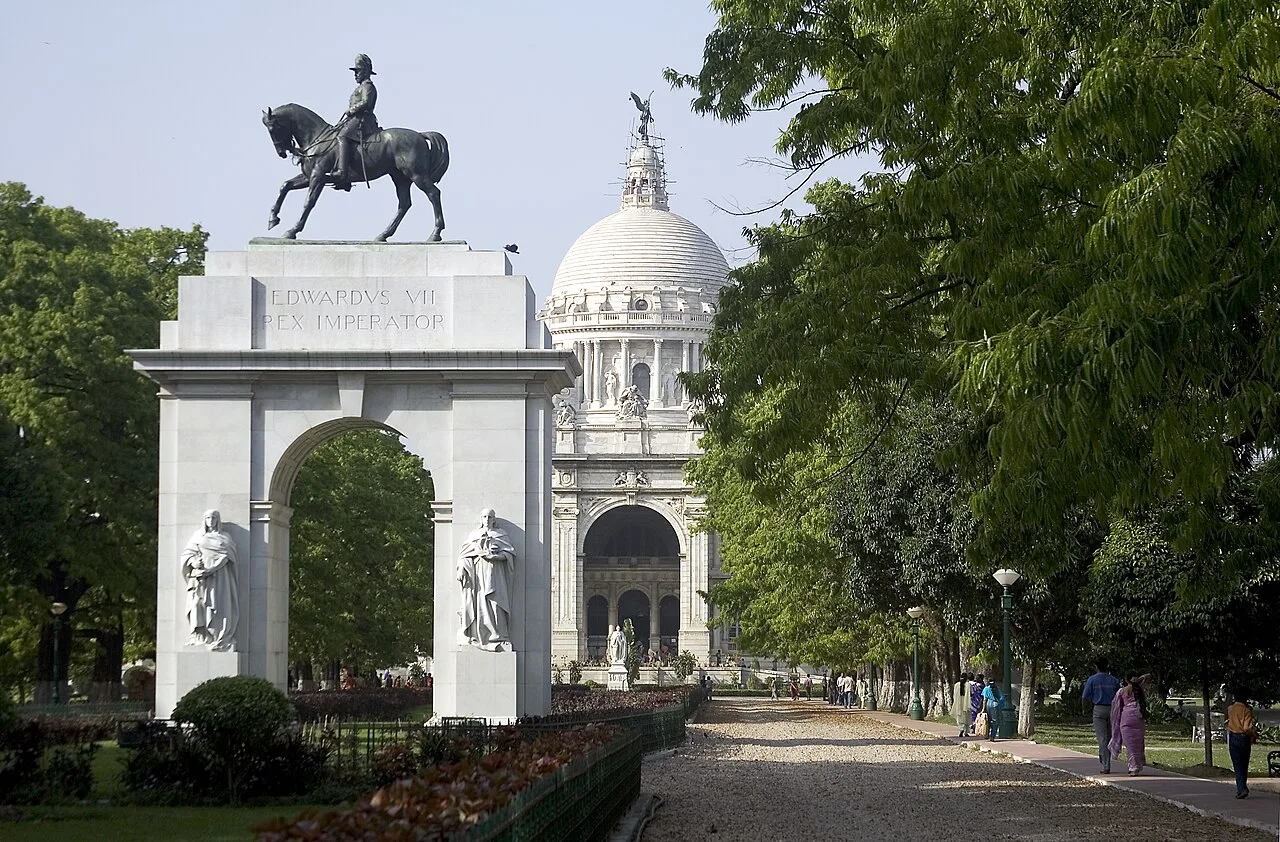
Victoria Memorial

Kolkata district

Victoria Memorial

A marble memorial and museum in Kolkata’s Maidan, it honours Queen Victoria. Visitors come to see its Indo-Saracenic design and explore the grounds.

Map

Kolkata on the map

  1. 1Acharya Jagadish Chandra Bose Indian Botanic Garden
  2. 2Alipore Zoo
  3. 3Belur Math
  4. 4Birla Mandir
  5. 5College Street
  6. 6Dakshineswar Kali Temple
  7. 7Eden Gardens
  8. 8Howrah Bridge
  9. 9Indian Museum
  10. 10Jorasanko Thakur Bari
  11. 11Kalighat Temple
  12. 12Kumortuli
  13. 13Marble Palace
  14. 14Nakhoda Mosque
  15. 15Netaji Bhawan
  16. 16New Market
  17. 17Prinsep Ghat
  18. 18Rabindra Sarobar
  19. 19Science City
  20. 20South Park Street Cemetery
  21. 21St. Paul's Cathedral
  22. 22Victoria Memorial

West Bengal

Other cities to explore