
Ghumoopedia — Explore, Discover, Experience
Sign in
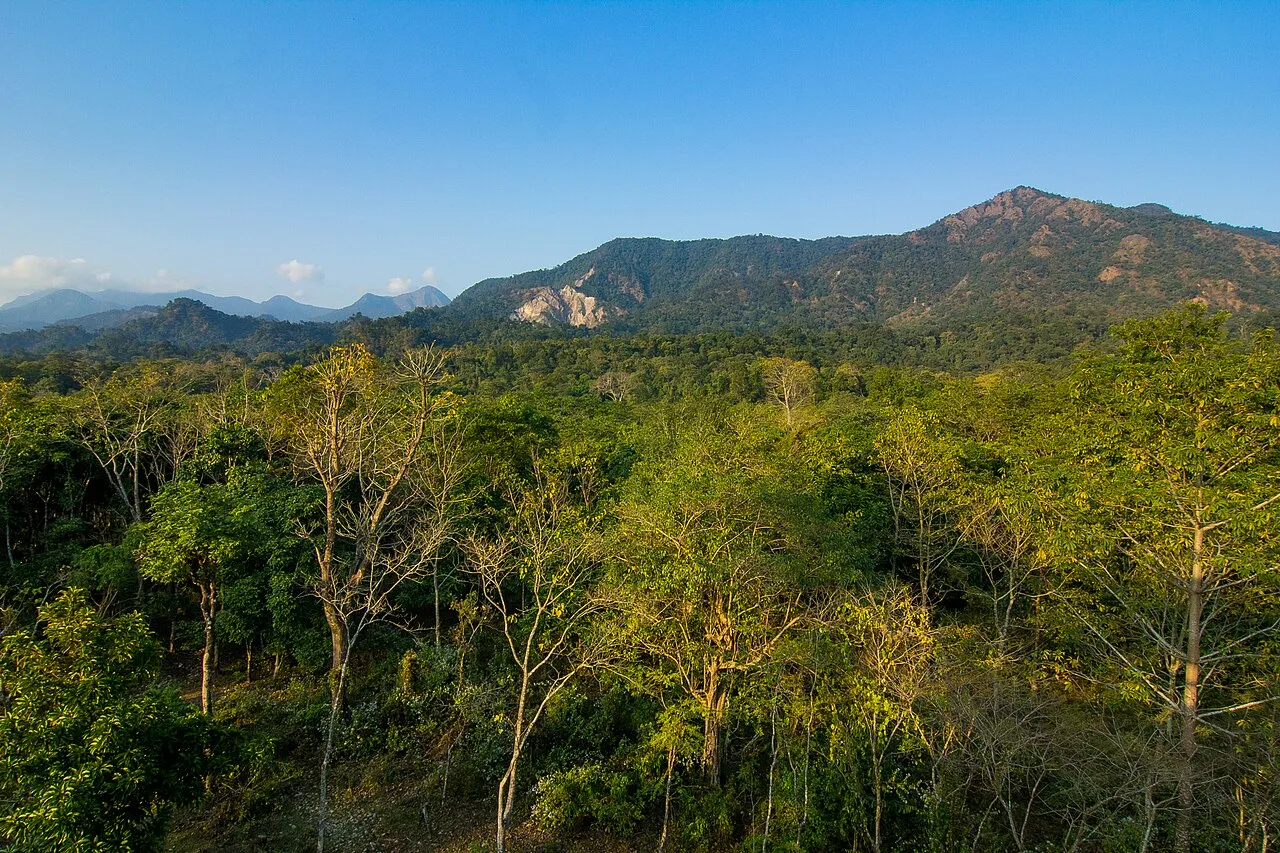
Buxa Tiger Reserve, near Alipurduar

City guide · West Bengal

Alipurduar

Alipurduar is an administrative and transport centre in the eastern Dooars of West Bengal. Set beside the Kaljani River in the Himalayan foothills, it serves as the headquarters of Alipurduar district and of a railway division of Northeast Frontier Railway.

Famous for

  • Gateway to the Dooars
  • Kaljani River setting
  • Alipurduar railway division
  • Nearby Buxa Tiger Reserve
  • Dooars tea gardens
In the city
0
Nearby
1
District
Alipurduar
Plan a trip

Why Alipurduar matters

Alipurduar is an administrative and transport centre in the eastern Dooars of West Bengal. Set beside the Kaljani River in the Himalayan foothills, it serves as the headquarters of Alipurduar district and of a railway division of Northeast Frontier Railway. Its location makes it a useful base for journeys into the forested Dooars and towards Bhutan; the town is often described as a gateway to the region.

Visitors come for the wider landscape as much as for the town itself. Nearby routes lead towards Buxa Tiger Reserve, the forest settlements around Jayanti and Rajabhatkhawa, and the grasslands of Jaldapara. Rivers descending from the Bhutan hills, tea gardens and wooded countryside give the district its distinctive character. Alipurduar’s railway links and local markets also make it a practical stop for travellers moving between North Bengal, Assam and the Himalayan foothills. The town is not chiefly a monument destination, but its regional importance, rail connections and access to nature make it a useful starting point for exploring the Dooars.

Famous for: crafts, trade & products

Alipurduar is better known for transport, administration and access to the Dooars than for a signature textile, handicraft or locally branded product. The surrounding district is associated with tea cultivation, and tea from the Dooars is a prominent regional product. Travellers can look for packaged local tea and everyday goods in the town’s central market areas and shops near the railway station. The town also serves as a supply centre for nearby communities and visitors heading to forest and wildlife destinations.

There is no widely recognised city-specific craft or GI-tagged product that defines Alipurduar. Instead, its commercial character reflects its role as a railway and district hub: markets provide household necessities, clothing, snacks and travel supplies, while transport links connect local trade with other parts of North Bengal and the Northeast. For a sense of the area’s economy, the tea-growing countryside and the town’s busy market and station precincts are more relevant than a dedicated craft quarter. Visitors looking for specialist handicrafts or a particular regional product may find a broader selection in larger North Bengal centres.

History

The name Alipurduar is commonly linked to Colonel Hedayat Ali Khan, a British officer stationed in the area, and to “Duar,” meaning a gateway or passage through the Himalayan foothills. The association reflects the town’s position on routes connecting the plains with Bhutan and the Dooars. The region’s political history changed during the Bhutan War of 1864–65, after which the British took control of the Bengal Dooars.

Under colonial rule, the area developed through administration, tea cultivation and expanding transport links. Railways became especially important, connecting the Dooars with other parts of Bengal and the Northeast and helping Alipurduar grow as a junction and service town. After independence, its role as a regional rail and commercial centre continued. Alipurduar became the headquarters of a separate district in 2014, strengthening its administrative importance. Today, railway operations, government services and tourism access to nearby forests all contribute to the town’s regional role.

Food, festivals & culture

Alipurduar’s culture reflects the diverse communities of the Dooars. Bengali is widely used, alongside Rajbanshi, Nepali, Hindi and languages spoken by local tribal communities, including Bodo. Everyday meals commonly feature rice, fish, lentils and seasonal vegetables. Tea is part of daily life, while momos and other foods associated with neighbouring Himalayan communities are also easy to encounter in the region.

Durga Puja in autumn and Kali Puja are prominent celebrations, with Saraswati Puja observed in spring. Eid and Christmas are also marked by local communities. Bwisagu, celebrated by Bodo communities around the spring season, and other community festivals add to the area’s cultural calendar. Folk traditions include Rajbanshi, Bodo and Nepali music and dance. Places of worship across the town include Hindu temples, mosques and churches, reflecting its varied religious life. Festival events are generally community-centred, so visitors may find the liveliest activity in neighbourhoods and local gathering spaces rather than at a single major venue.

Visiting the city

October to March is generally the most comfortable season for visiting, with milder weather and easier conditions for exploring the Dooars. The monsoon brings heavy rain and lush scenery, but can make road travel and outdoor plans less predictable. Cooch Behar Airport is the nearest airport; Bagdogra is a farther alternative with broader air connections. Alipurduar Junction is the town’s main railway station.

Auto-rickshaws, local vehicles and taxis are useful for getting around town, while buses and hired cars connect it with nearby settlements and attractions. Explore the central market and railway-station areas for everyday town life, or take a short outing towards the Kaljani River. Alipurduar also makes a practical base for arranging trips to Buxa, Jayanti, Rajabhatkhawa and other Dooars destinations; check local conditions before travelling into forest areas.

Short trips

Around Alipurduar

Within about 40 km — easy half-day or day trips from the city.

Map

Alipurduar on the map

  1. 1Buxa Tiger Reserve

West Bengal

Other cities to explore