
Ghumoopedia — Explore, Discover, Experience
Sign in
Bishnupur, near Bishnupur

City guide · West Bengal

Bishnupur

Bishnupur is a city and municipality in West Bengal’s Bankura district, known for temples built under the Malla rulers and for Baluchari sarees.

Famous for

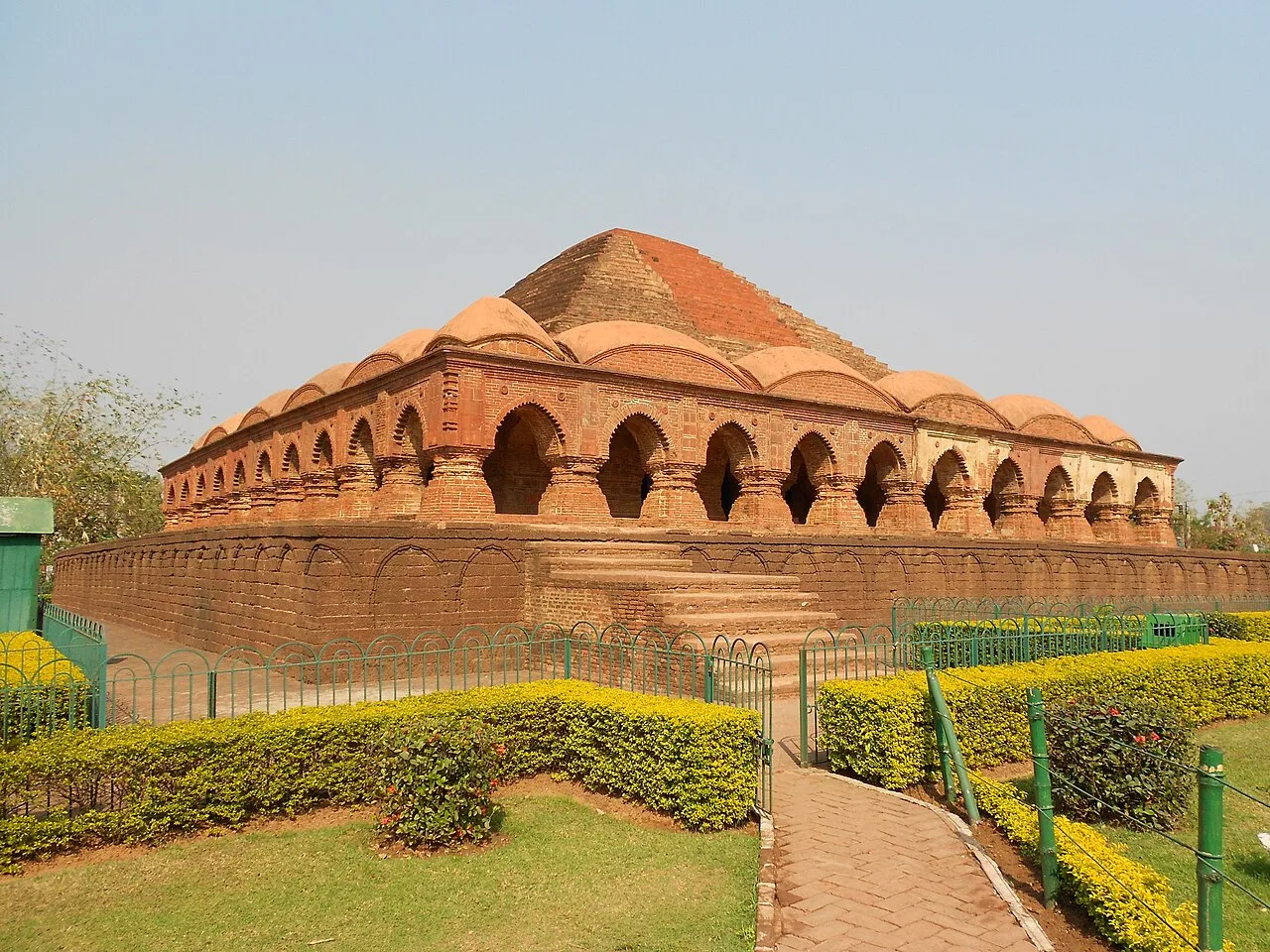
  • Bishnupur terracotta temples
  • Baluchari silk sarees
  • Rasmancha
  • Bishnupur gharana music
  • Mrinmoyee Temple
In the city
1
Nearby
1
District
Bankura

Why Bishnupur matters

Bishnupur is a historic town in Bankura district, best known for the terracotta temples built under the Malla rulers and for its Baluchari silk sarees. For centuries it was the capital of Mallabhum, and its monuments preserve a distinctive chapter of Bengal’s religious and artistic history. The Rasmancha, Jor Bangla and Shyam Rai temples are among the best-known landmarks, with terracotta panels depicting stories from Hindu epics as well as scenes of everyday life.

Today, Bishnupur is a cultural centre and a popular stop for travellers exploring Bankura and western Bengal. Visitors come to see its temple architecture, learn about the Malla legacy and browse for handwoven textiles and terracotta work. The town is also associated with the Bishnupur gharana, a school of Hindustani classical music. Its temples were included on UNESCO’s Tentative List in 1997; this is not the same as inscription on the World Heritage List. Together, its architecture, music and craft traditions give Bishnupur a cultural significance beyond its regional role.
Famous for: crafts, trade & products

Bishnupur’s signature textile is the Baluchari saree, a silk weave recognised for its elaborate woven scenes, often drawn from the Ramayana, Mahabharata and other traditional narratives. The craft is associated with the town and its wider weaving region. Visitors can look for sarees at local handloom shops and textile sellers in the town; it is sensible to ask about the weave, materials and origin when comparing pieces.

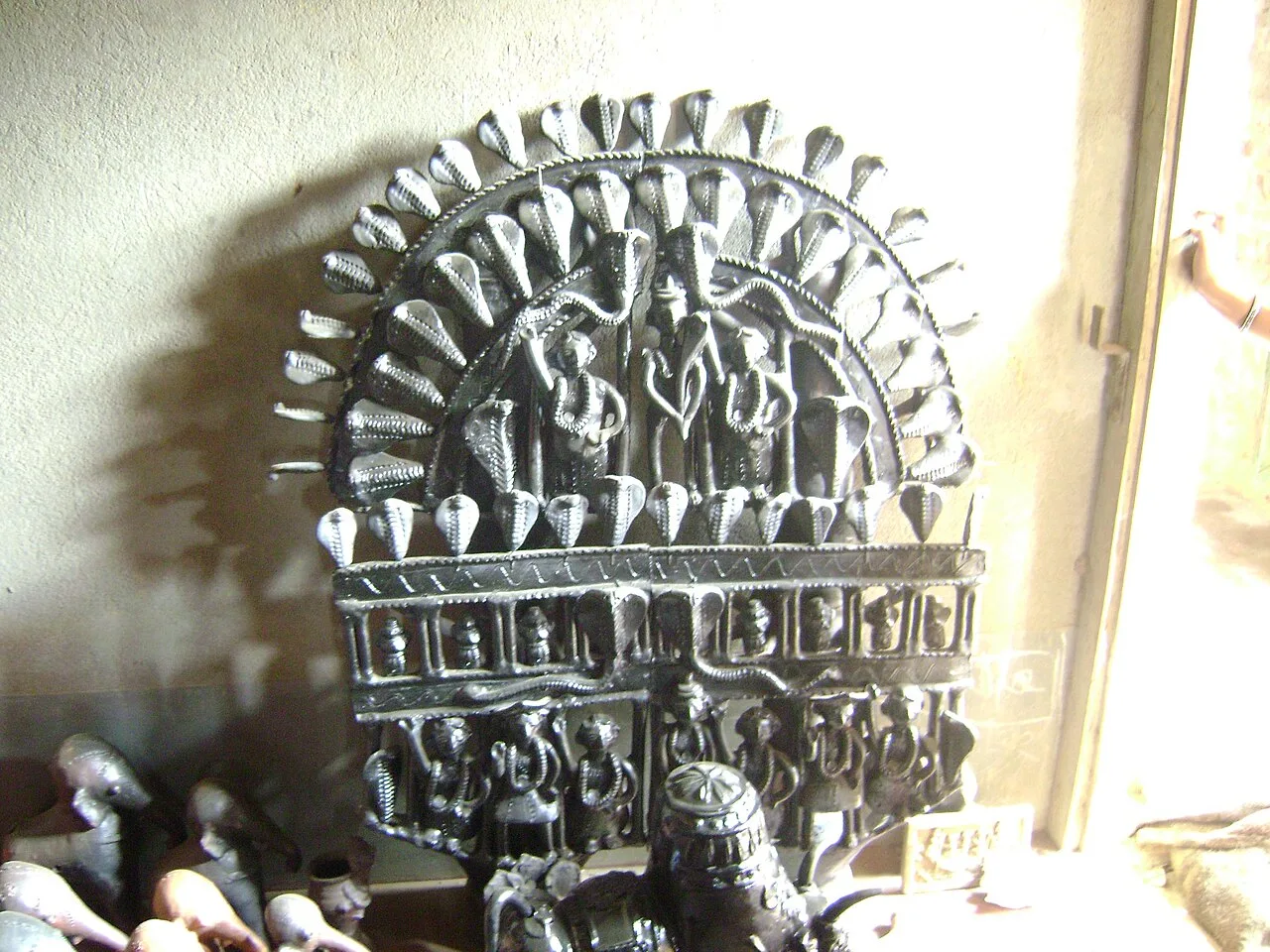
Terracotta is another defining craft. The temple panels are celebrated examples of the medium, and visitors may find smaller decorative pieces and souvenirs in local shops. Bishnupur’s craft identity is closely tied to its historic monuments, where brick and terracotta decoration developed under Malla patronage. The town is not primarily known as a large industrial or wholesale-trade centre; its appeal lies in specialist handloom and heritage crafts. The temple area and central town streets are useful places to explore, while local markets offer everyday goods alongside visitor-oriented textiles and crafts. Baluchari sarees and terracotta work are the most distinctive purchases to seek out.

History

Bishnupur’s best-known history is tied to the Malla rulers, whose kingdom was called Mallabhum. The town served as their capital for many centuries. Malla patronage, especially under Veer Hambir and his successors, supported a flourishing of temple building, music and the arts. Many of the town’s celebrated terracotta temples and Radha-Krishna shrines date from the 17th and 18th centuries. The royal Mrinmoyee Temple is also an important part of its religious heritage.

As Mughal authority weakened, the Malla kingdom gradually lost power. The area later came under British rule, and Bishnupur’s political importance diminished as the old royal court declined. Its artistic and religious legacy, however, remained visible in its temples, weaving and music traditions. In modern times the town has developed as a municipal centre in Bankura district and as a destination for heritage tourism. The Temples of Bishnupur were added to UNESCO’s Tentative List in 1997, recognising their architectural importance without constituting full World Heritage inscription.

Food, festivals & culture

Bengali is the principal language of daily life; Hindi and some English are also used, particularly in visitor-facing settings. Food is rooted in Bengali home cooking, with rice, fish, lentils and seasonal vegetables widely enjoyed. Sweets such as sandesh and rosogolla are commonly available, though Bishnupur is better known nationally for its temples and textiles than for a signature dish.

Vaishnava traditions shape much of the town’s heritage. Dol, the spring festival of colours, and the autumnal Durga Puja are widely observed; Krishna-related worship and seasonal religious gatherings reflect the Malla rulers’ devotional legacy. The Mrinmoyee Temple remains an important place of worship. Bishnupur is also associated with a distinctive Hindustani classical music tradition, the Bishnupur gharana, known for its refined vocal and instrumental styles and historical links to court patronage. The town’s temple art, devotional practice, handloom work and classical music together form a cultural identity closely connected to its Malla-era past.

Visiting the city

The cooler months, roughly October to February, are generally the most comfortable for exploring Bishnupur’s outdoor monuments. Summers can be hot, while the monsoon brings rain. The nearest major airport is Netaji Subhas Chandra Bose International Airport in Kolkata. Bishnupur railway station is the town’s main rail station.

The historic temples are spread across town and can be explored by auto-rickshaw, cycle-rickshaw or local taxi; walking works well between nearby sites. Begin around the Rasmancha and continue to landmarks such as Jor Bangla, Shyam Rai and Madan Mohan temples. The central market streets are worth exploring for Baluchari sarees and local crafts. Allow time for the Mrinmoyee Temple and for a visit to a handloom shop, and check locally for current access arrangements at individual monuments.

Attractions

Places to visit in Bishnupur

Sights within about 12 km of each other, even when they fall in different districts.

Short trips

Around Bishnupur

Within about 40 km — easy half-day or day trips from the city.

Map

Bishnupur on the map

  1. 1Bishnupur
  2. 2Panchmura

West Bengal

Other cities to explore