
Ghumoopedia — Explore, Discover, Experience
Sign in
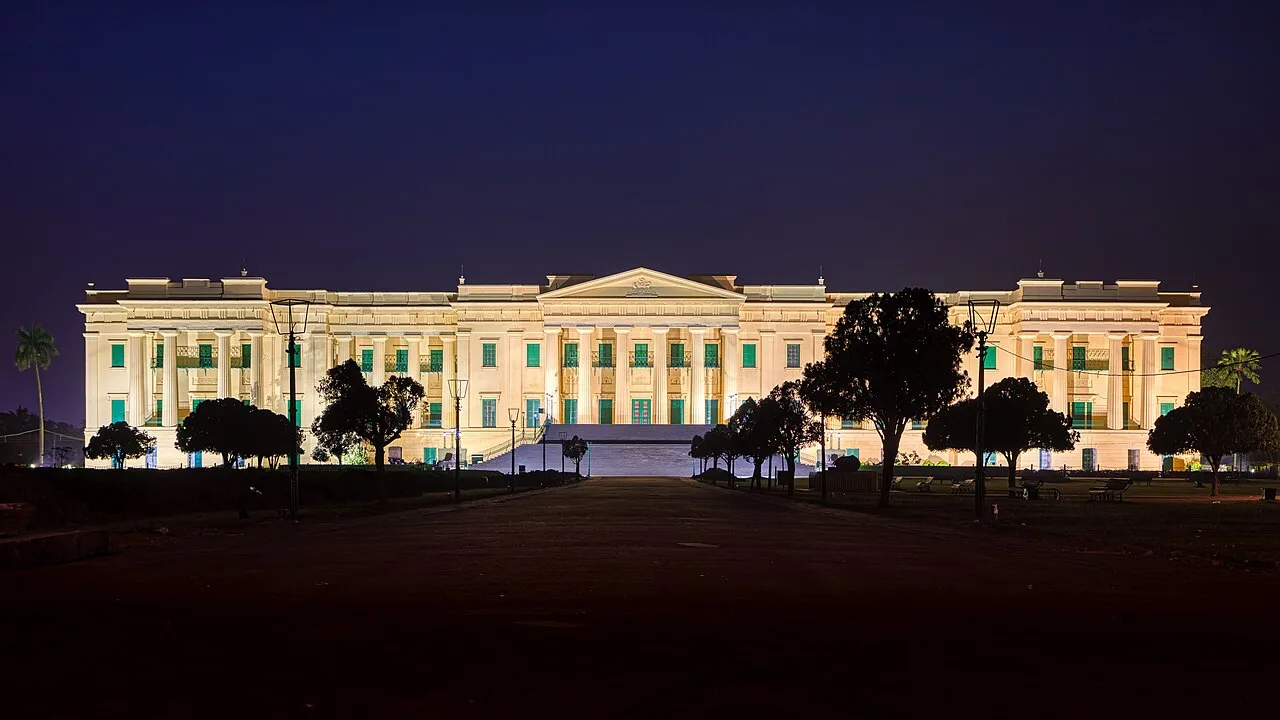
Hazarduari Palace, near Berhampore

City guide · West Bengal

Berhampore

Berhampore, also called Baharampur, is the administrative headquarters of Murshidabad district and an important centre for government, education, commerce and regional services. Set beside the Bhagirathi River, it connects surrounding towns and rural areas with the district’s main institutions and markets.

Famous for

  • Chhanabora sweets
  • Monohara sweets
  • Murshidabad silk
  • Cossimbazar muslin heritage
  • Barrack Square uprising
In the city
3
District
Murshidabad

Why Berhampore matters

Berhampore, also called Baharampur, is the administrative headquarters of Murshidabad district and an important centre for government, education, commerce and regional services. Set beside the Bhagirathi River, it connects surrounding towns and rural areas with the district’s main institutions and markets. Its position about 186 kilometres from Kolkata also makes it a useful base for exploring the historic sites of Murshidabad and Cossimbazar.

Visitors come for the area’s layered history, colonial-era remains and riverine setting, as well as its food and textile traditions. Berhampore is especially associated with chhanabora and monohara sweets, while the wider district is known for silk and the former muslin trade of Cossimbazar. Barrack Square recalls the city’s place in the events leading to the 1857 uprising. Today, busy neighbourhoods such as Khagra, Gora Bazar and Cossimbazar combine everyday urban life with traces of the region’s trading and cultural past.
Famous for: crafts, trade & products

Berhampore’s best-known food products are its sweets, particularly chhanabora and monohara, sold by confectioners around the city. Rosogolla is also popular. Khagra and the central market areas are convenient places to look for local sweets and everyday produce; ask vendors about specialities made nearby.

The wider Murshidabad region has a long association with silk weaving. Murshidabad silk is a GI-recognised regional textile, and Berhampore’s sari and fabric shops offer a practical place to browse it. Cossimbazar, now part of the urban area, was once renowned for muslin and other textile trading; that history is more visible as heritage than as a guarantee that muslin is made locally today. Look in established textile shops around central commercial streets and markets, and check the fabric’s origin with the seller. The city also serves as a trading centre for district produce and household goods. Berhampore College, founded in the nineteenth century, is among its longstanding educational institutions.

History

The region’s history reaches back to ancient settlements, including nearby Karnasubarna, associated with the seventh century. Berhampore’s own beginnings are less certain. It was also known as Brahmapur, a name traditionally linked to the settlement of Brahmin families. Nearby Cossimbazar and settlements such as Saidabad and Farasdanga grew through trade, with Cossimbazar becoming known for muslin.

The East India Company fortified Berhampore in 1757, after the Battle of Plassey, and maintained a cantonment here until 1870. European trading interests, including Dutch and French companies, also operated in the area. On 27 February 1857, soldiers at the cantonment’s Barrack Square resisted orders in an early armed episode of the Indian Rebellion. The cantonment became a municipality in 1876, and Berhampore developed as an administrative centre. It served as the headquarters of the Rajshahi administrative region until 1875 and became Murshidabad district’s headquarters. Berhampore College, established in 1853, reflects the city’s longstanding educational role.

Food, festivals & culture

Bengali is the principal language of daily life, alongside Hindi and other languages used by residents and visitors. Food is a highlight: chhanabora, a fried and syrup-soaked sweet, is closely associated with Berhampore, as are monohara and rosogolla. Bengali meals commonly feature rice, fish, vegetables and seasonal preparations; local sweet shops are an easy way to sample regional flavours.

Durga Puja, usually celebrated in autumn, brings neighbourhood pandals, processions and community gatherings. Kali Puja and Diwali follow in the autumn festival season, while Saraswati Puja is observed in winter. Eid celebrations are important to the city’s Muslim communities. Bengali devotional music and popular regional music are heard at festivals and cultural events; performances vary by season and venue. Temples and mosques across the city serve as places of worship and community life. The old trading neighbourhoods around Cossimbazar add a heritage dimension to the city’s cultural landscape.

Visiting the city

October to March is generally the most comfortable period to visit, with cooler weather for walking and sightseeing. The nearest major airport is Netaji Subhas Chandra Bose International Airport in Kolkata. Berhampore Court is the city’s main railway station; Cossimbazar is another station serving the urban area.

Auto-rickshaws, cycle-rickshaws, local buses and taxis are useful for getting around. Khagra and Gora Bazar are lively areas for shops and food, while Cossimbazar is worth exploring for its trading history and heritage surroundings. Barrack Square offers a link to the city’s role in the events of 1857. Berhampore also makes a convenient base for visiting historic sites elsewhere in Murshidabad district; allow extra time for travel beyond the city.

Attractions

Places to visit in Berhampore

Sights within about 12 km of each other, even when they fall in different districts.

Map

Berhampore on the map

  1. 1Hazarduari Palace
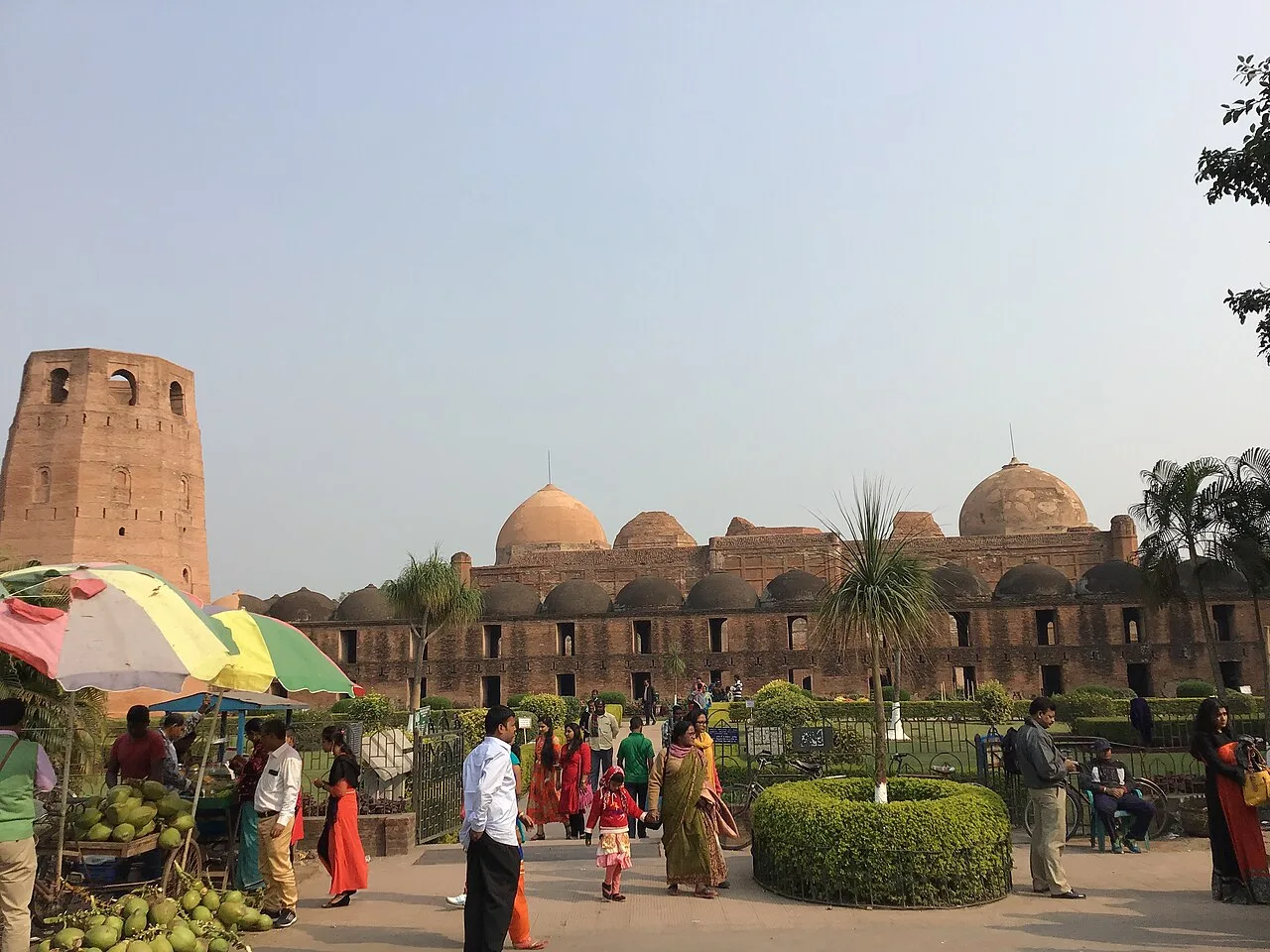
  2. 2Katra Masjid
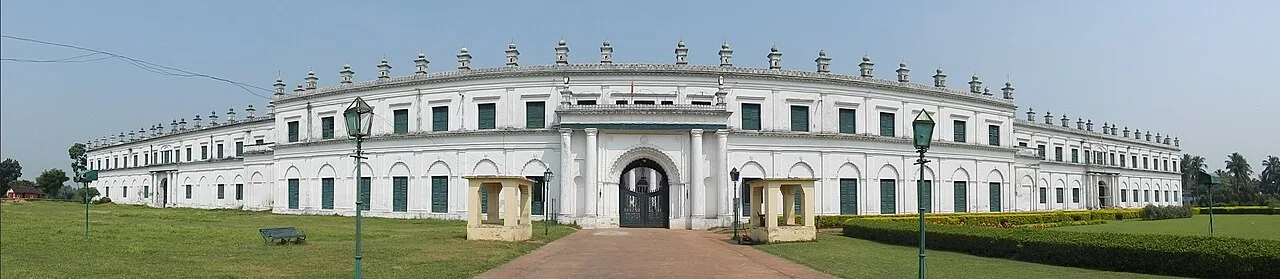
  3. 3Nizamat Imambara

West Bengal

Other cities to explore