
Ghumoopedia — Explore, Discover, Experience
Sign in
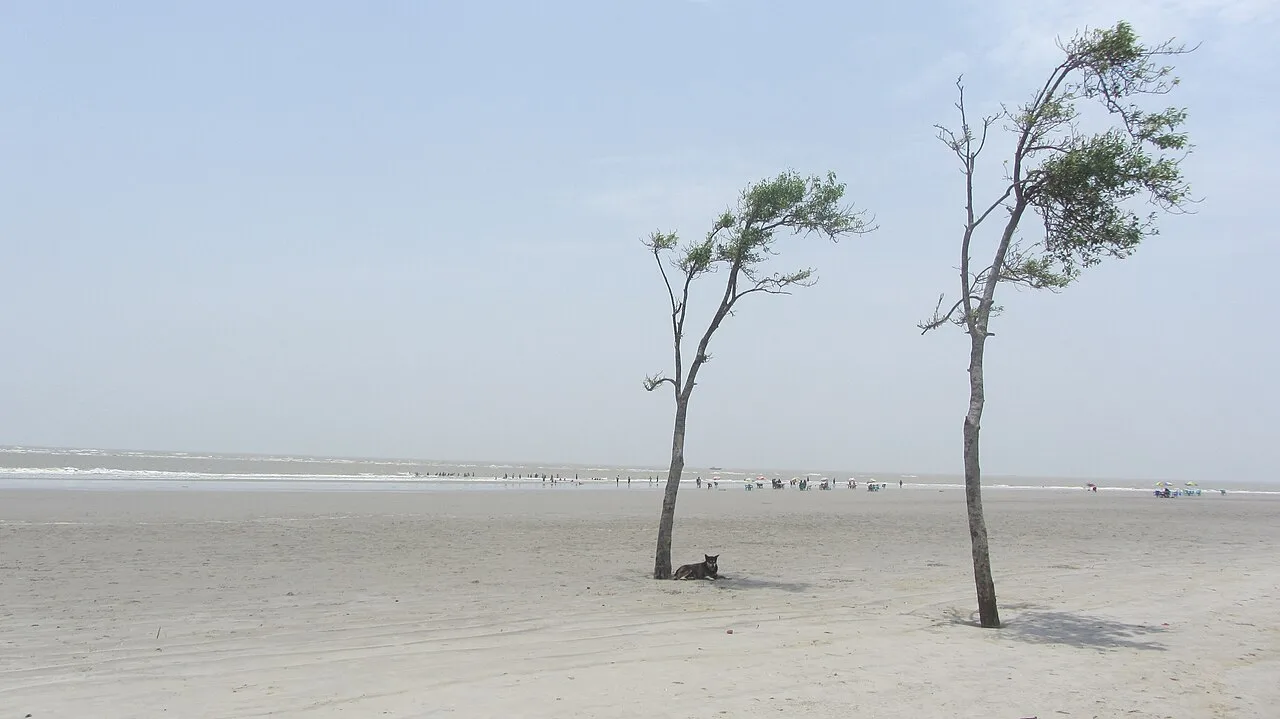
Bakkhali, near Kakdwip

City guide · West Bengal

Kakdwip

Kakdwip is a riverbank town in South 24 Parganas, on the eastern side of the Hooghly, and the administrative headquarters of Kakdwip subdivision. Its importance comes from its position in the Ganges delta: it serves nearby settlements and is a practical staging point for journeys towards Sagar Island and the southern coastal belt.

Famous for

  • Sagar Island ferry access
  • Tebhaga movement history
  • Hooghly River setting
  • Sundarbans delta gateway
  • Kakdwip subdivision headquarters
In the city
0
Nearby
2
District
South 24 Parganas
Plan a trip

Why Kakdwip matters

Kakdwip is a riverbank town in South 24 Parganas, on the eastern side of the Hooghly, and the administrative headquarters of Kakdwip subdivision. Its importance comes from its position in the Ganges delta: it serves nearby settlements and is a practical staging point for journeys towards Sagar Island and the southern coastal belt. Visitors use the area’s road and ferry connections when travelling to Gangasagar, while Kakdwip itself offers a glimpse of everyday life in a low-lying delta region shaped by waterways, farming and fishing.

The town is also remembered for its place in the Tebhaga movement. In 1946, Kakdwip and nearby Namkhana became major centres of peasant agitation, giving the area a significant place in Bengal’s agrarian history. Today, administrative services, local commerce and transport links give Kakdwip a regional role beyond tourism. Its appeal is less about monumental sights than about its river setting, its connection to island journeys and the history of the surrounding countryside.
Famous for: crafts, trade & products

Kakdwip is not especially known as a centre for a signature textile, handicraft or GI-tagged product. Its commercial character is more practical and regional: the town’s shops and markets serve residents of Kakdwip and surrounding delta settlements. Visitors can look for everyday Bengali goods, locally grown produce and fish in ordinary market areas, though availability varies by season. There is no single specialist shopping district or celebrated craft bazaar for which the town is widely recognised.

Local trade is connected to the needs of a largely rural subdivision, as well as to travel towards the coast and Sagar Island. Small shops offer food, household supplies and travel necessities; market streets are the best place to see this everyday commerce. Fish and rice are central to the wider food culture of coastal South Bengal, but Kakdwip should not be presented as the source of a particular famous dish or product. For visitors, the town’s strongest identity is as an administrative and transport centre rather than a destination for textiles, luxury shopping or organised craft tourism.

History

Kakdwip’s history is closely tied to the changing landscape and settlement of the Ganges delta. Rivers, channels and low-lying land have shaped how people lived and moved through the area, while the town grew as a service centre for surrounding rural communities. Its modern administrative importance is reflected in its role as the headquarters of Kakdwip subdivision.

The defining political episode associated with the town was the Tebhaga movement of 1946. This campaign for a greater share of crops for tenant cultivators spread through parts of what is now South 24 Parganas, with Kakdwip and Namkhana among its principal centres. The movement made the area an important setting in Bengal’s agrarian history. Beyond this well-established connection, Kakdwip’s growth is best understood through its regional functions rather than through a succession of rulers or prominent royal monuments. In modern times, roads, rail services and ferry links have strengthened its role as a centre for administration, local trade and journeys to nearby islands.

Food, festivals & culture

Bengali is the principal language of daily life, and the town’s food culture reflects coastal South Bengal. Rice with fish is a familiar meal, alongside lentils, vegetables and seasonal produce. Local eateries generally cater to residents and travellers rather than offering a distinct culinary tradition associated only with Kakdwip. Bengali sweets and snacks can be found in ordinary sweet shops, but the town is not widely identified with a particular signature sweet.

Durga Puja in autumn is a major occasion, with neighbourhood pandals and community gatherings; Kali Puja follows later in the season. Saraswati Puja is also observed, while Bengali New Year brings its own local celebrations. The Gangasagar Mela, held on Sagar Island around Makar Sankranti in January, brings pilgrims through the wider region and makes Kakdwip a useful transit point, though the principal pilgrimage gathering is on the island. Hindu temples and neighbourhood shrines serve local worshippers. Bengali folk traditions are part of the broader cultural landscape, alongside devotional music heard during festivals and religious occasions.

Visiting the city

The cooler, drier months from about November to February are generally the most comfortable for visiting. Monsoon rains can disrupt travel in this low-lying delta, and coastal weather may change quickly. The nearest major airport is Netaji Subhas Chandra Bose International Airport in Kolkata; Kakdwip has its own railway station, Kakdwip railway station, connected to the Sealdah–Namkhana route.

Auto-rickshaws, cycle-rickshaws and local buses are useful for getting around town and nearby areas. For Sagar Island, travellers commonly continue to Harwood Point, also called Lot 8, and cross by ferry to Kachuberia before travelling onward. Explore the town’s market streets and river-facing surroundings for a feel of local life. Check current ferry and road conditions before setting out, especially during unsettled weather.

Short trips

Around Kakdwip

Within about 40 km — easy half-day or day trips from the city.

Map

Kakdwip on the map

  1. 1Bakkhali
  2. 2Sagar Island

West Bengal

Other cities to explore