
Sagar Island
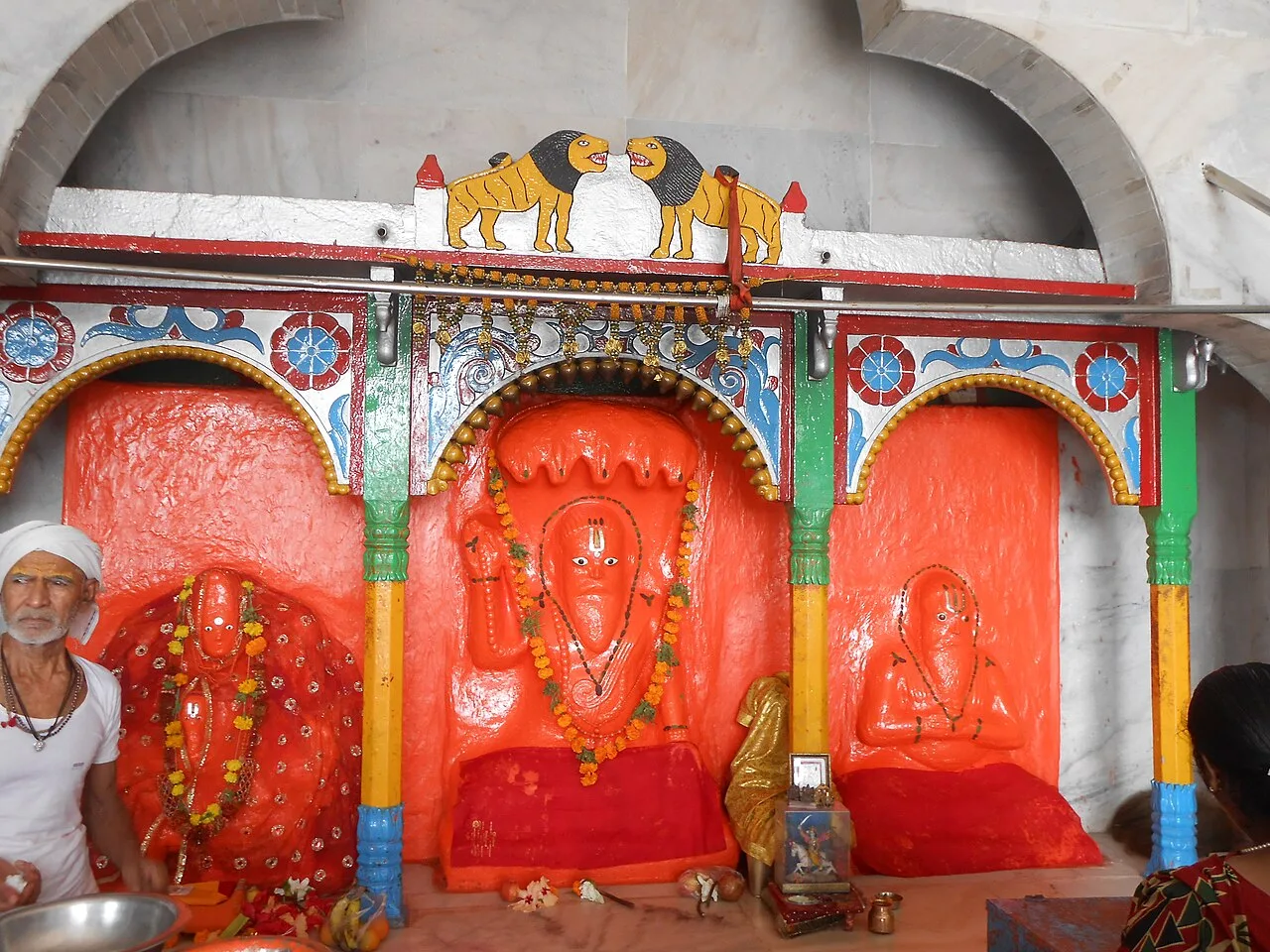
Sagar Island, in West Bengal’s South 24 Parganas district, is the state’s largest island in the Ganges delta. Hindu pilgrims visit to bathe where the Ganges meets the Bay of Bengal and pray at Kapil Muni Temple.
Key facts · verified by Ghumoopedia editors
- Type of place
- Natural attraction
- Best time to visit
- October to March for the plains and coast; March to May and October to December for the Darjeeling hills
- Nearest railway station
- Namkhana · about 20 km (straight line)
- Verified
- 21 Nov 2026
Plan a trip from Sagar Island — a day-by-day route through places nearby.
Sagar Island lies in West Bengal’s South 24 Parganas district, within the Ganges delta and on the continental shelf beneath the Bay of Bengal. Kolkata is about 100 km to its north, equivalent to 54 nautical miles. It is West Bengal’s biggest island. Administratively, it forms Sagar CD Block, within Kakdwip subdivision of South 24 Parganas district. Though included in the Sundarbans, Sagar has none of the mangrove forests, small river channels or tiger presence characteristic of the wider delta. Sagar is also a Hindu pilgrimage destination. Each year, on Makar Sankranti (14 January), hundreds of thousands of Hindus come to bathe where the Ganges meets the Bay of Bengal and pray at Kapil Muni Temple. Kolkata Port Trust has a pilot station and a lighthouse on the island. West Bengal stretches from the Himalayan tea gardens of Darjeeling to the mangrove delta of the Sundarbans, with Kolkata's colonial architecture, the terracotta temples of Bishnupur, Tagore's Santiniketan and the Nawabi heritage of Murshidabad. The plains are hot and humid from March to June, receive heavy monsoon rain from June to September and are pleasant from November to February; the Darjeeling hills are cool year-round and cold in winter, and the coast and Sundarbans can be hit by cyclones in May and October–November. The usual best time to visit is October to March for the plains and coast; March to May and October to December for the Darjeeling hills. Timings, fees and access arrangements must be confirmed locally. For official information, see West Bengal Tourism at https://wbtourism.gov.in.
Why it matters
Sagar Island lies in the Ganges delta on the Bay of Bengal coast, in South 24 Parganas district. It is the largest island in West Bengal and forms the Sagar community development block. Its best-known site is the Kapil Muni Temple, a Hindu pilgrimage destination associated with Gangasagar, where the Ganges river system meets the sea. The annual Makar Sankranti gathering draws pilgrims from across India, making the island important to regional religious life as well as coastal communities. Kolkata Port Trust has a pilot station and a lighthouse on the island. No UNESCO or Archaeological Survey of India designation is confirmed here; check official sources for current conservation or access status.
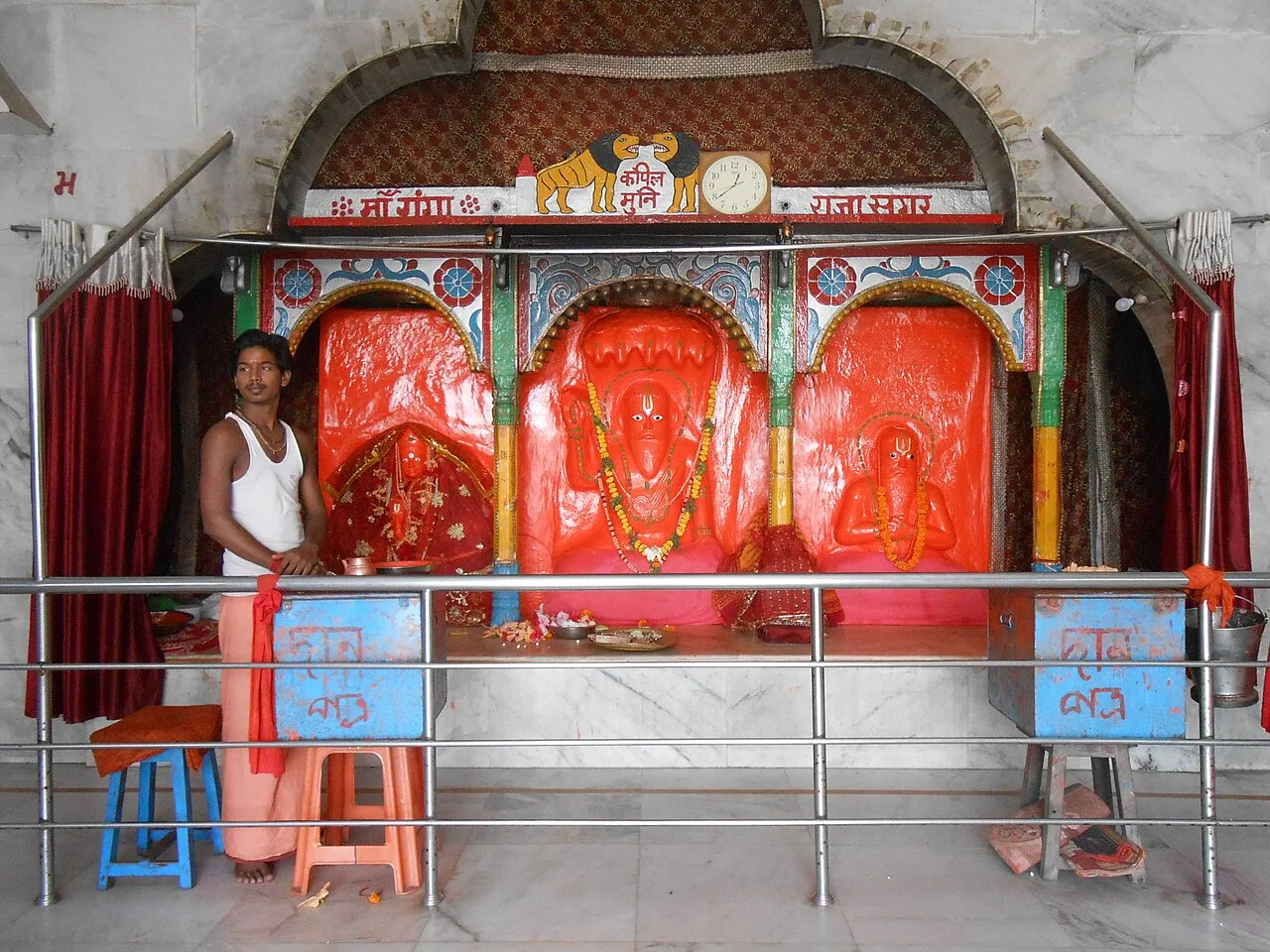
Sagar Island’s history is shaped by its position at the changing edge of the Ganges delta. River channels, tides, coastal erosion and storms have altered the shoreline over time, affecting settlements and places of worship. The island is traditionally associated with the story of King Sagar and the sage Kapila, and the pilgrimage to Gangasagar has been maintained across generations. Historical accounts and religious traditions connect the site with the sacred journey of the Ganges to the sea, though particular early dates and details are not firmly established here. The Kapil Muni Temple has been rebuilt or relocated as coastal conditions changed; descriptions of its origins and earlier locations vary, so a single founding date should not be assumed. In modern times, improved ferry and road connections have made the pilgrimage more accessible, while the annual Makar Sankranti fair has grown into a large gathering that requires temporary transport, sanitation and crowd-management arrangements. Sagar Island is also an inhabited rural area, not solely a pilgrimage ground: farming, fishing and other local livelihoods continue alongside seasonal visitor services. Its present character reflects both this everyday island life and the major influx of pilgrims during the festival.
Origin stories & folklore
According to local religious tradition, King Sagar performed a great ritual and his many sons were reduced to ashes after disturbing the sage Kapila during his meditation. Their descendant Bhagiratha is said to have brought the river Ganga down from heaven so that her waters could purify the souls of the dead. The story associates the river’s journey and its meeting with the sea with Gangasagar, and links the pilgrimage to the Kapil Muni Temple. Versions differ in detail, and these accounts belong to Hindu sacred tradition rather than verifiable island history. Visitors can observe the devotional practices respectfully without treating ritual spaces as spectacle.
Spend unhurried time at Sagar Island: walk the marked paths, use official viewpoints and ask locally whether a guide, entry ticket or forest permission is needed. In the Sundarbans, stay on the boat or inside fenced watchtowers — tigers and crocodiles live here, and stepping onto the mud banks is forbidden. Wildlife sightings are never guaranteed — patience and quiet improve your chances. A comfortable itinerary is one main visit in the morning, a local meal at midday and a short nearby stop before an afternoon return. Use the district list on this site to find other places in South 24 Parganas, but check the route and its condition before combining stops. If a festival is on — such as Durga Puja, Kali Puja or the Poush Mela at Santiniketan — roads and stays can be busy, and the experience can be unforgettable. Leave no litter: many sites are protected by the communities around them.
Suggested itineraries
Half day: Reach the Gangasagar area, visit the Kapil Muni Temple, spend time at the shore and return; allow several hours, plus ferry and road transfers. Full day: Travel by ferry to the island, visit the temple and bathing area, take a meal break, explore nearby village or coastal surroundings respectfully, then return; keep the schedule flexible for tides and queues. Gentler option: Limit walking to the temple vicinity, take seated breaks, and arrange vehicle support locally; avoid crowded peak periods where possible.
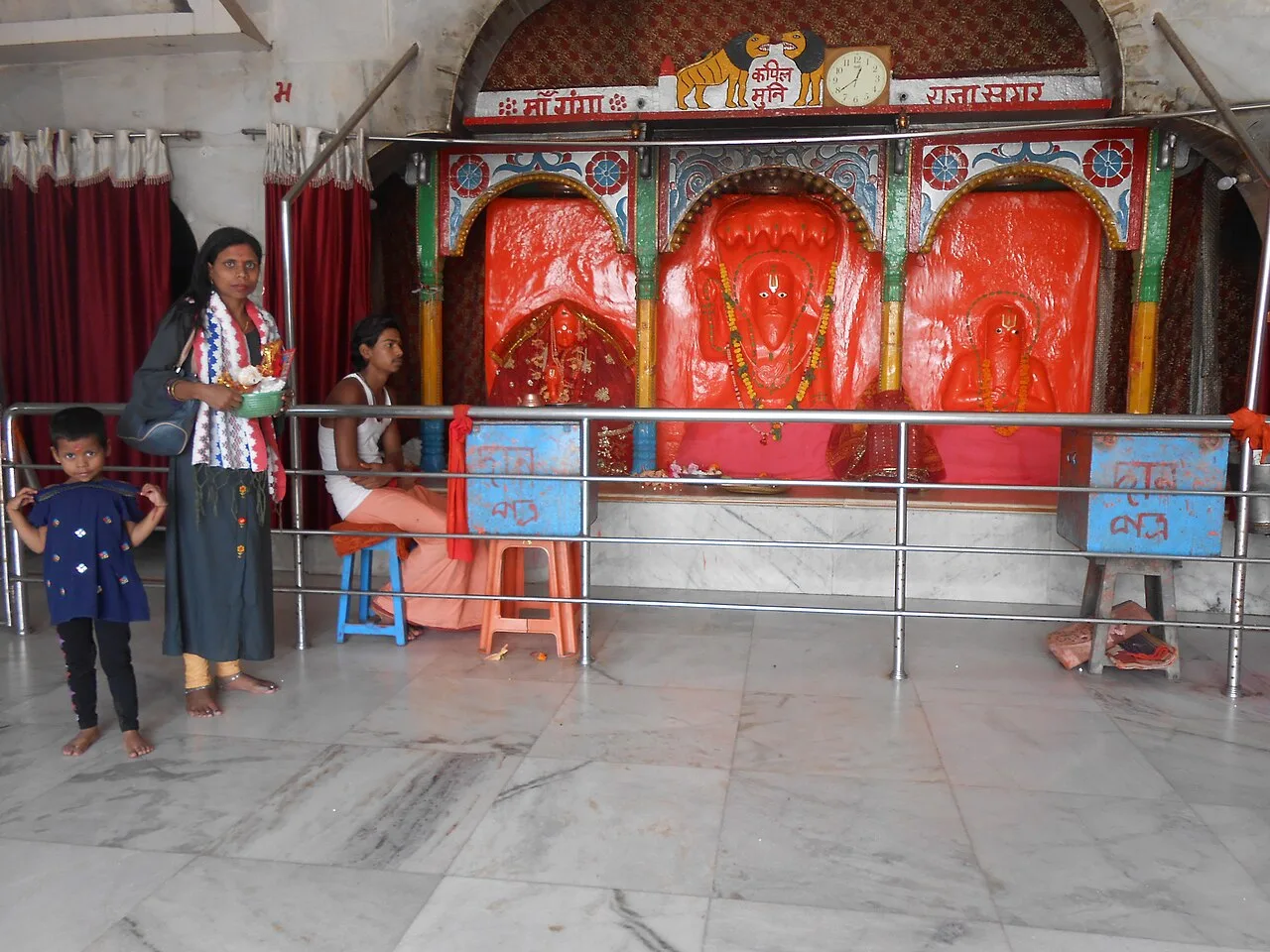
The island’s cultural life combines everyday Bengali rural traditions with the devotional atmosphere of Gangasagar. Bengali is widely spoken; Hindi and other languages may also be heard among pilgrims and seasonal workers. At the Kapil Muni Temple and the bathing area, visitors may encounter prayer, offerings, devotional songs and ritual bathing, especially during the Makar Sankranti gathering. The fair brings religious organisations, vendors and performers, though programming can vary by year. Local food, clothing and social customs reflect the wider coastal districts of Bengal. Dress modestly near worship areas, ask before photographing people, and follow any instructions about ritual spaces or bathing zones.
Local communities
Sagar Island is home to Bengali-speaking rural communities whose livelihoods include agriculture, fishing, small trade and work connected with transport or visitors. Conditions vary between settlements, and many households combine more than one source of income. Ferry services and the annual pilgrimage also bring workers, vendors, boat crews and pilgrims from elsewhere. The large seasonal gathering can create both business opportunities and pressure on local services, roads and waste management. Visitors should use local services respectfully, avoid littering and ask permission before photographing residents, workers or private property.
Festivals & events
The main event is Gangasagar Mela, held around Makar Sankranti in January. Pilgrims gather for ritual bathing at the coast and worship at the Kapil Muni Temple. The event is among the largest seasonal gatherings in the region and can bring crowded ferries, busy roads, temporary facilities and limited availability of accommodation. Smaller observances at the temple take place through the year, but their scale and arrangements vary. Check district and ferry notices before travelling during the mela, allow extra time for queues, and follow crowd-control directions.
Local food in West Bengal includes macher jhol (fish curry), shorshe ilish (hilsa in mustard), kosha mangsho, luchi with alur dom, kathi rolls and phuchka in Kolkata, mishti doi, rosogolla and sandesh; in the Darjeeling hills, momos, thukpa, shaphaley and first-flush Darjeeling tea. Ask what is fresh that day; many small eateries cook a limited daily menu. Vegetarian travellers eat well across the state, and most towns also have fish and meat dishes. Remote sites may have no restaurant at all. Carry water and snacks, eat a proper breakfast before long drives, and ask your accommodation for a packed lunch if you are heading out early. Try a home-cooked or local thali meal when you can — it is often the best food on the route. Choose busy, clean places, drink sealed or filtered water, and carry your packaging back with you.
Shopping & local experiences
Around the temple and during Gangasagar Mela, visitors may find devotional offerings, simple souvenirs, snacks and everyday goods sold by local vendors. The range and quality vary, and the busiest selection is seasonal. Look for locally prepared Bengali food where it is freshly made and handled hygienically. Small purchases can support island businesses, but avoid buying items made from wildlife, shells or other restricted natural materials. Carry reusable bags, dispose of packaging responsibly and ask before photographing vendors or their stalls.
Sagar Island is a low-lying coastal island in the Ganges delta, with settlements, cultivated land, river channels and open shore along the Bay of Bengal. Tides and shifting sediments shape its coastline, while monsoon rain and cyclones can affect conditions. The island is part of the wider Sundarbans region, but, as published accounts note, it does not have the characteristic mangrove forests, small tidal tributaries or tiger habitat of much of the Sundarbans. Shorebirds and other common coastal and wetland birds may be present, but sightings vary by season and location. Visitors should keep away from unstable banks and respect local advice about tides, weather and bathing conditions.
October to March for the plains and coast; March to May and October to December for the Darjeeling hills
The nearest principal railway station by straight-line distance is Namkhana, roughly 20 km away. The nearest operating airport by straight-line distance is Netaji Subhas Chandra Bose International Airport, Kolkata, roughly 120 km away. These figures are calculated from map coordinates — actual road distance is longer. Howrah, Sealdah and Kolkata stations and Kolkata airport serve the south; New Jalpaiguri station and Bagdogra airport near Siliguri are the gateways to the Darjeeling hills and the Dooars. The final leg is by boat or ferry; tours usually start from Godkhali, Sonakhali or Canning, and boat movement depends on the tides. When comparing train, bus and flight, count the complete door-to-door time: a flight saves the most time only if the onward road transfer is short, while an overnight train can save a hotel night. Book your return before you leave, because seats fill quickly on weekends, festivals and holidays. Current train numbers, timings, return services and fares are not listed here; check IRCTC and NTES for trains and the airline's own schedule for flights. No permit is needed for Indian citizens to visit West Bengal. Entry to the Sundarbans Tiger Reserve needs a forest permit, usually arranged through a registered boat operator or the forest office at Sajnekhali or Canning; trekking in Singalila National Park (Sandakphu) needs an entry permit and a registered guide from Maneybhanjan. Durga Puja in October brings huge crowds to Kolkata, so book transport and stays well ahead.
Confirm onward and return timings on IRCTC / NTES, the state bus operator or your airline before travel. A dash means current timings or fares have not been verified.
Getting around
Most visitors reach the island by ferry from the Kakdwip area to Kachuberia, then continue by road toward Gangasagar and the temple area. Ferry operations depend on local conditions and may be especially busy during the Makar Sankranti gathering, so confirm the current route and arrangements before travel. On the island, local buses, shared vehicles, autos or hired cars may operate, but availability can vary by season and settlement. Walking is practical for short distances near the pilgrimage area, though roads can be crowded. Ask locally about parking and the final approach to your destination.
Hours, tickets & permissions
Access arrangements can differ between the Kapil Muni Temple, the mela grounds and ferry facilities. There may be crowd-control measures, temporary restrictions or rules for particular areas, especially during the pilgrimage season. Do not assume that a ticket, permit or camera is required or allowed; confirm current entry rules, hours and any fees with the relevant local or district authority before setting out. Follow signs and instructions from temple staff, ferry personnel and event officials, and keep identification available if requested by authorities.
Facilities
Facilities are most concentrated around the temple and pilgrimage area, and may expand temporarily during Gangasagar Mela. Food stalls and basic refreshments are usually available, while toilets and drinking-water access can vary in condition and location; check locally and carry water in a reusable bottle. Small shops and local transport may be available, but do not assume that ATMs, medical services, public parking or English-speaking guides are close by. Ask about facilities before beginning the island journey, and carry essential medicines and any personal supplies you need.
Accessibility
The island’s low-lying roads and approaches may be uneven, and some stretches near the shore can be sandy or exposed. Walking distances between ferry points, vehicle drop-offs, the temple and coastal areas can be tiring, particularly in heat or during festival crowds. Shade and seating are not guaranteed along every route. Wheelchair and stroller access may be difficult where surfaces are rough, crowded or sandy; confirm conditions locally before travelling. Older visitors may find the ferry transfer, queues and standing periods demanding. Consider travelling outside the busiest festival period, taking frequent rests and arranging assistance for transfers.
No permit is needed for Indian citizens to visit West Bengal. Entry to the Sundarbans Tiger Reserve needs a forest permit, usually arranged through a registered boat operator or the forest office at Sajnekhali or Canning; trekking in Singalila National Park (Sandakphu) needs an entry permit and a registered guide from Maneybhanjan. Durga Puja in October brings huge crowds to Kolkata, so book transport and stays well ahead. Carry a photo ID at all times and save the emergency number 112 and your accommodation's contact offline. Heat in summer and heavy rain in the monsoon are the main weather risks; carry water, avoid midday sun and allow extra time when roads flood. Stay on marked paths, keep away from cliff edges and fast water, and never approach wild animals.
Photography
Soft morning or late-afternoon light can suit views of the coast, river mouth and temple surroundings, though weather and tide conditions affect the scene. Use public paths and viewpoints, and follow any signs or staff instructions about photography inside worship areas. Ask permission before photographing residents, pilgrims at close range or private activities; avoid interrupting prayers and bathing rituals. Drone use may be restricted by aviation rules, local authorities or event security, so do not fly without checking current permissions. Protect equipment from sand, salt spray and sudden rain.
Choose a stay by the full journey to Sagar Island, not just the district name. Kolkata offers the widest choice; on the coast, Digha and Mandarmani have many hotels, and the Sundarbans have eco-resorts and boat stays near Pakhiralay and Bali island. In summer, check air-conditioning; in the monsoon, check that the property is accessible if roads flood. Book in advance for weekends, festivals and the peak season (October to March for the plains and coast; March to May and October to December for the Darjeeling hills). Confirm the exact location, meals included, check-in time and cancellation terms in writing. Avoid sending money to unverified contacts or touts at stations. Carry some cash, as card and digital payments can be unreliable in remote areas.
Kakdwip is the main mainland town associated with ferry access to Sagar Island and can be useful for travel arrangements. In the wider South 24 Parganas coastal area, Bakkhali, Fraserganj and Henry Island are recognised seaside destinations that may suit a separate trip. Jambudwip is another nearby coastal destination, but access can depend on permissions, boat arrangements and local conditions; confirm before planning a visit. These places are not all convenient add-ons to a single day on Sagar Island. Check current routes and allow adequate time for ferry and road transfers.
For couples, Sagar Island rewards a slow pace: arrive early for soft light and fewer crowds, share a local meal and keep the evening free. A toy-train ride in the Darjeeling hills, a boat on the Hooghly at sunset or an evening of adda over tea in Kolkata makes the trip memorable. Public displays of affection can be frowned upon in conservative communities and at religious sites, so be discreet. Keep a buffer in your itinerary, because weather and road conditions can delay plans.
Q: How much time should I allow for Sagar Island? A: Allow at least a substantial part of a day for the temple and shore, with additional time for ferry and road transfers; festival travel can take longer. Q: When is a good season to visit? A: October to March is generally more comfortable for the plains and coast. The Makar Sankranti gathering in January is significant but especially crowded. Q: Is entry to the island or temple ticketed? A: Rules can vary by location and event. Confirm current access requirements and any fees with local or district authorities before travelling. Q: Can children and older visitors make the trip? A: Yes, but ferry transfers, crowds, heat and uneven or sandy surfaces can be tiring. Plan breaks and avoid peak crowds if easier movement is a priority. Q: Can I stay nearby? A: Accommodation options may be available on the island and in nearby mainland towns, but availability varies. Check current facilities and book ahead during the pilgrimage season.
Be the first to share photos, stories, advice or a helpful contact for Sagar Island.
Loading…