
Ghumoopedia — Explore, Discover, Experience
Sign in
Serampore, near Serampore

City guide · West Bengal

Serampore

Serampore is a city in West Bengal’s Hooghly district, with a history tied to Danish India and a setting beside the Hooghly River. Visitors may come to learn about these connections.

Famous for

  • Danish colonial heritage
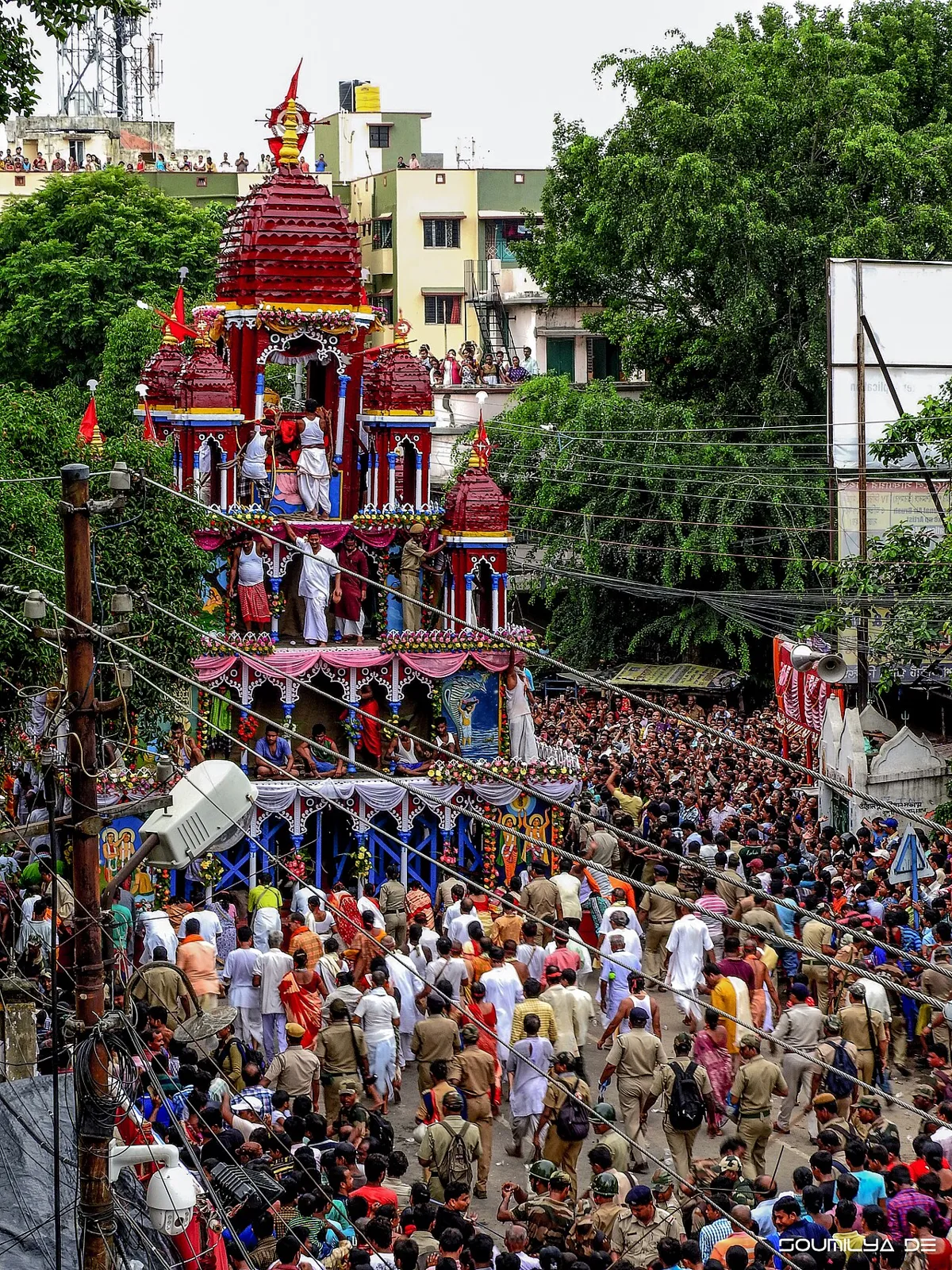
  • Mahesh Rath Yatra
  • Hooghly riverfront
  • Historic cotton and silk weaving
  • Serampore College
  • Jute-mill heritage
In the city
1
District
Hooghly

Why Serampore matters

Visitors come for the Danish-era streetscape, historic churches and civic buildings, and the celebrated Jagannath temple and Rath Yatra at nearby Mahesh. Serampore College is another landmark, while the town’s older reputation for cotton and silk weaving and its jute-mill past reflect the wider industrial history of the Hooghly corridor. Local markets, narrow lanes and views across the river offer a less formal way to experience the city. Neighbouring Baidyabati and river-linked Barakpur can be included in a broader exploration of the area, whose settlements grew along trade, transport and industry routes.

Famous for: crafts, trade & products

The area’s industrial story is closely tied to jute. Mills developed in Serampore and nearby Rishra during the nineteenth century, turning the river corridor into an important manufacturing belt; the legacy is visible in the region’s old mill neighbourhoods and workers’ settlements. Serampore’s textile-education tradition is represented by its textile college, while Serampore College is a major historic institution. For visitors, the Danish-era riverfront and central markets are the best places to encounter the town’s built heritage and present-day commerce; for specialist textiles, check local shops rather than expecting a dedicated craft bazaar.

History

In 1755, the Danish East India Company established a settlement here, later known as Frederiknagore. Trade in textiles and other goods expanded, and the town acquired a bazaar, civic buildings and a developed riverfront. The Danish period ended when the settlement was sold to Britain in 1845. Rail access arrived with the Howrah–Bardhaman line in 1854, helping accelerate industrial growth. Jute mills and associated factories spread through Serampore and neighbouring towns, drawing workers from elsewhere in India. The municipality was formed in 1865, and later civic improvements included piped filtered water, a town hall and electricity. Serampore’s present character reflects these overlapping village, colonial, commercial and industrial histories.

Food, festivals & culture

The best-known local celebration is the Rath Yatra at Mahesh, held in the early monsoon season, which draws devotees and visitors for the chariot procession and accompanying fair. Durga Puja fills neighbourhoods in autumn, followed by Kali Puja; Saraswati Puja is observed in winter. Devotional kirtan and Bengali folk and popular music are part of community celebrations. Mahesh’s Jagannath temple and Serampore’s Hindu temples, churches and mosques reflect the town’s varied religious and social history.

Visiting the city

Autos, buses and cycle rickshaws are useful for short journeys, while local trains and road transport connect the town with neighbouring places. Explore the old Danish-era streets and riverfront, the central market around Tin Bazaar, and Mahesh for its temple and Rath Yatra traditions. Baidyabati is close by, and Barakpur can be added to a wider Hooghly-side itinerary. Allow time to walk the older lanes, where historic buildings sit alongside busy shops and residential neighbourhoods.

Attractions

Places to visit in Serampore

Sights within about 12 km of each other, even when they fall in different districts.

Map

Serampore on the map

  1. 1Serampore

West Bengal

Other cities to explore