
Ghumoopedia — Explore, Discover, Experience
Sign in
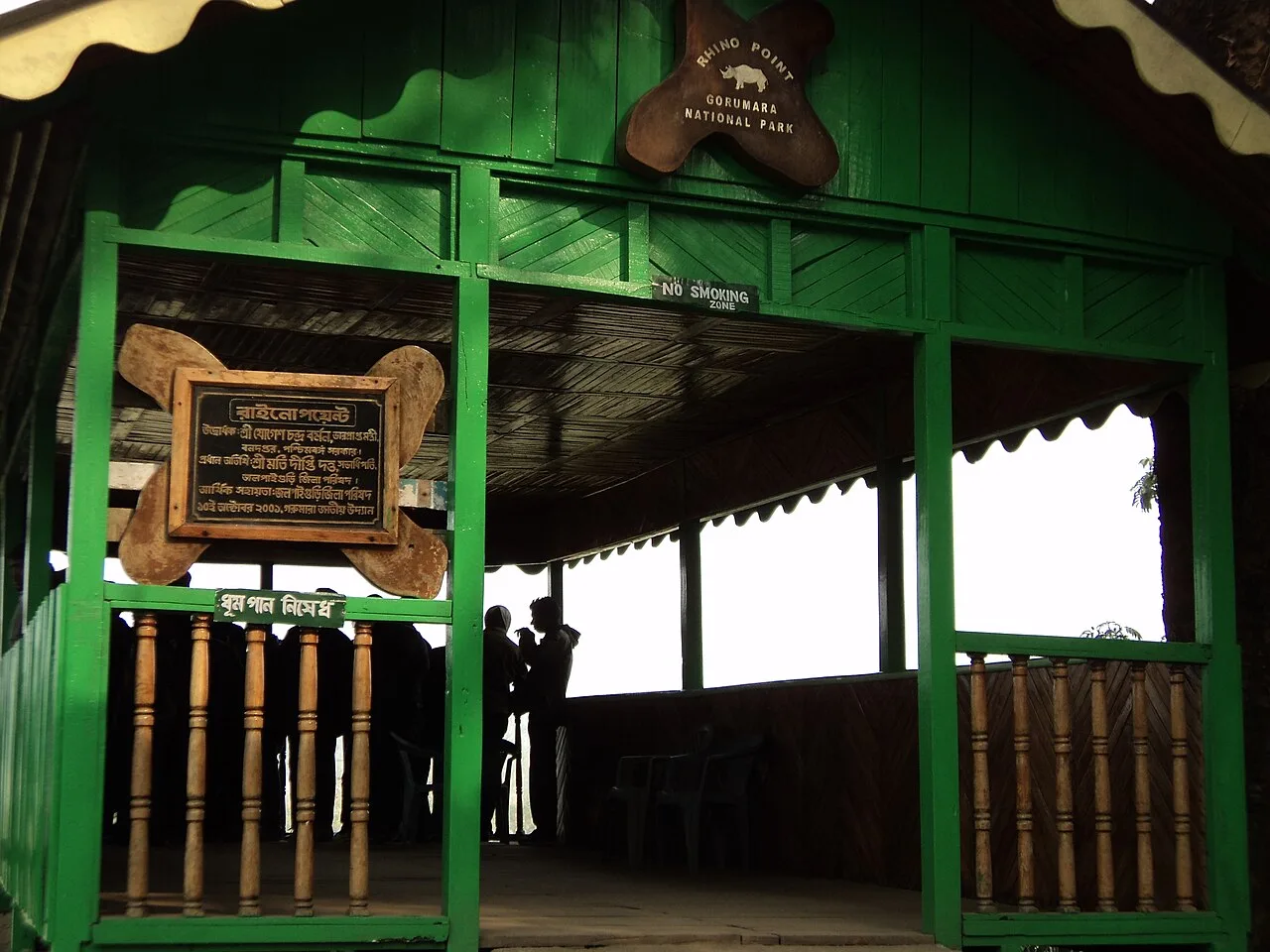
Gorumara National Park, near Maynaguri

City guide · West Bengal

Maynaguri

Maynaguri, also written Mainaguri, is a municipality in Jalpaiguri district and an important local centre in the northern Dooars. Its position among the roads and settlements of North Bengal makes it a useful base for reaching nearby towns, tea-growing areas and nature destinations.

Famous for

  • Gateway to the Dooars
  • Jalpesh Shiva Temple
  • Gorumara National Park access
  • Dooars tea-growing region
  • Jarda River
In the city
0
Nearby
1
District
Jalpaiguri
Plan a trip

Why Maynaguri matters

Maynaguri, also written Mainaguri, is a municipality in Jalpaiguri district and an important local centre in the northern Dooars. Its position among the roads and settlements of North Bengal makes it a useful base for reaching nearby towns, tea-growing areas and nature destinations. The town is often called the Gateway of the Dooars, a region known for its forests, rivers and wildlife.

Visitors are drawn especially to Jalpesh Temple, an important shrine to Lord Shiva, and to Gorumara National Park, which lies in the wider surrounding region. The Jarda River runs by the town, adding to its setting in a landscape shaped by waterways, farms and tea estates. Maynaguri is not a large resort town; its appeal comes from its religious importance, everyday market life and access to regional attractions. It also serves local residents as a centre for trade and services, linking rural communities with the district’s larger towns.

Famous for: crafts, trade & products

Maynaguri is better known for regional trade and access to the Dooars than for a specialised craft industry. No distinctive city-specific saree, handicraft or GI-tagged product is widely associated with it. Tea is a prominent product of the wider Dooars, while paddy and seasonal farm produce are part of the surrounding rural economy. These goods move through local commerce, although the town is not chiefly known as a tea-manufacturing centre.

The town’s bazaar and shops are practical places to look for everyday goods, groceries and locally available produce. Visitors may find packaged tea from the broader North Bengal region in local retail shops, but selection varies. Maynaguri’s strongest visitor-facing institution is Jalpesh Temple, which brings pilgrims and supports activity around the shrine, particularly during major religious gatherings. For specialised crafts, textiles or a wider range of regional products, travellers may find more choice in larger district centres. The town’s significance lies less in a signature product than in its role as a market and service point for surrounding settlements and Dooars-bound journeys.

History

Maynaguri’s past is tied to the history of the wider northern Bengal region. The area formed part of territories associated with the Kamata and Koch kingdoms, whose rulers shaped local political and religious life. Jalpesh Temple, dedicated to Shiva, has long been an important place of worship; its history includes rebuilding and patronage over several periods, though accounts of its earliest origins vary.

During the nineteenth century, British control expanded across the Dooars following conflict with Bhutan and the transfer of the western Duars to British India. The formation of Jalpaiguri district in 1869 gave the region a new administrative framework. Tea cultivation, transport links and expanding markets later reshaped the district’s economy and connected rural settlements more closely to towns. Maynaguri developed as a local trading and service centre within this changing landscape. In modern times, its municipal role and its position near religious and nature-tourism destinations have sustained its importance in the district.

Food, festivals & culture

Maynaguri reflects the varied cultures of North Bengal. Bengali and Rajbanshi are widely spoken, alongside Nepali, Hindi and other languages used by residents and visitors. The region’s folk heritage includes Bhawaiya songs, known for expressive melodies and themes of rural life, travel and longing. Everyday meals commonly centre on rice, fish and seasonal vegetables; Bengali sweets are available in local shops, while recipes and tastes vary across families and communities.

Jalpesh Temple is central to the town’s religious life. Shivaratri draws devotees, and a large fair is held at the shrine during the season of the Hindu month of Shravan, when Shiva worship is especially prominent. Durga Puja and Kali Puja are also observed, alongside festivals celebrated by the area’s diverse communities. The temple precinct and local places of worship offer a glimpse of devotional life, while markets and seasonal fairs bring together residents from nearby settlements. Festival dates follow the Hindu calendar and change from year to year.

Visiting the city

October to March is generally the most comfortable period to visit, with milder weather for temple visits and trips into the Dooars. Monsoon months bring heavy rain and lush scenery, but can make road journeys less predictable. Bagdogra Airport is the nearest major airport for many visitors. New Maynaguri is the main railway station serving the town; Maynaguri Road is another station in the area, so check which one suits your route.

Auto-rickshaws, shared vehicles and local buses help with travel around town, while hired cars are useful for reaching nearby attractions. Explore the bazaar and Jalpesh Temple, then use Maynaguri as a starting point for visits toward Gorumara National Park and other Dooars destinations. Confirm local access arrangements before setting out for protected areas.

Short trips

Around Maynaguri

Within about 40 km — easy half-day or day trips from the city.

Map

Maynaguri on the map

  1. 1Gorumara National Park

West Bengal

Other cities to explore