Ghumoopedia — Explore, Discover, Experience
Sign in
Acharya Jagadish Chandra Bose Indian Botanic Garden, near Amta

City guide · West Bengal

Amta

Amta is a small town in Howrah district, around 40 kilometres southwest of Kolkata. It serves as a local centre for nearby villages, combining everyday markets and services with connections to the wider Uluberia subdivision.

Famous for

  • Melai Chandi Temple
  • Bengali market-town life
  • Local agricultural trade
  • Howrah–Amta rail terminus
Plan a tripHotels near Amta

Why Amta matters

Amta is a small town in Howrah district, around 40 kilometres southwest of Kolkata. It serves as a local centre for nearby villages, combining everyday markets and services with connections to the wider Uluberia subdivision. Its importance is less about grand monuments or large-scale industry than its role in the surrounding rural region and its links by road and rail with Howrah and Kolkata.

The best-known place to visit is the Melai Chandi Temple, which draws worshippers and visitors interested in local religious traditions. Amta’s bazaars offer a glimpse of daily life, with trade in food, household goods and produce from the surrounding countryside. The town can suit travellers looking for a quieter stop beyond central Kolkata, particularly those exploring the district or visiting the temple. It is a working town rather than a resort, so its appeal lies in its everyday Bengali character, neighbourhood worship and local connections.
Famous for: crafts, trade & products

Amta is best known locally for the Melai Chandi Temple and for serving as a market centre for surrounding settlements. There is no widely recognised signature textile, handicraft or GI-tagged product associated specifically with the town. Its commercial life is practical and local: bazaars and small shops cater to residents, while agricultural produce and everyday goods move through the area. Visitors can explore the town’s market streets for a sense of routine trade, though individual stalls and offerings vary by day.

The town is not a major manufacturing or specialist shopping destination, and it is better approached as a place to see local commerce than as a source for a particular craft or branded product. Bengali staples, seasonal vegetables and household necessities are more representative of the market than export-oriented goods. For a more extensive range of textiles, crafts and organised shopping, travellers generally look to larger centres such as Howrah or Kolkata. Around Amta, the temple and nearby bazaar provide the most direct introduction to the town’s local identity and economy.

History

Amta developed as a settlement and service centre for the villages of the lower Bengal countryside. Its history is closely tied to the agricultural landscape and local routes of trade and movement rather than to a major royal court or colonial administrative capital. Like the wider region, it came under successive Bengal administrations and later British rule, but Amta is not widely associated with a single ruler or a defining political event.

The Melai Chandi Temple has long been an important focus of worship and local tradition, although accounts of its origins are rooted in religious memory rather than a single securely established founding date. In more recent times, Amta’s role as a town within Amta I community development block and Uluberia subdivision has supported its position as a centre for nearby communities. Road connections and the railway link to Howrah have strengthened access to larger urban markets and services, while the town itself has retained a distinctly local, rural-region character.

Food, festivals & culture

Bengali is the principal language of everyday life, and the town’s culture reflects the customs of the wider Howrah region. Rice, fish, lentils and seasonal vegetables are familiar parts of local meals. Bengali sweets such as sandesh and mishti doi are widely enjoyed in the region, although they are not unique to Amta. Small eateries and local shops are the easiest places to encounter everyday food; menus and availability can vary.

Durga Puja in autumn is a major occasion across the region, with Kali Puja and Diwali also observed around the same season. Saraswati Puja is commonly celebrated in winter, and worship at the Melai Chandi Temple forms an important part of local religious life. Temple visits and neighbourhood observances offer more insight into community culture than formal performance venues. Bengali devotional music and popular songs are part of religious and social gatherings; specific dance or music traditions are not a defining visitor attraction in Amta. The temple is the town’s most prominent place of worship for visitors to seek out.

Visiting the city

The cooler, drier months from roughly November to February are generally the most comfortable for exploring; summer can be hot, and the monsoon brings heavier rain. The nearest major airport is Netaji Subhas Chandra Bose International Airport in Kolkata. Amta railway station is the local rail terminus, while Howrah Junction is the main gateway for broader rail connections. Check current services before travelling.

Within town, short journeys are usually made by auto-rickshaw, cycle-rickshaw or local road transport; availability can vary. The Melai Chandi Temple and the surrounding bazaar are the natural places to explore on foot. Amta’s market streets show everyday town life, while the nearby countryside offers a quieter contrast. For a wider selection of accommodation, dining and onward connections, travellers may prefer to base themselves in Howrah or Kolkata and visit Amta as a day trip.

Trips from the city

Nearest places to visit from Amta

Our closest destination guides, by straight-line distance.

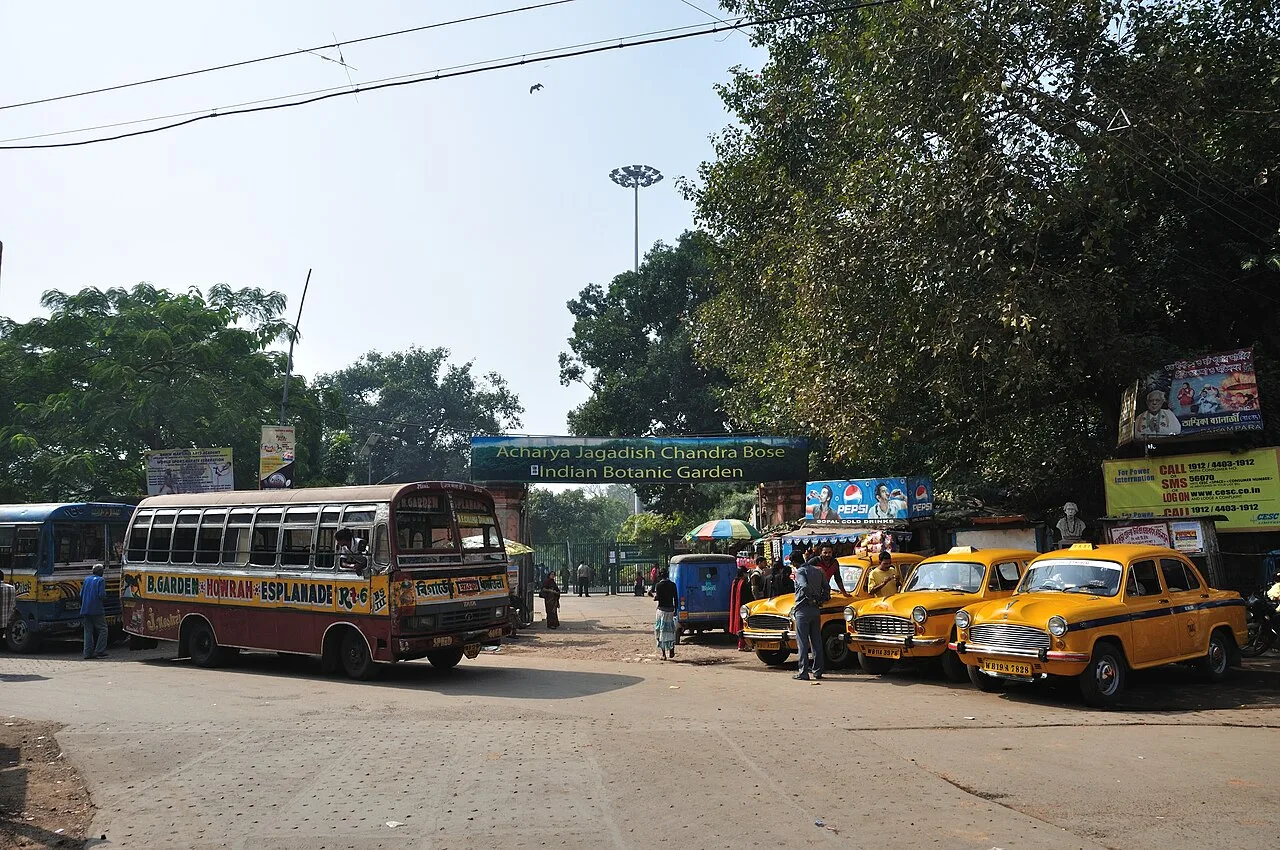
Acharya Jagadish Chandra Bose Indian Botanic Garden

29 km away · Howrah district

Acharya Jagadish Chandra Bose Indian Botanic Garden

The Acharya Jagadish Chandra Bose Indian Botanic Garden is a botanical garden in Shibpur, Howrah, near Kolkata. Visitors come to see its diverse collection of rare plants.

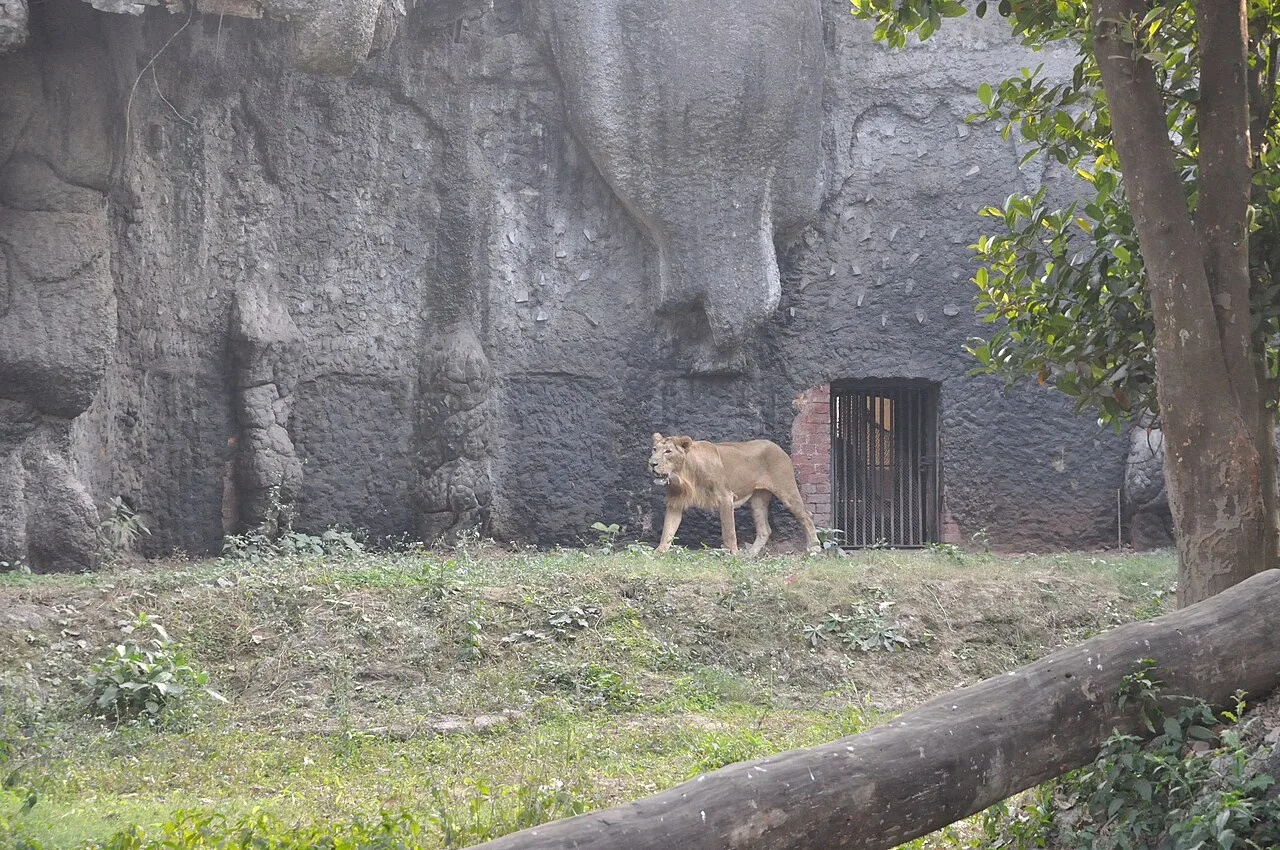
Alipore Zoo

33 km away · Kolkata district

Alipore Zoo

The Zoological Garden, Alipore, commonly called Alipore Zoo, is recognised as India’s oldest formally established zoological park. Its animal collection and breeding work draw visitors to Kolkata.

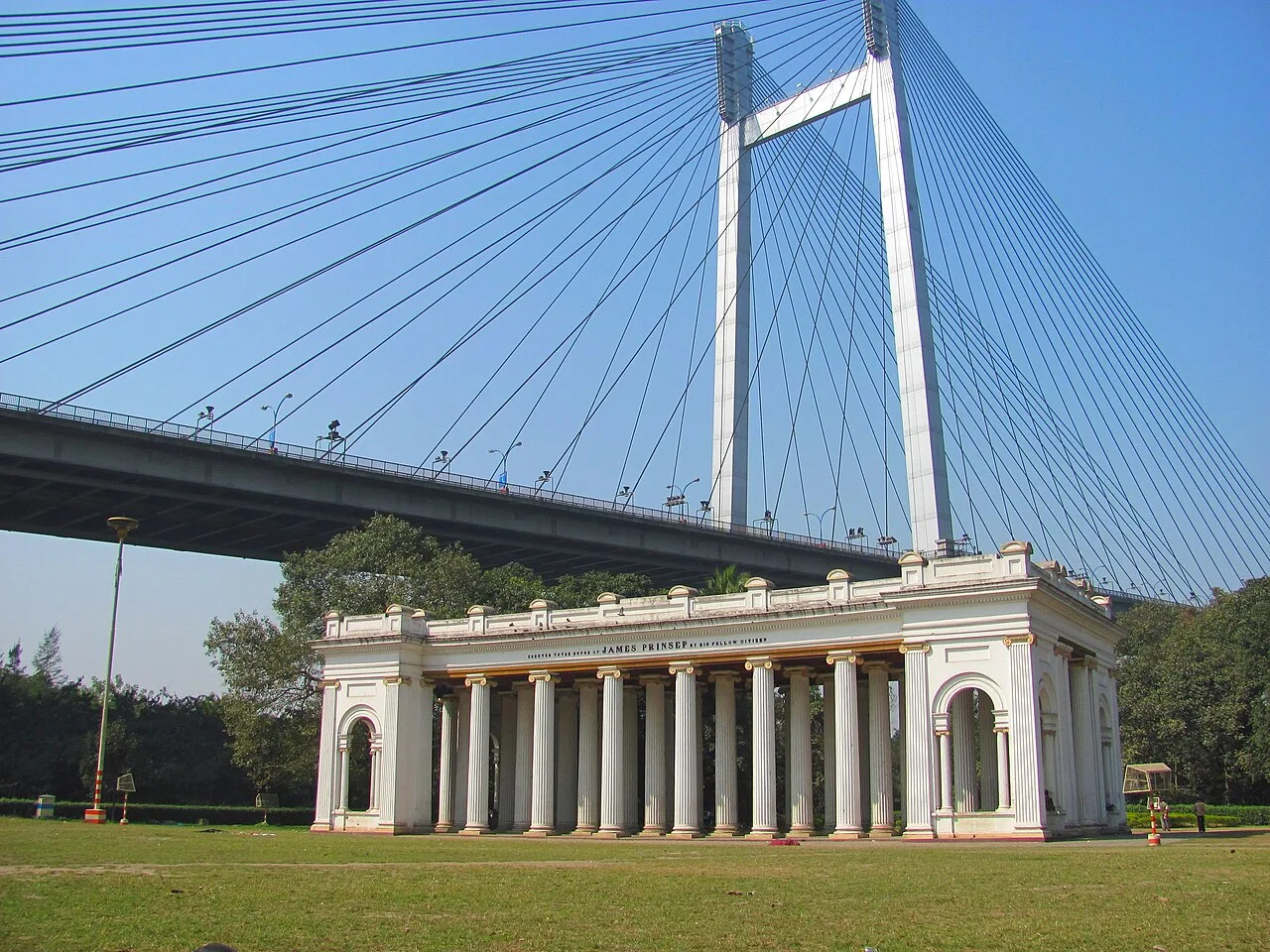
Prinsep Ghat

33 km away · Kolkata district

Prinsep Ghat

Prinsep Ghat is a historic river landing and memorial on Kolkata’s Hooghly riverfront. Visitors come to walk by the water, take boat rides and enjoy the nearby gardens and food stalls.

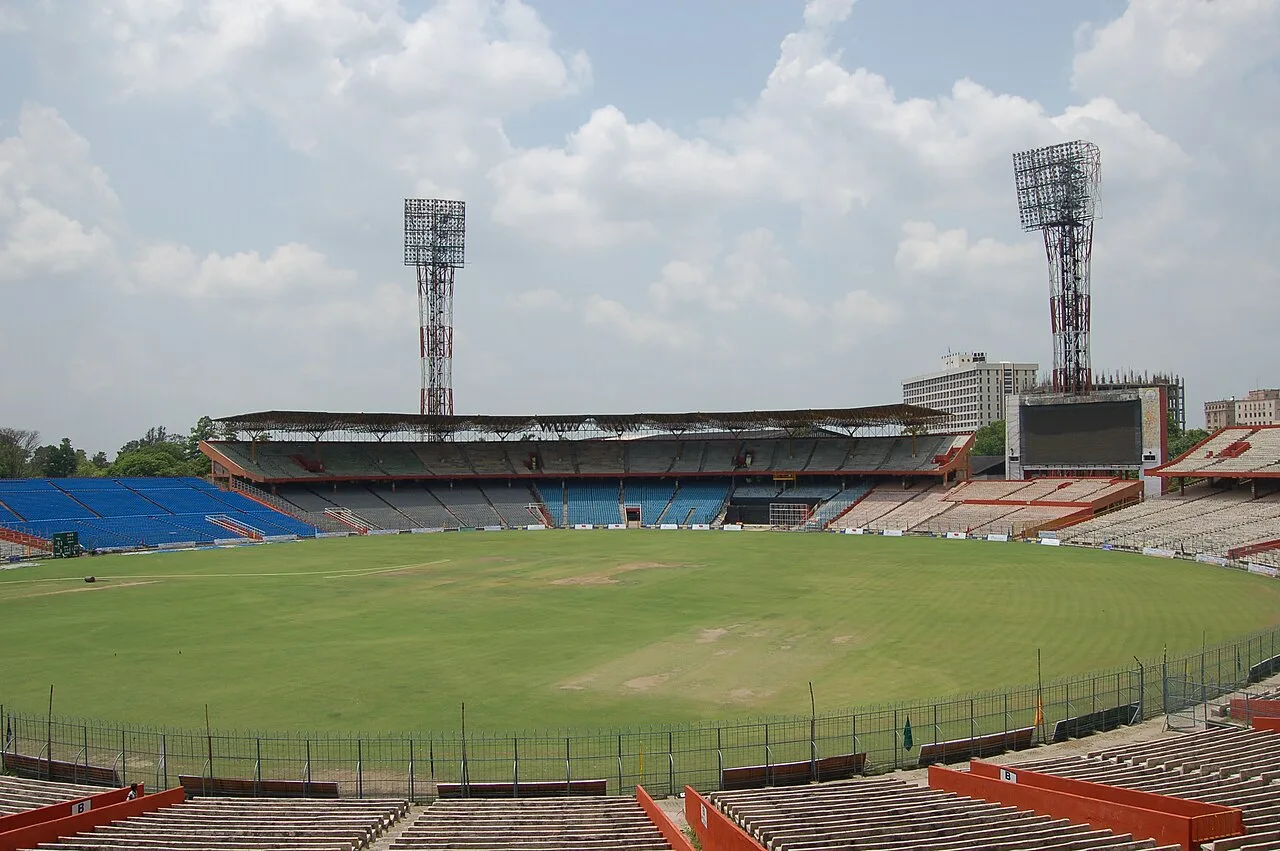
Eden Gardens

34 km away · Kolkata district

Eden Gardens

Kolkata’s Eden Gardens is a historic cricket venue that draws spectators for international matches and tournament finals, as well as for its longstanding place in Indian cricket.

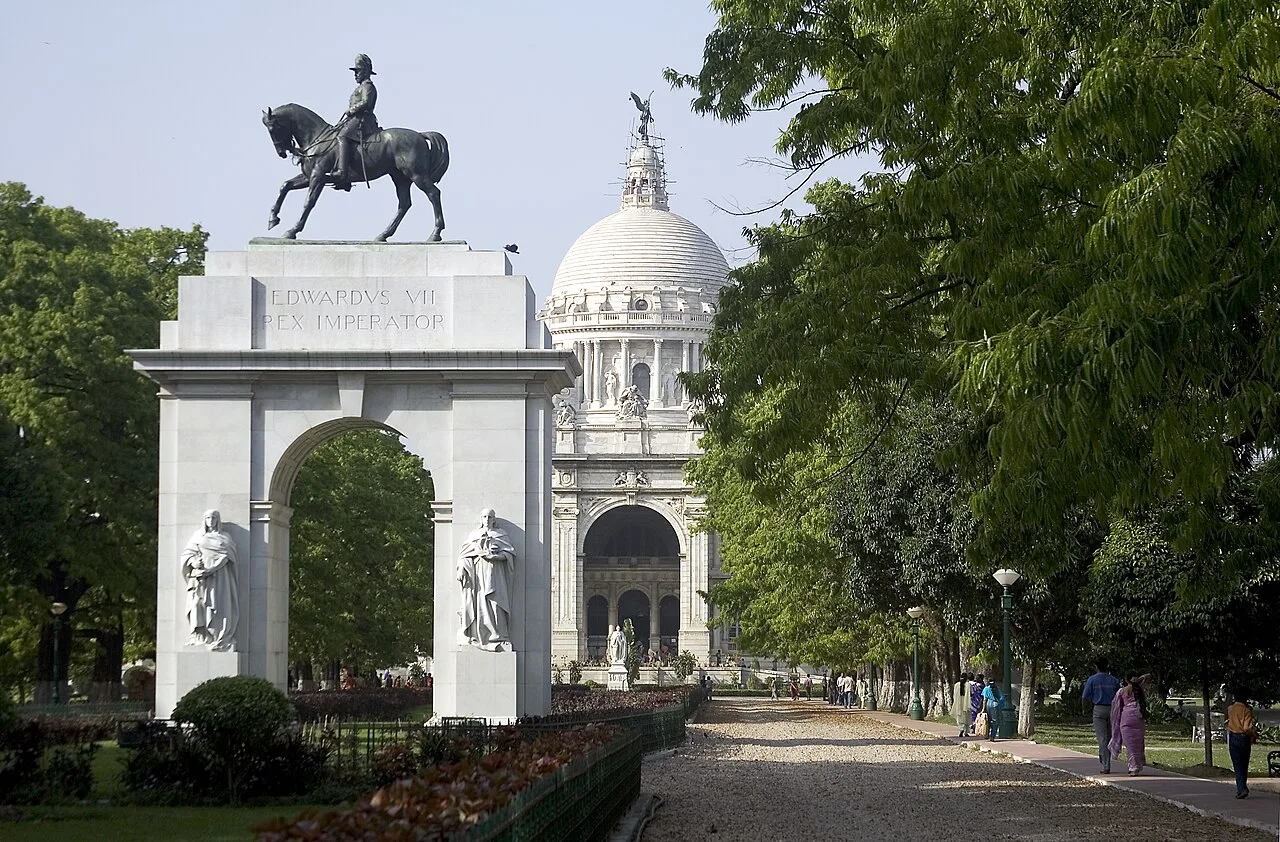
Victoria Memorial

34 km away · Kolkata district

Victoria Memorial

A marble memorial and museum in Kolkata’s Maidan, it honours Queen Victoria. Visitors come to see its Indo-Saracenic design and explore the grounds.

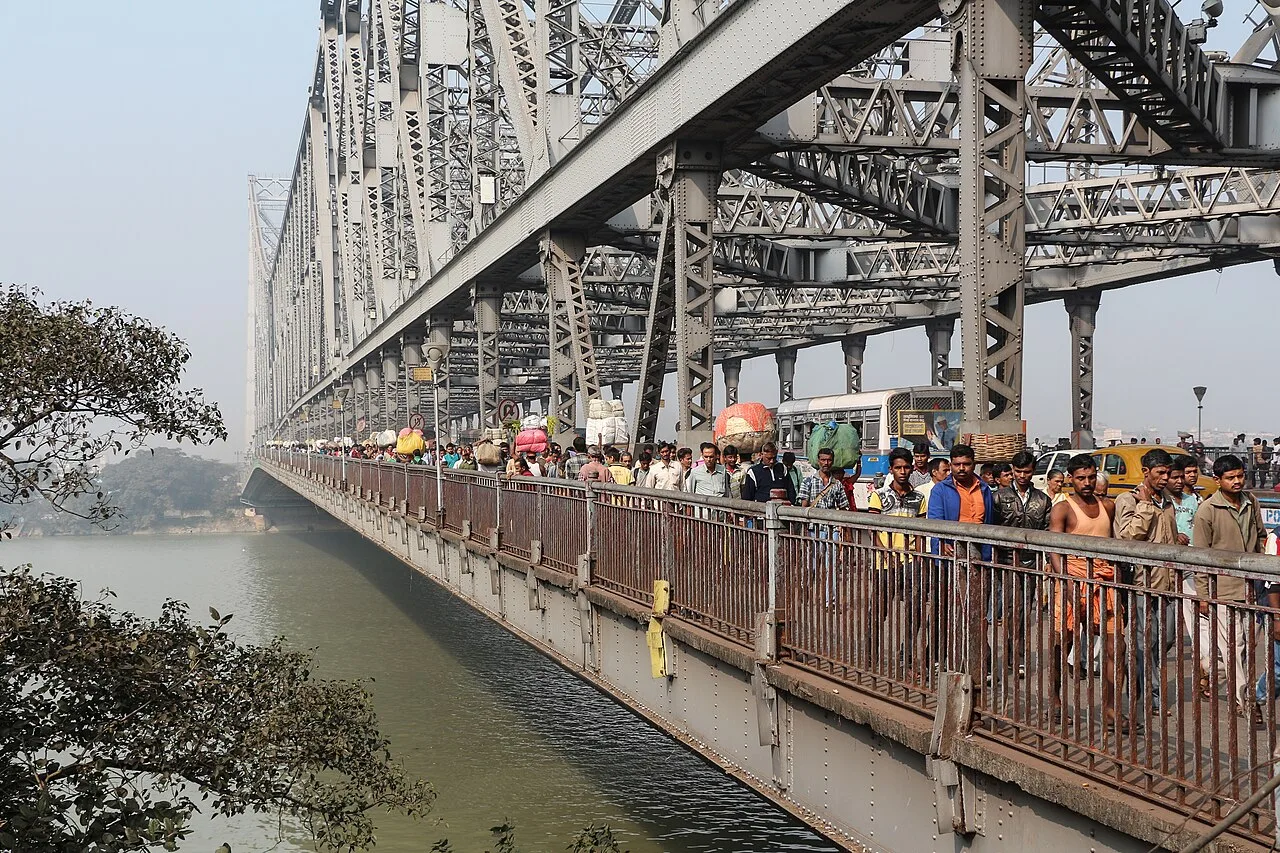
Howrah Bridge

35 km away · Kolkata district

Howrah Bridge

Howrah Bridge, also called Rabindra Setu, is a landmark cantilever bridge across the Hooghly in Kolkata. Visitors recognise it as a symbol of Kolkata and West Bengal and as a river crossing linking the city with Howrah.

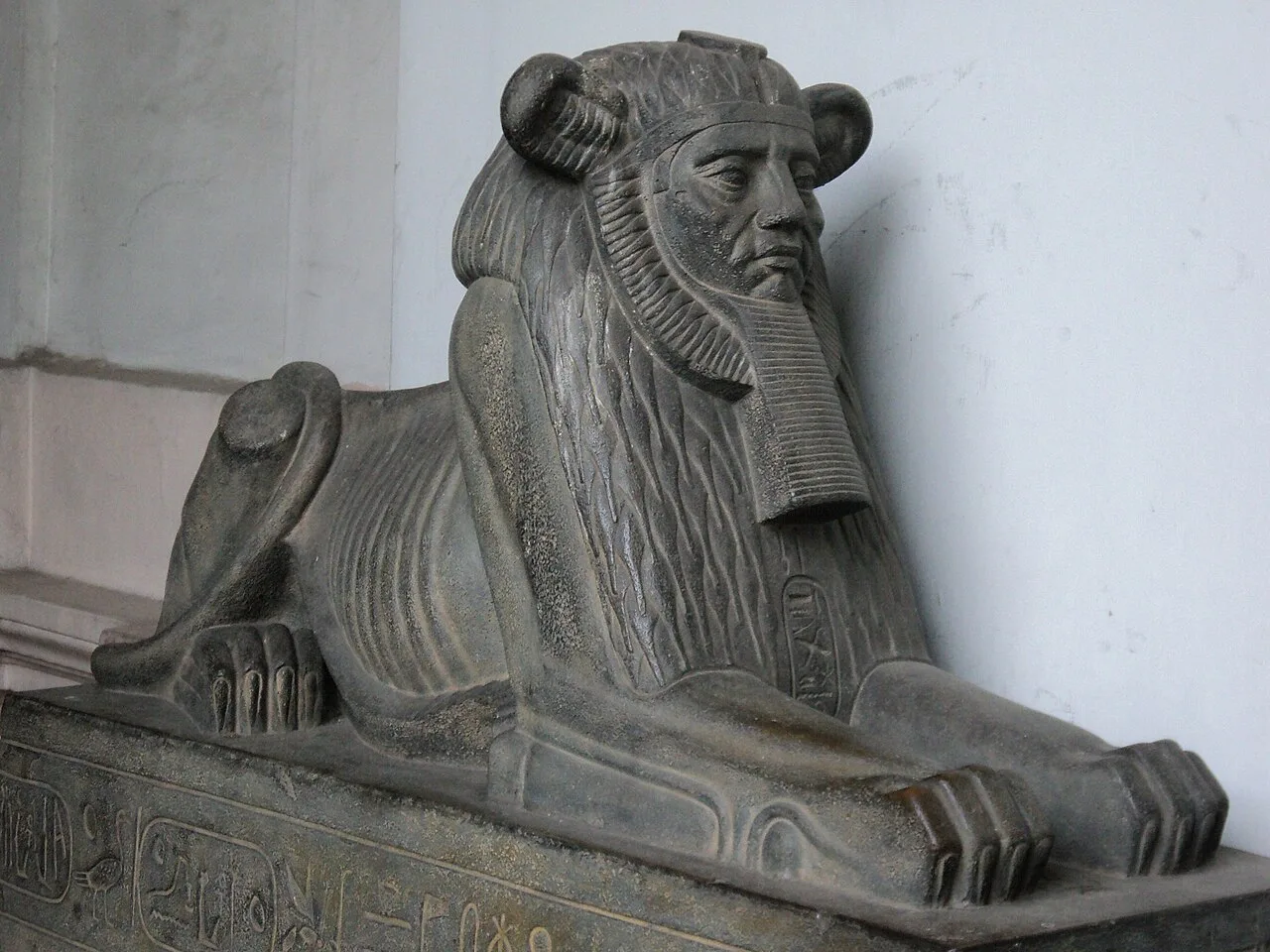
Indian Museum

35 km away · Kolkata district

Indian Museum

The Indian Museum (formerly called Imperial Museum of Calcutta) is a grand museum in Central Kolkata, West Bengal, India.

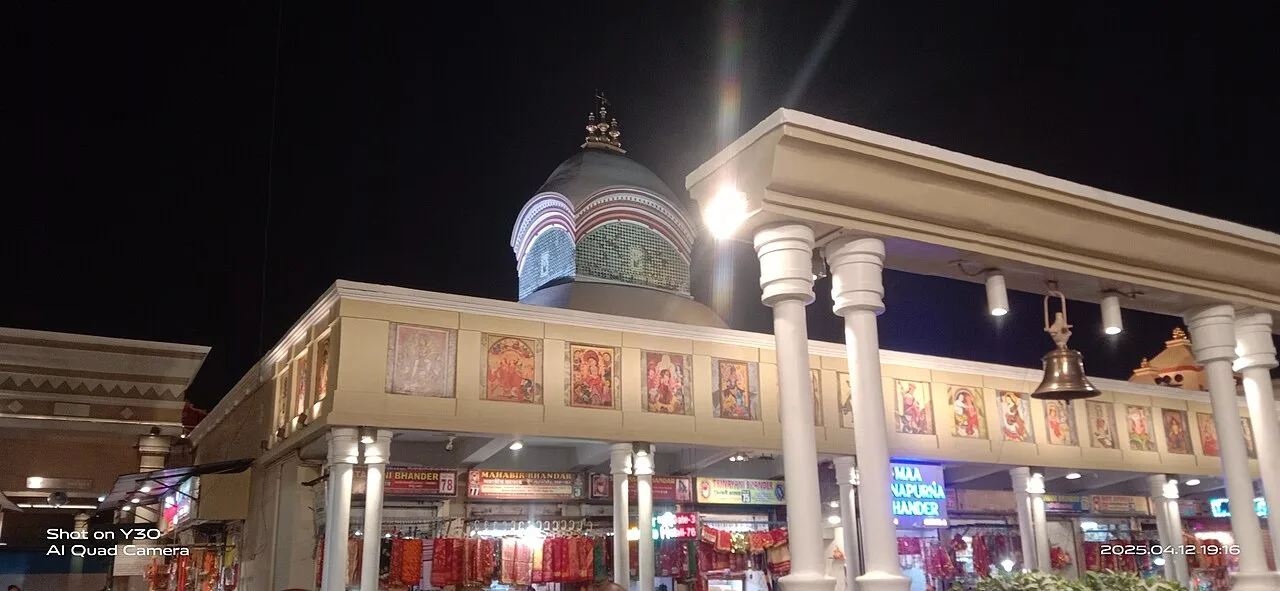
Kalighat Temple

35 km away · Kolkata district

Kalighat Temple

Kalighat Temple is a Hindu shrine in Kolkata devoted to Kali, revered in tantric and Kalikula traditions. People visit to worship at this Shakti Pitha, particularly during major religious observances.

Map

Amta on the map

  1. 1Acharya Jagadish Chandra Bose Indian Botanic Garden
  2. 2Alipore Zoo
  3. 3Prinsep Ghat
  4. 4Eden Gardens
  5. 5Victoria Memorial
  6. 6Howrah Bridge
  7. 7Indian Museum
  8. 8Kalighat Temple

West Bengal

Other cities to explore