
Indian Museum
The Indian Museum (formerly called Imperial Museum of Calcutta) is a grand museum in Central Kolkata, West Bengal, India.
Key facts · verified by Ghumoopedia editors
- Type of place
- Heritage monument
- Best time to visit
- October to March for the plains and coast; March to May and October to December for the Darjeeling hills
- Nearest railway station
- Sealdah · about 5 km (straight line)
- Verified
- 21 Nov 2026
Plan a trip from Indian Museum — a day-by-day route through places nearby.
Indian Museum is in Kolkata district, West Bengal. The Indian Museum (formerly called Imperial Museum of Calcutta) is a grand museum in Central Kolkata, West Bengal, India. It is the ninth oldest museum in the world and the oldest, as well as the largest museum in Asia, by size of collection. It has rare collections of antiques, armour and ornaments, fossils, skeletons, mummies and Mughal paintings. It was founded by the Asiatic Society of Bengal in Kolkata (Calcutta), India, in 1814. The founder curator was Nathaniel Wallich, a Danish botanist. It has six sections comprising thirty five galleries of cultural and scientific artifacts namely Indian art, archaeology, anthropology, geology, zoology and economic botany. Many rare and unique specimens, both Indian and trans-Indian, relating to humanities and natural sciences, are preserved and displayed in the galleries of these sections. In particular the art and archaeology sections hold collections of international importance. It is an autonomous organization under the Ministry of Culture, Government of India. The present Director of the Indian Museum is Dr. Sayan Bhattacharya, the youngest-ever to head the centuries-old museum. West Bengal stretches from the Himalayan tea gardens of Darjeeling to the mangrove delta of the Sundarbans, with Kolkata's colonial architecture, the terracotta temples of Bishnupur, Tagore's Santiniketan and the Nawabi heritage of Murshidabad. The plains are hot and humid from March to June, receive heavy monsoon rain from June to September and are pleasant from November to February; the Darjeeling hills are cool year-round and cold in winter, and the coast and Sundarbans can be hit by cyclones in May and October–November. The usual best time to visit is October to March for the plains and coast; March to May and October to December for the Darjeeling hills. Timings, fees and access arrangements must be confirmed locally. For official information, see West Bengal Tourism at https://wbtourism.gov.in.
Why it matters
Founded in 1814 by the Asiatic Society of Bengal, the Indian Museum is a major public museum in Central Kolkata and an important centre for the study of India’s cultural and natural history. Its six sections—art, archaeology, anthropology, geology, zoology and economic botany—bring together objects from India and beyond. The museum is widely described as the oldest museum in India and among Asia’s largest by collection; these are institutional and reference claims rather than a UNESCO designation. Its art and archaeology holdings have particular scholarly importance. The museum is an autonomous organisation under the Ministry of Culture, Government of India. No UNESCO World Heritage or ASI-monument status is claimed here.
The museum began in 1814, when Danish botanist Nathaniel Wallich proposed a collection for the Asiatic Society of Bengal in Calcutta. The Society established the institution, initially known as the Asiatic Society Museum, to preserve and study objects relating to the region’s natural history, archaeology and cultural life. Its collections grew through scholarly work, donations and acquisitions during the nineteenth century, as interest in documenting South Asian antiquities and natural specimens expanded. The present museum building was designed by architect Walter B. Granville and constructed in the nineteenth century; the collections moved into the purpose-built premises in the 1870s. The institution became known as the Imperial Museum of Calcutta before taking the name Indian Museum. Over time, the collections were arranged into six broad divisions covering humanities and natural sciences, and the galleries have developed into a major resource for visitors and researchers. Today the museum is an autonomous organisation under India’s Ministry of Culture. Its long history is reflected in both its historic building and its continuing work of conservation, research and public display.
Origin stories & folklore
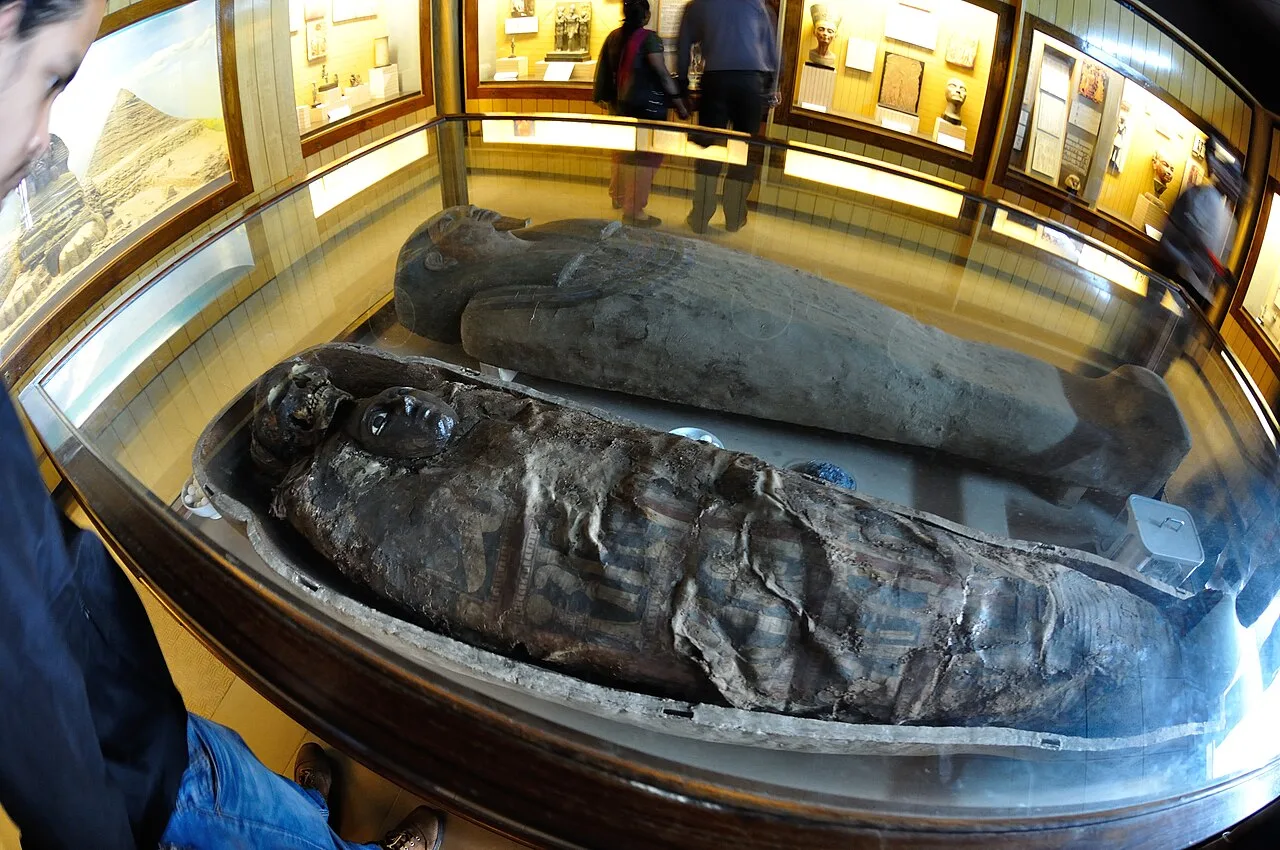
There is no widely documented founding legend or sacred origin story associated with the Indian Museum. Its origins are recorded as a scholarly initiative of the Asiatic Society of Bengal, rather than as a place founded through local folklore. Visitors sometimes attach dramatic stories to striking displays, especially the Egyptian mummy, but such reactions are visitor lore, not evidence of a supernatural tradition or a local religious belief. The more compelling story here is historical: generations of collectors, scholars and conservators brought objects from many places into one institution. Treat the objects as cultural and scientific records, and follow gallery guidance about viewing and photography.
Architecture & design
The Indian Museum occupies a substantial nineteenth-century building on Jawaharlal Nehru Road in central Kolkata. Designed by Walter B. Granville, its architecture is commonly described as Italianate, with classical influences. The building’s formal, symmetrical appearance, repeated arches and colonnaded verandas give it a civic, institutional character suited to a large public museum. The layout is organised around galleries and internal circulation spaces, with a central courtyard commonly noted as a feature of the plan. Its scale allowed collections from different disciplines to be presented in separate sections. The building is as much a part of the visit as the displays, but it remains a working museum: gallery arrangements and access to particular spaces may change during maintenance or exhibitions.
Important objects & sculptures
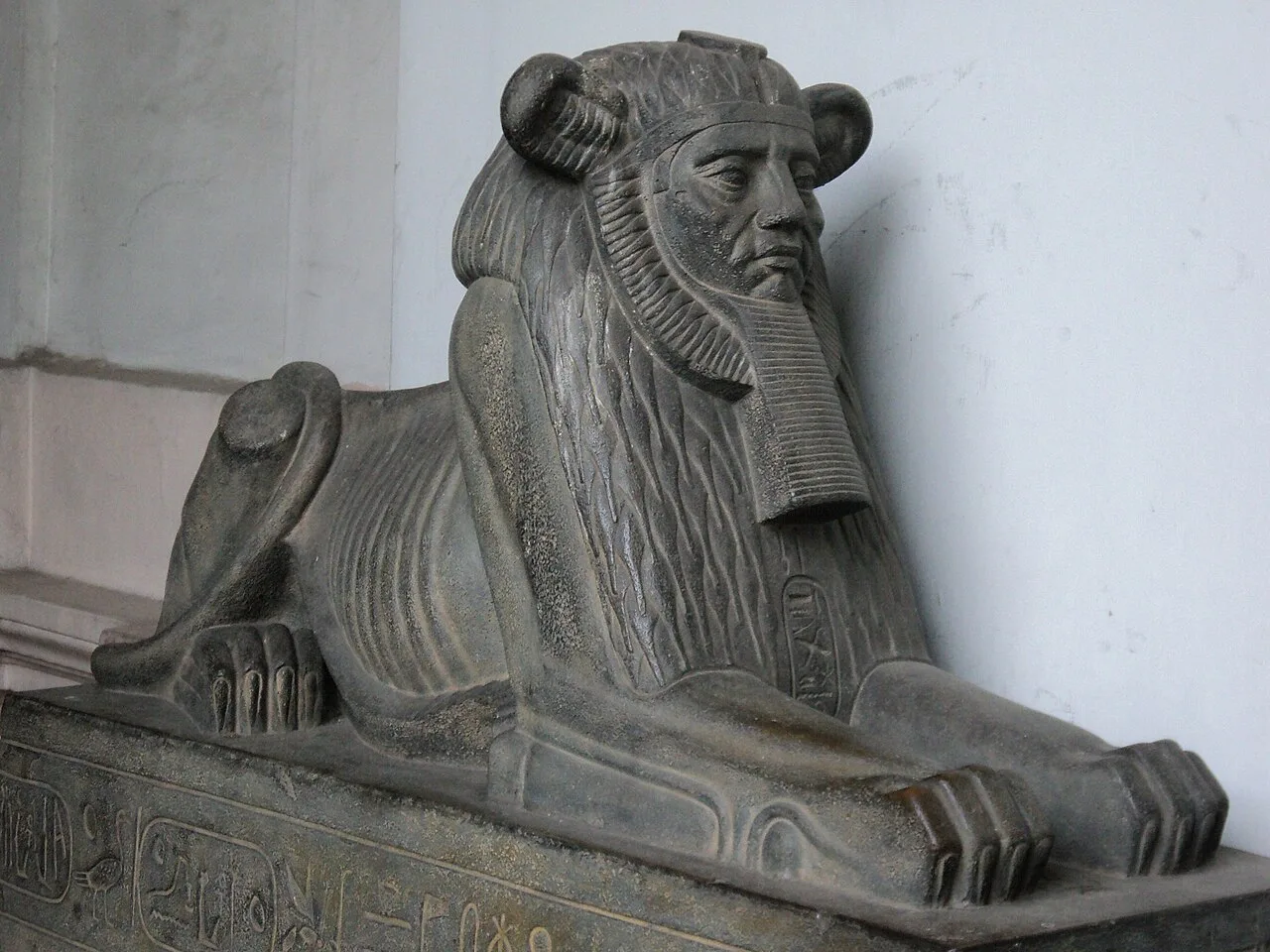
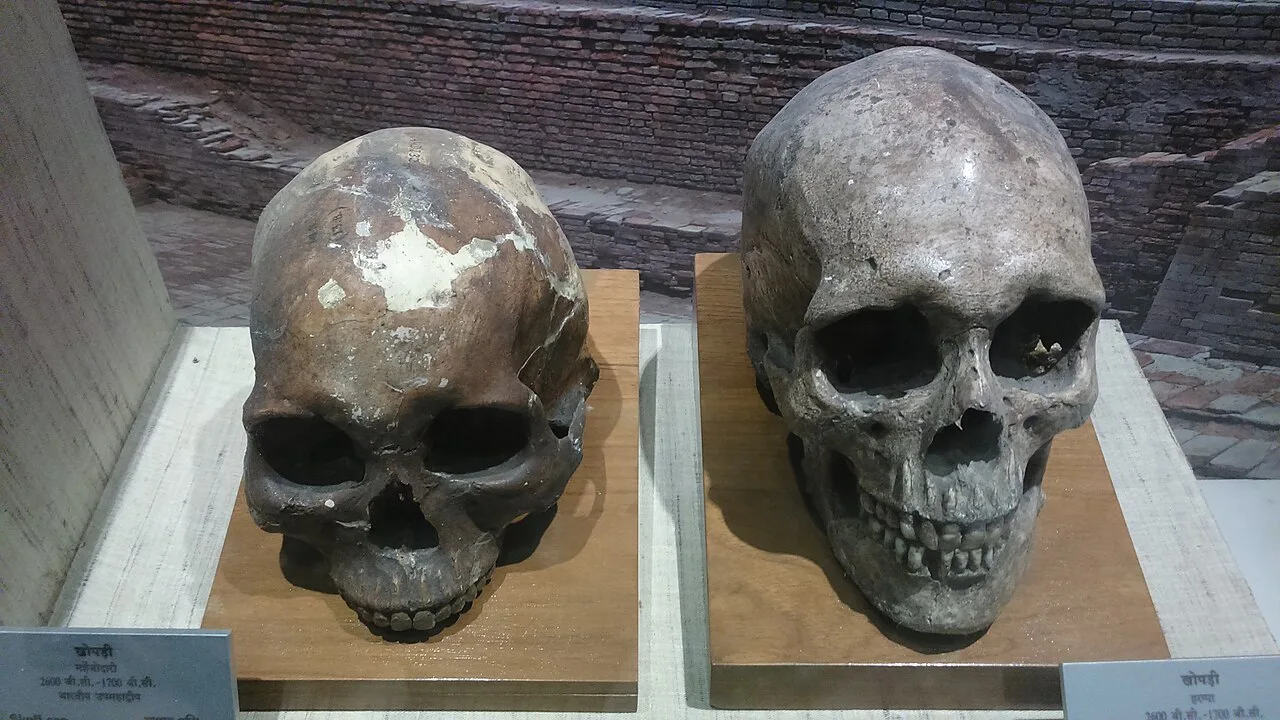
Allow time for the archaeology and art galleries, where visitors can look for the Bharhut sculptural remains and Buddhist art from different periods. The museum is also known for its Egyptian mummy, fossils, skeletons, minerals, armour, ornaments and Mughal paintings. Its collections include material from India and other regions, so labels can help explain an object’s origin, use and historical context. Displays may be rearranged for conservation or exhibition work; check current gallery notices rather than assuming every well-known object will be on view. Reading the interpretation boards makes the range of the collections easier to understand.
Explore Indian Museum slowly and read the interpretation boards, use the official audio guide where available or hire an authorised guide to understand its history. Check opening days, ticket counters and camera rules in advance; many monuments and museums close on one weekday and on some public holidays. Early morning gives softer light, cooler air and smaller crowds. A comfortable itinerary is one main visit in the morning, a local meal at midday and a short nearby stop before an afternoon return. Use the district list on this site to find other places in Kolkata, but check the route and its condition before combining stops. If a festival is on — such as Durga Puja, Kali Puja or the Poush Mela at Santiniketan — roads and stays can be busy, and the experience can be unforgettable. Leave no litter: many sites are protected by the communities around them.
Suggested itineraries
Half day: Spend 2–3 hours exploring selected galleries, taking a short break, then walk or ride to the Maidan or nearby New Market. Full day: Allow 3–4 hours for the museum, pause for lunch, then visit the Victoria Memorial grounds and St. Paul’s Cathedral or take a relaxed walk around the Maidan. Gentler option: Choose a few priority galleries, use seating and rest breaks where available, and arrange a taxi drop-off and pick-up to reduce walking.
The museum reflects Kolkata’s long association with scholarship, collecting and public learning. Bengali is widely spoken in the city, alongside Hindi, English and other languages; gallery labels and visitor services may use more than one language, but availability can vary. School visits, family outings, researchers and tourists all contribute to the museum’s everyday atmosphere. The surrounding city has strong traditions of literature, music, theatre and visual arts, while Bengali food and festival customs are part of daily life beyond the galleries. Visitors should keep voices considerate, follow gallery rules and avoid touching objects, even when a display is not behind glass.
Festivals & events
The museum is a year-round institution rather than a festival venue. Nearby Kolkata comes alive during Durga Puja, usually in autumn, when neighbourhood pandals, decorated streets and cultural programmes draw large crowds and can make travel slower. Kali Puja and Diwali, generally in autumn, also bring evening celebrations across the city. The Kolkata Book Fair, usually held in winter, is a major cultural event, though its venue and arrangements can vary. Festival periods offer a lively city experience, but allow extra time for traffic, busy public transport and crowded accommodation; confirm whether the museum has any special closure or visitor arrangements.
Local food in West Bengal includes macher jhol (fish curry), shorshe ilish (hilsa in mustard), kosha mangsho, luchi with alur dom, kathi rolls and phuchka in Kolkata, mishti doi, rosogolla and sandesh; in the Darjeeling hills, momos, thukpa, shaphaley and first-flush Darjeeling tea. Ask what is fresh that day; many small eateries cook a limited daily menu. Vegetarian travellers eat well across the state, and most towns also have fish and meat dishes. Remote sites may have no restaurant at all. Carry water and snacks, eat a proper breakfast before long drives, and ask your accommodation for a packed lunch if you are heading out early. Try a home-cooked or local thali meal when you can — it is often the best food on the route. Choose busy, clean places, drink sealed or filtered water, and carry your packaging back with you.
Shopping & local experiences
For everyday shopping, New Market and the surrounding central-Kolkata streets offer clothing, household goods, gifts and food, though the mix of shops and opening arrangements varies. Look for Bengal-made textiles, including cotton and handloom products, and locally produced sweets or packaged snacks from established shops. Museum-related books, postcards or souvenirs may be available through a museum outlet, but check on site. Choose reputable sellers for crafts and ask about materials and provenance when buying antiques or objects presented as old. Keep food and shopping outside the galleries.
October to March for the plains and coast; March to May and October to December for the Darjeeling hills
The nearest principal railway station by straight-line distance is Sealdah, roughly 5 km away. The nearest operating airport by straight-line distance is Netaji Subhas Chandra Bose International Airport, Kolkata, roughly 15 km away. These figures are calculated from map coordinates — actual road distance is longer. Howrah, Sealdah and Kolkata stations and Kolkata airport serve the south; New Jalpaiguri station and Bagdogra airport near Siliguri are the gateways to the Darjeeling hills and the Dooars. Within Kolkata, the Metro is the quickest way across the city, supplemented by app cabs, yellow taxis, buses and ferries across the Hooghly. When comparing train, bus and flight, count the complete door-to-door time: a flight saves the most time only if the onward road transfer is short, while an overnight train can save a hotel night. Book your return before you leave, because seats fill quickly on weekends, festivals and holidays. Current train numbers, timings, return services and fares are not listed here; check IRCTC and NTES for trains and the airline's own schedule for flights. No permit is needed for Indian citizens to visit West Bengal. Entry to the Sundarbans Tiger Reserve needs a forest permit, usually arranged through a registered boat operator or the forest office at Sajnekhali or Canning; trekking in Singalila National Park (Sandakphu) needs an entry permit and a registered guide from Maneybhanjan. Durga Puja in October brings huge crowds to Kolkata, so book transport and stays well ahead.
Confirm onward and return timings on IRCTC / NTES, the state bus operator or your airline before travel. A dash means current timings or fares have not been verified.
Getting around
Central Kolkata is served by Metro, local buses, taxis and app-based cabs. Park Street and Esplanade Metro stations may be useful depending on your route; check the current network and choose the stop that best suits your approach. Yellow taxis and app cabs can drop visitors near the museum, though traffic may slow journeys. Autos operate on local routes, but availability and permitted routes vary. Walking from nearby central attractions can be practical in cooler weather, with care at busy crossings. On-site parking may be limited; consider public transport or a drop-off instead.
Hours, tickets & permissions
Entry generally requires a valid museum ticket, and separate rules may apply to special exhibitions, cameras or other equipment. Staff may ask visitors to store bags or follow restrictions in particular galleries. Dress should be comfortable and respectful; there is no known general religious dress requirement. Carry identification if needed for a concession or other eligibility category, and check which documents are accepted. Opening days, admission arrangements, camera rules and fees can change, so confirm current information with the Indian Museum or its managing authority before setting out.
Facilities
The museum usually has visitor services such as ticketing, gallery information and toilets, but the location and availability of facilities can change. Check locally for drinking-water points, cloakroom or bag-storage arrangements, seating and accessible facilities before relying on them. Food options may be limited inside; cafés, restaurants and shops are available in the surrounding central-Kolkata area. Guides or audio-guide services may be available, but confirm current arrangements with the museum. ATMs and other services can be found in the wider neighbourhood. Parking is not guaranteed, so plan transport in advance.
Accessibility
A museum visit can involve considerable indoor walking across multiple galleries, and the historic building may include steps, level changes or thresholds. Do not assume that every gallery is wheelchair- or stroller-accessible; contact the museum in advance to ask about current step-free routes, lifts, accessible toilets and assistance. Seating and shade may be available in some areas, but visitors should check locally and plan rest breaks. Older visitors and anyone with limited mobility may find it easier to focus on a small number of galleries and use a taxi drop-off close to the entrance. Crowds can make movement slower.
No permit is needed for Indian citizens to visit West Bengal. Entry to the Sundarbans Tiger Reserve needs a forest permit, usually arranged through a registered boat operator or the forest office at Sajnekhali or Canning; trekking in Singalila National Park (Sandakphu) needs an entry permit and a registered guide from Maneybhanjan. Durga Puja in October brings huge crowds to Kolkata, so book transport and stays well ahead. Carry a photo ID at all times and save the emergency number 112 and your accommodation's contact offline. Heat in summer and heavy rain in the monsoon are the main weather risks; carry water, avoid midday sun and allow extra time when roads flood. Watch your belongings in crowds and on public transport, and follow posted instructions.
Photography
Gallery photography rules can differ by object, exhibition and equipment, and a camera fee or restriction may apply; confirm current rules before taking pictures. Flash, tripods and selfie sticks may be prohibited in some areas. For exterior views, soft morning or late-afternoon light can flatter the building, while the verandas offer useful architectural details. Keep walkways clear and never touch displays to frame a shot. Drones should not be flown over the museum or nearby city spaces without the required permissions. Ask before photographing staff or other visitors, and respect any posted restrictions.
Choose a stay by the full journey to Indian Museum, not just the district name. Kolkata offers the widest choice; on the coast, Digha and Mandarmani have many hotels, and the Sundarbans have eco-resorts and boat stays near Pakhiralay and Bali island. In summer, check air-conditioning; in the monsoon, check that the property is accessible if roads flood. Book in advance for weekends, festivals and the peak season (October to March for the plains and coast; March to May and October to December for the Darjeeling hills). Confirm the exact location, meals included, check-in time and cancellation terms in writing. Avoid sending money to unverified contacts or touts at stations. Carry some cash, as card and digital payments can be unreliable in remote areas.
Within central Kolkata, visitors can combine the museum with the Victoria Memorial, the Maidan, St. Paul’s Cathedral and Birla Planetarium. New Market and the Park Street area offer places to eat and browse, while the Esplanade district is another busy city centre stop. These attractions are in the wider central-city area, but traffic, weather and walking distances can affect how many fit comfortably into one day. Check each venue’s current access arrangements separately, especially during festivals or public events.
For couples, Indian Museum rewards a slow pace: arrive early for soft light and fewer crowds, share a local meal and keep the evening free. A toy-train ride in the Darjeeling hills, a boat on the Hooghly at sunset or an evening of adda over tea in Kolkata makes the trip memorable. Public displays of affection can be frowned upon in conservative communities and at religious sites, so be discreet. Keep a buffer in your itinerary, because weather and road conditions can delay plans.
Q: How much time should I allow for the Indian Museum? A: Allow at least a few hours for selected galleries; a fuller visit can take much of the day. Q: When is a comfortable season to visit? A: October to March is generally pleasant for Kolkata’s outdoor travel, while the museum can be visited year-round. Q: Do I need to buy an entry ticket, and can I take photographs? A: Entry requires following the museum’s current admission rules; photography permissions can vary by gallery, so check before visiting. Q: Is the museum suitable for children and elderly visitors? A: Yes, but the large galleries involve walking. Plan breaks, choose priority displays and check accessibility arrangements in advance. Q: Where can I stay nearby? A: Central Kolkata and the Park Street, Esplanade and New Market areas have accommodation options; compare location, access and current conditions before booking.
Be the first to share photos, stories, advice or a helpful contact for Indian Museum.
Loading…