
Ghumoopedia — Explore, Discover, Experience
Sign in
Digha, near Digha

City guide · West Bengal

Digha

Digha is a seaside resort town in Purba Medinipur district, on the northern edge of the Bay of Bengal. Its gently sloping, shallow beaches and long seafront make it one of West Bengal’s best-known coastal escapes, especially for visitors travelling from Kolkata and other parts of the state.

Famous for

  • Bay of Bengal beaches
  • Old and New Digha
  • Marine Aquarium and Research Centre
  • Jagannath Temple
  • Coastal seafood
  • Casuarina-lined seafront
In the city
2
District
Purba Medinipur

Why Digha matters

Digha is a seaside resort town in Purba Medinipur district, on the northern edge of the Bay of Bengal. Its gently sloping, shallow beaches and long seafront make it one of West Bengal’s best-known coastal escapes, especially for visitors travelling from Kolkata and other parts of the state. The town’s appeal lies in its relaxed beachside atmosphere, seafood, casuarina trees and easy access by road and rail.

Old Digha is the historic resort centre, while New Digha offers a broader beach area and attractions such as the Science Centre. The Marine Aquarium and Research Centre introduces visitors to marine life from the region, and the Jagannath Temple adds a major place of worship to the town’s attractions. Digha also serves as a base for exploring nearby coastal destinations, including Shankarpur, and for visiting Chandaneswar in neighbouring Odisha. Its mix of seaside recreation, regional tourism and religious travel gives it an important role in West Bengal’s coastal economy.
Famous for: crafts, trade & products

Digha is best known for beach tourism rather than for a signature textile, handicraft or GI-tagged product. Visitors will find small shops and stalls around Old Digha and New Digha selling everyday beach goods, snacks and souvenirs. The town’s most distinctive local trade is connected to the coast: fish and other seafood are landed and sold around the Digha Mohana area, while restaurants and food stalls serve regional catches to visitors. Availability varies with season and fishing conditions.

The Marine Aquarium and Research Centre is one of Digha’s notable institutions, presenting marine biodiversity and supporting research and public education. New Digha’s Science Centre adds another educational attraction. These institutions, along with the beaches and seafront, shape the town’s visitor economy more than manufacturing or craft production. Travellers looking for specialised Bengali textiles or artisan goods may find a limited selection in general shops, but Digha is not a recognised shopping destination for such products; Kolkata and other regional centres offer broader choices.

History

Digha was historically known as Beerkul. The British became aware of the coastal settlement in the late eighteenth century, and Warren Hastings referred to it as the “Brighton of the East” in a letter written in 1780. For much of its early history, it remained a small seaside locality rather than a developed resort.

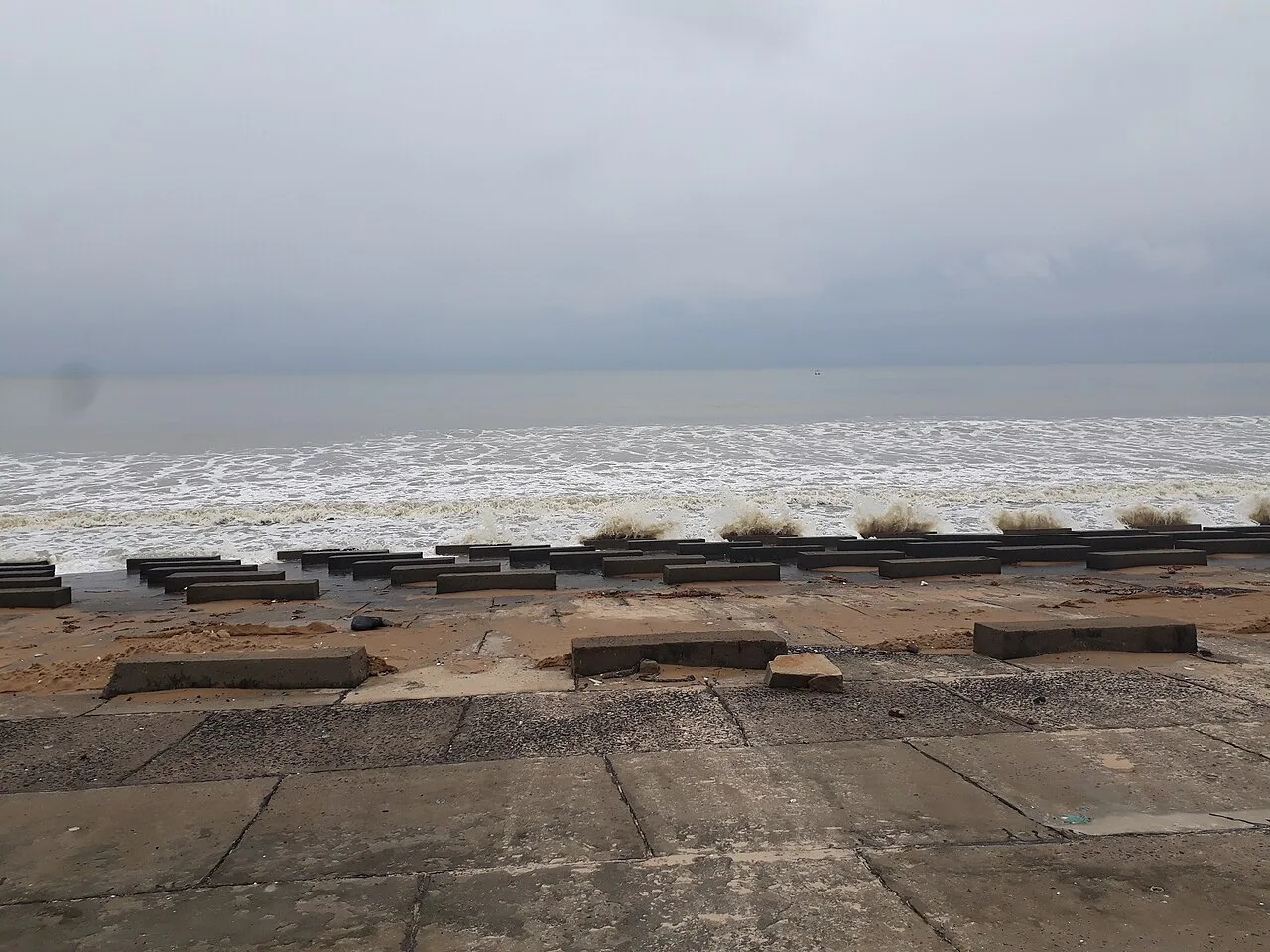
A later turning point came when English businessman John Frank Smith began living in Digha in 1923. His writing helped draw attention to the coast, and he encouraged West Bengal Chief Minister Bidhan Chandra Roy to develop it as a beach resort. Public investment and improved transport helped establish Digha as a popular holiday destination. Over time, visitor facilities spread beyond Old Digha into New Digha, around two kilometres away. Coastal erosion and storm surges have altered parts of the older beach, prompting protective works such as stone barriers and concrete steps. The town continues to balance tourism growth with the changing conditions of its shoreline.

Food, festivals & culture

Digha’s food reflects its seaside setting and Bengali tastes. Fish, prawns and other seafood are common choices at local restaurants, often served with rice and familiar Bengali accompaniments such as dal and vegetables. Tea stalls, snack shops and sweet shops cater to beach visitors, though Digha is not especially known for a distinct signature sweet. Bengali is the main language of everyday life; Hindi and some English are also used in tourism-facing settings.

Durga Puja in autumn and Kali Puja later in the season are important occasions in the wider region, while Jagannath worship is increasingly visible at Digha’s temple. The annual Rath Yatra follows the usual seasonal calendar for the festival. The century-old Shiva temple at Chandaneswar, across the Odisha border, draws pilgrims for its Chaitra fair. Alongside Hindu places of worship, an old church near Old Digha and the Sindhur Tara mission in New Digha reflect other strands of local religious life. Bengali devotional music and popular songs are heard at festivals and gatherings.

Visiting the city

October to February is generally a comfortable time to visit, with cooler weather suited to beach walks. Spring is also popular. Monsoon brings humidity, rain and rougher sea conditions, so check local safety guidance before approaching the water. Swimming is not advisable where warnings or strong currents are present.

The nearest major airport is Netaji Subhas Chandra Bose International Airport in Kolkata; the onward journey is by road or rail. Digha railway station is the town’s main rail connection. Buses and private vehicles connect Digha with Kolkata and other parts of West Bengal. Within town, visitors can use local autos or e-rickshaws, or walk along accessible stretches of the seafront. Explore Old Digha for its older beach and Digha Gate, then New Digha for its beach, Science Centre and aquarium. Digha Mohana offers a glimpse of the fishing trade, while Shankarpur makes a nearby coastal excursion.

Attractions

Places to visit in Digha

Sights within about 12 km of each other, even when they fall in different districts.

Map

Digha on the map

  1. 1Digha
  2. 2Tajpur

West Bengal

Other cities to explore