Ghumoopedia — Explore, Discover, Experience
Sign in
Garh Panchkot, near Asansol

City guide · West Bengal

Asansol

Asansol is a major urban and industrial centre in western West Bengal, serving as the headquarters of Paschim Bardhaman district. Its position in the Damodar Valley, close to the Jharkhand border, links it to a wider coal-mining and manufacturing region.

Famous for

  • Coal and steel industries
  • Burnpur steelmaking
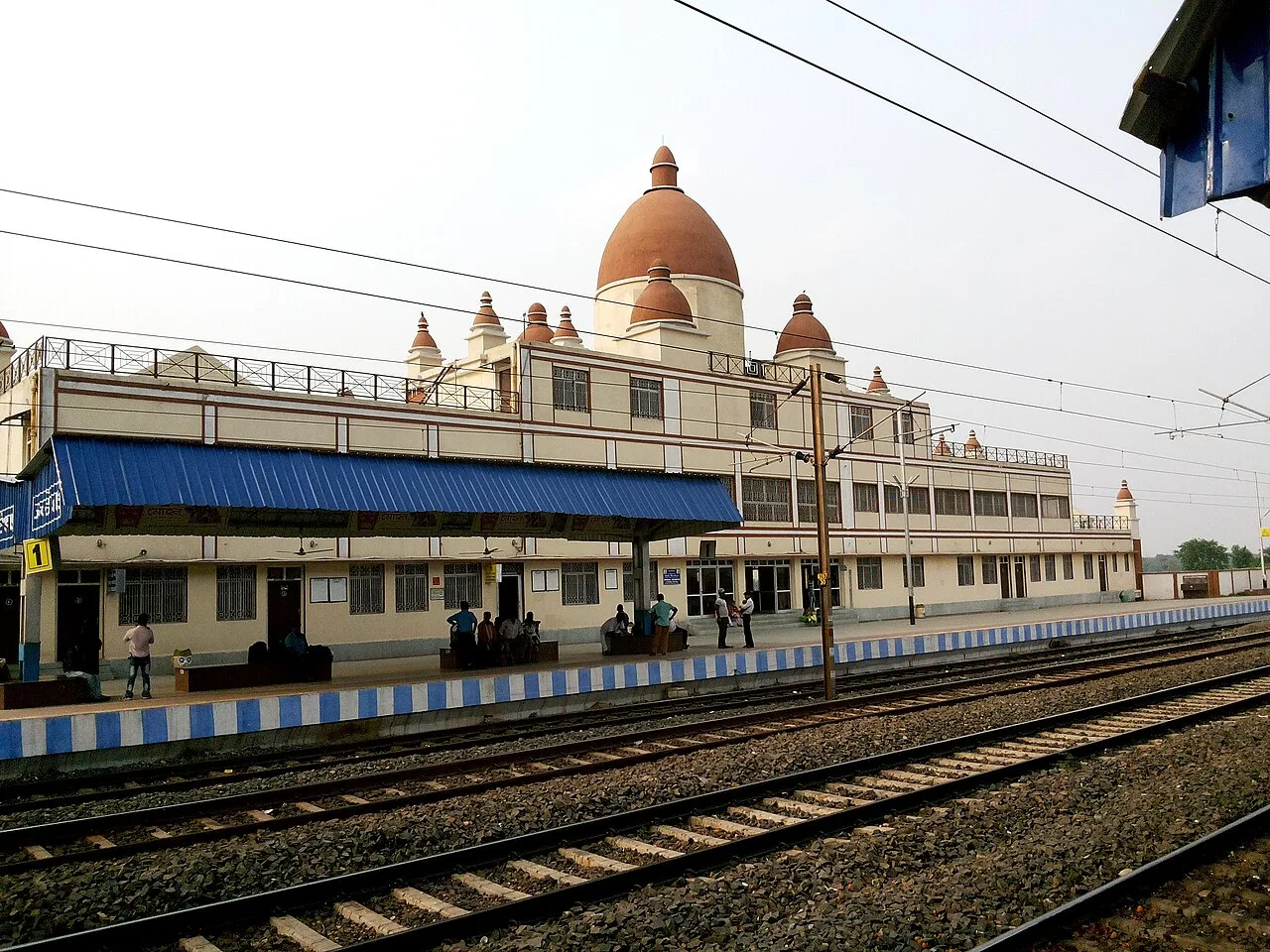
  • Asansol Junction
  • Kalyaneshwari Temple
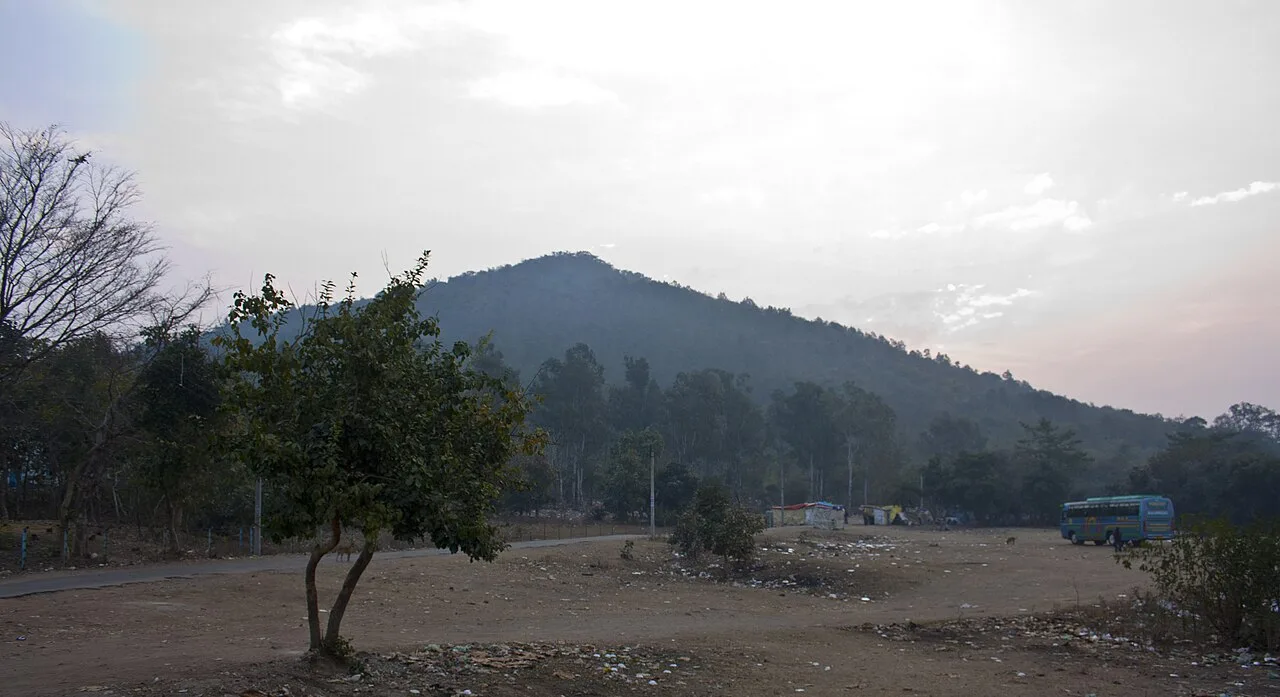
  • Damodar Valley

Why Asansol matters

Asansol is a major urban and industrial centre in western West Bengal, serving as the headquarters of Paschim Bardhaman district. Its position in the Damodar Valley, close to the Jharkhand border, links it to a wider coal-mining and manufacturing region. Coal, steel and the railways have shaped the city’s economy and working life, while road and rail connections make it an important regional transport hub.

Visitors come for the city’s industrial character, busy markets and places of worship, and often use it as a base for exploring nearby sites. These include Kalyaneshwari Temple near Barakar, the birthplace of poet Kazi Nazrul Islam at Churulia, and the Damodar Valley landscape. Asansol is also a diverse city where Bengali, Hindi and other languages are heard in everyday life. Its mix of industry, transport links and access to regional heritage gives it importance beyond its role as a commercial centre.
Famous for: crafts, trade & products

Asansol is best known for coal, steel and railway activity rather than for a signature textile, handicraft or locally originated GI-tagged product. The surrounding coal belt has long supported industry, while steelmaking at Burnpur remains a defining part of the city’s industrial identity. Railways are another major presence, visible in the busy junction and railway facilities. These are important to the regional economy, though industrial goods are not generally sold as visitor souvenirs.

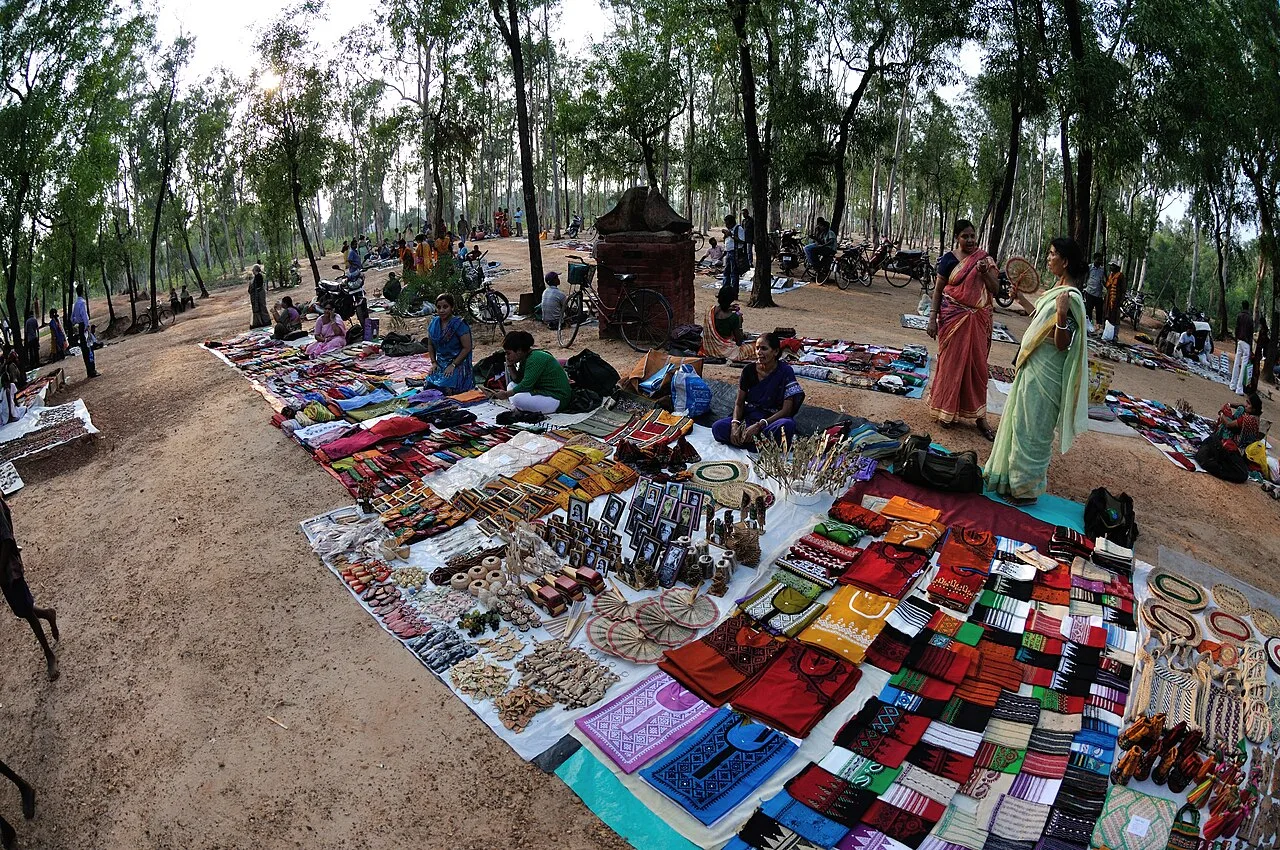
For everyday shopping, visitors can browse the central commercial streets and markets around G.T. Road, as well as the shops and market areas of Burnpur. They offer clothing, household goods, snacks and everyday necessities, with products reflecting the city’s varied communities. Bengali sweets and familiar regional snacks can be found in local sweet shops and eateries. Asansol does not have a widely recognised local craft or textile tradition that defines its markets; shoppers looking for specialist handicrafts may find a broader selection in larger West Bengal destinations. The city’s commercial character is best understood through its neighbourhood markets and its links to the coal, steel and railway sectors.

History

The Asansol region has older cultural connections with the Malla kingdom of Bishnupur. Local temple architecture, including examples in villages around the city, reflects the influence of the Bishnupur style, though the region’s history has developed through several layers of settlement and change. The name is commonly explained as a combination of “asan,” a tree found near the Damodar, and “sol,” meaning land. During British rule, the city was sometimes written as Assensole; the spelling Asansol returned after Independence.

Coal deposits and the expansion of railways transformed the area during the colonial period, drawing workers and businesses and encouraging the growth of an industrial town. Steelmaking at Burnpur further strengthened this role. In modern times, Asansol has continued to serve as a commercial and transport centre for the western part of West Bengal. It became the administrative headquarters of Paschim Bardhaman district, linking its industrial importance with a wider civic and administrative role.

Food, festivals & culture

Asansol’s food reflects its mixed population and its place in Bengal’s western industrial belt. Bengali meals commonly feature rice, fish, vegetables and lentils, while tea stalls and eateries serve snacks such as kachori and rolls. Sweet shops offer familiar Bengali favourites, including sandesh and roshogolla; Bardhaman’s sitabhog and mihidana are also regional specialities found in the wider area.

Durga Puja is the major autumn festival, celebrated with neighbourhood pandals, worship and cultural programmes. Kali Puja follows later in the festive season, while Chhath Puja is observed by many residents, particularly those with ties to Bihar and eastern Uttar Pradesh. Eid and Christmas are also part of the city’s calendar. Bengali, Hindi and Urdu are among the languages heard in daily life, alongside other community languages. Worship places include Hindu temples such as Kalyaneshwari and Ghagar Buri, as well as mosques and churches. The nearby village of Churulia, associated with poet Kazi Nazrul Islam, adds a strong literary connection to the area’s cultural life.

Visiting the city

October to February is generally the most comfortable season to visit, with cooler weather than the very hot summer months. The nearest airport is Kazi Nazrul Islam Airport at Andal; Netaji Subhas Chandra Bose International Airport in Kolkata is another option. Asansol Junction is the city’s main railway station and a key arrival point for visitors.

Auto-rickshaws, buses and app-based or hired cars can help with local travel; confirm the route before setting out for attractions beyond the city. Explore the central market streets for shops and food, or visit Burnpur for its industrial setting and riverside Nehru Park. Kalyaneshwari Temple near Barakar and Churulia make worthwhile regional excursions. The Damodar valley and nearby Maithon area can also be considered for a longer outing.

Trips from the city

Nearest places to visit from Asansol

Our closest destination guides, by straight-line distance.

Garh Panchkot

24 km away · Purulia district

Garh Panchkot

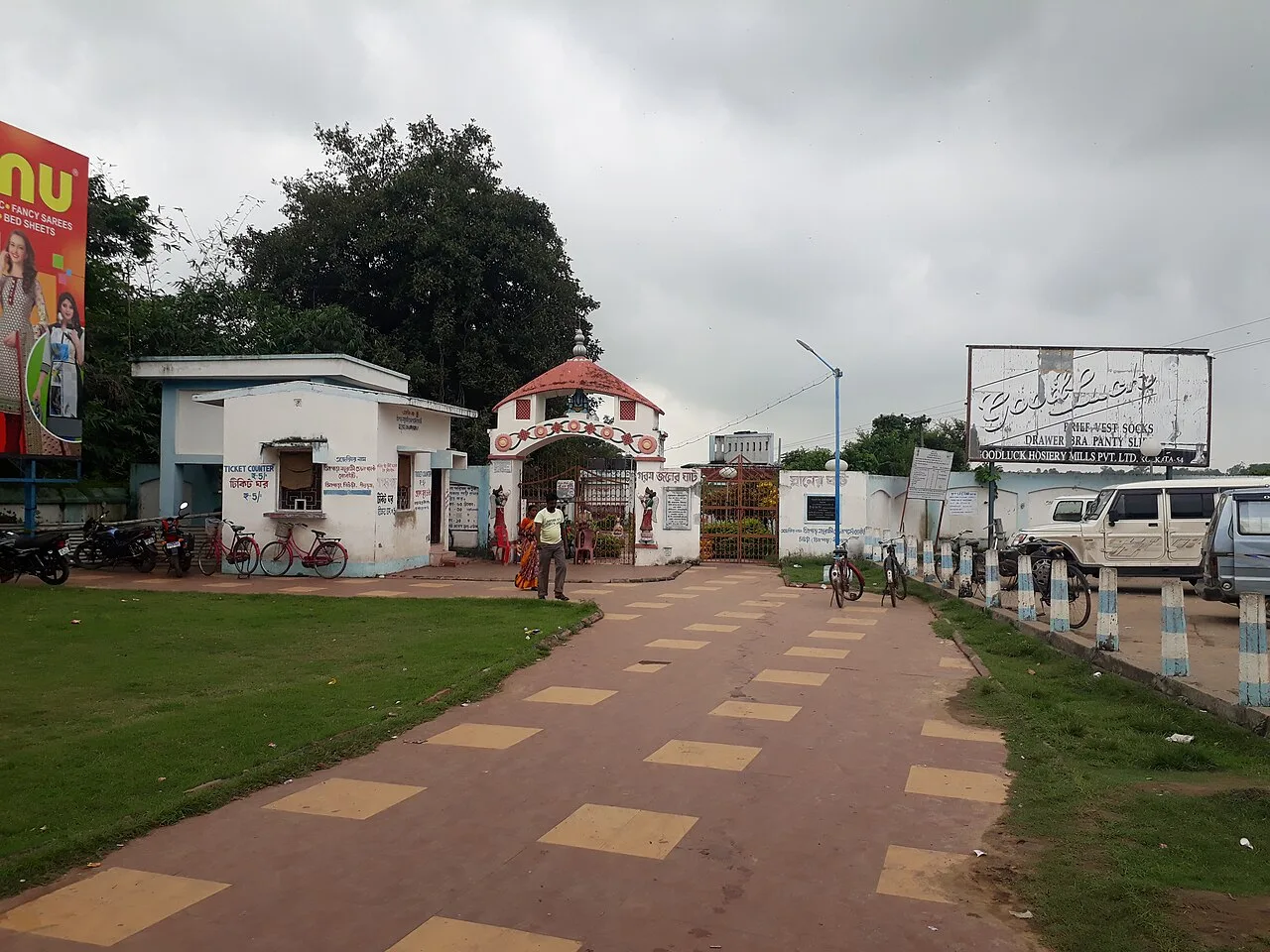
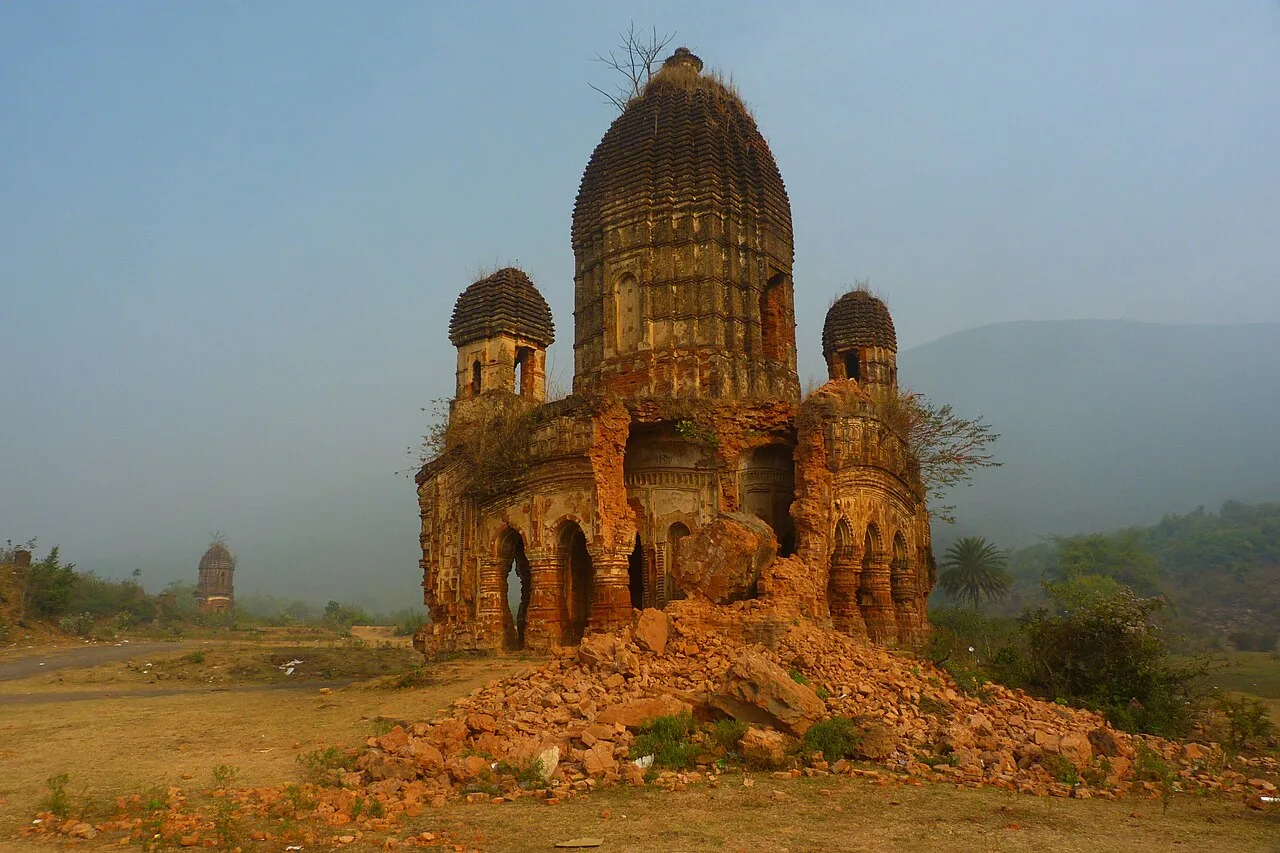
Garh Panchkot is the remains of a fort in Purulia district, West Bengal. Visitors come to view the ruins at the foot of Panchet Hill and learn the meaning of its name.

Susunia Hill

32 km away · Bankura district

Susunia Hill

Susunia Hill is a hill in Bankura district, West Bengal, within the Eastern Ghats. Visitors come to see its landscape and regional setting.

Joychandi Pahar

35 km away · Purulia district

Joychandi Pahar

Joychandi Pahar is a hill in Purulia district, West Bengal. Visitors come for its rock-climbing opportunities and to see the area's varied plant life and recorded butterfly species.

Bakreshwar

46 km away · Birbhum district

Bakreshwar

Bakreshwar is a village in Birbhum district, West Bengal. Visitors may be interested in the nearby Bakreshwar thermal power facilities, and Dubrajpur is the closest rail connection.

49 km away · Bankura district

Bikna Dokra Village

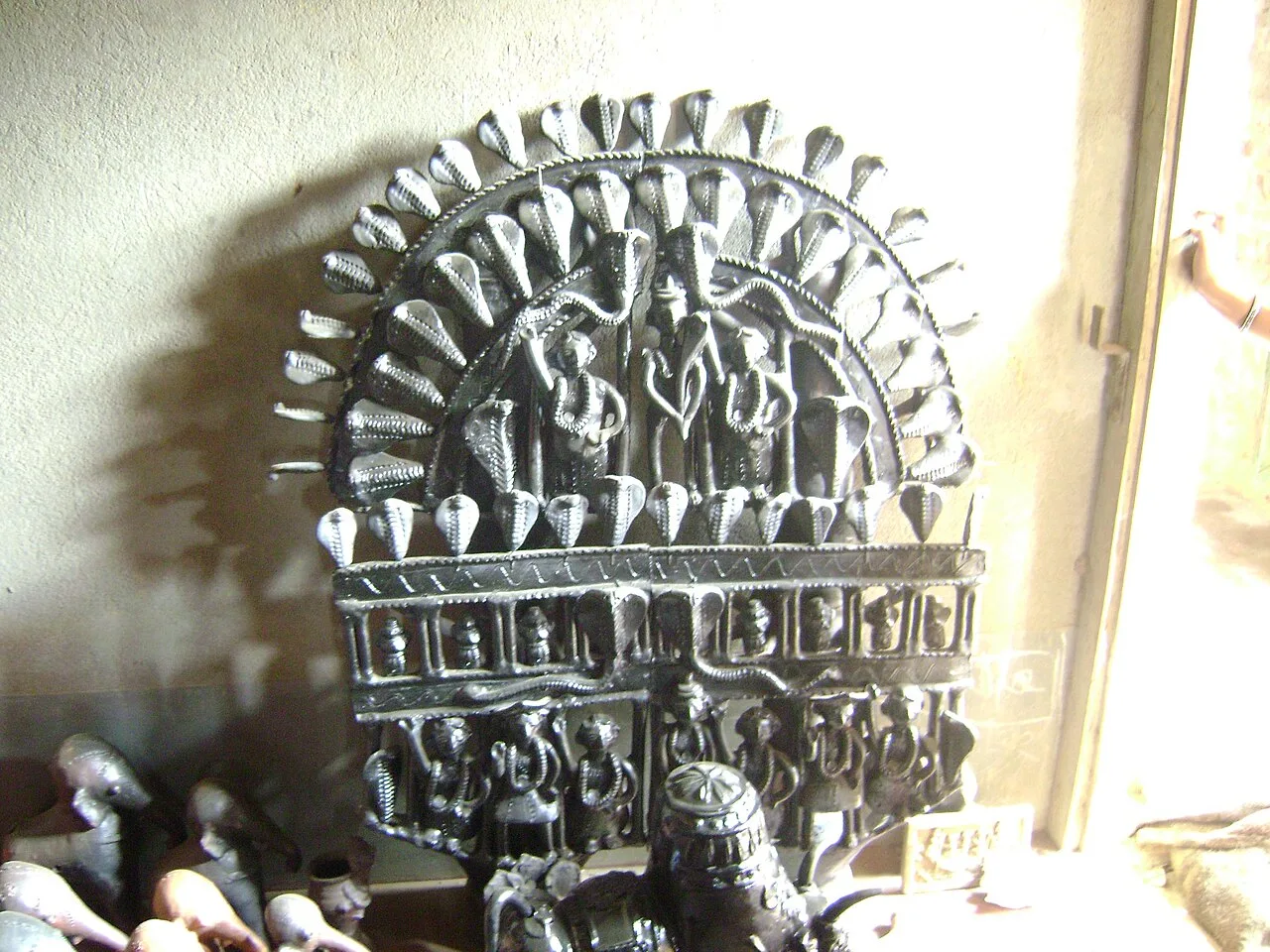
Bikna Dokra Village is a settlement in Bankura district, West Bengal. It may interest visitors seeking to understand the village’s place within the district’s administrative structure.

Santiniketan

71 km away · Birbhum district

Santiniketan

Santiniketan is a neighbourhood of Bolpur in West Bengal, associated with the Tagore family and Visva-Bharati. Visitors come to explore its heritage and its status as a UNESCO World Heritage site.

Bishnupur

76 km away · Bankura district

Bishnupur

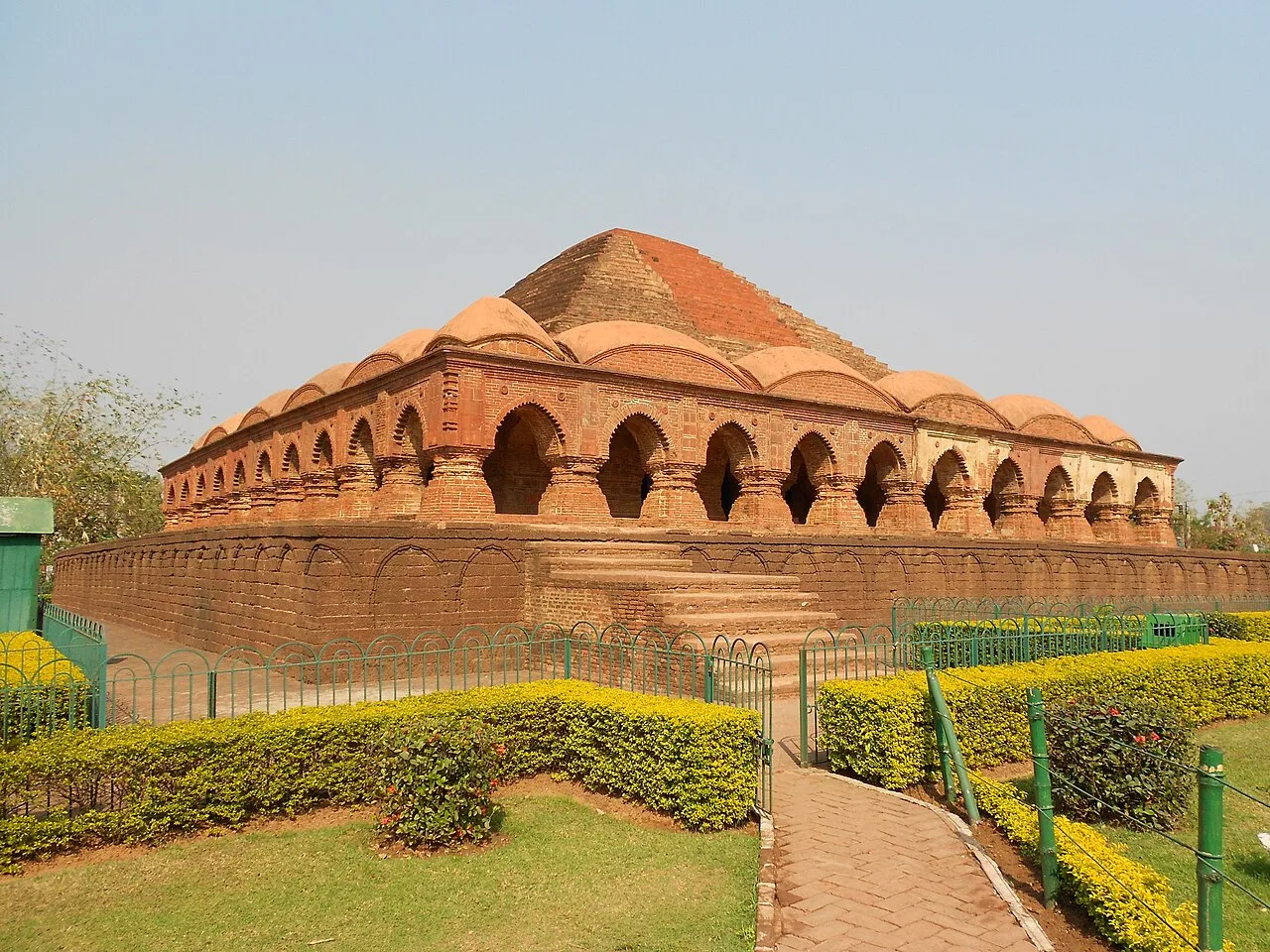
Bishnupur is a city and municipality in West Bengal’s Bankura district, known for temples built under the Malla rulers and for Baluchari sarees.

Panchmura

82 km away · Bankura district

Panchmura

Panchmura is a gram panchayat in Bankura district, West Bengal, known for its terracotta Bankura horse, a folk artefact regarded as India’s national symbol for handicrafts.

Map

Asansol on the map

  1. 1Garh Panchkot
  2. 2Susunia Hill
  3. 3Joychandi Pahar
  4. 4Bakreshwar
  5. 5Bikna Dokra Village
  6. 6Santiniketan
  7. 7Bishnupur
  8. 8Panchmura

West Bengal

Other cities to explore