
Joychandi Pahar
Joychandi Pahar is a hill in Purulia district, West Bengal. Visitors come for its rock-climbing opportunities and to see the area's varied plant life and recorded butterfly species.
Key facts · verified by Ghumoopedia editors
- Type of place
- Natural attraction
- Best time to visit
- October to March for the plains and coast; March to May and October to December for the Darjeeling hills
- Nearest railway station
- Asansol Junction · about 35 km (straight line)
- Nearest airport
- Durgapur (Kazi Nazrul Islam) Airport · about 60 km (straight line)
- Verified
- 21 Nov 2026
Plan a trip from Joychandi Pahar — a day-by-day route through places nearby.
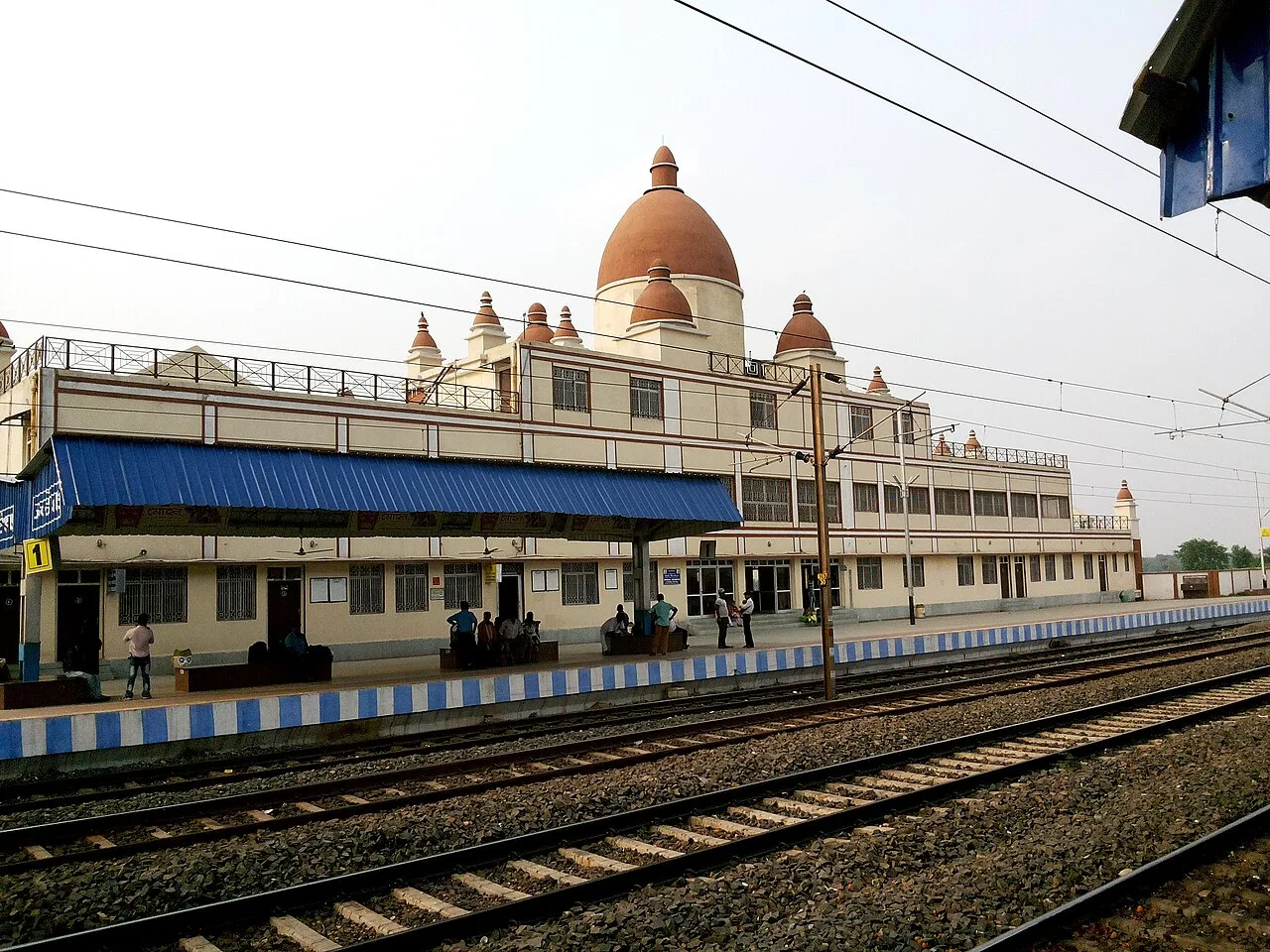
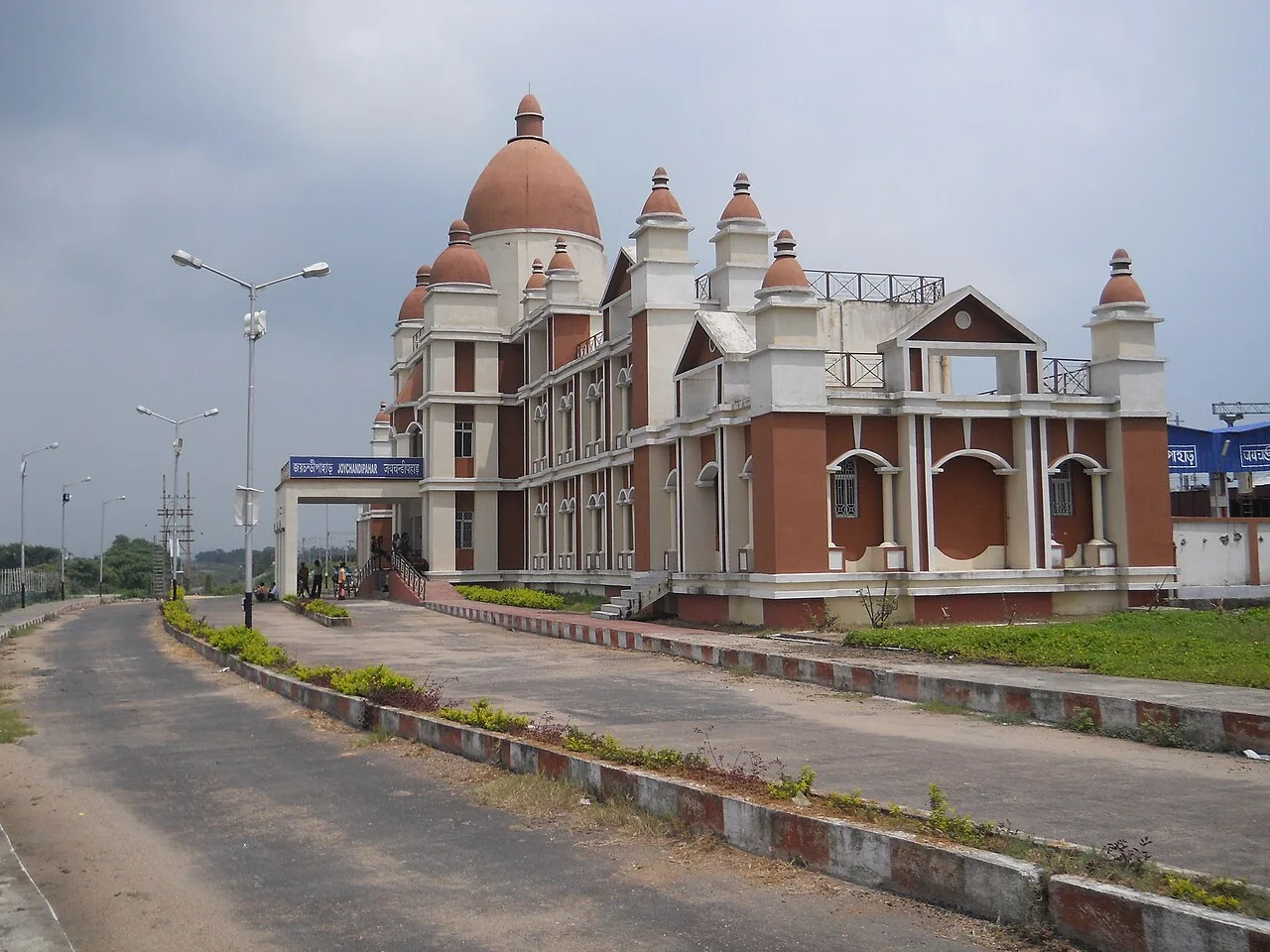
In Purulia district, West Bengal, Joychandi Pahar is a hill and a visitor attraction, particularly for rock climbing. It is 2 kilometres from Raghunathpur, the sub-divisional town, and 4 kilometres from Adra. The hill lies 2 kilometres south of the Purulia–Barakar road, with access via Nanduara village. It is also 1 kilometre west of the Raghunathpur–Adra road, approached through the growing township of Annapurna Pally. Adra Junction railway station is 4 kilometres away, and Joychandipahar station is 1.5 kilometres from the hill. The latter is on the Adra–Asansol section, also referred to as the Asansol–Adra section, of South Eastern Railway, in the state whose capital is Kolkata. Susunia Pahar, another place for rock climbing, lies to the south-east. The hill's vegetation includes Acacia concinna, Helicteres isora, Alangium salviifolium, Holoptelea integrifolia, Azadirachta indica and Butea monosperma, among other plants. A total of 74 butterfly species have also been recorded in the area. West Bengal stretches from the Himalayan tea gardens of Darjeeling to the mangrove delta of the Sundarbans, with Kolkata's colonial architecture, the terracotta temples of Bishnupur, Tagore's Santiniketan and the Nawabi heritage of Murshidabad. The plains are hot and humid from March to June, receive heavy monsoon rain from June to September and are pleasant from November to February; the Darjeeling hills are cool year-round and cold in winter, and the coast and Sundarbans can be hit by cyclones in May and October–November. The usual best time to visit is October to March for the plains and coast; March to May and October to December for the Darjeeling hills. Timings, fees and access arrangements must be confirmed locally. For official information, see West Bengal Tourism at https://wbtourism.gov.in.
Why it matters
Joychandi Pahar is a prominent natural attraction in Purulia district, West Bengal, valued locally for its hill landscape, views and opportunities for rock climbing. It lies close to Raghunathpur and Adra, and its railway station provides a local access point on the Adra–Asansol section of the South Eastern Railway. The hill also has botanical and wildlife interest: a range of plant species and 74 butterfly species have been documented in its vicinity, according to the guide information supplied. Its importance is regional rather than based on a known national heritage designation. No UNESCO, Archaeological Survey of India or other formal protected-site status is established by the available information; confirm any current conservation or access rules locally.
Joychandi Pahar is a natural hill, not a monument known to have been constructed by a ruler or religious institution. The available reference information does not establish a date for its formation, a documented founding story, or a detailed timeline of human settlement on the hill. It identifies the site as a tourist centre and a destination for rock climbing, with the nearby railway connection forming part of the Adra–Asansol section of the South Eastern Railway. The hill's location near Raghunathpur and Adra has made it accessible to visitors from surrounding towns. Its modern role combines recreation, nature interest and climbing; the nearby Susunia Pahar is also noted as a rock-climbing centre. No reliable information records a major restoration, excavation, builder or change of ownership. Visitors should distinguish this limited documented history from local stories, which may be shared orally but are not a dated historical account.
Origin stories & folklore
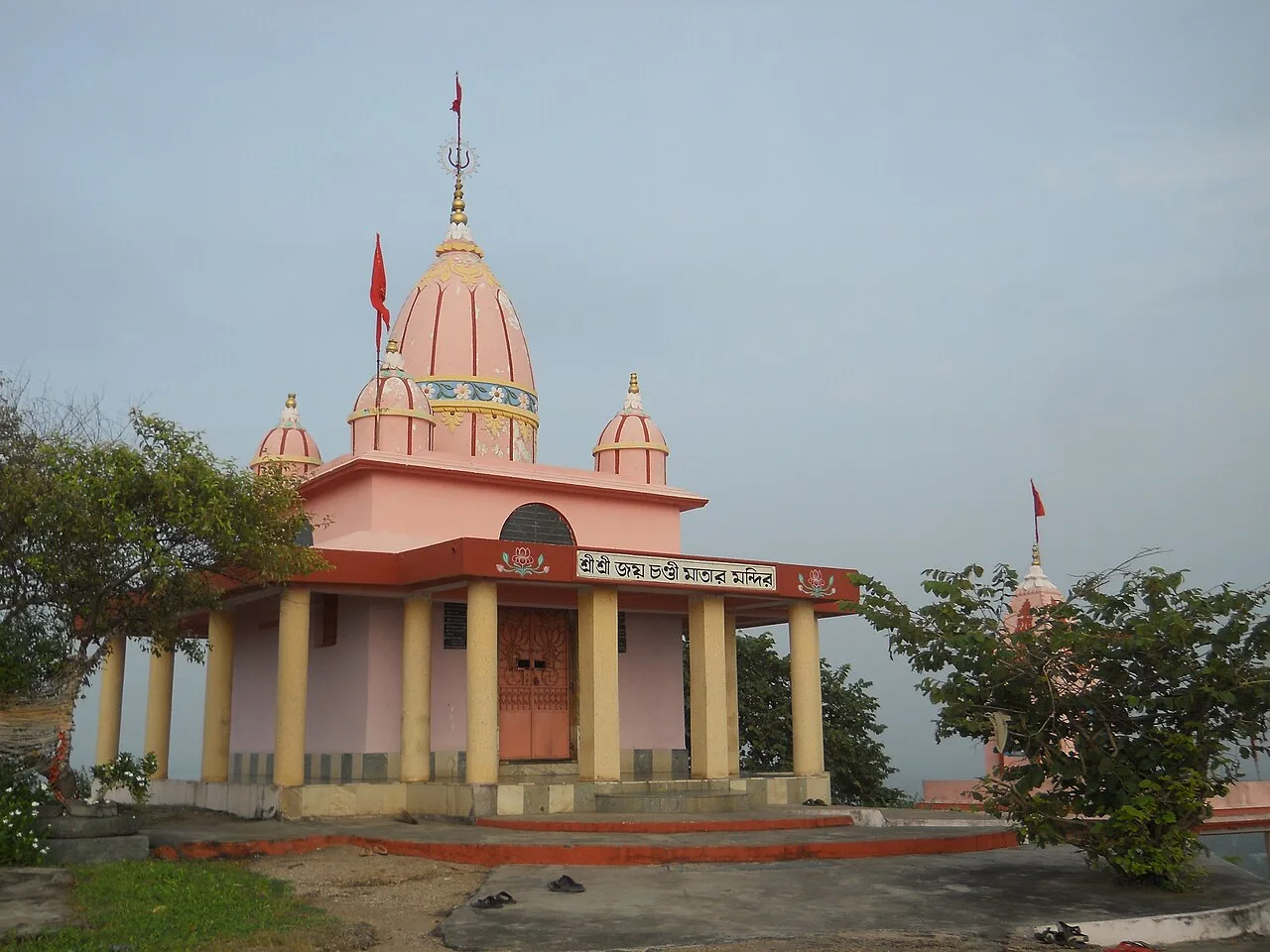
No single, well-documented origin legend for Joychandi Pahar is established in the available guide information. The name may prompt an association with Chandi, a form of the Goddess, but that association alone is not evidence of a particular local story, shrine or ritual history. Stories about the hill may be told within families or communities and can vary; visitors should ask respectfully rather than assume there is one version. Treat any account heard locally as oral tradition unless it can be independently verified. Do not enter shrines or restricted places, or photograph worshippers, without permission.
Spend unhurried time at Joychandi Pahar: walk the marked paths, use official viewpoints and ask locally whether a guide, entry ticket or forest permission is needed. Weather can change quickly, so carry a rain layer even on a clear morning. Wildlife sightings are never guaranteed — patience and quiet improve your chances. A comfortable itinerary is one main visit in the morning, a local meal at midday and a short nearby stop before an afternoon return. Use the district list on this site to find other places in Purulia, but check the route and its condition before combining stops. If a festival is on — such as Durga Puja, Kali Puja or the Poush Mela at Santiniketan — roads and stays can be busy, and the experience can be unforgettable. Leave no litter: many sites are protected by the communities around them.
Suggested itineraries
Half day: Arrive in the morning; allow about 1–2 hours for a comfortable walk and viewpoint stops, then take a break in Raghunathpur or Adra before returning. Full day: Spend about 2–3 hours at Joychandi Pahar, have a local meal, then choose one nearby stop such as Susunia Pahar or a town visit; allow extra time for road conditions. Gentler option: View the hill from an accessible approach, take a short level walk only if the surface is suitable, and spend the remainder of the visit resting in town.
The hill sits within the cultural landscape of Purulia, where Bengali is widely used and Kurmali, Santali and other regional languages are also spoken. In the district, Chhau performance, folk music and seasonal celebrations are important parts of cultural life, though performances are not guaranteed at Joychandi Pahar itself. Durga Puja and Kali Puja are observed in the wider region, alongside local seasonal customs. Everyday visits are generally informal; modest, practical clothing and considerate behaviour are appropriate, especially near any place of worship. Ask before photographing performers, residents or ceremonies, and follow local guidance about access.
Local communities
Residents of Raghunathpur, Adra and nearby villages are connected to the hill through everyday travel, tourism and local services. The wider Purulia region includes Bengali-, Kurmali- and Santali-speaking communities, with varied cultural identities and livelihoods. People in the surrounding area may work in farming, trade, transport, public services or visitor-facing businesses; these are regional livelihoods, not a claim about every household. Local knowledge can help visitors understand routes and current conditions. Ask permission before photographing people, respect private land and religious spaces, and avoid treating community practices as a tourist display.
Festivals & events
Durga Puja, usually in the autumn, and Kali Puja, usually in autumn, are observed in towns and communities across the region; they are not necessarily events held on the hill. Purulia's seasonal folk traditions and Chhau performances may be encountered at local programmes or fairs, but schedules and venues vary. Check with residents or local tourism sources before planning around an event. Festival periods can bring busier roads, fuller accommodation and more activity in nearby towns. Be considerate around processions and worship, and do not assume that a public celebration permits close photography.
Local food in West Bengal includes macher jhol (fish curry), shorshe ilish (hilsa in mustard), kosha mangsho, luchi with alur dom, kathi rolls and phuchka in Kolkata, mishti doi, rosogolla and sandesh; in the Darjeeling hills, momos, thukpa, shaphaley and first-flush Darjeeling tea. Ask what is fresh that day; many small eateries cook a limited daily menu. Vegetarian travellers eat well across the state, and most towns also have fish and meat dishes. Remote sites may have no restaurant at all. Carry water and snacks, eat a proper breakfast before long drives, and ask your accommodation for a packed lunch if you are heading out early. Try a home-cooked or local thali meal when you can — it is often the best food on the route. Choose busy, clean places, drink sealed or filtered water, and carry your packaging back with you.
Shopping & local experiences
For everyday purchases, look in the markets of Raghunathpur or Adra for snacks and practical travel supplies. Purulia is known more broadly for its Chhau mask-making tradition; masks and related craft items may be found through regional makers or markets, though availability near the hill is not assured. Ask about the maker and the place of production, and buy directly where possible. Local food stalls or town eateries can offer a simple regional meal, but menus vary. Carry reusable water containers where practical and avoid buying items made from plants or wildlife.
Joychandi Pahar is a rocky hill in the Purulia landscape, offering a contrast to the surrounding settlements and open countryside. Published accounts record a varied range of plants in its vicinity, including Acacia concinna, Helicteres isora, Alangium salviifolium, Holoptelea integrifolia, neem and palash. It also reports 74 butterfly species documented locally. These records describe the area, not a guarantee that a particular plant or butterfly will be visible during a visit. The available information does not establish a named water body or the hill's formal forest status. Walk quietly, stay on appropriate paths and avoid picking plants or disturbing wildlife. Seasonal weather affects conditions underfoot.
October to March for the plains and coast; March to May and October to December for the Darjeeling hills
The nearest principal railway station by straight-line distance is Asansol Junction, roughly 35 km away. The nearest operating airport by straight-line distance is Durgapur (Kazi Nazrul Islam) Airport, roughly 60 km away. These figures are calculated from map coordinates — actual road distance is longer. Howrah, Sealdah and Kolkata stations and Kolkata airport serve the south; New Jalpaiguri station and Bagdogra airport near Siliguri are the gateways to the Darjeeling hills and the Dooars. For the final leg, West Bengal Transport Corporation, North Bengal State Transport and South Bengal State Transport buses, private buses and shared jeeps in the hills link district towns. A private taxi gives more flexibility for remote sites. When comparing train, bus and flight, count the complete door-to-door time: a flight saves the most time only if the onward road transfer is short, while an overnight train can save a hotel night. Book your return before you leave, because seats fill quickly on weekends, festivals and holidays. Current train numbers, timings, return services and fares are not listed here; check IRCTC and NTES for trains and the airline's own schedule for flights. No permit is needed for Indian citizens to visit West Bengal. Entry to the Sundarbans Tiger Reserve needs a forest permit, usually arranged through a registered boat operator or the forest office at Sajnekhali or Canning; trekking in Singalila National Park (Sandakphu) needs an entry permit and a registered guide from Maneybhanjan. Durga Puja in October brings huge crowds to Kolkata, so book transport and stays well ahead.
Confirm onward and return timings on IRCTC / NTES, the state bus operator or your airline before travel. A dash means current timings or fares have not been verified.
Getting around
Joychandipahar railway station is a local arrival point on the Adra–Asansol section; Adra Junction and Raghunathpur are other nearby rail or town access points cited in the guide. From a station or town, ask locally about autos, shared vehicles or taxis for the final leg, since availability can vary. Walking may be possible from nearby approaches, but check the route and surface before starting. Agree on a safe drop-off and pick-up point with a driver, and confirm parking arrangements on arrival. Local buses may serve town connections, but check routes and service conditions locally.
Hours, tickets & permissions
Access arrangements may depend on the route, land management, climbing activity or any place of worship on the hill. Do not assume that every path is open or that entry is unrestricted. Tickets, permissions, camera rules and any requirements for climbing should be checked locally before setting out. Ask the relevant local authority, site caretaker or tourism office about current entry rules and fees; no reliable current schedule or fee information is established here. Follow posted notices and directions, and do not enter closed or unsafe areas.
Facilities
Facilities directly on the hill may be limited or vary by approach and season. Toilets, drinking water, food stalls, guides and parking should not be assumed to be available on site; check locally before you go. Raghunathpur and Adra are the more practical places to seek meals and basic services, though opening and availability vary. Carry drinking water, any personal medicines and a charged phone. Ask about a local guide before attempting a climb, and confirm whether cash, mobile connectivity or public toilets are available along your chosen route.
Accessibility
The attraction is a rocky hill, so reaching higher viewpoints can involve uneven ground, slopes and potentially steps; the precise condition depends on the approach. Shade may be limited on exposed sections, so plan for sun and heat. The hilltop should not be assumed to be wheelchair- or stroller-accessible, and older visitors or anyone with balance, mobility or heart concerns should assess the route before proceeding. A short visit from a suitable lower viewpoint may be a more comfortable alternative. Check surface conditions locally, wear secure footwear and avoid climbing in rain or when rocks are slippery.
No permit is needed for Indian citizens to visit West Bengal. Entry to the Sundarbans Tiger Reserve needs a forest permit, usually arranged through a registered boat operator or the forest office at Sajnekhali or Canning; trekking in Singalila National Park (Sandakphu) needs an entry permit and a registered guide from Maneybhanjan. Durga Puja in October brings huge crowds to Kolkata, so book transport and stays well ahead. Carry a photo ID at all times and save the emergency number 112 and your accommodation's contact offline. Heat in summer and heavy rain in the monsoon are the main weather risks; carry water, avoid midday sun and allow extra time when roads flood. Stay on marked paths, keep away from cliff edges and fast water, and never approach wild animals.
Photography
The hill and its surroundings can be photographed in soft early or late daylight, when shadows may bring out the rocky contours. Use established viewpoints or safe ground rather than climbing onto unstable edges for a frame. General landscape photography is usually unobtrusive, but check locally for restrictions at any managed area or place of worship. Do not photograph residents, children, climbers or ceremonies without consent. Drone use may require permissions and can disturb people and wildlife; confirm applicable rules before flying, and do not fly near crowds or restricted areas.
Choose a stay by the full journey to Joychandi Pahar, not just the district name. Kolkata offers the widest choice; on the coast, Digha and Mandarmani have many hotels, and the Sundarbans have eco-resorts and boat stays near Pakhiralay and Bali island. In summer, check air-conditioning; in the monsoon, check that the property is accessible if roads flood. Book in advance for weekends, festivals and the peak season (October to March for the plains and coast; March to May and October to December for the Darjeeling hills). Confirm the exact location, meals included, check-in time and cancellation terms in writing. Avoid sending money to unverified contacts or touts at stations. Carry some cash, as card and digital payments can be unreliable in remote areas.
Susunia Pahar, another rock-climbing centre mentioned in the guide, is a possible regional pairing if road conditions and travel time suit. Raghunathpur and Adra provide nearby town stops for a meal or local services. Other established destinations in Purulia district include Ajodhya Hills, Garh Panchkot and Baranti; these are better treated as separate excursions unless you have checked the route and allowed enough time. Conditions and access can change, so confirm locally before combining multiple sites. Avoid relying on a map estimate alone for travel planning.
For couples, Joychandi Pahar rewards a slow pace: arrive early for soft light and fewer crowds, share a local meal and keep the evening free. A toy-train ride in the Darjeeling hills, a boat on the Hooghly at sunset or an evening of adda over tea in Kolkata makes the trip memorable. Public displays of affection can be frowned upon in conservative communities and at religious sites, so be discreet. Keep a buffer in your itinerary, because weather and road conditions can delay plans.
Q: How much time should I allow for Joychandi Pahar? A: A half-day is a reasonable plan for a relaxed visit; allow longer if you intend to climb or combine it with another destination. Q: When is a good season to visit? A: The cooler months, broadly October to March, are generally more comfortable for exploring Purulia. Check weather and ground conditions before travelling. Q: Is there an entry ticket or permit? A: Ask the local authority or site caretaker before visiting. Q: Is the hill suitable for children and older visitors? A: Families can enjoy a cautious visit, but rocky, sloping terrain may make higher routes difficult. Choose a lower viewpoint if needed and supervise children closely. Q: Where can I stay nearby? A: Look for accommodation in Raghunathpur or Adra and confirm availability and facilities directly. Options and services can vary by season.
Be the first to share photos, stories, advice or a helpful contact for Joychandi Pahar.
Loading…